Category: Health & Wellness

  • Hand Foot and Mouth Disease Treatment

    Hand Foot and Mouth Disease Treatment

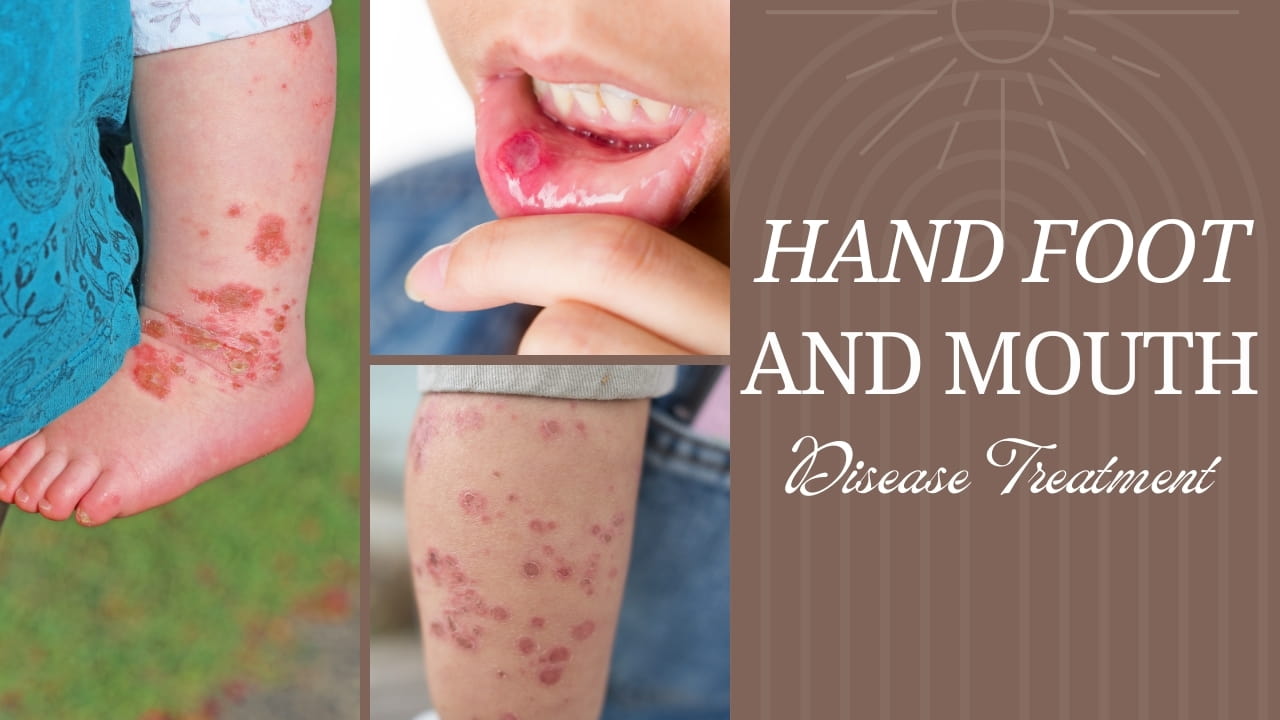
    hand, foot & mouth disease treatmentHand, Foot, and Mouth Disease (HFMD) treatment primarily focuses on alleviating symptoms and preventing complications. Over-the-counter pain relievers like acetaminophen or ibuprofen can help reduce fever and discomfort from mouth sores while staying hydrated with cool, soothing liquids and consuming soft, easy-to-swallow foods can aid in preventing dehydration and minimising discomfort during eating.

    Topical numbing agents may provide additional relief for mouth sores. Hand, Foot, and Mouth Disease (HFMD) stands as a prevalent viral ailment primarily impacting toddlers and youngsters under five years old, although it may manifest in older juveniles and adults as well. HFMD is caused by various strains of viruses, most commonly the Coxsackievirus.

    It spreads through close personal contact, as well as through respiratory droplets from coughing or sneezing, and contact with contaminated surfaces. The virus can survive on surfaces for several days, making it highly contagious.

    Symptoms Of HFMD

    1. Fever: Often the first sign of the illness, a fever may precede other symptoms.
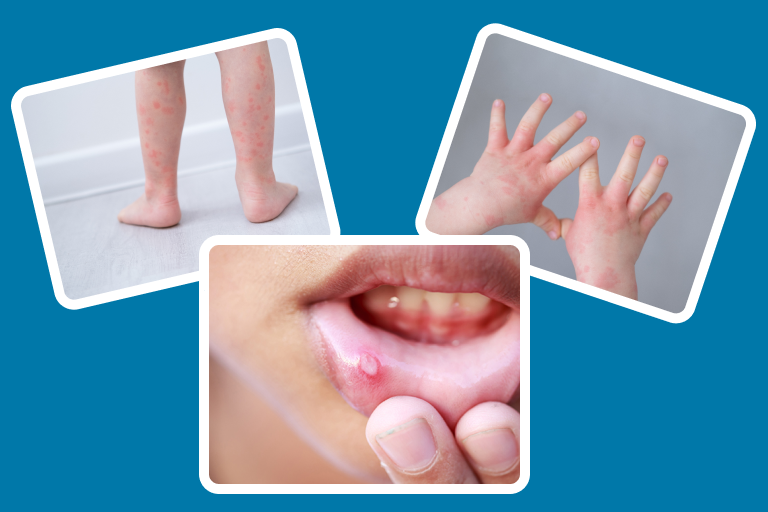
    2. Sore throat: Painful blisters or ulcers may develop in the mouth and throat, making swallowing difficult.
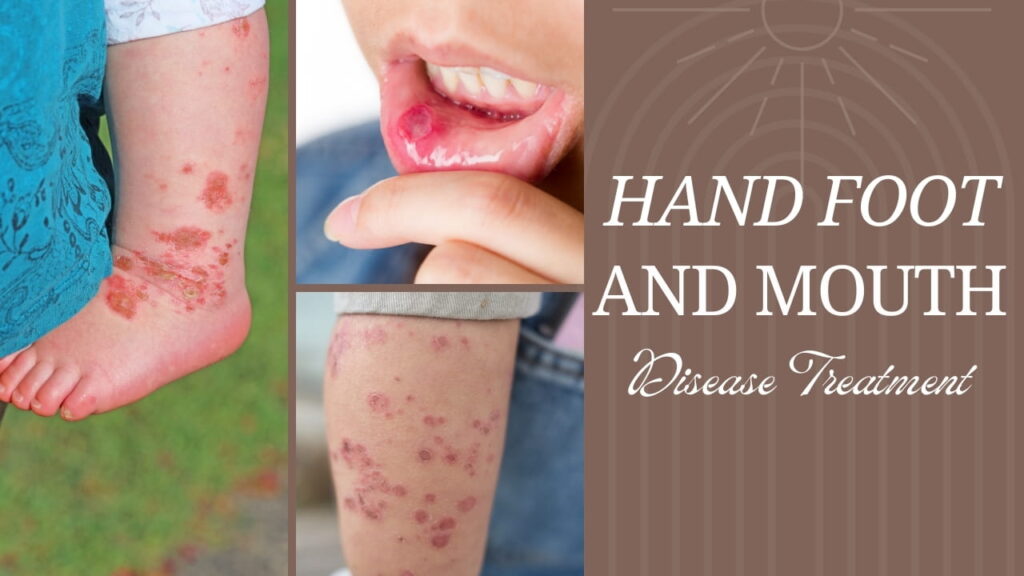
    3. Rash: Small red spots or bumps may appear on the palms of the hands, soles of the feet, and sometimes on the buttocks. These may progress to fluid-filled blisters.
    4. Loss of appetite: Due to discomfort from mouth sores, children may refuse to eat or drink.

    It’s important to note that not everyone infected with the virus will display all these symptoms, and some individuals may have a mild case with minimal or no symptoms at all.
    Hand Foot and Mouth Disease Treatment

    Hand Foot and Mouth Disease Treatment

    While there is no specific cure for HFMD, treatment focuses on relieving symptoms and preventing complications. Here are some effective treatment approaches:

    Pain Relief: Over-the-counter pain relievers such as acetaminophen (Tylenol) or ibuprofen (Advil, Motrin) can help reduce fever and alleviate discomfort from mouth sores. Aspirin should be avoided in children due to the risk of Reye’s syndrome, a rare but serious condition.

    Hydration: Encourage plenty of fluids to prevent dehydration, especially if your child has a fever or is reluctant to eat or drink due to mouth sores. Offer cool, soothing liquids such as water, diluted fruit juices, or popsicles.

    Soft Foods: Stick to soft, easy-to-swallow foods to minimize discomfort when eating. Avoid acidic or spicy foods that may irritate mouth sores. Cold foods like yogurt or smoothies can provide relief.

    Topical Treatments: For pain relief from mouth sores, topical numbing agents such as lidocaine or benzocaine can be applied to the affected areas. Be sure to use these medications as directed and consult with a healthcare professional if you have any concerns.

    Isolation and Hygiene: Since HFMD is highly contagious, it’s essential to practice good hygiene to prevent the spread of the virus. Encourage frequent handwashing with soap and water, especially after using the bathroom or changing diapers, and disinfect commonly touched surfaces and toys regularly. Keep infected individuals isolated from others, especially young children and pregnant women, until they are no longer contagious.

    When to Seek Medical Attention

    In most cases, HFMD is a mild and self-limiting illness that resolves on its own within a week to ten days. However, complications can occur, particularly in rare cases or in individuals with weakened immune systems. Seek medical attention if you notice any of the following warning signs:

    • High fever (above 102°F or 38.9°C)
    • Symptoms indicating dehydration such as reduced frequency of urination, parched oral cavity, or feelings of sluggishness and lethargy.
    • Difficulty breathing or swallowing
    • Severe headache, neck stiffness, or irritability
    • Persistent vomiting or abdominal pain

    Your healthcare provider can evaluate your child’s condition and recommend appropriate treatment if necessary.

    Conclusion:

    While Hand, Foot, and Mouth Disease can be uncomfortable for children and caregivers alike, most cases can be managed effectively at home with supportive care. By following these treatment approaches and practicing good hygiene, you can help alleviate symptoms and prevent the spread of the virus within your family and community.

    If you have any concerns or questions about HFMD or your child’s health, don’t hesitate to consult with a healthcare professional for guidance and support.

    Read: What are Generic Medicines?

    FAQs on Hand Foot and Mouth Disease Treatment

    Q1. What is Hand Foot And Mouth Disease Treatment?

    Hand, Foot, and Mouth Disease treatment primarily involves managing symptoms such as fever and mouth sores with over-the-counter pain relievers and topical numbing agents. It also includes staying hydrated with cool liquids and consuming soft, easy-to-swallow foods to prevent dehydration and minimize discomfort during eating.

    Q2. What are the best over-the-counter medications for relieving symptoms of Hand, Foot, and Mouth Disease?

    Acetaminophen (Tylenol) or ibuprofen (Advil, Motrin) can help reduce fever and alleviate discomfort from mouth sores.

    Q3. Are there any topical treatments that can help with the pain from mouth sores in Hand, Foot, and Mouth Disease?

    Yes, topical numbing agents such as lidocaine or benzocaine can be applied to the affected areas for pain relief.

    Q4. How important is hydration in the treatment of Hand, Foot, and Mouth Disease?

    Staying hydrated with cool, soothing liquids like water, diluted fruit juices, or popsicles is crucial to prevent dehydration, especially if fever or mouth sores are present.

    Related Links:

  • Gastritis Treatment – Best Treatment for Gastritis, Food and Remedies

    Gastritis Treatment – Best Treatment for Gastritis, Food and Remedies

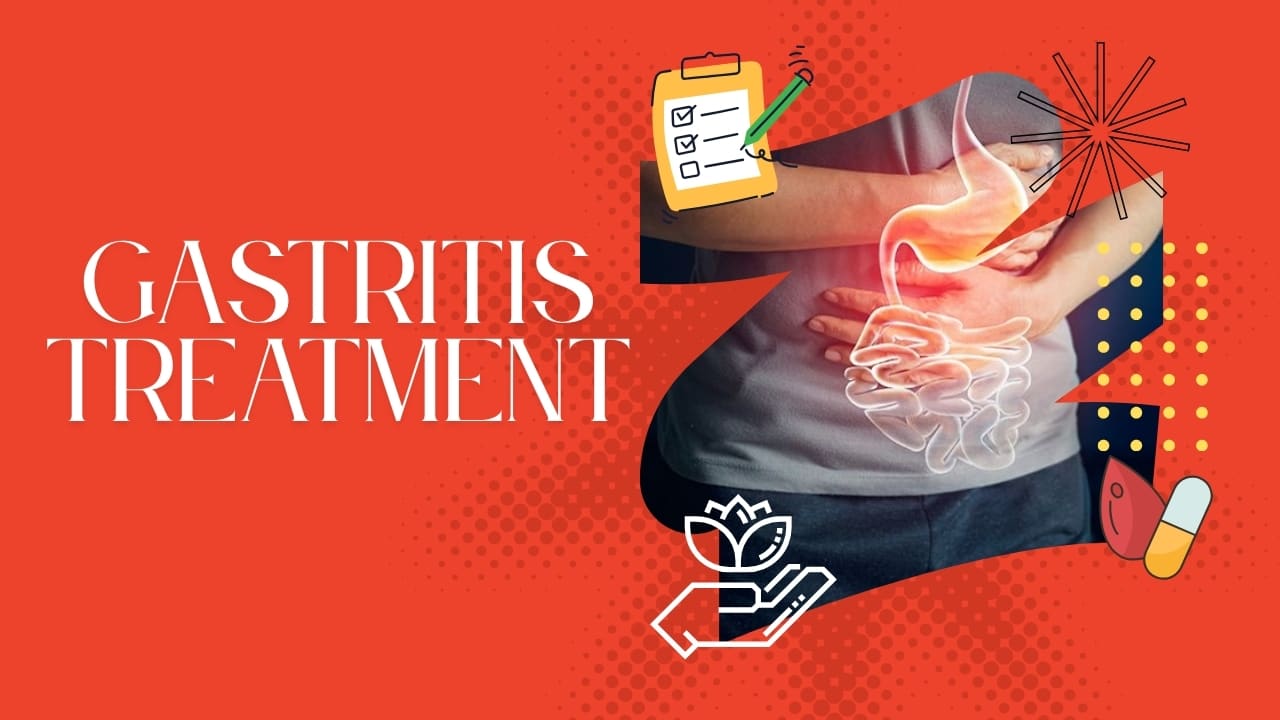
    gastritis treatmentGastritis, a common digestive disorder affecting millions worldwide, can significantly impact one’s quality of life if left untreated. Characterised by inflammation of the stomach lining, gastritis manifests in various forms and severity levels.
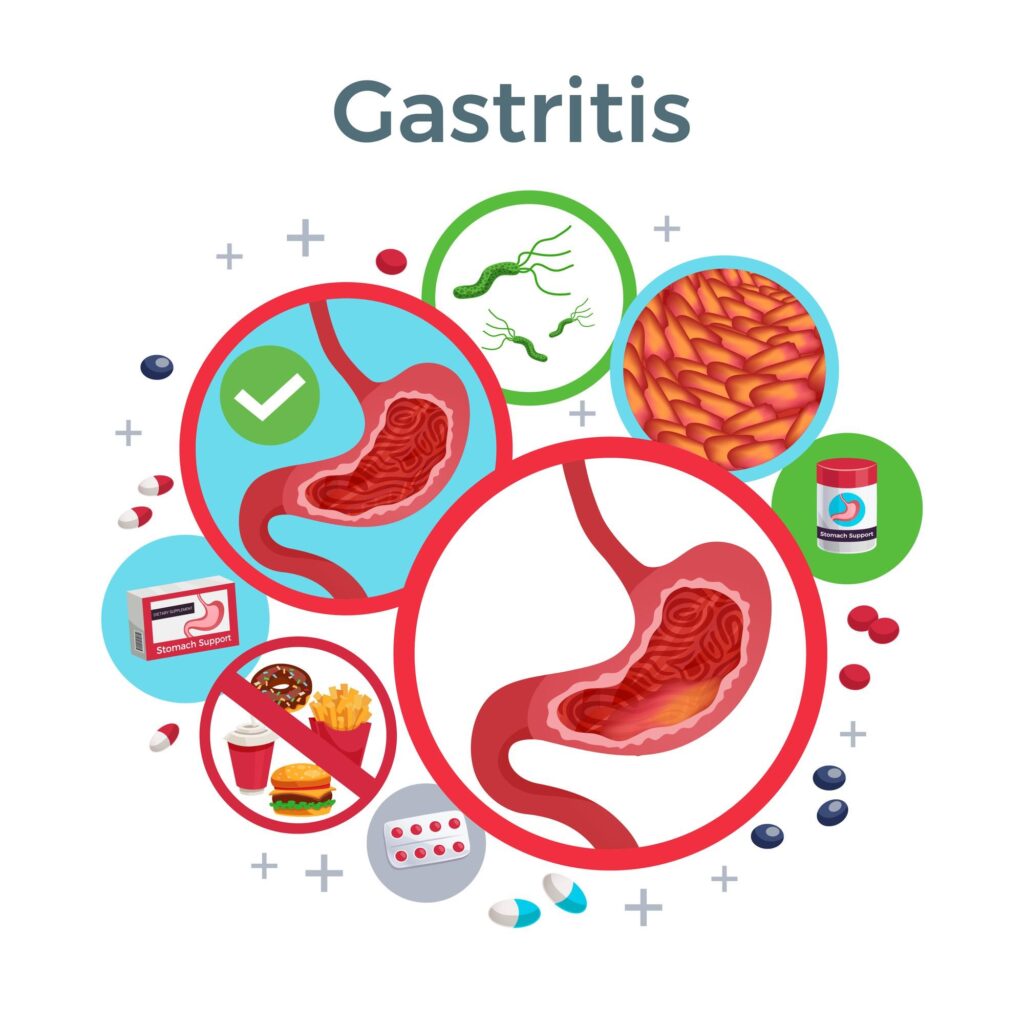
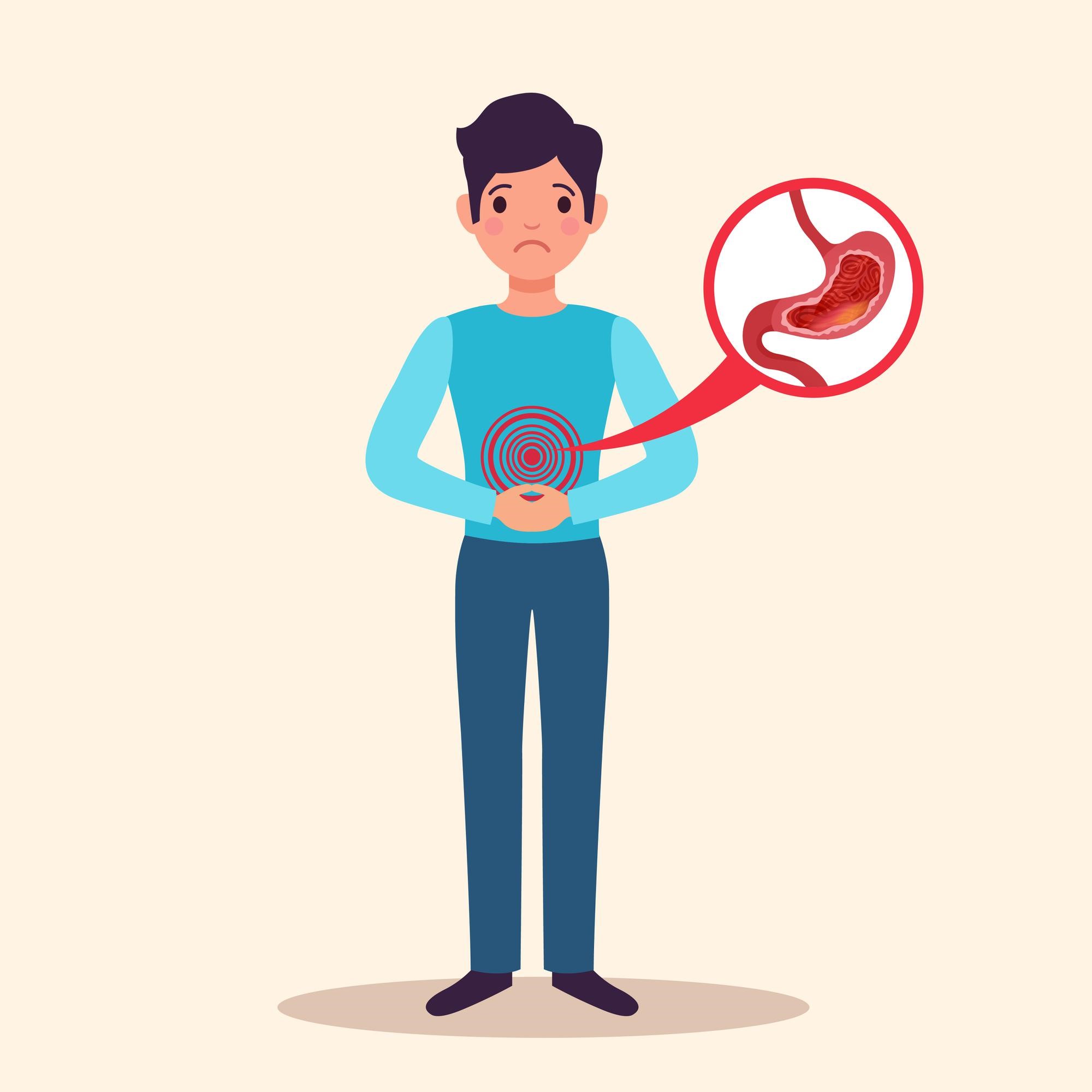
    While symptoms can range from mild discomfort to severe pain, understanding the condition’s causes and effective treatment strategies is essential for managing gastritis effectively. Gastritis refers to inflammation, irritation, or erosion of the stomach lining. This condition can develop suddenly (acute gastritis) or persist over time (chronic gastritis).

    Common Symptoms of Gastritis

    1. Abdominal pain or discomfort
    2. Nausea and vomiting
    3. Indigestion or heartburn
    4. Loss of appetite
    5. Bloating or fullness after eating
    6. Blood in vomit or stools (in severe cases)

    While these symptoms may vary in intensity, they often interfere with daily activities and diminish overall well-being.

    Effective Gastritis Treatment Strategies

    Treatment for gastritis aims to relieve symptoms, promote healing of the stomach lining, and address underlying causes. Here are some effective strategies commonly employed:

    1. Medications

    Proton pump inhibitors (PPIs): Drugs like omeprazole, lansoprazole, and esomeprazole help reduce stomach acid production, relieving symptoms and promoting healing.

    Antacids: Over-the-counter antacids can neutralize stomach acid and provide temporary relief from symptoms like heartburn and indigestion.

    Antibiotics: In cases of H. pylori infection, a course of antibiotics, often combined with PPIs and other medications, is necessary to eradicate the bacteria and prevent recurrence.

    Cytoprotective agents: Medications like sucralfate or misoprostol help protect the stomach lining and promote healing.

    Managing Nausea and Vomiting: Gastritis often causes uncomfortable nausea and occasional vomiting. To manage these symptoms, doctors may recommend anti-nausea medicines like Avishal Tablet, which can help reduce discomfort and prevent dehydration.

    Medkart Pharmacy Offer

    2. Lifestyle Modifications

    Dietary changes: Avoiding spicy, acidic, or fatty foods can help reduce irritation of the stomach lining. Instead, choose a dietary regimen abundant in fruits, veggies, lean meats, and whole grains for optimal health.

    Limiting alcohol and NSAIDs: Minimizing alcohol consumption and avoiding unnecessary NSAID use can help prevent gastritis flare-ups.

    Stress management: Practicing relaxation techniques such as meditation, deep breathing, or yoga can help reduce stress levels and alleviate symptoms.

    Gastritis Treatment

    What Foods Help Heal Gastritis?

    Healing gastritis involves soothing the stomach lining and reducing inflammation. Certain foods can aid in this process by providing nutrients that support digestive health and reduce irritation. Here are some foods that help heal gastritis:

    • High-fiber foods: Fruits, vegetables, and whole grains are rich in fiber, which promotes digestion and reduces inflammation. Opt for options like apples, berries, broccoli, carrots, and oats.
    • Probiotic-rich foods: Probiotics help restore the natural balance of gut bacteria, aiding in digestion and reducing inflammation. Include yogurt, kefir, kimchi, sauerkraut, and other fermented foods in your diet.
    • Lean proteins: Choose lean sources of protein like poultry, fish, tofu, and legumes, which are easier to digest than fatty or processed meats.
    • Healthy fats: Avocados, nuts, seeds, and olive oil provide healthy fats with anti-inflammatory properties that protect the stomach lining.
    • Herbal teas: Ginger, chamomile, and licorice root teas have soothing effects on the stomach and can reduce inflammation and discomfort.
    • Low-acid fruits: Bananas, papayas, melons, and pears are gentle on the stomach due to their lower acidity.
    • Cooked vegetables: Cooked vegetables are easier to digest than raw ones and provide essential nutrients without causing irritation.
    • Whole grains: Brown rice, quinoa, barley, and whole wheat bread offer nutritious carbohydrates that regulate digestion and promote stomach health.
    • Bone broth: Rich in collagen and amino acids, bone broth supports the healing of the stomach lining.
    • Water: Staying hydrated with water is crucial for digestive health and can help alleviate gastritis symptoms. Avoiding carbonated beverages, caffeine, and alcohol is also beneficial as they can irritate the stomach lining.

    Gastritis Treatment

    Conclusion:

    Gastritis, though common, can significantly impact one’s quality of life if left untreated. By understanding the symptoms, causes, and effective treatment strategies outlined in this guide, individuals can take proactive steps to manage their condition and improve overall digestive health.

    Remember, timely intervention, lifestyle modifications, and adherence to prescribed medications are key to alleviating symptoms, promoting healing, and preventing recurrence of gastritis. If you suspect you may have gastritis or experience persistent digestive symptoms, consult a healthcare professional for proper evaluation and personalized treatment recommendations. With the right approach, relief from gastritis is attainable, allowing individuals to enjoy a healthier, more comfortable life.

    Read: What are Generic Medicines?

    FAQs on Gastritis Treatment

    Q1. What is Gastritis Treatment?

    Gastritis treatment involves alleviating symptoms and promoting healing of the stomach lining. It typically includes medications to reduce stomach acid production, dietary changes to soothe inflammation, and lifestyle modifications to prevent flare-ups. In severe cases, additional interventions such as antibiotics may be necessary to address underlying causes like H. pylori infection.

    Q2. What medications are commonly used to treat gastritis?

    Proton pump inhibitors (PPIs) and H2-receptor antagonists are frequently prescribed to reduce stomach acid production and alleviate symptoms. Antacids may also be recommended for temporary relief.

    Q3. Can diet help manage gastritis symptoms?

    Yes, certain dietary changes such as consuming high-fiber foods, lean proteins, probiotics, and low-acid fruits can help soothe the stomach lining and reduce inflammation, aiding in gastritis management.

    Q4. Are there lifestyle changes that can improve gastritis?

    Lifestyle modifications such as quitting smoking, reducing alcohol consumption, managing stress levels, and avoiding NSAIDs (nonsteroidal anti-inflammatory drugs) can help prevent gastritis flare-ups and promote healing of the stomach lining.

    Related Links:

    Blog | Medkart Pharmacy - Generic Medicine Online

  • Frozen Shoulder Treatment – Home Remedies, Ayurvedic Treatment for Frozen Shoulder

    Frozen Shoulder Treatment – Home Remedies, Ayurvedic Treatment for Frozen Shoulder

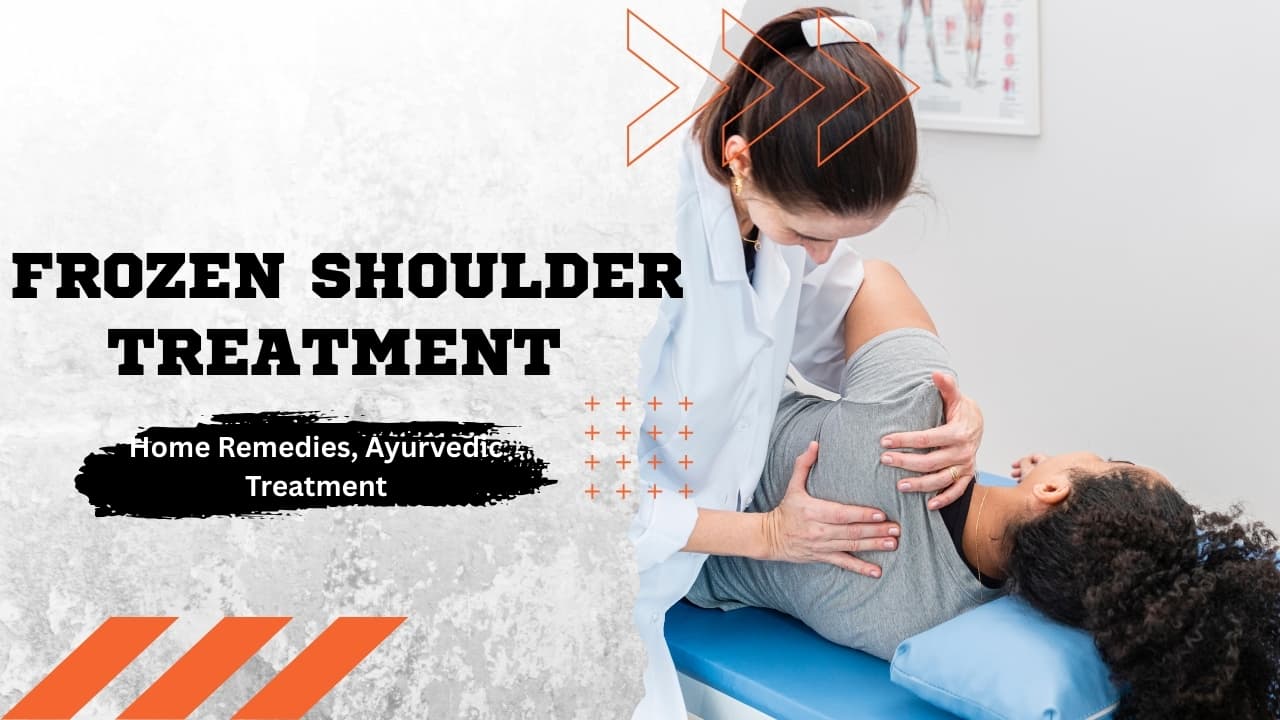
    frozen shoulder treatmentFrozen shoulder, medically known as adhesive capsulitis, is a condition characterized by stiffness, pain, and limited range of motion in the shoulder joint. It can significantly impede one’s ability to perform daily activities and affect the overall quality of life. However, with the right approach to treatment, it is possible to thaw out the frozen shoulder and regain mobility.

    A typical journey of frozen shoulder involves advancing through three distinct phases: the initial stage of freezing, followed by the full-on frozen phase, and ultimately transitioning into the thawing stage. During the freezing stage, pain gradually increases, and shoulder movement becomes limited.

    During the frozen phase, discomfort might diminish, yet rigidity persists, greatly constraining the range of motion in the shoulder. Finally, during the thawing stage, shoulder movement gradually improves.

    Frozen Shoulder Treatment

    Frozen Shoulder Treatment

    The best treatments for Frozen Shoulder are mentioned below:

    Physical Therapy: Physical therapy plays a central role in the treatment of a frozen shoulder. Therapeutic exercises aimed at stretching and strengthening the shoulder muscles can help improve flexibility and range of motion. A physical therapist can design a customized exercise program tailored to the individual’s specific needs and the stage of a frozen shoulder.

    Medications: Pain and inflammation associated with a frozen shoulder can be managed with nonsteroidal anti-inflammatory drugs (NSAIDs) such as ibuprofen or naproxen. In some cases, corticosteroid injections into the shoulder joint may be recommended to reduce inflammation and alleviate pain.

    Medkart Pharmacy Offer

    Heat and Cold Therapy: Applying heat to the shoulder can help relax muscles and increase blood flow, promoting healing and reducing stiffness. Cold therapy, on the other hand, can help numb the area and alleviate pain. Alternating between heat and cold therapy can provide relief from symptoms.

    Manual Therapy: Techniques such as massage and mobilization performed by a qualified healthcare provider can help improve shoulder mobility and reduce stiffness. Manual therapy techniques aim to break up scar tissue and adhesions within the shoulder joint, allowing for a greater range of motion.

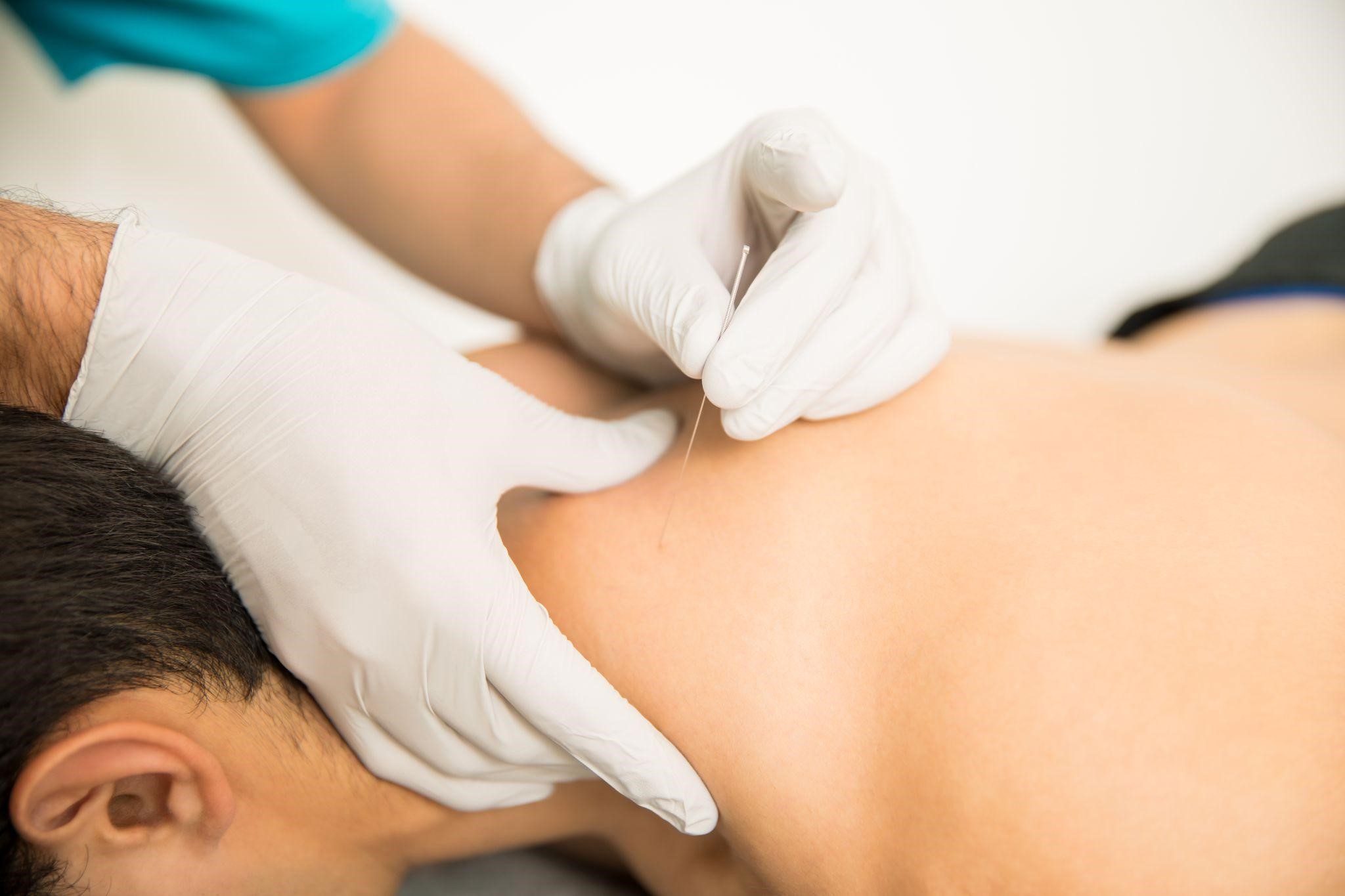
    Acupuncture: Acupuncture, an ancient Chinese therapy involving the insertion of thin needles into specific points on the body, has been shown to provide relief for some individuals with frozen shoulders. It is believed to stimulate the body’s natural healing response and promote relaxation of muscles.

    Frozen Shoulder Treatment

    Surgery: In severe cases of frozen shoulders that do not respond to conservative treatments, surgery may be considered. Surgical options include manipulation under anaesthesia, during which the shoulder is forcefully moved to break up scar tissue, and arthroscopic release, a minimally invasive procedure to cut through tight portions of the shoulder capsule.

    Ayurvedic Treatment for Frozen Shoulder

    Ayurvedic treatment for frozen shoulder focuses on restoring balance to the body’s doshas, particularly Vata, which is believed to be responsible for the condition. Therapies may include herbal remedies, external oil massages, and specific dietary recommendations to reduce inflammation and promote joint mobility.

    Ayurvedic treatments aim to address the root cause of frozen shoulder while also providing relief from pain and stiffness through natural, holistic approaches. However, it’s essential to consult with a qualified Ayurvedic practitioner to ensure personalized and effective treatment tailored to individual needs.

    Conclusion:

    Frozen shoulder can be a challenging condition to manage, but with the right approach to treatment, significant improvements in symptoms and shoulder mobility can be achieved. From physical therapy and medications to alternative therapies like acupuncture, there are various options available to individuals suffering from frozen shoulders.

    It’s essential to work closely with healthcare providers to develop a comprehensive treatment plan tailored to your specific needs and stage of frozen shoulder. With patience, perseverance, and the right interventions, you can defrost the ice and regain functionality in your shoulder joint.

    Read: What are Generic Medicines?

    FAQs on Frozen Shoulder Treatment

    Q1. What is frozen shoulder treatment?

    Frozen shoulder treatment typically involves a combination of physical therapy, medications to manage pain and inflammation, and heat/cold therapy. In more severe cases, surgical options such as manipulation under anaesthesia or arthroscopic release may be considered.

    Q2. Can a frozen shoulder be treated without surgery?

    Yes, a frozen shoulder can often be effectively treated without surgery. Conservative approaches such as physical therapy, medications, and heat/cold therapy are typically the first-line treatments. These methods aim to reduce pain, inflammation, and stiffness while improving shoulder mobility. Surgical intervention typically becomes a consideration when conventional therapies prove ineffective in delivering relief.

    Q3. How long does it take to recover from a frozen shoulder with treatment?

    The recovery time for a frozen shoulder varies depending on the individual and the severity of the condition. With appropriate treatment, many people experience significant improvement within several months to a year. However, some cases may take longer to resolve fully. Consistency with treatment, including regular physical therapy exercises, can help expedite the recovery process.

    Q4. Are there any alternative therapies for treating frozen shoulder?

    Yes, several alternative therapies may complement conventional treatments for frozen shoulder. These include acupuncture, which can help alleviate pain and promote relaxation of shoulder muscles. Additionally, manual therapy techniques such as massage and mobilization may aid in breaking up scar tissue and improving shoulder mobility. It’s essential to discuss any alternative therapies with a healthcare provider to ensure they are safe and appropriate for your individual situation.

    Related Links:

    Blog | Medkart Pharmacy - Generic Medicine Online

  • Fever after Covishield Vaccine Treatment – Fever and Vaccines

    Fever after Covishield Vaccine Treatment – Fever and Vaccines

    fever after covidshield vaccine treatmentIn the global battle against the COVID-19 pandemic, vaccines have emerged as a beacon of hope, offering protection against the severe effects of the virus. Covishield, developed by AstraZeneca in collaboration with the University of Oxford, has been one of the widely used vaccines in many countries. While vaccines like Covishield have shown remarkable efficacy in preventing severe illness and death due to COVID-19, some individuals may experience side effects post-vaccination, including fever.

    Fever, characterized by an elevated body temperature above the normal range, is a common immune response triggered by vaccines. It’s important to understand that fever following vaccination, including Covishield, is generally mild and temporary, typically lasting for a day or two. It is a sign that the body is mounting an immune response to the vaccine, which is essential for the development of immunity against the targeted virus.

    Fever After Covishield Vaccine Treatment

    Here are some key points to consider regarding fever after Covishield vaccination:

    Timing and Duration: Fever commonly occurs within a few days after receiving the Covishield vaccine. It usually manifests within the first 48 hours post-vaccination and may persist for up to 72 hours. However, the duration and intensity of fever can vary from person to person.

    Symptoms: Along with fever, individuals may experience other mild side effects such as fatigue, headache, muscle pain, chills, and nausea. These symptoms are generally self-limiting and subside within a few days without any specific medical intervention.

    Management: To alleviate fever and associated discomfort, it is recommended to stay well-hydrated, get plenty of rest, and use over-the-counter medications such as acetaminophen (paracetamol) or ibuprofen (if not contraindicated) as per the advice of a healthcare professional. Applying a cool compress or taking a lukewarm bath can also help in reducing fever.

    Fever After Covishield Vaccine Treatment

    Also Read: Covid 19 Coronavirus Vaccine India

    When to Seek Medical Attention: While fever and other post-vaccination symptoms are typically mild and transient, there are certain instances where medical attention may be necessary. Individuals should seek prompt medical advice if they experience persistent high fever (above 102°F or 38.9°C), severe headache, shortness of breath, chest pain, or any other concerning symptoms after vaccination.

    Differentiating from COVID-19: It’s important to note that fever following Covishield vaccination is a common side effect and does not necessarily indicate COVID-19 infection. However, individuals should remain vigilant and monitor for other symptoms of COVID-19, especially if they have been exposed to the virus recently. If in doubt, consulting a healthcare provider for further evaluation and testing is advisable.

    Vaccine Safety: Despite the occurrence of fever and other side effects, Covishield and other authorized COVID-19 vaccines have undergone rigorous testing in clinical trials to ensure their safety and efficacy. The benefits of vaccination in preventing severe illness, hospitalization, and death far outweigh the risk of temporary side effects.

    > Consult a Doctor and Medkart will help you Order Medicines Online

    Conclusion:

    Fever following Covishield vaccination is a common and expected reaction as the body’s immune system responds to the vaccine. While it may cause temporary discomfort, it is a reassuring sign that the vaccine is effectively stimulating the immune system.

    By understanding these aspects and knowing how to manage post-vaccination symptoms, individuals can confidently contribute to the collective effort in combating the COVID-19 pandemic. As always, consulting healthcare professionals for personalized guidance and care is recommended for any concerns related to vaccination or health.

    Read: What are Generic Medicines?

    FAQs on Fever After Covishield Vaccine Treatment

    Q1. What is Fever After Covishield Vaccine Treatment?

    Fever after Covishield vaccine treatment is a common side effect where the body’s immune system responds to the vaccine’s components, typically resulting in a temporary increase in body temperature. It usually occurs within the first 48 hours post-vaccination and may persist for up to 72 hours, although the duration and intensity can vary. In most cases, fever is mild and self-limiting, indicating a normal immune response to the vaccine.

    Q2. Why do some people experience fever after receiving the Covishield vaccine?

    Fever is a common side effect of many vaccines, including Covishield. It occurs as the body’s immune system responds to the vaccine’s components, generating an inflammatory reaction that may lead to a temporary increase in body temperature.

    Q3. How long does fever typically last after getting the Covishield vaccine?

    Fever following Covishield vaccination usually occurs within the first 48 hours post-inoculation and may last for up to 72 hours. However, the duration and intensity of fever can vary among individuals.

    Q4. When should I seek medical attention for fever after receiving the Covishield vaccine?

    While fever after Covishield vaccination is usually mild and self-limiting, seek medical advice if you experience persistent high fever (above 102°F or 38.9°C), severe headache, shortness of breath, chest pain, or any other concerning symptoms.

    Related Links:

  • Dry Cough Treatment – Home Remedies for Dry Cough

    Dry Cough Treatment – Home Remedies for Dry Cough

    dry cough treatmentCoughing is a reflex action that helps your body clear the airways of irritants and mucus. While occasional coughing is normal and beneficial, a persistent dry cough can be irritating and uncomfortable. It often persists long after the initial respiratory infection or allergen exposure has passed.

    Unlike productive coughs, which produce mucus or phlegm, a dry cough doesn’t bring up any mucus. Common causes include viral infections like the common cold or flu, allergies, environmental irritants, asthma, GERD (gastroesophageal reflux disease), medications, and smoking.

    Dry Cough Treatment

    The best treatment for dry cough is mentioned below:

    1. Over-the-Counter (OTC) Medications

    Cough suppressants: These medications, such as dextromethorphan, can help reduce the urge to cough.

    Expectorants: While not typically effective for dry coughs, they can help if there’s some mucus present. In such cases, syrups like Ascoril LS Syrup, Ascoril D Plus Syrup, Relent Plus Syrup, and Grilinctus Syrup may support mucus clearance.

    Antihistamines: Useful for dry coughs triggered by allergies.

    Decongestants: If the cough is due to nasal congestion, decongestants may provide relief.

    2. Prescription Medications

    If your dry cough is a symptom of an underlying condition like asthma or GERD, your doctor may prescribe medications to manage those conditions, which could alleviate the cough.

    3. Home Remedies

    Stay Hydrated: Drink plenty of fluids to keep the throat moist and help thin mucus secretions.

    Humidifier: Using a humidifier in your bedroom can add moisture to the air, which may soothe your throat and alleviate coughing.

    Honey: Consuming honey, especially before bedtime, can help soothe a sore throat and reduce cough frequency.

    Gargling with Salt Water: This can help soothe a sore throat and reduce coughing.

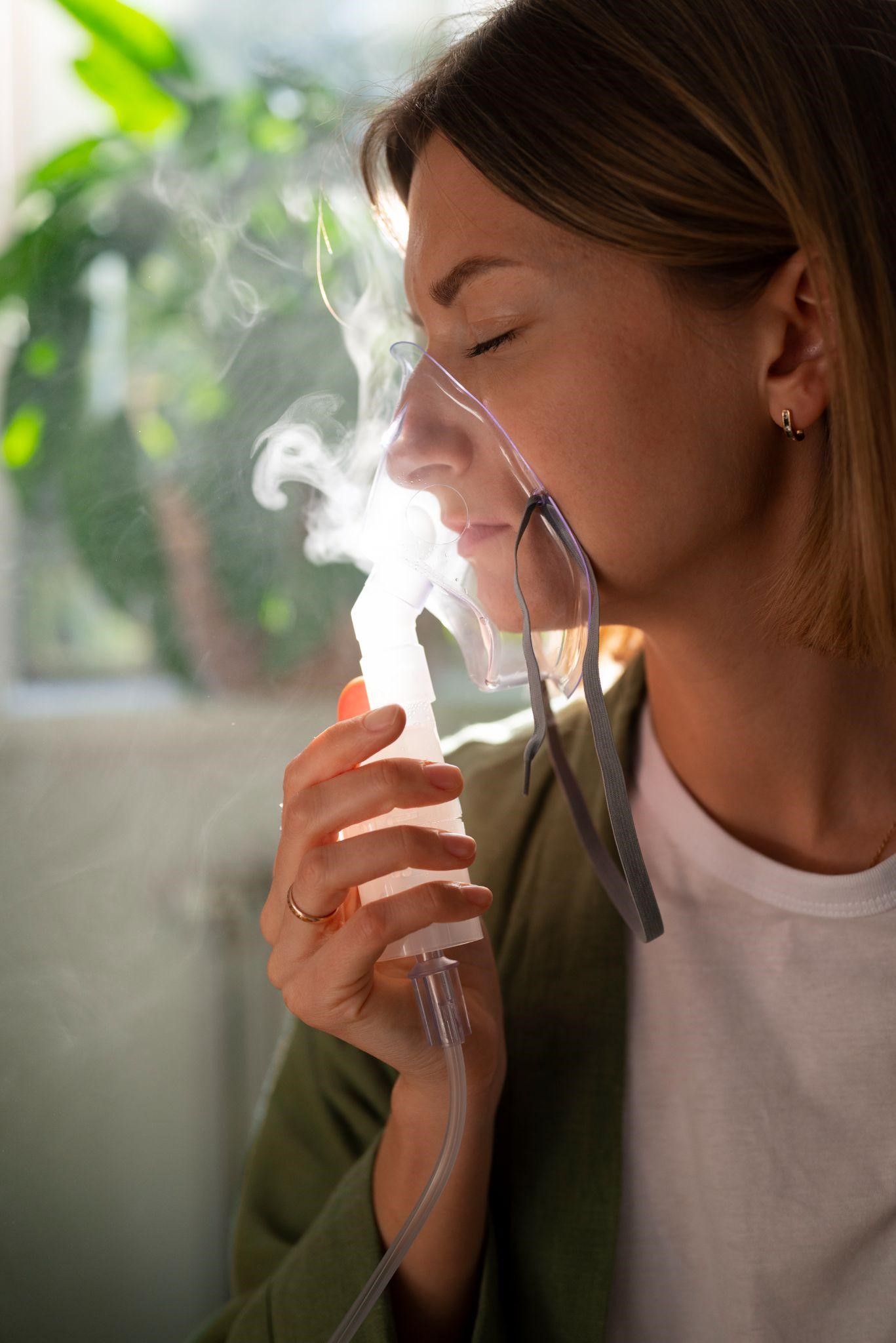
    Steam Inhalation:Breathing in the steam rising from a basin of hot water or luxuriating in a steam-filled shower can be incredibly soothing for your air passages, providing much-needed moisture and potentially easing troublesome coughs.

    Throat Lozenges or Hard Candy: These can help soothe an irritated throat and reduce the urge to cough.

    Avoiding Irritants: Try to identify and avoid triggers such as smoke, dust, or strong odors that may exacerbate your cough.

    > Consult a Doctor and Medkart will help you Order Medicines Online

    Dry Cough Treatment

    4. Lifestyle Changes

    Quit Smoking: If you smoke, quitting can significantly improve your cough and overall respiratory health.

    Avoiding Allergens: If allergies trigger your cough, take steps to minimize exposure to allergens such as pollen, pet dander, or dust mites.

    When to See a Doctor

    While most dry coughs are harmless and resolve on their own with time or with the help of home remedies, you should consult a doctor if:

    • Your persistent cough has lingered for over three weeks now.
    • You have difficulty breathing or chest pain.
    • You cough up blood.
    • You have other concerning symptoms such as fever, fatigue, or unintended weight loss.

    Dry Cough Treatment

    Conclusion:

    Managing a dry cough involves identifying the underlying cause and employing appropriate treatment strategies. While over-the-counter medications can provide relief, home remedies and lifestyle changes can also play a significant role in alleviating symptoms.

    However, if your cough persists or is accompanied by worrisome symptoms, don’t hesitate to seek medical attention for proper evaluation and treatment. Remember, taking care of your respiratory health is essential for overall well-being.

    Read: What are Generic Medicines?

    FAQs on Dry Cough Treatment

    Q1. What is the dry cough treatment?

    Dry cough treatment typically involves over-the-counter medications like cough suppressants, natural remedies such as honey or ginger tea, and lifestyle changes like staying hydrated and avoiding irritants.

    Q2. Can over-the-counter cough medications effectively treat a dry cough?

    Over-the-counter cough medications, such as cough suppressants or antitussives, can provide relief by suppressing the urge to cough. However, they may not always be effective for dry coughs since they do not address the underlying cause. It’s essential to identify the root cause of the cough and consult a healthcare professional for appropriate treatment recommendations.

    Q3. Are there any natural remedies that can help alleviate a dry cough?

    Yes, several natural remedies can help soothe a dry cough. Honey, ginger, peppermint, and licorice root are known for their soothing properties and can be consumed in various forms such as teas, lozenges, or as part of home remedies. Additionally, staying hydrated, using a humidifier, and gargling with salt water are simple yet effective ways to relieve throat irritation and reduce coughing.

    Q4. When should I seek medical attention for a persistent dry cough?

    While most dry coughs are harmless and resolve on their own or with home remedies, it’s essential to consult a doctor if the cough persists for more than three weeks or is accompanied by other concerning symptoms such as difficulty breathing, chest pain, coughing up blood, fever, fatigue, or unintended weight loss. These could be signs of an underlying medical condition that requires prompt evaluation and treatment.

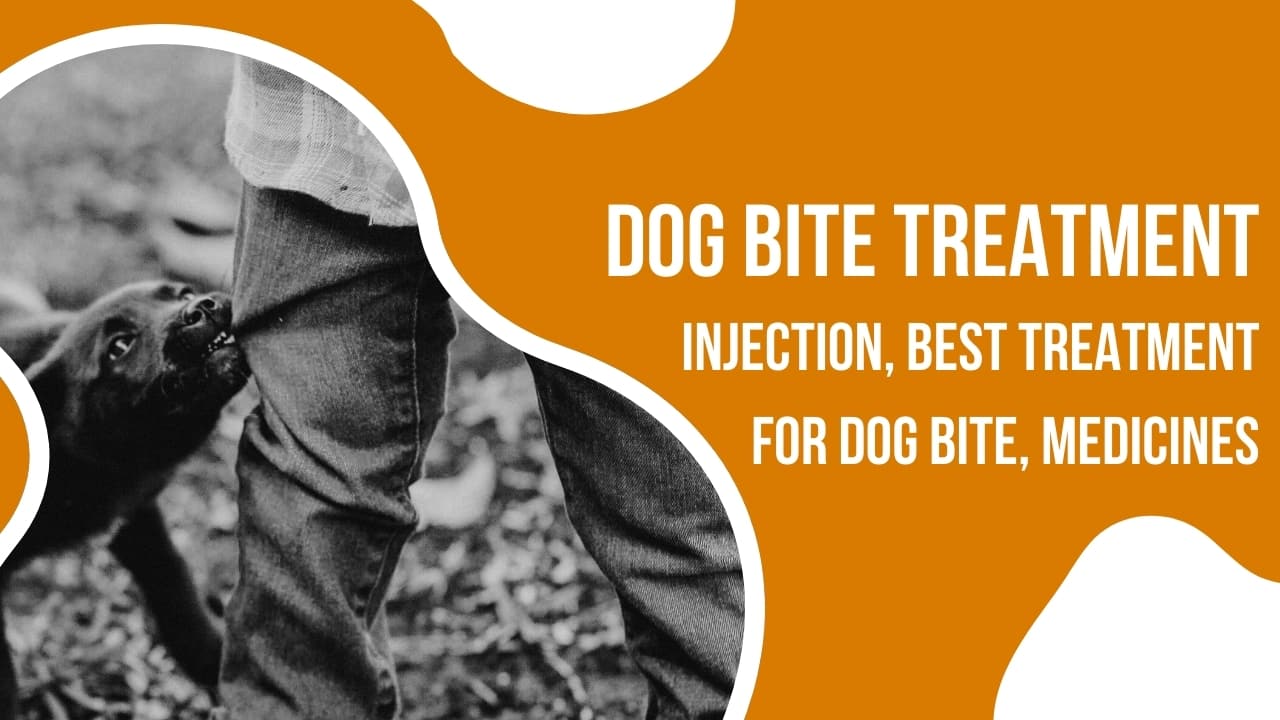
  • Dog Bite Treatment: Injection, Best Treatment for Dog Bite, Medicines

    Dog Bite Treatment: Injection, Best Treatment for Dog Bite, Medicines

    dog bite treatment

    Understanding Dog Bites and Their Severity

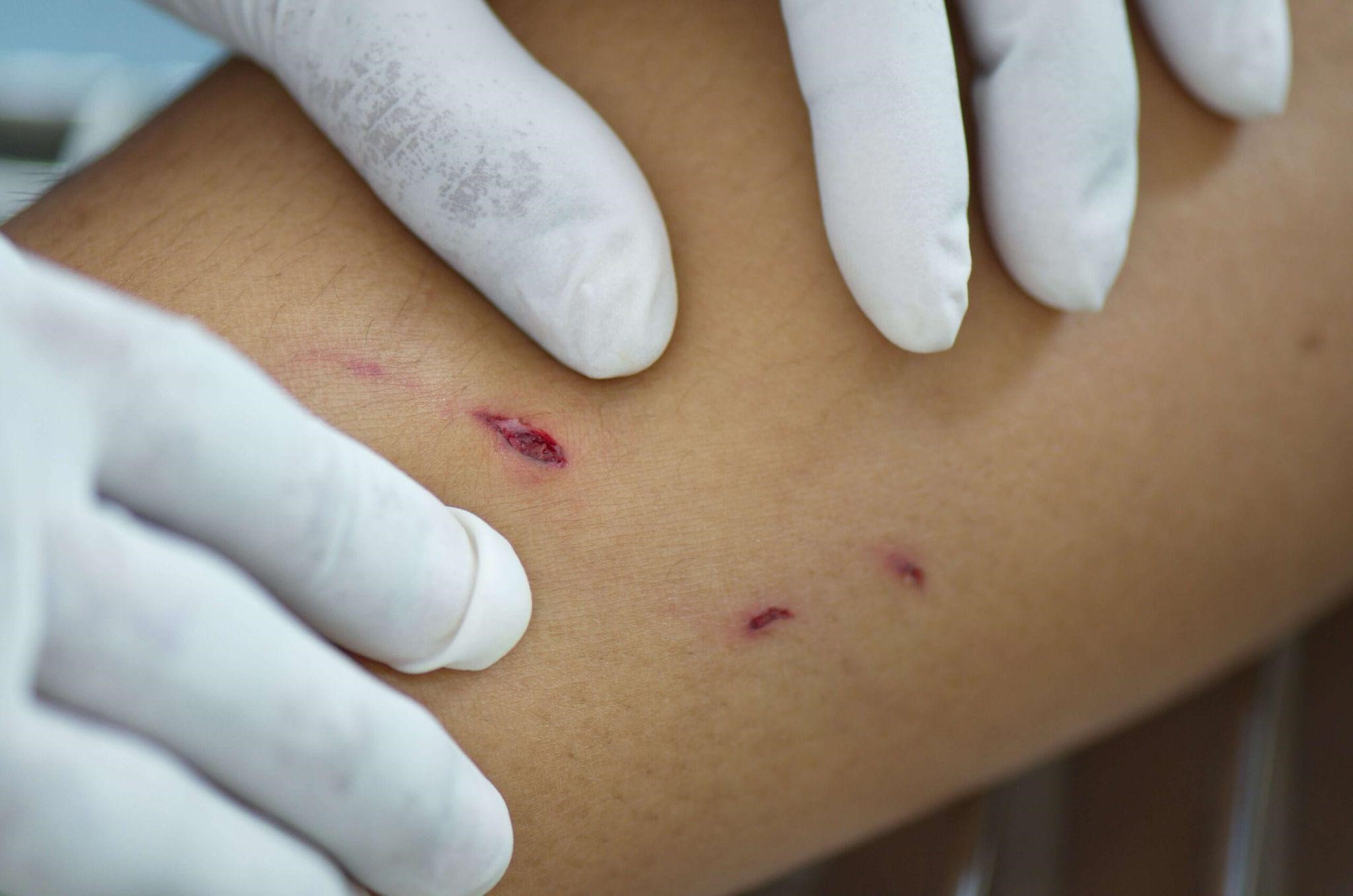
    Small nips to serious damage can result from dog bites. Size of the dog, biting power, and where the wound is on the victim’s body all have a role in how severe a dog bite is. Neural and vascular structures, as well as other important components, make bites to the face, neck, and hands more dangerous.

    1. Evaluating the bite

    Finding evidence of harm to the skin, underlying tissues, and bones is crucial when evaluating a dog bite. More serious bites can result in deep puncture wounds, ripped muscles, and fractured bones, whereas minor bites might just cause superficial lesions. 

    2. Possibility of Infection

    Infection risk is one of the main issues with dog bites. Numerous germs that are present in dogs’ mouths might cause dangerous infections if they are not treated right once. Pasteurella, Staphylococcus, Streptococcus, and Capnocytophaga are examples of common pathogens.

    3. The Value of Quick Action

    Taking prompt action after a dog bite can greatly lower the possibility of results. In order to avoid infection and promote healing, quick medical evaluation, appropriate wound care, and vaccination are essential measures.

    Initial Steps for Treating a Dog Bite

    It’s critical to respond right away if a dog bites you or another person. In order to reduce the risk of infection and other problems, steps like these should be taken.

    1. Sanitize the injury

    Cleaning the wound carefully is the first step. To gently remove any dirt, debris, and bacteria, use warm water and a light soap. This lessens the possibility of infection and gets the site ready for additional care. 

    2. Limit Bleeding

    If the cut is bleeding, use a clean towel or cloth to gently press on it to stop the bleeding. Reducing blood flow and swelling can also be achieved by elevating the affected area.

    3. Utilize an antiseptic

    Using hydrogen peroxide, a solution of or an over-the-counter antibiotic ointment as an antiseptic solution follows cleansing the area and stopping the bleeding. This lowers the infection risk even more.

    Seeking Medical Attention

    While small bites can frequently be treated at home, larger bites or any indications of infection should be treated by a doctor. Medical specialists are able to offer an improved assessment and suggest suitable courses of action.

    1. When to Consult a Physician

    If the bite is deep, starts to drain pus, or gets swelling, redness, or painful, you should consult a doctor. In addition, get medical help if the bite was from an animal that may be dangerous or if you have not had a tetanus vaccine in the last five years.

    2. Expert Healing Treatment

    In a medical evaluation, your doctor will examine the wound, give it a deeper cleaning, and maybe recommend antibiotics to keep it from getting worse. Sometimes a cut may need to be closed with stitches.

    3. A Look at Rabies

    It is possible for dogs and other affected animals to spread the deadly rabies virus through their saliva. A course of rabies vaccines may be advised by your healthcare professional if there is a danger of getting the virus.

    Dog Bite Treatment

    Injections for Dog Bite Treatment

    When it comes to avoiding infections and other problems following a dog bite, injections are essential. Injections of many kinds may be given, depending on the situation surrounding the bite.

    1. Tetanus Vaccinations

    Dog bites and other puncture wounds can result in the dangerous bacterial infection tetanus. To guard against this potentially fatal illness, your healthcare professional may suggest a tetanus booster shot if your tetanus vaccination is out of date.

    2. Injections of antibiotics.

    Oral antibiotics might not be enough to stop infection in certain situations. A larger concentration of medication may be injected directly into your bloodstream by your healthcare professional via antibiotic injections. In cases of severe bites or early illness symptoms, this may be very crucial.

    3. The Rabies Vaccine

    Rabies vaccinations are also necessary if there’s any chance the dog could be rabid. Four shots spread out over two weeks are usually administered as part of the rabies vaccination schedule. For added protection in between times until the vaccination takes effect, an injection of rabies antibodies may also be given.

    Best Practices for Dog Bite Wound Care

    Infection prevention and recovery from wounds depend on proper wound care. Following to optimal protocols can facilitate a seamless recovery and reduce problems.

    1. Maintaining the Broken Area

    Maintain daily cleansing of the area with a gentle soap and water. Cleaning or applying toxic substances on a wound could interfere with its healing process and cause more damage.

    2. Watching for indications of infection

    A rise in redness, swelling, affection, pain, or waterways from the site are all indicators of infection. Make quick contact with your healthcare physician if you have any of these symptoms.

    3. The Right Bandaging

    Use a clean, clean bandage to keep your wound covered. Replace the bandage every day, or more frequently if it gets filthy or hydrated. By keeping the wound covered, you can decrease the chance of infection by protecting it from debris and bacteria.

    Medications for Dog Bite Treatment

    Oral drugs are just as important in treating dog bites as needles are. In order to help you heal, your doctor might recommend a variety of drugs.

    1. Antibiotics,

    When treating or avoiding infections brought on by bacteria introduced by a dog bite, oral medications are sometimes suggested. Clindamycin, doxycycline, and amoxicillin-clavulanate are examples of common antibiotics.

    2. Pain treatment

    After a dog bite, soreness and suffering are frequent. Acetaminophen or ibuprofen, two over-the-counter pain medications, can help control discomfort and minimize inflammation. Your doctor may also recommend stronger painkillers in more severe situations.

    3. Drugs that reduce irritation

    Anti-inflammatory medications, including pain killers, can aid in reducing swelling and increasing healing. This is the usual use of nonsteroidal anti-inflammatory drug capsules (NSAIDs), such as ibuprofen and naproxen.

    Long-term Care and Recovery

    After a dog bite, recovery may be progressive, especially if the attack was severe. A thorough recovery and the avoidance of problems are dependent upon appropriate long-term care.

    1. Physical Treatment

    Dog bites can occasionally result in injury to the tendons, muscles, and nerves. To give the damaged area its function and strength back, physical treatment could be required. To help you heal, your doctor may suggest particular workouts and treatments.

    2. Scar Management

    Scars from dog bites may be uncomfortable or unattractive. Scar creams, silicone gel sheets, laser therapy, and other therapies can help reduce scarring. To choose the best course of action for your circumstances, go over these alternatives with your healthcare a doctor.

    3. Mental and Emotional Assistance

    Being bitten by a dog can be quite distressing, especially if there was significant damage if the dog was a family pet. A therapist or counsellor can provide you with emotional and psychological assistance while you process the event and deal with any ongoing dread or anxiety.

    Preventing Future Dog Bites

    Understanding the causes of aggressive behavior in dogs and taking precautions to reduce these risks are essential to preventing dog attacks. Education and awareness are essential for everyone, including healthcare professionals and dog owners.

    1. Recognizing Dog Behavior

    Dogs may bite for a number of causes, such as ownership, fear, or pain. Recognizing and addressing possible triggers before a bite happens can be made easier by being aware of the typical symptoms of aggression, including as growling, snapping, and stiff body language.

    2. Teaching and Socialization

    In order to stop aggressive behaviour in dogs, proper socialization and training are crucial. Dogs can feel more at ease and be less prone to bite if they are exposed to a range of people, animals, and situations from an early age. Dogs who receive obedience training can also learn how to obey commands and act appropriately in various contexts.

    3. Guidelines for Safe Interactions

    Dog bite risk can be decreased by promoting safe engagement techniques. Teach adults and kids to avoid actions that can agitate dogs, including grabbing their tails or ears, and to approach them politely and calmly.

    Conclusion

    Dog bites are a severe issue that need to be treated right away to avoid complications. You may guarantee a successful recovery by being aware of the procedures for providing prompt wound care, the significance of seeking medical treatment, and the function of injections and medications. A full recovery also depends on receiving the appropriate long-term care, which includes physical therapy, scar management, and emotional support. Ultimately, you and others can be kept safe by adopting preventative measures including education, socialization, and safe interaction techniques to avoid dog bites in the future.

    Seek advice from a veterinarian or other healthcare provider for more specific instructions and tailored suggestions. Working together, we can make the environment safer and healthier for dogs as well as people.

    FAQs on Dog Bite Treatment

    1. How should I react to a dog bite immediately?

    Use a new antibiotic to bind the cut after cleaning it with soap and water. Seek medical attention if the bite is severe or shows signs of infection.

    2. When is a rabies vaccination required after a dog bite?

    If the dog that bit you is unknown and has never been vaccinated against a virus or is showing signs of medical conditions, speak with a medical expert about starting a rabies vaccination series.

    3. How can dog bites be avoided?

    Learn to identify a dog’s warning signs, train and train your dog correctly, and conform to safe interaction rules. You can protect the wellness and health of your animal family members as well as yourself by being knowledgeable and organized.


    Blog | Medkart Pharmacy - Generic Medicine Online

  • Breast Cancer Treatment – How is Breast Cancer Treated?

    Breast Cancer Treatment – How is Breast Cancer Treated?

    breast cancer treatmentBreast cancer treatment encompasses a range of therapies tailored to each patient’s specific circumstances. It often includes a combination of surgery to remove the tumour, radiation therapy to target any remaining cancer cells, and systemic treatments such as chemotherapy, hormonal therapy, targeted therapy, or immunotherapy.



    The goal of treatment is to eliminate cancer cells, prevent recurrence, and improve overall survival rates while also considering the patient’s quality of life and individual preferences. Advances in research and technology continue to expand treatment options and improve outcomes for individuals diagnosed with breast cancer.

    Treatment For Breast Cancer

    The best breast cancer treatment are mentioned below:

    Early Detection

    One of the most critical aspects of treatment is early detection. Regular screenings, including mammograms and clinical breast exams, can help catch cancer in its early stages when it’s most treatable. Advances in imaging technology, such as 3D mammography and magnetic resonance imaging (MRI), have improved the accuracy of detecting breast abnormalities, allowing for prompt intervention.

    Surgery

    For many patients, a lumpectomy or mastectomy may be recommended to remove the cancerous tissue. However, advancements in surgical techniques have led to more precise and minimally invasive procedures, resulting in faster recovery times and reduced post-operative complications.

    Techniques like oncoplastic surgery combine oncologic principles with plastic surgery techniques to achieve optimal cosmetic outcomes without compromising cancer control.

    Breast Cancer Treatment

    Targeted Therapies

    One of the most significant breakthroughs in breast cancer treatment has been the development of targeted therapies. These treatments specifically target cancer cells while sparing healthy tissue, leading to fewer side effects compared to traditional chemotherapy.

    Targeted therapies may include:

    • Hormone Therapy: Hormone receptor-positive breast cancers, which rely on estrogen or progesterone to grow, can be treated with hormone-blocking medications like tamoxifen, aromatase inhibitors, or selective estrogen receptor modulators (SERMs). These drugs help prevent the hormones from fueling cancer growth.
    • HER2-Targeted Therapy: Approximately 20% of breast cancers overexpress the human epidermal growth factor receptor 2 (HER2), making them more aggressive. HER2-targeted therapies, such as trastuzumab (Herceptin) and pertuzumab (Perjeta), interfere with the HER2 protein to slow down cancer growth and improve outcomes.
    • CDK4/6 Inhibitors: Cyclin-dependent kinase 4/6 (CDK4/6) inhibitors, such as palbociclib, ribociclib, and abemaciclib, have revolutionized the treatment of hormone receptor-positive, HER2-negative metastatic breast cancer. These drugs work by blocking proteins involved in cancer cell division, leading to tumor shrinkage and prolonged progression-free survival.

    Immunotherapy

    Immunotherapy, which harnesses the body’s immune system to target and destroy cancer cells, has emerged as a promising avenue in treatment. Drugs like pembrolizumab and atezolizumab, which target immune checkpoints like PD-1 and PD-L1, have shown efficacy in treating triple-negative breast cancer, a subtype known for its aggressive behavior.

    Precision Medicine

    Advancements in genomic sequencing technologies have paved the way for precision medicine in treatment. By analyzing the genetic makeup of a tumor, doctors can identify specific mutations or biomarkers that drive cancer growth.

    This enables tailored treatment approaches, such as matching patients with targeted therapies or clinical trials based on their unique molecular profiles.

    Breast Cancer Treatment

    Breast Cancer Treatment By Stage

    Breast cancer treatment varies depending on the stage of the disease. Here’s a brief overview of treatment options by stage:

    1. Stage 0: Treatment often involves surgery to remove the abnormal cells or a small area of cancerous tissue. Sometimes, radiation therapy or hormonal therapy may also be recommended.
    2. Stage I and II: Treatment typically involves surgery to remove the tumor, followed by radiation therapy to kill any remaining cancer cells. Chemotherapy, hormonal therapy, or targeted therapy may also be recommended depending on the specific characteristics of the tumor.
    3. Stage III: Treatment usually involves a combination of surgery, chemotherapy, and radiation therapy. Hormonal therapy or targeted therapy may also be used depending on the tumor’s hormone receptor status.
    4. Stage IV: Treatment focuses on managing the cancer and controlling symptoms. Options may include chemotherapy, hormonal therapy, targeted therapy, and immunotherapy. Palliative care may also be provided to improve quality of life.

    In all stages, treatment plans are personalized based on factors such as the tumor’s size, location, hormone receptor status, and the patient’s overall health and preferences.

    > Consult a Doctor and Medkart will help you Order Medicines Online

    Conclusion:

    The landscape of breast cancer treatment is continually evolving, driven by ongoing research and innovation. From early detection strategies to targeted therapies and precision medicine approaches, patients today have more options and better outcomes than ever before.

    While challenges remain, the progress made in treatment offers hope for a future where this disease can be effectively controlled and, ultimately, cured.

    Read: What are Generic Medicines?

    FAQs on Breast Cancer Treatment

    Q1. What is breast cancer treatment?

    Breast cancer treatment typically involves a combination of surgery, radiation therapy, chemotherapy, hormonal therapy, targeted therapy, or immunotherapy. The specific treatment plan depends on factors such as the stage of the cancer, tumor characteristics, and the patient’s overall health and preferences. Treatment aims to remove or destroy cancer cells, prevent recurrence, and improve survival and quality of life.
    Q2. What is the main treatment for early-stage breast cancer?

    The main treatment for early-stage breast cancer often involves surgery, such as a lumpectomy or mastectomy, followed by radiation therapy to kill any remaining cancer cells.

    Q3. Is chemotherapy always necessary for breast cancer treatment?

    Chemotherapy may not always be necessary for breast cancer treatment, especially for early-stage, hormone receptor-positive tumors. However, it may be recommended for larger tumors, aggressive cancers, or those that have spread to the lymph nodes.

    Related Links:

    Blog | Medkart Pharmacy - Generic Medicine Online

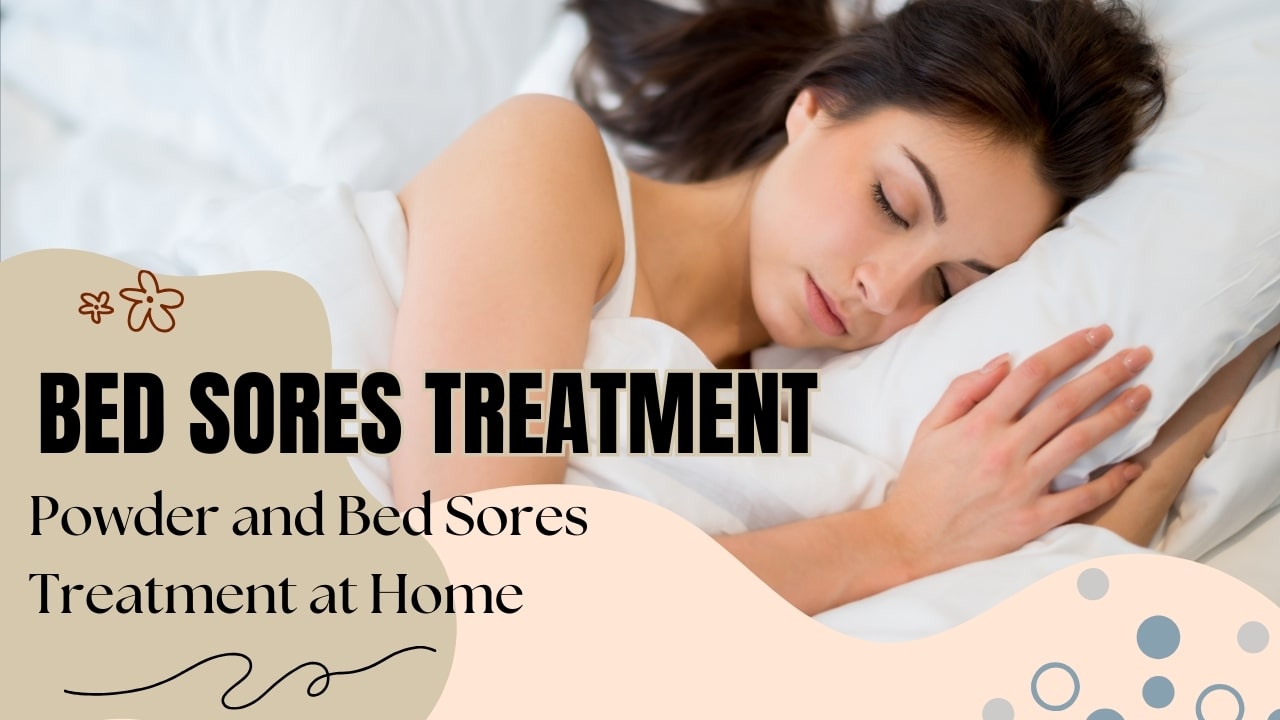
  • Bed Sores Treatment – Powder and Bed Sores Treatment at Home

    Bed Sores Treatment – Powder and Bed Sores Treatment at Home

    bed sores treatmentBed Sores Treatment: Bedsores, also known as pressure ulcers or decubitus ulcers, are painful and potentially serious wounds that develop when prolonged pressure on the skin restricts blood flow to certain areas of the body. These wounds often afflict individuals who are bedridden, wheelchair-bound or have limited mobility, making them particularly prevalent in hospitals, nursing homes, and long-term care facilities.
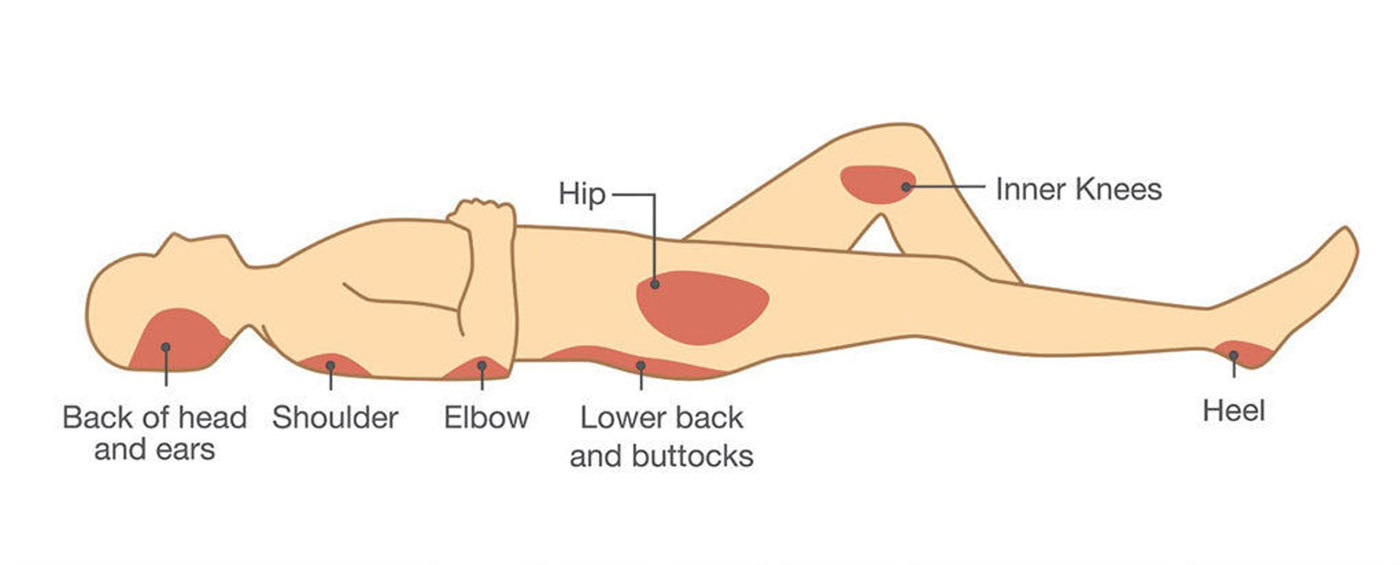
    Bedsores typically progress through four stages, ranging from mild redness and irritation to deep wounds that extend through the skin and into the underlying tissue, muscle, and bone. Factors contributing to their development include prolonged pressure on bony prominences, friction, moisture, poor nutrition, and compromised circulation.

    Bed Sores Treatment

    Treatment strategies for bedsores aim to alleviate pain, promote healing, prevent infection, and ultimately restore skin integrity. Depending on the severity of the ulcer, treatment may involve a combination of the following approaches:

    1. Pressure Relief

    Relieving pressure on the affected area is paramount. This may involve repositioning the patient regularly, using specialized support surfaces such as pressure-relieving mattresses, cushions, and pads, and employing techniques to reduce friction and shear forces.

    2. Wound Care

    Proper wound care is essential for facilitating healing and preventing complications. This may include gentle cleansing with mild soap and water, debridement of necrotic tissue, application of appropriate dressings to promote moisture balance and wound healing, and the use of topical medications to manage pain and infection.

    3. Nutritional Support

    Adequate nutrition plays a vital role in wound healing. Patients with bedsores may require nutritional supplementation, including protein, vitamins, and minerals, to support tissue repair and immune function. A registered dietitian can help develop individualized nutrition plans tailored to the patient’s needs.

    4. Infection Control

    Preventing and treating infections is crucial in managing bedsores. This may involve regular monitoring for signs of infection, such as increased pain, redness, swelling, warmth, or drainage from the wound, and implementing appropriate antimicrobial therapies as needed.

    5. Surgical Interventions

    In severe cases where conservative measures fail to promote healing, surgical interventions such as skin grafting, flap reconstruction, or surgical debridement may be necessary to remove damaged tissue, improve blood flow to the area, and facilitate wound closure.

    Bed Sores Treatment

    Bed Sore Treatment Powder

    Bed sore treatment powders actively aid in managing pressure ulcers by providing a protective barrier, absorbing excess moisture, and facilitating wound healing. These powders typically contain a combination of ingredients chosen for their antimicrobial, moisture-absorbing, and soothing properties.

    Key Ingredients and Functions of Bed Sore Treatment Powder

    1. Zinc Oxide : A commonly used ingredient in bed sore treatment powders, zinc oxide exhibits antimicrobial properties and helps protect the skin from irritants while promoting healing.
    2. Calamine : Known for its soothing and anti-inflammatory properties, calamine helps relieve itching and irritation associated with bed sores.
    3. Starches or Absorbent Powders : Ingredients such as cornstarch or talc are often included to absorb excess moisture, reduce friction, and keep the affected area dry.
    4. Antimicrobial Agents : Some formulations may contain antimicrobial agents such as chlorhexidine or tea tree oil to help prevent infection and promote wound healing.

    Application and Usage of Bed Sore Powder

    The application of bed sore treatment powder typically involves the following steps:

    1. Cleanse the affected area gently with mild soap and water, pat dry, and ensure the skin is free from moisture.
    2. Apply a thin layer of the powder directly to the bed sore and surrounding skin, ensuring complete coverage of the affected area.
    3. Reapply the powder as needed, particularly after each dressing change or as directed by a healthcare professional.
    4. Avoid applying excessive amounts of powder, as this may impede wound healing or cause irritation.

    Considerations and Precautions of Treatment

    While bed sore treatment powders can be beneficial, certain considerations and precautions should be taken into account:

    1. Allergic Reactions: Individuals with known allergies to any of the ingredients in the powder should avoid its use and consult a healthcare professional for alternative treatments.
    2. Wound Assessment: Prior to applying the powder, assess the bed sore to determine its stage, severity, and underlying causes.
    3. Monitoring: Regularly monitor the progress of the bed sore and the skin’s response to the powder. Discontinue use and seek medical attention in case any adverse reactions occur on the skin.
    4. Complementary Treatments: Bed sore treatment powder should be used in conjunction with other recommended interventions, such as pressure relief, wound dressings, and nutritional support, for optimal outcomes.

    Consult a Doctor and Medkart will help you Order Medicines Online

    Conclusion

    Bedsores pose significant challenges for patients and caregivers alike, but with timely intervention, comprehensive treatment approaches, and diligent ongoing management, these wounds can be effectively treated and even prevented.

    By understanding the underlying causes, implementing appropriate treatment strategies, and adopting preventive measures, healthcare professionals can improve outcomes and enhance the quality of life for individuals affected by bedsores.

    Read: What are Generic Medicines?

    FAQs on Bed Sores Treatment

    Q1. What is bed sores treatment?

    Treating bed sores involves relieving pressure, maintaining cleanliness, and using suitable dressings and medications to promote healing. Regular repositioning, maintaining good nutrition, and consulting healthcare professionals for tailored interventions are essential for effective management. In severe cases, surgical interventions may be necessary to facilitate healing and prevent complications.

    Q2. Can bed sore treatment powders be used on all stages of pressure ulcers?

    Bed sore treatment powders are generally suitable for stages I and II pressure ulcers, characterized by superficial skin damage. However, for deeper wounds (stages III and IV), consult a healthcare professional for appropriate treatment options.

    Q3. How often should bed sore dressings be changed?

    Dressing change frequency varies based on bed sore severity and characteristics, typically from daily to every few days. Regular assessment by a healthcare professional will guide the optimal dressing change schedule.

    Related Links:

  • What is PCV in Blood Test? – Packed Cell Volume Blood Test

    What is PCV in Blood Test? – Packed Cell Volume Blood Test

    what is PCV blood test

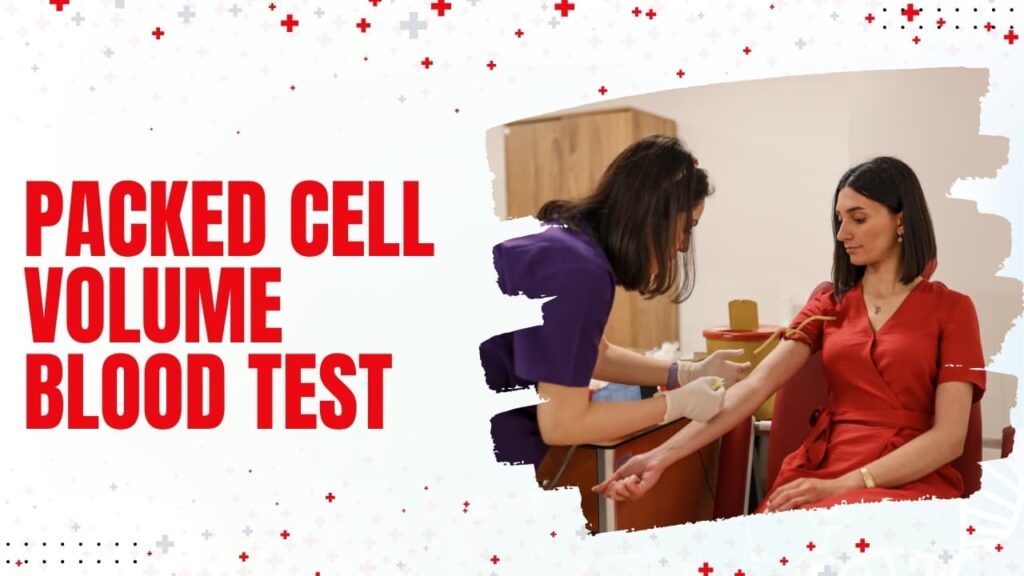
    PCV in Blood Test: When you go for a routine blood test or visit a doctor for a specific health concern, you may often hear terminologies that sound unfamiliar. One such term you might come across is “PCV” or Packed Cell Volume. Understanding what PCV signifies and its importance in assessing your health is crucial.

    What is PCV?

    PCV stands for Packed Cell Volume and is also known as hematocrit. It is a component of a complete blood count (CBC) test, which measures the proportion of blood volume occupied by red blood cells (RBCs). This measurement is expressed as a percentage. In simpler terms, PCV indicates how much space in the blood is occupied by red blood cells compared to the total volume of blood.

    How is PCV Measured?

    PCV is typically measured using a centrifuge, a machine that spins blood samples at high speeds to separate its components. During centrifugation, the heavier red blood cells settle at the bottom of the test tube, while the lighter plasma rises to the top. The PCV value is then determined by calculating the ratio of the volume of red blood cells to the total volume of blood in the tube.

    PCV in Blood Test

    PCV levels provide valuable information about the composition of blood and can indicate various health conditions:

    • Anemia: Low PCV levels may indicate anemia, a condition characterized by a decrease in the number of red blood cells or hemoglobin levels in the blood. Anemia can result from nutritional deficiencies, chronic diseases, blood loss, or other underlying health issues.
    • Dehydration: In cases of dehydration, where there is a decrease in the overall volume of blood plasma, the PCV value may be elevated. This is because the proportion of red blood cells in the blood increases when plasma volume decreases.
    • Polycythemia: Conversely, high PCV levels may suggest polycythemia, a condition characterized by an abnormal increase in the number of red blood cells. Polycythemia can be primary, resulting from a problem with the bone marrow, or secondary, due to factors such as chronic hypoxia or certain medical conditions.
    • Blood Disorders: PCV levels can also help diagnose and monitor various blood disorders, such as leukemia, thalassemia, and sickle cell disease.
    • Monitoring Treatment: PCV levels are often monitored to assess the response to treatment for conditions such as anemia or polycythemia. Changes in PCV values over time can indicate whether treatment is effective or adjustments are needed.

    Interpreting PCV Results

    Interpretation of PCV values should always be done in conjunction with other blood parameters and clinical findings. A healthcare professional will consider factors such as age, gender, medical history, and symptoms before making a diagnosis or recommending further tests or treatment.

    > Consult a Doctor and Medkart will help you Order Medicines Online

    Conclusion:

    PCV, or Packed Cell Volume, is a key parameter measured in blood tests that provides valuable insights into the composition and health of blood. Understanding what PCV signifies and its significance in diagnosing and monitoring various health conditions is essential for both patients and healthcare providers.

    If you have any concerns about your PCV levels or general health, consult a healthcare professional for personalized advice and guidance.

    Read: What are Generic Medicines?

    FAQs on PCV in Blood Test

    Q1. What is PCV in Blood Test?

    PCV, or packed cell volume, measures the percentage of blood volume occupied by red blood cells. It’s a key component of a complete blood count (CBC) and helps assess blood oxygen-carrying capacity. Abnormal PCV levels can indicate conditions like anemia or polycythemia.

    Q2. Why is PCV measured?

    PCV measurement provides valuable information about the oxygen-carrying capacity of the blood. It helps diagnose conditions such as anemia, where there are fewer RBCs than normal, or polycythemia, where there are too many RBCs. Monitoring PCV levels can also track the progress of treatment for these conditions.

    Q3. What does a low PCV indicate?

    A low PCV may suggest anemia, which can result from various factors including nutritional deficiencies, chronic diseases, or blood loss. It may also indicate conditions affecting RBC production or survival, requiring further investigation and appropriate treatment.

    Q4. What does a high PCV indicate?

    A high PCV may indicate polycythemia, characterized by an abnormal increase in RBCs. This can be primary, due to problems in the bone marrow, or secondary, due to factors such as chronic hypoxia or certain medical conditions. Additional assessment is required to ascertain the root cause and determine the optimal course of action for management.

    Related Links:

    Blog | Medkart Pharmacy - Generic Medicine Online

  • How to Remove Gas from Stomach Instantly?

    How to Remove Gas from Stomach Instantly?

    how to remove gas from stomachWays to Remove Gas from Stomach Instantly: To quickly relieve gas from the stomach, try sipping on peppermint tea or chewing on fennel seeds, both known for their digestive benefits. Over-the-counter medications like simethicone can also provide rapid relief by breaking down gas bubbles in the digestive tract.
    Additionally, staying hydrated and engaging in gentle movements, such as walking, can help alleviate discomfort by promoting digestion and gas expulsion.

    Ways to Remove Gas From Stomach – Home Remedies

    Do you ever find yourself feeling bloated and uncomfortable due to excessive gas in your stomach? It can be a real nuisance, especially when you’re trying to focus on your daily tasks or enjoy a meal. Fortunately, there are several strategies you can employ to quickly alleviate this discomfort and remove gas from your stomach.

    1. Drink Warm Peppermint Tea

    Peppermint tea is well-known for its ability to soothe the digestive system and alleviate gas. The warm liquid helps relax the muscles in your digestive tract, allowing trapped gas to move more easily. Sipping on a cup of peppermint tea after a meal can help prevent gas buildup and provide quick relief if you’re already feeling bloated.

    2. Chew Fennel Seeds

    Fennel seeds have been used for centuries as a remedy for digestive issues, including gas. Chewing on a teaspoon of fennel seeds after meals can help prevent gas buildup and alleviate existing discomfort. Fennel seeds contain compounds that relax the muscles in the digestive tract, promoting smoother digestion.

    3. Activated Charcoal

    Activated charcoal is known for its ability to absorb toxins and gases in the digestive system. Taking activated charcoal capsules as soon as you feel gas discomfort can help absorb the gas and provide quick relief. However, it’s essential to follow the recommended dosage and consult with a healthcare professional before using activated charcoal, especially if you’re taking other medications.

    4. Ginger

    Ginger has anti-inflammatory properties and can help relax the gastrointestinal muscles, reducing gas and bloating. You can consume ginger in various forms, such as ginger tea, ginger chews, or simply chewing on a small piece of fresh ginger. Ginger not only provides quick relief but also aids in digestion.

    5. Simethicone

    Simethicone is an over-the-counter medication specifically designed to relieve gas and bloating. It operates by disintegrating gas bubbles within the digestive system, facilitating their smoother passage through the body.. Simethicone comes in various forms, including tablets, chewable tablets, and liquids.

    6. Warm Compress

    Applying a warm compress to your abdomen can help relax the muscles and ease gas pain. Simply soak a towel in warm water, wring out the excess water, and place it on your abdomen for 10-15 minutes. The warmth can help improve blood flow to the area and alleviate discomfort.

    7. Take Over-the-Counter Gas Relief Medication

    If you’re in need of immediate relief from gas pain, over-the-counter gas relief medications can be a helpful option. These medications typically contain simethicone, which works by breaking down gas bubbles in your stomach, making them easier to pass. Be sure to follow the dosage instructions on the packaging and consult with a healthcare professional if you have any underlying medical conditions or concerns.

    8. Engage in Gentle Exercise

    Light physical activity can help stimulate digestion and relieve gas. Taking a short walk, doing some gentle yoga poses, or stretching can all help move trapped gas through your digestive system and alleviate discomfort. Avoid vigorous exercise, as this may exacerbate your symptoms.

    9. Try Abdominal Massage

    Massaging your abdomen can help stimulate the muscles of your digestive tract and encourage the release of trapped gas. Using gentle, circular motions, massage your abdomen in a clockwise direction, starting at the lower right side and moving upward toward your ribcage, then across to the left side and down. Repeat this motion for a few minutes until you feel relief.

    10. Avoid Gas-Producing Foods

    Certain foods are known to cause gas and bloating in some individuals. If you’re prone to gas, try to limit your intake of gas-producing foods such as beans, broccoli, cabbage, onions, and carbonated beverages. Instead, opt for easily digestible foods such as lean proteins, cooked vegetables, and whole grains.

    How to Remove Gas from Stomach Instantly

    11. Practice Deep Breathing

    Deep breathing exercises can help relax your abdominal muscles and release trapped gas. Sit or lie down in a comfortable position, close your eyes, and take slow, deep breaths, focusing on expanding your diaphragm and filling your lungs with air. Hold each breath for a few seconds before exhaling slowly. Repeat this process for several minutes until you feel relief.

    12. Stay Hydrated

    Drinking plenty of water throughout the day can help prevent constipation and promote regular bowel movements, which can reduce the likelihood of gas buildup. Aim to drink at least eight glasses of water per day, and avoid consuming excessive amounts of caffeine or alcohol, as these can contribute to dehydration and worsen digestive issues.

    Consult a Doctor and Medkart will help you Order Medicines Online

    Conclusion

    There are several effective strategies for removing gas from your stomach quickly and alleviating discomfort. Whether you prefer natural remedies, over-the-counter medications, or lifestyle changes, finding the right approach for you can help you enjoy better digestive health and minimize gas-related discomfort in the future.

    If you experience persistent or severe gas pain, be sure to consult with a healthcare professional to rule out any underlying medical conditions.

    Read: What are Generic Medicines?

    FAQs on Ways to Get Rid of Gas from Stomach

    Q1. How to remove gas from stomach instantly?

    Answer : To instantly relieve gas from the stomach, consider sipping on peppermint tea or chewing on fennel seeds, both known for their ability to soothe digestion. Alternatively, over-the-counter medications like simethicone can effectively break down gas bubbles for quick relief. Additionally, gentle exercise and staying hydrated can help alleviate discomfort by promoting digestion and gas elimination.

    Q2. Can I use over-the-counter medications for instant relief from gas?

    Answer : Yes, over-the-counter medications like simethicone can provide quick relief by breaking down gas bubbles in the digestive tract, making them easier to pass.

    Q3. Is there a natural remedy I can try for immediate relief from stomach gas?

    Answer : Yes, chewing on fennel seeds or drinking peppermint tea can help alleviate gas quickly. These natural remedies can help relax the digestive muscles and reduce bloating.

    Related Links: