

Category: Health & Wellness

  • How to increase Testosterone Level? – Ways to Increase Testosterone Levels Naturally

    How to increase Testosterone Level? – Ways to Increase Testosterone Levels Naturally

    how to increase testosterone levelWays to increase Testosterone Level: Testosterone is a vital hormone for both men and women, although it’s often associated with masculinity and male traits. It plays a crucial role in various bodily functions, including muscle mass, bone density, libido, mood regulation, and overall energy levels. As individuals age, testosterone levels tend to decline naturally, leading to various health issues.

    Testosterone is a hormone primarily produced in the testes for men and in smaller quantities in the ovaries for women. In men, it regulates sperm production, libido, muscle mass, and bone density, while in women, it contributes to libido, bone health, and overall well-being.

    Factors Affecting Testosterone Levels

    • Several factors can influence testosterone levels, including age, genetics, lifestyle, diet, exercise, stress levels, sleep quality, and underlying health conditions.
    • By addressing these factors, individuals can naturally optimize their testosterone levels and improve their overall health and well-being.

    How to increase testosterone levels naturally?

    The best ways to increase testosterone levels naturally are mentioned below:

    Maintain a Healthy Diet

    • Consume a balanced diet rich in whole foods, including lean proteins, healthy fats, complex carbohydrates, fruits, and vegetables.
    • Incorporate foods known to support testosterone production, such as:
    • Zinc-rich foods like oysters, beef, poultry, nuts, and seeds.
    • Foods abundant in vitamin D, such as oily fish (like salmon and mackerel), egg yolks, and fortified food products, are excellent sources to ensure adequate intake of this essential nutrient.
    • Foods high in healthy fats like avocados, olive oil, coconut oil, and nuts.
    • Cruciferous vegetables like broccoli, cauliflower, and Brussels sprouts, which may help regulate estrogen levels.

    Exercise Regularly

    • Engage in both aerobic and resistance training exercises.
    • High-intensity interval training (HIIT) and weightlifting are particularly effective for boosting testosterone levels.
    • Aim for at least 150 minutes of moderate aerobic activity or 75 minutes of vigorous aerobic activity per week, along with strength training exercises at least twice a week.

    Maintain a Healthy Weight

    • Excess body fat, especially visceral fat, can contribute to lower testosterone levels.
    • Maintain a healthy weight through a combination of diet and exercise.
    • Aim for a balanced calorie intake and focus on reducing body fat through regular physical activity and a nutritious diet.

    Get Adequate Sleep

    • Make quality sleep your top priority, striving for a solid 7 to 9 hours of uninterrupted rest each night.
    • Poor sleep quality or insufficient sleep can negatively impact hormone production, including testosterone.
    • Create a relaxing bedtime routine, avoid electronic devices before bed, and ensure your sleep environment is conducive to rest.

    Manage Stress

    • Prolonged exposure to stress can result in heightened cortisol levels, potentially causing a decrease in the production of testosterone.
    • Incorporate stress-relief methods like mindfulness meditation, deep breathing exercises, yoga, or indulging in enjoyable hobbies and activities to cultivate relaxation.

    Limit Alcohol Consumption

    • Excessive alcohol consumption can impair testosterone production and lead to hormonal imbalances.
    • Moderate alcohol consumption is generally considered safe, but excessive or binge drinking should be avoided.

    Consider Supplements

    • Please seek advice from a qualified healthcare provider before incorporating any supplements into your regimen to confirm their safety and suitability for your individual needs.
    • Certain supplements like vitamin D, zinc, magnesium, and D-aspartic acid may help support healthy testosterone levels in individuals with deficiencies.

    Concerned About Sexual Performance Too?

    If low testosterone has also affected your sexual health, your doctor may recommend additional support. Vigora 100mg Tablet/Tadacip 20mg Tablet is a common prescription medication used for erectile difficulties and may be part of your treatment plan under proper guidance.

    > Consult a Doctor and Medkart will help you Order Medicines Online

    Conclusion:

    Optimizing testosterone levels naturally is achievable through a combination of lifestyle modifications, including dietary changes, regular exercise, adequate sleep, stress management, and maintaining a healthy weight.

    By implementing these strategies, individuals can not only enhance their testosterone levels but also improve their overall health, vitality, and well-being. It’s essential to approach testosterone optimization holistically and consult with healthcare professionals if necessary to ensure safe and effective results.

    Read: What are Generic Medicines?

    FAQs on How to increase Testosterone Level

    Q1. How to increase testosterone level?

    To naturally increase testosterone levels, focus on maintaining a balanced diet rich in protein, healthy fats, and essential nutrients like vitamin D and zinc. Regular exercise, including both resistance training and cardiovascular workouts, can stimulate testosterone production.

    Additionally, prioritizing quality sleep, managing stress levels, and avoiding unhealthy habits such as excessive alcohol consumption can support optimal hormone balance and overall well-being.

    Q2. Can certain foods help increase testosterone levels?

    Yes, certain foods can help increase testosterone levels. Foods rich in protein, such as lean meats, fish, eggs, and legumes, provide the building blocks for testosterone production. Additionally, incorporating healthy fats from sources like avocados, nuts, seeds, and olive oil can support hormone synthesis.

    Moreover, consuming foods high in vitamins and minerals like vitamin D, zinc, and magnesium can also positively impact testosterone levels.

    Q3. Is exercise important for boosting testosterone levels?

    Absolutely, regular exercise, particularly resistance training and high-intensity interval training (HIIT), has been shown to increase testosterone levels and promote overall hormonal balance.

    Q4. Are there any lifestyle habits that can negatively impact testosterone levels?

    Yes, several lifestyle habits can negatively impact testosterone levels. Poor sleep quality, chronic stress, excessive alcohol consumption, and a sedentary lifestyle are known to contribute to lower testosterone levels over time.

    Adopting healthier habits such as prioritizing quality sleep, managing stress effectively, moderating alcohol intake, and engaging in regular exercise can help support optimal testosterone production and overall well-being.

    Related Links:

  • How to Increase Sex Stamina? – Ways to Improve Sexual Stamina

    How to Increase Sex Stamina? – Ways to Improve Sexual Stamina

    how to increase sex staminaA good and healthy sexual life can be difficult to sustain in the fast-paced world of today. But you can improve your sexual stamina and have more satisfying relationships with your partner with some focused work and changes in your lifestyle. This guide will benefit all types of people: those who are in a relationship and want to rekindle their passion, those who are exercise enthusiasts who want to improve every element of their physical capabilities, and those who are healthy and want to be well-rounded.
    We’ll look at a number of methods and advice on improving your sexual stamina in this blog article. We provide services for everything from stress relief and sexual wellness to physical exercise and healthy lifestyle choices. Continue reading to see how you may experience more passionate, longer-lasting interactions and take charge of your sexual health.

    How to Increase Sex Stamina?

    Sexual stamina refers to the ability to sustain sexual activity over an extended period while maintaining arousal and delaying ejaculation or reaching orgasm. It’s not solely about lasting longer but also about enhancing pleasure and intimacy for both partners.

    Factors such as physical fitness, mental focus, emotional connection, and sexual techniques all play a role in determining one’s sexual stamina.

    1. Physical Fitness and Exercise

    Why Exercise Matters for Sexual Stamina

    Improving sexual stamina requires a high level of physical conditioning. Regular exercise improves blood flow, boosts the heart, and increases energy, all of which increase one’s capacity to perform in the bedroom. You can develop the strength and stamina required for extended intimate sessions by including a range of workouts in your program.

    Cardio Exercises to Build Stamina

    Exercises that increase heart rate, such as walking, swimming, cycling, and fast walking are great for boosting stamina. These exercises improve the lungs, increase the heartbeat, and improve blood flow. Try to increase your sexual stamina by at least thirty minutes of moderate-intensity cardio exercise five times a week.

    Powerful Strength Training

    Exercises including strength training are just as important for increasing muscle and boosting general physical capacity as cardio ones. Pay attention to workouts that target many muscular groups at once, such as pull-ups, bench presses, deadlifts, and squats. At least twice or three times a week, add strength training to your exercise routine to build the muscle needed for stronger and enjoyable sex.

    2. Healthy Lifestyle Choices

    Nutrition and Hydration

    To maintain good sexual health, one must eat a balanced diet high in vitamins, minerals, and antioxidants. The nutrients required to support energy and stamina can be found in foods including fruits, vegetables, whole grains, lean meats, and healthy fats. Furthermore, it’s critical to maintain proper hydration because dehydration can cause weariness and poor performance. Reduce your consumption of sugar-filled or caffeinated beverages and try to drink eight glasses of water or more each day.

    Avoiding Harmful Substances

    Sexual stamina may be harmed by some medications. Smoking, binge drinking, and using drugs for enjoyment can all lower energy levels and impair blood flow. Reducing these bad behaviors is important if you want to increase your sexual stamina. If you require assistance in implementing these lifestyle adjustments, ask friends, family, or professional resources for support.

    Getting Quality Sleep

    For general health and wellbeing, including sexual activity, enough sleep is needed. Fatigue, stress, and decreased sexuality can result from little sleep. By adopting a regular sleep schedule and providing a peaceful sleeping environment, aim for seven to nine hours of excellent sleep every night. Making sleep a priority will guarantee you have the stamina and concentration required for fulfilling romantic meetings.

    3. Stress Management and Mental Focus

    Stress’s Effects on Sexual Stamina

    Problems with sexual performance are largely caused by stress. Anxiety, decreased sexual desire, and trouble staying energized can all result from high levels of stress. Your sexual health can benefit from proper stress management on both a mental and physical level.

    Both meditation and mindfulness

    You can maintain your focus and presence during private moments by engaging in mindfulness and meditation practices. These methods promote brain clarity, induce relaxation, and lower stress levels. To improve your mental focus and stamina, schedule regular meditation sessions or try mindfulness techniques like progressive muscle relaxation and deep relaxation.

    While healthy habits like exercise and stress control help, some men still face performance issues. In such cases, doctors may prescribe PDE5 inhibitors like Vigora 100mg Tablet/Tadacip 20mg Tablet to improve blood flow and support erections. It should be used only under medical supervision.

    Creating Emotional Closeness

    Strong attachments to your partner might improve your happiness and energy during sex. Building close relationships needs honesty, mutual trust, and support. Spend some time sharing your ideas, feelings, and experiences with your partner in order to build an emotional connection. More powerful and long-lasting sexual experiences will be built on this emotional connection.

    4. Sexual Techniques and Foreplay

    The Value of Pre-Play

    A vital part of sexual relationship, foreplay can greatly increase energy and enjoyment. Extended foreplay improves blood flow, increases like, and builds an increased emotional bond. Try out various foreplay techniques, like kissing, touching, and oral sex, to see what suits you and your partner the best.

    Changing Positions and Methods

    Extending sexual sessions and preserving excitement can be achieved by playing with different sexual positions and approaches. Try changing positions so that you can get greater control, slower movements, or deeper penetration. To guarantee a mutually enjoyable session, be honest and transparent with your partner about your preferences and desires.

    Engaging in Kegel Exercises

    Kegel exercises target the improvement of the pelvic floor muscles, which are important for successful sexual activity. Regular Kegel exercises are beneficial for both men and women. Kegel exercises involve engaging the muscles that stop pee flow, holding the position for a short while, and then releasing the contraction. To increase muscle tone and control and, eventually, sexual stamina, repeat this exercise multiple times a day.

    Sexual Techniques for exercise

    Conclusion

    It is possible to increase one’s sexual stamina by managing stress, maintaining a healthy lifestyle, learning new sexual techniques, and being physically active. You can have more satisfying sex life and improve your relationships by implementing these techniques into your daily practice.
    Recall that regularity and honest communication with your partner are essential for success. Seeking additional guidance or personalized counsel, think about speaking with a professional sex therapist or other medical expert.
    Get started on the path to increased sexuality now to bring back the passion in your relationship.

    FAQs on How to Increase Sex Stamina

    Q1. How to increase sex stamina?

    Answer: To boost sex stamina, focus on regular exercise, including cardio and pelvic floor exercises. Ensure a well-rounded diet comprising an abundance of fruits, vegetables, and lean sources of protein to support optimal health and nutrition. Prioritize relaxation techniques like deep breathing to reduce stress and improve endurance.

    Q2. Can certain supplements boost sex stamina?

    Answer: While some supplements claim to enhance sexual stamina, such as ginseng or L-arginine, their effectiveness varies. It’s essential to consult with a healthcare professional before trying any supplements to ensure safety and efficacy.

    Q3. Is there a quick fix to increase sex stamina?

    Answer: Increasing sex stamina typically requires consistent effort and lifestyle changes, such as regular exercise, a balanced diet, and stress reduction techniques. There’s no instant solution, but these practices can lead to long-term improvements.

  • How to eat Chia seeds? – Ways to Eat Chia Seeds for Healthy Benefits

    How to eat Chia seeds? – Ways to Eat Chia Seeds for Healthy Benefits

    benefits of chia seeds

    Why Chia Seeds?

    The tiny, black or white seeds from the Salvia hispanica plant are called chia seeds, and they are native to America. Their small size belies their richness in essential nutrients that might enhance your overall well-being.

    Tightly Containing Nutrition

    High in fibre, protein, omega-3 fatty acids, and a variety of minerals are chia seeds. An ounce, or about two tablespoons, contains four grams of protein, five grams of omega-3 fatty acids, and eleven grams of fiber. Magnesium, calcium, and phosphorus content is similarly very high.

    Many Health Advantages

    Chia seeds’ high fibre content aids in weight management by helping better digestion and maybe generating a fullness feeling. Because they cut cholesterol and reduce inflammation, omega-3 fatty acids are beneficial to heart health. Also, the antioxidants included in chia seeds attack free radicals, shielding your cells and lowering your chance of developing chronic illnesses.

    Flexibility in the Cooking Area

    Chia seeds are quite versatile, which is one of their best qualities. They can be easily used to a wide range of meals without controlling the other ingredients because of their minor, nutty flavor. They are therefore a great complement to spicy as well as sweet recipes.  

    How to eat Chia seeds

    How to Eat Chia Seeds

    In case you haven’t employed chia seeds previously, you might be wondering how to utilize them. These creative and delectable ways might help you include chia seeds into your diet.

    smoothies

    Making smoothies with chia seeds is one of the most popular ways to take advantage of their health advantages. Sprinkle in a handful of chia seeds and your preferred fruits, vegetables, and beverages in your blender. With no discernible flavour change, the seeds will blend in nicely to increase the protein, fibre, and omega-3s. 

    How to eat Chia seeds

    Dessert with Chia

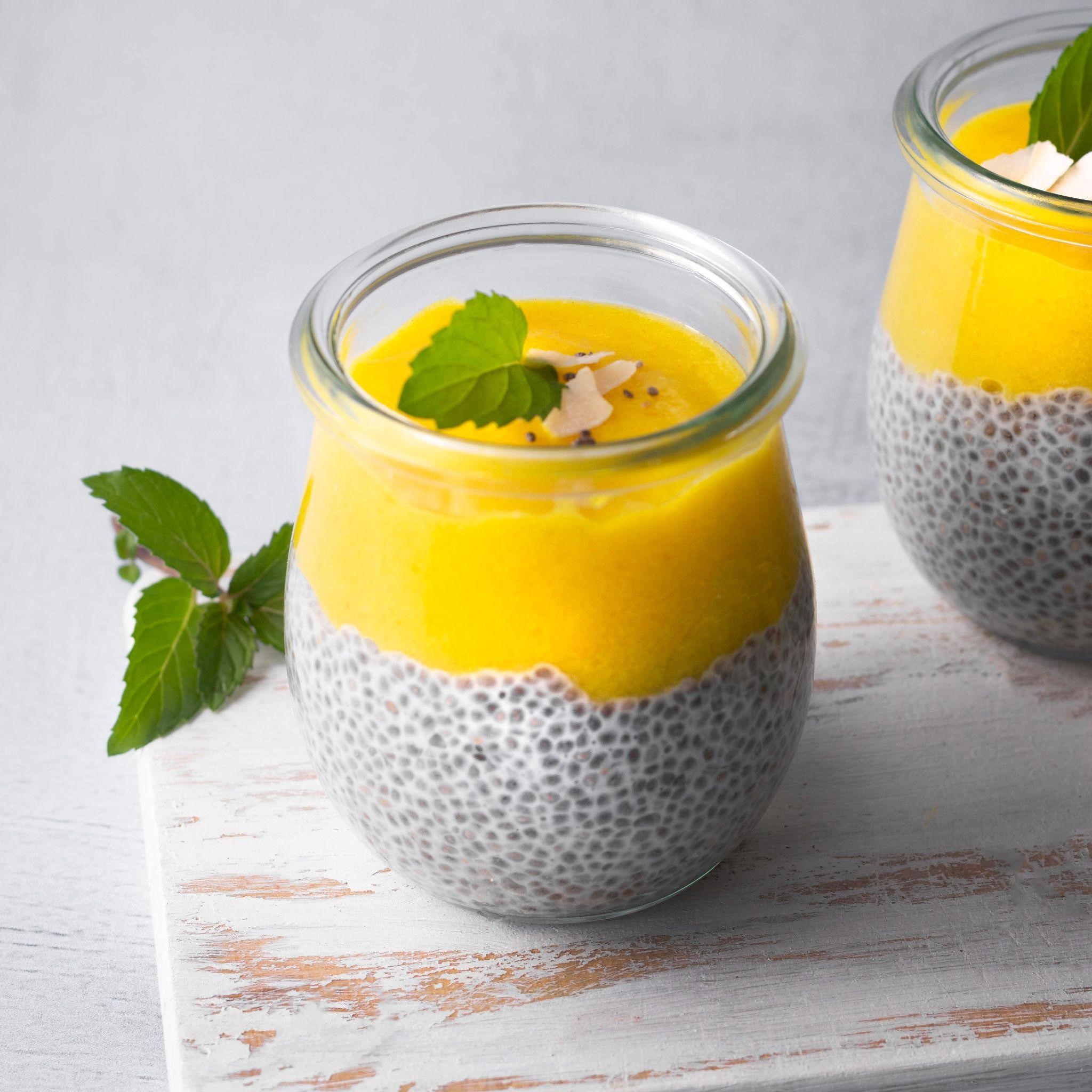
    An easy and wholesome breakfast or snack choice is chia yogurt. Chia pudding is made by mixing chia seeds with your preferred plant-based milk, plus a small amount of vanilla extract and an all-natural sweetener like honey or maple syrup. After giving it a complete shake chill it for a minimum of two hours or overnight. Delicious and filling custard will be produced when the seeds absorb the liquid and take on a gel-like consistency.

    Grains

    You may boost the nutritional value and texture of your salads using chia seeds. Season your protein, veggies, and greens with a spoonful of chia seeds. From creamy avocado to balsamic vinaigrette, they go nicely with a range of dressings.

    How to eat Chia seeds

    Tips for Eating Chia Seeds

    Chia seeds are obviously healthy, but to make the most of them, there are a few things to keep in mind.

    Make the Seeds Hydrated.

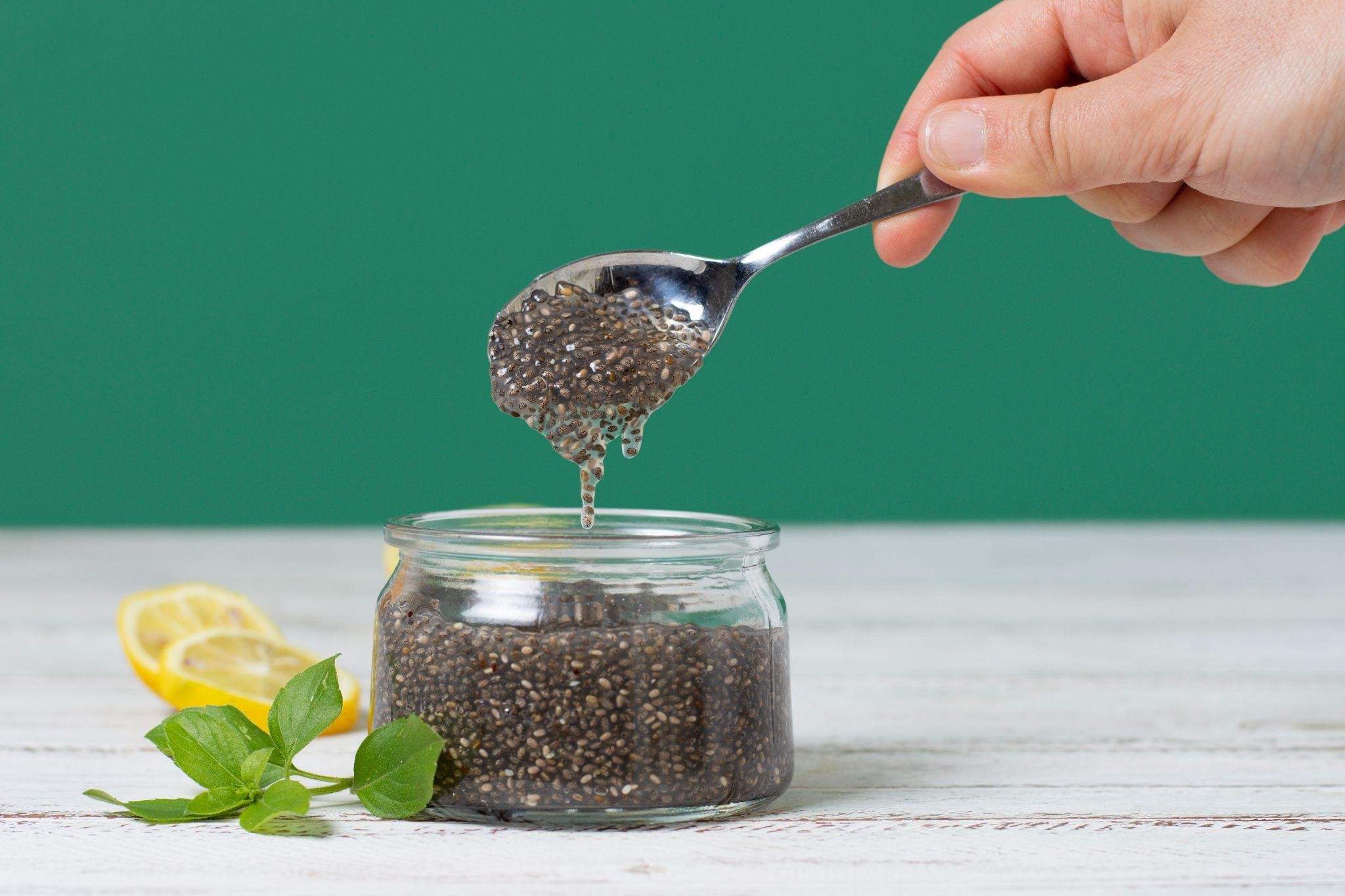
    Chia seeds must be hydrated before eating since they can absorb up to 12 times their weight in water. This facilitates their digestion and keeps them from collecting moisture from your digestive system, which could cause difficulty.

    Start Out Slowly

    Start with tiny amounts of chia seeds if you’ve never eaten any before, then slowly boost your consumption. If taken in large amounts without enough water, the high fibre level may create stomach problems. Work your way up to the suggested serving size by starting with one teaspoon each day. 

    Try Different Recipes

    Don’t be nervous to use chia seeds in inventive ways. Think about including them into yoghurt, baking items like bread and baked goods, or vegan recipes where you can use them in place of eggs. Enjoy experimenting with new ways to use chia seeds in your meals; the options are unlimited.

    Conclusion

    With so many health advantages and so many culinary applications, chia seeds are a little but powerful addition to any diet. These nutrient-dense seeds can improve your general health whether you add them to salads, smoothies, or chia pudding. 

    FAQs on How to Eat Chia Seeds

    1. Are chia seeds edible raw?

    Yes, uncooked chia seeds can be consumed. They go well with salads, yoghurt, and breakfast food because of their mild flavor. But washing them in liquid before eating increases their nutritional value and facilitates digestion

    2. What’s the recommended daily intake of chia seeds?

    It is suggested to take one to two teaspoons of chia seeds every day. Your digestive system will not be overloaded by this quantity, which offers a balanced dose of protein, fibre, and omega-3 fatty acids.

    3. How might you eat chia seeds to become in shape?

    Smoothies, yoghurt, and oatmeal can benefit from the additional protein and fibre that chia seeds bring. If you want to prevent digestive issues, stay hydrated because chia seeds absorb water. Start little and increase intake gradually to aid in appetite regulation. 


    Blog | Medkart Pharmacy - Generic Medicine Online

  • Home Remedies for Stomach Pain – Natural Treatment Upset Stomach

    Home Remedies for Stomach Pain – Natural Treatment Upset Stomach

    home remedies for stomach pain

    Introduction

    We have all experienced the feeling of cradling an aching stomach and wondered how to get better fast. There are many tried-and-true methods for relieving gas in the stomach, which is good news for people who prefer natural therapies. You’ll learn about some natural remedies for unsettled stomach discomfort in this blog post. To guarantee that even the youngest members of your family can find comfort, we’ll also look into cures designed specifically for kids. You’ll have an arsenal of natural remedies at the end of this article to assist you and your loved ones in feeling their best again.

    Understanding Stomach Pain

    Knowing what could be causing your stomach pain is essential before attempting any solutions. Vomiting, flatulence, gas, and even stress are common reasons. Selecting the best treatment depends on understanding the cause of your problem.

    Consisting of several symptoms such as nausea, vomiting, and diarrhea, stomach pain can vary in intensity from little discomfort to intense pains. That is why choosing a natural remedy can benefit from having a thorough understanding of your symptoms.

    It is always advisable to get advice from a healthcare provider if your stomach pain is severe or continuous. More serious diseases require medical attention; however, natural solutions work excellently for smaller concerns.

    Home Remedies For Stomach Pain

    Below we’ll explore a variety of effective home remedies that can help soothe stomach pain and promote digestive wellness:

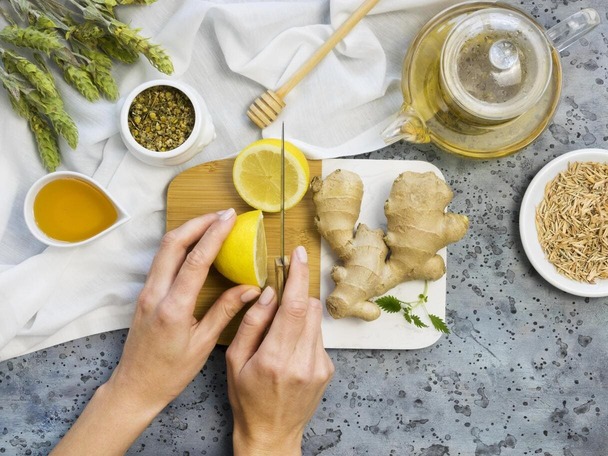
    The Power of Ginger

    One popular treatment for nausea and stomach aches is ginger. It can help calm the lining of the stomach because it has natural anti-inflammatory qualities. You can feel better quickly by drinking ginger tea or by biting on a little piece of fresh ginger.

    For hundreds of years, traditional medicine has utilized ginger. It can also help with digestion and gas reduction, so its advantages go outside, and relieving only stomach pain. There are several different ways to find ginger: fresh, powdered, and as a supplement.

    All you have to do is cook thin slices of fresh ginger in hot water for approximately ten minutes to prepare ginger tea. To improve the flavour and comfort your upset stomach, add honey or lemon and drink carefully.

    The Power of Ginger Stomach Pain

    Chamomile Tea for Calmness

    Tea with chamomile is another excellent remedy for stomachaches. Its ability to relax muscle fibers due to its antispasmodic properties may help reduce stomach cramps. Furthermore, a cup of chamomile tea can help you relax if your stomach ache is caused by stress.

    It is simple to locate chamomile tea sachets and loose leaves. Steep the tea for at least five minutes to achieve the best results and reap the full benefits of the plant. Add a small amount of honey to taste it sweeter.

    You can calm upset stomachs and get better sleep with chamomile tea. Chamomile is a very changeable remedy because total well-being is dependent upon both a calm and relaxed body and mind.

    Peppermint for Instant Relief

    Because of its well-known calming and cooling qualities, peppermint is a useful treatment for stomach discomfort. The gastrointestinal tract’s muscles can be relaxed with the aid of peppermint oil, which can lessen cramps and twitches.

    Peppermint can be part of your routine in a number of ways. In addition to using peppermint oil capsules, you can chew on fresh peppermint leaves and enjoy peppermint tea. Any of these techniques can offer immediate relief from tummy pain.

    Peppermint is a win-win treatment because it also helps refresh your breath. But, peppermint can occasionally make acid reflux worse, so it’s best to stay away from it if you have it.

    The Healing Properties of Fennel Seeds

    Another excellent treatment for stomach pain is mustard seeds. A substance called a substance found in them, has the ability to ease stomach stress and enhance digestion. Bloating and gas can be relieved by consuming fennel tea or by chewing on fennel seeds.

    Indian cooking frequently uses fennel seeds, which are eaten after meals to facilitate digestion. Additionally, you can soak fennel seeds in hot water to create a calming tea. Your mood can significantly improve with this easy cure.

    Fennel seeds can aid with stomach ache and improve breath freshness. Regular use of them is enjoyable due to their subtle chocolate flavor.

    Apple Cider Vinegar for Digestive Health

    A common treatment for a variety of illnesses, including stomach pain, is apple cider vinegar (ACV). Its acidic qualities facilitate improved digestion by balancing the amount of stomach acid produced. To alleviate your discomfort, try combining a small amount of apple cider vinegar with a glass of warm water.

    Additionally well-known for its antibacterial qualities, ACV can aid in treating infections that might be the source of your stomach discomfort. A small amount of honey can enhance the flavor and have extra calming benefits.

    Because of its strong acidity, which can erode dental enamel and upset the throat if taken unflavored, it’s crucial to use ACV carefully and to dilute it appropriately.

    The Benefits of Baking Soda

    An effective natural solution for reducing stomach acid and sickness is baking soda. Treating acid reflux or heartburn-related stomach pain with a teaspoon of baking soda and a glass of water will help relieve symptoms quickly.

    Although very useful, baking soda should only be applied in little amounts. An excessive use may result in deficiency of electrolytes. Talking to a healthcare provider could be necessary if you find yourself depending on baking soda on a regular basis.

    The versatility and value of baking soda as a pantry staple are further enhanced by its many other wonderful uses around the house.

    The Magic of Warm Compresses

    External treatments are not always any less effective than internal ones. You can ease pain and relax your muscles by placing a warm compress or heating pad on your stomach. Heat has the effect of increasing blood flow to the area, hastening the healing process.

    For muscle spasms or menstrual cramps, this treatment works especially well. Just relax and apply a warm compress to your abdomen for ten to fifteen minutes. It’s an easy method to get relief that works well.

    Similar benefits, such as total body relaxation and relief from stomach discomfort, can also be obtained from warm baths.

    While most stomach aches resolve with simple home remedies like ajwain water or a warm compress, some types of pain—especially those caused by inflammation or muscle strain—may require medical attention. In such cases, pain relief medications like Ultracet Tablet are commonly prescribed by doctors to manage moderate to severe pain.

    Home Remedies For Stomach Pain

    Indian Home Remedies for Children

    It is imperative to utilize safe, compassionate medicines while dealing with youngsters. For years, children’s stomach ache has been relieved by using traditional Indian remedies.

    Carom seeds (ajwain) along with a small amount of salt is one common treatment. Due to its digestive qualities, ajwain is well-known for helping youngsters with indigestion and gas. All you have to do is combine a small quantity with warm water and give it to your kid.

    Putting hing (asafoetida) on the child’s navel after dissolving it in warm water is another efficient treatment. Gas and bloating are promptly and securely relieved with this.

    An additional mild tea made from boiled cumin seeds can help children with stomachaches. This is a simple to create cure that is quite effective.

    Tips for Preventing Stomach Pain

    Always choose prevention to treatment. Here are some suggestions to help you prevent stomach pain before it starts.

    Pay attention to your diet first. Steer clear of foods like spicy or fatty ones that are known to induce irritation. Another way to maintain a healthy digestive system is to eat smaller, more frequent meals.

    Secondly, remember to drink plenty of water. Staying hydrated and removing toxins from your body are two benefits of drinking lots of water throughout the day.

    In conclusion, engage in stress-reduction methods like yoga, meditation, or deep breathing exercises. It’s important to learn how to manage stress because it might have a negative impact on your digestive health.

    > Consult a Doctor and Medkart will help you Order Medicines Online

    Conclusion

    These natural cures provide you a range of possibilities to find relief from stomach pain, which can be rather uncomfortable. Everyone can find something they enjoy, be it chamomile tea, ginger tea, or a warm compress. Recall that small discomforts respond best to these therapies. Consult a physician if your symptoms worsen or continue.

    It is our aim that these herbal remedies prove to be beneficial and efficacious. Seek guidance from a medical practitioner or an authority on natural therapies for more pointers and tailored counsel. Keep yourself well and happy.

    FAQs on Home Remedies for Stomach Pain

    1. What is the most effective home cure for heartburn?

    Whatever the source of your stomach ache, there may be a better cure. For the majority of discomforts, peppermint and ginger tea work well.

    2. Are these treatments OK for kids to use?

    Yes, but in case of doubt, seek medical advice from a professional and always choose gentler therapies for kids, like ajwain water or cumin tea.

    3. How soon do these treatments take effect?

    Certain cures, such as peppermint tea, can start working right away in a matter of minutes. Others, like using a warm compress, work just as well but can take a little longer.

    Related Links:

    Blog | Medkart Pharmacy - Generic Medicine Online

  • Danger Level of SGPT and SGOT – SGPT & SGOT Test Normal Range

    Danger Level of SGPT and SGOT – SGPT & SGOT Test Normal Range

    the danger level of sgpt and sgotThe danger level of SGPT and SGOT in blood tests serves as critical indicators of liver health. Elevated levels of these enzymes beyond the normal range can signify liver damage or disease. While mild increases may suggest minor liver issues such as fatty liver disease or medication side effects, moderate elevations often point to more significant liver damage from conditions like viral hepatitis or chronic liver disease.

    Severe elevations in SGPT (alanine transaminase) and SGOT (aspartate transaminase) levels indicate acute liver injury, potentially stemming from acute hepatitis, liver cirrhosis, or liver failure, and require immediate medical attention. Monitoring these enzyme levels is essential for early detection and intervention to prevent further liver damage and manage underlying conditions effectively.

    What are SGPT and SGOT Test?

    In the realm of medical diagnostics, liver function tests are crucial indicators of one’s overall health. Among these tests, serum glutamic pyruvic transaminase (SGPT) and serum glutamic oxaloacetic transaminase (SGOT) are frequently monitored to assess liver health. Both SGPT and SGOT are enzymes found within liver cells, and when they leak into the bloodstream, their levels can indicate potential liver damage or disease.

    SGPT, also known as alanine transaminase (ALT), and SGOT, also known as aspartate transaminase (AST), are enzymes primarily found within liver cells. These enzymes play vital roles in various metabolic processes, including amino acid metabolism.

    Danger Level Of SGPT And SGOT Symptoms

    Recognizing the symptoms associated with elevated SGPT and SGOT levels is essential for early detection and management of potential liver issues. While these enzymes themselves don’t cause symptoms, the underlying conditions leading to their elevation can manifest various signs. Mild elevations may not present noticeable symptoms, but as levels increase, individuals might experience fatigue, abdominal discomfort, or nausea.

    Persistent or severe elevations could lead to jaundice, characterized by yellowing of the skin and eyes, dark urine, and clay-colored stools. Additionally, symptoms such as unexplained weight loss, swelling in the abdomen or legs, and easy bruising or bleeding may indicate more advanced liver damage or liver disease.

    It’s important to note that symptoms associated with elevated SGPT and SGOT levels can vary depending on the underlying cause. While liver-related symptoms are common, other systemic signs such as fever, joint pain, and muscle weakness may also occur, especially in cases of viral hepatitis or autoimmune liver diseases.

    Prompt medical evaluation is crucial if any concerning symptoms develop, as early detection and intervention can significantly improve outcomes and prevent further liver damage. Regular monitoring of liver function tests and awareness of potential symptoms are key components of maintaining liver health and overall well-being.

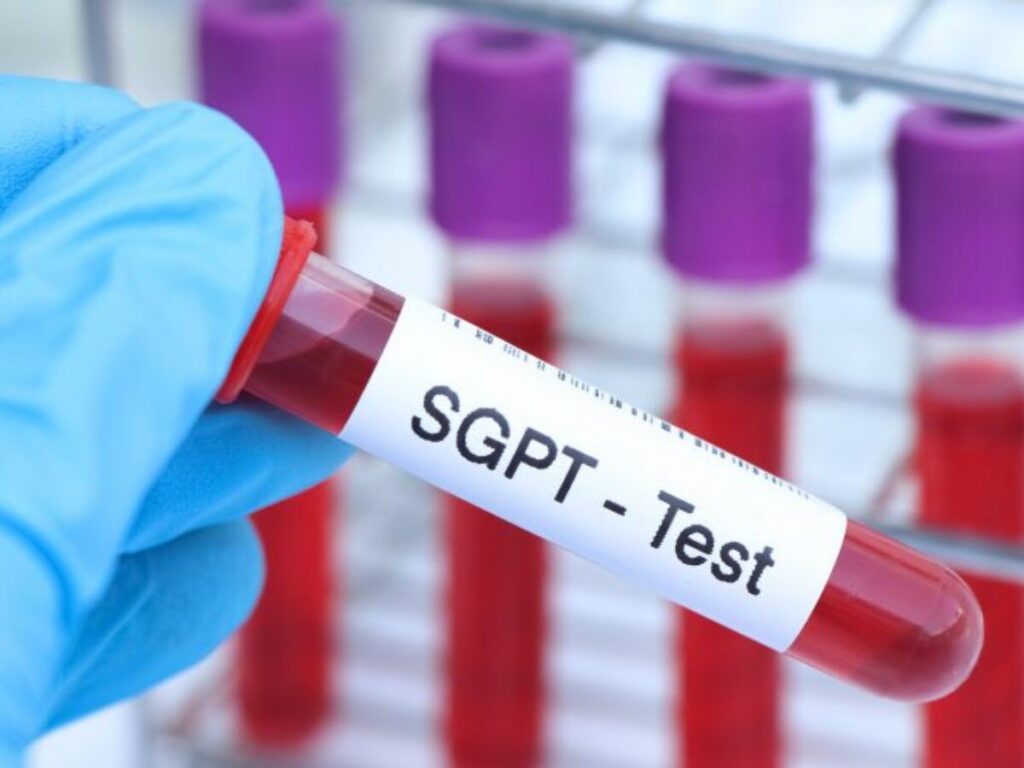
    Danger Level Of SGPT and SGOT test image

    Danger Level Of SGPT and SGOT

    1. Mild Elevation

    Slight increases in SGPT and SGOT levels may indicate minor liver damage or inflammation. This could be due to various factors such as excessive alcohol consumption, fatty liver disease, or medication side effects. While concerning, mild elevations may not immediately indicate severe liver damage but should prompt further investigation and lifestyle modifications.

    2. Moderate Elevation

    Moderate elevations in SGPT and SGOT levels suggest more significant liver damage or inflammation. Conditions such as viral hepatitis, autoimmune hepatitis, or chronic liver disease could be responsible for these elevations. At this stage, medical intervention and monitoring are crucial to prevent further liver damage and manage underlying conditions effectively.

    3. Severe Elevation

    Markedly elevated SGPT and SGOT levels signify severe liver damage or acute liver injury. This could be indicative of conditions like acute hepatitis, liver cirrhosis, or liver failure. In such cases, immediate medical attention is imperative, as severe liver damage can have life-threatening consequences if left untreated.

    Consult a Doctor and Medkart will help you Order Medicines Online

    Conclusion

    SGPT and SGOT levels serve as vital markers in assessing liver health and detecting potential liver damage or disease. While elevated levels can be concerning, they provide valuable insights that enable early intervention and appropriate management strategies.

    It’s essential to understand that SGPT and SGOT levels should be interpreted in conjunction with other clinical findings to accurately diagnose and address liver-related issues. Regular monitoring of liver function tests, along with a healthy lifestyle and medical guidance, is key to maintaining optimal liver health and overall well-being.

    If you suspect any abnormalities in your liver function tests, consult with a healthcare professional promptly for further evaluation and guidance.

    Read: What are Generic Medicines?

    FAQs on Danger Level of SGPT and SGOT

    Q1. What is dangerous level of SGPT and SGOT?

    Elevated levels of SGPT and SGOT in blood tests indicate potential liver damage or disease. Mild elevations may suggest minor liver issues, while moderate to severe elevations could signify more significant damage or acute liver injury, requiring immediate medical attention to prevent life-threatening complications. Regular monitoring and timely intervention are crucial for managing liver health effectively.

    Q2. What does it mean if my SGPT and SGOT levels are elevated?

    Elevated SGPT and SGOT levels indicate potential liver damage or disease. This could be due to various factors such as viral hepatitis, fatty liver disease, or medication side effects.

    Q3.Are mildly elevated SGPT and SGOT levels concerning?

    Mild elevations may signify minor liver issues, but they should prompt further investigation and lifestyle modifications to prevent progression to more severe liver damage.

    Q4. What should I do if my SGPT and SGOT levels are severely elevated?

    Severe elevations in SGPT and SGOT levels require immediate medical attention, as they may indicate acute liver injury or liver failure, necessitating prompt intervention and management strategies to prevent life-threatening complications.

    Related Links:

  • Diet Chart for Diabetic Patient: Best Diabetic Diet Chart

    Diet Chart for Diabetic Patient: Best Diabetic Diet Chart

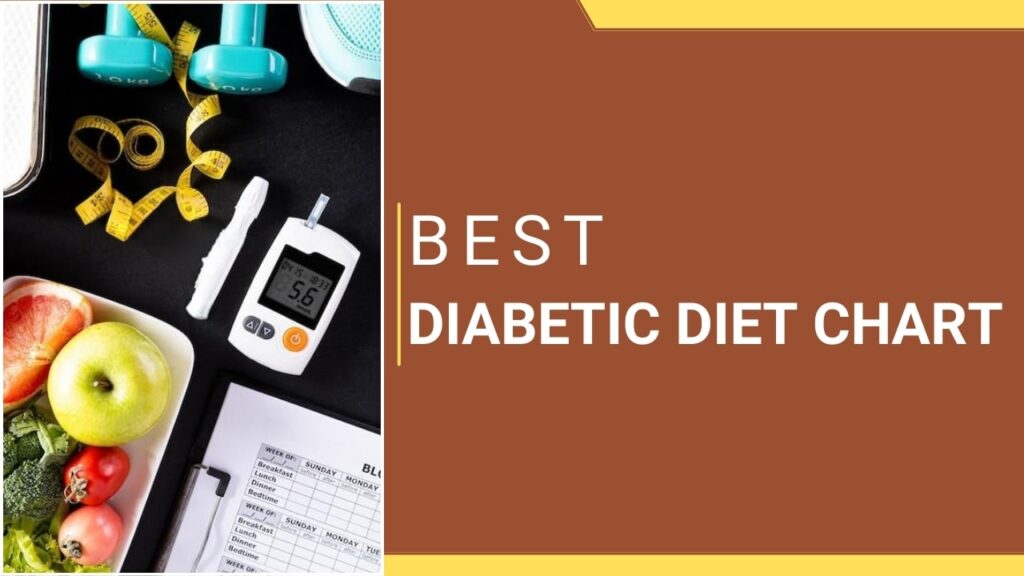
    diabetic diet chart

    A diet chart for diabetic patients should prioritize nutrient-dense foods and mindful eating habits. Emphasize complex carbohydrates like whole grains, lean proteins such as poultry and fish, and healthy fats from sources like avocados and nuts.

    Incorporate plenty of fibre-rich foods like fruits, vegetables, and legumes to aid in digestion and stabilize blood sugar levels. Portion control is crucial to prevent overeating and avoid spikes in blood sugar. Regular monitoring of blood sugar levels, along with consultation with a healthcare professional or registered dietitian, can help tailor the diet chart to individual needs and preferences.

    By making smart food choices and staying consistent with portion sizes, diabetic patients can effectively manage their condition and improve overall health.

    Diet Chart For Diabetic Patient

    Diabetes is a metabolic disorder characterized by elevated blood sugar levels, which can lead to serious health complications if not managed properly. Diet plays a pivotal role in diabetes management, as certain foods can cause blood sugar spikes, while others help maintain stable levels.

    Key Components of a Diabetic Diet Chart

    • Carbohydrates: Focus on complex carbohydrates with a low glycemic index (GI), such as whole grains, legumes, and non-starchy vegetables. These foods are digested slowly, preventing rapid increases in blood sugar levels.
    • Protein: Incorporate lean sources of protein into each meal, such as poultry, fish, tofu, and legumes. Proteins play a crucial role in stabilizing blood sugar levels and fostering a sense of fullness, aiding in satiety.
    • Healthy Fats: Choose unsaturated fats, such as those found in avocados, nuts, seeds, and olive oil. These fats support heart health and can improve insulin sensitivity.
    • Fiber: Include plenty of high-fiber foods like fruits, vegetables, whole grains, and legumes in the diet. Fiber aids in digestion, slows down the absorption of glucose, and promotes feelings of fullness.
    • Portion Control: Pay attention to portion sizes to avoid overeating, which can lead to spikes in blood sugar levels. Use measuring cups, food scales, or visual cues to gauge appropriate serving sizes.

    Sample Diet Chart for Diabetic Patients

    Here’s a sample diet chart to illustrate how meals and snacks can be structured throughout the day:

    Breakfast:

    • 1/2 cup of cooked oatmeal topped with sliced strawberries and almonds
    • 1 hard-boiled egg
    • 1 cup of unsweetened almond milk

    Mid-Morning Snack: Greek yogurt with a handful of mixed berries

    Lunch: Grilled chicken salad with mixed greens, cherry tomatoes, cucumber, and vinaigrette dressing 1 small whole-grain roll

    Afternoon Snack: Carrot sticks with hummus

    Dinner: Baked salmon with quinoa and roasted vegetables (such as broccoli, bell peppers, and zucchini), Steamed asparagus spears.

    Evening Snack (if needed): Popcorn popped in the air, delicately seasoned with a whisper of cinnamon.

    Also Read:

    Tips for Success

    • Stay hydrated by drinking plenty of water throughout the day.
    • Limit intake of sugary beverages and processed foods.
    • Monitor blood sugar levels regularly and adjust the diet as needed in consultation with a healthcare provider or dietitian.
    • Incorporate physical activity into your daily routine to further enhance blood sugar control and overall health.

    > Consult a Doctor and Medkart will help you Order Medicines Online

    Conclusion:

    Creating a diet chart tailored to the specific needs of diabetic patients is essential for effective blood sugar management and overall well-being. By focusing on nutrient-dense foods, portion control, and regular monitoring, individuals with diabetes can enjoy delicious and satisfying meals while keeping their condition under control.

    Always consult with a healthcare professional or registered dietitian to develop a personalized diet plan that meets your individual needs and preferences. With dedication and mindful eating habits, maintaining a healthy lifestyle with diabetes is entirely achievable.

    Read: What are Generic Medicines?

    FAQs on Diet Chart For Diabetic Patient

    Q1. What is a diet chart for a diabetic patient?

    A diet chart for a diabetic patient typically includes balanced portions of complex carbohydrates, lean proteins, and healthy fats. It emphasizes whole grains, fruits, vegetables, and low-fat dairy while limiting sugar, processed foods, and excessive sodium. Portion control and regular monitoring of blood sugar levels are essential for effective management.

    Q2. Can I still enjoy carbohydrates in my diet as a diabetic patient?

    Yes, you can include carbohydrates in your diet, but focus on complex carbohydrates with a low glycemic index, such as whole grains, legumes, and non-starchy vegetables, to help maintain stable blood sugar levels.

    Q3. How important is portion control in managing diabetes through diet?

    Portion control is crucial for diabetic patients to prevent overeating and avoid spikes in blood sugar levels. Measuring serving sizes and using visual cues can help regulate portions effectively.

    Q4. Are there specific foods I should avoid in a diabetic diet chart?

    Yes, it’s important to limit or avoid sugary beverages, processed foods, and foods high in refined carbohydrates, saturated fats, and sodium, as these can negatively impact blood sugar control and overall health.


  • How to Increase Platelet Count? Ways to Increase Platelet Count Naturally

    How to Increase Platelet Count? Ways to Increase Platelet Count Naturally

    how to increase platelet countTo increase platelet count naturally, focus on incorporating a balanced diet rich in foods known to support platelet production, such as leafy greens, citrus fruits, and foods high in folate and omega-3 fatty acids. Additionally, staying hydrated, managing stress levels through relaxation techniques like meditation or yoga, and maintaining a regular exercise routine can promote optimal blood circulation and platelet function.

    Herbal remedies like papaya leaf extract or turmeric may also be beneficial, but it’s essential to consult with a healthcare professional before incorporating them into your routine, especially If you have preexisting health conditions or are currently on any medications, please make sure to disclose this information.

    By adopting these lifestyle changes and dietary modifications, you can help increase your platelet count naturally and support overall well-being.

    What are Platelets?

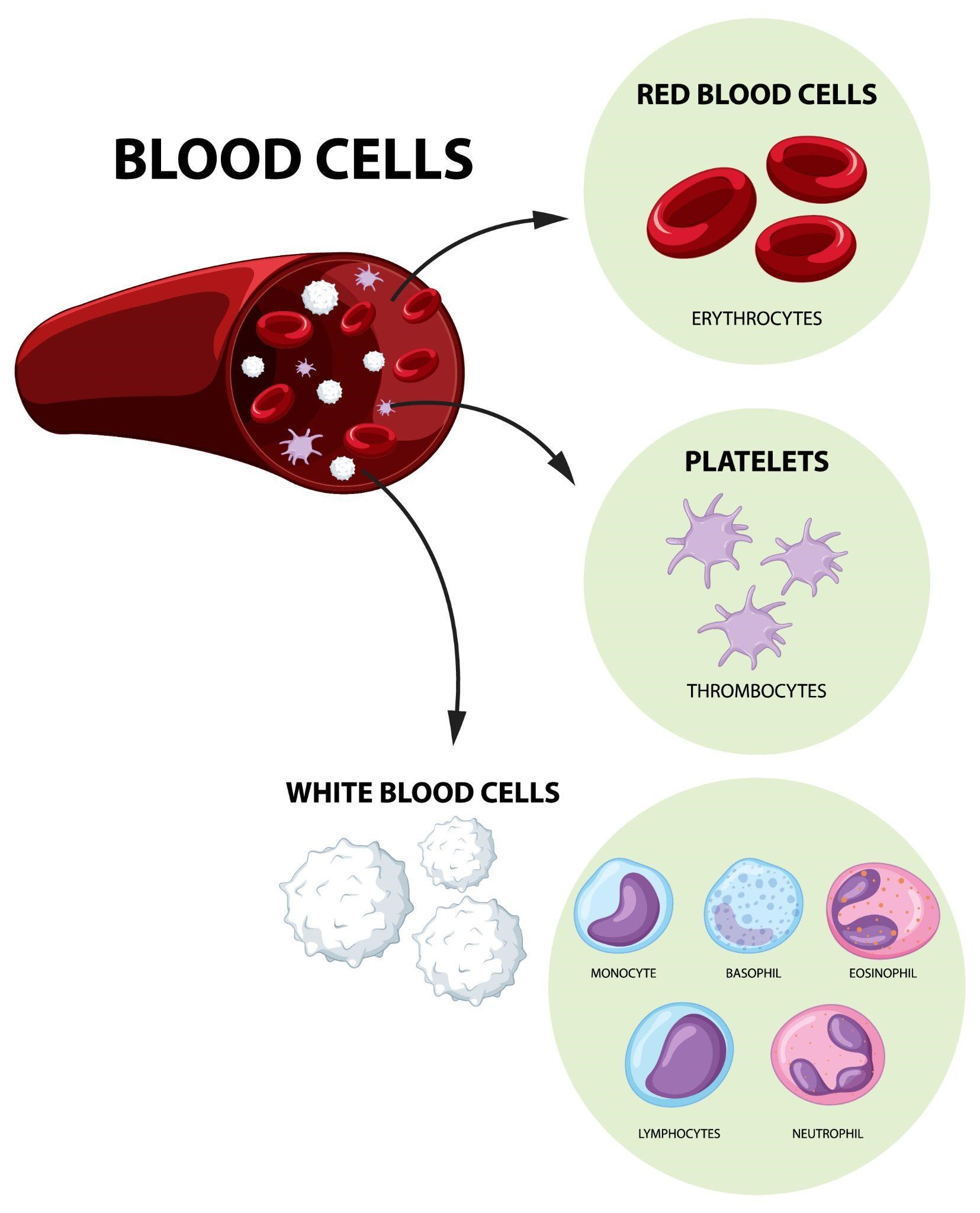
    Platelets are tiny cell fragments in our blood that play a crucial role in clotting and stopping bleeding. When our platelet count drops too low, it can lead to excessive bleeding and bruising, a condition known as thrombocytopenia. Low platelet count can result from various factors such as certain medications, medical conditions, or even lifestyle choices.

    Platelet levels in the bloodstream typically fall within the range of 150,000 to 450,000 platelets per microliter, constituting a normal count. Values below 150,000 are considered low and may require medical attention, especially if they drop significantly.

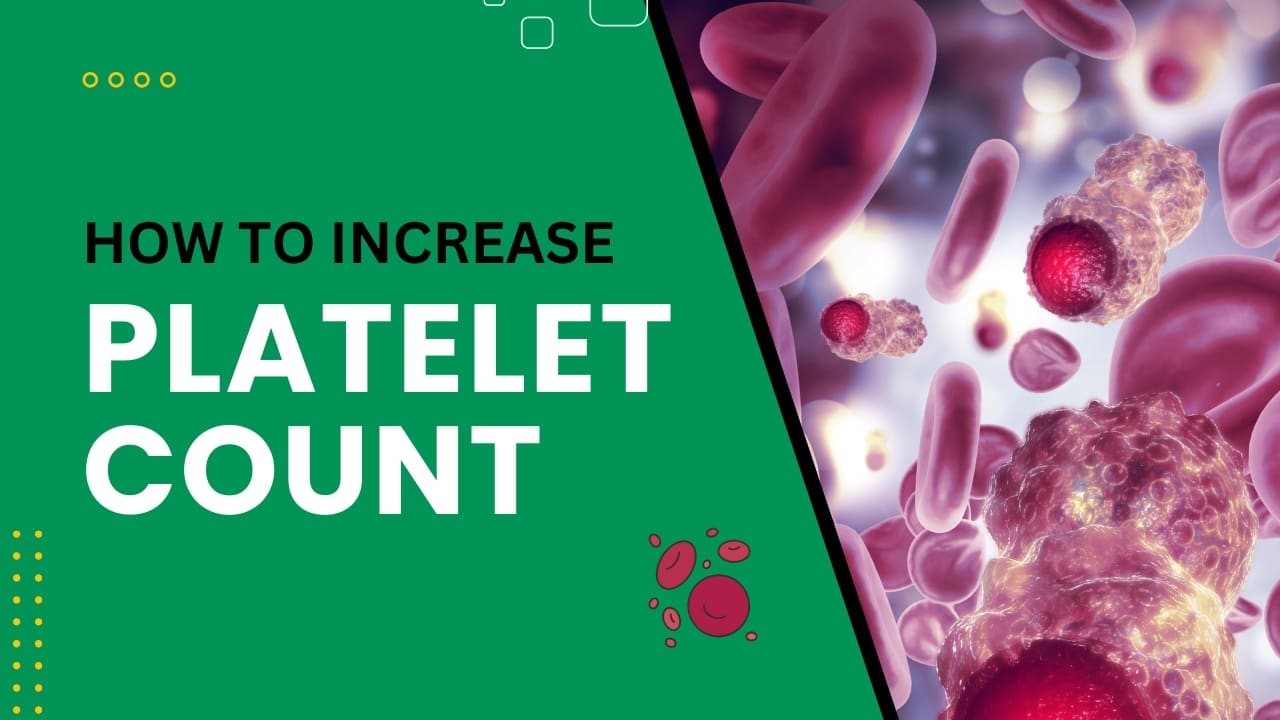
    How to Increase Platelet Count

    How To Increase Platelet Count Naturally

    The best ways to increase platelet count naturally are mentioned below:

    Diet Modification

    • Incorporate foods rich in vitamins and minerals essential for platelet production, such as:
    • Leafy greens like spinach and kale, which are high in vitamin K.
    • Citrus fruits like oranges and lemons, which provide vitamin C necessary for platelet function.
    • Foods rich in folate, such as lentils, beans, and fortified grains.
    • Omega-3 fatty acids are plentiful in fatty fish such as salmon, as well as in sources like flaxseeds.
    • Avoid excessive consumption of alcohol and foods high in saturated fats, which can hinder platelet production.

    Omega-3 fatty acids

    Herbal Remedies

    Certain herbs and spices are believed to boost platelet count. These include:

    • Papaya leaf extract: Studies suggest that papaya leaf extract may stimulate platelet production.
    • Turmeric: Known for its anti-inflammatory properties, turmeric may help increase platelet count.
    • Ginseng: This traditional herb has been associated with increased platelet count in some studies.

    It’s crucial to consult with a healthcare professional before using herbal remedies, as they may interact with medications or have side effects.

    Hydration

    Staying hydrated is essential for overall health and can indirectly affect platelet count. Adequate hydration ensures proper blood flow and supports optimal blood cell function.

    Lifestyle Changes

    • Manage stress: Chronic stress can suppress the immune system and affect platelet production. Integrate calming practices like meditation, yoga, or deep breathing exercises into your daily regimen to alleviate stress.
    • Exercise regularly: Regular physical activity promotes circulation and overall cardiovascular health, which can contribute to optimal platelet function.
    • Quit smoking: Smoking not only damages blood vessels but also impairs platelet function. Quitting smoking can improve overall health and potentially increase platelet count.

    Medical Treatment

    In cases of severe thrombocytopenia or underlying medical conditions, medical intervention may be necessary. This can include prescription medications, platelet transfusions, or other treatments prescribed by a healthcare professional.

    Also Read:

    Fruits to Increase Platelets

    Here’s a concise overview of fruits known to help increase platelet count:

    • Papaya: Rich in vitamins A, C, and E, as well as folate, papaya is believed to aid in boosting platelet production.
    • Pomegranate: Packed with antioxidants and vitamin C, pomegranate may help increase platelet count and improve overall blood circulation.
    • Kiwi: High in vitamin C and antioxidants, kiwi fruit can support healthy platelet function and enhance immune system function.
    • Berries (Strawberries, Blueberries, Blackberries): These fruits are excellent sources of antioxidants and vitamin C, which can aid in increasing platelet count and improving overall blood health.
    • Oranges: Rich in vitamin C, oranges are known to support collagen production and enhance platelet function.

    Incorporating these fruits into your diet can contribute to overall health and help promote optimal platelet production.

    > Consult a Doctor and Medkart will help you Order Medicines Online

    Conclusion

    Increasing platelet count naturally involves adopting a holistic approach that includes dietary modifications, lifestyle changes, and possibly herbal remedies.

    While these strategies can support platelet production and overall health, it’s essential to consult with a healthcare professional, especially if you have a pre-existing medical condition or are taking medications.By prioritizing a balanced diet, staying hydrated, managing stress, and making healthy lifestyle choices, you can optimize your platelet count and promote overall well-being.

    Read: What are Generic Medicines?

    FAQs on Ways to Increase Platelet Count

    Q1. How to increase platelet count?

    Answer : To increase platelet count, focus on consuming foods rich in vitamin C and K, staying hydrated, managing stress, and incorporating herbal remedies like papaya leaf extract or turmeric, but consult a healthcare professional for personalized advice.

    Q2. What foods can help increase platelet count?

    Answer : Foods rich in vitamin C, such as citrus fruits (oranges, lemons), leafy greens (spinach, kale), and berries (strawberries, blueberries), along with those high in vitamin K (like broccoli and Brussels sprouts), are known to support platelet production.

    Q3. Are there any lifestyle changes that can boost platelet count?

    Answer : Yes, staying hydrated, managing stress levels through relaxation techniques like yoga or meditation, and engaging in regular exercise can promote optimal blood circulation and platelet function, contributing to an increase in platelet count.

    Related Links:

    Blog | Medkart Pharmacy - Generic Medicine Online

  • How to get Rid of Dandruff? Home Remedies to get Rid of Dandruff Naturally

    How to get Rid of Dandruff? Home Remedies to get Rid of Dandruff Naturally

    home remedies for dandruffTo effectively get rid of dandruff, start by using an anti-dandruff shampoo containing active ingredients like pyrithione zinc, selenium sulfide, ketoconazole, or coal tar. Wash your hair regularly with lukewarm water, gently massaging your scalp to loosen dead skin cells. Additionally, maintain scalp hydration by using a moisturizing conditioner and avoiding hot water.

    Make dietary adjustments by incorporating foods rich in vitamins, minerals, and omega-3 fatty acids, while also managing stress levels through relaxation techniques. Consider natural remedies like tea tree oil or apple cider vinegar for added relief.

    Effective Strategies to Combat Dandruff

    Dandruff can be an irritating and embarrassing problem for many people. Those pesky white flakes not only affect our appearance but can also lead to discomfort and self-consciousness. While the exact cause of dandruff isn’t fully understood, factors such as an overgrowth of yeast-like fungus, dry skin, sensitivity to hair care products, and certain medical conditions can contribute to its development.

    1. Proper Hair Care Routine

    Use a gentle, pH-balanced shampoo: Choose a shampoo specifically formulated to combat dandruff. Look for active ingredients such as pyrithione zinc, selenium sulfide, ketoconazole, or coal tar, which help to control dandruff-causing fungus and reduce flaking.

    Wash your hair regularly: Regular shampooing helps to remove excess oil, dead skin cells, and buildup of product residue, preventing dandruff formation. However, avoid overwashing, as it can strip the scalp of natural oils, leading to dryness and exacerbating dandruff.

    Massage your scalp: While shampooing, gently massage your scalp with your fingertips to loosen dead skin cells and improve blood circulation, promoting a healthier scalp.

    How to get Rid of Dandruff

    2. Maintain Scalp Hydration

    Condition your hair: Use a moisturizing conditioner after shampooing to keep your scalp and hair hydrated. Look for conditioners containing ingredients such as glycerin, panthenol, or natural oils like coconut oil or argan oil, which help to nourish and hydrate the scalp.

    Avoid hot water: Washing your hair with hot water can strip the scalp of its natural oils, leading to dryness and exacerbating dandruff. Opt for lukewarm or cool water instead to maintain scalp hydration.

    Also, Read:

    How to get Rid Of Dandruff Naturally?

    Getting rid of dandruff naturally involves utilizing ingredients and methods that are gentle yet effective in addressing the underlying causes of flaky scalp. Here are several natural approaches:

    • Tea Tree Oil: Renowned for its antifungal and antibacterial properties, tea tree oil can combat the fungus responsible for dandruff. Blend a small quantity of tea tree oil with a carrier oil such as coconut or olive oil and gently massage it onto your scalp. Allow it to sit for approximately 30 minutes before proceeding with your regular shampoo routine.
    • Apple Cider Vinegar: The acidity of apple cider vinegar helps restore the scalp’s pH balance and prevent the growth of dandruff-causing yeast. Mix equal parts of apple cider vinegar and water, then apply the mixture to your scalp after shampooing. Allow a brief interval for it to settle before proceeding to thoroughly rinse.
    • Coconut Oil: Coconut oil is an excellent natural moisturizer that can help soothe dry, flaky scalp. Warm up a small amount of coconut oil and massage it into your scalp, focusing on areas with dandruff. Allow it to remain overnight and cleanse your hair the following morning.
    • Aloe Vera: Aloe vera possesses anti-inflammatory and moisturizing properties that can alleviate itching and reduce dandruff. Apply fresh aloe vera gel directly to your scalp, leave it on for about 30 minutes, then rinse off with lukewarm water.
    • Baking Soda: Baking soda exfoliates the scalp, removing dead skin cells and reducing dandruff. Mix a tablespoon of baking soda with water to form a paste, then massage it into your scalp. Rinse thoroughly and follow up with a mild shampoo.
    • Probiotics: Consuming probiotic-rich foods like yogurt and kefir can help restore the balance of beneficial bacteria in your gut, which may indirectly improve dandruff symptoms by strengthening the immune system.
    • Essential Oils: In addition to tea tree oil, other essential oils like lavender, rosemary, and peppermint have antimicrobial properties that can help combat dandruff. Dilute a few drops of your chosen essential oil in a carrier oil and massage it into your scalp.

    > Consult a Doctor and Medkart will help you Order Medicines Online

    Consistency is key when using natural remedies for dandruff. Experiment with different methods to find what works best for your scalp, and be patient as it may take time to see significant improvements.

    How to get Rid of Dandruff

    Conclusion:

    Dandruff may be a common scalp condition, but it’s certainly not something you have to live with indefinitely. By adopting a comprehensive approach that includes proper hair care, scalp hydration, dietary and lifestyle changes, and occasional use of natural remedies, you can effectively manage and even banish dandruff for a healthier, flake-free scalp. Remember, consistency and patience are key, so stick to your dandruff-fighting routine, and you’ll soon enjoy the confidence of a scalp that’s free from flakes.

    Read: What are Generic Medicines?

    FAQs on How to get Rid of Dandruff

    Q1. How to get rid of dandruff?

    To get rid of dandruff, use an anti-dandruff shampoo containing active ingredients like ketoconazole or zinc pyrithione at least three times a week. Additionally, maintain a balanced diet rich in vitamins, minerals, and omega-3 fatty acids to promote scalp health and reduce inflammation. Incorporating natural remedies such as tea tree oil, apple cider vinegar, or coconut oil can also effectively combat dandruff.

    Q2. How often should I wash my hair to get rid of dandruff?

    Washing your hair at least three times a week with an anti-dandruff shampoo containing active ingredients like ketoconazole or zinc pyrithione can help effectively reduce dandruff.

    Q3. Can diet influence dandruff?

    Yes, consuming a balanced diet rich in vitamins, minerals, and omega-3 fatty acids can promote scalp health and reduce inflammation, potentially minimizing dandruff flare-ups.

    Related Links:

    Blog | Medkart Pharmacy - Generic Medicine Online

  • How much Water should you drink every day?

    How much Water should you drink every day?

    how much water per dayWhile there isn’t a one-size-fits-all recommendation, a general guideline is to aim for around 8 glasses of water a day, which is roughly 64 ounces or about 2 litres. Determining how much water to drink per day is essential for maintaining proper hydration levels and supporting overall health. However, individual hydration needs can vary based on factors such as body weight, activity level, climate, and health conditions.
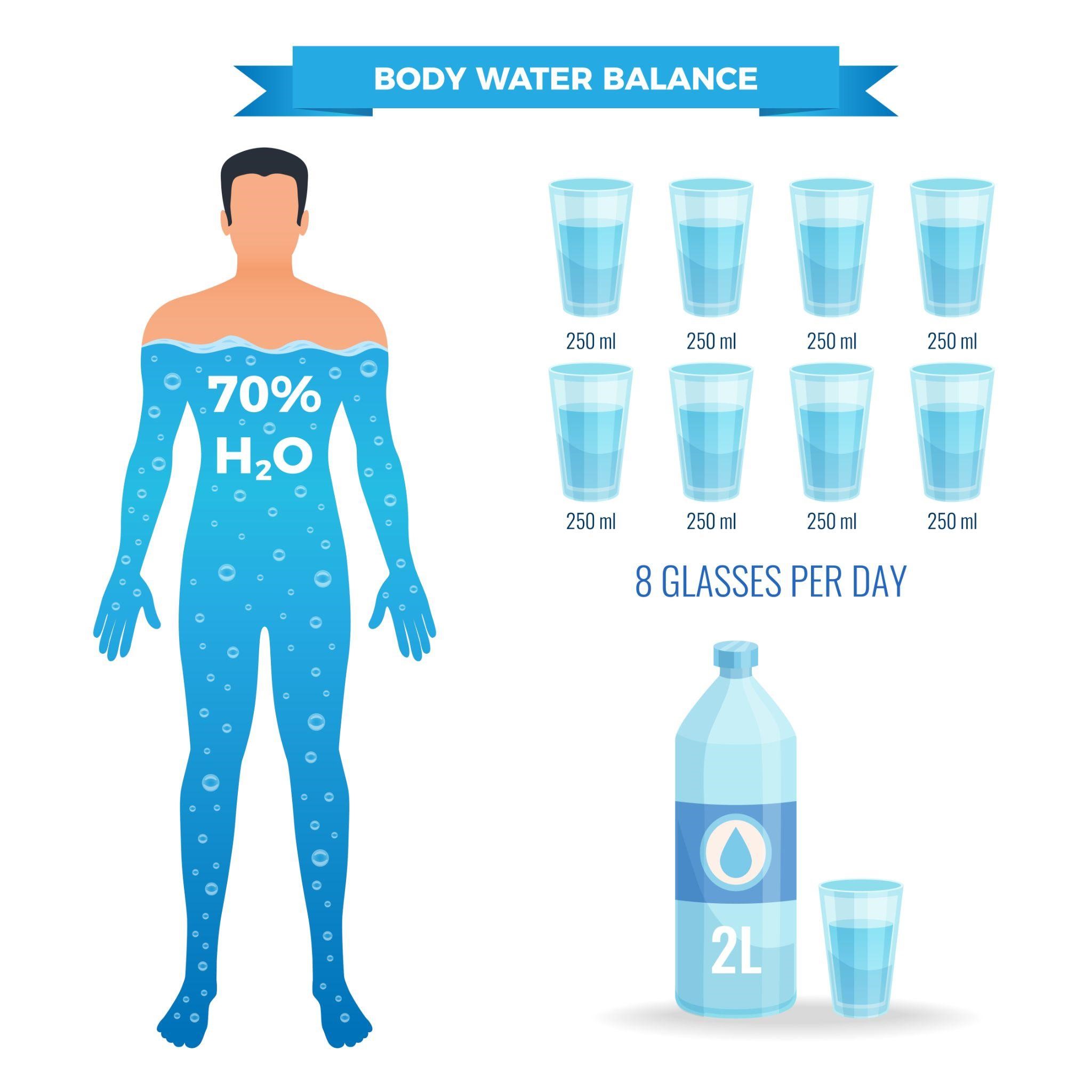


    Paying heed to your body’s signals for thirst is crucial, adapting your water consumption accordingly. Factors like physical activity, exposure to heat, or certain medical conditions may require you to consume more water to replenish fluids lost through sweat or other means.

    Importance of Hydration – Quantity of Water Required for the Human Body

    Water is the elixir of life, essential for our survival and well-being. We’re often reminded to drink enough water daily, but how much is “enough”? The answer isn’t one-size-fits-all; it depends on various factors such as age, weight, activity level, climate, and overall health. In this blog, we’ll delve into the science behind hydration and explore how much water you should aim to drink daily to maintain optimal health.

    Water plays a crucial role in the functioning of virtually every physiological process within the human body. It helps regulate body temperature, aids in digestion, flushes out toxins, cushions joints, and keeps our skin supple and radiant. Without an adequate intake of water, our bodies can’t function optimally, leading to dehydration, fatigue, headaches, and other health issues.

    How much Water should you drink every day

    Factors Affecting Daily Water Needs

    • Body Weight: Generally, the larger you are, the more water you need. As a rule of thumb, experts suggest consuming around 0.5 to 1 ounce of water per pound of body weight. For example, a person weighing 150 pounds should aim for 75 to 150 ounces of water per day.
    • Activity Level: Physical activity increases water loss through sweat, so those who exercise regularly or have active lifestyles need to replenish fluids more frequently. It’s recommended to drink extra water before, during, and after exercise to stay properly hydrated.
    • Climate: Hot and humid weather can cause increased sweating, leading to higher fluid loss. In such conditions, it’s essential to drink more water to prevent dehydration. Similarly, individuals living at high altitudes may experience increased respiratory water loss and should adjust their fluid intake accordingly.
    • Age: Children, elderly individuals, and pregnant or breastfeeding women have unique hydration needs. Infants and young children have higher water requirements relative to their body weight, while older adults may have reduced thirst perception, making it crucial for them to drink water regularly. Pregnant and breastfeeding women also require additional fluids to support fetal development and milk production.
    • Health Conditions: Certain medical conditions such as diabetes, kidney disease, and gastrointestinal disorders can affect fluid balance and necessitate adjustments in water intake. It’s important for individuals with such conditions to consult their healthcare providers for personalized hydration recommendations.

    Signs of Dehydration

    It’s essential to recognize the signs of dehydration to prevent its adverse effects. Common symptoms include:

    • Thirst
    • Dry mouth and lips
    • Dark-colored urine
    • Fatigue
    • Headache
    • Dizziness
    • Reduced urine output
    • Confusion or irritability
    • Sunken eyes
    • Rapid heartbeat

    Also Read:

    Calculating your Daily Water Intake

    While there isn’t a one-size-fits-all recommendation for daily water intake, you can use the following general guidelines to calculate your hydration needs:

    1. Convert your weight to pounds (if not already in pounds).
    2. Multiply your weight by 0.5 to 1 to determine the ounces of water you should aim to drink per day.
    3. Adjust your intake based on factors such as activity level, climate, and health conditions.

    How much Water should you drink every day

    Tips for Increasing Your Daily Water Intake

    • Keep a refillable water bottle handy all day long as a visual cue to stay hydrated.
    • Set hourly hydration goals, aiming to consume a certain amount of water by specific times.
    • Eat water-rich foods such as fruits and vegetables, which contribute to your overall fluid intake.
    • Enhance your water’s taste by infusing it with refreshing lemon, crisp cucumber, or invigorating mint for a delightful drinking experience.
    • Drink water before meals to help control appetite and aid digestion.
    • Limit consumption of caffeinated and alcoholic beverages, as they can have diuretic effects.
    • Monitor urine color; pale yellow or straw-colored urine indicates adequate hydration, while darker urine may signal dehydration.

    > Consult a Doctor and Medkart will help you Order Medicines Online

    Conclusion:

    Proper hydration is fundamental for upholding optimal health and vitality. By understanding your body’s unique hydration needs and adopting healthy habits, you can ensure you’re getting enough water each day. Remember to listen to your body’s thirst cues, stay mindful of environmental factors, and prioritize hydration as an integral part of your daily routine. Cheers to a hydrated and healthier you!

    Read: What are Generic Medicines?

    FAQs on Water to Drink in a Day

    Q1. How much Water should you drink every day?

    The recommended daily intake of water varies depending on factors such as age, weight, activity level, and climate. As a general guideline, aiming for around 8 glasses of water a day, or approximately 64 ounces (about 2 liters), is often recommended. However, individual hydration needs may differ, so it’s essential to listen to your body’s thirst signals and adjust your water intake accordingly.

    Q2. Does my water intake need to change based on my activity level?

    Yes, your water intake should be adjusted based on your activity level. When you’re more active or engaging in exercise, you lose fluids through sweat, so it’s crucial to drink extra water to replenish what’s lost. It’s recommended to drink water before, during, and after physical activity to maintain proper hydration levels and support optimal performance.

    Q3. Are there any specific health conditions that may require me to drink more water?

    Certain health conditions, such as kidney stones, urinary tract infections, or gastrointestinal disorders, may necessitate increased water intake. Additionally, individuals with diabetes may need to monitor their water intake closely to help manage blood sugar levels. Pregnant or breastfeeding women also require additional fluids to support fetal development or milk production. It’s important to consult with a healthcare professional to determine if any specific health conditions warrant adjustments in your daily water intake.

    Related Links:

    Blog | Medkart Pharmacy - Generic Medicine Online

  • International Epilepsy Day – What day is World Epilepsy Day?

    International Epilepsy Day – What day is World Epilepsy Day?

    international epilepsy dayInternational Epilepsy Day is observed annually on the second Monday of February, to raise awareness, challenge misconceptions, and offer support to those living with epilepsy. This year, on February 12th, 2024, we raise our voices to spread awareness, challenge stigma, and advocate for a better future for those living with epilepsy. This global initiative brings together individuals, communities, and organizations to foster understanding and promote a more inclusive society.

    Epilepsy, a neurological condition marked by recurring seizures, impacts millions globally. Epilepsy is a condition marked by unpredictable seizures, which can vary in intensity and manifestation. Contrary to common myths, epilepsy is not a single disorder but a spectrum of conditions affecting people of all ages, backgrounds, and walks of life. The root cause of epilepsy can be attributed to various factors, including genetic predisposition, brain injury, infections, or developmental disorders.

    What is World Epilepsy Day?

    Living with epilepsy presents unique challenges, not only due to the unpredictable nature of seizures but also because of the social stigma associated with the condition. Many individuals with epilepsy face discrimination, misunderstanding, and exclusion from various aspects of life, such as education, employment, and social activities.

    International Epilepsy Day serves as a platform to challenge and dispel the myths and stigmas surrounding epilepsy. Education is key in fostering a more compassionate and informed society. Understanding that epilepsy is not contagious and that individuals with epilepsy can lead fulfilling lives with proper management is crucial.

    International Epilepsy Day

    International Epilepsy Day – Reason of Celebration

    The day is an opportunity for individuals, healthcare professionals, and organizations to come together and raise awareness about epilepsy. Initiatives such as community events, educational seminars, and social media campaigns play a significant role in disseminating accurate information, sharing personal stories, and dispelling misconceptions.

    International Epilepsy Day also highlights the importance of providing support to individuals living with epilepsy and their families. Access to proper medical care, medication, and emotional support are vital components in managing the challenges associated with the condition. Advocacy for better healthcare policies and increased research funding is essential for improving the quality of life for those affected by epilepsy.

    Empowering Epilepsy Warriors

    The day is an opportunity to celebrate the resilience and strength of individuals with epilepsy, often referred to as “epilepsy warriors.” By sharing their stories and accomplishments, these individuals contribute to changing societal perceptions and inspiring others to embrace life without fear or prejudice.

    International Epilepsy Day Theme 2024

    The 2024 theme, “Zero Epilepsy,” reflects the collective aspiration to create a world free from epilepsy. While a complete cure may seem distant, significant advancements in diagnosis, treatment, and research are bringing us closer than ever. International Epilepsy Day serves as a reminder of this progress and mobilizes efforts towards our shared goal.

    How can you be a part of the Epilepsy Day?

    • Educate yourself: Learn about epilepsy, its causes, symptoms, and treatment options. Dispelling myths and misinformation is crucial in breaking down stigma.
    • Spread awareness: Share information about International Epilepsy Day and epilepsy resources with your family, friends, and community. You can participate in online campaigns, attend local events, or simply have conversations about epilepsy.
    • Advocate for change: Support organizations working towards improving the lives of people with epilepsy. You can donate, volunteer, or contact your elected officials to advocate for better access to healthcare, education, and employment opportunities.
    • Show your support: Use the #EpilepsyDay hashtag on social media to share your stories, messages of encouragement, and calls for action.

    Together, we can make a difference. Let’s use International Epilepsy Day as a springboard to create a more inclusive and supportive world for people with epilepsy. By shining a light on epilepsy, we can help build a brighter future for them and for all.

    > Consult a Doctor and Medkart will help you Order Medicines Online

    Conclusion:

    International Epilepsy Day is a call to action for communities, healthcare professionals, and individuals to join forces in creating a world that understands and supports those living with epilepsy. By dispelling myths, promoting awareness, and fostering inclusivity, we can contribute to a society where individuals with epilepsy can thrive and lead fulfilling lives. Let us unite on this day to break stigmas, offer support, and spread hope for a future free from the constraints of epilepsy.

    Read: What are Generic Medicines?

    FAQs On International Epilepsy Day

    Q1. What is International Epilepsy Day?

    International Epilepsy Day is a global initiative observed on the second Monday of February to raise awareness about epilepsy, challenge stigmas, and offer support to individuals living with the condition. It aims to dispel misconceptions, promote understanding, and empower those affected by epilepsy to live fulfilling lives. Through education, advocacy, and community engagement, International Epilepsy Day strives to create a more inclusive and compassionate society.

    Q2. What is the purpose of International Epilepsy Day?

    International Epilepsy Day aims to raise awareness about epilepsy, challenge misconceptions, and provide support to individuals living with the condition and their families. It seeks to promote understanding and inclusivity while advocating for better healthcare policies and research funding.

    Q3. How can I get involved in International Epilepsy Day?

    You can participate in various ways, such as organizing or attending community events, sharing educational resources on social media, wearing purple (the color associated with epilepsy awareness), or donating to organizations supporting epilepsy research and advocacy efforts.

    Q4. What can I do to support someone with epilepsy on International Epilepsy Day?

    Show your support by listening to their experiences, educating yourself and others about epilepsy, offering assistance during seizures if needed, and advocating for their rights and inclusion in society.

    Related Links: