

Category: Health & Wellness

  • Normal Heart Rate by Age – Resting Heart Rate Chart

    Normal Heart Rate by Age – Resting Heart Rate Chart

    normal heart rate

    Normal heart rate varies across age groups, reflecting the dynamic nature of cardiovascular health throughout a person’s life. In infants (0-12 months), a resting heart rate of 100 to 160 beats per minute (bpm) is typical, gradually decreasing as they grow. Children (1-10 years) usually have a heart rate between 70 and 120 bpm, while pre-teens and teens (11-17 years) exhibit rates of 60 to 100 bpm, influenced by factors like puberty and physical activity.

    Adults (18-64 years) generally fall within the 60 to 100 bpm range, though fitness levels may influence these values. Seniors (65 years and older) typically have a resting heart rate of 60 to 100 bpm, with considerations for individual health and medications. Monitoring heart rate by age provides a useful benchmark for assessing cardiovascular well-being and adapting lifestyle choices accordingly.

    Normal Heart Rate By Age

    The human heart is a remarkable organ that tirelessly pumps blood, ensuring the circulation of oxygen and nutrients throughout the body. Monitoring heart rate is a key aspect of maintaining cardiovascular health. A normal heart rate varies with age, and understanding these age-specific ranges is crucial for assessing overall well-being.

    Normal Heart Rate by Age

    1. Infants (0-12 months)

    In the first year of life, a baby’s heart rate is generally higher compared to older children and adults. A normal resting heart rate for infants ranges from 100 to 160 beats per minute (bpm). As the cardiovascular system develops, the heart rate gradually decreases.

    2. Children (1-10 years)

    For children aged 1 to 10, the average resting heart rate is between 70 and 120 bpm. As children grow, their heart becomes more efficient at pumping blood, resulting in a lower resting heart rate compared to infancy.

    3. Pre-teens and Teens (11-17 years)

    As adolescents go through puberty, hormonal changes and increased physical activity can influence heart rate. The normal resting heart rate for this age group is typically between 60 and 100 bpm. Regular physical activity, diet, and overall health can impact these values.

    4. Adults (18-64 years)

    For adults, a normal resting heart rate falls within the range of 60 to 100 bpm. However, athletic individuals, especially those engaged in regular cardiovascular exercise, may have lower resting heart rates, sometimes below 60 bpm. Physical fitness, genetics, and lifestyle choices all play a role in determining an adult’s heart rate.

    5. Seniors (65 years and older)

    As individuals age, the cardiovascular system undergoes changes, and the heart may not beat as efficiently. A normal resting heart rate for seniors is generally between 60 and 100 bpm. However, individual health, pre-existing medical conditions, and medications can influence heart rate in the elderly.

    Factors Influencing Heart Rate

    • Physical Fitness: Regular exercise improves cardiovascular efficiency, resulting in a lower resting heart rate.
    • Stress: Emotional and psychological stress can temporarily elevate heart rate. Acquiring skills in stress management proves advantageous for one’s well-being and overall resilience.
    • Medications: Certain medications, such as beta-blockers or stimulants, can impact heart rate. It’s important to be aware of the side effects of prescribed drugs.
    • Medical Conditions: Conditions like hypertension, thyroid disorders, and heart disease can affect heart rate.

    > Consult a Doctor and Medkart will help you Order Medicines Online

    Normal Heart Rate For Women By Age

    Normal heart rate for women varies based on age, reflecting the physiological changes that occur throughout their lives. In general, infants (0-12 months) typically have a resting heart rate of 100 to 160 beats per minute (bpm), gradually decreasing as they grow. For children (1-10 years), the average heart rate is between 70 and 120 bpm.

    As girls enter adolescence, pre-teens and teens (11-17 years) often exhibit a heart rate of 60 to 100 bpm, influenced by factors like puberty and physical activity. Adult women (18-64 years) generally fall within the 60 to 100 bpm range, but individual variations may occur based on fitness levels and overall health. Postmenopausal women and seniors (65 years and older) typically maintain a resting heart rate of 60 to 100 bpm.

    Also, Read:

    Normal Heart Rate For Men By Age

    The normal heart rate for men varies across different age groups, providing valuable insights into cardiovascular health. In the first year of life, infants generally have a resting heart rate of 100 to 160 beats per minute (bpm), gradually decreasing as they grow. For children aged 1 to 10, the average heart rate falls between 70 and 120 bpm.

    As boys transition through puberty, pre-teens and teens (11-17 years) often exhibit a heart rate of 60 to 100 bpm, influenced by factors like physical activity and hormonal changes. Adult men (18-64 years) generally maintain a resting heart rate within the range of 60 to 100 bpm, though individual variations may be influenced by fitness levels and overall health. Men aged 65 and older typically have a resting heart rate of 60 to 100 bpm, with considerations for factors such as medication and existing health conditions.

    Conclusion

    Understanding normal heart rate by age is a valuable tool for assessing cardiovascular health. Regularly monitoring heart rate, especially during periods of rest, can provide insights into overall well-being. However, individual variations exist, and factors like physical fitness and stress can influence heart rate. It’s crucial to maintain a healthy lifestyle, seek medical advice when necessary, and prioritize heart health throughout all stages of life.

    Read: What are Generic Medicines?

    FAQs on Normal Heart Rate By Age

    Q1. What is a good heart rate for my age?

    Normal heart rate varies by age. Infants (0-12 months) typically have a resting heart rate of 100-160 bpm, decreasing with age. For adults (18-64 years), the range is 60-100 bpm, influenced by factors like fitness, while seniors (65 years and older) maintain a similar range with considerations for individual health and medications.

    Q2. What is the normal heart rate for infants?

    The normal heart rate for infants (0-12 months) ranges between 100 and 160 beats per minute (bpm), gradually decreasing as they grow.

    Q3. What is the average heart rate for adults?

    For adults (18-64 years), a normal resting heart rate typically falls within the range of 60 to 100 bpm, with individual variations influenced by factors such as fitness levels and overall health.

    Q4. How does age impact heart rate in seniors?

    Seniors (65 years and older) generally maintain a normal resting heart rate of 60 to 100 bpm, with considerations for individual health, medications, and existing medical conditions. Regular monitoring is crucial for assessing cardiovascular well-being in this age group.


  • Understanding Normal Range: Random Blood Sugar Levels Explained

    Understanding Normal Range: Random Blood Sugar Levels Explained

    normal blood sugar levels

    The random blood sugar normal range typically falls between 70 and 140 milligrams per deciliter (mg/dL), this range provides a snapshot of blood glucose concentration at any given time, without the need for fasting. The normal range for random blood sugar levels serves as a critical benchmark in assessing an individual’s immediate glucose regulation. Maintaining blood sugar within this range is indicative of effective glucose control and a lower risk of diabetes-related complications.

    Monitoring random blood sugar levels is essential for early detection of potential issues, allowing for timely intervention and lifestyle adjustments. Understanding this normal range is pivotal in promoting overall health and well-being, enabling individuals to make informed decisions about their diet, exercise, and overall lifestyle choices. Regular monitoring, along with consultation with healthcare professionals, ensures proactive management of blood sugar levels for long-term health.

    Normal Range

    Random blood sugar, also known as casual blood glucose, measures the glucose levels in your blood at any given time, regardless of when you last ate. Unlike fasting blood sugar tests, which require you to abstain from eating for a specific period, random blood sugar tests provide a snapshot of your blood sugar levels without any prior fasting.

    The normal range for random blood sugar levels can vary slightly between individuals and may be influenced by factors such as age, health conditions, and lifestyle. However, in general, a random blood sugar level between 70 and 140 milligrams per deciliter (mg/dL) is considered normal for most people.

    Random Blood Sugar Normal Range image

    1. Normal Range (70-140 mg/dL)

    A random blood sugar level within this range indicates that your body is effectively regulating glucose, and your risk of developing diabetes or related complications is relatively low.

    2. Elevated Levels (140-200 mg/dL)

    If your random blood sugar levels consistently fall within this range, it may suggest insulin resistance or impaired glucose tolerance. It is essential to consult with a healthcare professional to further evaluate your risk of developing diabetes.

    3. High Levels (Above 200 mg/dL)

    Random blood sugar levels exceeding 200 mg/dL may indicate diabetes. A diagnosis may require additional testing, such as fasting blood sugar tests or oral glucose tolerance tests, to confirm the presence of diabetes.

    Also, Read:

    Factors Influencing Random Blood Sugar Levels

    Several factors can impact random blood sugar levels, and understanding these variables is crucial for accurate interpretation:

    • Recent Food Intake: Consuming carbohydrates, especially simple sugars, can cause a temporary spike in blood sugar levels.
    • Physical Activity: Regular exercise can improve insulin sensitivity and help maintain healthy blood sugar levels.
    • Stress Levels: Stress can elevate blood sugar levels, making it important to manage stress through relaxation techniques.
    • Medications: Certain medications, such as corticosteroids or antipsychotics, may affect blood sugar levels.

    > Consult a Doctor and Medkart will help you Order Medicines Online

    Conclusion

    Monitoring random blood sugar levels provides valuable insights into your body’s glucose regulation, aiding in the early detection and management of diabetes. While a range of 70-140 mg/dL is generally considered normal, it’s crucial to consult with a healthcare professional to interpret your results in the context of your overall health and individual circumstances. By staying informed and proactive, you can take steps to maintain optimal blood sugar levels and promote a healthier, more balanced lifestyle.

    Monitoring your random blood sugar is essential for long-term health. For those already experiencing early signs of nerve-related issues, Nurewire Capsule 10’s may be helpful in supporting nerve health as part of a broader diabetes care plan.

    Read: What are Generic Medicines?

    FAQs on Random Blood Sugar Normal Range

    Q1. What is the random blood sugar normal range?

    The normal range for random blood sugar levels is typically between 70 and 140 milligrams per deciliter (mg/dL). This range provides a snapshot of your blood glucose at any given time, irrespective of fasting.

    Q2. Why is it important to know your random blood sugar level?

    Knowing your random blood sugar level helps monitor your immediate glucose regulation. It aids in the early detection of potential issues, such as insulin resistance or diabetes, allowing for timely intervention and management.

    Q3. Can factors like recent meals affect random blood sugar results?

    Yes, recent food intake can influence random blood sugar levels. Consuming carbohydrates, especially simple sugars, may cause a temporary spike. It’s essential to consider lifestyle factors when interpreting these results.

    Q4. When should I be concerned about random blood sugar levels?

    Consistent readings above 140 mg/dL may raise concerns, indicating potential issues with glucose tolerance or insulin resistance. If levels exceed 200 mg/dL, it’s crucial to consult a healthcare professional for further evaluation and appropriate guidance.

    Related Links:

  • How to Reduce Face Fat? – Effective Tips to Lose Fat in Your Face

    How to Reduce Face Fat? – Effective Tips to Lose Fat in Your Face

    reduce face fat

    Reducing face fat involves a multifaceted approach that combines healthy lifestyle choices and targeted exercises. Firstly, staying adequately hydrated is crucial as it helps flush out toxins and prevents water retention, reducing facial puffiness. A balanced diet rich in fruits, vegetables, lean proteins, and whole grains is essential for overall weight management and can impact the distribution of fat in the face.

    Incorporating facial exercises, such as cheek lifts and jaw stretches, helps tone and strengthen facial muscles, contributing to a more sculpted appearance. Engaging in regular cardiovascular exercises, such as running or cycling, aids in overall weight loss, which includes reducing face fat. Additionally, limiting alcohol and caffeine intake, ensuring quality sleep, practising mindful eating, and maintaining a consistent skincare routine can collectively contribute to a slimmer and more defined facial profile.

    How to Reduce Face Fat

    How to Reduce Face Fat Naturally?

    Achieving a well-defined and sculpted face is a goal for many individuals, and while spot reduction is not entirely possible, there are natural and effective ways to reduce face fat. In this blog, we will explore specific strategies tailored to target face fat and help you achieve a more contoured and youthful appearance.

    Stay Hydrated

    One of the simplest yet often overlooked methods to reduce face fat is to stay adequately hydrated. Water helps flush out toxins from your body and keeps your skin and facial tissues healthy. Strive for a daily intake of a minimum of 8 glasses of water to sustain optimal hydration levels.

    Healthy Diet Choices

    Adopting a balanced and nutritious diet is crucial for overall weight management, including the face. Integrate an abundance of fruits, vegetables, lean proteins, and whole grains into your daily meals for a well-rounded and nutritious diet. Reduce your intake of processed foods, sugary drinks, and excessive sodium, as these can contribute to water retention and facial bloating.

    Cardiovascular Exercise to Reduce Face Fat

    Incorporate regular cardiovascular exercises into your routine to burn overall body fat, which will naturally contribute to a slimmer face. Activities like running, cycling, or brisk walking for at least 30 minutes a day can be effective.

    Limit Alcohol and Caffeine Intake

    Excessive alcohol and caffeine consumption can lead to dehydration and bloating, which may affect the appearance of your face. Moderation is key, so be mindful of your intake and opt for water or herbal teas as alternatives.

    > Consult a Doctor and Medkart will help you Order Medicines Online

    Adequate Sleep

    Ensure you get enough quality sleep, as lack of sleep can contribute to weight gain and fluid retention, leading to a puffy face. Aim for 7-9 hours of sleep per night to support overall health and well-being.

    Massage and Facial Tools

    Facial massages and the use of facial tools like jade rollers can help stimulate blood circulation, reduce fluid retention, and promote lymphatic drainage. Gently massage your face in upward motions to enhance the effectiveness of these tools.

    Mindful Chewing – Does Chewing Gum Reduce Face Fat?

    Slow down and be mindful while eating. Chewing food thoroughly not only aids digestion but also engages facial muscles, potentially contributing to a more toned appearance over time.

    Also, Read:

    Facial Exercises to Reduce Face Fat

    Engage in facial exercises to target specific muscles and promote facial toning. Some effective exercises include:

    • Jaw exercises: Gently move your jaw in circular motions, both clockwise and counterclockwise.
    • Cheek lifts: Smile as widely as possible while keeping your lips closed, then push your cheeks up with your fingers.
    • Chin lifts: Tilt your head back and look at the ceiling, extending your jaw forward to feel a stretch in your neck and chin.

    How to Reduce Face Fat

    Conclusion:

    Reducing face fat naturally involves a holistic approach that combines healthy lifestyle choices, targeted exercises, and self-care practices. By staying hydrated, adopting a balanced diet, engaging in facial exercises, incorporating cardiovascular activities, and practising other healthy habits, you can achieve a slimmer and more defined face over time. Remember, consistency is key, and gradual progress is more sustainable than quick fixes. Embrace these natural methods to enhance both your physical appearance and overall well-being.

    Read: What are Generic Medicines?

    FAQs on Steps to Reduce Face Fat

    Q1. How To Reduce Face Fat?

    To reduce face fat, adopt a balanced diet rich in fruits, vegetables, and lean proteins while minimizing processed foods. Incorporate regular cardiovascular exercises to promote overall weight loss, including fat reduction in the face. Stay hydrated, practice facial exercises, and ensure sufficient sleep for a holistic approach to achieve a more sculpted facial appearance.

    Q2. Can facial exercises alone help reduce face fat?

    Facial exercises can help tone and strengthen muscles, but overall fat reduction requires a combination of healthy eating, cardiovascular exercise, and a well-rounded lifestyle approach.

    Q3. Does drinking more water specifically target face fat?

    While staying hydrated is essential for overall health, it indirectly aids in reducing face fat by preventing water retention and promoting a more sculpted facial appearance.

    Q4. Is spot reduction effective for face fat?

    Spot reduction is generally not effective. To reduce face fat, focus on a comprehensive approach, including a balanced diet, regular exercise, and lifestyle habits that promote overall weight loss.

  • What is the Fasting Blood Sugar Normal Range?

    What is the Fasting Blood Sugar Normal Range?

    fasting blood sugar normal range The normal range for fasting blood sugar, a key indicator of glucose regulation, typically falls between 70 to 100 milligrams per deciliter (mg/dL). This measurement is obtained after an overnight fast and serves as a crucial baseline for assessing one’s metabolic health. Values within this range indicate effective glucose control, while consistently elevated levels may suggest conditions such as insulin resistance or diabetes. Regular monitoring, coupled with a healthy lifestyle emphasizing balanced nutrition and physical activity, is essential for maintaining optimal fasting blood sugar levels and preventing potential health complications. If values deviate from this range, consultation with a healthcare professional is recommended for further evaluation and personalized guidance.

    Regular Blood Sugar Range in Fasting

    Maintaining a healthy lifestyle involves keeping a close eye on various health indicators, and one crucial parameter is fasting blood sugar levels. Fasting blood sugar (FBS) is a measure of the amount of glucose present in your blood after an overnight fast. Understanding the normal range of fasting blood sugar is essential for monitoring your overall health and preventing the onset of conditions like diabetes. Fasting blood sugar is a key indicator of your body’s ability to regulate glucose levels. Glucose, derived from the food we eat, serves as the primary source of energy for our cells. The hormone insulin, produced by the pancreas, facilitates the uptake of glucose into cells, maintaining blood sugar within a normal range. A fasting blood sugar test is typically done after an overnight fast or at least 8 hours without food. This baseline measurement provides valuable insights into your body’s glucose regulation and helps identify potential issues such as insulin resistance or diabetes. Fasting Blood Sugar Normal Range

    Classification

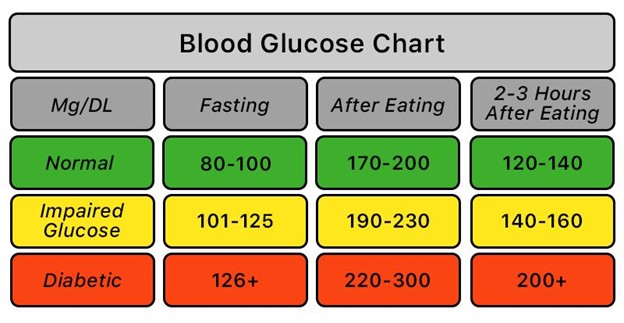
    The normal levels can vary slightly among different healthcare organizations, but they generally fall within the range of 70 to 100 milligrams per deciliter (mg/dL). Here’s a breakdown of the classifications:
    1. Normal : 70-100 mg/dL
    2. Prediabetes (impaired fasting glucose) : 101-125 mg/dL
    3. Diabetes : 126 mg/dL or higher
    It’s important to note that these values are general guidelines, and individual variations may exist. Additionally, factors such as age, medical history, and other health conditions can influence fasting blood sugar levels. Also, Read:

    Significance of Monitoring Fasting Blood Sugar

    Maintaining fasting blood sugar within the normal range is crucial for overall health. Consistently elevated levels may indicate insulin resistance or diabetes, both of which can lead to serious health complications such as cardiovascular disease, kidney problems, and nerve damage. Regular monitoring of fasting blood sugar is especially important for individuals with a family history of diabetes, those who are overweight, and individuals with sedentary lifestyles. Early detection of abnormal levels allows for timely intervention, often through lifestyle changes like adopting a healthier diet, increasing physical activity, and, in some cases, medication.

    Tips for Maintaining Healthy Fasting Blood Sugar Range

    The tips and tricks for maintaining a healthy fasting blood sugar level normal range are mentioned below:

    1. Balanced Diet

    Consume a well-balanced diet rich in whole grains, fruits, vegetables, and lean proteins. Limit the intake of refined sugars and processed foods.

    2. Regular Exercise

    Incorporate consistent physical activity into your routine to enhance insulin sensitivity and maintain optimal blood sugar levels. Strive for a minimum of 150 minutes per week of moderate-intensity exercise to promote overall well-being.

    3. Maintain a Healthy Weight

    Achieving and maintaining a healthy weight can significantly contribute to optimal blood sugar control.

    4. Regular Monitoring

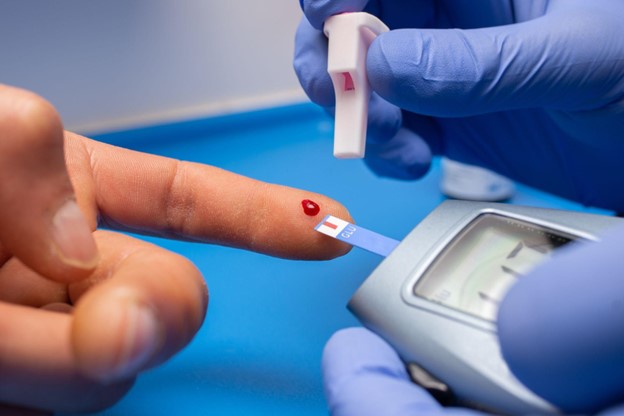
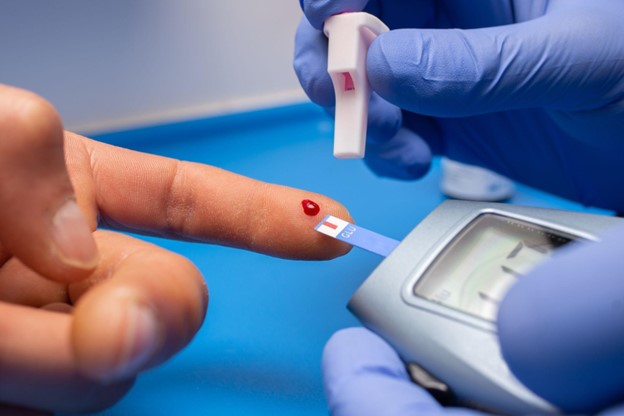
    If you have risk factors for diabetes or other metabolic conditions, discuss regular blood sugar monitoring with your healthcare provider. Fasting Blood Sugar test image

    Conclusion

    Understanding the normal range of fasting blood sugar is essential for maintaining overall health and preventing the development of chronic conditions like diabetes. Regular monitoring, coupled with a healthy lifestyle, can contribute to optimal blood sugar control and reduce the risk of complications. If you have concerns about your fasting blood sugar levels, consult with your healthcare provider for personalized guidance and recommendations tailored to your individual health needs.

    FAQs on Fasting Blood Sugar Normal Range

    Q1. What is the blood sugar normal range while fasting?

    The normal range for fasting blood sugar is typically between 70 to 100 milligrams per deciliter (mg/dL). Values below 70 mg/dL may indicate hypoglycemia, while levels above 100 mg/dL may suggest impaired fasting glucose or diabetes. Regular monitoring and maintaining levels within this range are crucial for overall health.

    Q2. What is considered a normal fasting blood sugar range?

    The normal range for fasting blood sugar is generally between 70 to 100 milligrams per deciliter (mg/dL). Values outside this range may indicate potential health concerns.

    Q3. What should I do if my fasting blood sugar levels are consistently high?

    Consult with a healthcare professional if your fasting blood sugar consistently exceeds 100 mg/dL, as it could indicate conditions like insulin resistance or diabetes. Lifestyle changes and medical intervention may be recommended. Related Links:
  • How to Increase Sperm Count? – Best Ways to Increase Sperm Count and Boost Male Fertility

    How to Increase Sperm Count? – Best Ways to Increase Sperm Count and Boost Male Fertility

    best ways to increase sperm count

    To increase sperm count, adopting a healthy lifestyle is paramount. Regular exercise, particularly moderate-intensity activities like brisk walking, promotes better sperm quality and production. Maintaining a balanced diet rich in antioxidants, omega-3 fatty acids, and essential vitamins and minerals, such as vitamins C, D, zinc, and selenium, supports optimal reproductive health.

    Avoiding excessive heat exposure, managing stress through practices like meditation, and ensuring sufficient sleep are equally crucial. Lifestyle factors like quitting smoking, moderating alcohol and caffeine intake, and staying hydrated contribute significantly to enhancing sperm count. Additionally, consulting with a healthcare professional to consider targeted supplements may be beneficial. Combining these strategies holistically creates a conducive environment for healthy sperm production and positively impacts overall reproductive well-being.

    Best Ways to Increase Sperm Count

    Male fertility is a crucial aspect of reproductive health, and many factors can influence sperm count. Whether you’re planning to start a family or simply aiming to maintain optimal reproductive health, understanding how to increase sperm count naturally is essential.

    Below are various lifestyle changes, dietary habits, and other strategies to boost sperm count.

    • Exercise Regularly: Engaging in regular physical activity has been linked to improved sperm quality and quantity. Strive to achieve a minimum of 150 minutes of exercise at a moderate intensity every week for optimal health and well-being.
    • Avoid Excessive Heat: High temperatures can negatively impact sperm production. Avoid prolonged exposure to hot tubs, saunas, and tight-fitting underwear.
    • Manage Stress: Chronic stress can contribute to hormonal imbalances that affect sperm production. Engage in stress-alleviating practices like yoga, meditation, or deep-breathing exercises to enhance your well-being and cultivate a serene state of mind.

    How to Increase Sperm Count

    How to Increase Sperm Count By Food?

    The best foods to increase sperm count are mentioned below:

    Include Antioxidant-Rich Foods: Berries, citrus fruits, and dark leafy greens are rich in antioxidants, protecting sperm from oxidative stress.

    Omega-3 Fatty Acids: Incorporate fatty fish like salmon, flaxseeds, and walnuts for omega-3 fatty acids, enhancing sperm motility and quality.

    Vitamins and Minerals: Consume foods high in vitamin C (e.g., oranges, strawberries), vitamin D (fatty fish, fortified dairy), zinc (nuts, seeds), and selenium (Brazil nuts, lean meats) to support sperm production.

    Folate-Rich Foods: Foods like lentils, avocados, and leafy greens containing folate contribute to sperm health and DNA integrity.

    Lean Protein Sources: Opt for lean protein sources like poultry, fish, and legumes, providing essential amino acids crucial for sperm development.

    Limit Processed Foods and Sugars: Reduce processed foods and sugars in the diet, as they may negatively impact sperm quality.

    Balanced Diet: Strive for a well-balanced diet, ensuring a variety of nutrients to promote overall reproductive health and increase sperm count.

    Limit Alcohol and Caffeine Intake: Excessive alcohol and caffeine consumption may adversely affect sperm production. Moderate your intake of alcoholic beverages and caffeinated drinks for overall reproductive health.

    Quit Smoking: Smoking has been linked to decreased sperm count and motility. Quitting smoking not only benefits your overall health but also positively impacts sperm production.

    How to Increase Sperm Count

    Stay Hydrated: Sufficient fluid intake is crucial for sustaining general well-being, encompassing reproductive health. Strive to consume ample water throughout the day to ensure optimal hydration levels.

    Get Sufficient Sleep: Quality sleep is crucial for hormonal balance and overall well-being. Aim for 7-9 hours of sleep per night to support optimal reproductive health.

    Consider Supplements: In consultation with a healthcare professional, consider taking supplements that may boost sperm count. Folic acid, coenzyme Q10, and L-carnitine are some supplements that may be beneficial.

    > Consult a Doctor and Medkart will help you Order Medicines Online

    Conclusion:

    By adopting a holistic approach that includes a healthy lifestyle, balanced diet, and targeted nutritional supplements, you can positively influence sperm count and overall reproductive health. It’s essential to consult with a healthcare professional before making significant lifestyle changes or introducing supplements to ensure they are appropriate for your individual needs. Taking proactive steps towards improving sperm count not only enhances fertility but also contributes to overall well-being.

    Read: What are Generic Medicines?

    FAQs on How to Increase Sperm Count

    Q1. How To Increase Sperm Count?

    To increase sperm count, prioritize regular exercise, aiming for at least 150 minutes of moderate activity per week. Adopt a nutrient-rich diet with antioxidants, omega-3 fatty acids, and essential vitamins and minerals. Maintain a healthy lifestyle by avoiding heat exposure, managing stress, and getting adequate sleep. Quit smoking, and moderate alcohol and caffeine intake.

    Q2. Can specific foods help increase sperm count?

    Yes, certain foods can positively impact sperm count. Include antioxidant-rich fruits like berries, vegetables, omega-3 fatty acid sources like walnuts, and foods high in vitamins C, D, zinc, and selenium, such as citrus fruits, salmon, and nuts, in your diet.

    Q3. Does regular exercise contribute to boosting sperm count?

    Absolutely. Engaging in regular moderate-intensity exercise, such as brisk walking or cycling, has been linked to improved sperm quality and quantity. However, excessive or intense exercise may have the opposite effect, so it’s crucial to find a balanced approach.

    Q.4 Are there lifestyle factors that can negatively impact sperm count?

    Yes, several lifestyle factors can negatively influence sperm count. These include excessive heat exposure (avoiding hot tubs and tight underwear), chronic stress, smoking, excessive alcohol and caffeine consumption, and inadequate sleep. Making positive changes in these areas can contribute to an increase in sperm count.

  • DM Full Form in Medical: Doctorate of Medicine

    DM Full Form in Medical: Doctorate of Medicine

    DM Full Form in Medical

    The DM full form is Doctor of Medicine represents a pinnacle in a medical professional’s career, signifying a commitment to profound knowledge and specialized care. In the expansive landscape of medical education and practice, the abbreviation “DM” holds a distinctive place, encapsulating a journey of dedication, specialization, and advanced expertise.

    Below we shall delve into the multifaceted aspects of DM in the medical realm, exploring the educational path, significance, and the pivotal role Doctors of Medicine play in shaping the future of healthcare.

    DM Full Form and Qualification

    At the heart of the DM full form lies a comprehensive educational journey. Aspiring medical professionals embark on this odyssey after completing their foundational education with a Bachelor of Medicine, and Bachelor of Surgery (MBBS) degree. This marks the inception of their exploration into the depths of medicine, providing a broad understanding of various disciplines.

    Becoming a Doctor of Medicine involves enrolling in a specialized DM program. These programs are tailored to specific medical fields, from cardiology and neurology to gastroenterology. The curriculum is meticulously designed to deepen the candidate’s knowledge, foster critical thinking, and hone clinical skills, setting the stage for specialization.

    DM Full Form in Medical

    Duration of DM Programs

    The pursuit of the DM title is no quick work. The duration of DM programs varies, typically spanning three to six years. This timeline encompasses a rigorous combination of coursework, clinical rotations, and research activities. The intensity of these programs ensures that candidates emerge not only as experts in their chosen fields but also as adept researchers and critical thinkers.

    Also, Read:

    Significance of the Doctorate of Medicine

    Earning the title of Doctor of Medicine carries immense significance in the medical community. DM holders are revered for their specialized knowledge, advanced diagnostic skills, and ability to tackle complex medical challenges. They serve as the vanguards of healthcare, contributing to advancements in medical science, patient care, and the overall landscape of medicine.

    Doctors of Medicine extend their influence beyond clinical settings. Many become educators, imparting their knowledge to the next generation of medical professionals. Others delve into research, pushing the boundaries of medical understanding and contributing to scientific breakthroughs. Their multifaceted roles demonstrate that the DM title is not just a culmination but a catalyst for continuous growth and contribution to the medical field.

    Consult a Doctor and Medkart will help you Order Medicines Online

    As leaders and influencers, DM holders play a pivotal role in shaping the trajectory of healthcare. Their expertise guides medical teams, their research propels innovation, and their commitment to education ensures a legacy of well-trained medical practitioners. The impact of Doctors of Medicine reverberates across institutions, communities, and the global healthcare landscape.

    Conclusion:

    In unravelling the layers behind the DM’s full form in the medical context, we discover a rich tapestry of education, specialization, and commitment. Furthermore, the journey to becoming a Doctor of Medicine is not just a personal achievement; it is a commitment to advancing medical knowledge, improving patient care, and shaping the future of healthcare. Moreover, the DM title is not merely a set of letters; it is a symbol of excellence and a testament to the enduring pursuit of medical mastery.

    Read: What are Generic Medicines?

    FAQs on DM Full Form in Medical

    Q1. What is the full form of DM in Medical?

    In the medical context, DM stands for Doctor of Medicine. It is a prestigious academic title awarded to medical professionals who have completed specialized postgraduate education in various medical disciplines.

    Q2. How is the DM title achieved in the medical profession?

    To become a Doctor of Medicine, individuals typically begin with a Bachelor of Medicine and Bachelor of Surgery (MBBS) degree. Following this, they pursue advanced specialization through a Doctor of Medicine (DM) program in a specific medical field.

    Q3. What is the duration of a Doctor of Medicine (DM) program?

    The duration of DM programs varies, usually spanning three to six years. The length depends on factors such as the chosen medical speciality and the educational system of the country in which the program is undertaken.

    Q4. What role do Doctors of Medicine (DM) play in healthcare?

    DM holders are pivotal in healthcare as specialists in their chosen fields. They contribute to advanced patient care, lead medical teams, conduct research, and often serve as educators, shaping the next generation of medical professionals.

    Related Links:

  • How to Grow Hair Faster? Effective ways to Grow your Hair Faster and Stronger

    Growing hair faster involves adopting a holistic approach that encompasses both internal and external care. Start by maintaining a well-balanced diet rich in essential nutrients like biotin, vitamins A and E, and omega-3 fatty acids, which promote a healthy scalp and robust hair follicles. Regular scalp massages, using natural oils like coconut or jojoba oil, can enhance blood circulation and nutrient delivery to the hair roots.

    Avoiding excessive heat styling and trimming hair regularly to prevent split ends are crucial steps in preventing damage and encouraging growth. While there is no overnight solution, these practices, combined with adequate hydration and stress management, create an optimal environment for healthier, faster-growing hair over time.

    Best Way to Grow Your Hair Faster

    Long, luscious locks are a symbol of beauty and vitality, and many people aspire to achieve faster hair growth. While genetic factors play a significant role in determining hair growth, there are several practical steps you can take to promote a healthier scalp and encourage your hair to grow at its optimal rate. Below are a variety of tips and tricks to help you achieve the hair of your dreams:

    Nourish Your Body from Within

    • Balanced Diet: A well-balanced diet rich in vitamins and minerals is essential for healthy hair growth. Include foods high in biotin, vitamin E, and omega-3 fatty acids, such as eggs, nuts, seeds, and fatty fish.
    • Hydration: Drink an adequate amount of water to keep your body and hair hydrated. Dehydration can lead to brittle and weak hair.

    Scalp Care

    • Regular Washing: Keep your scalp clean by washing your hair regularly to remove excess oil and prevent clogged hair follicles.
    • Massage: Gently massage your scalp to stimulate blood circulation, promoting nutrient delivery to the hair follicles.

    Choose the Right Hair Products

    • Sulfate-Free Shampoo: Use sulfate-free shampoos to avoid stripping your hair of natural oils, which can lead to dryness and breakage.
    • Conditioning: Use a good-quality conditioner to keep your hair moisturized and prevent split ends.

    Minoxidil-based treatments are often recommended by dermatologists to boost hair growth. They work by stimulating hair follicles and increasing scalp circulation. Mintop Forte 2% Solution 60ml is one such proven option available on Medkart.

    Avoid Heat Damage

    • Limit Heat Styling: Excessive use of heat-styling tools can lead to damage and hinder hair growth. If you must use heat, apply a heat protectant spray to minimize the damage.

    How to Grow Hair Faster

    Trim Regularly

    • Prevent Split Ends: Regular trims every 6-8 weeks help prevent split ends and breakage, promoting healthier hair growth.

    Natural Remedies

    • Aloe Vera: Apply aloe vera gel to your scalp to soothe and condition. It also has enzymes that promote hair growth.
    • Coconut Oil: Massage warm coconut oil into your scalp to moisturize and improve blood circulation.

    Supplements

    • Biotin and Vitamins: Consult with a healthcare professional to determine if supplements like biotin or specific vitamins are suitable for you.

    Protect Your Hair

    • Avoid Tight Hairstyles: Tight hairstyles can cause stress on the hair shaft and lead to breakage. Opt for loose hairstyles to minimize damage.
    • Protective Styles: Consider protective styles like braids or twists to minimize manipulation and breakage.

    Reduce Stress

    • Practice Stress Management: Chronic stress can contribute to hair loss. Engage in stress-alleviating practices such as meditation, yoga, or the incorporation of deep breathing exercises into your routine to cultivate effective stress management techniques.

    Consult a Professional

    • Hair Analysis: If you’re experiencing persistent issues with hair growth, consult a dermatologist or a trichologist for a thorough hair analysis.

    Also, Read:

    How to Grow Hair Faster Naturally in A Week?

    While it’s unrealistic to expect significant hair growth within a week, there are natural practices that can enhance hair health and stimulate growth over time. Begin by ensuring a nutrient-rich diet that includes foods high in vitamins A and E, biotin, and omega-3 fatty acids. These contribute to a healthier scalp and stronger hair follicles.

    Massage your scalp regularly using natural oils like coconut or jojoba oil. This stimulates blood flow to the hair follicles, promoting better nutrient delivery. Consider applying aloe vera gel, known for its soothing properties and potential to support hair growth.

    > Consult a Doctor and Medkart will help you Order Medicines Online

    Stay hydrated by drinking sufficient water to maintain overall health, including your hair. Avoid excessive heat styling, as it can lead to hair damage and breakage. Trim your hair regularly to eliminate split ends, preventing them from travelling up the hair shaft.

    While it’s not possible to achieve miraculous hair growth in just a week, these natural practices can create a conducive environment for healthier hair, setting the stage for gradual, sustained growth over time. Remember, patience and consistency are crucial when aiming for natural, long-term results.

    How to Grow Hair Faster

    Conclusion:

    Achieving faster hair growth requires a holistic approach that combines a healthy lifestyle, proper hair care, and patience. By incorporating these tips into your routine and giving your hair the attention it deserves, you can create the optimal conditions for long, healthy, and vibrant hair. Remember, consistency is key, and results may take time, so be patient and enjoy the journey to stronger, faster-growing locks.

    Read: What are Generic Medicines?

    FAQs On How To Grow Hair Faster

    Q1. How to grow hair faster?

    To promote faster hair growth, maintain a balanced diet rich in biotin and essential nutrients. Keep your scalp clean through regular washing and gentle massages to stimulate blood circulation. Avoid excessive heat styling, trim regularly to prevent split ends, and consider using natural remedies like aloe vera or coconut oil. Additionally, stay hydrated, manage stress, and consult professionals if needed for personalized advice.

    Q2. Can specific foods promote faster hair growth?

    A diet rich in biotin, vitamins A and E, and omega-3 fatty acids supports a healthy scalp and encourages faster hair growth.

    Check: Medicines for OMEGA-3 FATTY ACID

    Q3. Is there a quick solution to grow hair faster in a week?

    Unfortunately, hair growth is a gradual process. While certain practices, like scalp massage and a nutrient-rich diet, can improve hair health, noticeable growth within a week is unrealistic.

    Related Links:

  • Why Prescription by Brand Name is Dangerous?

    Why Prescription by Brand Name is Dangerous?

    prescription by brand name is dangerous

    Prescription By Brand Name Is Dangerous: Prescribing medications by brand name rather than their generic counterparts introduces a host of dangers into the healthcare landscape. One significant concern is the potential economic burden on patients, as brand-name drugs tend to be more expensive, limiting accessibility and affordability. This practice also heightens the risk of medication errors and confusion, both for healthcare providers and patients, due to the similarities between generic and brand names.

    Additionally, the lack of interchangeability between certain brand-name drugs and their generic equivalents can impede flexibility in treatment options. By focusing on brand names, healthcare professionals may inadvertently limit their ability to adapt to changes in drug availability, pricing, and regulatory developments, hindering patient care. Encouraging the use of generic names in prescriptions not only addresses these issues but also promotes patient empowerment and informed decision-making, fostering a more collaborative and effective healthcare environment.

    Solution To: Dangerous Effects of Brand Name Prescriptions

    Prescribing medications by brand name rather than generic names poses several risks to patient safety and healthcare efficiency. While brand-name drugs are designed to meet specific quality standards, relying solely on their prescription can lead to increased costs, confusion, and potential health hazards. It is essential to explore solutions that address these dangers and promote a safer and more cost-effective healthcare system.

    Encourage Generic Prescribing

    • Implement policies and educational programs to encourage healthcare professionals to prescribe generic drugs whenever possible.
    • Highlight the FDA’s rigorous standards for generic drug approval, emphasizing their bioequivalence to brand-name counterparts.
    • Develop incentives for healthcare providers to choose generic alternatives, such as cost savings for both patients and healthcare systems.

    Enhance Health Literacy

    • Educate patients about the differences between brand-name and generic medications, emphasizing that generic drugs are equivalent in terms of safety and efficacy.
    • Encourage patients to ask their healthcare providers about generic alternatives, fostering a more informed decision-making process.
    • Utilize accessible and clear communication tools, such as pamphlets, websites, and community outreach programs, to improve health literacy on this matter.

    Implement Electronic Prescribing Systems

    • Utilize electronic health records (EHRs) to streamline the prescription process and reduce the likelihood of errors related to brand-name confusion.
    • Integrate drug databases into EHR systems, allowing healthcare professionals to access comprehensive information about both brand-name and generic medications.
    • Provide training to healthcare providers on the effective use of electronic prescribing systems to enhance accuracy and efficiency.

    Enforce Clear Prescription Standards

    • Establish standardized prescription practices that emphasize the use of generic names, reducing the likelihood of confusion at pharmacies.
    • Implement regulatory measures that discourage the use of brand names unless necessary, ensuring a more consistent and cost-effective approach to prescribing medications.

    Collaborate with Pharmacists

    • Foster collaboration between healthcare providers and pharmacists to ensure accurate dispensing of medications and to address any concerns related to brand-name prescriptions.
    • Encourage pharmacists to proactively communicate with prescribers if there are potential issues or discrepancies in a prescription.
    • Implement regular training sessions for pharmacists to stay updated on generic drug availability and bioequivalence.

    Insurance and Payer Incentives

    • Work with insurance providers and payers to develop incentive programs that promote the use of generic medications.
    • Offer reduced copayments or coverage incentives for patients who choose generic alternatives, creating a financial motivation for both prescribers and patients.

    Generic VS. Brand-name Medicines

    Generic medications, equivalent in quality and effectiveness to their brand-name counterparts, offer a cost-effective alternative. While both versions contain the same active ingredients, generics typically come at a lower price due to reduced marketing and development expenses. The rigorous approval process by regulatory agencies ensures their safety and efficacy.

    Patients and healthcare providers can confidently choose generic options, saving on healthcare costs without compromising on quality. This shift towards generic prescribing fosters accessibility, and affordability, and contributes to a more sustainable and equitable healthcare system.

    Read: What are Generic Medicines?

    Conclusion

    While brand-name medications undoubtedly play a crucial role in healthcare, healthcare professionals need to approach prescription practices with a balanced perspective. Emphasizing generic prescribing can improve patient access, reduce the risk of medication errors, and empower patients to actively participate in their healthcare decisions. Ultimately, prioritizing generic names in prescriptions aligns with achieving optimal healthcare outcomes for all.

    At MedKart, we recognize the importance of prioritizing patient well-being and cost-effective healthcare solutions. Our commitment to safety and accessibility is reflected in our unique approach – providing medicines based on the molecule. By focusing on the active ingredient rather than brand names, we empower both healthcare providers and patients to make informed decisions, ensuring that medications are selected based on their efficacy, safety, and affordability. This approach aligns with the broader goal of creating a healthcare landscape that prioritizes patient outcomes and fosters a culture of responsible and informed prescription practices.

    > Consult a Doctor and Medkart will help you Order Medicines Online

    FAQs On Why Prescription By Brand Name Is Dangerous?

    Q1. Why Prescription By Brand Name Is Dangerous?

    Prescribing by brand name can be dangerous due to potential confusion, increased costs, and risks of medication errors. It may compromise patient safety as generic equivalents are often available at lower prices, with the same efficacy. Standardizing prescriptions by generic names can mitigate these risks.

    Q2. What Are The Disadvantages Of Brand Name Drugs?

    Brand-name drugs often incur higher costs due to research, development, and marketing expenses. Additionally, patients may face limited insurance coverage and increased out-of-pocket expenses. The exclusive patent protection of brand-name drugs can hinder the availability of more affordable generic alternatives.

    Q3. How does prescribing by brand name impact patient safety?

    It poses a risk to patient safety by potentially causing confusion at pharmacies and increasing the likelihood of medication errors, as generic equivalents are often available at a lower cost without compromising safety or effectiveness.

    Related Links:

  • How to Prevent Hair Fall? Natural Remedies to Stop Hair Fall

    How to Prevent Hair Fall? Natural Remedies to Stop Hair Fall

    best way to prevent hair fall

    To prevent hair fall, adopt a holistic approach that encompasses both lifestyle changes and proper hair care. Maintain a well-balanced diet rich in essential nutrients like vitamins, minerals, and proteins. Choose gentle hair care products, avoiding harsh chemicals that could lead to damage. Practice regular scalp massages to enhance blood circulation and stimulate hair follicles. Manage stress through activities like meditation and exercise, as stress can contribute to hair fall.

    Protect your hair from excessive heat styling, and if hair loss persists, consult a healthcare professional for personalized guidance. Having a luscious mane is not just about aesthetics; it’s a reflection of our overall health and well-being. Experiencing hair fall can be distressing, but the good news is that there are numerous preventive measures and lifestyle changes you can adopt to maintain healthy and beautiful hair.

    Best Way to Prevent Hair Fall

    Let’s explore effective strategies to prevent hair fall and promote strong, vibrant locks.

    Nutrient-Rich Diet

    A well-balanced diet plays a crucial role in maintaining the health of your hair. Ensure that your meals include a variety of nutrients such as vitamins, minerals, and proteins. Foods rich in iron, zinc, vitamin E, and omega-3 fatty acids contribute to hair strength and vitality. Include leafy greens, nuts, fish, eggs, and whole grains in your diet for optimal hair health.

    Nutritional deficiencies, especially of biotin, zinc, iron, and amino acids, can weaken hair roots and trigger excessive shedding. To support healthy hair from within, consider a multivitamin like Geomax Plus 4G Tablet and Briq Capsule that combines essential vitamins, minerals, and natural extracts to promote hair strength and reduce fall.

    Stay Hydrated

    Hydration is key not only for your overall health but also for maintaining the moisture balance in your hair. Ensure proper hydration for your hair by consuming a sufficient amount of water daily. Hydrated hair is less prone to dryness and brittleness, reducing the risk of breakage.

    Gentle Hair Care

    Choose hair care products that are gentle and suitable for your hair type. Harsh chemicals in some shampoos and conditioners can strip your hair of its natural oils, leading to damage and breakage. Opt for sulfate-free and paraben-free products that nourish and strengthen your hair without causing harm.

    Recommended product: Mintop Forte 2% Solution – Helps stimulate hair growth and reduce hair fall. Suitable for men and women facing early to moderate hair loss.

    How To Prevent Hair Fall

    Regular Scalp Massage

    Scalp massage promotes blood circulation, which in turn stimulates hair follicles. Use natural oils like coconut or almond oil to massage your scalp regularly. This not only enhances hair growth but also helps in reducing stress, a known factor for hair fall.

    Protect Your Hair

    Excessive heat styling, colouring, and tight hairstyles can contribute to hair damage and breakage. Limit the use of heat styling tools, and when you do use them, apply a heat protectant. Choose hairstyles that do not pull on your hair follicles, and consider letting your hair down whenever possible to reduce stress on your strands.

    Manage Stress

    Managing stress is essential for maintaining optimal hair health. Engaging in stress-reducing activities like meditation, yoga, or deep breathing exercises can play a crucial role in achieving a harmonious balance. Additionally, ensuring sufficient and quality sleep is paramount for overall well-being, directly impacting the health and vitality of your hair.

    Regular Exercise

    Exercise improves blood circulation, which is vital for delivering nutrients to your hair follicles. Engage in regular physical activity to promote overall health, including the health of your hair.

    Medical Checkup

    If you notice persistent and excessive hair fall, it’s essential to consult a healthcare professional. Hair loss can be a symptom of underlying health issues such as hormonal imbalances or nutritional deficiencies. A thorough medical checkup can help identify and address the root cause.

    Hair fall is often linked to hidden nutrient deficiencies. Including a supplement like Nurokind Gold Sachet can help bridge these gaps, especially if your diet lacks essential vitamins like B12, folic acid, or iron.

    Also, Read:

    How to Prevent Hair Fall For Male

    For men looking to prevent hair fall, maintaining a nutrient-rich diet, avoiding excessive heat styling, and opting for gentle hair care products are essential. Regular scalp massages, stress management through activities like exercise, and prompt consultation with a healthcare professional for persistent hair loss can contribute to a healthier and fuller head of hair.

    How To Prevent Hair Fall

    How to Prevent Hair Fall For Female

    Women can prevent hair fall by ensuring a balanced diet rich in vitamins and minerals, incorporating regular scalp massages, and using gentle hair care products. Avoiding excessive heat styling, managing stress through activities like yoga, and seeking professional advice for persistent hair loss is crucial. A healthy lifestyle and prompt attention to any concerns contribute to maintaining strong and vibrant hair in women.

    > Consult a Doctor and Medkart will help you Order Medicines Online

    Conclusion:

    Preventing hair fall involves a combination of healthy lifestyle choices, proper hair care, and a nutrient-rich diet. By incorporating these practices into your routine, you can promote strong, resilient hair and enjoy the confidence that comes with a vibrant mane. Remember, consistency is key, and patience is a virtue when it comes to achieving and maintaining healthy hair.

    Read: What are Generic Medicines?

    FAQs on Ways to Prevent Hair Fall

    Q1. How to prevent hair fall?

    To prevent hair fall, maintain a balanced diet rich in vitamins and minerals, stay hydrated, use gentle hair care products, and avoid excessive heat styling. Additionally, manage stress through activities like meditation and regular exercise, and consult a healthcare professional if hair loss persists for personalized advice.

    Q2. What role does diet play in preventing hair fall?

    A well-balanced diet with adequate nutrients such as iron, zinc, and omega-3 fatty acids is crucial for promoting hair health. Include foods like leafy greens, nuts, fish, and whole grains to strengthen your hair and reduce the risk of hair fall.

    Q3. How can I protect my hair from damage during styling?

    Limit the use of heat styling tools, apply a heat protectant before styling, and choose hairstyles that don’t cause strain on your hair. Avoid tight hairstyles, excessive colouring, and chemical treatments to prevent damage and breakage.

    Q4. When should I seek professional help for hair fall?

    If you experience persistent and excessive hair fall, it’s advisable to consult a healthcare professional. Hair loss can be a sign of underlying health issues, such as hormonal imbalances or nutritional deficiencies. A medical checkup can help identify and address the root cause of the problem.

    Related Links:

  • Home Remedies for Loose Motion: Best Home Remedies for Diarrhea

    Home Remedies for Loose Motion: Best Home Remedies for Diarrhea


    home remedies for loose motion

    Home Remedies for Loose Motion: Dealing with loose motion, or diarrhoea, is a common digestive issue that many individuals face at some point in their lives. Whether caused by a viral infection, bacterial contamination, or dietary indiscretions, the discomfort and inconvenience associated with loose motions can be significant. While medical attention is crucial in severe or persistent cases, numerous home remedies can provide effective relief for mild instances of loose motion.

    There are a range of natural and easily accessible solutions that can help ease symptoms, promote hydration, and support the body’s natural recovery processes. From dietary adjustments to soothing teas and time-tested remedies, these home interventions aim to provide comfort and aid in the swift resolution of loose motion episodes. It’s important to note that individual responses may vary, and consulting with a healthcare professional is advised for personalized guidance and assessment.

    Best Home Remedy for Loose Motion

    The effective home remedies for loose motion are as follows:

    1. Stay Hydrated

    One of the most crucial aspects of managing loose motions is to stay well-hydrated. Loose motion can lead to dehydration due to the loss of fluids and electrolytes. Drink plenty of water, coconut water, and clear broths to replenish your body’s hydration levels.

    2. Consume Probiotics

    Probiotics represent advantageous microorganisms that play a pivotal role in fostering a well-balanced and thriving gut microbiota. Foods are rich in probiotics, such as yoghurt, kefir, and fermented vegetables, which can help restore the balance of good bacteria in the digestive system. These can aid in reducing the duration and severity of loose motions.

    3. BRAT Diet

    The BRAT diet (Bananas, Rice, Applesauce, and Toast) is a well-known remedy for soothing an upset stomach. These bland, easily digestible foods can help bulk up stools and provide essential nutrients without causing further irritation to the digestive system.

    4. Ginger Tea

    Ginger has natural anti-inflammatory and antibacterial properties that can help alleviate symptoms of loose motion. Prepare a soothing cup of ginger tea by steeping fresh ginger slices in hot water. Sip on this throughout the day to calm the digestive system.

    Home Remedies For Loose Motion

    5. Chamomile Tea

    Chamomile tea is another gentle remedy for easing digestive discomfort. It has anti-inflammatory properties and can help relax the muscles in the gastrointestinal tract. Enjoy a cup of chamomile tea to promote relaxation and relieve symptoms of loose motion.

    6. Coconut Water

    Coconut water is not only hydrating but also rich in electrolytes, making it an excellent choice for replenishing lost fluids during loose motions. It provides a natural and mild way to restore balance to your body.

    7. Fenugreek Seeds

    Fenugreek seeds are known for their ability to soothe the digestive system. Boil a teaspoon of fenugreek seeds in a cup of water, strain, and drink the solution. This can help reduce inflammation and provide relief from loose motion.

    8. Avoid Dairy and Spicy Foods

    During episodes of loose motion, it’s advisable to avoid dairy products and spicy foods, as they can exacerbate irritation in the digestive tract. Opt for plain, easily digestible foods until your symptoms subside.

    Additional Support: While home remedies can be helpful, persistent loose motion often disrupts the natural balance of healthy gut bacteria. Doctors may recommend probiotic supplements like Vizylac Capsule to restore intestinal flora, improve digestion, and speed up recovery.

    Also, Read:

    Home Remedies for Loose Motion in Adults

    Managing loose motion in adults can be addressed through simple home remedies. Staying hydrated is crucial, with water, coconut water, and clear broths aiding in fluid replenishment. The BRAT diet (Bananas, Rice, Applesauce, Toast) provides easily digestible options. Probiotics from yoghurt or fermented foods can restore gut balance.

    Additionally, ginger and chamomile teas offer anti-inflammatory relief. Avoiding dairy and spicy foods is recommended. While these remedies are often effective, consulting a healthcare professional is essential for persistent or severe cases to ensure appropriate diagnosis and treatment. It’s crucial to prioritize hygiene and make gradual dietary adjustments for a swift recovery.

    > Consult a Doctor and Medkart will help you Order Medicines Online


    WHO-GMP Medkart

    Conclusion

    While home remedies can offer relief for mild cases of loose motion, it’s crucial to seek medical attention if symptoms persist or worsen. Additionally, maintaining good hygiene practices, such as washing hands thoroughly, can help prevent the spread of infections that may cause diarrhoea. Remember to listen to your body, rest as needed, and gradually reintroduce a regular diet once symptoms improve.

    Read: What are Generic Medicines?

    FAQs on Home Remedies For Loose Motion

    Q1. What are the home remedies for loose motion?

    Home remedies for loose motion include staying hydrated with water and coconut water, consuming probiotics like yoghurt, following the BRAT diet (Bananas, Rice, Applesauce, Toast), and trying soothing teas like ginger or chamomile. These remedies aim to alleviate symptoms, replenish lost fluids and electrolytes, and promote a faster recovery. However, it’s important to seek medical advice if symptoms persist or worsen.

    Q2. Can I continue eating when experiencing loose motions?

    While it’s essential to stay nourished, opt for easily digestible foods like the BRAT diet (Bananas, Rice, Applesauce, Toast). These foods help provide essential nutrients without exacerbating digestive distress.

    Q3. Is dehydration a concern during loose motions, and how can I stay hydrated?

    Yes, dehydration is a concern. Drink plenty of water, coconut water, and clear broths to replenish lost fluids. Oral rehydration solutions, available at pharmacies, can also help restore electrolyte balance.

    Q4. Are probiotics effective in managing loose motions?

    Yes, probiotics can be beneficial. Foods like yoghurt, kefir, and fermented vegetables contain good bacteria that support healthy gut flora. These can aid in reducing the duration and severity of loose motions.

    Q5. Can ginger tea help soothe loose motions?

    Yes, ginger tea has anti-inflammatory properties that can alleviate symptoms. Steep fresh ginger slices in hot water and sip on the tea throughout the day to help calm the digestive system and reduce discomfort.

    Related Links: