Category: Skin Care & Treatments

  • Best Acne Treatment: Type and Causes of Acne

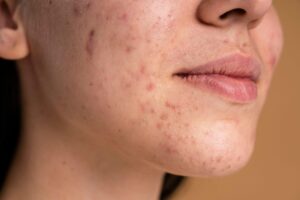
    Acne treatment encompasses a range of methods and products designed to address and manage the various factors contributing to acne, a common skin condition. These treatments target causes like excess sebum production, clogged pores, bacterial infection, hormonal imbalances, and inflammation.

    The primary goals of acne treatment are to reduce breakouts, alleviate symptoms, prevent scarring, and ultimately achieve clear and healthy skin.

    Acne usually develops when hair follicles become blocked due to the accumulation of sebum and dead skin cells. These clogged pores create an ideal environment for bacteria to thrive, leading to inflammation and the development of pimples, blackheads, whiteheads, and sometimes even painful cysts.

    Causes for Acne

    Acne breakouts result from various factors:

    • Excess Sebum: Overactive sebaceous glands produce excess oil, which mixes with dead skin cells, leading to clogged hair follicles and pimples.
    • Clogged Pores: When hair follicles or pores become blocked by sebum and dead cells, they create a breeding ground for acne-causing bacteria.
    • Bacterial Infection: P. acnes bacteria multiply within clogged pores, causing inflammation and red, swollen pimples.
    • Hormonal Changes: Puberty, menstruation, pregnancy, and menopause trigger hormone fluctuations that stimulate sebaceous glands, increasing sebum production and acne risk.
    • Diet: While research continues, high-glycemic foods and dairy may worsen acne in some individuals.
    • Stress: Stress hormones like cortisol can boost sebum production and weaken the body’s ability to combat acne bacteria.
    • Genetics: Family history plays a role in skin type, oil production, and hormonal responses, influencing acne susceptibility.
    • Medications: Certain drugs, including corticosteroids, contraceptives, and anticonvulsants, may induce or worsen acne.
    • Cosmetic Products: Comedogenic cosmetics and skincare items can block pores, contributing to acne.
    • Environmental Factors: Pollution, humidity, and excessive sweating create favourable conditions for acne by clogging pores.

    Understanding these causes empowers you to take steps for acne treatment.

    Acne Treatment

    Acne Treatment

    When treating acne breakouts, the goal is to reduce inflammation, unclog pores, and prevent new blemishes from forming. Here are several typical remedies for acne that can provide assistance:

    • Topical Treatments: Over-the-counter creams and gels containing ingredients like benzoyl peroxide, salicylic acid, and alpha hydroxy acids can be effective in reducing mild to moderate acne.
    • Prescription Medications: In more severe cases, dermatologists may prescribe topical or oral antibiotics, retinoids, or hormonal therapies to manage acne.
    • Lifestyle Modifications: Adopting a skincare routine that includes gentle cleansing and moisturizing, avoiding excessive sun exposure, and maintaining a balanced diet can help prevent and manage acne.
    • Chemical Peels: Chemical peels can help improve skin texture and reduce the appearance of acne scars by removing the top layer of damaged skin.

    > Consult a doctor and Order Medicine Online

    Acne Scar Treatment

    One of the most challenging aspects of dealing with acne is the potential for scarring. Acne scars can persist long after the breakouts have cleared, impacting self-esteem and confidence. Fortunately, there are several effective acne scar treatment options available:

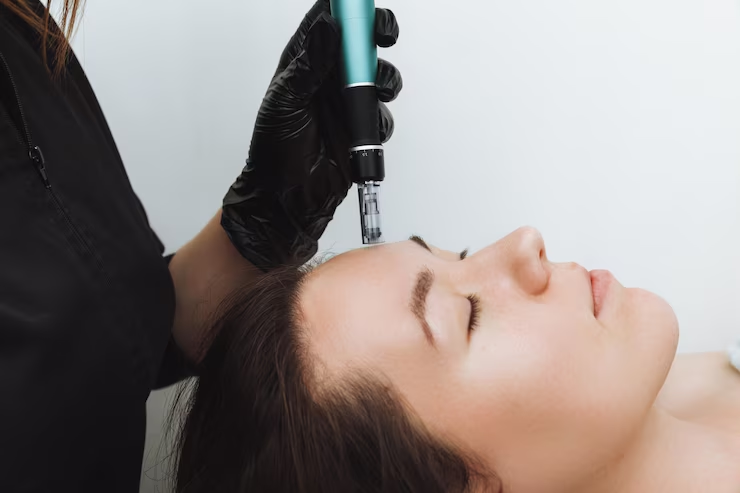
    • Microneedling: This minimally invasive procedure involves tiny needles that create controlled micro-injuries in the skin, stimulating collagen production and improving the appearance of scars.
    • Laser Therapy: Laser treatments can target specific areas of scarring, promoting collagen remodelling and reducing the appearance of scars.
    • Chemical Peels: As mentioned earlier, chemical peels can also help with mild to moderate acne scars by exfoliating the top layers of the skin.
    • Dermal Fillers: Injectable dermal fillers like hyaluronic acid can temporarily plump depressed acne scars, providing a smoother complexion.
    • Surgical Procedures: In some cases, surgical procedures such as punch excisions, subcision, or skin grafting may be recommended for more severe scarring.

    Read: What are Generic Medicines?

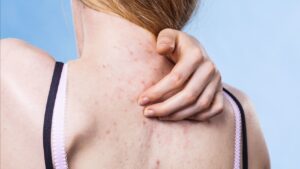
    Back Acne Treatment

    Back acne, or “bacne,” can be as distressing as facial acne but is often harder to reach and treat. To tackle back acne effectively, consider these strategies:

    • Topical Treatments: Use acne-fighting cleansers and creams specifically formulated for the body, containing ingredients like benzoyl peroxide or salicylic acid.
    • Exfoliation: Gently exfoliate your back with a scrub or exfoliating brush to help unclog pores and remove dead skin cells.
    • Clean Clothing: Wear loose-fitting clothing made of natural fabrics like cotton to allow your skin to breathe. Avoid tight, synthetic materials that can trap sweat and bacteria.
    • Shower After Sweating: If you exercise or sweat heavily, make sure to shower promptly and cleanse your back to prevent sweat and oils from clogging pores.
    • Prescription Medications: In severe cases, consult a dermatologist for prescription-strength treatments.

    Acne Treatment

    Conclusion:

    Acne treatment is not a one-size-fits-all solution, and finding the right approach may require some trial and error. Consult with a dermatologist to develop a personalized treatment plan tailored to your specific needs and skin type. Remember that clear skin is achievable with patience, consistency, and the right combination of treatments.

    Advantages of Generic Medicines

    Generic medicines offer several advantages. They are more affordable than brand-name drugs, making healthcare more accessible to a broader population. Despite the lower price, generic medications are required to meet the same quality and safety standards as their branded counterparts.

    Generics are equally effective and often have the same active ingredients, ensuring that patients receive the same therapeutic benefits. Additionally, the availability of generic options fosters competition in the pharmaceutical industry, which can further drive down drug costs and encourage innovation.

    FAQs on Acne Treatment

    Q1: What is acne treatment?

    Acne treatment involves addressing the underlying causes of acne, such as excess oil production, clogged pores, and bacteria, through various methods, including topical treatments, medications, and lifestyle adjustments. The goal is to reduce breakouts, inflammation, and the risk of scarring to achieve clearer, healthier skin.

    Q2: What are the common over-the-counter treatments for acne?

    Over-the-counter treatments often include products with ingredients like benzoyl peroxide, salicylic acid, and alpha hydroxy acids. These can help unclog pores, reduce inflammation, and manage mild to moderate acne.

    Q3: Can I use natural remedies like tea tree oil for acne treatment?

    Yes, natural remedies like tea tree oil may help. It has antibacterial effects that can combat acne-causing bacteria. However, it’s essential to dilute it properly and use it with caution to avoid skin irritation.

    Q4: For acne treatment, when should I see a dermatologist?

    Consider seeing a dermatologist if your acne is severe, persistent, or causing scarring. They can prescribe stronger medications, perform procedures, and provide personalised guidance for effective acne management.

    Related Links:

  • Melasma Treatment: Best Treatment for Melasma on Face

    Melasma Treatment: Best Treatment for Melasma on Face

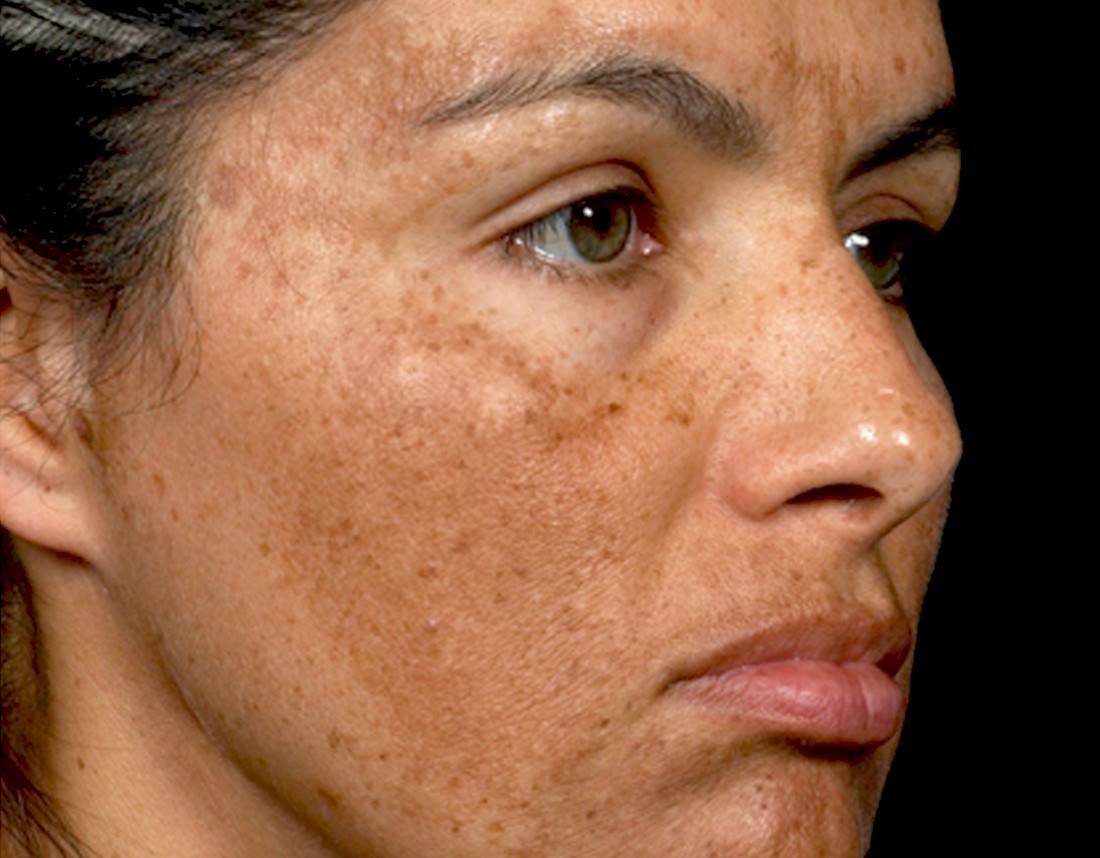
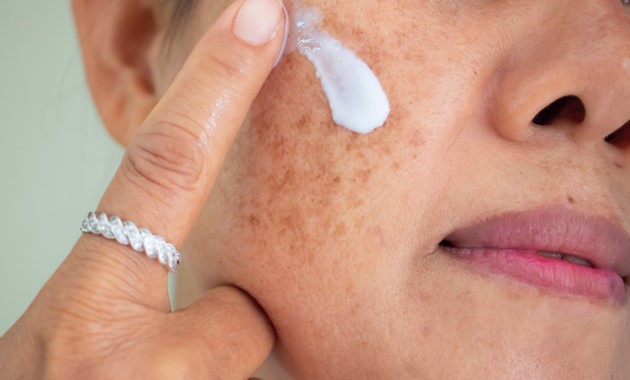
    Melasma treatment refers to a set of medical or cosmetic procedures aimed at managing and reducing the appearance of melasma, a common skin condition characterized by the development of brown or greyish patches, usually on the face.

    The melasma treatment can include topical creams containing ingredients like hydroquinone, chemical peels, laser therapy, microneedling, and sun protection measures.

    Characterized by the development of brown or greyish patches on the face, melasma can be a source of self-consciousness and frustration. Melasma is a chronic skin condition that primarily affects the face, although it can occasionally appear on other sun-exposed areas of the body.

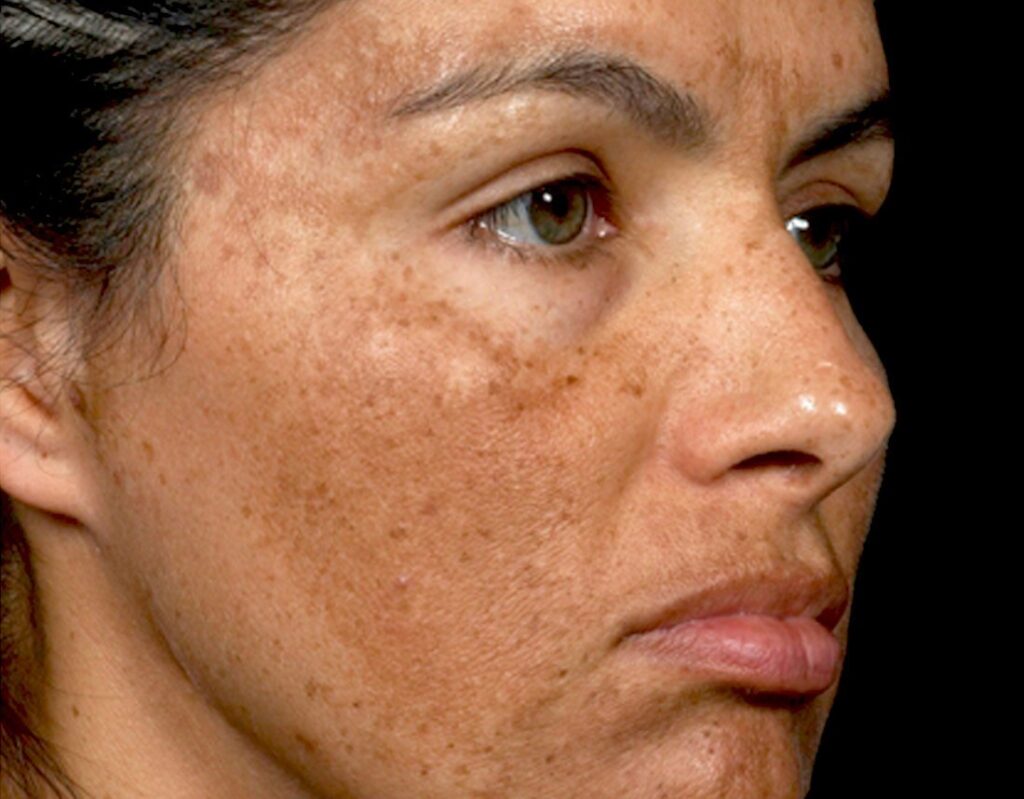
    It is characterized by the development of hyperpigmented patches, typically brown or greyish in colour, on the cheeks, forehead, nose, and upper lip. These patches can vary in size and shape, and they often have a symmetric pattern on both sides of the face.

    Melasma Symptoms

    While the exact cause of melasma remains elusive, several factors are believed to contribute to its development. Hormonal changes, such as those experienced during pregnancy or while taking birth control pills, are known to trigger melasma in some individuals.

    Additionally, excessive sun exposure is a significant factor, as ultraviolet (UV) rays can stimulate the production of melanin, the pigment responsible for skin colour. Genetics may also play a role, as melasma often runs in families.

    Melasma Treatment

    Melasma Treatment

    Melasma treatment, whether on the face or other areas of the body, shares common principles but may vary in approach due to differences in skin sensitivity and exposure. While the ultimate goal is to reduce hyperpigmentation caused by excess melanin production, treatment for melasma on the face often demands greater caution and precision.

    This is because facial skin is more delicate and prone to sun exposure, requiring a diligent focus on sun protection and specialized treatments like laser therapy and chemical peels to ensure the best results.

    In contrast, treating melasma on other body parts may involve less intensive methods. The good news is that there are various melasma treatment options available, and the choice of treatment depends on the severity of the condition, its underlying causes, and individual preferences.

    Read: What are Generic Medicines?

    Best Treatment for Melasma on Face

    Some of the best treatments for melasma on the face are discussed below:

    1. Melasma Treatment Cream:

    One of the most common and accessible melasma treatment options is the use of melasma treatment cream. These prescription creams typically contain active ingredients like hydroquinone, tretinoin, corticosteroids, or a combination of these.

    Hydroquinone: This skin-lightening agent works by inhibiting melanin production, the pigment responsible for dark spots. It is often considered the gold standard in melasma treatment.

    Tyromax Cream is one such cream that contains Hydroquinone. Order now from Medkart!

    Tretinoin: Tretinoin, a derivative of vitamin A, helps improve skin texture and can be used alongside hydroquinone to enhance its effectiveness.

    Corticosteroids: These ingredients can help reduce inflammation and irritation associated with other melasma treatments.

    Melasma Treatment

    1. Chemical Peels:

    Chemical peels involve applying a chemical solution to the skin’s surface, which causes the top layers of skin to peel off. This process can effectively remove hyperpigmented skin and reveal a fresher, more even-toned complexion. Various types of chemical peels, such as glycolic acid or trichloroacetic acid (TCA) peels, can be used to target melasma.

    1. Laser Therapy:

    Laser treatments, such as intense pulsed light (IPL) and fractional laser, have become increasingly popular for melasma treatment. These devices emit specific wavelengths of light that target and break down melanin in the skin. Laser therapy can lead to significant improvements in melasma, but multiple sessions may be necessary for optimal results.

    1. Microneedling:

    Microneedling, which is a minimally invasive procedure, involves the use of tiny needles to create micro-injuries in the skin. This stimulates collagen production and helps improve the appearance of melasma over time. It is often combined with topical serums or platelet-rich plasma (PRP) to enhance results.

    Treatment for Melasma on Face

    1. Sun Protection:

    Prevention is a crucial aspect of melasma management. Wearing a broad-spectrum sunscreen with a high SPF is essential to protect the skin from further UV damage, which can exacerbate melasma. Sunscreen should be applied daily, even on cloudy days, and reapplied every two hours when outdoors.

    1. Topical Antioxidants:

    Incorporating topical antioxidants like vitamin C into your skincare routine can help protect the skin from UV damage and improve overall skin health. While not a standalone treatment for melasma, antioxidants can complement other therapies.

    > Consult a doctor and Order Medicine Online

    Conclusion:

    Melasma treatment is a multi-faceted journey that requires patience and dedication. While there may not be a one-size-fits-all solution, individuals with melasma have a range of treatment options at their disposal. Consulting with a dermatologist is the first step toward finding the most suitable treatment plan based on one’s unique circumstances. With the right approach and consistent care, melasma can be managed effectively, allowing individuals to regain confidence and enjoy healthier, more radiant skin.

    What is Generic Medicine?

    A generic medicine is a medication that contains the same active ingredients as a brand-name drug and is equivalent in terms of safety, quality, dosage and intended use. The main difference is that generic drugs are typically less expensive because they are not marketed under a brand name and are usually available once the patent for the brand-name drug has expired.

    Generic medicines must meet strict regulatory standards to ensure they are as effective and safe as their brand-name counterparts, making them a cost-effective alternative for many patients.

    FAQs on Melasma Treatment

    Q1: What is melasma treatment?

    Melasma treatment involves various approaches to reduce the appearance of brown or greyish patches on the skin, typically on the face. These methods can include topical creams, chemical peels, laser therapy, and strict sun protection measures.

    Q:2 Is melasma treatment permanent, or will the pigmentation return?

    Melasma treatment can effectively lighten pigmentation, but it may return if sun exposure is not adequately managed. Sunscreen and protective measures are crucial for long-lasting results.

    Q3: Are there over-the-counter creams for melasma treatment?

    While there are OTC skincare products claiming to treat melasma, prescription creams with ingredients like hydroquinone are generally more effective and should be recommended by a dermatologist.

    Q4: Can melasma be completely cured?

    Melasma can be managed and lightened, but it’s often chronic. Long-term maintenance, including sun protection and occasional touch-up treatments, may be necessary to prevent recurrence.

    Related Links:

  • Vitiligo Treatment: Diagnosis, Treatment and Recovery

    Vitiligo Treatment: Diagnosis, Treatment and Recovery

    Vitiligo Treatment

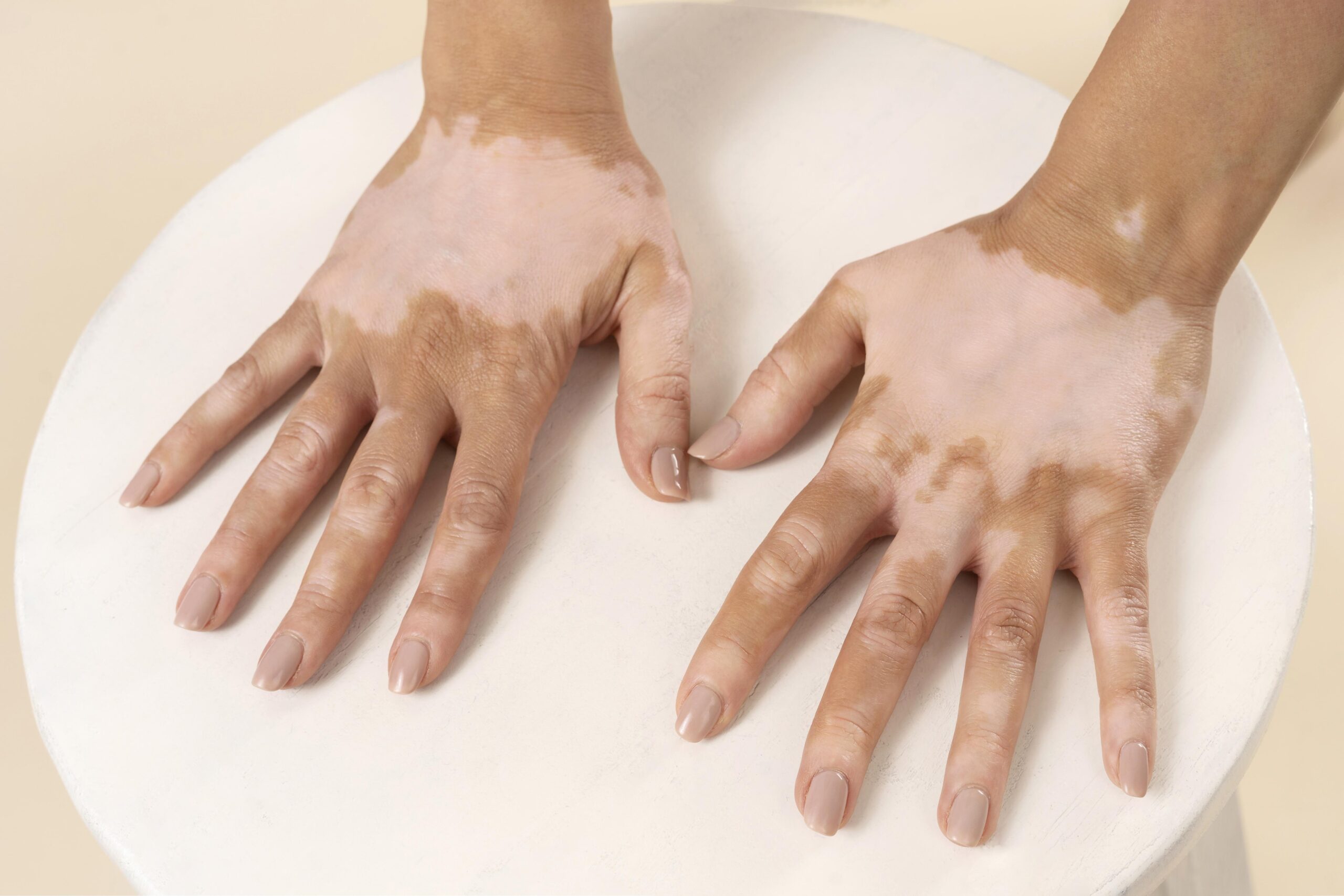
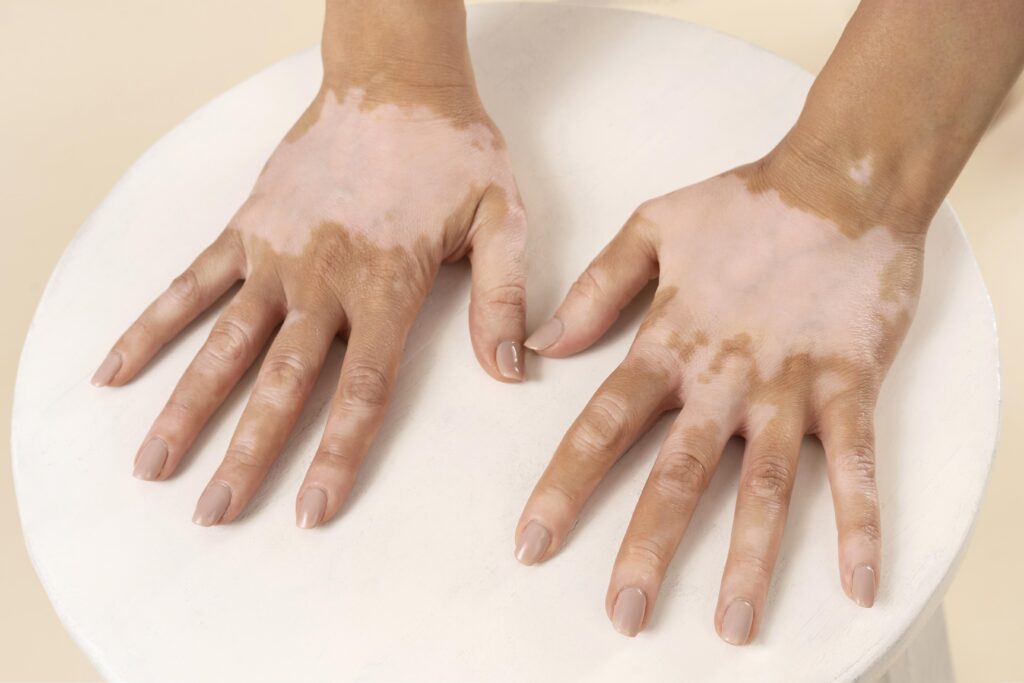
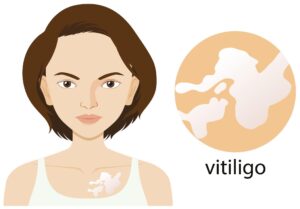
    Vitiligo Treatment – Vitiligo is a skin condition characterized by the loss of pigment-producing cells (melanocytes), resulting in white patches on the skin. While it’s not a life-threatening condition, it can have a significant impact on a person’s self-esteem and quality of life. Fortunately, there are several vitiligo treatment options available that can help manage it and improve the appearance of the skin.

    Medical Vitiligo Treatment

    Medical vitiligo treatments aim to either repigment the white patches or prevent the spread of the condition. Here are some used medical treatments:

    a) Topical Corticosteroids: These are anti-inflammatory creams or ointments that can help reduce inflammation and promote repigmentation. They are often the first-line vitiligo treatment option.

    b) Topical Calcineurin Inhibitors: These drugs, such as tacrolimus and pimecrolimus, work by suppressing the immune response in the skin and can be used on sensitive areas like the face and genitals.

    c) Psoralen Plus Ultraviolet A (PUVA) Therapy: PUVA therapy involves taking psoralen, a medication that makes the skin more sensitive to ultraviolet A (UVA) light, followed by exposure to UVA light. This combination stimulates melanocyte activity and repigmentation.

    Read: What are Generic Medicines?

    d) Narrowband Ultraviolet B (NB-UVB) Therapy: NB-UVB therapy uses a specific wavelength of ultraviolet light to stimulate melanocytes in the skin and promote repigmentation.

    e) Excimer Laser: This targeted laser therapy can be used to treat smaller areas of vitiligo, delivering high-energy UVB light to stimulate melanocyte production.

    f) Oral Medications: In some cases, oral medications like corticosteroids or immunosuppressants may be prescribed to manage vitiligo, especially if it’s widespread.

    Vitiligo Treatment

    Surgical Vitiligo Treatment

    When medical treatments don’t provide the desired results, surgical options may be considered. These procedures involve transplanting melanocytes or pigment from one part of the body to the affected areas. Some common surgical for vitiligo treatments include:

    a) Autologous Melanocyte Transplantation: In this procedure, melanocytes are harvested from a patient’s skin, cultured in a lab, and then transplanted onto the depigmented areas.

    b) Microskin Grafting: This involves removing small sections of normally pigmented skin and grafting them onto vitiligo-affected areas.

    c) Tattooing (Micropigmentation): Tattooing can be used to implant pigment into the depigmented skin, creating a more consistent and even appearance.

    > Consult a doctor and Order Medicine Online

    Complementary and Alternative Therapies Vitiligo Treatment

    In addition to medical and surgical treatments, some individuals with vitiligo turn to complementary therapies to manage their condition. Some of these therapies include:

    a) Topical Herbal Remedies: Some natural products, such as khellin or ginger extract, have been explored for their potential to repigment the skin.

    b) Diet and Nutrition: Certain diets rich in antioxidants, vitamins, and minerals may help support melanocyte health. Additionally, some individuals with vitiligo try gluten-free or dairy-free diets, as there is anecdotal evidence of symptom improvement.

    c) Psychological Support: Living with vitiligo can be emotionally challenging. Counselling and support groups can help individuals cope with the psychological impact of the condition.

    Vitiligo Treatment Creams

    Vitiligo treatment creams, also known as topical medications, are a common choice for managing this skin disorder. These creams are applied directly to the affected areas, where they work to stimulate melanocyte activity and promote repigmentation. The key components of these creams include:

    • Corticosteroids: Topical corticosteroids are anti-inflammatory agents that help reduce inflammation in the skin and suppress the immune response that attacks melanocytes. These creams are often prescribed as a first-line treatment for vitiligo.
    • Calcineurin Inhibitors: Topical calcineurin inhibitors, such as tacrolimus and pimecrolimus, are used to inhibit the immune system’s response in the skin, ultimately preventing the further spread of vitiligo and promoting repigmentation.
    • Psoralen: Psoralen-containing creams are often used in combination with UVA or sunlight exposure, a treatment approach known as PUVA therapy. Psoralen makes the skin more sensitive to UVA light, allowing for targeted repigmentation.

    Effectiveness of Vitiligo Treatment Creams

    The effectiveness of vitiligo treatment creams varies from person to person and depends on several factors, including the extent of vitiligo, the location of the white patches, and the individual’s response to treatment.

    Conclusion:

    Vitiligo treatment options vary depending on the extent and severity of the condition. Individuals with vitiligo need to consult a dermatologist who can assess their specific situation and recommend the most appropriate treatment plan. While there is no cure for vitiligo, medical, surgical, and complementary therapies can help manage the condition, improve skin appearance, and enhance the quality of life for those affected. Ultimately, the goal of vitiligo treatment is to empower individuals to embrace their unique beauty and feel confident in their skin.

    FAQs on Vitiligo Treatment

    Q.1 What is Vitiligo Treatment?

    Vitiligo treatment refers to a set of medical, surgical, and sometimes complementary therapies aimed at managing and improving the skin condition known as vitiligo. Vitiligo is characterized by the loss of melanocytes (the cells responsible for producing skin pigment), resulting in white or depigmented patches on the skin. The primary goal of vitiligo treatment is to either repigment the affected areas or prevent the condition from spreading further.

    Q2. Are there any surgical options available for vitiligo treatment?

    Yes, there are surgical treatments for vitiligo when medical therapies do not yield satisfactory results. Surgical options include autologous melanocyte transplantation, where melanocytes are harvested from the patient’s skin, cultured, and then transplanted onto depigmented areas.

    Microskin grafting, which involves transplanting small sections of normally pigmented skin to vitiligo-affected areas. Tattooing (micro pigmentation), where pigment is implanted into the depigmented skin to create a more consistent appearance. These surgical procedures are typically considered for localized or stubborn cases of vitiligo.

  • Scabies Treatment: Medication, Cream, Prevention

    Scabies Treatment – Scabies is a highly contagious skin infestation caused by the Sarcoptes scabies mite. These tiny mites burrow into the upper layer of the skin, where they lay eggs, causing intense itching and discomfort. Scabies spread through close personal contact with an infected individual.

    It can also be transmitted through infested clothing, bedding, or furniture. Scabies are a common skin condition that can affect anyone, but with the right scabies treatment, relief is within reach. Timely treatment for scabies is crucial in managing this condition effectively.

    Best Scabies Treatment

    The primary treatments for scabies are as follows:

    1. Prescription Medications

    Topical Creams: Permethrin cream is a widely used prescription treatment. It’s applied to the entire body and left on for a specified time before washing off.

    Oral Medications: In severe cases, oral medications like ivermectin may be prescribed.

    2. Scrupulous Hygiene

    Wash Bedding and Clothing: To prevent reinfection, wash all bedding, clothing, and towels in hot water and dry them on high heat.

    Isolation: Avoid close contact with others until treatment is complete to prevent the spread of the mites.

    3. Household Cleaning

    Deep Cleaning: Thoroughly clean and vacuum your home, paying special attention to furniture and carpets.

    4. Treating Close Contacts

    Notify Contacts: Inform close contacts so they can seek treatment if necessary.

    > Consult a doctor and Order Medicine Online

    Preventing Scabies Reinfestation

    Preventing scabies from coming back is just as crucial as treating it.

    • Maintain Good Hygiene: Regularly wash your hands and keep your nails short to reduce the risk of mites taking hold.
    • Avoid Sharing Personal Items: Do not share clothing, towels, or bedding with infected individuals.
    • Treat Infested Contacts: Ensure that anyone in close contact with an infected person receives treatment.

    Scabies Treatment

    Post Scabies Treatment Spots

    • Healing Process: After scabies treatment, it’s possible to experience residual itching and the appearance of spots. This is often due to the body’s healing process. The rash and damage caused by the mites can take some time to completely disappear, even after the mites are gone.
    • Recovery Time: The duration of these post-treatment symptoms can vary from person to person. For some, it may take a few days, while for others, it can persist for a few weeks.
    • Reinfestation: In some cases, spots may reappear if there has been reinfestation. It’s crucial to rule out this possibility by ensuring that you have followed all preventive measures and that close contacts have been treated as well.

    What to Do If Spots Persist

    • Consult Your Doctor: If you’re concerned about spots or lingering symptoms after scabies treatment, it’s advisable to consult your healthcare provider. They can assess your condition and determine whether additional treatment or evaluation is necessary.
    • Follow-Up Appointments: Continue with any scheduled follow-up appointments with your doctor. They will monitor your progress and ensure that the treatment has been effective.
    • Avoid Self-Medication: Resist the temptation to use over-the-counter creams or remedies without professional guidance, as these can sometimes exacerbate the problem.
    • Maintain Good Hygiene: Continue practising good hygiene, including washing your hands regularly and keeping your nails short to minimize the risk of re-infestation.
    • Patience Is Key: Remember that post-treatment spots and itching are not uncommon and usually resolve over time. While it can be frustrating, maintaining patience and following medical advice is essential.

    Read: What are Generic Medicines?

    Top Scabies Treatment Creams

    Scabies treatment creams are topical medications specifically formulated to kill the scabies mites and relieve the associated itching and rash. They are typically prescribed by healthcare professionals and can be highly effective when used correctly.

    Types of Scabies Treatment Creams

    Permethrin Cream:

    • Permethrin is one of the most commonly prescribed scabies treatment creams.
    • It is considered a first-line treatment and is available by prescription.
    • Permethrin cream is applied to the entire body, usually from the neck down, and left on for a specified period before being washed off.
    • It is generally well-tolerated and has a high success rate in eradicating scabies mites.

    Ivermectin Cream:

    • Ivermectin is available in both oral and topical forms.
    • The topical version is applied directly to the affected areas.
    • It may be recommended for individuals who cannot tolerate or are resistant to other treatments.
    • Ivermectin works by paralyzing and killing the mites.

    Conclusion:

    Scabies can be a challenging and uncomfortable condition, but with prompt diagnosis and the right treatment, relief is attainable. Remember, seeking professional medical advice is essential for an accurate diagnosis and treatment plan. By following recommended treatments and preventive measures, you can effectively manage and overcome scabies, restoring comfort and peace of mind to your life.

    FAQs on Scabies Treatment

    Q.1 What is Scabies Treatment?

    Scabies treatment is a medical approach designed to address scabies infestations, a contagious skin condition caused by the Sarcoptes scabies mite. Scabies infestations are characterized by intense itching, rashes, and sometimes small, thread-like burrows on the skin. Effective treatment aims to eliminate the mites, relieve symptoms, and prevent the spread of the infestation to others.

    Q.2 What is the most common treatment for scabies?

    The most common and widely prescribed treatment for scabies is a topical cream containing permethrin. Permethrin cream is considered a first-line treatment for scabies and is highly effective in killing scabies mites. It is usually applied to the entire body, excluding the face, left on for a specific duration, and then washed off. This treatment is available by prescription and is known for its success in eradicating scabies infestations.

    Related Links:

  • Best Psoriasis Treatments – Medication, Diet, Treatment of Psoriasis in Ayurveda

    Best Psoriasis Treatments – Medication, Diet, Treatment of Psoriasis in Ayurveda

    best psoriasis treatments

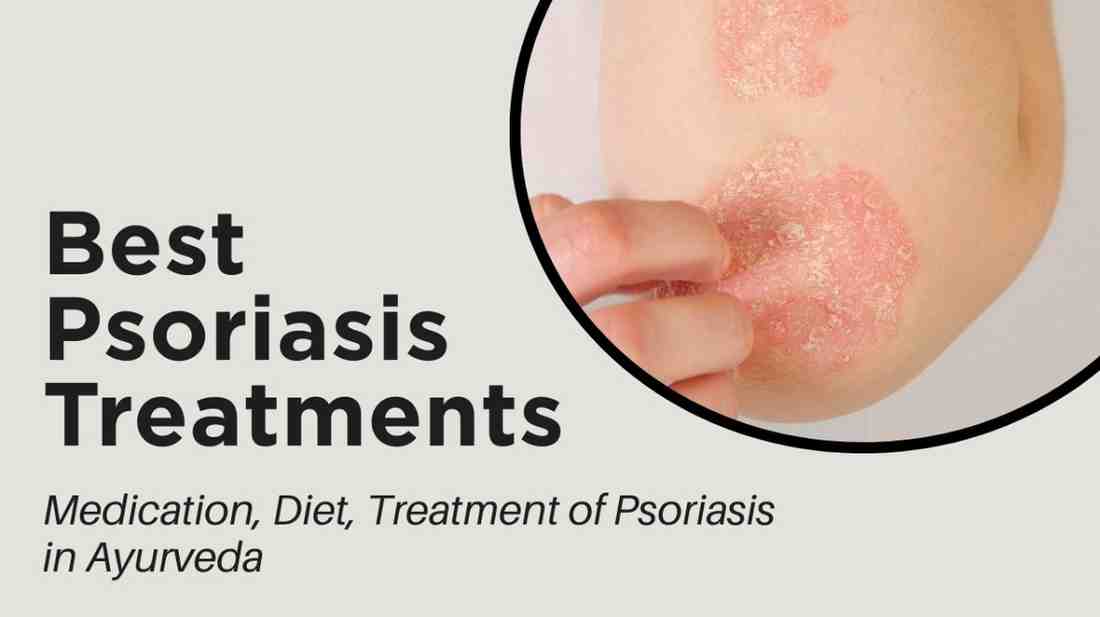
    Psoriasis treatment is essential for managing this chronic skin condition characterized by the rapid growth of skin cells, which leads to the development of thick, red, and scaly patches on the skin’s surface. While there is no known cure for psoriasis, various psoriasis treatment options are available to help manage its symptoms and improve the quality of life for those affected by the condition.

    The choice of treatment depends on the type and severity of psoriasis, as well as individual preferences and medical history.

    Scalp Psoriasis Treatment

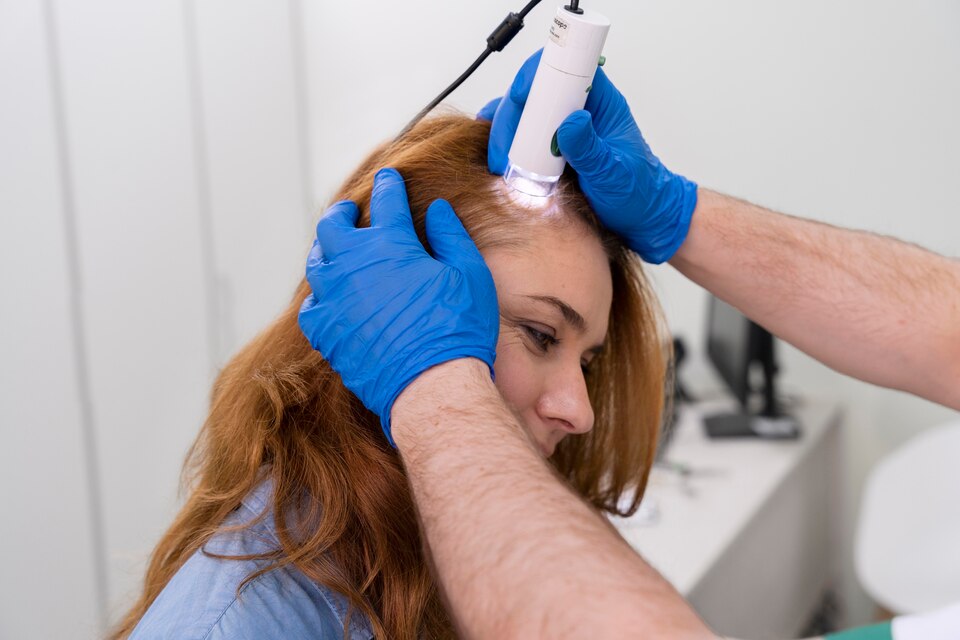
    Scalp psoriasis is a subtype of psoriasis that affects the scalp and sometimes extends to the forehead, neck, and behind the ears. It can be particularly challenging to manage due to the presence of hair, but there are several effective scalp psoriasis treatment options available:

    1. Over-the-Counter Shampoos

    Over-the-counter (OTC) shampoos are often the first line of defence for mild to moderate scalp psoriasis. These shampoos typically contain active ingredients like salicylic acid, coal tar, or zinc pyrithione, which help break down and remove scales and reduce itching. They are readily available at drugstores and can be used as part of your regular hair care routine.

    2. Prescription Medications

    For more severe cases of scalp psoriasis or when OTC shampoos prove ineffective, dermatologists may prescribe topical medications. These prescription psoriasis treatments are stronger and include:

    • Topical Corticosteroids: These medications contain corticosteroids that help reduce inflammation and itching. They come in various forms, including creams, ointments, lotions, and foams. Your dermatologist will recommend the appropriate strength and formulation based on the severity of your condition.
    • Calcineurin Inhibitors: These topical medications, such as tacrolimus and pimecrolimus, work by modulating the immune system’s response in the affected area. They are often used for sensitive areas like the face and neck.
    • Tazarotene: This topical retinoid is sometimes used for scalp psoriasis. It can help in slowing down the growth of the skin cells and reduce skin inflammation.

    > Consult a doctor and Order Medicine Online

    3. Phototherapy

    Phototherapy, or light therapy, is another option for managing scalp psoriasis. It involves exposing the affected areas to ultraviolet (UV) light. There are two main types of phototherapy for psoriasis:

    • UVB Phototherapy: This treatment uses narrowband UVB light to target the affected scalp areas. It can be administered in a dermatologist’s office or at home with a prescribed UVB comb or lamp.
    • PUVA Therapy: PUVA combines psoralen (a light-sensitizing medication) with UVA light. It is typically used for more severe cases of psoriasis and is administered under medical supervision.

    4. Systemic Medications

    In rare cases of severe scalp psoriasis that doesn’t respond to topical treatments or phototherapy, systemic medications may be considered. These medications are taken orally or through injections and work throughout the body to suppress the immune response. However, they often come with more significant potential side effects and require close monitoring by a healthcare provider.

    Scalp Psoriasis TreatmentPractical Tips for Scalp Psoriasis Treatment
    In addition to medical treatments, some practical tips can help you manage scalp psoriasis effectively:

    1. Gentle Care:

    Be gentle when washing your hair. Use lukewarm water and fragrance-free shampoo. Avoid hot water and harsh products that can irritate your scalp.

    2. Avoid Scratching:

    Scratching can worsen psoriasis symptoms and lead to open sores and infections. Try to resist the urge to scratch your scalp.

    3. Regular Removal of Scales:

    Gently remove scales after softening them with a medicated shampoo or oil. Use a soft brush or a fine-toothed comb to avoid damaging your scalp.

    4. Consistency:

    Stick to your treatment plan and follow your dermatologist’s recommendations consistently. It may take some time to see significant improvements, so patience is key.

    5. Avoid Triggers:

    Identify and avoid triggers that can worsen the condition of your scalp psoriasis. These may include stress, certain hair products, and environmental factors.

    6. Hydration:

    Keep your scalp and hair well-hydrated by using a moisturizing conditioner or oil. This can help in reducing dryness and itching.

    Read: What are Generic Medicines?

    Scalp psoriasis can be a challenging condition, but with the right treatment approach and proper care, you can effectively manage its symptoms. Consult with a dermatologist and determine the most suitable treatment plan for your particular case.

    Remember that managing scalp psoriasis is an ongoing process, and staying proactive and consistent with your treatments can lead to significant improvements in your scalp’s health and overall well-being.

    Psoriasis Treatment Cream

    1. Topical Steroids

    Psoriasis treatment creams, such as topical steroids, are often recommended for managing psoriasis on other parts of the body. These creams can help reduce the inflammation and relieve itching. They come in various strengths, with your dermatologist determining the appropriate one for your condition.

    2. Calcineurin Inhibitors

    Calcineurin inhibitors are another class of topical medications used to treat psoriasis. They work by suppressing the immune system’s response in the affected areas. While they can be effective, they are usually reserved for specific cases due to potential side effects.

    3. Psoriasis Treatment in Ayurveda

    Ayurveda, the traditional Indian system of medicine, offers alternative treatments for psoriasis. Ayurvedic treatments often involve a combination of dietary changes, herbal remedies, and lifestyle modifications. It’s essential to consult with a qualified Ayurvedic practitioner for personalized guidance.

    Best Treatment for Psoriasis

    Determining the best psoriasis treatment depends on several factors, including the type and severity of your condition, as well as your medical history. It’s crucial to work closely with a dermatologist to create a personalized treatment plan. Some individuals may require a combination of treatments to achieve the best results.

    Psoriasis Treatment Diet

    • Anti-Inflammatory Foods: Diet plays a vital role in managing psoriasis. Incorporating anti-inflammatory foods, such as fruits, vegetables, and fatty fish, can help reduce inflammation and improve skin health. Avoiding processed foods and excessive alcohol consumption is also recommended.
    • Gluten-Free Diet: Some individuals with psoriasis find relief by following a gluten-free diet. Gluten is a protein found in wheat, barley, and rye, and it can trigger inflammation in some people. If you suspect gluten sensitivity, consult with a healthcare professional before making dietary changes.

    Conclusion:

    Psoriasis is a complex skin condition that requires a multidimensional approach to treatment. With the guidance of a knowledgeable healthcare provider, you can explore various treatment options and lifestyle changes to effectively manage your psoriasis. Remember that treatment success may vary from person to person, so patience and persistence are key.

    Incorporating a combination of medical treatments, lifestyle modifications, and stress management techniques can significantly improve your quality of life and reduce the impact of psoriasis on your daily activities.

    If you or someone you know is dealing with psoriasis, seek professional help and support from healthcare providers and support groups. With the right resources and a proactive approach, you can lead a fulfilling life while managing psoriasis effectively.

    FAQs on Psoriasis Treatment

    Q1. What is Psoriasis Treatment?

    Psoriasis treatment involves various approaches such as topical creams, phototherapy, and systemic medications to alleviate symptoms and manage chronic skin conditions characterized by red, scaly patches. However, there is no definitive cure for psoriasis.

    Q2. How long does it typically take to see improvement with psoriasis treatment?

    The timeline for improvement with psoriasis treatment varies from person to person. Some individuals may experience relief within a few weeks, while others may require several months of consistent treatment before significant improvement is noticeable. It’s essential to follow your dermatologist’s recommendations and be patient with the process.

    Q3. What are the natural or home remedies for Psoriasis Treatment?

    While some natural and home remedies for Psoriasis Treatment may provide relief from psoriasis symptoms, such as aloe vera and coconut oil, their effectiveness can vary from person to person. It’s essential to consult with a healthcare professional before trying any alternative treatments, as they can guide what may work best for your specific case and ensure that it complements your prescribed treatment plan.

  • Skin Allergy: Cream, Ointment, Skin Allergy Medicine, Anti Allergy Medicine for Skin

    Skin Allergy: Cream, Ointment, Skin Allergy Medicine, Anti Allergy Medicine for Skin

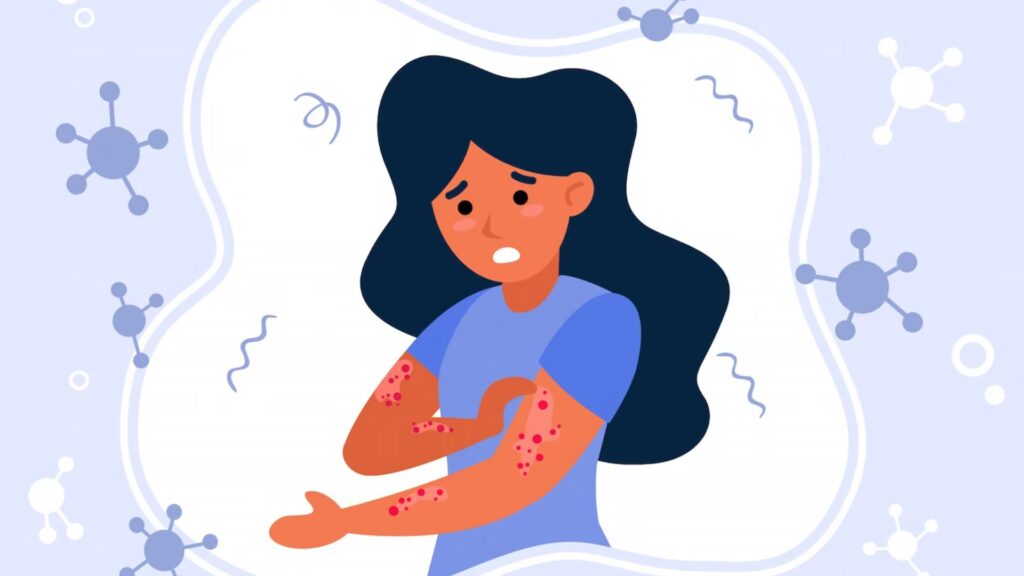
    skin allergy, cream, ointment, & medicineSkin Allergy is a common and frustrating problem that affects millions of people worldwide. They occur when the immune system overreacts to a substance called allergen, that comes into contact with the skin. This overreaction can cause symptoms such as redness, itching, swelling, and even blisters. Skin allergies may result from various triggers like foods, meds, insect bites, and chemicals in personal care items. It’s essential to understand the different skin allergy types to effectively manage and treat these conditions.

    Some skin allergies are mild, causing temporary discomfort, while others, if not addressed, can lead to chronic skin problems. By knowing the various skin allergy types and the best treatments available, individuals can make informed decisions to keep their skin healthy and allergy-free. Moreover, it is crucial to recognize the signs and symptoms of a skin allergy, as this can help a person determine whether they are dealing with an allergic reaction or another skin condition.

    Symptoms of skin allergies can include redness, itching, swelling, and rash, and may vary in severity depending on the individual and the allergen involved. If a person suspects they have a skin allergy, they should consult with a healthcare professional to receive an accurate diagnosis and determine the best course of treatment.

    Types of Skin Allergy

    There are several common skin allergy types that individuals should be aware of. One of the most prevalent types is contact dermatitis, which occurs when the skin comes into direct contact with an allergen. This can be further divided into irritant contact dermatitis, which is caused by harsh chemicals or substances, and allergic contact dermatitis, which is an immune system reaction to a specific allergen. Common allergens that can cause contact dermatitis include nickel, poison ivy, and certain fragrances and preservatives found in personal care products.

    Another common skin allergy type is atopic dermatitis, also known as eczema. This is a chronic skin condition characterized by itchy, red, and inflamed skin. Atopic dermatitis is often caused by a combination of genetic and environmental factors and can be triggered by allergens such as pollen, pet dander, and certain foods.

    Urticaria, or hives, presents as sudden, itchy, red welts on the skin, indicative of yet another type of skin allergy. Hives can be triggered by various allergens, including medications, insect bites, and exposure to heat or cold temperatures. In some cases, the cause of hives may be unknown, and the condition can be chronic and difficult to manage.

    Ointment and Treatment

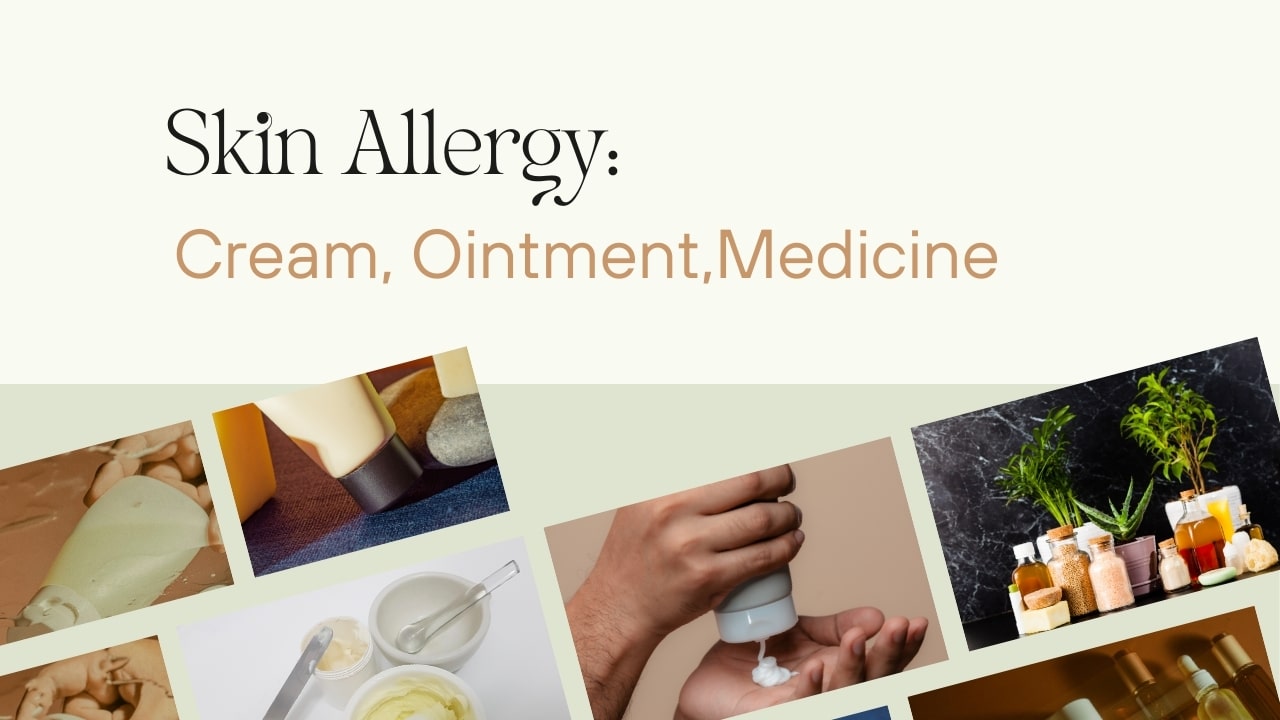
    Skin allergy creams and ointments are topical treatments that can help alleviate the symptoms of skin allergies, such as itching, redness, and inflammation. They work by delivering active ingredients directly to the affected area of the skin, providing targeted relief and promoting healing. For skin allergies, different creams are recommended based on type and severity to address symptoms and underlying causes effectively.

    For eg, corticosteroid creams ease skin allergies by lessening inflammation and itching, serving as common remedies for such conditions. These medications work by suppressing the immune system’s response to allergens, thereby reducing the symptoms of an allergic reaction. Corticosteroid creams and ointments are available in various strengths and should be used as directed by a healthcare professional.

    Antihistamine creams and ointments are another option for treating skin allergies. These medications work by blocking the action of histamine released during an allergic reaction that causes itching and inflammation. By inhibiting the effects of histamine, antihistamine creams and ointments can help reduce the symptoms of skin allergies. In addition to corticosteroid and antihistamine creams and ointments, there are also topical immunomodulators and emollients available for skin allergy treatment.

    Topical immunomodulators, such as tacrolimus and pimecrolimus, work by suppressing the immune system’s overreaction to allergens, while emollients help to soothe and moisturize the skin, relieving dryness and itching.

    Skin Allergy Medicines

    Selecting the appropriate skin allergy cream or ointment depends on several factors, including the specific skin allergy type, the severity of symptoms, and individual preferences. It’s essential to consult with a healthcare professional before starting any new treatment, as they can help determine the best course of action based on the patient’s unique needs. When choosing the best cream for skin allergy or ointment, one should consider the active ingredients and their potential side effects.

    For example, corticosteroid creams and ointments can be very effective in treating skin allergies, but they can also cause thinning of the skin and other side effects if used for extended periods. Therefore, it’s important to follow the healthcare professional’s recommendations and use these medications as directed to minimize potential risks.

    Another factor to consider when selecting a skin allergy cream or ointment is the product’s consistency and ease of application. Some prefer thick, rich ointments for lasting moisture; others favor light creams for quick absorption into the skin.

    Personal preferences and the specific needs of the affected skin area can help guide this decision. Additionally, individuals with skin allergies should always choose fragrance-free and hypoallergenic creams and ointments, as these products are less likely to cause further irritation or trigger an allergic reaction.

    What is the Skin Allergy Tablet’s Name?

    In some cases, skin allergy tablets may be recommended as part of a comprehensive treatment plan. Oral meds manage skin allergies by addressing internal causes, alleviating symptoms from within the body, tackling allergic reactions. Skin allergy tablets typically fall into two main categories: antihistamines and corticosteroids.

    Antihistamine tablets are one of the most common types of skin allergy tablets. As mentioned earlier, these medications work by blocking the action of histamine, thereby reducing the symptoms of an allergic reaction. Oral antihistamines can be particularly useful for individuals with skin allergies who do not respond well to topical treatments or who experience symptoms over a large area of the body. Corticosteroid tablets, on the other hand, are generally reserved for severe skin allergies or cases where other treatments have proven ineffective.

    These medications work by suppressing the immune system’s response to allergens, reducing inflammation and relieving symptoms. However, due to the potential side effects associated with long-term corticosteroid use, these medications are typically prescribed for short periods and under the close supervision of a healthcare professional. While skin allergy tablets can be an effective treatment option, it’s essential to remember that they may not be suitable for everyone, and their use should be guided by the advice of a healthcare professional.

    Skin Allergy images

    Treatment at Home

    For those seeking more natural alternatives to skin allergy treatment, several home remedies may help alleviate symptoms and promote healing. These remedies aren’t substitutes for professional medical advice but can complement conventional therapies for additional relief if used wisely.

    One popular natural remedy for skin allergies is aloe vera. This plant has long been used for its soothing and anti-inflammatory properties, making it an excellent choice for treating skin irritation and inflammation caused by allergies. To use aloe vera for skin allergies, one can apply pure aloe vera gel directly to the affected area or choose a hypoallergenic and fragrance-free aloe vera-based cream or ointment.

    Natural Remedy for Skin Allergies

    A natural remedy for skin allergies is oatmeal. Oatmeal contains avenanthramides, compounds with anti-inflammatory and skin-soothing properties. An oatmeal bath or paste made from ground oatmeal and water can help relieve itching/inflammation associated with skin allergies. Simply mix one cup of ground oatmeal with warm water to create a paste and apply it to the affected area for 10-15 minutes before rinsing off with cool water.

    Tea tree oil is another natural remedy that has been shown to have anti-inflammatory and antimicrobial properties, making it an ideal choice for treating skin allergies. One can mix a few drops of tea tree oil with a carrier oil, such as coconut oil, and apply it to the affected area for relief. Finally, chamomile is a natural anti-inflammatory and antihistamine, making it an effective treatment for skin allergies. One can brew a cup of chamomile tea and apply the cooled tea bags directly to the affected area, or make a chamomile-infused oil or cream for topical application.

    Also Read: What is Generic Medicine?

    Anti Allergy Medicine for Skin

    For individuals with severe or chronic skin allergies, anti-allergy medicine may be necessary to manage symptoms effectively. These medications work by blocking the immune system’s response to allergens, reducing inflammation and relieving symptoms. One common type of anti-allergy medicine for skin allergies is oral antihistamines. These medications can help relieve itching, redness, and swelling by blocking the action of histamine.

    Antihistamines are available OTC or by prescription, chosen based on individual needs, symptoms, and availability. Corticosteroids are another type of anti-allergy medicine that can be effective in treating skin allergies. These medications work by reducing inflammation and suppressing the immune system’s response to allergens. Corticosteroids come in oral tablets, creams, and ointments, and must be used only as directed by a healthcare professional.

    In some cases, immunomodulators may be prescribed to treat skin allergies. These medications work by suppressing the immune system’s overreaction to allergens, reducing inflammation and relieving symptoms. Topical immunomodulators require close healthcare supervision for safe use and are available in creams or ointments.

    Tips for Managing Skin Allergies

    In addition to medical treatments, there are several lifestyle changes and tips that individuals can implement to manage their skin allergies effectively:

    • Avoid known allergens: It’s essential to identify and avoid allergens that trigger skin allergies. This may involve reading labels, changing personal care products, and avoiding certain foods or medications.
    • Moisturize regularly: Keeping the skin moisturized can help prevent dryness and reduce the risk of allergic reactions. Choosing fragrance-free and hypoallergenic moisturizers can help minimize the risk of further irritation.
    • Wear protective clothing: Wearing gloves or long sleeves reduces skin contact with allergens, helping minimize potential allergic reactions from exposure.
    • Keep the skin clean: Regularly washing skin with gentle, fragrance-free soap can remove allergens and prevent irritation
    • Manage stress: Stress can exacerbate skin allergies, so implementing stress-reducing techniques, such as meditation or yoga, can help manage symptoms.

    Consult a doctor and Order Medicine Online for less contact with the skin allergy disease.

    Best Skin Allergy Creams and Ointments

    When it comes to choosing the best skin allergy creams and ointments, there are several options available. Some popular choices include:

    • Hydrocortisone cream: This over-the-counter cream contains a mild corticosteroid that can help reduce inflammation and relieve itching.
    • Calamine lotion: Zinc oxide and ferric oxide mixture soothes irritated skin with cooling relief, making it an effective topical treatment.
    • Eucerin cream: This fragrance-free and hypoallergenic cream contains oatmeal and can help relieve itching and inflammation associated with skin allergies.
    • Aveeno eczema therapy cream: This cream contains colloidal oatmeal and ceramides and can help soothe and moisturize dry, itchy skin.
    • Cetaphil restoraderm lotion: This lotion is formulated for individuals with eczema and can help restore the skin’s natural barrier function.
    • TRETIN 0.025% CREAM 30 GM: TRETIN 0.025% CREAM is a derivative used to treat acne, fine lines, uneven skin tone, and sun damage.
    • EQOQ TABLET 10’S: EQOQ Tablet 10’s is a nutritional supplement containing L-Ergothioneine and Nicotinamide (Vitamin B3). It helps support cellular health, enhances antioxidant defense, and may improve skin repair and energy metabolism. Often used in managing fatigue, oxidative stress, and skin-related concerns.
    • 3D SKIN CREAM 10 GM: 3D SKIN CREAM 10 GM treats skin infection effectively.

    It’s essential to consult a healthcare professional before trying new skin allergy creams to find the best product.

    Conclusion

    Skin allergies are frustrating, but with proper treatment, they can be managed effectively, improving comfort and quality of life. Understanding the different skin allergy types, choosing the right skin allergy cream or ointment, and implementing lifestyle changes can all help reduce the risk of allergic reactions and promote healthy skin.

    One should consult a healthcare professional before starting any new treatment for personalized guidance based on individual needs and symptoms. However, with the right approach, individuals can say goodbye to skin allergies and enjoy healthy, allergy-free skin.

    Related Links: