Category: Skin Care & Treatments

  • Vitamin E for Healthy, Glowing Skin

    Want healthy, glowing skin and strong, shiny hair? Vitamin E is a powerful antioxidant that can help nourish your skin and hair, protect against damage, and promote a radiant complexion. Let’s explore the benefits of vitamin E for skin and hair, and how to use it for the best results.

    What Is Vitamin E?

    Vitamin E is a fat-soluble vitamin that acts as a powerful antioxidant. It helps protect your skin and hair from damage caused by free radicals, which are unstable molecules that can harm cells and accelerate ageing. Vitamin E is found in many foods, such as nuts, seeds, and leafy greens, and is also available as a supplement or topical oil.

    • Vitamin E is a fat-soluble vitamin that acts as a powerful antioxidant.
    • It helps protect your skin and hair from damage caused by free radicals.
    • Vitamin E is found in many foods and is also available as a supplement or topical oil.

    Benefits of Vitamin E for Skin

    Vitamin E offers several benefits for the skin, making it a valuable addition to your skincare routine.

    • Moisturising: Vitamin E helps keep your skin hydrated by strengthening its natural barrier and preventing moisture loss.
    • Anti-Ageing: It supports collagen production and improves skin elasticity, which makes the skin look firmer and younger.
    • Scar and Spot Healing: Vitamin E promotes skin regeneration and can help lighten scars, dark spots, and stretch marks over time.
    • Sun Protection Support: Although it should not replace sunscreen, vitamin E can help reduce damage caused by UV rays when used together with sun protection.
    • Soothing Inflammation: Vitamin E has anti-inflammatory properties that help calm irritated or sensitive skin.

    Benefits of Vitamin E for Hair

    Vitamin E also offers several benefits for hair, making it a valuable addition to your hair care routine.

    • Moisturising: Vitamin E helps keep your hair hydrated and prevents dryness and breakage.
    • Strengthening: It strengthens hair follicles and reduces hair fall.
    • Shine: Vitamin E adds shine and smoothness to your hair.
    • Growth: It promotes hair growth by improving blood circulation to the scalp.
    • Protection: Vitamin E protects hair from damage caused by free radicals and environmental stressors.

    How to Use Vitamin E for Skin and Hair

    Using vitamin E for skin and hair is simple and straightforward. Here are some tips to get the best results:

    • Direct Application: Simply pierce a capsule and apply the vitamin E oil directly onto your face or hair. This delivers a concentrated dose of vitamin E to nourish your skin and hair deeply.
    • Mix with Moisturiser: Add a few drops of vitamin E oil to your regular moisturiser or facial cream. This enhances the moisturising and antioxidant benefits without making your skin feel too oily.
    • Body Care: You can also use vitamin E oil on your body, especially on dry areas like elbows, knees, and heels.
    • Massage for Absorption: Massage the oil gently into your skin or scalp in circular motions. This helps improve blood circulation and allows the oil to absorb better.
    • Leave It On or Wash Off: Depending on your skin type, you can either leave the vitamin E oil on overnight as a nourishing treatment or wash it off after 20-30 minutes if your skin tends to be oily or prone to breakouts.
    • Follow Up with Your Regular Skincare Routine: After vitamin E oil application, you can follow with your usual moisturiser or sunscreen during the day. Vitamin E works best when combined with a well-rounded skincare regimen.

    Safety and Precautions

    Vitamin E is generally safe when used as directed. However, there are some precautions to keep in mind to ensure optimal safety.

    • Perform a Patch Test: Before applying vitamin E oil all over your face, do a patch test on a small area of your skin (like behind your ear or on your wrist) to check for any allergic reactions or irritation. Wait 24 hours to see if any redness or itching occurs.
    • Apply Vitamin E Oil: If the patch test is successful, apply a thin layer of vitamin E oil onto your face using gentle upward strokes. Focus on dry areas or places where you want to reduce scars and fine lines. Avoid the delicate eye area unless the product is specifically designed for it.
    • Be Aware of Potential Side Effects: Some people may experience mild stomach upset or allergic reactions. Seek medical advice if side effects persist or worsen.
    • Store Vitamin E Capsules in a Cool, Dry Place: Keep the capsules out of reach of children.
    • Do Not Exceed the Recommended Dosage: Overuse can lead to clogged pores, especially for oily skin.

    Extra Tips for Skin and Hair Care

    In addition to using vitamin E, there are several lifestyle changes that can help support healthy skin and hair.

    • Eat a Balanced Diet: Include foods rich in vitamins and antioxidants, such as fruits, vegetables, and whole grains.
    • Stay Hydrated: Drink plenty of water throughout the day to keep your skin and hair hydrated.
    • Avoid Processed Foods: Limit your intake of processed foods, sugary snacks, and high-fat foods.
    • Get Regular Exercise: Exercise improves circulation and overall health.
    • Get Enough Sleep: Adequate sleep supports skin and hair repair and regeneration.
    • Manage Stress: Stress can affect your skin and hair, so find ways to relax and manage stress.
    • Practice Mindful Eating: Chew your food thoroughly and eat slowly to support digestion and nutrient absorption.

    When to See a Doctor

    While vitamin E can help manage many symptoms of dryness and skin issues, it is important to see a doctor if your symptoms are severe, persistent, or accompanied by other concerning signs. A healthcare professional can provide additional treatment options and help you manage your health.

    By understanding the benefits and usage instructions for vitamin E, you can support better management of skin and hair issues and improve your overall health. For more information and trusted skincare and hair care products, visit MedKart and explore solutions that work for your needs.

  • Common Causes of Pimples on the Face & How to Prevent Them

    Pimples are a common skin concern that can affect people of all ages. They occur when pores on the face become clogged with oil, dead skin cells, and bacteria. Understanding the causes of pimples and how to prevent them can help you achieve clearer, healthier skin. This guide covers the most common causes of facial pimples and offers practical tips for prevention.

    What Causes Pimples on the Face?

    Pimples develop when the pores in the skin become blocked. This can happen due to a combination of factors, including excess oil production, dead skin cells, bacteria, and inflammation. The sebaceous glands, which produce oil, are found all over the body, but they are most active on the face, making it a common site for pimples.

    • Excess oil production: The sebaceous glands produce more oil than needed, which can mix with dead skin cells and bacteria to clog pores.
    • Dead skin cells: As new skin cells are produced, old cells can build up on the surface of the skin and clog pores.
    • Bacteria: The presence of bacteria on the skin can cause inflammation and lead to clogged pores.
    • Inflammation: Inflammation can occur when the skin is irritated or infected, leading to the formation of pimples.

    Hormonal Changes

    Hormonal changes are a major contributor to the formation of pimples on the face. Hormonal fluctuations during puberty, menstruation, pregnancy, or menopause can lead to excessive sebum production, clogging pores and causing pimples. 

    • Puberty: Hormonal changes during puberty can trigger an increase in sebum production.
    • Menstruation: Hormonal fluctuations during the menstrual cycle can lead to breakouts.
    • Pregnancy: Hormonal changes during pregnancy can cause acne.
    • Menopause: Hormonal changes during menopause can also lead to acne.

    Poor Skincare Routine

    A proper skincare routine is essential for maintaining healthy and clear skin. Neglecting your skin can lead to various skin issues, including clogged pores, blackheads, and pimples on the face.

    • Cleansing: Regularly cleansing your face removes dirt, oil, and impurities that can clog your pores and cause acne.
    • Failure to cleanse: Not washing your face regularly can result in the buildup of dirt, oil, and dead skin cells, leading to clogged pores and eventually acne.
    • Using harsh products: Using harsh cleansers or exfoliants can strip away the skin’s natural oils, causing it to produce more oil to compensate. This excess oil can block pores and contribute to acne formation.
    • Overwashing: Overwashing the face can strip away too much moisture from the skin, leading to dryness and irritation. In response, the skin may produce more oil, again clogging pores and causing breakouts.
    • Using dirty makeup brushes: Dirty brushes can harbour bacteria, oil, and dead skin cells, which can be transferred onto the face during makeup application. This can clog pores and result in pimples.

    Excessive Sebum Production

    Excessive sebum production is one of the main reasons for pimples on the face. When excess sebum combines with dead skin cells and bacteria, it can form a plug in the hair follicles, leading to the development of pimples.

    • Hormonal changes: During puberty, hormonal fluctuations can trigger an increase in sebum production.
    • Stress: High levels of stress can stimulate the sebaceous glands to produce more sebum.
    • Diet: Consuming a diet high in refined carbohydrates and unhealthy fats can contribute to increased sebum production.
    • Strategies to control sebum production: Cleanse your face twice a day with a gentle cleanser, use oil-free or non-comedogenic skincare products, avoid touching your face frequently, and manage stress levels through exercise, meditation, or other relaxation techniques.

    Clogged Pores

    Pores are tiny openings in the skin that release oil and sweat. When these pores become clogged, it can lead to the formation of pimples.

    • Excess oil production: When the sebaceous glands produce too much oil, it can mix with dead skin cells and block the pores.
    • Dead skin cells: As new skin cells are produced, old cells can build up on the surface of the skin and clog the pores.
    • Bacteria: The presence of bacteria on the skin can cause inflammation and lead to clogged pores.
    • Methods for unclogging pores and preventing acne: Use a gentle cleanser twice a day to remove excess oil, dirt, and dead skin cells from the surface of the skin.

    Bacterial Infection

    When bacteria accumulate in the skin pores, it can trigger an inflammatory response leading to the formation of pimples. Propionibacterium acnes is a microbe naturally found on our skin, especially in areas with a lot of oil glands, like the face. 

    Poor Diet

    Research suggests that certain foods can trigger hormonal changes and inflammation in the body, leading to an increase in sebum production and the development of acne. Moreover, high-glycemic index foods, such as sugary snacks, white bread, and soft drinks, are often associated with an increased risk of developing acne. Dairy products and foods high in saturated fats could also contribute to acne breakouts.

    Stress and Anxiety

    Stress is an inevitable part of life, but did you know that it can also contribute to those pesky pimples on your face? Research says, when you are stressed, your body releases stress hormones such as cortisol, which can lead to an increase in oil production in the skin. This excess oil can clog the pores and result in the formation of pimples.

    Genetic Factors

    While lifestyle factors such as diet and hygiene play a role in the development of pimples, genetics also contributes significantly. Research has shown that if both your parents had acne, there is a higher chance of you developing it too. 

    Environmental Factors

    Environmental factors play a significant role in the formation of pimples. Common environmental triggers for acne breakouts include:

    • Humidity: High levels of humidity can lead to increased oil production, clogging pores and causing breakouts.
    • Pollution: Air pollution can deposit harmful particles onto the skin, leading to inflammation and breakouts.
    • UV Radiation: Excessive sun exposure can damage the skin’s barrier, leading to increased sebum production and acne.
    • Harsh Weather Conditions: Extremes in temperature, wind, or cold weather can stress the skin and trigger acne flare-ups.

    How to Prevent Pimples on the Face

    Preventing pimples on the face involves a combination of good skincare habits, a healthy diet, and stress management. Here are some practical tips for preventing pimples:

    • Cleanse your face twice a day with a gentle cleanser.
    • Use oil-free or non-comedogenic skincare products.
    • Avoid touching your face frequently.
    • Manage stress levels through exercise, meditation, or other relaxation techniques.
    • Eat a balanced diet rich in fruits, vegetables, and whole grains.
    • Stay hydrated and drink plenty of water.
    • Get enough sleep and manage stress.
    • Avoid using harsh or comedogenic makeup products.
    • Keep your hair clean and avoid letting oily hair products come into contact with your face.
    • Wash your pillowcases and towels regularly to prevent the buildup of bacteria and oil.

    When to See a Doctor

    While pimples can often be managed with good skincare and lifestyle changes, it is important to see a doctor if your symptoms are severe, persistent, or accompanied by other concerning signs. A healthcare professional can provide additional treatment options and help you manage your skin health.

    By understanding the common causes of pimples on the face and how to prevent them, you can take steps to achieve clearer, healthier skin. For more information and trusted skincare products, visit MedKart and explore solutions that work for your needs.
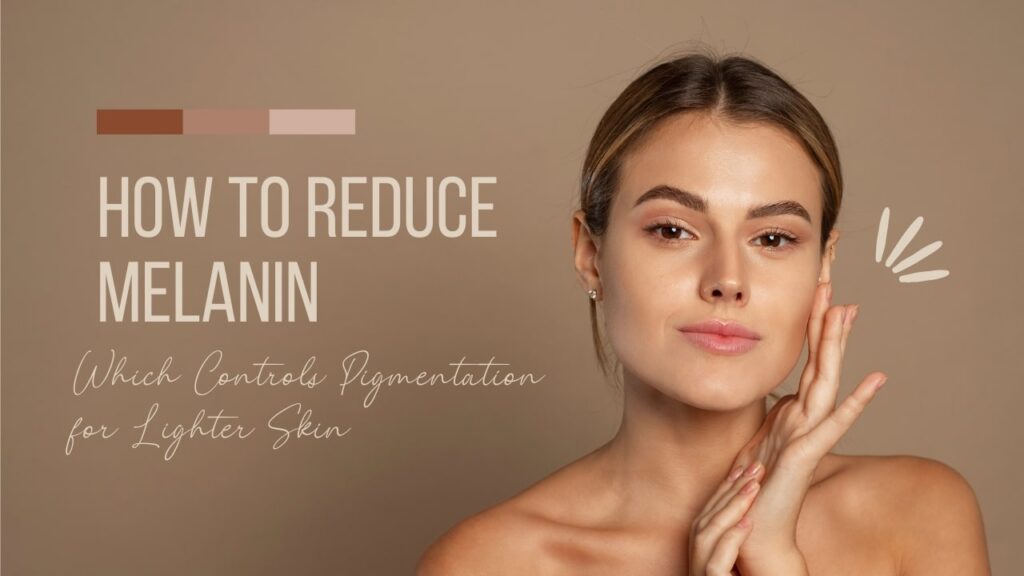
  • How to Reduce Melanin, Which Controls Pigmentation for Lighter Skin

    How to Reduce Melanin, Which Controls Pigmentation for Lighter Skin

    how to reduce melanin

    Melanin is the coloring pigment production coloring our skin, hair, and eyes. Melanin serves as a “parachute” which reduces the damage caused by UV light. Even though people want to limit the melanin that their skin produces to have a whiter skin, the truth is melanin is there to protect the skin against damage by UV light. For those who are interested in the matter of how to decrease melanin on skin, there are a number of dietary, medical, natural, and cosmetic methods to explore.

    What Is Melanin?

    Melanin is a phenomenon that occurs naturally as a result of melanocytes making the pigment in the skin. Melanin pigment absorbs the energy of the sunlight and then displaces it with thermal energy rather than letting the skin absorb it. Melanin is protective against high doses of Ultraviolet radiation and prevents the skin from burning. The darker your skin is, the more melanin your body will release. Nevertheless, an excessive production of melanin can be responsible for such issues as hyperpigmentation, dark spots, and an uneven complexion.

    The primary part of knowing how to decrease melanin is to get as much information as possible so that you can work along with your body instead of against it. Melanin partly relies on its sources; namely genetics issues, the sun, and hormone activities. Although melanin cannot be totally removed, it may be regulated or bleached through a variety of treatments.

    How to Reduce Melanin in Skin?

    Melanin lightening is a process that can occur through a combination of lifestyle modification, dietary alteration, and therapy. The most beneficial methods include:

    1. Avoiding Sun Exposure

    Because melanin is mostly excreted to protect the skin from the harmful effects of the sun’s UV radiation, the ba is ending sun exposure will produce melanin normally. Use sunscreen with a sun protection factor of 30 or higher, cover up with protective clothing, and avoid direct sunlight for extended periods.

    2. Skin-Lightening Treatments

    Medical procedures like chemical peels, laser therapy, and microdermabrasion can eliminate the build-up of melanin and provide a more uniform skin tone. The best medical treatments include:

    • Chemical Peels: Exfoliates the top layer of skin to eliminate excess pigmentation.
    • Laser Therapy: Aims at the melanin which is then destructed in the melanocyte cell.
    • Microdermabrasion: Exfoliates the top layer of skin to expose a smoother coloring.

    3. How to Reduce Melanin in Skin Permanently by Eating

    Your diet is the kind of the melanin produced. These foods have the nutrients that help block melanin production freeing your skin a lighter and glowing complexion.

    Best Drink to Reduce Melanin

    A healthy diet as well as hydration could be a potential treatment for melanin reduction. The top drinks are:

    • Lemon water: Rich in vitamin C, a melanin inhibiting substance.
    • Tomato juice: Contains lycopene, which is a depigmenting agent.
    • Green tea: High in antioxidants that counteract pigmentation.
    • Carrot juice: High in beta-carotene, which promotes even pigmentation of the skin.

    Melanin Reducing Foods

    A balanced diet that contains melanin-reducing foods provides a way to naturally lighten the skin. Some of the best foods include:

    • Vitamin C-containing foods: Oranges, lemons, strawberries, and bell peppers inhibit melanin production.
    • Vitamin A foods: Spinach, sweet potatoes, and carrots promote skin renewal.
    • Glutathione-rich foods: Avocado, walnuts, and tomatoes are depigmenting agents.
    • Antioxidant foods: Leafy green vegetables, fruits, and berries protect the skin against oxidative damage.

    How to Reduce Melanin in Face?

    Apply sunscreen (SPF 30+), Vitamin C serums, Kojic Acid, and Niacinamide to suppress melting formation and keep melanin levels in your face down. To get rid of darkened skin cells, exfoliate with BHAs or AHAs (glycolic acid). Furthermore beneficial are natural treatments like potato juice, turmeric, and aloe vera. Keep a diet high in Vitamin C, Glutathione, and antioxidants; think about laser therapy or chemical peels for resistant pigmentation.

    • Shield the skin from the sun.

    Did You Know? Certain fungal or bacterial skin infections can cause inflammation that triggers excess melanin production as a protective response. Treating the root cause is essential. 3D Skin Cream, with fluocinolone, miconazole, and neomycin, is often prescribed to manage mixed infections and inflammation before addressing pigmentation.

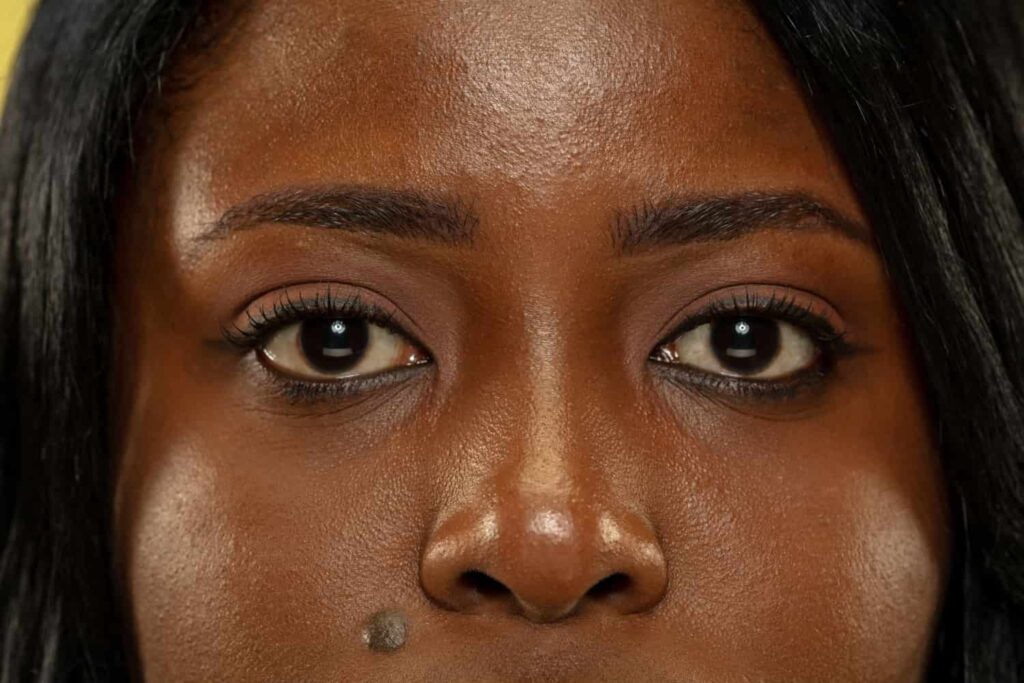
    How to Reduce Melanin in Eyes?

    Preventing additional darkening can be achieved using solar radiation protection since eye color is genetic and it is hard to lower melanin in the eyes. To help maintain good vision, wear UV blocking spectacles and consume antioxidant dense foods such spinach, carrots, and oranges. For undereye pigmentation, apply Vitamin C or retinol containing eye creams; experiment with cold compresses or green tea bags to naturally lighten dark circles.

    How to Reduce Melanin in Eyes

    How to Stop Melanin Production?

    Heritage makes it not possible to totally halt melanin generation, but by leading a better life, using cosmetics, getting treatments, and changing diet, it could be managed and somewhat lessened.

    1. Protect Skin from the Sun

    The sun being the principal source of melanin, confining its influence to UV exposure is more effective than anything else.

    Tips to Prevent Melanin from Sun Exposure:

    • Use Sunscreen: Apply a broad-spectrum sunscreen with SPF 30+ or above on your skin to avoid UV-induced pigmentation.
    • Wear Protective Clothing: Dress in long-sleeved shirts, wearing hats with a wide brim, and putting on sunglasses are to keep the rays away from the skin.
    • Avoid Peak Sun Hours: Do not go out from 10 AM to 4 PM when the sun is up.

    2. Skincare Ingredients That Reduce Melanin Production

    From lightening the skin to subjugating the synthesis of melanin, using the correct skincare products can result in the positive disintegration of the skin. Utilize products containing the following melanin-reducing ingredients:

    Best Skincare Ingredients to Stop Melanin Production:

    Ingredient How It Works Common Products
    Vitamin C Inhibits tyrosinase (an enzyme that produces melanin) Serums, creams, face masks
    Kojic Acid Reduces melanin synthesis Skin-lightening serums, creams
    Niacinamide (Vitamin B3) Blocks the transfer of melanin to skin cells Serums, moisturizers
    Glutathione Acts as an antioxidant and lightens skin over time Oral supplements, IV treatments
    Alpha Arbutin Inhibits melanin production without irritation Brightening serums
    Licorice Extract Blocks tyrosinase and reduces dark spots Face masks, lotions
    Retinoids (Vitamin A derivatives) Exfoliate and renew skin, reducing pigmentation Retinol serums, prescription creams
    Hydroquinone (2-4%) A powerful skin-lightening agent that reduces melanin Prescription creams (use under dermatologist guidance)

    3. How to Stop Melanin Production Naturally?

    Preferably staying away from pharmaceutical drugs, it is better to go for organic cure remedies, they usually take time but naturally restore the body functions and balance the melanin.

    Home Remedies to Reduce Melanin:

    1. Aloe Vera Gel – Aloin in Aloe is a natural melanin inhibitor. Use new aloe vera gel every day.
    2. Turmeric Paste – A pigment in turmeric face mask with milk or yogurt will help prevent dark spots.
    3. Lemon Juice – It’s a natural bleach for the pigmentation, white in color. (Dilute with water to prevent irritation.)
    4. Potato Juice – It has catecholase, an enzyme that will take away the darkness that you see.
    5. Papaya Enzymes – Chop and crush the Papayas after that smoothen over your skin.

    Melanin Reducing Tablets and Supplements

    For people who want more effective treatment, melanin-reducing tablets such as glutathione, vitamin C, and collagen supplements are available. These medicines play an important role in the liver detoxification and pigment lightening.

    Supplements like glutathione are widely used to support melanin reduction and promote even skin tone. Products such as the Eqoq Tablet 10s may help by providing antioxidant support that slows melanin production from within.

    Melanin Reducing Tablets

    How to Reduce Melanin Naturally?

    For those who are in favor of this, without question, the use of the following home remedies can also lessen melanin during time:

    • Aloe Vera: Supplying aloe through aloin is the means of depigmentation.
    • Licorice Extract: Strikes off the action of tyrosinase, the melanin-producing enzyme.
    • Potato Juice: It is widely used as a natural bleach and fades the spots.
    • Papaya Enzymes: Rubs out and bleaches the dull skin.

    Conclusion

    The processes causing melanin production need to be destroyed in order for the skin to be lightened. Their differences lie in skin type as well as the genetic composition of the human. Right skincare, healthy eating, and therapeutic epidermal disorders may result in a term that is better characterized by uniformity and good looks. If you have decided to go the route of melanin reduction, your first step would be to locate the best dermatologist to evaluate your skin type. You would see substantial changes only if you are regular in the use of the melanin-reducing foods and supplements or taking natural therapies.

    FAQs on Is It Possible to Decrease Melanin Production or Deposits for Lighter Skin ?

    1. How to reduce melanin in skin naturally?

    Melanin creation can be naturally reduced with daily exfoliations, sunscreen (SPF 30+), and skin creams such Vitamin C and Niacinamide. One could also use turmeric, aloe vera, and lemon juice at home to decrease pigmentation. An antioxidant wealthy diet also bleaches skin.

    2. How to reduce melanin in skin permanently by eating?

    Slowly by eating, one can permanently lower the level of melanin in skin. A diet that lowers melanin includes Glutathione sources (tomatoes, walnuts), vitamin C foods (bell peppers, oranges), and antioxidants (green tea, turmeric). Long term, these compounds inhibit melanin synthesis. Keeping the complexion even also results from hydration and consumption of detox drinks including carrot juice and lemon water.

    3. How to reduce body melanin effectively?

    To lower body melanin, use skin lightening creams with Kojic Acid and Niacinamide, follow sun protection, exfoliate the body with body scrubs. Melanin reducing foods and water intake spontaneously lighten skin. Under the direction of a professional, one may choose chemical peels or laser treatment for quicker effects.

    Releled Links : 

  • Bacterial Infections: Impetigo, Cellulitis, and Beyond

    Bacterial Infections: Impetigo, Cellulitis, and Beyond

    bacterial infections

    Bacterial infections are considered to be among the major causes of diseases associated with the skin, varying with the extent. It runs from relatively simple irritations of the skin up to serious infection cases, capable of posing trouble when untreated. Some well known types include impetigo, cellulitis and all such afflictions causing aesthetic changes along with physiological change. Let’s know more about some of the most common types of bacterial skin infections, their symptoms, and treatments, and understand even better how to handle them and prevent such infections from happening.

    What is a Bacterial Skin Infection?

    A bacterial skin infection is when harmful bacteria invade the skin or even the tissues below. Some of these infections can happen because of a cut or abrasion through the skin, or an insect bite. Some can be superficial, while others can advance rapidly and cause a serious disease if not taken care of immediately. Examples of causative bacteria are Staphylococcus aureus and Streptococcus species.

    Types of Bacterial Skin Infections

    Impetigo: A Highly Contagious Condition

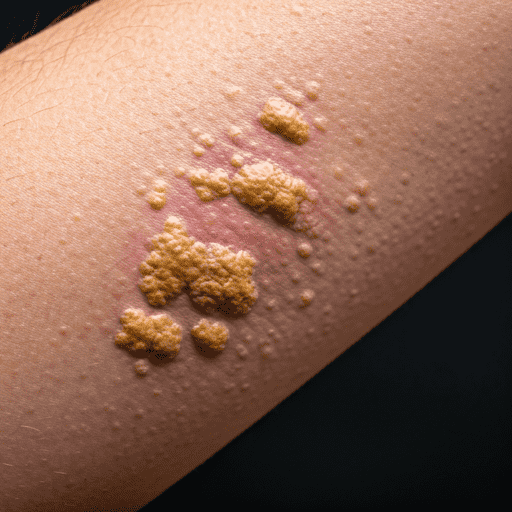
    Impetigo is one of the most common bacterial skin infections in children. The disease appears as red sores or blisters, which eventually rupture and leave a yellowish-brown crust. Impetigo is caused mainly by Staphylococcus aureus or Streptococcus bacteria and can be transmitted directly through contact or by touching infected objects such as towels or toys. Early treatment is significant to avoid its spread to the rest of the body or to other people.

    impetigo pictures

    Symptoms of Impetigo

    • Red sores typically around the nose and the mouth
    • Blisters that break and leak with a yellowish liquid
    • Crusting and scabbing over the infected places
    • Itching and slight soreness

    If you are looking for impetigo pictures so that you know how it looks, there are numerous websites that can provide pictures of bacterial infections of the skin to help you diagnose the condition. These images can be useful in helping you recognize the condition early on and seek medical attention.

    Impetigo Treatment

    Impetigo treatment often involves:

    • Topical antibiotics: Applying an antibiotic ointment, such as mupirocin (Bactroban), can help clear the infection.
    • Oral antibiotics: Oral antibiotics would be given in the serious cases to get rid of the bacteria.
    • Good hygiene: Washing the infected area more frequently and not scratching reduces the spread.

    Visit your healthcare provider for serious cases or spread of impetigo for prevention of complications. Treatments for impetigo are also available at pharmacies and your doctor.

    Cellulitis: A Bacterial Infection Deeper Than the Skin

    Cellulitis is another common infection caused by bacteria, this time affecting the deeper skin layers and tissues beneath them. It often manifests as a red, swollen area that feels warm to the touch and is usually painful. Cellulitis is more common on the lower legs, arms, and face, but it can happen anywhere on the body.
    The most common bacteria responsible for cellulitis are Streptococcus and Staphylococcus aureus. Cellulitis, if not treated can lead to conditions like sepsis. So it is important to treat symptoms as soon as they arise.

    Symptoms of Cellulitis

    • Red, swollen, and painful skin
    • Warmth in the affected area
    • Fever and chills
    • Blisters or abscesses in extreme cases

    Pictures of cellulitis can be useful in providing a visual identification of this condition, since the color and swelling of the disease can look similar to so many other skin conditions. Comparing pictures of cellulitis with your symptoms is helpful in deciding whether you may need medical intervention.

    Types of Cellulitis

    Cellulitis can take on various degrees of seriousness and locations. Some classifications include:

    • Periorbital cellulitis: Infection around the eye, which is more common to children.
    • Facial cellulitis: Affecting the face; causes swelling and discomfort
    • Cellulitis of the leg: Common in patients suffering from diabetes or poor circulation.

    Cellulitis Home Treatment

    If you have observed that you are developing cellulitis, some home treatments might help reduce inflammation and pain:

    • Resting the area: Elevate the area to reduce swelling.
    • Application of warm compress: The warm compress will reduce inflammation and soothe pain.
    • Over-the-counter pain relievers: Ibuprofen or acetaminophen can be taken to help manage the pain and reduce fever.

    However, cellulitis antibiotics usually are needed because this infection is caused by bacteria. The most common antibiotics for cellulitis are oral ones like dicloxacillin, clindamycin, or cephalexin. However, for serious cases or in those that have complications, intravenous antibiotics might be used.

    Other Bacterial Skin Infections: Beyond Impetigo and Cellulitis

    While impetigo and cellulitis are the two most common bacterial infections of the skin, many other types can affect the skin:

    • Folliculitis: Bacterial infection of hair follicles, which is characterized by red bumps or pustules around the hair follicles.
    • Abscesses: Pockets of pus formed under the skin due to infection, which often needs to be drained and may be treated with antibiotics.
    • Boils: Large painful lumps under the skin caused by Staphylococcus bacteria.

    Bacterial Infection in Stomach

    Invasion of the stomach lining by harmful bacteria is known as a bacterial infection in the stomach. These infections often cause digestive issues. Helicobacter pylori, or H. pylori, is a bacteria that causes stomach infections. It can lead to diseases such as gastritis and ulcers, and can even cause stomach cancer if it develops further and no treatment is sought. Most people get infected with this bacteria through contaminated food or water or through direct contact with infected individuals.
    The symptoms of the infection may vary, and in most cases, these include abdominal pain, bloating, nausea, and loss of appetite, plus vomiting. In more critical cases, ulcers formed due to infection may even lead to bleeding, black stools, or severe abdominal cramps.

    Treatment for a bacterial infection of the stomach generally takes the form of an array of antibiotics to eradicate bacteria and proton pump inhibitors in order to reduce acid that may be causing ulcers and promote healing in the stomach lining. Completion of the full course of antibiotics, such as Nole Tablet, must be ensured to clear all infection.
    Most of the infections in the stomach are treatable with drugs, but if left untreated, it may lead to complications like chronic gastritis or even gastric cancer. Preventing this infection is all about good hygiene, which is washing hands frequently and not taking contaminated food or water.

    If you suspect that your stomach is infected by a bacterium, seek medical advice for diagnosis and appropriate treatment.

    bacterial infection in stomach

    How to Prevent Bacterial Skin Infections

    Preventing bacterial skin infections is done through proper care of hygiene and the skin. Here are some few tips:

    • Frequent washing of hands: Hand hygiene will reduce the transfer of bacteria to the skin.
    • Covering of wounds: All cuts and abrasions should be covered by a clean bandage so that no bacteria can penetrate.
    • Avoid close contact with infected persons: Since the bacterial infection such as impetigo can easily spread, close contact with others should be avoided while the person is infected.
    • Good skincare habits: Moisturizing regularly and avoiding irritants keep the skin healthy and less prone to infection.

    Conclusion

    Bacterial infections of the skin, including impetigo, cellulitis, and others, can range from mild to severe; however, with early detection and proper treatment, most can be controlled. Seek information and take an impetigo treatment to learn about the symptoms of cellulitis, causes of the infection, and know the preventive measures that keep your skin safe. Whether it is on your skin or elsewhere in your body, if you suspect there may be a bacterial infection you need to get in contact with a health professional, so you receive proper treatment and care. Always remember that bacterial infection pictures and photos of bacterial skin infections can help identify the condition, but diagnosis and treatment should be left to medical experts.
    Staying informed and practicing good hygiene can reduce the risk of these infections and promote faster recovery when they occur.

    FAQs Bacterial Infections: Impetigo, Cellulitis, and Beyond

    1. What is impetigo and how is it treated?

    Impetigo is a highly contagious bacterial skin infection that causes red sores, usually around the nose and mouth. Treatment involves topical antibiotics like mupirocin, or oral antibiotics for more severe cases. Maintaining good hygiene and avoiding close contact with others helps prevent its spread.

    2. How can cellulitis be treated at home?

    Mild cellulitis can be managed at home by elevating the affected area and using warm compresses to reduce swelling and discomfort. However, antibiotics are necessary to treat the infection, so consulting a doctor is important for proper treatment.

    3. What are the common symptoms of bacterial skin infections?

    The common symptoms of bacterial infections of the skin include redness, swelling, pain, warmth in the affected area, and sometimes fever. Impetigo causes blisters and crusting, whereas cellulitis leads to significant swelling and discomfort. Prompt treatment is essential to avoid complications.

    Related Links: 


  • Skin Care : 5 Tips for Healthy Skin

    Skin Care : 5 Tips for Healthy Skin

    healthy skincare tips

    Achieving radiant and healthy skin is not just about vanity—it’s a reflection of your overall well-being. Whether you’re crafting the perfect skin care routine or troubleshooting concerns like skin allergy, it’s essential to know what works for you. This blog will explore simple skin care strategies and share expert-backed healthy skin care tips that suit everyone, including skin care for men. So, let’s dive into the five pillars of healthy skin.

    1. Stay Hydrated Inside and Out

    Water is the foundation of life—and your skin’s best friend. Hydration plays a critical role in maintaining skin elasticity, texture, and radiance. Without adequate hydration, your skin can appear dull, feel dry, and even become prone to premature aging.

    Internal Hydration

    • Drink Adequate Amounts of Water : Try to drink at least 8 glasses of water a day. If plain water is boring, add some lemon, cucumber, or mint to it to make it more interesting. Herbal teas and water-rich fruits such as watermelon and cucumber also help increase hydration.
    • Reduce Dehydrating Drinks : Limit your intake of alcohol, coffee, and other sugary drinks since they dehydrate your body.

    Stay Hydrated Inside and Out for skin care

    External Hydration

    • Use a Good Moisturizer: Choose a moisturizer suited to your skin type. For oily skin, opt for a lightweight, non-comedogenic gel. If your skin is dry, look for rich creams or balms containing hydrating ingredients like hyaluronic acid, glycerin, and ceramides.
    • Incorporate Hydrating Masks: Weekly hydration masks can be a wonderful addition to your routine, especially during harsh weather conditions.

    Proper hydration creates a plump, smooth, and glowing complexion that resists environmental stressors and premature aging.

    2. Protect Against Environmental Aggressors

    The environment plays a significant role in skin health, and protecting your skin from external aggressors is non-negotiable. Here’s how:

    Sunscreen: Your Best Friend

    Sunscreen is the cornerstone of any skin care routine. It prevents premature aging, hyperpigmentation, and even skin cancer. Apply it generously and reapply every two hours, especially if you’re outdoors.

    Pollution Protection

    Air pollution can cause clogged pores and dullness. Antioxidant serums and consistent cleaning will counteract the damage.
    Seasonal Care

    • Winter : Use heavy moisturizers and hydrating masks to counteract dryness.
    • Summer : Use light products, and never skip sunscreen.

    Even for men, who are often outdoors more for work or other activities, this is a critical step. The skin does not discriminate between damage caused by the environment.

    3. Feed Your Skin with Nutrition

    What you eat has a huge impact on your skin. A diet rich in nutrients promotes collagen production, fights inflammation, and repairs cells.

    Supplements like Eqoq Tablet, Mibur Capsule, Nurokind Gold sachet, and Nurewire Capsule 10s rich in essential vitamins, can help maintain a healthy glow from within.

    Skin-Friendly Foods

    • Antioxidants : Berry, green tea, spinach, and nuts are filled with antioxidants that neutralize free radicals and slow signs of aging.
    • Omega-3 Fatty Acids : In fatty fish, such as salmon, chia seeds, and walnuts, omega-3s prevent water loss and keep the skin moist and pliable.
    • Vitamin C : Citrus fruits, strawberries, and bell peppers are rich in vitamin C, a critical nutrient for collagen synthesis.
    • Hydrating Foods : Watermelon, cucumber, and celery provide hydration and essential vitamins.

    Foods to Avoid

    • Processed Sugars and Refined Carbs : These can cause spikes in insulin levels, potentially leading to breakouts and inflammation.
    • Excess Dairy : For some, dairy may contribute to acne. Experiment to see if cutting back improves your skin.

    A balanced diet isn’t just great for your skin—it promotes overall wellness and vitality.

    Skin Tip: A balanced diet supports healthy skin, but if you’re missing key nutrients, a supplement like Briq Capsule/Haem UP Syrup can help. It provides essential vitamins and minerals to boost skin health, immunity, and overall wellness.

    4. Build a Consistent Skin Care Routine

    A structured skin care routine tailored to your skin type can address specific concerns and improve overall skin health.

    Basic Steps for All Skin Types

    • Cleansing : Use a gentle cleanser that will remove dirt, oil, and makeup without stripping the natural moisture barrier of your skin.
    • Toning : A toner balances the pH of your skin and readies it for other products. Look for alcohol-free options.
    • Treatment : Add serums or treatments that address specific concerns-such as vitamin C for brightening, retinol for anti-aging, or salicylic acid for acne.
    • Moisturizing : Seal in moisture with a moisturizer compatible with your skin type.
    • Sunscreen : Top off in the daytime with SPF.

    Tailoring Your Regimen

    • For Dry Skin : Emphasize hydrating and moisturizing products. Avoid abrasive cleansers or exfoliants.
    • For Oily Skin : Use lightweight, non-comedogenic products and may incorporate exfoliation to reduce sebum overproduction.
    • For Sensitive Skin : Use only fragrance-free and hypoallergenic products to not cause irritation if having sensitive skin.

    5. Don’t Neglect Rest and Stress Management

    Stress and lack of sleep can wreak havoc on your skin, leading to breakouts, dullness, and puffiness. Caring for your mind and body is an integral part of skin care.

    Prioritize Quality Sleep

    • Get 7-9 Hours of Sleep : During deep sleep, your body repairs itself, boosting collagen production and reducing inflammation.
    • Create a Bedtime Routine : Dim the lights, avoid screens an hour before bed, and practice relaxation techniques to improve sleep quality.

    Manage Stress Levels

    • Practice Mindfulness : Meditation, yoga, and deep breathing exercises can help lower stress levels.
    • Stay Active : Regular exercise promotes circulation, which nourishes your skin cells and gives your complexion a healthy glow.
    • Make Time for Hobbies : Engaging in activities you love can be an excellent stress reliever.

    When your body is well-rested and your stress levels are in check, your skin will thank you with a natural radiance.

    Bonus Skin Care Tips for Healthy Skin

    • Exfoliate Regularly : Exfoliation removes dead skin cells, allowing your other products to penetrate deeper. However, avoid over-exfoliating as it can irritate the skin.
    • Avoid Smoking : Smoking accelerates aging and depletes the skin’s oxygen and nutrients, leading to a dull complexion.
    • Stay Clean : Wash your makeup brushes regularly, change your pillowcases frequently, and avoid touching your face to reduce bacteria transfer.

    skin care routine

    Skin Care Routine

    Your skin care routine is the foundation for maintaining glowing, youthful skin. If you’re looking for a balanced supplement that supports skin health, Geomax Plus 4G Tablet offers a combination of omega-3, antioxidants, and multivitamins that help improve skin texture, reduce oxidative damage, and promote overall skin wellness.

    It doesn’t need to be complicated; even a simple skin care regimen, when done consistently, can yield impressive results. Here’s how to structure your routine effectively:

    Morning Skin Care Routine

    The morning routine is all about protection. Here’s a breakdown:

    1. Cleanse : Use a gentle cleanser to remove oil and sweat accumulated overnight.
    2. Tone : A toner balances the skin’s pH and prepares it for other products.
    3. Serum : Opt for a vitamin C serum for antioxidant protection.
    4. Moisturize : Hydrate your skin with a lightweight, non-greasy moisturizer.
    5. Sunscreen : Apply a broad-spectrum sunscreen (SPF 30 or higher) to shield against UV rays.

    Night Skin Care Routine

    At night, the focus shifts to repair and rejuvenation:

    1. Double Cleanse : Remove makeup and pollutants with an oil-based cleanser, followed by a water-based cleanser.
    2. Exfoliate : Use a chemical exfoliant 2-3 times a week to remove dead skin cells.
    3. Treat : Incorporate treatments like retinol or niacinamide for targeted concerns like acne or aging.
    4. Moisturize : Use a richer moisturizer or night cream to lock in hydration.
    5. Eye Cream : Don’t forget the delicate skin around your eyes—it needs extra care!

    Consistency is key. Skipping steps or neglecting your routine can hinder your progress, so stick to it for visible, long-lasting results.

    Address Skin Conditions Proactively

    Common skin conditions, such as acne, eczema, or skin allergy, require special attention. Ignoring these issues can lead to further complications.

    Acne Management

    • Use salicylic acid or benzoyl peroxide-based cleansers.
    • Incorporate non-comedogenic products to prevent clogged pores.
    • Avoid picking at acne to prevent scarring.

    Eczema and Allergies

    • Stick to fragrance-free and hypoallergenic products.
    • Moisturize frequently to maintain the skin barrier.
    • Consult a dermatologist if over-the-counter remedies don’t work.

    Anti-Aging Tips

    • Introduce retinol gradually into your routine.
    • Stay consistent with sunscreen and antioxidants.

    Early intervention can save time, money, and effort down the road. If you notice persistent issues, seek professional guidance rather than self-medicating.

    Skin Care for Men – Breaking Stereotypes

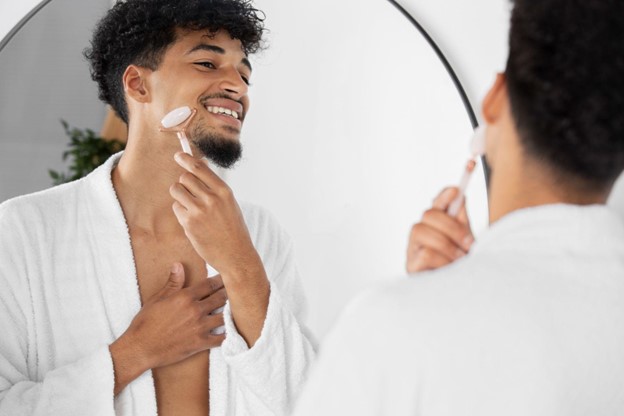
    Skin care for men has often been overlooked, but the tides are changing. Male skin is unique in its structure and needs:

    • Thicker Skin : Men’s skin is about 20% thicker and can tolerate stronger products.
    • Shaving Aftercare : Shaving can irritate the skin, so use soothing aftershave balms and moisturizing creams.
    • Simplified Routines : A simple skin care regimen can include cleansing, moisturizing, and sunscreen.

    Men should embrace a daily routine that fits their lifestyle, just as women do. The results are worth it.

    Skin Care for Men

    Conclusion

    Healthy skin is within the reach of everyone if approached properly. With a proper skincare routine, suitable products, and protection from external stressors, you will be able to enjoy radiant skin. Whether it’s men’s skin care, troubleshooting skin allergy, or healthy skin tips, it all starts with informed choices.
    Remember, healthy skin isn’t a luxury but a reflection of your care for yourself. Start today, stick to the basics, and watch your skin thrive!

    FAQs On Skin Care: 5 Tips for Healthy Skin

    1. How much water should I drink daily for healthy skin?

    Aim for at least 8 glasses (around 2 liters) of water per day to maintain skin hydration and elasticity. Staying hydrated helps prevent dryness and supports a glowing complexion. If plain water feels boring, try infused options or hydrating foods like watermelon and cucumber.

    2. Why is sunscreen important even on cloudy days?

    UV rays can penetrate clouds and cause skin damage, premature aging, and increase the risk of skin cancer. Applying a broad-spectrum sunscreen daily, even when it’s cloudy, ensures your skin is protected from these harmful rays. Make it a part of your morning skin care routine for consistent protection.

    3. How can I manage stress to improve my skin?

    Stress can lead to breakouts, dullness, and inflammation due to hormonal fluctuations. Practice mindfulness techniques like meditation, yoga, or deep breathing exercises, and ensure you get enough sleep. Engaging in enjoyable activities and regular exercise also helps maintain healthy, radiant skin.

    Related Links :

    Homemade Face Masks for Every Skin Type
    Caring for Sensitive Skin
    Sun Safety and Skin Cancer Prevention
    Oily Skin Cleanser right for you?
    Benefits of using Neem Soap
    Best Face Cream With Vitamin C
    Best Skin Whitening Treatment at Home
    Homemade Lip Care

  • Best Homemade Face Masks for Glowing Skin & All Skin Types

    Best Homemade Face Masks for Glowing Skin & All Skin Types

    homemade face masks

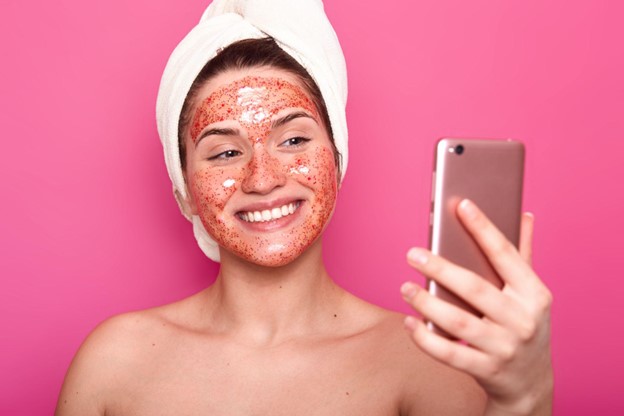
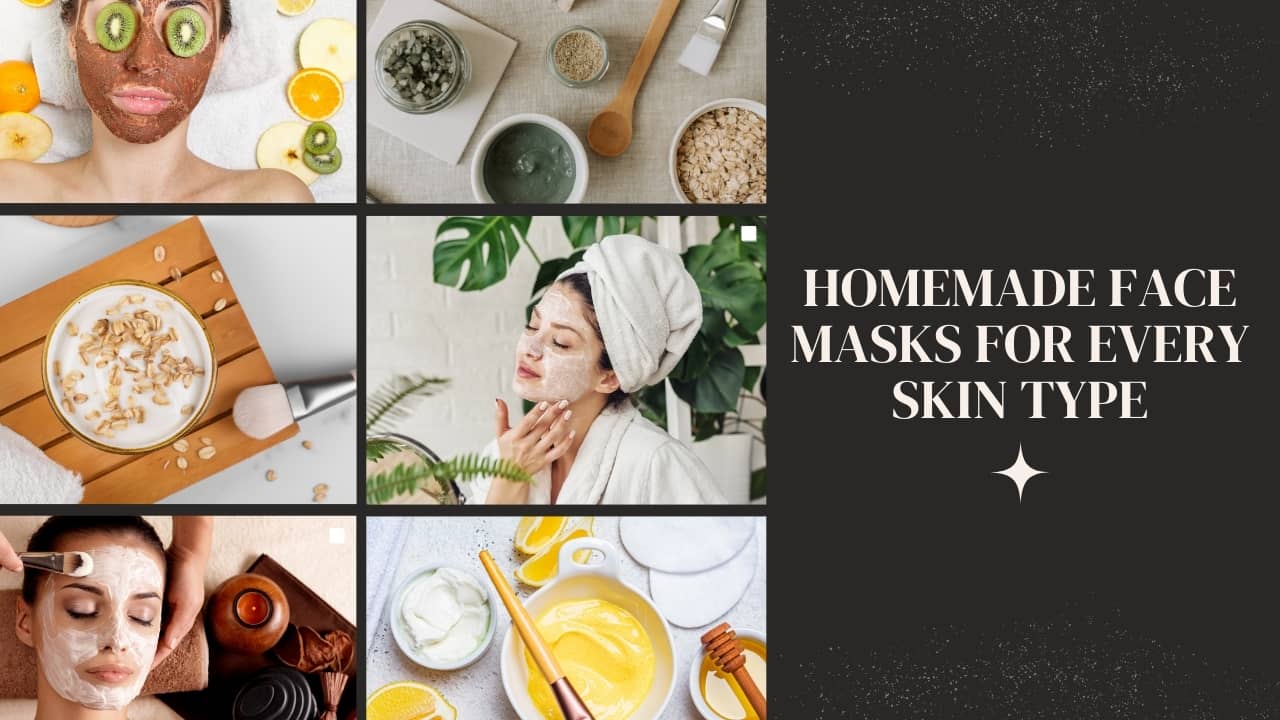
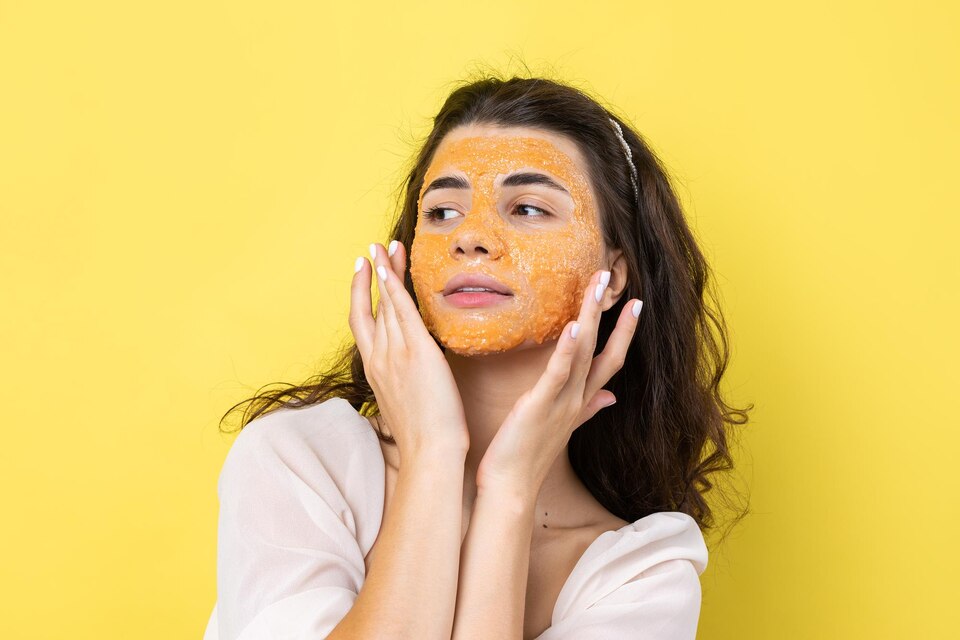
    In our journey towards healthy, radiant skin, it’s easy to feel overwhelmed by the sheer number of skincare products out there. But sometimes, the best remedies come straight from your kitchen, using ingredients you can trust. Homemade face masks are a natural, cost-effective way to pamper yourself while addressing your unique skin needs.

    1. Homemade Face Pack for Glowing Skin

    Achieving a natural glow is often the primary goal in skincare. Who doesn’t want that fresh, healthy look? When it comes to brightening your skin, certain natural ingredients stand out for their rich nutrients and gentle exfoliation properties.

    Turmeric & Yogurt Face Mask

    Ingredients:

    • 1 teaspoon turmeric powder
    • 1 tablespoon yogurt
    • 1 teaspoon honey

    Why it works: Turmeric is known for its anti-inflammatory and brightening properties. Yogurt contains lactic acid, which gently exfoliates dead skin cells, revealing fresh, glowing skin underneath. Honey, a natural humectant, locks in moisture, adding a dewy effect to the skin.

    How to use: Mix the ingredients in a bowl until smooth. Apply an even layer over your face and let it sit for about 15 minutes. Rinse with warm water and gently pat dry. Repeat twice a week for the best results.

    homemade face pack for glowing skin2. Face Mask for Oily Skin

    Oily skin can often feel heavy and clogged, leading to breakouts and blackheads. The key to balancing oily skin is using ingredients that help control excess sebum while keeping the skin hydrated.

    Clay & Tea Tree Oil Mask

    Ingredients:

    • 2 tablespoons bentonite or kaolin clay
    • A few drops of tea tree oil
    • Enough water or rosewater to form a paste

    Why it works : Clay has natural detoxifying properties, pulling out impurities and excess oils without being overly harsh. Tea tree oil is a natural antibacterial, ideal for acne-prone skin.

    How to use :Mix clay and water or rosewater to form a thick paste, then add 2–3 drops of tea tree oil. Apply evenly to your face, avoiding the eye area. Leave the mask on until it’s partially dry (around 10 minutes). Rinse with lukewarm water and pat dry. Use this mask once a week to keep oil and breakouts in check.

    Pro tip: Follow up with a lightweight, non-comedogenic moisturizer to keep the skin balanced.

    face mask for oily skin3. Face Pack for Dry Skin

    Dry skin often craves moisture and nourishment. Ingredients that provide hydration, vitamins, and fatty acids are excellent choices for restoring softness and resilience to parched skin.

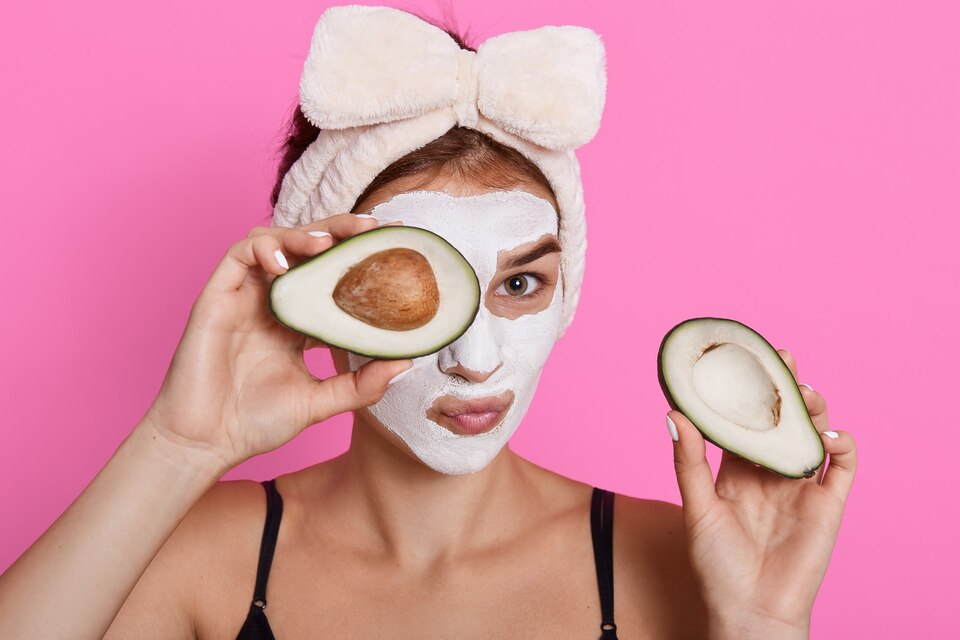
    Avocado & Honey Face Pack

    Ingredients :

    • ¼ ripe avocado
    • 1 tablespoon honey
    • 1 teaspoon olive oil (optional, for extra hydration)

    Why it works : Avocado is rich in healthy fats, vitamins E and C, and antioxidants that nourish and deeply moisturize the skin. Honey is a natural humectant, drawing moisture to the skin, while olive oil adds an extra layer of hydration.

    How to use : Mash the avocado until smooth, then mix in honey and a little olive oil if desired. Apply the mixture to your face and let it sit for 15–20 minutes. Rinse with warm water and pat dry. Use this mask once a week for hydrated, supple skin.

    Pro tip : Make sure the avocado is ripe for a smoother consistency that’s easier to apply.

    face pack for dry skin4. Natural Face Pack for Combination Skin
    Combination skin, which has both oily and dry areas, benefits from a mask that balances hydration with oil control.

    Banana & Honey Face Mask

    Ingredients :

    • ½ ripe banana
    • 1 teaspoon honey
    • 1 teaspoon lemon juice (optional for oily T-zone areas)

    Why it works : Bananas are rich in vitamins and have soothing properties that can help balance combination skin. Honey hydrates without clogging pores, and lemon juice (optional) acts as a mild astringent for oily zones like the T-zone.

    How to use : Mash the banana and mix it with honey (and lemon juice, if needed). Apply an even layer across your face. Leave it on for 15 minutes, then rinse with warm water. Use twice a week to maintain balanced skin.

    Pro tip : You can apply lemon juice only to the oily areas if the rest of your skin is on the drier side.

    5. Best Face Mask for Sensitive Skin

    Sensitive skin needs the gentlest ingredients that nourish without causing irritation. Simple oat and chamomile face masks for skin that is sensitive can calm redness and provide comfort.

    Oatmeal & Chamomile Mask

    Ingredients :

    • 2 tablespoons ground oats
    • 1 tablespoon chamomile tea (cooled)
    • 1 teaspoon honey

    Why it works : Oats have anti-inflammatory and soothing properties, perfect for sensitive skin. Chamomile tea adds an extra soothing effect, reducing redness and irritation.

    How to use : Mix ground oats with chamomile tea and honey until it forms a thick paste. Apply gently to your face and let sit for 10–15 minutes. Rinse with cool water and pat dry. Use this mask once a week to keep sensitive skin calm and happy.

    Pro tip: Make sure the chamomile tea is cooled before mixing to avoid any irritation.

    Conclusion

    There’s something genuinely satisfying about creating a home made face pack tailored to your skin type. Not only do you have full control over the ingredients, but the experience itself feels nurturing and grounding. From a home made face pack for glowing skin to a face mask for oily skin or a face pack for dry skin, these recipes ensure you can tackle any skin need with nature’s finest ingredients.

    Incorporating these natural, simple recipes into your routine could be just the step your skin needs to look and feel its best! Remember, beautiful skin is about balance, so listen to your skin’s needs and enjoy the process of self-care.

    For long-term skin health, it’s also important to support your skin from within. Antioxidant-rich supplements like Eqoq Tablet 10s may help protect skin cells from oxidative stress, which contributes to dullness, dryness, and early signs of aging.

    FAQs On Homemade Face Masks for Every Skin Type

    1. How often can I use these home made face pack?

    Generally, it’s best to use a home made face pack once or twice a week. Overuse might irritate the skin, especially for those with sensitive or dry skin types.

    2. Are home made face pack effective for long-term skincare?

    While homemade face masks are excellent for an instant glow, soothing dryness, or controlling oil, they work best as a supplement to a regular skincare routine that includes cleansing, moisturizing, and sunscreen.

    3.Can I store these face for skin for future use?

    Most DIY face masks are best used immediately to preserve the freshness and potency of the ingredients. However, some, like honey-based masks, may last up to a week in the fridge.

    Related Links : 

  • Common Skin Infections: Causes, Symptoms, and Treatment

    Common Skin Infections: Causes, Symptoms, and Treatment

    common skin infections

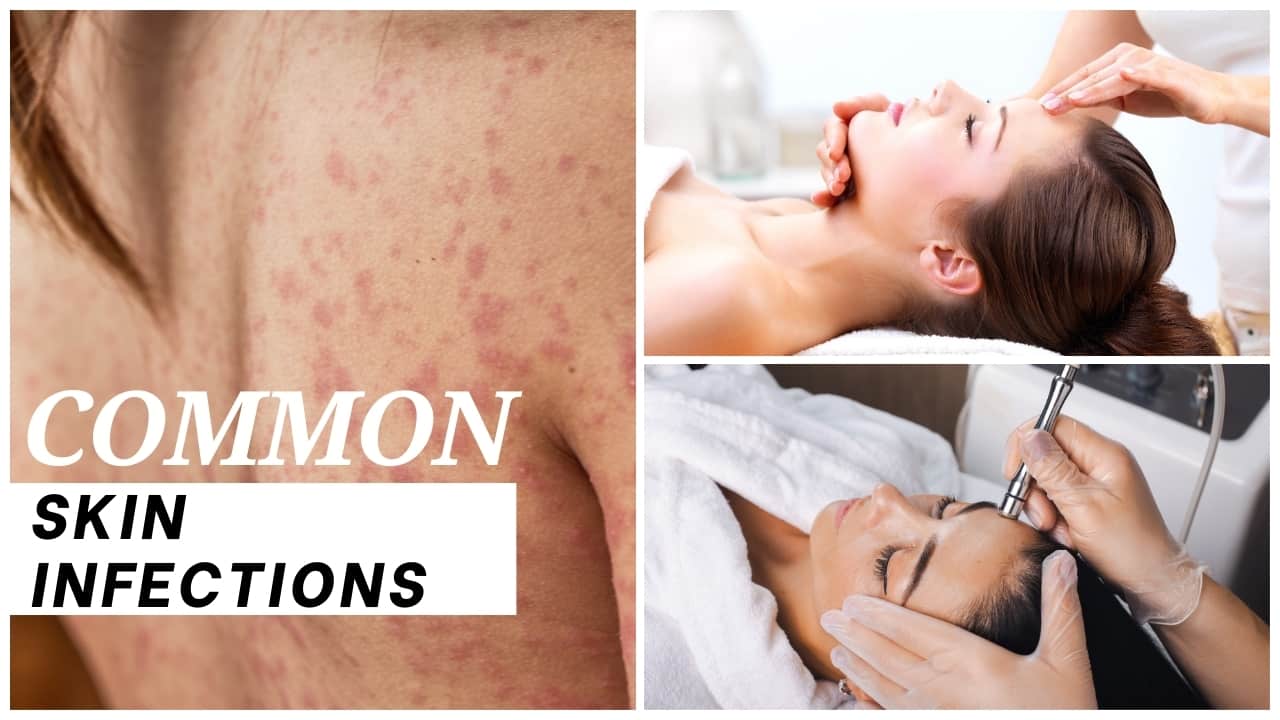
    Skin infections are widespread conditions caused by bacteria, viruses, fungi, or parasites, affecting people of all ages and skin types. The skin, as the body’s first line of defense, is constantly exposed to various pathogens, making it vulnerable to infections, especially when it is damaged or compromised. These infections can range from mild irritations to severe conditions that require medical attention. Common symptoms are redness, itching, rashes, swelling, and in some cases, blisters or pus-filled bumps.
    Factors like poor hygiene, weakened immune systems, excessive sweating, or exposure to contaminated environments can increase the risk. Whether it’s a viral wart, a fungal athlete’s foot, or a bacterial impetigo, recognizing the early signs of a skin infection is crucial for timely treatment. With proper care, most skin infections can be effectively managed, reducing the risk of complications or spreading to other parts of the body.

    Common Skin Infections

    Types of Skin Infections

    There are four main types of skin infections:

    1. Bacterial Skin Infections

    Bacterial infections often begin as small red bumps that resemble skin allergy and gradually increase in size. Examples include cellulitis, impetigo, and boils. These infections are usually caused by bacteria like Staphylococcus and Streptococcus.

    2. Viral Skin Infections

    Viral skin infections are caused by viruses like the herpes virus, human papillomavirus (HPV), and the poxvirus. Common viral skin infections include warts, cold sores, and shingles. These infections often have characteristic symptoms like blisters, itching, or painful sores.

    3. Fungal Skin Infections

    Fungal skin infections thrive in moist and warm environments, making areas like the feet, armpits, and groin particularly vulnerable. Fungal infections include athlete’s foot, ringworm, and yeast infections.

    4. Parasitic Skin Infections

    Parasitic infections are caused by tiny organisms like lice, mites, and bedbugs. They typically result in itching, rashes, and sometimes even allergic reactions. Examples include scabies and lice infestations.

    Fungal Skin Infections

    Fungal infections are among the most prevalent types of skin infections. Reason for fungal infection is that they invade the skin, thriving in areas that are damp and poorly ventilated. Some fungal infections can be superficial, while others may penetrate deeper into the skin.

    fungal skin infection

    Common Types of Fungal Skin Infections

    1. Ringworm (Tinea)

    This is a common fungal skin infection that presents with a circular, red rash. It can appear anywhere on the body, including the scalp, feet (athlete’s foot), or groin (jock itch).

    2. Candidiasis

    Caused by Candida yeast, this infection commonly occurs in moist areas of the body like the armpits, under the breasts, and the groin. It may also affect the mouth (oral thrush).

    3. Fungal Infection on Black Skin

    Fungal infections may present differently depending on skin tone. For instance, fungal infections on black skin often result in hyperpigmentation or hypopigmentation (lighter or darker skin patches). This can make fungal infections harder to diagnose visually on darker skin tones.

    Symptoms of Fungal Skin Infections

    Fungal skin infections can present a variety of symptoms depending on the type and location of the infection. Common symptoms include a red, scaly rash that may itch or burn. Infections like ringworm cause circular, raised patches with a clearer center, while athlete’s foot may result in cracked, peeling, or flaky skin between the toes. In areas such as the groin, fungal infections can appear as reddish or brownish patches with distinct edges. On black skin, infections can cause hyperpigmentation (darker patches) or hypopigmentation (lighter patches), making diagnosis more challenging.

    Other symptoms include:
    – Itching, often intense
    – Blisters or sores, especially in moist areas
    – Dry, flaky skin or scaling
    – White or discolored patches, especially in infections like tinea versicolor

    Yellow Fungus Symptoms

    Yellow fungus is a rare but severe fungal infection, often more dangerous than other fungal infections like white or black fungus. Its symptoms include extreme lethargy, loss of appetite, unexplained weight loss, and slow wound healing. In advanced stages, it can cause pus leakage, sunken eyes, and necrosis (tissue death), leading to severe internal damage. Unlike other fungal infections, yellow fungus starts internally, making early detection difficult. The infection requires immediate medical intervention, often with antifungal medications such as amphotericin B. Delayed treatment can result in life-threatening complications, making early diagnosis critical.

    Reason for Fungal Infection

    – Warm and humid environments
    – Sweating excessively
    – Poor hygiene
    – Wearing tight, damp clothing
    – Weak immune system
    – Using antibiotics, which can kill good bacteria and allow fungi to flourish

    Treatment for Fungal Infections

    The treatment for fungal infections depends on the type of fungus and its severity. Here are some options:

    1. Medicine for Fungal Infection on Skin

    Antifungal infection creams, powders, or oral medications are commonly used. Over-the-counter antifungal medications like clotrimazole or miconazole can help clear up mild infections. In more severe cases, doctors may prescribe stronger medications such as fluconazole or terbinafine.

    2. How to Cure Fungal Infection on Skin Naturally at Home

    Some natural remedies can help soothe and manage fungal infections at home:
    – Tea Tree Oil: Known for its antifungal properties, applying diluted tea tree oil can help reduce fungal infections.
    – Garlic: Garlic has natural antifungal properties. Crushing garlic and applying it to the infected area can help, although it might cause some irritation.
    – Apple Cider Vinegar: Soaking the infected area in diluted apple cider vinegar can help balance the skin’s pH and reduce fungal growth.
    – Aloe Vera: This soothing gel can reduce irritation and inflammation caused by fungal infections while also inhibiting fungal growth.

    Viral Skin Infections

    Viral skin infections are contagious and can range from mild to severe. These infections can affect different parts of the skin and are often accompanied by other symptoms such as fever or body aches.

    Common Types of Viral Skin Infections

    1. Herpes Simplex Virus (HSV)

    This virus causes cold sores (HSV-1) and genital herpes (HSV-2). It presents as fluid-filled blisters that are often painful and contagious.

    2. Human Papillomavirus (HPV)

    This virus causes warts, including common warts, plantar warts, and genital warts. Warts appear as rough, thickened areas of skin and can spread from person to person.

    3. Chickenpox and Shingles

    Both are caused by the varicella-zoster virus. Chickenpox is common in children, while shingles is a reactivation of the virus in older adults, causing painful blisters.

    Symptoms of Viral Skin Infections

    – Fluid-filled blisters or sores
    – Pain, itching, or burning sensations
    – Skin rashes
    – Fever or body aches (in more severe cases)

    Treatment for Viral Skin Infections

    Viral infections often clear up on their own, but antiviral medications may be prescribed to reduce the severity and duration of the infection. For instance, acyclovir is commonly used to treat HSV infections. Keeping the affected area clean and dry is also essential to prevent the spread of infection.

    Treatment for Viral Skin Infections

    Bacterial Skin Infections

    Bacterial skin infections occur when harmful bacteria, such as Staphylococcus or Streptococcus, invade the skin. Common causes include cuts, scrapes, insect bites, or other skin injuries that allow bacteria to enter. Poor hygiene, weakened immunity, or underlying health conditions also increase the risk. Symptoms of bacterial infections can range from redness, swelling, and warmth at the infection site to pus-filled bumps or sores. Examples include cellulitis, impetigo, and boils. Treatment typically involves antibiotics, either topical or oral, depending on the severity of the infection. Keeping the infected area clean and dry is crucial, and severe infections may require medical drainage or other interventions to prevent complications. Early treatment helps prevent the infection from spreading.

    In cases of severe skin inflammation caused by allergic reactions or autoimmune conditions, medications like Omnacortil Oral Solution 60 ml and Eqoq Tablet 10s may be prescribed to reduce inflammation and suppress immune response.

    Prevention Tips for Skin Infections

    Preventing skin infections involves practicing good hygiene and taking precautions in environments where infections are common, such as gyms and swimming pools.

    Here are some tips:
    – Wash your hands regularly with soap and water.
    – Keep your skin clean and dry, especially in areas prone to sweat.
    – Avoid sharing personal items like towels, razors, or clothing.
    – Wear loose-fitting clothing made of breathable materials.
    – Treat cuts, scrapes, and insect bites promptly to prevent infection.
    – Strengthen your immune system with a healthy diet and regular exercise.

    Conclusion

    Skin infections can range from mild annoyances to serious health issues, but most can be treated effectively with proper care. Recognizing the symptoms early and taking immediate steps—whether using antifungal medication, natural remedies, or antiviral treatments—can significantly improve recovery and prevent the spread of infection. Always consult with a healthcare professional for accurate diagnosis and appropriate treatment if symptoms persist or worsen.

    FAQs On Common Skin Infections: Causes, Symptoms, and Treatment

    1. What are the common causes of skin infections?

    Skin infections can be caused by bacteria, viruses, fungi, or parasites. Factors like poor hygiene, a weakened immune system, and prolonged exposure to damp environments increase the risk. Cuts, scrapes, or insect bites also provide entry points for pathogens.

    2. What is the best antifungal cream for private area?

    Clotrimazole-based creams, such as Canesten, are commonly recommended for treating fungal infections in private areas due to their broad-spectrum efficacy and availability. Miconazole nitrate creams, like Monistat, are also effective and widely used. It’s advisable to consult with a healthcare professional to determine the most suitable fungal infection cream based on the specific infection.

    3. How are skin infections treated?

    Treatment depends on the type of infection. Bacterial infections are typically treated with antibiotics, while antifungal creams or oral medications handle fungal infections. Viral infections usually resolve on their own, though antiviral drugs may be prescribed for more severe cases.

    4. What are the symptoms of White Fungus?

    White fungus infections can cause persistent cough, fever, chest pain, and breathing difficulties, especially if it spreads to the lungs. In severe cases, it may affect other organs, leading to symptoms like swelling, fatigue, and localized pain. The infection can also result in white patches on the skin or mucous membranes.

    Related Links :

  • Which Is The Best Cream To Remove Pigmentation? – Buy Cream Online

    Which Is The Best Cream To Remove Pigmentation? – Buy Cream Online

    Best cream for pigmentation

    Pigmentation, a common skin woe, often stems from various factors such as sun exposure, hormonal changes, genetics, and even environmental pollutants. In India, where the tropical climate amplifies skin issues, finding the right cream to tackle pigmentation becomes crucial. With a plethora of products flooding the market, choosing the best cream can be overwhelming. 

    Pigmentation refers to the uneven coloring of the skin, manifesting as dark spots, patches, or freckles. Melanin, the pigment responsible for skin color, can become hyperactive due to various triggers, leading to excess production and deposition, resulting in pigmentation.

    Factors Affecting Pigmentation

    Pigmentation, often seen as patches or uneven skin tone, is a common concern for many individuals. While it may not pose a serious health risk, it can significantly impact one’s self-esteem and confidence. Understanding the factors that contribute to pigmentation is crucial in effectively addressing this issue. In India, where factors like climate, lifestyle, and genetic predisposition play significant roles, it’s essential to delve deeper into the complexities of pigmentation.


    1. Sun Exposure:

      One of the primary causes of pigmentation is exposure to ultraviolet (UV) radiation from the sun. In India, where sunlight is abundant throughout the year, prolonged exposure without adequate protection can lead to increased melanin production. This results in the formation of dark spots, commonly known as sunspots or solar lentigines.

    2. Skin Type and Ethnicity:

      Different skin types react differently to UV radiation. People with fair skin are more susceptible to sun damage and pigmentation compared to those with darker skin tones. In India, where there is a diverse range of skin tones due to the country’s ethnic diversity, pigmentation concerns can vary widely among individuals of different ethnicities.

    3. Hormonal Changes:

      Hormonal fluctuations, particularly during pregnancy (melasma) or due to hormonal disorders like polycystic ovary syndrome (PCOS), can trigger pigmentation issues. This type of pigmentation, known as hormonal pigmentation or melasma, often appears as dark patches on the face and is commonly referred to as the “mask of pregnancy.”

    4. Genetics:

      Genetic predisposition plays a significant role in determining an individual’s susceptibility to pigmentation. People with a family history of pigmentation disorders are more likely to develop similar concerns themselves. In India, where consanguineous marriages are not uncommon, certain genetic factors may be more prevalent within specific communities or regions.

    5. Environmental Factors:

      Pollution, heat, and humidity can exacerbate pigmentation issues by causing inflammation and oxidative stress on the skin. In urban areas of India, where pollution levels are high, individuals may experience accelerated skin aging and increased pigmentation due to prolonged exposure to environmental pollutants.

    6. Skin Trauma and Inflammation:

      Any form of skin trauma, such as acne, cuts, or burns, can lead to post-inflammatory hyperpigmentation (PIH). This occurs as a result of the skin’s natural response to injury, where melanin production increases in the affected areas. Improper skincare practices, such as aggressive exfoliation or using harsh chemical products, can also contribute to skin inflammation and pigmentation problems.

    7. Nutritional Deficiencies:

      Poor dietary habits and nutritional deficiencies can impact skin health and contribute to pigmentation issues. Inadequate intake of vitamins and minerals essential for skin regeneration and protection, such as vitamin C, vitamin E, and antioxidants, can compromise the skin’s ability to repair and defend against damage.

    8. Medications and Medical Conditions:

      Certain medications, such as oral contraceptives and antibiotics, can cause pigmentation as a side effect. Additionally, underlying medical conditions like autoimmune disorders and liver disease can manifest with pigmentation abnormalities, indicating systemic issues affecting skin health.

    Important Note: Not all pigmentation is caused by sun damage or aging. Sometimes, fungal infections or allergic reactions can leave behind dark patches, especially in body folds or underarms. In such cases, dermatologists may prescribe 3D Skin Cream to treat the underlying infection first before recommending a pigmentation cream.

    Which Is The Best Cream To Remove Pigmentation?

    When selecting a pigmentation cream, several factors come into play, including skin type, ingredients, effectiveness, and affordability. Here are some top recommendations for pigmentation creams in India:

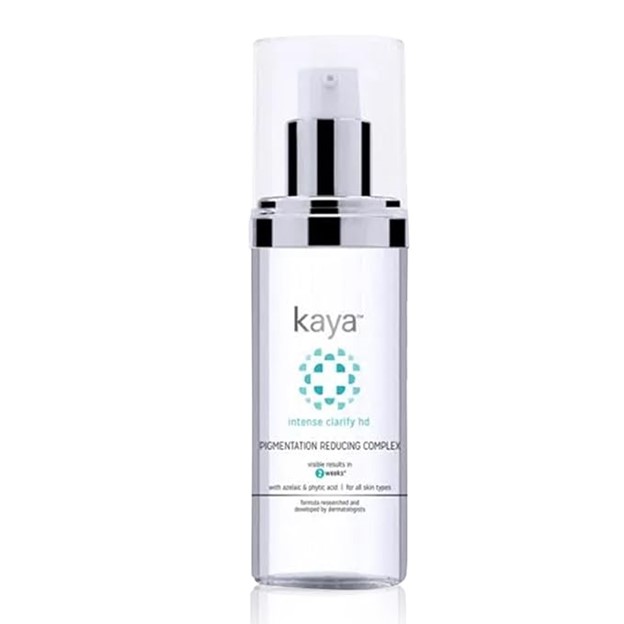
    1. Kaya Pigmentation Reducing Complex:

    Cream To Remove PigmentationBuy at 15% 

    Kaya Skin Clinic is renowned for its dermatologically-tested products, and the Pigmentation Reducing Complex is no exception. Enriched with potent actives like azelaic acid, phytic acid, and glycolic acid, this cream effectively targets dark spots and uneven skin tone. Regular use can visibly reduce pigmentation, revealing clearer, brighter skin.

    pigmentation cream

    2. Lotus Herbals Whiteglow Skin Whitening & Brightening Gel Crème:

    Lotus Herbals offers a budget-friendly option with its Whiteglow Gel Crème. Infused with SPF 25 and extracts of grape, mulberry, saxifrage, and milk enzymes, this cream not only combats pigmentation but also provides sun protection and hydration. Its lightweight formula absorbs quickly, making it suitable for all skin types, especially oily or combination skin.

    Cream To Remove PigmentationBuy at 15%

    3. Biotique Bio Dandelion Ageless Lightening Serum:

    Biotique, known for its Ayurvedic formulations, presents a natural solution to pigmentation woes with its Bio Dandelion Ageless Lightening Serum. Featuring dandelion, nutmeg oil, and Vitamin E, this serum lightens pigmentation, minimizes dark spots, and evens out skin tone. Its gentle, herbal ingredients make it suitable for sensitive skin types as well.

    Cream To Remove PigmentationBuy at 15%

    4. Olay White Radiance Brightening Intensive Cream Moisturizer:

    Olay’s White Radiance range is tailored to address pigmentation concerns, and the Brightening Intensive Cream Moisturizer is a standout product. Infused with Vitamin B3, pro-Vitamin B5, and antioxidants, this cream deeply hydrates the skin while reducing dark spots and improving overall skin radiance. Its non-greasy formula makes it ideal for daily use, imparting a luminous glow with regular application.

    Cream To Remove PigmentationBuy at 15%

    5. Neutrogena Rapid Tone Repair Dark Spot Corrector:

    Neutrogena’s Rapid Tone Repair Dark Spot Corrector is formulated with accelerated retinol SA and Vitamin C to fade stubborn pigmentation and reveal brighter, more even-toned skin. This fast-acting serum absorbs quickly and is suitable for all skin types, including sensitive skin. With continued use, it effectively diminishes the appearance of dark spots, sun damage, and age spots.

    Cream To Remove PigmentationBuy at 15% 

    6. TRETIN 0.025% CREAM 30 GM

    Tretin 0.025% Cream 30 gm is a topical retinoid used to treat acne, hyperpigmentation, rough skin texture, and signs of photoaging. It promotes skin cell turnover, helping to reduce dark spots, acne scars, and fine lines over time. Ideal for those seeking a clearer, smoother, and brighter complexion under dermatological guidance.

    Conclusion

    In the quest for flawless, radiant skin, combating pigmentation is a crucial step, and choosing the right cream can make all the difference. From dermatologist-recommended formulations to Ayurvedic remedies and budget-friendly options, the Indian market offers a diverse range of pigmentation creams to suit every need and preference. Whether you opt for Kaya’s clinical expertise, Lotus Herbals’ botanical wonders, or Biotique’s Ayurvedic prowess, consistency and patience are key to achieving visible results. Remember to complement your skincare routine with sun protection, healthy lifestyle habits, and regular consultations with a dermatologist for personalized recommendations and optimal skin health. Say goodbye to pigmentation woes and hello to luminous, even-toned skin with the best cream suited for your needs.

    FAQs On Which Is The Best Cream To Remove Pigmentation?

    1. Which Is The Best Cream To Remove Pigmentation?

    Melacare Cream” is widely regarded as one of the best pigmentation removal creams in India, containing a combination of hydroquinone, tretinoin, and mometasone. However, it’s essential to use it under medical supervision due to potential side effects and to ensure it’s suitable for individual skin types and conditions. Consulting a dermatologist for personalized recommendations is advised.

    2. What are the key factors to consider when choosing a pigmentation removal cream in India?

    Look for creams containing ingredients like hydroquinone, kojic acid, or retinoids, which are known to fade pigmentation effectively. Consider your skin type and any sensitivities you may have to certain ingredients. Consult a dermatologist for personalized recommendations based on your specific pigmentation issues and skin concerns.

    3. Are there any over-the-counter pigmentation removal creams widely available in India?

    Yes, several over-the-counter creams are available in India, such as Melacare, Kojivit, and Glyaha-Koj. However, it’s essential to use them cautiously and follow the recommended usage guidelines. Always check the ingredients list and ensure that the cream is suitable for your skin type. Consider the reputation of the brand and any reviews or testimonials from users before making a purchase.

    4. How long does it typically take to see results from using pigmentation removal creams in India?

    Results can vary depending on the severity of the pigmentation, the ingredients in the cream, and individual skin factors. In many cases, noticeable improvement may be seen within a few weeks of consistent use, but it may take several months to achieve significant results. Patience and consistency are key, along with following a proper skincare routine and protecting your skin from further sun damage by using sunscreen regularly.

  • Best Anti-Aging Wrinkle Creams Of 2025 For Looking Younger

    Best Anti-Aging Wrinkle Creams Of 2025 For Looking Younger

    anti aging wrinkle creamIn the ever-evolving world of skincare, finding the perfect anti-aging wrinkle cream can feel like navigating a labyrinth. With an abundance of options flooding the market each year, it’s crucial to stay informed about the latest breakthroughs and innovations. In 2025, the quest for youthful radiance in India is met with a plethora of cutting-edge anti-aging creams designed to combat the visible signs of aging effectively. 
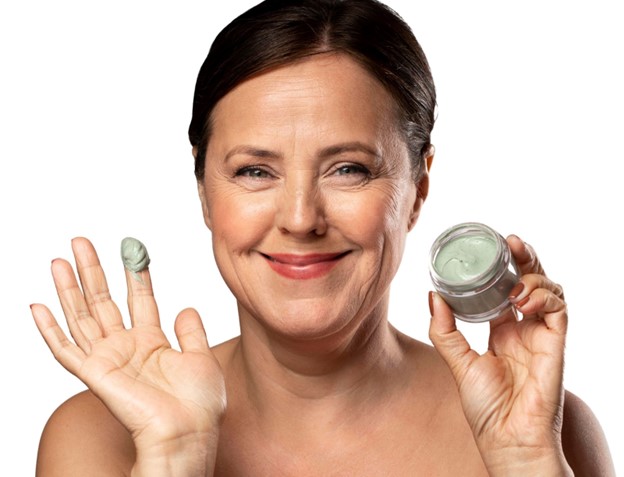
    Aging is a natural process characterized by a gradual decline in cellular function, collagen production, and elasticity. As we age, our skin loses its firmness, leading to the formation of wrinkles, fine lines, and sagging. Factors such as sun exposure, pollution, lifestyle choices, and genetics accelerate the aging process, making it imperative to adopt a comprehensive skincare regimen that targets these concerns.

    anti aging cream

    Causes of Skin Aging and Wrinkles

    1. Intrinsic Factors:

    Genetics: Genetic predisposition plays a significant role in determining how quickly skin ages. Some individuals may inherit genes that promote collagen and elastin breakdown, leading to premature wrinkles.

    Hormonal Changes: Fluctuations in hormone levels, particularly during menopause or as a result of thyroid disorders, can accelerate the aging process and contribute to the formation of wrinkles.

    Natural Aging Process: As we progress through life, our bodies gradually decrease the synthesis of collagen and elastin, pivotal proteins crucial for preserving the structure and suppleness of our skin. This leads to thinning of the skin, loss of firmness, and the development of wrinkles.

    2. Extrinsic Factors:

    UV Radiation: Prolonged exposure to ultraviolet (UV) radiation from the sun is one of the primary causes of premature skin aging. UV rays penetrate the skin, triggering oxidative stress, DNA damage, and degradation of collagen and elastin fibers.

    Environmental Pollution: Air pollutants such as particulate matter, ozone, and heavy metals generate free radicals that damage skin cells, accelerate collagen breakdown, and contribute to wrinkle formation.

    Lifestyle Choices: Unhealthy habits such as smoking, excessive alcohol consumption, poor diet, and inadequate sleep can exacerbate skin aging by impairing cellular function, depleting antioxidant defenses, and promoting inflammation.

    Repeated Facial Expressions: Dynamic wrinkles, such as crow’s feet and frown lines, develop over time due to repetitive facial movements and muscle contractions. These wrinkles become more pronounced with age as collagen and elastin fibers weaken.

    Top Anti-Aging Wrinkle Creams of 2025

    1. Olay Regenerist Micro-Sculpting Cream:

    Renowned for its potent anti-aging properties, Olay Regenerist Micro-Sculpting Cream tops the list of must-have skincare essentials in 2025. Infused with hyaluronic acid, amino peptides, and vitamin B3, this luxurious cream deeply hydrates the skin, diminishes the appearance of wrinkles, and improves elasticity. Its lightweight texture absorbs quickly, making it suitable for all skin types, including sensitive skin.

    Buy Anti-Aging Wrinkle Creams – Buy at 15%

    2. L’Oreal Paris Revitalift Laser X3 Night Cream:

    Harnessing the power of pro-xylane and hyaluronic acid, L’Oreal Paris Revitalift Laser X3 Night Cream is a nighttime elixir that works tirelessly to combat signs of aging while you sleep. This intensive treatment targets wrinkles, uneven skin tone, and loss of firmness, revealing smoother, firmer, and more radiant skin by morning. With continued use, it helps in refining the skin’s texture and restoring its youthful vitality.

    anti aging cream

    Buy Anti-Aging Wrinkle Creams – Buy at 15%

    3. Forest Essentials Advanced Eternal Youth Formula Date & Litchi:

    Inspired by ancient Ayurvedic wisdom, Forest Essentials Advanced Eternal Youth Formula combines the richness of date and litchi with modern skincare technology to deliver age-defying results. Enriched with potent botanical extracts, this decadent cream replenishes moisture, enhances collagen production, and diminishes the appearance of fine lines and wrinkles. Its exquisite fragrance and luxurious texture provide a sensorial experience, making it a cherished addition to your skincare ritual.

    Buy Anti-Aging Wrinkle Creams – Buy at 15%

    4. Kama Ayurveda Kumkumadi Miraculous Beauty Ayurvedic Night Serum:

    Infused with the legendary Kumkumadi tailam, Kama Ayurveda Kumkumadi Miraculous Beauty Ayurvedic Night Serum is a time-honored elixir revered for its transformative properties. This potent serum penetrates deep into the skin to repair damage, stimulate cell renewal, and fade away imperfections, leaving behind a luminous and youthful complexion. Formulated with saffron, sandalwood, and rose extracts, it nourishes and rejuvenates the skin, unveiling a radiant glow with every application.

    Buy Anti-Aging Wrinkle Creams – Buy at 15%

    anti aging cream

    5. The Body Shop Drops of Youth™ Youth Cream:

    Embrace the power of plant-based skincare with The Body Shop Drops of Youth™ Youth Cream. Enriched with edelweiss stem cells, this lightweight yet nourishing cream revives tired-looking skin, smoothens fine lines, and restores youthful resilience. Its fast-absorbing formula hydrates the skin without weighing it down, making it an ideal choice for those seeking a natural and cruelty-free solution to aging concerns.

    Buy Anti-Aging Wrinkle Creams – Buy at 15%

    6. TRETIN 0.025% CREAM 30 GM

    Tretin 0.025% Cream (30 gm) contains tretinoin, a vitamin A derivative used to treat acne, fine lines, uneven skin tone, and sun damage. It works by increasing cell turnover and boosting collagen production, revealing clearer, smoother skin. Apply a small amount at night on clean, dry skin, and always use sunscreen during the day. Mild irritation, redness, or dryness may occur initially and usually subsides with regular use.

    In case you’re having skin infection, 3D SKIN CREAM 10 GM can be an effective remedy option.

    Prevention of Skin Aging and Wrinkles

    1. Sun Protection:

    Wear Sunscreen: Use a broad-spectrum sunscreen with an SPF of 30 or higher daily, even on cloudy days. Apply again every two hours and following any instances of swimming or perspiration.

    Seek Shade: Minimize direct sun exposure during its peak hours (10 a.m. to 4 p.m.) and seek shade whenever possible, especially in tropical climates.

    2. Healthy Lifestyle Choices:

    Quit Smoking: Smoking accelerates skin aging by reducing blood flow, depleting collagen levels, and promoting the formation of fine lines and wrinkles. Quitting smoking can significantly improve skin health.

    Maintain a Balanced Diet: Consume a diet rich in antioxidants, vitamins, minerals, and omega-3 fatty acids to support skin health and combat oxidative stress. Craft balanced meals by integrating an array of fruits, vegetables, whole grains, lean proteins, and nourishing fats, ensuring your dietary choices are rich in diverse nutrients.

    Stay Hydrated: Drink an adequate amount of water daily to keep the skin hydrated and supple. Limit intake of sugary beverages and caffeinated drinks, as they can dehydrate the skin.

    3. Skincare Routine:

    Use Retinoids: Incorporate retinoid-based products into your skincare routine to stimulate collagen production, improve skin texture, and reduce the appearance of wrinkles. Initiate with a minimal concentration and increment gradually as per individual tolerance levels.

    Moisturize Regularly: Hydrate the skin with a moisturizer containing humectants, emollients, and occlusives to replenish lost moisture and maintain skin barrier function.

    Apply Antioxidants: Use skincare products containing antioxidants such as vitamin C, vitamin E, and green tea extract to neutralize free radicals, protect against environmental damage, and promote collagen synthesis.

    Be Gentle: Avoid harsh skincare products and aggressive exfoliation, as they can strip the skin of its natural oils, disrupt the barrier function, and exacerbate inflammation.

    In addition to topical treatments, dermatologists often recommend antioxidants like Vitamin E to support skin health from within. Evion LC Tablet, which contains skin-friendly nutrients such as Vitamin E and L-carnitine, is known for its moisturizing and anti-aging properties. For stubborn pigmentation or melasma, a targeted topical like Tyromax Cream 20 gm may also be prescribed. Always use under medical guidance.

    4. Minimize Facial Expressions:

    Practice Facial Yoga: Engage in facial yoga exercises and massage techniques to relax facial muscles, improve circulation, and prevent the formation of expression lines.

    Consider Botox: For individuals with dynamic wrinkles, Botox injections can temporarily relax facial muscles, reducing the appearance of fine lines and wrinkles.

    Conclusion

    In the pursuit of ageless beauty, the journey begins with the right skincare regimen tailored to your unique needs. With the advent of 2025, Indian consumers are spoiled for choice with a diverse array of anti-aging wrinkle creams that promise to turn back the hands of time. Whether you prefer luxurious formulations infused with exotic botanicals or cutting-edge serums backed by scientific research, there’s a perfect anti-aging solution waiting to unveil your youthful radiance. Embrace the transformative power of these top anti-aging wrinkle creams and embark on a journey towards timeless beauty and confidence.

    FAQs On Best Anti-Aging Wrinkle Creams Of 2025 For Looking Younger

    1. Which are the best anti-aging wrinkle creams of 2025 for looking younger?

    In India, the best anti-aging wrinkle creams of 2025 include Olay Regenerist Micro-Sculpting Cream, renowned for its hydrating hyaluronic acid and rejuvenating amino peptides. L’Oreal Paris Revitalift Laser X3 Night Cream stands out with its pro-xylane and hyaluronic acid formula, ideal for targeting wrinkles and uneven skin tone. Forest Essentials Advanced Eternal Youth Formula Date & Litchi integrates ancient Ayurvedic ingredients like date and litchi to replenish moisture and enhance collagen production, offering a luxurious solution for youthful radiance.

    2. What are the key ingredients to look for in the best anti-aging wrinkle creams of 2025 for Indian consumers?

    Look for creams containing ingredients like hyaluronic acid, vitamin C, retinoids, and peptides. These ingredients help hydrate the skin, stimulate collagen production, and reduce the appearance of wrinkles. Additionally, natural extracts such as licorice root, turmeric, and Indian gooseberry (amla) offer antioxidant protection and promote skin rejuvenation.

    3. How can I incorporate anti-aging wrinkle creams into my skincare routine for optimal results?

    Begin with a clean and toned face, then apply a small amount of the cream to your face and neck using gentle upward motions. For daytime use, follow up with a broad-spectrum sunscreen to protect your skin from UV damage. Consistency is key, so use the cream morning and night as part of your daily skincare regimen to see visible improvements in skin texture and elasticity.

  • Jock Itch Treatment – Best Treatment of Jock Itch, Symptons, Causes

    Jock Itch Treatment – Best Treatment of Jock Itch, Symptons, Causes

    jock itch treatment

    Introduction

    Many guys, especially those who enjoy fitness, suffer from the irritating but common illness known as jock itch. Jockey scratch is a condition that causes an itchy, red rash to appear in the groin area. It can make even the most basic tasks intolerable. You’re not the only one who has experienced this unpleasant situation; there are practical ways to restore your skin to its previous state of not being bothersome. We’ll look at the top jock itch remedies in this blog post, as well as if coconut oil is a good alternative and offer helpful advice on how to stop outbreaks in the future. Come on, let’s get comfortable again!

    Understanding Jock Itch

    What Is It Jock Itch?

    Tinea cruris, the medical term for jock itch, is a fungal infection that thrives in warm, humid conditions. This example typically results in an itchy, pink, and occasionally painful rash that primarily affects the buttocks, interior thighs, and groin. Jock itch is caused by a fungus that is related to ringworm and athlete’s foot, making it a persistent annoyance.

    Signs of Itchy Jocks

    Jock itch symptoms are difficult to ignore. Among them is a rash in the groin area that is red and scaly.

    1. continuous discomfort and itching.
    2. a feeling of burning, especially when exercising.
    3. Skin that peels or flake off.
    4. Being aware of these signs aids in prompt diagnosis and treatment, halting the progression of the illness.

    Gaining an understanding of these symptoms facilitates prompt diagnosis and treatment, thereby halting the progression of the illness.

    Causes of Jock Itch

    Jockey scratch is caused by a number of variables, including:

    1. Moisture and Sweat: Fungal growth thrives in an environment that is ideal for excessive sweating.
    2. Clothing That Is Too Tight: Clothes that are too tight or don’t breathe well might retain heat and moisture.
    3. Direct Touch: Jockey scratch can result from sharing personal things, clothing, towels, or other items with an infected person.

    Induced fungal infections are more common in those whose immune systems are compromised.

    Best Treatments for Jock Itch

    Antifungal Creams Available Over-the-Counter

    OTC (over-the-counter) antifungal treatments are frequently the first line of defence against jock itch. Clotrimazole, miconazole, or terbinafine are examples of active chemicals in these lotions that specifically target and destroy the fungus.

    Application Advice

    • To apply the cream, first clean and dry the afflicted region.
    • Layer on a small amount and massage it in gently.
    • Even if symptoms subside and continue using it consistently for the entire recommended period.

    Prescription drugs

    A doctor may recommend stronger antifungal drugs for situations that are severe or chronic. These may consist of topical medications with increased potency or oral antifungals. For treatment to be effective, pay close attention to the doctor’s directions.

    Organic Treatments

    Due to their mild nature on the skin and general health benefits, natural medicines are favored by many men. Several natural remedies that work well include:

    • Apple cider vinegar: It can help stop the growth of fungi because of its antifungal qualities. Apply using a cotton ball after diluting with water.
    • Tea tree oil:  can be applied straight to the skin after being diluted with a carrier oil. It is well-known for having antifungal and antibacterial qualities.
    • Garlic: Garlic powder naturally contains antifungal properties. To provide relief, make a paste and apply it to the affected area.

    Is Coconut Oil Good for Jock Itch?

    Coconut oil has become well-known as a natural treatment for a number of skin issues.

    Is Coconut Oil Good for Jock Itch?

    The benefits:

    • Lauric acid, which is present in coconut oil, has been established to have antifungal properties against fungus infections.
    • Moisturizing Effect: It helps ease skin irritation and lessen itching.
    • Kind and Secure: Fit for delicate skin types, this is an excellent choice for people who experience negative reactions to traditional therapies.

    Method of Use:

    • Dry and clean the impacted area completely.
    • Coconut oil should be used sparingly and massaged into the skin.
    • Until the symptoms go away, repeat this procedure two to three times a day.
    • As beneficial as coconut oil is, it’s important to keep an eye on your symptoms. Consider seeking switch treatments from a healthcare provider if, after a week, there’s still no change.

    Preventing Jock Itch

    Always choose prevention over treatment. Use the following tactics to lower your chance of developing jock itch again:

    • Preserve cleanliness: Maintain a clean and dry groin area by taking regular showers, especially after exercise.
    • Don Air-Transome Clothing: Reduce sweat accumulation by wearing loose-fitting, moisture-wicking apparel.
    • Keep Personal Items Separated: To stop the spread of fungi, don’t share towels, clothes, or athletic equipment.
    • Put Antifungal Powders to Use: To prevent moisture buildup, apply antifungal powders to the groin area.

    Conclusion

    Although jock itch can be an annoying and persistent ailment, it can be avoided with the correct care and precautions. There are a variety of solutions available to suit your preference, ranging from over-the-counter treatments to natural cures like coconut oil. Recall that preventing future outbreaks requires practising excellent hygiene and taking preventative action.

    Never hesitate to contact a healthcare provider if you require specific guidance or further help. Taking preventative measures will guarantee that you remain itch-free and active. Your comfort and health are of utmost importance.

    Enjoy your workouts without itching while being at ease and self-assured.

    FAQs on Jock Itch Treatment

    1. What is the duration of the healing process for jock itch?

    The amount of infection and the type of treatment utilized determine how long jock itch takes to recover. Within two weeks, mild cases that are treated with over-the-counter antifungal treatments will go away. If prescription medications are required, more severe instances could take a month or longer to resolve. Effective healing requires the consistent administration of medicine.

    2. Can an itching jock cause damage to other body parts?

    In reality, in the event that it is not swiftly treated, jock itch might spread to other parts of the body. Direct touch, as well as the use of infected towels and clothing, can result in the fungus spreading to the feet (athlete’s foot) or other regions. treating the infection as soon as possible and ensuring proper hygiene

    3. Is there a spread of jock itch?

    When two people come into close proximity to each other or share personal objects like clothing and towels, the slightly contagious rock itch can spread. Save personal belongings for different people, and practice proper hygiene to lower the danger of transmission.

    4. Can I work out while taking care of jock itch?

    While taking care of jock itch, you can still work out, just be careful not to let the condition become worse. Take a shower right away after working out, and dress in loose-fitting, moisture-wicking clothing to keep the region dry. Treat the afflicted area with an antifungal medication as prescribed, making sure it stays dry and clean.