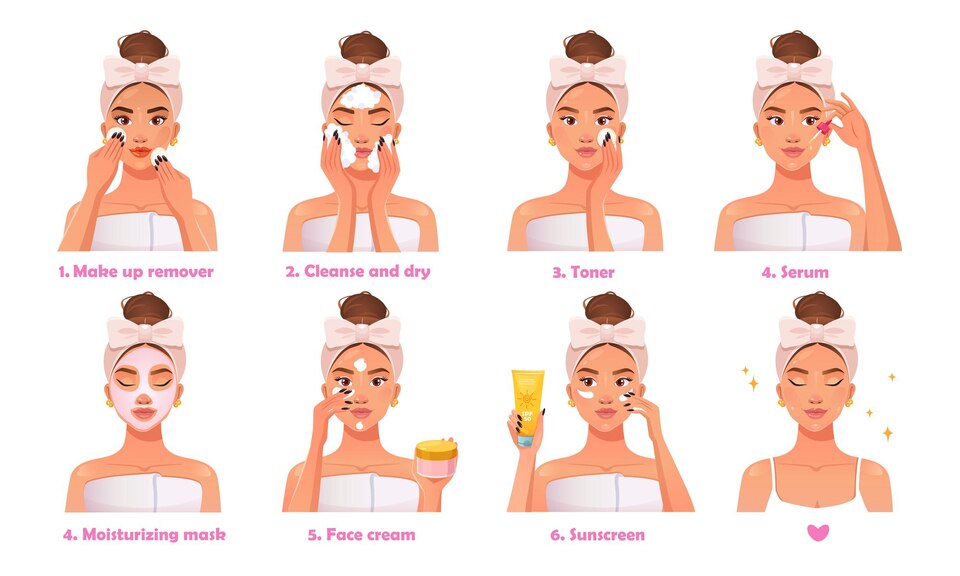
Category: Skin Care

  • Vitamin E for Healthy, Glowing Skin

    Want healthy, glowing skin and strong, shiny hair? Vitamin E is a powerful antioxidant that can help nourish your skin and hair, protect against damage, and promote a radiant complexion. Let’s explore the benefits of vitamin E for skin and hair, and how to use it for the best results.

    What Is Vitamin E?

    Vitamin E is a fat-soluble vitamin that acts as a powerful antioxidant. It helps protect your skin and hair from damage caused by free radicals, which are unstable molecules that can harm cells and accelerate ageing. Vitamin E is found in many foods, such as nuts, seeds, and leafy greens, and is also available as a supplement or topical oil.

    • Vitamin E is a fat-soluble vitamin that acts as a powerful antioxidant.
    • It helps protect your skin and hair from damage caused by free radicals.
    • Vitamin E is found in many foods and is also available as a supplement or topical oil.

    Benefits of Vitamin E for Skin

    Vitamin E offers several benefits for the skin, making it a valuable addition to your skincare routine.

    • Moisturising: Vitamin E helps keep your skin hydrated by strengthening its natural barrier and preventing moisture loss.
    • Anti-Ageing: It supports collagen production and improves skin elasticity, which makes the skin look firmer and younger.
    • Scar and Spot Healing: Vitamin E promotes skin regeneration and can help lighten scars, dark spots, and stretch marks over time.
    • Sun Protection Support: Although it should not replace sunscreen, vitamin E can help reduce damage caused by UV rays when used together with sun protection.
    • Soothing Inflammation: Vitamin E has anti-inflammatory properties that help calm irritated or sensitive skin.

    Benefits of Vitamin E for Hair

    Vitamin E also offers several benefits for hair, making it a valuable addition to your hair care routine.

    • Moisturising: Vitamin E helps keep your hair hydrated and prevents dryness and breakage.
    • Strengthening: It strengthens hair follicles and reduces hair fall.
    • Shine: Vitamin E adds shine and smoothness to your hair.
    • Growth: It promotes hair growth by improving blood circulation to the scalp.
    • Protection: Vitamin E protects hair from damage caused by free radicals and environmental stressors.

    How to Use Vitamin E for Skin and Hair

    Using vitamin E for skin and hair is simple and straightforward. Here are some tips to get the best results:

    • Direct Application: Simply pierce a capsule and apply the vitamin E oil directly onto your face or hair. This delivers a concentrated dose of vitamin E to nourish your skin and hair deeply.
    • Mix with Moisturiser: Add a few drops of vitamin E oil to your regular moisturiser or facial cream. This enhances the moisturising and antioxidant benefits without making your skin feel too oily.
    • Body Care: You can also use vitamin E oil on your body, especially on dry areas like elbows, knees, and heels.
    • Massage for Absorption: Massage the oil gently into your skin or scalp in circular motions. This helps improve blood circulation and allows the oil to absorb better.
    • Leave It On or Wash Off: Depending on your skin type, you can either leave the vitamin E oil on overnight as a nourishing treatment or wash it off after 20-30 minutes if your skin tends to be oily or prone to breakouts.
    • Follow Up with Your Regular Skincare Routine: After vitamin E oil application, you can follow with your usual moisturiser or sunscreen during the day. Vitamin E works best when combined with a well-rounded skincare regimen.

    Safety and Precautions

    Vitamin E is generally safe when used as directed. However, there are some precautions to keep in mind to ensure optimal safety.

    • Perform a Patch Test: Before applying vitamin E oil all over your face, do a patch test on a small area of your skin (like behind your ear or on your wrist) to check for any allergic reactions or irritation. Wait 24 hours to see if any redness or itching occurs.
    • Apply Vitamin E Oil: If the patch test is successful, apply a thin layer of vitamin E oil onto your face using gentle upward strokes. Focus on dry areas or places where you want to reduce scars and fine lines. Avoid the delicate eye area unless the product is specifically designed for it.
    • Be Aware of Potential Side Effects: Some people may experience mild stomach upset or allergic reactions. Seek medical advice if side effects persist or worsen.
    • Store Vitamin E Capsules in a Cool, Dry Place: Keep the capsules out of reach of children.
    • Do Not Exceed the Recommended Dosage: Overuse can lead to clogged pores, especially for oily skin.

    Extra Tips for Skin and Hair Care

    In addition to using vitamin E, there are several lifestyle changes that can help support healthy skin and hair.

    • Eat a Balanced Diet: Include foods rich in vitamins and antioxidants, such as fruits, vegetables, and whole grains.
    • Stay Hydrated: Drink plenty of water throughout the day to keep your skin and hair hydrated.
    • Avoid Processed Foods: Limit your intake of processed foods, sugary snacks, and high-fat foods.
    • Get Regular Exercise: Exercise improves circulation and overall health.
    • Get Enough Sleep: Adequate sleep supports skin and hair repair and regeneration.
    • Manage Stress: Stress can affect your skin and hair, so find ways to relax and manage stress.
    • Practice Mindful Eating: Chew your food thoroughly and eat slowly to support digestion and nutrient absorption.

    When to See a Doctor

    While vitamin E can help manage many symptoms of dryness and skin issues, it is important to see a doctor if your symptoms are severe, persistent, or accompanied by other concerning signs. A healthcare professional can provide additional treatment options and help you manage your health.

    By understanding the benefits and usage instructions for vitamin E, you can support better management of skin and hair issues and improve your overall health. For more information and trusted skincare and hair care products, visit MedKart and explore solutions that work for your needs.

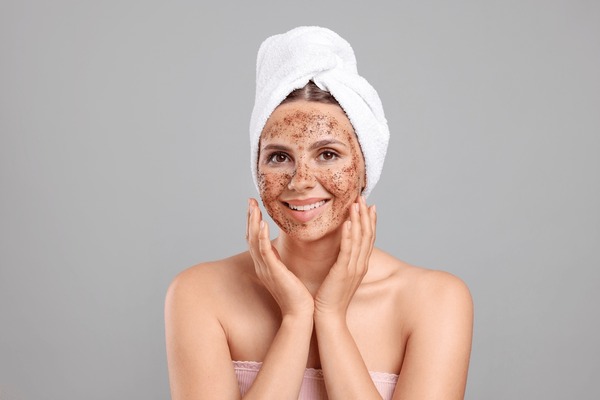
  • Best Chemical-Free Face Washes in India: Top 8 Picks

    Looking for a gentle, effective way to cleanse your skin without harsh chemicals? Chemical-free face washes are the answer. These natural cleansers are made with plant-based ingredients and are free from sulphates, parabens, and synthetic fragrances. Let’s explore the top 10 chemical-free face washes in India, their benefits, and how to choose the right one for your skin type.

    Why Choose Chemical-Free Face Washes?

    Chemical-free face washes are designed to cleanse your skin without stripping it of its natural oils or causing irritation. They are ideal for those with sensitive skin, allergies, or anyone looking to avoid harsh chemicals in their skincare routine. These face washes are typically made with plant-based ingredients and are free from sulphates, parabens, and synthetic fragrances.

    • Chemical-free face washes are gentle and non-irritating.
    • They are ideal for sensitive skin and allergies.
    • They are free from sulphates, parabens, and synthetic fragrances.

    Top 8 Chemical-Free Face Washes in India

    Here are the top 10 chemical-free face washes in India, chosen for their gentle, natural ingredients and suitability for all skin types.

    1. Clenia Face Wash 100 GM

    Best for: All skin types
    Key Ingredients: Aloe Vera, Glycolic Acid, Vitamin E
    Why we recommend it: Clenia Face Wash is a specially formulated cleanser designed to gently and effectively remove dirt, oil, and impurities from your skin without stripping it of natural moisture. It is ideal for sensitive skin and helps prevent acne breakouts.

    Buy Clenia Face Wash at MedKart

    2. Tvaksh Face Guard So GM

    Best for: All skin types
    Key Ingredients: Aloe Vera, Glycolic Acid, Vitamin E
    Why we recommend it: Tvaksh Face Guard So GM is a gentle cleanser that removes dirt, oil, and impurities, unclogs pores, and helps improve skin texture and radiance.

    Buy Tvaksh Face Guard So GM at MedKart

    3. Forencia Face Wash 100 GM

    Best for: All skin types
    Key Ingredients: Aloe Vera, Glycolic Acid, Vitamin E
    Why we recommend it: Forencia Face Wash is a gentle cleanser that removes dirt, oil, and impurities, unclogs pores, and helps improve skin texture and radiance.

    Buy Forencia Face Wash at MedKart

    4. Aloe Vera S Sw Glycolic Acid Vitamin E Tocopherol 0.1

    Best for: All skin types
    Key Ingredients: Aloe Vera, Glycolic Acid, Vitamin E, Tocopherol
    Why we recommend it: Aloe Vera S Sw Glycolic Acid Vitamin E Tocopherol 0.1 is a gentle cleanser that removes dirt, oil, and impurities, unclogs pores, and helps improve skin texture and radiance.

    Buy Aloe Vera S Sw Glycolic Acid Vitamin E Tocopherol 0.1 at MedKart

    5. Face Care Gentle Facewash Cream 60 GM

    Best for: All skin types
    Key Ingredients: Aloe Vera, Glycolic Acid, Vitamin E
    Why we recommend it: Face Care Gentle Facewash Cream 60 GM is a gentle cleanser that removes dirt, oil, and impurities, unclogs pores, and helps improve skin texture and radiance.

    Buy Face Care Gentle Facewash Cream 60 GM at MedKart

    6. Cleale Foaming Face Wash 60 ML

    Best for: All skin types
    Key Ingredients: Aloe Vera, Glycolic Acid, Vitamin E
    Why we recommend it: Cleale Foaming Face Wash 60 ML is a gentle cleanser that removes dirt, oil, and impurities, unclogs pores, and helps improve skin texture and radiance.

    Buy Cleale Foaming Face Wash 60 ML at MedKart

    7. Face Guard SPF 30+ Cream 30 GM

    Best for: All skin types
    Key Ingredients: Aloe Vera, Glycolic Acid, Vitamin E
    Why we recommend it: Face Guard SPF 30+ Cream 30 GM is a gentle cleanser that removes dirt, oil, and impurities, unclogs pores, and helps improve skin texture and radiance.

    Buy Face Guard SPF 30+ Cream 30 GM at MedKart

    8. Brillinz Face Wash 100 ML

    Best for: All skin types
    Key Ingredients: Aloe Vera, Glycolic Acid, Vitamin E
    Why we recommend it: Brillinz Face Wash 100 ML is a gentle cleanser that removes dirt, oil, and impurities, unclogs pores, and helps improve skin texture and radiance.

    Buy Brillinz Face Wash 100 ML at MedKart

    How to Choose the Right Chemical-Free Face Wash

    When choosing a chemical-free face wash, consider your skin type and specific concerns. Look for products with ingredients like aloe vera, glycolic acid, and vitamin E, which are effective for managing dullness and fading dark spots. Always patch test new products to ensure they are suitable for your skin.

    • Consider your skin type and specific concerns.
    • Look for products with ingredients like aloe vera, glycolic acid, and vitamin E.
    • Always patch test new products to ensure they are suitable for your skin.

    Additional Tips for Chemical-Free Skincare

    In addition to using the right face wash, there are several lifestyle changes that can help achieve glowing skin.

    • Wash your face twice a day—morning and night.
    • Use a gentle cleanser and avoid harsh soaps.
    • Apply a toner and moisturiser after cleansing.
    • Stay hydrated and drink plenty of water.
    • Follow a balanced diet rich in fruits and vegetables.
    • Get enough sleep and manage stress.

    When to See a Dermatologist

    While chemical-free face washes can help manage many symptoms of dullness and uneven skin tone, it is important to see a dermatologist if your symptoms are severe, persistent, or accompanied by other concerning signs. A dermatologist can provide additional treatment options and help you manage your skin health.

    By understanding the benefits of the top chemical-free face washes in India, you can make informed choices about your skincare routine. For more information and trusted skincare products, visit MedKart and explore solutions that work for your needs.

  • How to Use Vitamin E Capsules for Skin Care

    Want to give your skin a healthy, glowing boost? Vitamin E capsules are a simple, affordable way to nourish your skin and support its natural radiance. Whether you’re dealing with dryness, scars, or just want to keep your skin looking youthful, vitamin E can help. Let’s explore how to use vitamin E capsules for skin care, their benefits, and some practical tips to get the best results.

    What Is Vitamin E?

    Vitamin E is a powerful antioxidant that helps protect your skin from damage caused by free radicals and environmental stressors. It’s found in many foods, but vitamin E capsules offer a concentrated dose that can be used both topically and orally. Vitamin E is known for its ability to hydrate, soothe, and repair the skin, making it a popular choice for skincare routines.

    • Vitamin E is a powerful antioxidant.
    • It helps protect your skin from damage.
    • Vitamin E capsules offer a concentrated dose for topical and oral use.

    Benefits of Vitamin E for Skin

    Vitamin E offers several benefits for the skin, making it a valuable addition to your skincare routine.

    • Moisturising: Vitamin E helps keep your skin hydrated by strengthening its natural barrier and preventing moisture loss.
    • Anti-Ageing: It supports collagen production and improves skin elasticity, which makes the skin look firmer and younger.
    • Scar and Spot Healing: Vitamin E promotes skin regeneration and can help lighten scars, dark spots, and stretch marks over time.
    • Sun Protection Support: Although it should not replace sunscreen, vitamin E can help reduce damage caused by UV rays when used together with sun protection.
    • Soothing Inflammation: Vitamin E has anti-inflammatory properties that help calm irritated or sensitive skin.

    How to Use Vitamin E Capsules for Skin Care

    Using vitamin E capsules for skin care is simple and straightforward. Here are some tips to get the best results:

    • Direct Application: Simply pierce a capsule and apply the vitamin E oil directly onto your face. This delivers a concentrated dose of vitamin E to nourish your skin deeply.
    • Mix with Moisturiser: Add a few drops of vitamin E oil to your regular moisturiser or facial cream. This enhances the moisturising and antioxidant benefits without making your skin feel too oily.
    • Body Care: You can also use vitamin E oil on your body, especially on dry areas like elbows, knees, and heels.
    • Massage for Absorption: Massage the oil gently into your skin in circular motions. This helps improve blood circulation and allows the oil to absorb better.
    • Leave It On or Wash Off: Depending on your skin type, you can either leave the vitamin E oil on overnight as a nourishing treatment or wash it off after 20-30 minutes if your skin tends to be oily or prone to breakouts.
    • Follow Up with Your Regular Skincare Routine: After vitamin E oil application, you can follow with your usual moisturiser or sunscreen during the day. Vitamin E works best when combined with a well-rounded skincare regimen.

    Safety and Precautions

    Vitamin E is generally safe when used as directed. However, there are some precautions to keep in mind to ensure optimal safety.

    • Perform a Patch Test: Before applying vitamin E oil all over your face, do a patch test on a small area of your skin (like behind your ear or on your wrist) to check for any allergic reactions or irritation. Wait 24 hours to see if any redness or itching occurs.
    • Apply Vitamin E Oil: If the patch test is successful, apply a thin layer of vitamin E oil onto your face using gentle upward strokes. Focus on dry areas or places where you want to reduce scars and fine lines. Avoid the delicate eye area unless the product is specifically designed for it.
    • Be Aware of Potential Side Effects: Some people may experience mild stomach upset or allergic reactions. Seek medical advice if side effects persist or worsen.
    • Store Vitamin E Capsules in a Cool, Dry Place: Keep the capsules out of reach of children.
    • Do Not Exceed the Recommended Dosage: Overuse can lead to clogged pores, especially for oily skin.

    Extra Tips for Skin Care

    In addition to using vitamin E capsules, there are several lifestyle changes that can help support healthy skin.

    • Eat a Balanced Diet: Include foods rich in vitamins and antioxidants, such as fruits, vegetables, and whole grains.
    • Stay Hydrated: Drink plenty of water throughout the day to keep your skin hydrated.
    • Avoid Processed Foods: Limit your intake of processed foods, sugary snacks, and high-fat foods.
    • Get Regular Exercise: Exercise improves circulation and overall health.
    • Get Enough Sleep: Adequate sleep supports skin repair and regeneration.
    • Manage Stress: Stress can affect your skin, so find ways to relax and manage stress.
    • Practice Mindful Eating: Chew your food thoroughly and eat slowly to support digestion and nutrient absorption.

    When to See a Doctor

    While vitamin E capsules can help manage many symptoms of dryness and skin issues, it is important to see a doctor if your symptoms are severe, persistent, or accompanied by other concerning signs. A healthcare professional can provide additional treatment options and help you manage your health.

    By understanding the benefits and usage instructions for vitamin E capsules, you can support better management of skin issues and improve your overall health. For more information and trusted skincare products, visit MedKart and explore solutions that work for your needs.

  • Vitamin C Tablets for Skin: How They Help Brighten & Protect

    Want a radiant, glowing complexion that turns heads? Vitamin C tablets might just be your new best friend! Packed with skin-loving benefits, these little powerhouses are more than just immunity boosters-they’re your secret weapon for brighter, healthier skin. Let’s dive into how vitamin C tablets can help you achieve that fresh, dewy look and keep your skin protected from everyday stressors.

    Why Vitamin C Is a Skin Superstar

    Vitamin C is like a daily dose of sunshine for your skin. It’s a powerful antioxidant that helps fight free radicals, which are the sneaky troublemakers behind dullness, dark spots, and premature aging. By neutralizing these free radicals, vitamin C keeps your skin looking youthful and vibrant.

    • Vitamin C helps fight free radicals that cause dullness and aging.
    • It supports collagen production, keeping your skin firm and elastic.
    • Vitamin C brightens your complexion and helps fade dark spots.

    How Vitamin C Tablets Benefit Your Skin

    When you take vitamin C tablets, you’re giving your skin a boost from the inside out. Here’s how they work their magic:

    • Brightening: Vitamin C helps reduce the appearance of dark spots and uneven skin tone, giving you a more even, radiant complexion.
    • Collagen Boost: It supports the production of collagen, which keeps your skin firm and helps reduce the appearance of fine lines and wrinkles.
    • Protection: As an antioxidant, vitamin C protects your skin from environmental damage, such as pollution and UV rays.
    • Hydration: Vitamin C helps your skin retain moisture, keeping it plump and hydrated.

    How to Use Vitamin C Tablets for Skin

    Using vitamin C tablets for skin is simple and convenient. Here are some tips to get the most out of your daily dose:

    • Take vitamin C tablets as directed by your doctor or according to the instructions on the packaging.
    • For best results, take them with a meal to enhance absorption.
    • Consistency is key—take vitamin C tablets regularly to see noticeable improvements in your skin’s brightness and texture.
    • Combine vitamin C tablets with a healthy diet rich in fruits and vegetables for maximum benefits.

    Additional Tips for Glowing Skin

    In addition to taking vitamin C tablets, there are several lifestyle changes that can help achieve glowing skin.

    • Stay hydrated and drink plenty of water.
    • Follow a balanced diet rich in fruits and vegetables.
    • Get enough sleep and manage stress.
    • Use sunscreen daily to protect your skin from UV damage.
    • Apply a moisturizer to keep your skin hydrated.

    When to See a Dermatologist

    While vitamin C tablets can help manage many symptoms of dullness and uneven skin tone, it is important to see a dermatologist if your symptoms are severe, persistent, or accompanied by other concerning signs. A dermatologist can provide additional treatment options and help you manage your skin health.

    By understanding the benefits of vitamin C tablets for skin, you can make informed choices about your skincare routine. For more information and trusted skincare products, visit MedKart and explore solutions that work for your needs.
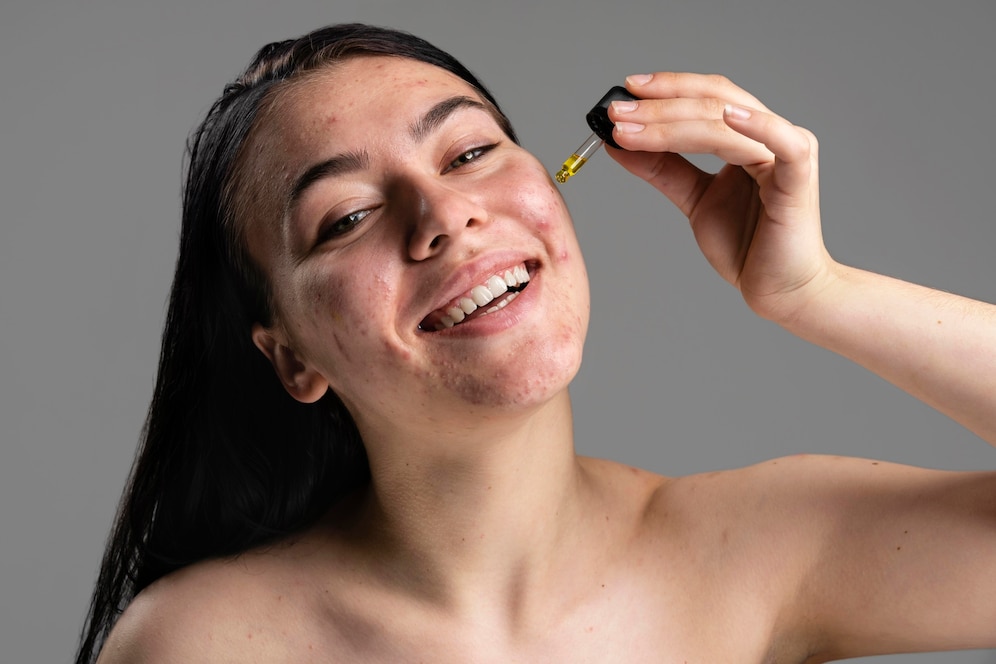
  • Face Wash for Glowing Skin: Top 10 Recommendations

    A radiant, glowing complexion is a sign of healthy skin and good self-care. The right face wash can make a big difference in achieving that natural glow. With so many options available, it can be overwhelming to choose the best one for your skin type and concerns. This guide covers the top 10 face washes for glowing skin, highlighting their key ingredients, benefits, and how they work to reveal brighter, healthier skin.

    Why Choose the Right Face Wash for Glowing Skin?

    A good face wash is the foundation of any skincare routine. It cleanses the skin, removes impurities, and addresses specific concerns such as dullness, uneven skin tone, and lack of radiance. Using the right face wash can help prevent breakouts, fade dark spots, and keep your skin looking fresh and healthy.

    • A good face wash cleanses the skin and removes impurities.
    • It addresses specific concerns such as dullness, uneven skin tone, and lack of radiance.
    • Using the right face wash can help prevent breakouts, fade dark spots, and keep your skin looking fresh and healthy.

    Key Ingredients for Glowing Skin

    When choosing a face wash for glowing skin, look for products with ingredients that brighten, hydrate, and nourish the skin. Some of the most effective ingredients include:

    • AHAs (Alpha Hydroxy Acids): Exfoliate the skin, unclog pores, and improve texture.
    • Aloe Vera: Soothes and hydrates the skin, reducing irritation and redness.
    • Glycolic Acid: Exfoliates the skin, unclogs pores, and helps reduce the appearance of blemishes.
    • Salicylic Acid: Exfoliates the skin, unclogs pores, and helps reduce the appearance of blemishes.
    • Vitamin E: An Antioxidant that helps protect the skin from damage and keeps it hydrated.
    • Glycerin: A Humectant that draws moisture into the skin, keeping it hydrated and plump.

    Top 10 Face Washes for Glowing Skin

    Here are the top 10 face washes for glowing skin, chosen based on their ingredients, skin-friendliness, user popularity, and effectiveness.

    1. Ahaglow Facewash 100 GM

    Best for: All skin types
    Key Ingredients: Glycolic Acid, Aloe Vera, Vitamin E
    Why we recommend it: Ahaglow Facewash uses AHAs to exfoliate, unclog pores, and improve texture for dry skin. It helps fight against acne buildup and increases skin cell turnover so that new skin is exposed more quickly. The foam is easily applicable on facial skin, and each of the active ingredients in Ahaglow Facewash comes with its own benefits.

    View Product on MedKart

    2. Glogeous Facewash 100 GM

    Best for: All skin types
    Key Ingredients: Aloe Vera, Glycolic Acid, Vitamin E
    Why we recommend it: Glogeous Facewash is a cleanser with aloe vera, glycolic acid, and vitamin E. It removes dirt, oil, and impurities, unclogs pores, and helps improve skin texture and radiance.

    View Product on MedKart

    3. Skinshine Fairness Facewash 50 GM

    Best for: All skin types
    Key Ingredients: Aloe Vera, Glycolic Acid, Vitamin E
    Why we recommend it: Skinshine Fairness Facewash is designed to gently cleanse and brighten the skin. It helps remove dirt, oil, and impurities, unclogs pores, and improves skin texture and radiance.

    View Product on MedKart

    4. DC White Facewash 75 GM

    Best for: All skin types
    Key Ingredients: Aloe Vera, Glycolic Acid, Vitamin E
    Why we recommend it: DC White Facewash brightens the skin, reduces dark spots, removes impurities, and helps with skin whitening, while also hydrating and controlling oil. It is specifically designed for those looking to fade dark spots and achieve a more even skin tone.

    View Product on MedKart

    5. Ethiglo Facewash 70 GM

    Best for: All skin types
    Key Ingredients: Aloe Vera, Glycolic Acid, Vitamin E
    Why we recommend it: Ethiglo Facewash helps brighten the skin and rejuvenate it. It removes dirt, oil, and impurities, unclogs pores, and helps improve skin texture and radiance.

    View Product on MedKart

    6. Clenia Face Wash 100 GM

    Best for: All skin types
    Key Ingredients: Aloe Vera, Glycolic Acid, Vitamin E
    Why we recommend it: Clenia Face Wash is a specially formulated cleanser designed to gently and effectively remove dirt, oil, and impurities from your skin without stripping it of natural moisture. It is ideal for sensitive skin and helps prevent acne breakouts.

    View Product on MedKart

    7. Klin Aha Facewash 100 ML

    Best for: All skin types
    Key Ingredients: Aloe Vera, Glycolic Acid, Vitamin E
    Why we recommend it: Klin Aha Facewash is specially designed to exfoliate, unclog pores, and rejuvenate the skin, revealing a more even skin tone and texture.

    View Product on MedKart

    8. Renuglo Facewash 70 GM

    Best for: All skin types
    Key Ingredients: Aloe Vera, Salicylic Acid, Vitamin E
    Why we recommend it: Renuglo Facewash is a cleansing solution with salicylic acid and vitamin E. It removes dirt, oil, and impurities, unclogs pores, and helps improve skin texture and radiance.

    View Product on MedKart

    9. Redishine Facewash 70 ML

    Best for: All skin types
    Key Ingredients: Aloe Vera, Salicylic Acid, Vitamin E
    Why we recommend it: Redishine Facewash is a cleanser that helps remove dirt, oil, and impurities, unclogs pores, and rejuvenates the skin, leaving it refreshed and radiant.

    View Product on MedKart

    10. Glamorich Facewash 70 GM

    Best for: All skin types
    Key Ingredients: Aloe Vera, Glycolic Acid, Vitamin E
    Why we recommend it: Glamorich Facewash helps reduce zinc, cleanses the skin, removes excess oil, and rejuvenates skin cells, keeping the skin hydrated and radiant.

    View Product on MedKart

    How to Choose the Right Face Wash for Glowing Skin

    When choosing a face wash for glowing skin, consider your skin type and specific concerns. Look for products with ingredients like AHAs, aloe vera, glycolic acid, and vitamin E, which are effective for managing dullness and fading dark spots. Always patch test new products to ensure they are suitable for your skin.

    • Consider your skin type and specific concerns.
    • Look for products with ingredients like AHAs, aloe vera, glycolic acid, and vitamin E.
    • Always patch test new products to ensure they are suitable for your skin.

    When to See a Dermatologist

    While face washes can help manage many symptoms of dullness and uneven skin tone, it is important to see a dermatologist if your symptoms are severe, persistent, or accompanied by other concerning signs. A dermatologist can provide additional treatment options and help you manage your skin health.

    By understanding the benefits of the top face washes for glowing skin, you can make informed choices about your skincare routine. For more information and trusted skincare products, visit MedKart and explore solutions that work for your needs.
  • Face Wash for Pimples & Dark Spots: Top Picks Available on MedKart

    Finding the right face wash for pimples and dark spots is essential for achieving clear, bright skin. MedKart offers a wide range of effective face washes that are specially formulated to target acne and hyperpigmentation. This guide highlights the best options available on MedKart, with direct links to product pages for easy purchase.

    Why Choose MedKart for Face Washes?

    MedKart is India’s leading generic pharmacy, offering authentic, affordable, and effective skincare products. All face washes listed here are available on MedKart, ensuring you get genuine products at competitive prices. With secure payment and reliable delivery, MedKart makes it easy to find the right solution for your skin concerns.

    Top Face Washes for Pimples & Dark Spots on MedKart

    Here are the best face washes available on MedKart for managing pimples and fading dark spots. Each product is chosen for its proven ingredients, skin-friendliness, and effectiveness.

    1. Charcoal Facewash Suay 100 ML

    Charcoal Facewash Suay uses activated charcoal to draw out impurities, excess oil, and toxins, while also removing dead skin cells and deep cleansing pores. It is ideal for oily and acne-prone skin.

    View Product on MedKart

    2. ACWASH FACEWASH 100 ML

    ACWASH FACEWASH gently removes dirt, oil, and impurities, making it suitable for all skin types. It is effective for acne treatment, skin cleansing, and controlling excess oil.

    View Product on MedKart

    3. Tonenglo Face Wash 50 ML

    Tonenglo Face Wash is a cleansing solution that removes dirt, oil, and impurities, prevents breakouts, and improves skin tone and texture. It is particularly effective for reducing the appearance of blemishes and dark spots.

    View Product on MedKart

    4. Richphil Facewash 70 GM

    Richphil Facewash is a gentle cleanser that removes dirt, oil, and impurities while keeping the skin hydrated. It is suitable for all skin types and helps maintain a healthy skin barrier.

    View Product on MedKart

    5. Clenia Face Wash 100 GM

    Clenia Face Wash is specially formulated to gently and effectively remove dirt, oil, and impurities without stripping the skin’s natural moisture. It is ideal for sensitive skin and helps prevent acne breakouts.

    View Product on MedKart

    6. Aqua Facewash Suay 100 ML

    Aqua Facewash Suay helps reduce acne, cleanses the skin, removes excess oil, keeps the skin hydrated, and refreshes the skin. It is a great choice for daily use and maintaining clear skin.

    View Product on MedKart

    7. Sali Face Wash 60 ML

    Sali Face Wash is a gentle cleanser that removes dirt, oil, and impurities, making it suitable for all skin types. It is effective for acne treatment and maintaining skin health.

    View Product on MedKart

    8. Laglo Facewash 100 GM

    Laglo Facewash effectively removes dirt, oil, and impurities from the skin’s surface and pores, preventing clogged pores and reducing the likelihood of acne breakouts. It is suitable for daily use and helps keep the skin clear and refreshed.

    View Product on MedKart

    9. Faceclin Face Wash 100 ML

    Faceclin Face Wash removes dirt, oil, and impurities, unclogs pores, treats acne, and helps remove dead skin cells, leaving the skin clean and refreshed. It is a popular choice for those dealing with acne and dark spots.

    View Product on MedKart

    10. DC White Facewash 75 GM

    DC White Facewash brightens the skin, reduces dark spots, removes impurities, and helps with skin whitening, while also hydrating and controlling oil. It is specifically designed for those looking to fade dark spots and achieve a more even skin tone.

    View Product on MedKart

    How to Choose the Right Face Wash

    When choosing a face wash for pimples and dark spots, consider your skin type and specific concerns. Look for products with ingredients like activated charcoal, salicylic acid, and skin-lightening agents. Always patch test new products to ensure they are suitable for your skin.

    Additional Tips for Pimple and Dark Spot Care

    In addition to using the right face wash, there are several lifestyle changes that can help manage pimples and dark spots.

    • Wash your face twice a day—morning and night.
    • Use a gentle cleanser and avoid harsh soaps.
    • Apply a toner and moisturizer after cleansing.
    • Stay hydrated and drink plenty of water.
    • Follow a balanced diet rich in fruits and vegetables.
    • Get enough sleep and manage stress.

    When to See a Dermatologist

    While face washes can help manage many symptoms of pimples and dark spots, it is important to see a dermatologist if your symptoms are severe, persistent, or accompanied by other concerning signs. A dermatologist can provide additional treatment options and help you manage your skin health.

    By understanding the benefits of the top face washes for pimples and dark spots available on MedKart, you can make informed choices about your skincare routine. For more information and trusted skincare products, visit MedKart and explore solutions that work for your needs.

  • Overnight Acne Treatment: Quick Fixes to Reduce Breakouts

    Waking up to a fresh breakout can be frustrating, but there are several quick fixes that can help reduce swelling, redness, and discomfort overnight. These targeted treatments work by calming inflammation, killing bacteria, and unclogging pores. With the right approach, you can wake up to clearer, calmer skin.

    Why Overnight Acne Treatments Work

    Overnight acne treatments are designed to act quickly on inflamed or newly formed pimples. They use fast-acting ingredients that reduce swelling, kill bacteria, and help unclog pores. While not all breakouts can disappear in a single night, these treatments can significantly reduce the size and redness of pimples by morning.

    • Overnight treatments target inflammation and bacteria.
    • They help reduce swelling and discomfort.
    • Quick fixes can make a noticeable difference by morning.

    Effective Overnight Acne Treatments

    There are several effective overnight acne treatments that you can try at home. These methods are easy to use and can help reduce the appearance of breakouts quickly.

    1. Ice Therapy

    Applying ice to a pimple can help reduce swelling and redness. Ice constricts blood vessels, which reduces inflammation and makes the pimple less noticeable.

    • Gently cleanse your face and pat dry with a clean towel.
    • Wrap ice cubes in a clean cloth and apply to the pimple for 5–10 minutes.
    • Take a 10-minute break, then apply the ice again for another 5–10 minutes.
    • This can help reduce redness, swelling, and discomfort.

    2. Spot Treatments

    Spot treatments are targeted products that help kill bacteria and dry out pimples. Look for products containing benzoyl peroxide, salicylic acid, or tea tree oil.

    • Use a benzoyl peroxide spot treatment (at least 2%) to kill bacteria and dry out the pimple.
    • Apply the treatment before going to bed so it can work overnight.
    • Salicylic acid helps unclog pores and reduce inflammation.
    • Tea tree oil has natural antimicrobial properties and can help calm the skin.

    3. Warm Compress for Whiteheads

    If you have a whitehead, a warm compress can help it drain naturally. This method is gentle and can speed up the healing process.

    • Soak a clean washcloth in warm water and apply it to the area for 10 to 15 minutes.
    • Repeat 3 to 4 times a day to help the whitehead drain naturally.
    • Do not squeeze or pop the pimple, as this can lead to scarring and infection.

    4. Natural Remedies

    There are several natural remedies that can help reduce acne overnight. These options are gentle and can be used in combination with other treatments.

    • Green tea: Dab cooled green tea onto the skin or use green tea-based products for anti-inflammatory and antimicrobial benefits.
    • Tea tree oil: Dilute with a carrier oil (like jojoba or coconut oil) and apply a tiny amount to pimples.
    • Copaiba oil: Use a topical gel with copaiba extract to help calm inflammation and prevent new pimples.
    • Mineral clays: Apply a clay mask (like kaolin or Dead Sea mud) to absorb oil and reduce bacteria.

    Common Mistakes to Avoid

    While trying to treat acne overnight, it is important to avoid common mistakes that can worsen breakouts.

    • Toothpaste: Modern toothpaste does not help acne and may irritate the skin.
    • Scrubbing: Harsh scrubbing can worsen acne. Always wash gently.
    • Tanning: Tanning does not treat acne and increases the risk of skin damage.
    • Popping pimples: Can lead to scarring, infection, and worsen inflammation.

    When to See a Dermatologist

    If your acne is persistent or severe, consider professional treatments such as topical medications, oral medications, or cortisone shots. A dermatologist can provide additional treatment options and help you manage your skin health.

    Lifestyle Changes to Prevent Overnight Breakouts

    While emergency treatments help, preventing acne requires long-term care. Some lifestyle changes can help prevent breakouts.

    • Cleanse your face twice daily: Use a gentle cleanser—avoid over-washing, as it can strip the skin of natural oils and cause irritation.
    • Use a non-comedogenic moisturiser: To keep your skin hydrated without blocking pores. Even oily skin needs proper moisture.
    • Change your pillowcases at least once a week: To reduce the accumulation of bacteria, oil, and dead skin cells that can lead to breakouts.
    • Keep your hands away from your face: To prevent the transfer of dirt, oil, and bacteria that can clog pores.
    • Stay well-hydrated: By drinking plenty of water throughout the day, you support healthy skin and help flush out toxins.
    • Limit your intake of sugar and dairy products: These may contribute to breakouts in some individuals.

    Conclusion

    Acne can be a persistent and confidence-shaking condition, but with the right care, it can be effectively managed, even overnight. While not all breakouts can disappear in a single night, targeted treatments such as ice therapy, spot applications, and gentle skincare can significantly reduce inflammation and swelling. Incorporating trusted solutions into your nighttime routine may help combat bacteria and speed up healing. 

    Alongside these quick remedies, adopting healthy lifestyle habits is essential for long-term prevention. Staying consistent with skincare, avoiding common mistakes, and knowing when to seek professional advice can make a big difference. Remember, patience and the right approach are key to clearer, healthier skin. With dedication and the right products, you can regain control over your skin and feel more confident in your daily life. Visit MedKart and explore solutions that work for your needs.
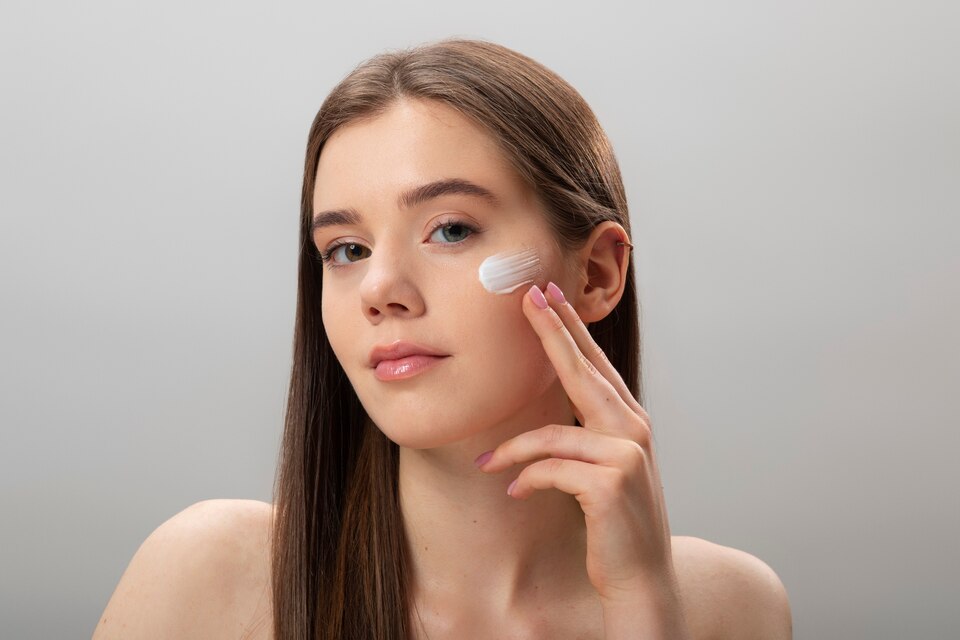
  • Natural Pimple Removal: 10 Home Remedies That Work

    Dealing with pimples can be frustrating, but there are several natural remedies that can help reduce breakouts and keep your skin clear. These home-based solutions are easy to try and often use ingredients found in your kitchen. With the right approach, you can manage pimples and support healthier skin.

    Why Try Natural Pimple Remedies?

    Natural remedies for pimples are popular because they are gentle, affordable, and often free from harsh chemicals. Many people prefer these options to avoid the side effects that can come with commercial acne treatments. Natural remedies can help soothe the skin, reduce inflammation, and prevent future breakouts.

    • Natural remedies are gentle on the skin and suitable for sensitive skin types.
    • They are affordable and easy to prepare at home.
    • Many natural ingredients have antibacterial and anti-inflammatory properties.

    10 Effective Home Remedies for Pimple Removal

    Here are 10 natural remedies that can help reduce pimples and support clearer skin. These remedies use common ingredients and simple techniques to target acne and promote healing.

    1. Tea Tree Oil

    Tea tree oil is a powerful natural antiseptic that can help fight acne-causing bacteria. It also reduces inflammation and redness.

    • Mix 1 part tea tree oil with 9 parts water.
    • Apply the mixture to affected areas with a cotton swab.
    • Repeat 1-2 times daily as needed.

    2. Aloe Vera

    Aloe vera has soothing and healing properties that can help reduce redness and irritation caused by pimples.

    • Apply fresh aloe vera gel directly to the skin.
    • Leave it on for 20-30 minutes, then rinse with lukewarm water.
    • Use daily or alternate days for best results.

    3. Honey and Cinnamon Mask

    Honey and cinnamon both have natural antibacterial properties that can help fight acne-causing bacteria and reduce inflammation.

    • Mix 1 tablespoon of raw honey with 1 teaspoon of cinnamon.
    • Apply the paste to your face or targeted areas.
    • Leave it on for 10-15 minutes, then wash off with warm water.
    • Repeat once a day or 2-3 times a week.

    4. Apple Cider Vinegar

    Apple cider vinegar helps balance the skin’s pH and has antibacterial properties that can reduce acne.

    • Mix 1 part apple cider vinegar with 3 parts water.
    • Apply the mixture to your skin with a cotton ball.
    • Leave it on for 5-10 minutes, then rinse with water.
    • Use once daily, but avoid if you have sensitive skin.

    5. Green Tea

    Green tea contains antioxidants that can help reduce sebum production and prevent pimples.

    • Steep green tea in boiling water for 3-4 minutes.
    • Let the tea cool, then apply it to your skin with a cotton ball.
    • Leave it on for a few minutes, then rinse with water.
    • Use daily for best results.

    6. Witch Hazel

    Witch hazel is a natural astringent that can help reduce oiliness and inflammation.

    • Apply witch hazel to your skin with a cotton ball.
    • Leave it on for a few minutes, then rinse with water.
    • Use once or twice daily.

    7. Jojoba Oil

    Jojoba oil helps balance the skin’s natural oils and reduce inflammation.

    • Apply a few drops of jojoba oil to your skin.
    • Massage gently and leave it on overnight.
    • Use daily for best results.

    8. Honey

    Honey is a natural antibacterial agent that can help reduce acne and promote healing.

    • Apply raw honey directly to your skin.
    • Leave it on for 10-15 minutes, then rinse with water.
    • Use daily or alternate days.

    9. Zinc

    Zinc has anti-inflammatory properties that can help reduce acne and support skin health.

    • Take zinc supplements as directed by a healthcare professional.
    • Apply zinc oxide cream to affected areas.
    • Use as needed for best results.

    10. Exfoliation

    Gentle exfoliation helps unclog pores and remove dead skin cells that can contribute to acne.

    • Use a gentle scrub or exfoliating cloth.
    • Exfoliate 2-3 times a week.
    • Follow with a moisturizer to keep your skin hydrated.

    Additional Tips for Healthy Skin

    In addition to using natural remedies, there are several lifestyle changes that can help keep your skin clear and healthy.

    • Wash your face twice daily with a mild cleanser.
    • Stay hydrated and drink plenty of water.
    • Eat a balanced diet rich in fruits and vegetables.
    • Get enough sleep and manage stress.
    • Avoid picking or squeezing pimples to prevent scarring.

    When to See a Doctor

    While natural remedies can be effective for mild to moderate acne, it is important to see a doctor if your acne is severe, persistent, or causing scarring. A healthcare professional can provide additional treatment options and help you manage your skin health.

    By trying these natural pimple remedies and making healthy lifestyle choices, you can support clearer, healthier skin. For more information and trusted skincare products, visit MedKart and explore solutions that work for your skin.

  • Vitamin C Serum Benefits: The Ultimate Skincare Solution for Glowing, Healthy Skin

    Vitamin C Serum Benefits: The Ultimate Skincare Solution for Glowing, Healthy Skin

    vitamin c serum

    Ever looked in the mirror and experienced that your skin looked exhausted, and uneven, or have you always required that active glow? You’re more than one. Nearly 8 in a group of 10 people say they fight with dullness, pigmentation, or early warning of ageing. But here’s the good news: Vitamin C serum is possibly the game-changer your skin requires.
    Known for its antioxidant-rich formula, vitamin C serum for the face is an enhanced go-to product for skincare admirers and dermatologists alike. Whether you’re managing dry patches or acne scars, or just want a shinier, more even tone, this powerful serum gives absolute results.
    In this blog, we’ll delve into everything you need to know about vitamin C serum — how it works, who should consume it, and why it’s taken over bath counters everywhere. Is on your wish list, there’s one skincare champion you can’t avoid — Vitamin C serum. Popular for its antioxidant-rich formula, vitamin C serum for the face has become a must-have in each skincare routine. Whether you have oily, dry, delicate, or acne-prone skin, this effective elixir reduces dullness, lightens pigmentation, and improves your normal glow.
    On this site, we’ll cover everything about vitamin C serum — from its vitamin C serum benefits to how to apply it correctly, when to use it, and how it can suit every skin type. Let’s further reveal what the top blogs miss and help you make the most consumed your skincare investment.

    What is Vitamin C Serum?

    Vitamin C serum is a lightweight, fast-absorbing skincare product packed with an effective dose of vitamin C (generally as ascorbic acid or its mild derivatives). It’s best popular for brightening dull skin, fading dark spots, increasing collagen management, and caring for your skin from environmental stressors, alike sun damage. Loved for its glow-improving benefits, this serum is a basic in many skincare routines aiming for smoother, healthier-looking skin.
    This effective serum is usually applicable in 10%–20% concentrations, depending on your skin’s toughness. Daily use makes visible results like even tone and smoother texture achievable.

    Featured Snippet Objective: Vitamin C serum is a skincare product rich in antioxidants that helps lighten skin, decrease pigmentation, and protect against environmental damage.

    1.Scientifically Proven Benefits

    • According to the Journal of Clinical and Aesthetic Dermatology, ascorbic acid improves fine lines and pigmentation with consistent use.
    • A 2020 analysis in the Dermatologic Surgery Journal found that Vitamin C speeds up collagen combining by up to 40%
    • Dermatologist Dr. Shereene Idriss confirms: “It’s one of the most effective topical antioxidants for free radical damage.”

    Vitamin C Serum Benefits for Skin

    To better understand the unique vitamin C serum benefits, here’s a quick comparison table organised by skin concern:

    Benefit Category How Vitamin C Serum Helps
    Glowing Skin Boosts skin radiance, improves blood flow, and reduces oxidative stress
    Skin Whitening Lightens dark spots, evens tone minimises sun damage and acne scars
    Dry Skin Relief Enhances hydration when paired with hyaluronic acid; reduces tightness
    Oily Skin Management Regulates sebum, tightens pores, and reduces acne breakouts
    • Pro Tip: Combine with sunscreen and daylight to double your security against UV light.

    It will help you understand the benefits and decide how vitamin C serum can support your particular skin type.

    1.Vitamin C Serum for Glowing Skin

    • Boosts skin radiance and glow
    • Fights free radicals and oxidative stress
    • Improves blood circulation

    2.Vitamin C Serum for Skin Whitening

    • Lightens hyperpigmentation and dark spots
    • Promotes even skin tone
    • Minimises sun damage and acne scars

    3.Vitamin C Serum for Dry Skin

    • Enhances hydration when paired with hyaluronic acid
    • Reduces flakiness and tightness

    4.Vitamin C Serum for Oily Skin

    • Regulates sebum production
    • Minimises large pores
    • Combats acne-causing bacteria

    Pro Tip off: Combine with sunscreen and daylight to double your security against UV light.

    How to Apply Vitamin C Serum: Step-by-Step

    • How to apply vitamin C serum: Cleanse → (Toner) → Serum → Moisturizer → SPF (AM)
    Step Action Tip
    1. Cleanse Use a mild, ph-balanced face wash
    2. Toner (optional) Use a hydrating, alcohol-free toner
    3. Apply 3–5 drops of serum Gently dab, avoid rubbing
    4. Moisturiser + SPF (day) Locks in hydration & prevents damage

    When to Use Vitamin C Serum: Day or Night?

    Many wonder: When to use vitamin C serum — day or night?
    Answer: Use both for best results.

    • Morning: Protects against pollution and the sun
    • Night: Helps repair and brighten overnight

    Start once daily, then gradually shift to twice daily use for a visible glow.

    Vitamin C Serum for Every Skin Type

    1.Vitamin C Serum for Sensitive Skin

    • Choose a low concentration (10%)
    • Avoid with AHA/BHA or retinol on the same day

    vitamin c serum for acne prone skin

    2.Vitamin C Serum for Acne-Prone Skin

    • Reduces post-acne scars
    • Calms inflammation & prevents further breakouts

    3.Vitamin C Serum for Combination Skin

    • Brightens without greasiness
    • Balances oil and dry patches

    Precautions & Side Effects: What You Need to Know

    While vitamin C serum is generally safe, some first-time users may experience:

    • Mild tingling sensation
    • Redness or irritation (rare)
    • Skin purging (temporary acne flare-up)

    Tips:

    • Always patch-test before full use
    • Avoid combining with AHAs, BHAs, or retinol unless advised
    • Store in a cool, dark place to prevent oxidation

    Vitamin C Serum Before and After: What to Expect

    To help visualise your skincare journey with vitamin C serum, here’s a week-by-week improvement chart that many users experience:

    Timeline Visible Changes
    Week 1–2 Smoother skin texture, enhanced hydration
    Week 3–4 Reduction in pigmentation and dark spots
    Week 5–6 Brighter, more even skin tone
    Week 7+ Noticeable glow, firmer texture, improved elasticity

    Week 1–2: Skin feels smoother and more supple
    Week 3–4: Dullness fades, pigmentation reduces
    Week 5+: Bright, glowing skin with even texture

    Skinceuticals Patent Expiry: What It Means for You

    In 2021, the patent for Skinceuticals C E Ferulic expired, paving the way for affordable vitamin C serum alternatives. Now, you can get dermatologist-grade formulations without paying premium prices.

    Compare: Vitamin C Serum vs Other Popular Serums

    Feature Vitamin C Serum Hyaluronic Acid Niacinamide
    Brightening ⭐⭐⭐⭐⭐ ⭐⭐
    Hydration ⭐⭐⭐ ⭐⭐⭐⭐⭐ ⭐⭐⭐
    Acne Scar Treatment ⭐⭐⭐⭐ ⭐⭐⭐⭐
    Texture Refinement ⭐⭐⭐⭐ ⭐⭐ ⭐⭐⭐⭐
    Suitable For All Skin Types Dry, Sensitive Oily, Combination

    Real User Reviews & Results

    ⭐️⭐️⭐️⭐️⭐️
    Megha Sharma, Pune
    “I used the serum every morning for a month, and I can’t stop admiring my skin now! It’s visibly brighter, smoother, and the pigmentation is fading.”

    ⭐️⭐️⭐️⭐️
    Jay Patel, Ahmedabad
    “I hesitated because I have acne-prone skin, but this worked great! No breakouts and my skin feels so much clearer.”

    ⭐️⭐️⭐️⭐️⭐️
    Riya Menon, Chennai
    “This serum became my go-to prep before makeup. It gives my skin a natural glow and keeps it hydrated all day.”

    Conclusion: Ready to Glow? Vitamin C Serum Is the Way!

    Adding a vitamin C serum for face to your routine is one of the most impactful steps for clear, healthy, glowing skin. Backed by science and dermatologists, it offers a potent, proven solution for all skin types.

    FAQS – Answering Google’s Top Questions

    Q1. How to apply vitamin C serum correctly?

    Apply 3–5 drops after cleansing, smoothly pat upon your face, then keep with moisturiser and SPF (AM).

    Q2. Is vitamin C serum good for skin?

    Yes, it boosts collagen, fades pigmentation, protects against rescue radical damage, in addition, gives a bright look.

    Q3. Can I use vitamin C serum at night?

    Yes. Using it every night maintains skin repair, especially when combined with hydrating products.

    Q4. Which vitamin C serum is best for dry skin?

    Pick formulas with hyaluronic acid or squalane to uphold hydration.

    Q5. Can vitamin C serum remove acne scars?

    Yes, with routine use, it helps fade post-acne marks plus evens out the skin tone.

    Q6. What are the main Vitamin C serum benefits for skin?

    Vitamin C serum benefits include brightening dull skin, reducing dark spots, boosting collagen production, and protecting against environmental damage, making it a powerful anti-ageing skincare product.

    Q7. Can supplements help improve skin health along with serums?

    Yes, antioxidant-rich supplements like Coenzyme Q10 (CoQ10) can work internally to support skin repair and reduce aging signs. Products like Eqoq Tablet may complement your topical skincare routine by boosting cellular energy and fighting oxidative stress.

  • Best Skincare Products & Routine for Sensitive Skin

    Best Skincare Products & Routine for Sensitive Skin

    caring for sensitive skin

    If you’ve been blessed with sensitive skin, you know that while it may not come with a manual, it certainly comes with its challenges. From unpredictable breakouts to irritation from the gentlest of products, sensitive skin requires special attention and a curated routine with sensitive skin products.

    Sensitive skin can show up in different ways for different people. For some, it means dealing with redness and itching, while others might experience dryness, burning, or unexpected breakouts. It is a skin type that is easily affected by things like weather changes or certain skincare products. The secret to managing sensitive skin is figuring out what sets it off and building a gentle skincare routine that keeps your skin calm and protected.

    Sunscreen for Sensitive Skin

    In India, where the sun shines bright almost all year, sunscreen is a must—especially if you have sensitive skin type. Many people with sensitive skin find that chemical sunscreens can cause irritation, so it’s better to go for mineral-based sunscreens with ingredients like zinc oxide or titanium dioxide. These are gentler and still give excellent protection. Always choose formulas that are fragrance-free and hypoallergenic to avoid flare-ups.

    Brands like La Roche-Posay and Neutrogena have great options tailored for sensitive skin. Don’t forget to wear sunscreen daily, even on cloudy days, and reapply every two hours if you’re outside. This simple step can protect you from sunburn, pigmentation, and keep your sensitive skin calm and healthy.

    Face Wash for Sensitive Skin

    Choosing the right face wash for sensitive skin is especially important in India’s varied climate. Many cleansers can strip away your skin’s natural oils, leaving it dry and irritated. To avoid this, opt for gentle, sulfate-free face washes that clean without being harsh.

    Ingredients like chamomile or aloe Vera are great for soothing sensitive skin. Brands like Cetaphil and Himalaya Herbals offer mild yet effective options.

    If you’re in a humid area, gel-based cleansers can help manage oil without drying you out, while cream-based ones are better for drier regions. Always go for pH-balanced, fragrance-free products to avoid irritation, and use lukewarm water to wash your face twice a day for a calm, healthy glow.

    Moisturizer for Sensitive Skin

    If you have sensitive skin, finding the right moisturizer is key to keeping your skin hydrated and calm. Look for lightweight, non-comedogenic options that won’t clog pores. Ingredients like hyaluronic acid, glycerin, and ceramides are your skin’s best friends, as they hydrate and strengthen your skin’s barrier. Brands like Clinique and Neutrogena offer moisturizers tailored for sensitive skin.

    In India’s humid climate, gel-based moisturizers feel light and refreshing, while cream-based ones work better for drier areas. Always go for fragrance-free formulas to reduce the risk of irritation. Moisturizing regularly will soothe your skin, ease redness, and help you maintain a healthy, balanced glow.

    moisturizer for sensitive skinBuilding a Sensitive Skin Care Routine

    Creating a sensitive skin care routine is all about selecting gentle, non-irritating products and ensuring that your skin is protected from potential irritants.

    1. Cleansing Gently

    Finding the right face wash for sensitive skin can feel like a challenge. You want a cleanser that removes dirt and oil but doesn’t strip your skin of its natural moisture. One great option is Cetaphil Oily Skin Cleanser. While it’s made for oily skin, it’s gentle enough for sensitive skin too, helping to control excess oil without causing irritation.

    It’s ideal if your skin tends to be both sensitive and oily. When washing your face, stick to lukewarm water—hot water can aggravate sensitivity. After cleansing, gently pat your skin dry instead of rubbing to keep irritation at bay.

    2. Moisturize to Maintain Your Barrier

    After cleansing, it’s super important to lock in moisture with a gentle moisturizer that’s made for sensitive skin. Look for one that has ingredients like ceramides, hyaluronic acid, or glycerin—these help keep your skin barrier strong, locking in hydration and keeping irritants out.

    Sensitive skin can sometimes be tricky, feeling oily one minute and dry the next, so aim for a light, non-comedogenic formula that won’t clog your pores.

    Products like Vani cream or La Roche-Posay’s Toleriane Double Repair Moisturizer are great choices because they hydrate deeply without triggering breakouts, keeping your skin calm and balanced.

    3. Sun Protection is Non-Negotiable

    The sun can be a major culprit when it comes to irritating sensitive skin. That’s why wearing sunscreen daily, no matter the weather, is so important. If you have sensitive skin, it’s best to stick to mineral sunscreens with ingredients like zinc oxide or titanium dioxide—they’re much gentler than chemical ones.

    Brands like EltaMD and Blue Lizard make sunscreens specifically for sensitive skin, offering broad protection without clogging your pores or causing flare-ups. Consistent use of sunscreen not only helps keep redness and irritation in check but also protects your skin from long-term damage.

    4. Simplify Your Routine

    When it comes to sensitive skin, keeping things simple is key. Using too many products can actually do more harm than good, leading to irritation. Stick to a few reliable products that work for your skin’s specific needs. A basic routine of gentle cleansing, moisturizing, and applying sunscreen is often all you really need. If you want to try something extra, like a serum, always test it on a small patch of skin first to make sure it doesn’t cause any irritation. Less really is more when caring for sensitive skin!

    If you’re experiencing persistent sensitivity, inflammation, or itching, certain dermatologically recommended antihistamines like Evoq Tablet 10s and Eqoq Tablet 10s can help manage allergic reactions and reduce skin discomfort. However, always consult your doctor before starting any medication.

    Choosing the Right Sensitive Skin Products

    When it comes to sensitive skin, not all products are a good fit. It’s important to be selective and check labels for soothing ingredients like aloe Vera, chamomile, or colloidal oatmeal, which help calm irritation. Steer clear of harsh additives like alcohol, synthetic fragrances, sulfates, and parabens, as these can make sensitivity worse.

    The best skin care products for sensitive skin are often labeled hypoallergenic or non-comedogenic, meaning they’re less likely to cause breakouts or allergic reactions. Trusted brands like Cetaphil, La Roche-Posay, and Aveeno are frequently recommended by dermatologists because they’re specially designed for sensitive skin and can help keep irritation at bay.

    skin care routine

    “Need Extra Help for Irritated Skin?”

    Managing sensitive skin requires more than just avoiding harsh products. For targeted relief from redness, itching, or mild allergic reactions, 3D Skin Cream offers a balanced formula designed specifically for sensitive skin types.

    Crafting the Perfect Night Routine

    Your evening skincare routine for sensitive skin should focus on soothing and restoring balance. After a full day of exposure to pollution, makeup, and the sun, gently cleanse your skin to remove impurities without causing irritation. If your skin needs extra care, apply a calming serum to help soothe any redness or discomfort. Follow this up with a rich, nourishing moisturizer to lock in moisture and let your skin repair overnight.

    For extra-sensitive skin, try incorporating niacinamide—a powerful anti-inflammatory ingredient that helps calm irritation and strengthen the skin’s protective barrier. Don’t forget to extend the same care to your neck and décolletage, as these areas are just as sensitive and often overlooked!

    Conclusion

    Caring for sensitive skin can feel like a bit of a challenge, but with the right routine and products, you can keep your skin bright, hydrated, and calm. It’s essential to pay attention to how your skin reacts to new products—always patch-test first! Tune in to your skin’s needs, as it will often guide you toward what works best.

    If you’re ever in doubt or need personalized advice, don’t hesitate to consult a dermatologist. By being gentle and mindful of what your skin encounters daily, you’ll help ensure that your sensitive skin stays happy and healthy for years to come. Remember, you’re not alone on this journey; your skin deserves all the love and care!

    Tip: Sensitive skin often develops stubborn dark patches or melasma, particularly due to sun exposure or hormonal changes. If this happens, dermatologists sometimes recommend gentle, medicated creams like Tyromax Cream 20 gm, which helps lighten melasma without harsh bleaching agents.

    FAQs On Caring For Sensitive Skin

    1. How can I tell if I have sensitive skin?

    Sensitive skin often reacts to skincare products or environmental factors, causing redness, itching, or irritation. You may notice flare-ups after using certain cosmetics or when exposed to harsh weather conditions. A dermatologist can help confirm if you have sensitive skin and suggest a suitable care routine.

    2. What ingredients should I avoid in sensitive skin products?

    For sensitive skin, avoid ingredients like alcohol, synthetic fragrances, sulfates, and parabens, as they can trigger irritation. Look for hypoallergenic, fragrance-free products, and favor soothing ingredients like aloe vera and chamomile. Always patch-test new products before full use.

    3. Is sunscreen safe for sensitive skin?

    Yes, but it’s essential to choose the right type. Mineral-based sunscreens with zinc oxide or titanium dioxide are gentler and less likely to cause reactions. Avoid chemical sunscreens that can irritate sensitive skin, and opt for fragrance-free, hypoallergenic formulas.

    4. How often should I moisturize sensitive skin?

    Moisturizing sensitive skin twice a day—morning and night—is ideal. Use a gentle, non-comedogenic moisturizer to help maintain the skin barrier and keep your skin hydrated. Applying after cleansing helps lock in moisture and prevents dryness or irritation.

    Related Links :