Category: Skin Care

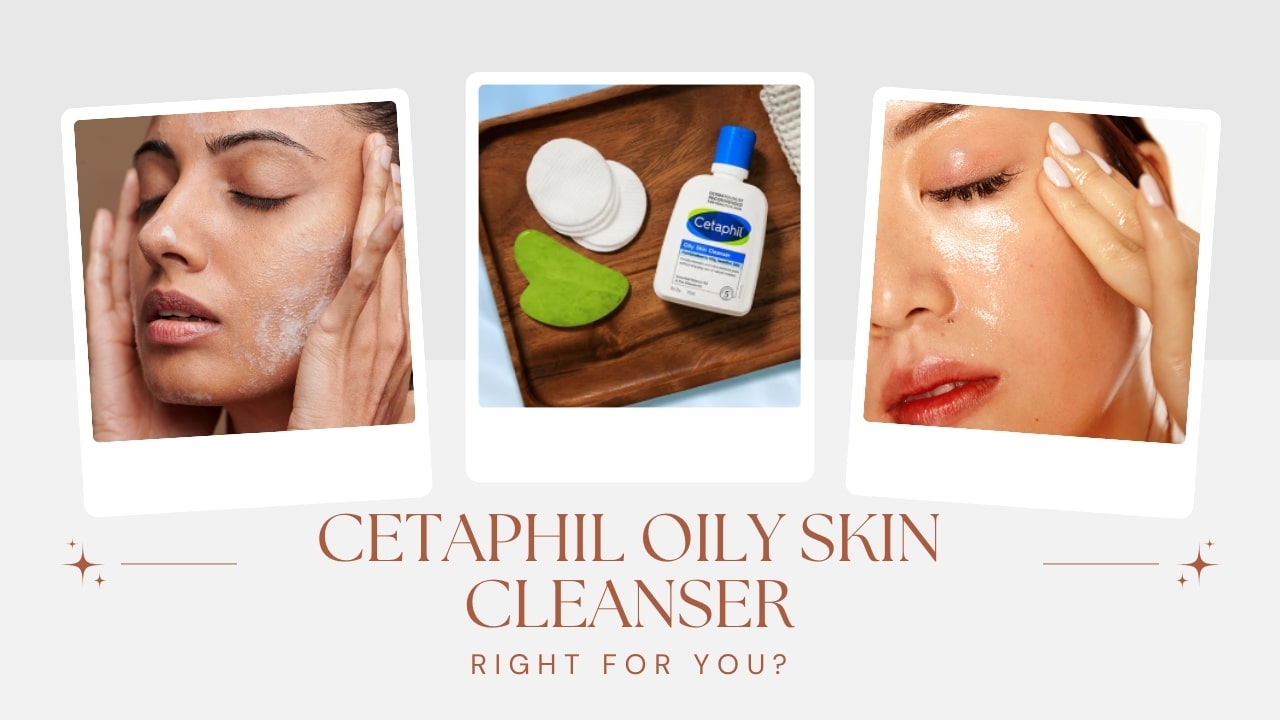
  • Is Cetaphil Oily Skin Cleanser right for you? – Buy Cetaphil Oily Skin Cleanser Online

    Is Cetaphil Oily Skin Cleanser right for you? – Buy Cetaphil Oily Skin Cleanser Online

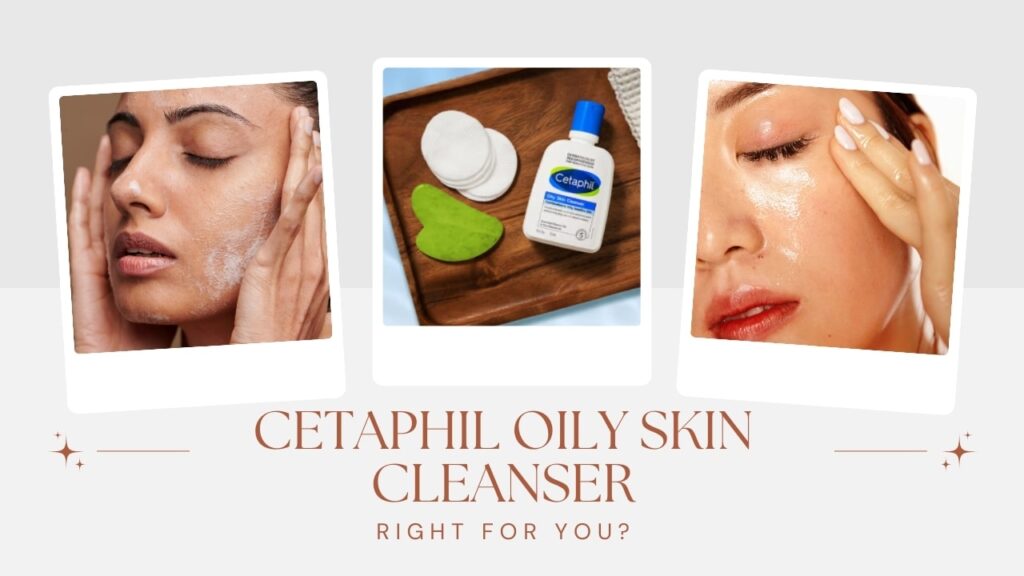
    cetaphil oily skin cleanserCetaphil Oily Skin Cleanser has gained popularity as a go-to product for those battling oily skin. Introducing the quest for the perfect skincare regimen often begins with selecting the ideal cleanser, especially for those with oily skin. Among the array of options, Cetaphil Oily Skin Cleanser emerges as a standout choice, renowned for its gentle yet effective formula. Designed to tackle excess oil without compromising skin hydration, this cleanser has garnered attention from skincare enthusiasts worldwide. However, the significance of choosing the right cleanser for oily skin extends beyond mere cosmetic concerns. It plays a pivotal role in managing oil production, preventing breakouts, and maintaining skin health. 

    Understanding Oily Skin

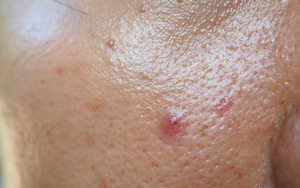
    Oily skin, a prevalent skin condition, manifests through an excess production of sebum, the body’s innate oil secretion. This excess oil can lead to a shiny complexion, enlarged pores, and a tendency to develop acne and blackheads. Oily skin often results from genetic predispositions, hormonal fluctuations, or environmental factors. Individuals with oily skin may experience challenges in managing shine throughout the day and maintaining a balanced complexion. Proper skincare, including regular cleansing and the use of oil-controlling products, is essential to manage oily skin and prevent associated concerns such as acne breakouts.

    What causes oily skin?

    Oily skin occurs when the sebaceous glands produce excess sebum, resulting in a shiny complexion and enlarged pores. Factors such as genetics, hormonal fluctuations, and environmental influences can contribute to this imbalance.

    Common issues faced by individuals with oily skin

    People with oily skin often struggle with acne breakouts, blackheads, and a greasy appearance throughout the day. Finding the right skincare routine is crucial to managing these concerns effectively.

    The importance of proper skincare routine for oily skin types

    A consistent skincare regimen tailored to oily skin can help regulate sebum production, minimize pore congestion, and maintain a healthy complexion. Cleansers play a pivotal role in this routine by removing excess oil, dirt, and impurities without stripping the skin’s natural moisture barrier.
    Cetaphil Oily Skin Cleanser

    Cetaphil Oily Skin Cleanser

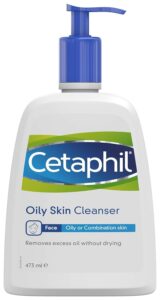
    Cetaphil Oily Skin Cleanser is a gentle yet effective solution tailored specifically for those with oily and acne-prone skin. Its carefully formulated, non-comedogenic formula ensures thorough cleansing without stripping the skin’s natural moisture barrier. The cleanser is designed to remove excess oil, dirt, and impurities, leaving the skin feeling refreshed and balanced. With key ingredients like Zinc Coceth Sulfate and Zinc Gluconate, it helps regulate sebum production and control acne-causing bacteria without causing irritation. Dermatologist-recommended and hypoallergenic, It is suitable for daily use, providing a clean canvas for other skincare products while addressing the unique needs of oily skin types.

    Key ingredients and their benefits for oily skin

    Cetaphil Oily Skin Cleanser boasts a gentle yet effective formula, enriched with key ingredients tailored to address the unique needs of oily skin. Zinc Coceth Sulfate and Zinc Gluconate are pivotal components known for their sebum-regulating properties, helping to control excess oil production and prevent acne breakouts. These ingredients work synergistically to cleanse the skin without stripping its natural moisture barrier, leaving it feeling refreshed and balanced. With its non-comedogenic formulation, Cetaphil Oily Skin Cleanser offers a reliable solution for those seeking to manage oiliness and maintain a clear, healthy complexion.

    How does it work?

    Cetaphil Oily Skin Cleanser works by effectively removing excess oil, dirt, and impurities from the skin without stripping away its natural moisture. Its gentle yet potent formula contains ingredients like Zinc Coceth Sulfate and Zinc Gluconate, which help regulate sebum production and combat acne-causing bacteria. The cleanser’s non-comedogenic properties ensure that it won’t clog pores or exacerbate breakouts, making it suitable for oily, acne-prone skin. By providing a thorough yet gentle cleansing experience, Cetaphil Oily Skin Cleanser leaves the skin feeling refreshed, balanced, and free from excess shine.

    Specific claims or features touted by the brand

    Cetaphil emphasizes its dermatologist-recommended formula, hypoallergenic properties, and soap-free formulation as key selling points. These attributes appeal to individuals seeking a gentle yet effective cleanser for oily skin.
    Cetaphil Oily Skin Cleanser

    Cetaphil Oily Skin Cleanser: Pros and Cons

    Pros:

    1. Gentle yet effective cleansing action, suitable for daily use.
    2. Non-comedogenic formula helps prevent pore congestion and acne breakouts.
    3. Dermatologist-recommended for oily, acne-prone, and sensitive skin types.
    4. Free from harsh ingredients like soap and fragrance, reducing the risk of irritation.
    5. Helps control excess oil production without stripping the skin’s natural moisture barrier.

    Cons:

    1. May not effectively remove heavy makeup or sunscreen residue.
    2. Some users report minimal lathering, requiring additional product for thorough cleansing.
    3. While fragrance-free, it may have a slight medicinal scent that some individuals find off-putting.
    4. Not specifically formulated to address dry patches or provide intense hydration.
    5. Limited availability of larger bottle sizes may require frequent repurchasing for daily use.

    Is Cetaphil Oily Skin Cleanser Right for You?

    Consider your skin type, specific concerns (e.g., acne, sensitivity), and personal preferences when selecting a cleanser. Look for ingredients that address your primary skincare goals without causing irritation or exacerbating existing issues. Individuals with oily, acne-prone, or sensitive skin are likely to benefit from Cetaphil Oily Skin Cleanser’s gentle yet effective formula. It’s also suitable for those seeking a fragrance-free, dermatologist-recommended option. If you have extremely dry skin or require heavy-duty makeup removal, you may find Cetaphil Oily Skin Cleanser less effective. In such cases, a hydrating cleanser or double cleansing method may be more appropriate.

    Expert Opinions and Dermatological Insights

    Dermatologists often recommend Cetaphil Oily Skin Cleanser for its gentle formulation and effectiveness in managing oily skin. Their expertise can provide valuable guidance in selecting the right products for your skincare routine. Dermatologists may tailor their recommendations based on individual factors such as skin type, sensitivity, and existing skin conditions. Consultation with a skincare professional can help you navigate the vast array of products available and identify the most suitable options for your unique needs.

    Tips for Optimal Results

    Start by using the cleanser twice daily, morning and evening, as part of your skincare regimen. Apply a modest quantity onto moistened skin, then cleanse thoroughly with tepid water. Follow up with a lightweight, non-comedogenic moisturizer to lock in hydration without clogging pores. Consider incorporating targeted treatments such as salicylic acid or benzoyl peroxide to address acne and congestion. Prevent eye contact and cease usage if any irritation arises. Patch testing is recommended, especially for individuals with sensitive or reactive skin.

    Conclusion:

    Cetaphil Oily Skin Cleanser offers a gentle yet effective solution for managing oily, acne-prone skin. Its dermatologist-recommended formula and non-comedogenic properties make it a suitable choice for many individuals seeking a reliable cleanser. However, it’s essential to consider your specific skincare needs and consult with a dermatologist if you have any concerns. By understanding your skin type and preferences, you can make an informed decision about whether Cetaphil Oily Skin Cleanser is right for you. Remember, skincare is a journey, and finding the perfect products may require some trial and error. Stay consistent, listen to your skin, and don’t hesitate to seek professional advice along the way.

    If you’re dealing with persistent skin issues related to autoimmune conditions like lupus or rheumatoid arthritis, it’s important to know that certain medications, such as EQOQ Tablet, may be prescribed to manage underlying inflammation that contributes to skin sensitivity. Always consult your dermatologist or physician before combining medical treatment with over-the-counter skincare products.

    FAQs on ‘Is Cetaphil Oily Skin Cleanser Right for You?’

    Q1. Can Cetaphil Oily Skin Cleanser effectively control excess oil without over drying the skin?

    Answer: Yes, Cetaphil Oily Skin Cleanser is formulated specifically for oily skin types and effectively removes excess oil and impurities while maintaining the skin’s natural moisture balance. Its gentle yet thorough cleansing action helps control shine without stripping the skin of essential oils, leaving it feeling clean and refreshed.

    Q2. Is Cetaphil Oily Skin Cleanser suitable for individuals with sensitive skin?

    Answer: Absolutely, Cetaphil Oily Skin Cleanser is dermatologist-recommended and designed with sensitive skin in mind. Its gentle, soap-free formula is hypoallergenic and free from harsh ingredients, making it suitable for those with sensitive or easily irritated skin. Users with sensitive skin often report that it soothes and calms inflammation without causing redness or discomfort.

    Q3. Will Cetaphil Oily Skin Cleanser effectively address acne concerns?

    Answer: Yes, Cetaphil Oily Skin Cleanser contains key ingredients such as Zinc Coceth Sulfate and Zinc Gluconate, known for their acne-fighting properties. By removing excess oil and impurities, it helps prevent pore congestion and reduces the likelihood of acne breakouts. Many users with acne-prone skin find that incorporating this cleanser into their skincare routine helps improve the overall clarity and texture of their skin.

    Related Links: 

    Which Is The Best Cream To Remove Pigmentation?

    What Is The Most Effective Brightening Cream

    Best Face Cream With Vitamin C
    Best Open Pores Treatment

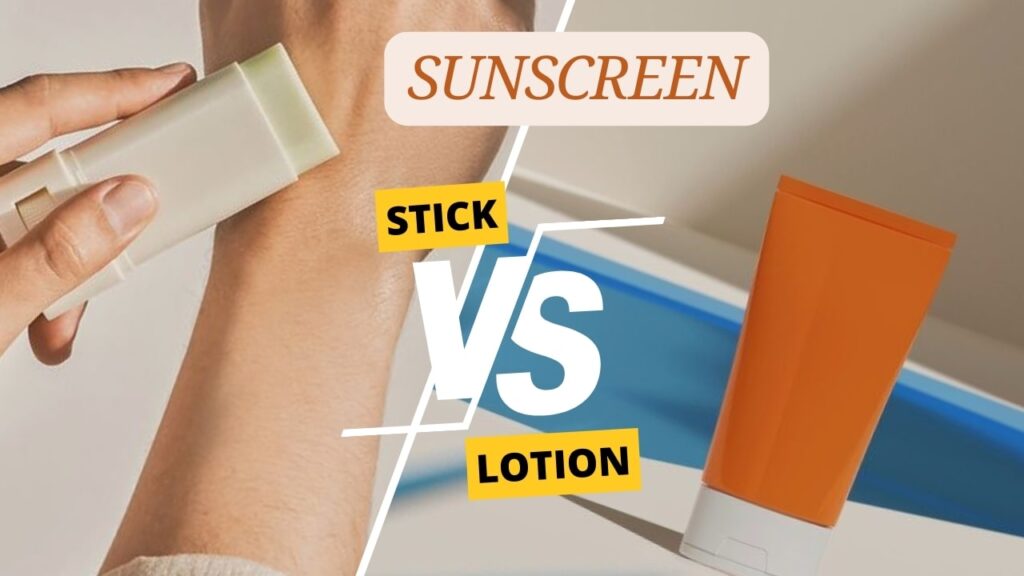
    Sunscreen Stick Vs Lotion

    Pimple Treatment


  • Sunscreen Stick Vs Lotion: Which is Right for You?

    Sunscreen Stick Vs Lotion: Which is Right for You?

    sunscreen stick vs sunscreen lotion

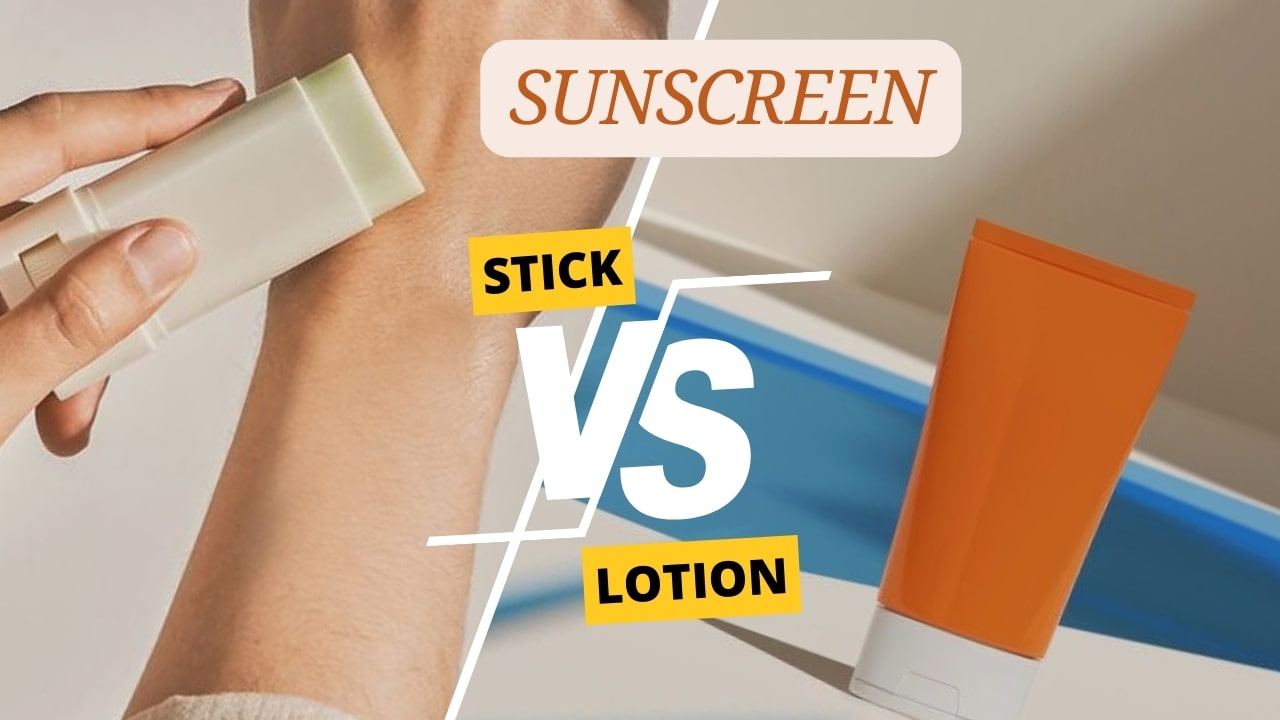
    Sunscreen Stick Vs Lotion – The scorching sun, while a source of warmth and light, can also pose a significant threat to our skin. With the rise in awareness of the dangers of UV radiation, sunscreen has become a non-negotiable part of skincare routines worldwide. However, the market offers an array of options, with sunscreen sticks and lotions being two popular choices. 

    Sunscreen Sticks

    Sunscreen sticks are solid formulations packaged in twist-up tubes, designed for targeted application on specific areas of the skin. Composed of active ingredients like zinc oxide and titanium dioxide, they offer convenience and portability, making them ideal for on-the-go use. Their mess-free application is particularly advantageous during outdoor activities. However, sunscreen sticks may pose challenges in achieving uniform coverage on larger body areas and can leave a waxy or greasy residue. Despite these limitations, they excel in precisely targeting facial areas, scars, or tattoos. Individuals with oily or acne-prone skin often favor sunscreen sticks for their non-greasy texture and ease of application. Overall, sunscreen sticks offer a convenient solution for quick touch-ups and targeted protection, complementing other forms of sun protection in your skincare routine.

    Advantages of Sunscreen Sticks

    1. Portability: Convenient twist-up tubes make sunscreen sticks easy to carry and apply on the go, fitting seamlessly into pockets or bags.   

    2. Mess-Free Application: Their solid formulation minimizes the risk of spills or leaks, making them ideal for outdoor activities and travel.

    3. Targeted Protection: Sunscreen sticks allow precise application, making it effortless to protect specific areas like the face, scars, or tattoos without spreading excess product.   

    4. Non-Greasy: With a lightweight texture, sunscreen sticks offer a non-greasy finish, making them suitable for individuals with oily or acne-prone skin.   

    5. Quick Touch-Ups: Perfect for quick touch-ups throughout the day, sunscreen sticks provide hassle-free reapplication without disrupting makeup or skincare routines.

    Limitations of Sunscreen Sticks

    1. Uneven Coverage: Due to their solid nature, sunscreen sticks may struggle to provide consistent coverage, particularly on larger areas of the body.

    2. Residue: Some users find that sunscreen sticks leave behind a waxy or greasy residue on the skin, which can feel uncomfortable and affect the application of other skincare products.

    3. Limited Application: While ideal for targeted areas like the face, scars, or tattoos, sunscreen sticks may not be practical for full-body coverage or hard-to-reach areas.

    4. Potential for Missed Spots: The solid form of sunscreen sticks makes it easier to miss spots during application, leaving areas of the skin vulnerable to sun damage.

    5. Less Hydration: Compared to lotions, sunscreen sticks often lack moisturizing ingredients, which may not be suitable for individuals with dry or sensitive skin.

    Suitable Skin Types And Scenarios For Sunscreen Sticks

    Sunscreen sticks offer unique benefits that make them particularly suitable for certain skin types and scenarios. Individuals with oily or acne-prone skin often prefer sunscreen sticks due to their non-greasy texture, which helps prevent clogged pores and breakouts. Additionally, their portability and mess-free application make them ideal for on-the-go use, making them a convenient option for outdoor activities such as hiking, swimming, or sports. Sunscreen sticks excel in targeted application, making them perfect for facial areas, scars, or tattoos that require precise coverage. Moreover, their solid formulation ensures minimal spillage, making them a preferred choice for travel or beach outings. Overall, sunscreen sticks are well-suited for those seeking quick and hassle-free sun protection, especially in scenarios where convenience and precise application are paramount.

    Sunscreen Stick Vs Lotion

    Sunscreen Lotions

    Sunscreen lotions are liquid or creamy formulations designed to provide broad-spectrum protection against harmful UV rays. Composed of active ingredients like zinc oxide and titanium dioxide, they offer versatility and ease of application. Their smooth texture allows for even coverage, making them ideal for all-over body use, including larger areas like arms, legs, and torso. Many sunscreen lotions also contain moisturizing ingredients, providing hydration while shielding the skin from the sun. However, they may require more time to apply compared to sunscreen sticks and can feel greasy or heavy on the skin, especially in hot and humid conditions. Despite these limitations, sunscreen lotions are well-suited for individuals with dry or sensitive skin and are essential for prolonged outdoor activities where full-body coverage is necessary.

    Advantages of Sunscreen Lotions

    1. Versatility: Suitable for all-over body application, providing comprehensive protection from UV radiation.

    2. Ease of Spreading: Smooth texture ensures effortless application, ensuring even coverage without leaving patches.

    3. Moisturization: Many lotions contain hydrating ingredients, nourishing the skin while offering sun protection.

    4. Customizable Coverage: Easily adjust the amount applied to meet individual needs, from a light layer for daily use to a thicker layer for extended outdoor activities.

    5. Compatibility: Suitable for various skin types, including dry and sensitive skin, due to their emollient-rich formulations.

    6. Long-lasting Protection: Provides enduring defense against harmful UVA and UVB rays, reducing the risk of sunburn, premature aging, and skin cancer.

    Limitations of Sunscreen Lotions

    1. Longer Application Time: Sunscreen lotions may require more time to apply compared to other forms, especially when covering larger areas of the body.

    2. Greasy Feel: In hot and humid conditions, sunscreen lotions can feel heavy or greasy on the skin, which may be uncomfortable for some individuals.

    3. Potential Staining: Some sunscreen lotions may leave white residue or stain clothing and fabrics, particularly those containing high levels of zinc oxide or titanium dioxide.

    4. Reapplication Challenges: Reapplying sunscreen lotions throughout the day, especially over makeup or other skincare products, can be cumbersome and may disrupt existing layers.

    5. Sensitivity: Certain individuals may experience skin irritation or allergic reactions to specific ingredients commonly found in sunscreen lotions, such as fragrances or preservatives.

    Suitable Skin Types And Scenarios For Sunscreen Lotions

    Sunscreen lotions are ideal for individuals with dry or sensitive skin due to their moisturizing properties, providing hydration while offering sun protection. They are particularly beneficial for beach days or prolonged outdoor activities where full-body coverage is necessary. Additionally, those who prefer a smooth, easy-to-spread texture will find sunscreen lotions favorable. However, individuals with oily or acne-prone skin may find some lotions too heavy or greasy, especially in hot and humid conditions. Overall, sunscreen lotions are versatile options suitable for various skin types and scenarios, offering comprehensive protection against harmful UV rays.

    Sunscreen Stick Vs Lotion

    Factors Influencing Choice

    Several factors should be considered when choosing between sunscreen sticks and lotions:

    Skin Type: Considerations for oily, dry, sensitive, or acne-prone skin.

    Activity Level: Assessing the need for water-resistant or sweat-proof formulas based on your lifestyle.

    Environmental Factors: Considering climate conditions and sun exposure intensity.

    Personal Preferences: Texture, scent, and ease of application are subjective factors to consider.

    Expert Recommendations: Insights from dermatologists or skincare specialists can help guide your decision.

    In making your decision, it’s essential to weigh the pros and cons outlined above and consider your individual needs and preferences. Experimenting with different products may be necessary to find the best fit for your skin type and lifestyle. Regardless of your choice, consistent sunscreen use is crucial for long-term skin health.

    Conclusion:

    Sunscreen plays a pivotal role in shielding our skin from the harmful effects of UV radiation, reducing the risk of sunburn, premature aging, and skin cancer. When deciding between sunscreen sticks and lotions, understanding their differences and considering your specific requirements is key. By prioritizing sun protection and making informed choices, you can safeguard your skin and enjoy the sun responsibly.

    FAQs on Sunscreen Stick Vs Lotion: Which is right for you?

    1. Can sunscreen sticks provide adequate protection for larger body areas?

    Answer: While sunscreen sticks offer convenience and targeted application, they may not provide as consistent coverage on larger body areas compared to lotions. It’s essential to ensure thorough application and reapplication to ensure comprehensive protection against UV rays.

    2. Are sunscreen lotions suitable for oily or acne-prone skin?

    Answer: Sunscreen lotions can be suitable for oily or acne-prone skin, depending on the formulation. Look for oil-free or non-comedogenic options to prevent clogging pores and minimize the risk of breakouts. However, individuals with very oily skin may find lotions too heavy, and sunscreen sticks may be a better alternative for targeted application.

    3. Which option is more convenient for reapplication throughout the day?

    Answer: Sunscreen sticks offer portability and mess-free application, making them convenient for quick touch-ups on the go. However, sunscreen lotions can also be easily reapplied throughout the day, especially if they come in travel-sized bottles. Ultimately, the choice depends on personal preference and lifestyle factors such as activity level and sun exposure duration.

    Related Links: 

    Skin Allergy

    Best Face Cream With Vitamin C And Suitable For All Skin Types

    Best Pimple Cream To Cure Acne

  • Neem Soap: Benefits and Uses for Skincare | Medkart

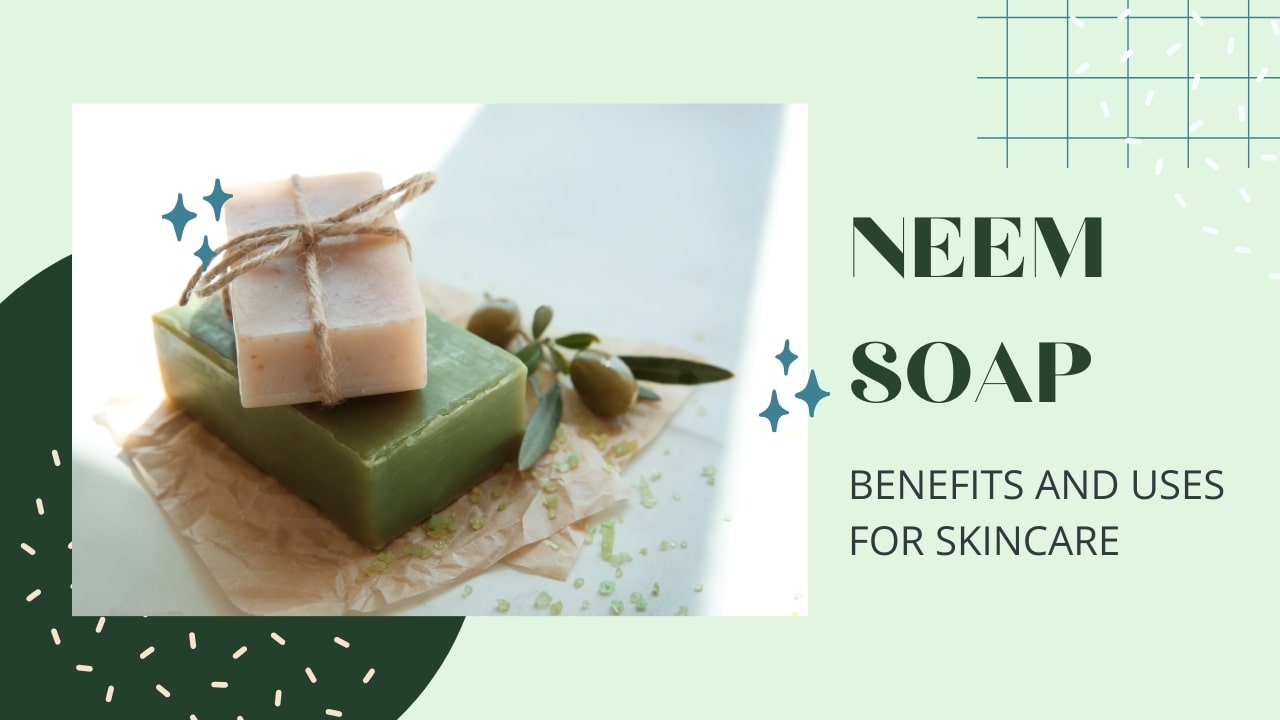
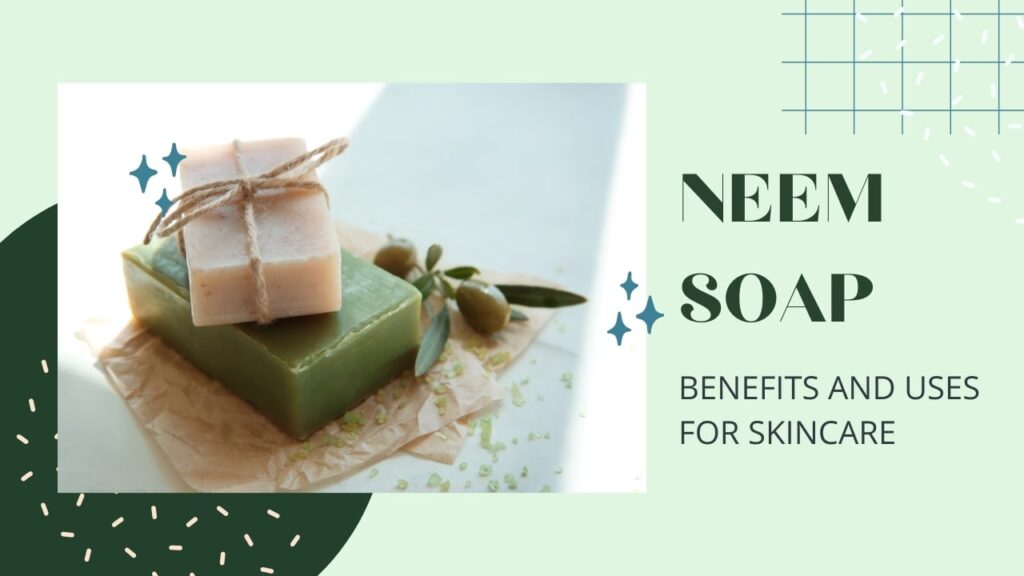
    Neem Soap: Benefits and Uses for Skincare | Medkart

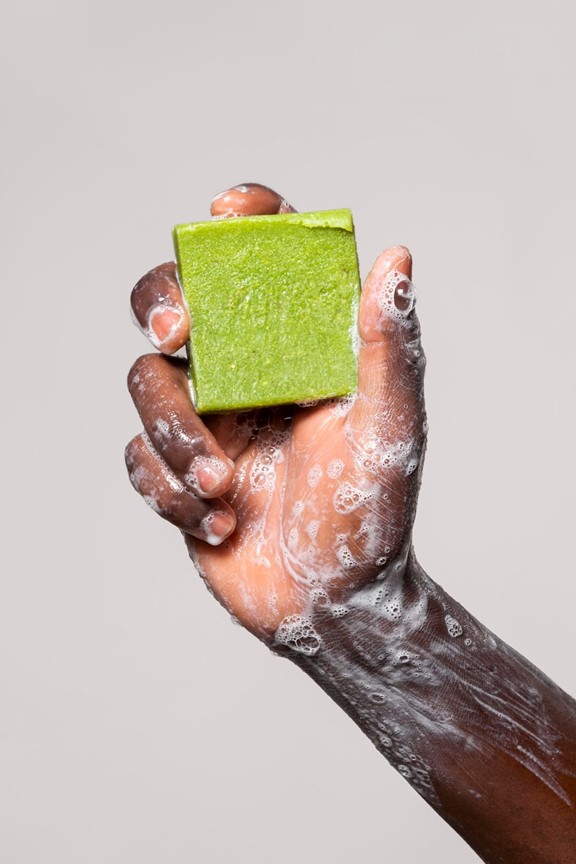
    uses of neem soap, benefits of neem soapAre you a skincare enthusiast trying to find safe, natural remedies? Should that be the case, you’re about to experience something truly wonderful. In the realm of skincare, neem soap has become a game-changer thanks to its many applications and advantages for a range of skin types. The definition of neem, its uses, how to choose the best kind, application advice, and safety measures will all be covered in this blog post. At the conclusion, you will possess all the necessary knowledge to integrate neem soap into your everyday skincare regimen for more radiant, healthier skin.
    What is Neem?

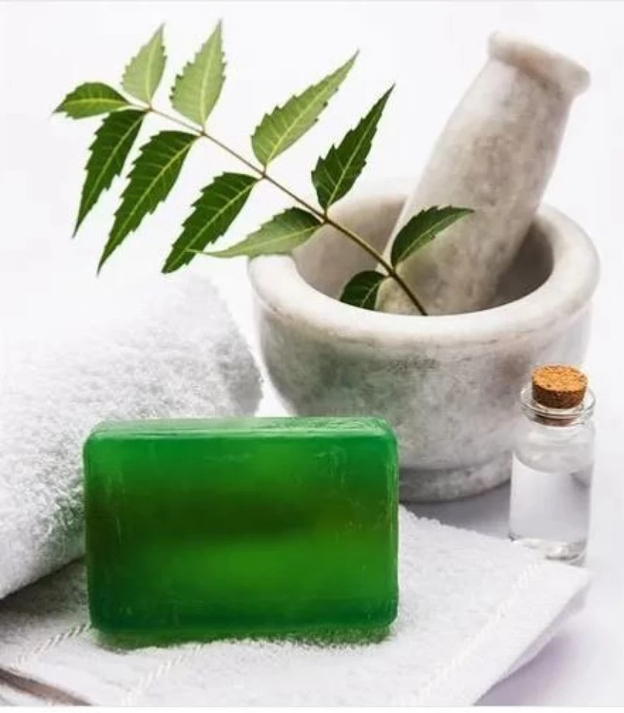
    The Indian subcontinent is home to the neem tree, scientifically known as Azadirachta indica. Because of its potent antibacterial, antifungal, and anti-inflammatory qualities, it has been utilized in traditional medicine for generations. The leaves and bark of the neem tree both contain medicinal substances that make the tree a useful tool for skincare and natural healing.

    Rich concentrations of bioactive chemicals such as nimbin, nimbidin, and a substance called make neem an outstanding plant. These substances support neem’s remarkable capacity to address a range of skin conditions. Neem can be quite helpful if you have acne, eczema, or just general dryness.

    In addition, neem is environmentally beneficial and sustainable. Because of its quick growth and low water requirements, this tree is a great option for anyone who are concerned about their environmental impact.

    Neem soap buy

    Benefits of using Neem Soap

    A variety of skin issues can be resolved by using neem soap, which has several advantages. The following are some key benefits:

    Properties that Are Antibacterial and Antifungal

    The power of neem soap for protection against bacteria and fungus is highly praised. For treating ailments like athlete’s foot, acne, and other fungal infections, it is very useful because of this. You can maintain clean, germ-free skin by using it on a regular basis.

    Beneficial and Regenerative Properties

    Occupied skin becomes less red and swollen as a result of neem’s anti-inflammatory qualities. Neem soap can be really helpful if you have sensitive skin or particular ailments like dermatitis. Even minor scrapes and bruises heal more quickly thanks to its healing qualities.

    Refreshing and hydrating

    Neem soap preserves moisture equilibrium in the skin, in contrast to many commercial soaps that can deplete your skin of its natural oils. Its high content of glycerides and fatty acids nourish and soften the skin. For people who have mixed or dry skin, this is quite helpful.

    Uses of Neem Soap for Skincare

    Using neem soap in diverse skincare regimes to suit different needs is possible due to its extreme versatility. You can include neem soap in your regular routine in the following ways:

    Regularly Used Face Wash

    Regularly cleansing your face with neem soap will help manage oil production, lessen acne, and maintain the youthful appearance of your skin. Your skin is free from dangerous microorganisms and pollutants thanks to its antibacterial qualities.

    Cleansing Body

    You can use neem soap as a body wash as well. It aids in the treatment and prevention of fungus infections, itching, and body acne. After each shower, your skin will feel refreshed and clean.

    Shave Soap

    Neem soap is beneficial for shaving for both men and women. Its calming qualities contribute to a smoother shave and softer skin by lessening irritation and razor burns.

    Benefits of neem

    How to Choose the Right Neem Soap

    Choosing the proper neem soap is essential to getting all of its advantages. Here are some pointers to help you:

    Analyze the contents.

    Verify the ingredient list to make sure that the neem soap actually contains neem leaf extract or pure neem oil. Steer clear of soaps that contain harmful chemicals or artificial perfumes that can irritate your skin.

    Take Into Consider Your Skin Type

    Choose neem soaps with additional components like aloe vera or tea tree oil if you have oily skin. If you have dry skin, choose neem soaps enhanced with hydrating ingredients such as coconut oil or shea butter.

    Read reviews :

    Customer testimonials might offer insightful information on how well the neem soap works. Look for evaluations from individuals who have relevant skin types and issues to your own.

    When choosing a neem soap, look for products that contain pure neem extract and are free from harsh chemicals and additives. Consider your specific skincare needs, such as dryness or acne, and choose a neem soap that is formulated to address those concerns. Opt for neem soaps that are certified organic and produced by reputable brands known for their commitment to quality and sustainability.

    Tips for Using Neem Soap Effectively

    The following advice will help you get the most out of your neem soap:

    Prioritize Patch Testing

    Conduct a patch test on a tiny section of your skin prior to using neem soap on your face or body. Identifying any allergic reactions or product sensitivities will be much easier with the use of this.

    Use  Lukewarm Water

    Use lukewarm water when using neem soap to wash your face and body. Lubrimate water helps preserve the moisture balance, but hot water can remove your skin of its natural oils.

    Relentless Use

    It’s important to be consistent. Frequent use of neem soap will enhance the texture and appearance of your skin. Include it in the routine you follow every day for skincare.

    Precautions and Potential Side Effects

    While most people can safely use neem soap, there are a few things you should know in advance:

    Reactions to Allergies

    Neem allergy responses are possible in certain individuals. Redness, itching, or swelling are examples of symptoms. If you see any of these indicators, discontinue use immediately.

    Consult a dermatologist.

    See a dermatologist if you have serious skin issues or if you have any doubts about using neem soap. Taking into account your skin type and problems, they can offer customized advise.

    Stay Out of Sensitive Areas

    Neem soap should not be applied to delicate regions like mucous membranes or the eyes. Rinse well with water if contact occurs.

    Conclusion

    Neem soap offers numerous benefits for skincare, including its antimicrobial, anti-inflammatory, and antioxidant properties. It can be used to cleanse, soothe, and moisturize the skin, making it a valuable addition to any skincare routine. As awareness of the benefits of natural skincare products grows, neem soap provides a safe and effective alternative to chemical-based products. Incorporating neem soap into your skincare routine can help promote healthy, radiant skin while minimizing the use of harsh chemicals and additives. Embrace the power of nature and discover the benefits of neem for your skin today.

    FAQs on Neem Soap: Benefits and Uses for Skincare

    1. Can any kind of skin type use neem soap?

    Answer : Sure, neem soap works well for all skin types in general, but you should always run a patch test beforehand.

    2. Do pimples respond well to neem soap?

    Answer : Indeed ! Acne can be effectively treated and prevented with neem soap thanks to its antibacterial qualities.

    3. For what purpose is neem soap intended?

    Answer : Include neem soap in your skincare routine every day for optimal benefits.

    The many advantages that neem soap provides can be yours if you adhere to these recommendations and include it in your routine. Bring on glowing, healthy skin and bid skin issues a fond farewell.

  • Best Face Cream With Vitamin C And Suitable For All Skin Types – Buy Face Cream Online

    Best Face Cream With Vitamin C And Suitable For All Skin Types – Buy Face Cream Online

    best vitamin c face creamIn the pursuit of flawless, radiant skin, one ingredient stands out as a powerhouse: Vitamin C. Known for its brightening, antioxidant, and anti-aging properties, Vitamin C has become a staple in skincare routines worldwide. In India, where diverse skin types are prevalent, finding the perfect face cream with Vitamin C that suits all skin types can be a daunting task. However, fear not! We’ve curated a comprehensive list of the best Vitamin C face creams suitable for all skin types, to help you achieve that coveted glow.
    Understanding Vitamin C and Its Benefits

    Face creams enriched with Vitamin C offer a plethora of benefits that can transform your skin’s health and appearance. Let’s delve into the elaborate details of these benefits:

    1. Powerful Antioxidant Protection:

      Vitamin C is a potent antioxidant that helps neutralize free radicals generated by exposure to environmental stressors such as UV radiation, pollution, and cigarette smoke. Free radicals have the potential to harm skin cells, resulting in premature aging, the formation of fine lines, and wrinkles. By scavenging these free radicals, Vitamin C protects the skin from oxidative stress and maintains its youthful vitality.

    2. Boosts Collagen Production:

      Collagen is a protein that provides structural support to the skin, keeping it firm, plump, and elastic.As individuals progress through life, the body’s natural collagen synthesis diminishes over time, resulting in a loss of skin elasticity and the emergence of wrinkles and sagging. Vitamin C plays a crucial role in collagen synthesis by stimulating the activity of collagen-producing cells called fibroblasts. By promoting collagen production, Vitamin C helps maintain skin firmness and resilience, reducing the appearance of wrinkles and fine lines.

    3. Brightens Skin Tone:

      One of the most sought-after benefits of Vitamin C is its ability to brighten and even out the skin tone. Vitamin C has been shown to effectively impede the production of melanin, the natural pigment responsible for the formation of dark spots, hyperpigmentation, and irregular skin tone. By regulating melanin production, Vitamin C helps fade dark spots, reduce discoloration, and promote a more radiant complexion. Regular use of Vitamin C face cream can impart a healthy, luminous glow to dull, tired-looking skin.

    4. Fades Dark Spots and Pigmentation:

      Sun exposure, hormonal changes, and acne can often result in the formation of dark spots, age spots, and post-inflammatory hyperpigmentation. Vitamin C possesses skin-lightening properties that can effectively fade these unwanted pigmentation marks over time. By inhibiting tyrosinase, the enzyme responsible for melanin synthesis, Vitamin C helps diminish the appearance of dark spots and achieve a more even skin tone.

      For those struggling with persistent acne and hyperpigmentation, pairing a gentle Vitamin C cream with dermatologist-recommended treatments like Tretin 0.025% Cream can significantly improve results.

    5. Enhances Skin Hydration:

      Vitamin C face creams often contain moisturizing ingredients such as hyaluronic acid or glycerin, which help attract and retain moisture in the skin. Hydrated skin appears plump, supple, and youthful, with reduced fine lines and wrinkles. By providing intense hydration, Vitamin C face creams replenish the skin’s moisture barrier, improving its texture and overall health.

    6. Protects Against Sun Damage:

      While Vitamin C itself does not offer significant sun protection, it can complement the efficacy of sunscreen in preventing sun damage. Vitamin C neutralizes free radicals generated by UV radiation, reducing oxidative stress and inflammation in the skin. When used in conjunction with a broad-spectrum sunscreen, Vitamin C enhances the skin’s defense mechanisms against harmful UV rays, minimizing the risk of sunburn, premature aging, and skin cancer.

    7. Promotes Healing and Repair:

      Vitamin C accelerates the skin’s natural healing process by promoting the synthesis of collagen and elastin fibers. It helps repair damaged skin cells, diminish scars, and improve overall skin texture. Whether you’re dealing with acne scars, wounds, or sunburns, Vitamin C aids in tissue regeneration, allowing the skin to recover faster and maintain its resilience.

    8. Suitable for All Skin Types:

      Unlike some skincare ingredients that may be harsh or irritating for certain skin types, Vitamin C is generally well-tolerated by all skin types, including sensitive skin. It is non-comedogenic, meaning it won’t clog pores or exacerbate acne. Moreover, Vitamin C offers anti-inflammatory properties, making it beneficial for calming redness, soothing irritation, and reducing skin sensitivity.

    Choosing the Right Face Cream for All Skin Types

    When selecting a Vitamin C face cream, it’s essential to consider various factors such as skin type, formulation, concentration of Vitamin C, additional ingredients, and budget. Opting for a product suitable for all skin types ensures inclusivity and caters to the diverse needs of individuals.

    Best Face Cream With Vitamin C And Suitable For All Skin Types

    1. The Body Shop Vitamin C Glow Boosting Moisturiser:

    • Suitable for all skin types, especially dull and tired-looking skin.
    • Enriched with Amazonian Camu Camu berries, known for their high Vitamin C content.
    • Lightweight, non-greasy formula that provides hydration and radiance.
    • Helps revive the skin’s natural glow and improve texture over time.

    Body Shop Vitamin C Glow Boosting Moisturiser:- Buy Now at 15%

    1. WOW Skin Science Vitamin C Face Cream:

       – Formulated with 20% Vitamin C, hyaluronic acid, and sunflower oil.

       – Ideal for normal to oily skin types, offering hydration without clogging pores.

       – Fades pigmentation, reduces fine lines, and promotes an even skin tone.

       – Free from harmful chemicals such as parabens, sulfates, and mineral oils.

    1. L’Oreal Paris Revitalift Crystal Micro-Essence:

       – Combines the power of brightening actives with 92% pure Centella Asiatica.

       – Suitable for all skin types, including sensitive skin.

       – Lightweight, water-like texture that penetrates deeply to hydrate and rejuvenate the skin.

       – Visibly reduces dark spots, evens out skin tone, and enhances skin clarity.

    1. Plum Bright Years All-Day Defence Cream:

       – Infused with Kakadu plum, the richest natural source of Vitamin C.

       – Designed for all skin types, including sensitive and acne-prone skin.

       – Provides broad-spectrum SPF 45 PA+++ protection against UVA and UVB rays.

       – Fights environmental aggressors, reduces dullness, and prevents premature aging.

    1. Mamaearth Skin Illuminate Vitamin C Face Cream:

       – Contains pure Vitamin C, turmeric, and saffron extracts for glowing skin.

       – Suitable for normal to dry skin types, offering intense hydration and nourishment.

       – Lightens dark spots, evens skin tone, and boosts collagen production.

       – Dermatologically tested, hypoallergenic, and free from harmful chemicals.

    Tips for Incorporating Vitamin C Face Cream into Your Routine

    1. Perform a patch test before using any new product to check for allergic reactions.
    2. Apply Vitamin C face cream onto clean, dry skin, preferably in the morning for added protection against environmental stressors.
    3. Follow up with a broad-spectrum sunscreen during the day to prevent sun damage.
    4. Consistency is key! Incorporate Vitamin C face cream into your daily skincare routine for optimal results.
    5. Store the product in a cool, dark place away from direct sunlight to maintain its potency.

    Conclusion

    Achieving radiant, youthful-looking skin is within reach with the right Vitamin C face cream. By considering factors such as formulation, skin type, and additional benefits, you can select a product that caters to your specific skincare needs. Whether you’re battling dark spots, dullness, or fine lines, these top picks for the best Vitamin C face creams in India offer effective solutions for all skin types. So, embrace the glow and unveil your skin’s luminous potential with Vitamin C-infused skincare delights!

    FAQs On Best Face Cream With Vitamin C And Suitable For All Skin Types

    1. Which is the best face cream with vitamin c and suitable for all skin types?

    Answer: In India, the best face cream with Vitamin C suitable for all skin types is The Body Shop Vitamin C Glow Boosting Moisturiser. Enriched with Amazonian Camu Camu berries, it revitalizes dull skin, promotes radiance, and provides lightweight hydration without clogging pores. Its potent antioxidant properties and gentle formulation make it an ideal choice for achieving luminous, healthy-looking skin for all skin types.

    2. Is Vitamin C face cream suitable for oily or acne-prone skin?

    Answer: Yes, many Vitamin C face creams are formulated to be lightweight and non-comedogenic, making them suitable for oily and acne-prone skin types. Look for oil-free formulations and avoid heavy creams that may exacerbate oiliness or clog pores.

    3. How long does it take to see results from using Vitamin C face cream?

    Answer: Results from using Vitamin C face cream may vary depending on individual skin concerns and consistency of use. However, many users report noticing improvements in skin tone, texture, and overall radiance within a few weeks of regular application. For optimal results, incorporate Vitamin C face cream into your daily skincare regimen and be patient with the process.

  • What Is The Most Effective Brightening Cream – Buy Brightening Creams Online

    What Is The Most Effective Brightening Cream – Buy Brightening Creams Online

    effective skin brightening creamIn a country as diverse as India, where beauty is celebrated in myriad shades and tones, the quest for radiant, glowing skin is a common pursuit. With a market flooded with skincare products promising luminosity and brightness, choosing the most effective brightening cream can be overwhelming. India’s climatic conditions, coupled with factors such as pollution, sun exposure, and lifestyle stressors, often take a toll on the skin, leading to dullness, uneven skin tone, and pigmentation. Consequently, the demand for brightening creams has surged, with consumers seeking solutions to restore their skin’s natural radiance.
    Key Considerations for Effective Brightening Creams

    Before delving into specific product recommendations, it’s essential to understand the key factors that contribute to the effectiveness of brightening creams:

    1. Ingredients: Look for brightening agents such as niacinamide, vitamin C, kojic acid, licorice extract, and alpha hydroxy acids (AHAs) like glycolic acid. These ingredients work to inhibit melanin production, reduce hyperpigmentation, and promote cell turnover, thereby enhancing skin brightness.
    2. Sun Protection: Sun exposure is a primary cause of skin darkening and pigmentation. Opt for brightening creams with adequate sun protection, preferably with broad-spectrum SPF to shield the skin from harmful UV rays.
    3. Skin Type Compatibility: Consider your skin type and any specific concerns you may have, such as sensitivity or acne-prone skin, when selecting a brightening cream. Look for formulations tailored to your skin type to ensure optimal results without triggering adverse reactions.
    4. Clinical Evidence: Look for products backed by scientific research and clinical trials demonstrating their efficacy in brightening the skin. Customer reviews and testimonials can also provide valuable insights into real-world results.Most Effective Brightening Cream

    Top Picks for the Most Effective Brightening Creams in India

    Brightening creams, often referred to as skin lightening or whitening creams, are popular skincare products in India and around the world. They are designed to address issues such as dark spots, hyperpigmentation, uneven skin tone, and dullness, resulting in a brighter and more radiant complexion. After careful consideration of the aforementioned factors, here are some top recommendations for brightening creams available in India:

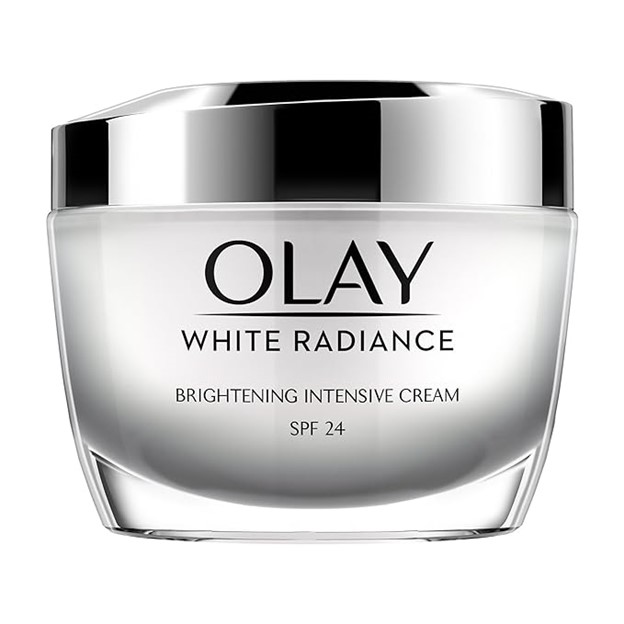
    1. Olay White Radiance Brightening Intensive Cream:

    Buy Most Effective Brightening Cream – At 15% Discount

    • Olay is a well-known skincare brand globally, trusted for its quality products.
    • The White Radiance Brightening Intensive Cream contains Vitamin B3 (Niacinamide) and Sepiwhite, which help reduce dark spots and even out skin tone.
    • It moisturizes the skin, leaving it soft and supple while also providing SPF 24 protection against harmful UV rays.
    • Suitable for all skin types, this cream is known for its lightweight texture and non-greasy finish.

    Most Effective Brightening Cream

    1. Lotus Herbals Whiteglow Skin Whitening & Brightening Gel Crème:

    Buy Most Effective Brightening Cream – At 15% Discount

    • Lotus Herbals stands as a renowned Indian label celebrated for its array of herbal skincare solutions, capturing hearts with its natural essence and effective formulations.
    • The Whiteglow Gel Crème contains extracts of Grape, Mulberry, Saxifraga, and Milk enzymes, which help lighten the skin tone and reduce pigmentation.
    • It has a gel-based formula that hydrates the skin without making it oily, making it suitable for combination to oily skin types.
    • This cream also contains SPF 25 PA+++ for sun protection, making it ideal for daytime use.
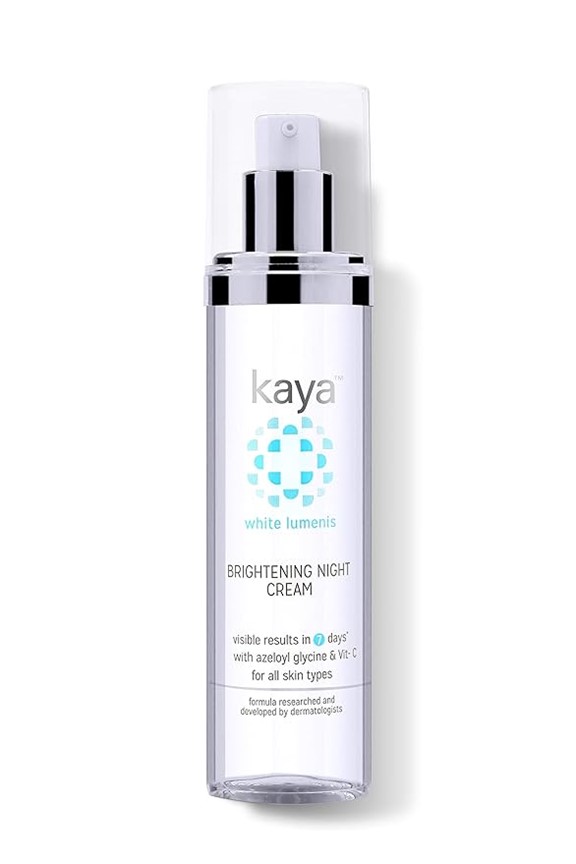
    1. Kaya Brightening Night Cream:

    Buy Most Effective Brightening Cream – At 15% Discount

    • Kaya Skin Clinic is a well-known skincare clinic chain in India, offering a range of dermatologist-tested products.
    • The Brightening Night Cream is enriched with potent skin brightening agents like Vitamin C, Azelaic Acid, and Niacinamide.
    • It works overnight to repair and renew the skin, reducing dark spots and pigmentation while promoting a more luminous complexion.
    • This cream is suitable for all skin types and is particularly beneficial for those dealing with dullness and uneven skin tone.

    Most Effective Brightening Cream

    1. L’Oreal Paris White Perfect Day Cream:

    Buy Most Effective Brightening Cream – At 15% Discount

    • L’Oreal Paris is a leading global beauty brand, known for its innovative skincare formulations.
    • The White Perfect Day Cream contains Melanin-Vanish and Tourmaline Gemstone, which help reduce dark spots and brighten the skin.
    • It has a lightweight texture that absorbs quickly into the skin, providing hydration and a radiant glow.
    • This cream also offers SPF 17 PA++ protection against sun damage, making it suitable for daytime use.
    1. VLCC Snigdha Skin Whitening Night Cream:

    Buy Most Effective Brightening Cream – At 15% Discount

    • VLCC is a popular Indian brand offering a wide range of skincare and wellness products.
    • The Snigdha Skin Whitening Night Cream contains extracts of Liquorice, Mulberry, and Lemon Peel, which help lighten dark spots and rejuvenate the skin overnight.
    • It is enriched with natural oils and vitamins to nourish and hydrate the skin, promoting a more even-toned complexion.
    • This cream is suitable for all skin types and is particularly effective in reducing pigmentation caused by sun exposure and environmental factors.

    Note: If your skin concerns include infections, irritation, or inflammation rather than pigmentation or dullness, using a brightening cream may not be the right solution. In such cases, dermatologists often recommend topical treatments like 3D Skin Cream, which is specifically formulated to treat bacterial and fungal skin infections effectively.

    What Does A Brightening Cream Do

    Brightening creams have become increasingly popular in skincare regimens, promising to illuminate the complexion and fade dark spots. But what exactly do these creams do, and how do they achieve their claimed results?

    1. Evens Out Skin Tone:

      One of the primary functions of brightening creams is to even out skin tone. They target areas of hyperpigmentation, such as dark spots, sun spots, and acne scars, by inhibiting the production of melanin, the pigment responsible for skin coloration. Ingredients like niacinamide, vitamin C, and kojic acid work to fade these dark patches, resulting in a more uniform complexion.

    2. Reduces Hyperpigmentation:

      Hyperpigmentation occurs when excess melanin production leads to darkening of certain areas of the skin. Brightening creams contain ingredients that interfere with the melanin synthesis process, effectively reducing hyperpigmentation and promoting a brighter appearance. Over time, consistent use of these creams can lead to a significant reduction in the intensity and size of dark spots.

      For those struggling with hyperpigmentation, dermatologist-recommended treatments like Tretin 0.025% Cream can significantly improve results. For deeper pigmentation conditions such as melasma, doctors may recommend medicated creams like Tyromax Cream, formulated specifically to target stubborn dark patches.

    3. Promotes Cell Turnover:

      Many brightening creams contain exfoliating ingredients such as alpha hydroxy acids (AHAs) or beta hydroxy acids (BHAs). These compounds help to slough off dead skin cells and promote cell turnover, revealing fresh, radiant skin underneath. By accelerating the skin’s natural renewal process, brightening creams can improve overall skin texture and luminosity.

    4. Enhances Radiance:

      Brightening creams are formulated to impart a radiant glow to the skin. They often contain light-reflecting particles or optical diffusers that instantly brighten the complexion and blur imperfections. Additionally, some creams contain moisturizing ingredients that plump the skin, creating a dewy, luminous look.

    5. Provides Sun Protection:

      Many brightening creams come with added sun protection factor (SPF) to shield the skin from harmful ultraviolet (UV) rays. Sun exposure is a leading cause of dark spots and uneven skin tone, so incorporating SPF into a brightening cream helps prevent further pigmentation and maintains the results achieved through lightening existing spots.

    6. Hydrates and Nourishes:

      To maintain a healthy, radiant complexion, skin needs adequate hydration and nourishment. Brightening creams often contain moisturizing ingredients like hyaluronic acid, glycerin, or ceramides, which help to replenish the skin’s moisture barrier and keep it supple and smooth.

    7. Addresses Signs of Aging:

      Some brightening creams also target signs of aging, such as fine lines, wrinkles, and dullness. Ingredients like retinol, peptides, and antioxidants help to stimulate collagen production, improve skin elasticity, and combat free radical damage, resulting in a more youthful and vibrant appearance.

    Conclusion

    Achieving a radiant, luminous complexion is attainable with the right skincare regimen, including the use of effective brightening creams. By considering factors such as ingredients, sun protection, skin type compatibility, and clinical evidence, individuals in India can make informed choices to address their skin’s specific needs. Whether combating hyperpigmentation, dullness, or uneven skin tone, incorporating a high-quality brightening cream into your skincare routine can help unveil the glowing complexion you desire. Remember to complement your skincare routine with healthy lifestyle habits, including adequate hydration, balanced nutrition, and sun protection, for optimal results in the quest for radiant skin.

    FAQs On What Is The Most Effective Brightening Cream

    1. Which is the most effective brightening cream?

    Answer: “Kaya Brightening Day Cream” is widely regarded as the most effective brightening cream in India, featuring potent ingredients like vitamin C and licorice extract to target hyperpigmentation and achieve a luminous complexion suited for diverse skin tones. With dermatologist-tested formulations and SPF protection, it addresses Indian skin concerns, ensuring safe and effective results in varying climates.

    2. What are the key considerations when choosing the most effective brightening cream?

    Answer: Look for creams with ingredients like vitamin C, kojic acid, licorice extract, and niacinamide, which are known to inhibit melanin production and brighten skin. SPF protection is crucial to prevent further darkening due to sun exposure. Additionally, opt for products suitable for your skin type and concerns.

    3. Are there any precautions to consider when using brightening creams in India, especially for sensitive skin?

    Answer: It’s important to perform a patch test before applying any new product to check for allergic reactions or sensitivity. Avoid overuse or combining multiple potent ingredients, as this may cause irritation or adverse reactions. Consulting a dermatologist for personalized recommendations can help address specific concerns and ensure safe usage.

  • Best Pimple Cream To Cure Acne | Buy Pimple Cream Online

    Best Pimple Cream To Cure Acne | Buy Pimple Cream Online

    best pimple cream for acneAcne, a prevalent dermatological issue impacting countless individuals globally, often serves as a catalyst for frustration and self-doubt, triggering feelings of insecurity and discomfort. From adolescence to adulthood, battling acne is a journey many embark on. Fortunately, the skincare industry offers a plethora of products promising to banish those pesky pimples and unveil clear, radiant skin. Among these, pimple creams stand out as a popular choice for targeted treatment. Acne typically occurs when hair follicles become clogged with oil and dead skin cells, leading to the formation of pimples, blackheads, and whiteheads. Factors such as hormonal fluctuations, genetics, diet, and skincare habits can exacerbate acne.
    Causes for Pimples

    Pimples, or acne, can arise from various factors, often stemming from the complex interplay of hormones, genetics, and environmental influences. One primary cause is the overproduction of sebum, an oily substance produced by the skin’s sebaceous glands. Excess sebum can clog pores, trapping bacteria and dead skin cells inside, leading to inflammation and the formation of pimples. Hormonal fluctuations, particularly during puberty, menstruation, pregnancy, or times of stress, can stimulate sebum production and exacerbate acne. Additionally, certain medications, such as corticosteroids or oral contraceptives, may contribute to acne development. 

    Genetics also play a significant role, as individuals with a family history of acne are more prone to developing it themselves. Environmental factors like pollution, humidity, and exposure to comedogenic substances can further aggravate acne. Poor skincare habits, such as using harsh products or not properly cleansing the skin, can also contribute to pimple formation. Overall, addressing the multifactorial nature of acne requires a comprehensive approach that includes proper skincare, lifestyle modifications, and sometimes medical intervention.

    For Infected or Persistent Acne: If you notice pus-filled, red, or spreading acne lesions, it may be more than just clogged pores. In such cases, dermatologists may prescribe topical treatments like 3D Skin Cream, which helps fight underlying bacterial or fungal infections contributing to acne flare-ups.

    Pimple Cream

    Choosing the Right Pimple Cream

    With an array of pimple creams saturating the market, selecting the right product can feel overwhelming. When searching for the best pimple cream, it’s essential to consider several factors:

    1. Ingredients:

      Look for pimple creams containing active ingredients known for their acne-fighting properties. These may include benzoyl peroxide, salicylic acid, retinoids, sulfur, or tea tree oil. Each ingredient targets acne in different ways, from unclogging pores to reducing inflammation.

    2. Skin Type:

      Consider your skin type when choosing a pimple cream. Some products may be too harsh for sensitive skin, while others might not provide sufficient hydration for dry skin. Opt for formulations tailored to your specific skin concerns to achieve optimal results without causing irritation.

    3. Formulation:

      Pimple creams come in various formulations, including gels, creams, serums, and spot treatments. Determine which type of product aligns with your skincare routine and preferences. Spot treatments are ideal for targeting individual pimples, while creams or serums may be better suited for widespread acne.

    4. Reviews and Recommendations:

      Researching product reviews and seeking recommendations from dermatologists or skincare experts can help narrow down your options. Real-life experiences and professional insights provide valuable guidance in selecting the best pimple cream for your needs.

      Here’s the dermatologist’s recommended cream to cure acne: TRETIN 0.025% CREAM

    Top Pimple Creams for Acne-Prone Skin


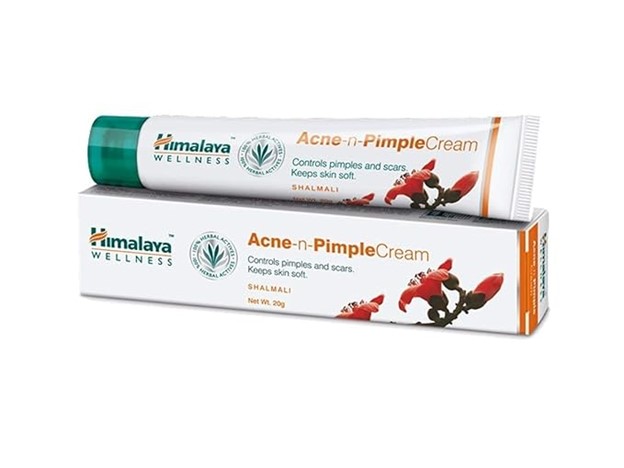
    1. Himalaya Herbals Acne-n-Pimple Cream:

    Buy Pimple Cream – At 15% Discount

    Formulated with natural ingredients like Neem and Turmeric renowned for their antibacterial properties. Helps control excess oil secretion and prevents acne flare-ups. Gentle on the skin, suitable for daily use, and ideal for those with sensitive skin.

    Pimple Cream

    1. Sebamed Clear Face Care Gel:

    Buy Pimple Cream – At 15% Discount

    Contains active ingredients like hyaluronic acid and aloe vera, offering hydration without clogging pores. Regulates sebum production and soothes inflammation, promoting clearer skin. Dermatologically tested and suitable for oily, acne-prone skin, including sensitive types.

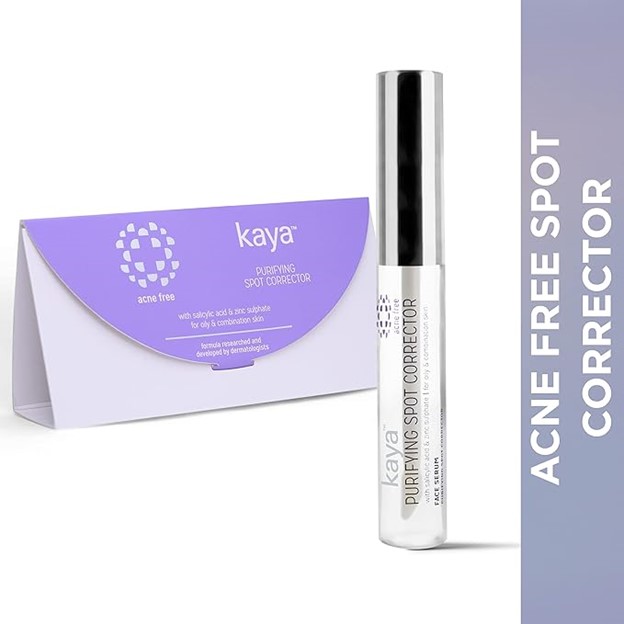
    1. Kaya Clinic Acne-Free Purifying Spot Corrector:

    Buy Pimple Cream – At 15% Discount

    Infused with potent ingredients like zinc sulfate and salicylic acid, effectively targeting acne-causing bacteria. Helps fade acne scars and prevents new breakouts, promoting a smoother complexion. Recommended by dermatologists, especially for individuals struggling with stubborn acne and PIH.

    Pimple Cream

    1. La Roche-Posay Effaclar Duo(+):

    Buy Pimple Cream – At 15% Discount

    Features a dual-action formula enriched with niacinamide and LHA (Lipo Hydroxy Acid) to unclog pores and reduce inflammation. Clinically proven to reduce acne lesions and prevent recurrence without causing dryness. Suitable for acne-prone, sensitive skin, offering visible results within weeks of regular use.

    1. Benzac AC Gel:

    Buy Pimple Cream – At 15% Discount

    Contains benzoyl peroxide, a potent antibacterial agent, effective against acne-causing bacteria. Penetrates deep into pores, eliminating existing acne and preventing new breakouts. Gradually fades acne scars, restoring skin’s clarity and radiance.

    Tip for Acne Marks: Even after pimples heal, many people are left with stubborn dark spots or pigmentation. For deeper discoloration like melasma or post-inflammatory hyperpigmentation, dermatologists may prescribe targeted creams such as Tyromax Cream 20 gm to help lighten those patches gradually.

    Tips for Maximizing Results

    While incorporating a pimple cream into your skincare routine is a crucial step in combating acne, there are several additional measures you can take to maximize results:

    1. Cleanse Thoroughly: Begin and end each day with a gentle cleanser to remove dirt, oil, and impurities from the skin’s surface. Opt for non-comedogenic formulas that won’t clog pores or exacerbate acne.
    2. Moisturize Regularly: Hydrated skin is healthy skin. Incorporate a lightweight, oil-free moisturizer into your skincare regimen to maintain optimal hydration levels without clogging pores.
    3. Protect with SPF: Shield your skin from harmful UV rays by applying a broad-spectrum sunscreen with an SPF of 30 or higher daily, even on overcast days. Sun exposure can exacerbate acne and cause post-inflammatory hyperpigmentation.
    4. Avoid Over-Exfoliation: While exfoliation is essential for removing dead skin cells and preventing clogged pores, overdoing it can strip the skin’s natural barrier and exacerbate acne. Limit exfoliation to 2-3 times per week and opt for gentle formulations.
    5. Practice Patience: Achieving clear, radiant skin takes time and consistency. Be patient and stick to your skincare routine, giving products ample time to deliver results.

    Conclusion

    Bid adieu to acne woes with the right pimple cream tailored to Indian skin’s unique needs. Whether combating occasional breakouts or persistent acne, the Indian market offers a plethora of effective solutions. Embrace a holistic approach, incorporating a balanced diet, adequate hydration, and stress management alongside your chosen pimple cream for optimal results. Flaunt clear, radiant skin as you conquer acne with confidence, courtesy of these top-notch pimple creams meticulously curated for the Indian populace.

    FAQs on Best Pimple Cream to Cure Acne in India

    1. Which is the best pimple cream to cure acne?

    Answer: One of the best pimple creams for acne in India is Himalaya Herbals Acne-n-Pimple Cream, renowned for its herbal ingredients like neem and turmeric, effectively reducing inflammation and preventing bacterial growth. Another top choice is Garnier Skin Naturals Pure Active Neem Purifying Face Wash, which deeply cleanses the skin with neem extracts, preventing acne recurrence and promoting clearer skin. Neutrogena Oil-Free Acne Wash is also highly recommended, containing salicylic acid to cleanse pores, remove excess oil, and prevent future breakouts without over-drying the skin.

    2. What are the key ingredients to look for in the best pimple cream for acne?

    Answer: Look for ingredients like salicylic acid, tea tree oil, neem, turmeric, and myristica, which are known for their anti-inflammatory and antibacterial properties. These ingredients help in unclogging pores, reducing inflammation, and preventing bacterial growth, effectively treating and preventing acne breakouts.

    3. How long does it take to see results from using the best pimple cream for acne?

    Answer: Results can vary depending on the severity of acne and individual skin types, but noticeable improvement is often seen within a few weeks of consistent use. It’s essential to follow the recommended usage instructions and maintain a regular skincare routine for best results.

    4. Are there any precautions to consider when using pimple creams to cure acne?

    Answer: Avoid using pimple creams excessively, as overuse can lead to dryness, irritation, and other skin issues. It’s also crucial to protect your skin from sun exposure while using certain pimple creams, as they can increase sensitivity to UV radiation. Additionally, if you experience severe or persistent acne, it’s advisable to consult a dermatologist for personalized treatment recommendations.


  • Skin Allergy: Cream, Ointment, Skin Allergy Medicine, Anti Allergy Medicine for Skin

    Skin Allergy: Cream, Ointment, Skin Allergy Medicine, Anti Allergy Medicine for Skin

    skin allergy, cream, ointment, & medicineSkin Allergy is a common and frustrating problem that affects millions of people worldwide. They occur when the immune system overreacts to a substance called allergen, that comes into contact with the skin. This overreaction can cause symptoms such as redness, itching, swelling, and even blisters. Skin allergies may result from various triggers like foods, meds, insect bites, and chemicals in personal care items. It’s essential to understand the different skin allergy types to effectively manage and treat these conditions.

    Some skin allergies are mild, causing temporary discomfort, while others, if not addressed, can lead to chronic skin problems. By knowing the various skin allergy types and the best treatments available, individuals can make informed decisions to keep their skin healthy and allergy-free. Moreover, it is crucial to recognize the signs and symptoms of a skin allergy, as this can help a person determine whether they are dealing with an allergic reaction or another skin condition.

    Symptoms of skin allergies can include redness, itching, swelling, and rash, and may vary in severity depending on the individual and the allergen involved. If a person suspects they have a skin allergy, they should consult with a healthcare professional to receive an accurate diagnosis and determine the best course of treatment.

    Types of Skin Allergy

    There are several common skin allergy types that individuals should be aware of. One of the most prevalent types is contact dermatitis, which occurs when the skin comes into direct contact with an allergen. This can be further divided into irritant contact dermatitis, which is caused by harsh chemicals or substances, and allergic contact dermatitis, which is an immune system reaction to a specific allergen. Common allergens that can cause contact dermatitis include nickel, poison ivy, and certain fragrances and preservatives found in personal care products.

    Another common skin allergy type is atopic dermatitis, also known as eczema. This is a chronic skin condition characterized by itchy, red, and inflamed skin. Atopic dermatitis is often caused by a combination of genetic and environmental factors and can be triggered by allergens such as pollen, pet dander, and certain foods.

    Urticaria, or hives, presents as sudden, itchy, red welts on the skin, indicative of yet another type of skin allergy. Hives can be triggered by various allergens, including medications, insect bites, and exposure to heat or cold temperatures. In some cases, the cause of hives may be unknown, and the condition can be chronic and difficult to manage.

    Ointment and Treatment

    Skin allergy creams and ointments are topical treatments that can help alleviate the symptoms of skin allergies, such as itching, redness, and inflammation. They work by delivering active ingredients directly to the affected area of the skin, providing targeted relief and promoting healing. For skin allergies, different creams are recommended based on type and severity to address symptoms and underlying causes effectively.

    For eg, corticosteroid creams ease skin allergies by lessening inflammation and itching, serving as common remedies for such conditions. These medications work by suppressing the immune system’s response to allergens, thereby reducing the symptoms of an allergic reaction. Corticosteroid creams and ointments are available in various strengths and should be used as directed by a healthcare professional.

    Antihistamine creams and ointments are another option for treating skin allergies. These medications work by blocking the action of histamine released during an allergic reaction that causes itching and inflammation. By inhibiting the effects of histamine, antihistamine creams and ointments can help reduce the symptoms of skin allergies. In addition to corticosteroid and antihistamine creams and ointments, there are also topical immunomodulators and emollients available for skin allergy treatment.

    Topical immunomodulators, such as tacrolimus and pimecrolimus, work by suppressing the immune system’s overreaction to allergens, while emollients help to soothe and moisturize the skin, relieving dryness and itching.

    Skin Allergy Medicines

    Selecting the appropriate skin allergy cream or ointment depends on several factors, including the specific skin allergy type, the severity of symptoms, and individual preferences. It’s essential to consult with a healthcare professional before starting any new treatment, as they can help determine the best course of action based on the patient’s unique needs. When choosing the best cream for skin allergy or ointment, one should consider the active ingredients and their potential side effects.

    For example, corticosteroid creams and ointments can be very effective in treating skin allergies, but they can also cause thinning of the skin and other side effects if used for extended periods. Therefore, it’s important to follow the healthcare professional’s recommendations and use these medications as directed to minimize potential risks.

    Another factor to consider when selecting a skin allergy cream or ointment is the product’s consistency and ease of application. Some prefer thick, rich ointments for lasting moisture; others favor light creams for quick absorption into the skin.

    Personal preferences and the specific needs of the affected skin area can help guide this decision. Additionally, individuals with skin allergies should always choose fragrance-free and hypoallergenic creams and ointments, as these products are less likely to cause further irritation or trigger an allergic reaction.

    What is the Skin Allergy Tablet’s Name?

    In some cases, skin allergy tablets may be recommended as part of a comprehensive treatment plan. Oral meds manage skin allergies by addressing internal causes, alleviating symptoms from within the body, tackling allergic reactions. Skin allergy tablets typically fall into two main categories: antihistamines and corticosteroids.

    Antihistamine tablets are one of the most common types of skin allergy tablets. As mentioned earlier, these medications work by blocking the action of histamine, thereby reducing the symptoms of an allergic reaction. Oral antihistamines can be particularly useful for individuals with skin allergies who do not respond well to topical treatments or who experience symptoms over a large area of the body. Corticosteroid tablets, on the other hand, are generally reserved for severe skin allergies or cases where other treatments have proven ineffective.

    These medications work by suppressing the immune system’s response to allergens, reducing inflammation and relieving symptoms. However, due to the potential side effects associated with long-term corticosteroid use, these medications are typically prescribed for short periods and under the close supervision of a healthcare professional. While skin allergy tablets can be an effective treatment option, it’s essential to remember that they may not be suitable for everyone, and their use should be guided by the advice of a healthcare professional.

    Skin Allergy images

    Treatment at Home

    For those seeking more natural alternatives to skin allergy treatment, several home remedies may help alleviate symptoms and promote healing. These remedies aren’t substitutes for professional medical advice but can complement conventional therapies for additional relief if used wisely.

    One popular natural remedy for skin allergies is aloe vera. This plant has long been used for its soothing and anti-inflammatory properties, making it an excellent choice for treating skin irritation and inflammation caused by allergies. To use aloe vera for skin allergies, one can apply pure aloe vera gel directly to the affected area or choose a hypoallergenic and fragrance-free aloe vera-based cream or ointment.

    Natural Remedy for Skin Allergies

    A natural remedy for skin allergies is oatmeal. Oatmeal contains avenanthramides, compounds with anti-inflammatory and skin-soothing properties. An oatmeal bath or paste made from ground oatmeal and water can help relieve itching/inflammation associated with skin allergies. Simply mix one cup of ground oatmeal with warm water to create a paste and apply it to the affected area for 10-15 minutes before rinsing off with cool water.

    Tea tree oil is another natural remedy that has been shown to have anti-inflammatory and antimicrobial properties, making it an ideal choice for treating skin allergies. One can mix a few drops of tea tree oil with a carrier oil, such as coconut oil, and apply it to the affected area for relief. Finally, chamomile is a natural anti-inflammatory and antihistamine, making it an effective treatment for skin allergies. One can brew a cup of chamomile tea and apply the cooled tea bags directly to the affected area, or make a chamomile-infused oil or cream for topical application.

    Also Read: What is Generic Medicine?

    Anti Allergy Medicine for Skin

    For individuals with severe or chronic skin allergies, anti-allergy medicine may be necessary to manage symptoms effectively. These medications work by blocking the immune system’s response to allergens, reducing inflammation and relieving symptoms. One common type of anti-allergy medicine for skin allergies is oral antihistamines. These medications can help relieve itching, redness, and swelling by blocking the action of histamine.

    Antihistamines are available OTC or by prescription, chosen based on individual needs, symptoms, and availability. Corticosteroids are another type of anti-allergy medicine that can be effective in treating skin allergies. These medications work by reducing inflammation and suppressing the immune system’s response to allergens. Corticosteroids come in oral tablets, creams, and ointments, and must be used only as directed by a healthcare professional.

    In some cases, immunomodulators may be prescribed to treat skin allergies. These medications work by suppressing the immune system’s overreaction to allergens, reducing inflammation and relieving symptoms. Topical immunomodulators require close healthcare supervision for safe use and are available in creams or ointments.

    Tips for Managing Skin Allergies

    In addition to medical treatments, there are several lifestyle changes and tips that individuals can implement to manage their skin allergies effectively:

    • Avoid known allergens: It’s essential to identify and avoid allergens that trigger skin allergies. This may involve reading labels, changing personal care products, and avoiding certain foods or medications.
    • Moisturize regularly: Keeping the skin moisturized can help prevent dryness and reduce the risk of allergic reactions. Choosing fragrance-free and hypoallergenic moisturizers can help minimize the risk of further irritation.
    • Wear protective clothing: Wearing gloves or long sleeves reduces skin contact with allergens, helping minimize potential allergic reactions from exposure.
    • Keep the skin clean: Regularly washing skin with gentle, fragrance-free soap can remove allergens and prevent irritation
    • Manage stress: Stress can exacerbate skin allergies, so implementing stress-reducing techniques, such as meditation or yoga, can help manage symptoms.

    Consult a doctor and Order Medicine Online for less contact with the skin allergy disease.

    Best Skin Allergy Creams and Ointments

    When it comes to choosing the best skin allergy creams and ointments, there are several options available. Some popular choices include:

    • Hydrocortisone cream: This over-the-counter cream contains a mild corticosteroid that can help reduce inflammation and relieve itching.
    • Calamine lotion: Zinc oxide and ferric oxide mixture soothes irritated skin with cooling relief, making it an effective topical treatment.
    • Eucerin cream: This fragrance-free and hypoallergenic cream contains oatmeal and can help relieve itching and inflammation associated with skin allergies.
    • Aveeno eczema therapy cream: This cream contains colloidal oatmeal and ceramides and can help soothe and moisturize dry, itchy skin.
    • Cetaphil restoraderm lotion: This lotion is formulated for individuals with eczema and can help restore the skin’s natural barrier function.
    • TRETIN 0.025% CREAM 30 GM: TRETIN 0.025% CREAM is a derivative used to treat acne, fine lines, uneven skin tone, and sun damage.
    • EQOQ TABLET 10’S: EQOQ Tablet 10’s is a nutritional supplement containing L-Ergothioneine and Nicotinamide (Vitamin B3). It helps support cellular health, enhances antioxidant defense, and may improve skin repair and energy metabolism. Often used in managing fatigue, oxidative stress, and skin-related concerns.
    • 3D SKIN CREAM 10 GM: 3D SKIN CREAM 10 GM treats skin infection effectively.

    It’s essential to consult a healthcare professional before trying new skin allergy creams to find the best product.

    Conclusion

    Skin allergies are frustrating, but with proper treatment, they can be managed effectively, improving comfort and quality of life. Understanding the different skin allergy types, choosing the right skin allergy cream or ointment, and implementing lifestyle changes can all help reduce the risk of allergic reactions and promote healthy skin.

    One should consult a healthcare professional before starting any new treatment for personalized guidance based on individual needs and symptoms. However, with the right approach, individuals can say goodbye to skin allergies and enjoy healthy, allergy-free skin.

    Related Links: