Blog

  • Gallbladder Stone Surgery: All you need to Know

    Gallbladder Stone Surgery: All you need to Know

    Gallbladder Stone Surgery

    Gallbladder Definition 

    The gallbladder is a little, pear-shaped organ that is situated beneath the liver in the upper right abdomen. Its main function is to store bile, a digestive fluid produced by the liver, which helps break down fats in the food we eat.

    Gallbladder stone surgery is a common procedure carried out to remove gallstones from the gallbladder. Gallstones are small, hard deposits that form in the gallbladder, which can cause severe pain and discomfort. This guide provides a comprehensive overview of the different parts of your gallbladder, how to prepare for surgery, what to expect during and after the procedure, and tips for a smooth recovery.

    Introduction to Gallbladder Stone Surgery

    Gallbladder stone surgery, also known as cholecystectomy, is a surgical procedure that removes the gallbladder or the gallstones from it. The gallbladder is a little, pear-shaped organ that is situated beneath the liver in the upper right abdomen. It stores bile, a digestive fluid produced by the liver, which helps break down fats in the food we eat. Gallstones form when the bile contains too much cholesterol or bilirubin, a waste product of red blood cells.

    Understanding the Parts of Gallbladder

    The fundus, body, and neck are all constituent elements of the gallbladder. The fundus is the rounded portion of the gallbladder, while the body is the main part of the organ. The neck is the narrow part that connects the gallbladder to the bile ducts, which are tubes that carry bile from the liver to the small intestine. The cystic duct is the tube that connects the gallbladder to the common bile duct, which carries bile to the small intestine.

    Understanding the different parts of gallbladder is important for managing issues that may arise, such as the formation of gallstones. In some cases, gallbladder stone surgery may be necessary to remove the gallbladder or gallstones. This surgical procedure, also known as cholecystectomy, can be performed using laparoscopic or open techniques, and involves removing the gallbladder or stones from it.

    If the gallbladder is removed, bile will still be produced by the liver, but it will no longer be stored in the gallbladder. Instead, it will flow directly from the liver to the small intestine through the common bile duct. While this can cause changes in digestion, most people are able to adjust to these changes and lead normal, healthy lives without a gallbladder.

    Regular check-ups and screenings are recommended for those at risk for gallbladder issues, such as individuals with a history of gallstones, obesity, or rapid weight loss. By understanding the different parts of gallbladder and its role in digestion, individuals can take steps to manage their digestive health and prevent complications related to gallbladder issues.

    Common Causes of Gallbladder Stones

    Gallstones can form when the bile contains too much cholesterol or bilirubin. Gallstone formation may also be influenced by the following additional factors:

    • Obesity

    • Rapid weight loss

    • A high-fat diet

    • Hormonal therapy

    • Family history of gallstones

    Symptoms of Gallbladder Stones

    Gallstones do not always cause symptoms, but when they do, they can be severe. Gallstones’ most typical signs and symptoms include:

    • Pain in the upper right abdomen

    • Nausea and vomiting

    • Fever and chills

    • Yellowing of the skin and eyes (jaundice)

    • Clay-colored stools

    • Dark urine

    Diagnosis of Gallbladder Stones

    To diagnose gallstones, your doctor may perform an ultrasound, CT scan, or MRI to look for the presence of stones in your gallbladder. They may also perform blood tests to check for signs of infection or inflammation.

    Types of Gallbladder Stone Surgery

    There are two main types of gallbladder stone surgery: open cholecystectomy and laparoscopic cholecystectomy. Open cholecystectomy involves making a large incision in the abdomen to remove the gallbladder. Laparoscopic cholecystectomy is a minimally invasive procedure that involves making several small incisions in the abdomen and using a tiny camera and surgical instruments to remove the gallbladder.

    Preparing for Gallbladder Stone Surgery

    Before your surgery, your doctor will give you instructions on how to prepare. This may include avoiding food and drink for several hours before the procedure, taking prescribed medications, and arranging for someone to drive you home after surgery. You will also need to discuss any existing medical conditions and medications with your doctor.

    What to Expect During Gallbladder Stone Surgery

    During the surgery, you will be given anesthesia to ensure that you are asleep and pain-free throughout the procedure. If you are having open cholecystectomy, the surgeon will make a large incision in your abdomen to remove the gallbladder. If you are having laparoscopic cholecystectomy, the surgeon will make several small incisions in your abdomen and use a tiny camera and surgical instruments to remove the gallbladder.

    Recovery from Gallbladder Stone Surgery

    After your surgery, you will need to rest and recover for several days before returning to your normal activities. Your doctor will give you instructions on how to care for your incision sites, such as keeping them clean and dry.Additionally, you can feel some discomfort and pain, which can be treated with painkillers. You should avoid heavy lifting and strenuous activity for several weeks after surgery.

    How to Sleep after Gallbladder Surgery

    Sleeping after gallbladder surgery can be challenging due to pain and discomfort. To make sleeping more comfortable, you can try sleeping on your back or side with pillows to support your incision sites. You should also avoid sleeping on your stomach and elevate your head slightly to reduce pressure on your abdomen.

    The Importance of Post-Operative Care

    Post-operative care is essential for a smooth recovery from gallbladder stone surgery. This may include following a special diet, taking prescribed medications, and attending follow-up appointments with your doctor. You should also avoid smoking and alcohol, as these can slow down the healing process and increase the risk of complications.

    Conclusion

    Gallbladder stone surgery is a common procedure that can help relieve the pain and discomfort caused by gallstones. Understanding the different parts of your gallbladder, how to prepare for surgery, what to expect during and after the procedure, and tips for a smooth recovery can help you feel more informed and prepared for the process. If you are experiencing symptoms of gallstones, it is important to seek medical attention as soon as possible to prevent potential complications.

    Call To Action

    Visit Medkart to get the best generic medicines at the lowest prices, today!
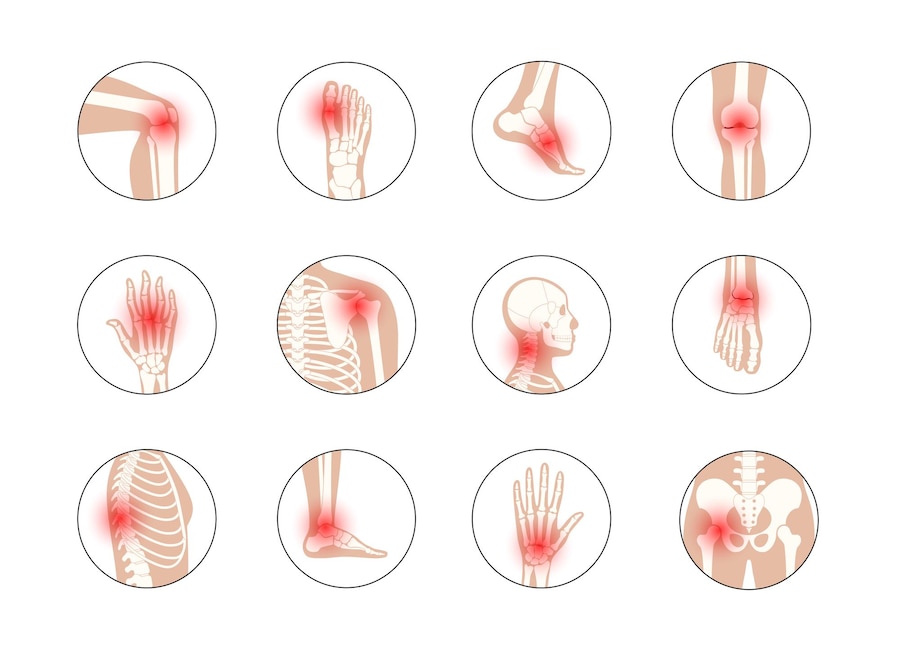
  • Are there different types of  arthritis?

    Are there different types of arthritis?

    If you’ve encountered an old person or if you are old, then you have probably heard about arthritis. If you haven’t, don’t worry. Here, we’ll discuss what arthritis is, its types, and how to manage it.

    What is arthritis?

    Arthritis is inflammation or swelling. It occurs within joints. It is not a single disease. It is a term for swelling and degeneration in the joints due to degeneration. In addition to joint degeneration, it can also cause severe joint pain and stiffness.

    Normally, arthritis damages the soft tissues surrounding the joint. This in turn causes pain during joint movement. The exact symptoms of arthritis differ based on its cause and type. It typically occurs with age but can result from trauma, poor lifestyle choices, etc.

    It is a progressive condition. So, the symptoms often start worsening over time. In the initial stages, it is mild and easily manageable through medications. But in severe cases, most arthritis patients need to undergo surgery for correction.

    different types of  arthritis image

    Different types of arthritis

    Arthritis is one of the most common bone and joint issues prevalent in today’s world. There are more than 100 documented types of arthritis. This is based on their causes and symptoms. Of these, 5 types of arthritis are the most common. Let’s discuss these types of arthritis and how they can affect you.

    The most common types of arthritis are:

    • Osteoarthritis (OA)

    It is also known as degenerative joint disease or “wear and tear” arthritis. It is the most common type of arthritis. It generally affects the hands, hips, and knees.

    It can also occur due to improperly managed fractures or trauma in the joint. During OA, the cartilage supporting the joint starts breaking down. This causes stress on the underlying bone.

    Its symptoms are joint pain, stiffness, and swelling, along with a severe inability to perform joint movements.

    • Rheumatoid Arthritis (RA)

    RA is an autoimmune condition. In this, your body’s immune system starts attacking the healthy joint tissues by error. This can further lead to painful inflammation of the joints.

    RA frequently affects multiple joints at the same time. Some of the most commonly affected joints from RA are the hands, wrists, and knees.

    It is signified by symptoms like chronic pain, joint instability, joint deformity, weakness, etc. In some cases, it can even spread to other organs like the lungs, heart, and eyes.

    • Childhood Arthritis

    Childhood or juvenile arthritis is another type of autoimmune disorder. Its exact cause is unknown. But due to its similarity to rheumatoid arthritis, it is also known as juvenile idiopathic arthritis (JIA) and juvenile rheumatoid arthritis.

    It causes severe pain in the joints, along with symptoms like joint swelling, fever, stiffness, rashes on the body, fatigue, loss of appetite, etc. If not managed properly, it can cause permanent damage to the joints, even making simple activities like walking difficult.

    • Psoriatic Arthritis

    Psoriatic arthritis is a combination of psoriasis and arthritis, i.e., patients have inflammation in their skin and joints. It is most commonly associated with patchy and scaly skin, with raised red and white inflamed areas.

    Normally, signs of psoriasis appear before signs of arthritis. It can affect virtually any joint, i.e., knee, spine, elbow, etc. It generally affects people between 30 to 40 years of age, but it can affect children too in some cases.

    • Gout

    Gout is an inflammatory type of arthritis. It is incurable. It occurs due to the deposition of uric acid crystals in the joints. If gout keeps recurring, it eventually leads to gouty arthritis, i.e., joint degeneration.

    It commonly affects only one joint at a time. It normally occurs in the feet (big toe joint, ankle, etc.) The symptoms of gout can get worse sometimes, called flares, and can recede sometimes on their own, called remission.

    You can manage it using medications and self-management strategies.

    How can arthritis be managed?

    You can manage arthritis by following the given tips:

    • Manage your lifestyle. Take your medicines as prescribed. Manage your stress levels. Try to improve your mood.

    • Be physically active. It will help with your symptoms. It will also boost your mood, and slow down joint degeneration. It will reduce further risk of chronic diseases.

    • Talk to your doctor. They will actively help you manage your pain and make sure you get the best treatment possible.

    • Don’t stress out your joints. Try to make sure you only perform light activities and maintain a healthy weight.

    With arthritis, it is very important to take proper care. If you have already been diagnosed, then you probably know how important it is to take control of the condition in time. Follow these steps to manage arthritis and lead a healthy life.

    Know more about your Medicines at Medkart, which is an online pharmacy platform that makes buying medicines convenient & cost-effective. To place your orders, download the app today!

    FAQs

    What is the most painful type of arthritis?

    Rheumatoid arthritis is the most painful type of arthritis. It affects the soft tissues and organs surrounding the joint. It causes inflammation there.

    Can arthritis be cured completely?

    There is no actual cure for arthritis. It occurs due to wear in the joints. But it can be effectively managed via medicines, physiotherapy, and in severe cases, surgery.

    What is the main cause of arthritis?

    Arthritis mainly occurs due to natural wear and tear in the joints. However, it can also occur due to autoimmune disorders and certain inflammatory conditions. The exact cause differs from patient to patient.

  • Effective Home Remedies for Arthritis Treatment

    Effective Home Remedies for Arthritis Treatment

    Home Remedies for Arthritis Treatment image

    Arthritis Treatment – Arthritis is an inflammation of a single or multiple joints in the body. It has several types, each one having its causes and appropriate treatments. Osteoarthritis is the most common form. Other common ones may include gout, rheumatoid arthritis, and psoriatic arthritis.

    Rheumatoid arthritis is an autoimmune condition that cannot be cured with natural remedies. However, natural remedies for rheumatoid arthritis and other forms of arthritis can help in relieving the symptoms of joint pain and swelling to some extent. Since there are no side effects associated with home remedies for arthritis, you can try them at home.

    However, remember that home remedies for arthritis are not a replacement for medical treatment and must always be coupled with medicines to manage arthritis pain and stiffness better.

    Home Remedies for Arthritis Treatment

    Here are some of the most effective home remedies for arthritis and joint pain:

    1. Engage in light physical activity

    If you have arthritis, you might avoid moving your joints because of the discomfort it causes. However, inactivity or lack of movement over time has a damaging effect on the joints. It can result in muscle weakness and restricted joint movement.

    Light exercises and certain forms of light yoga are good home remedies for arthritis management. Mild stretching, walking, and swimming are a few simple exercises that can be done to strengthen your muscles and joints. Include them in your routine to naturally relieve joint pain and other arthritis symptoms.

    2. Use hot and cold compressions

    This home remedy for arthritis provides significant relief from the swelling of joints and arthritis pain. Hot compression is used for pain relief, loosening stiff joints, and relaxing muscles. You can use a heating pad or a warm towel for compression.

    Cold compressions in the form of ice packs are ideal for reducing swelling in joints. However, you should not use them simultaneously and give a gap of a few hours between sessions.

    3. Take a massage for arthritis

    Body massages are known for being a good home remedy for arthritis, especially osteoarthritis and knee pain. They help to lower stress hormones and release mood-enhancing hormones. They also reduce stiffness and joint pain and improve joint function.

    4. Maintain a healthy weight

    Arthritis primarily affects the weight-bearing joints of the body. Extra body weight puts additional strain on these joints, like your knees and hips. This aggravates the pain. Losing extra body weight is one of the best home remedies for arthritis.

    If you are overweight and suffer from arthritis, follow a healthy diet regime to maintain a healthy weight. This will help increase your mobility and reduce future damage to your bones.

    5. Use Omega-3 fatty acids

    ​Omega-3 fatty acids have been extensively researched for their ability to treat rheumatoid arthritis because they have anti-inflammatory properties. According to studies, people who consume more fatty fish or take fish oil supplements experience less morning stiffness and joint pain and rarely need medication.

    Thus, omega-3 fatty acids are suggested as a home remedy for arthritis. However, consult a doctor before adding a supplement to your diet to know if it will suit you.

    Omega-3 fatty acids best offer

    6. Add turmeric or curcumin supplements to your diet

    ​Studies have shown that turmeric has anti-inflammatory and anti-oxidative properties. Thus, it can be used as a natural remedy for joint pain. The active ingredient found in turmeric is a compound called curcumin, which may help reduce osteoarthritis pain without any side effects.

    Some studies have shown that curcumin intake treats morning stiffness increases walking time, and reduces joint swelling in arthritis patients. You can safely add turmeric to your diet. You may also take turmeric or curcumin supplements made with piperine, which helps the body absorb curcumin more effectively. Nevertheless, it is important to consult your doctor before adding a curcumin supplement to your diet.

    Conclusion

    Home remedies for arthritis are the safest way to reduce the symptoms related to pain and joint stiffness. However, you should not rely on them completely as they don’t cure the condition. A home remedy for joint pain should not replace medication but can be safely used as an adjunct therapy to improve your condition. Always consult an orthopaedic doctor before using any form of natural remedy and starting an exercise regime

    For your medical needs, visit India’s most reputable pharmacy, Medkart, which sells high-quality generic medications at affordable prices. Compare your medication prices and know more about your medicines on Medkart | Generic Medicines Online – Best Online Pharmacy App.

    Read: What are Generic Medicines?

    FAQs on Arthritis Treatment

    Q1. Which bones are first impacted by arthritis?

    The tiny joints in the fingers and toes are usually the first to be affected. The most prevalent symptom is stiffness, especially in the morning.

    Q2. Can arthritis go away naturally?

    No, arthritis cannot go away naturally, but it is manageable. You can try home remedies for arthritis to help ease discomfort, improve your range of motion, and prevent further harm.

    Q3. At what age does arthritis start?

    Arthritis mostly begins between the ages of 40 and 60. It affects women more than men. Although a complete cure is not possible, medications are available that help to suppress an overactive immune system and reduce joint pain and swelling.

    Related Links:

  • What Is The Role Of Surgery In Arthritis Treatment? | Arthritis Treatment

    Introduction Arthritis Treatment

    Pain, stiffness, tenderness… Arthritis can leave you in a world of pain, which is why prompt detection and Arthritis Treatment are important for those with the condition.

    Arthritis is a degenerative condition that involves pain and inflammation in the joints. Globally, more than 350 million people have arthritis. Also, people with osteoarthritis have a 24% higher risk of getting the cardiovascular disease than those without it, which is why it is important to get Arthritis Treatment in time.What are the types of arthritis?

    There are various types of arthritis:

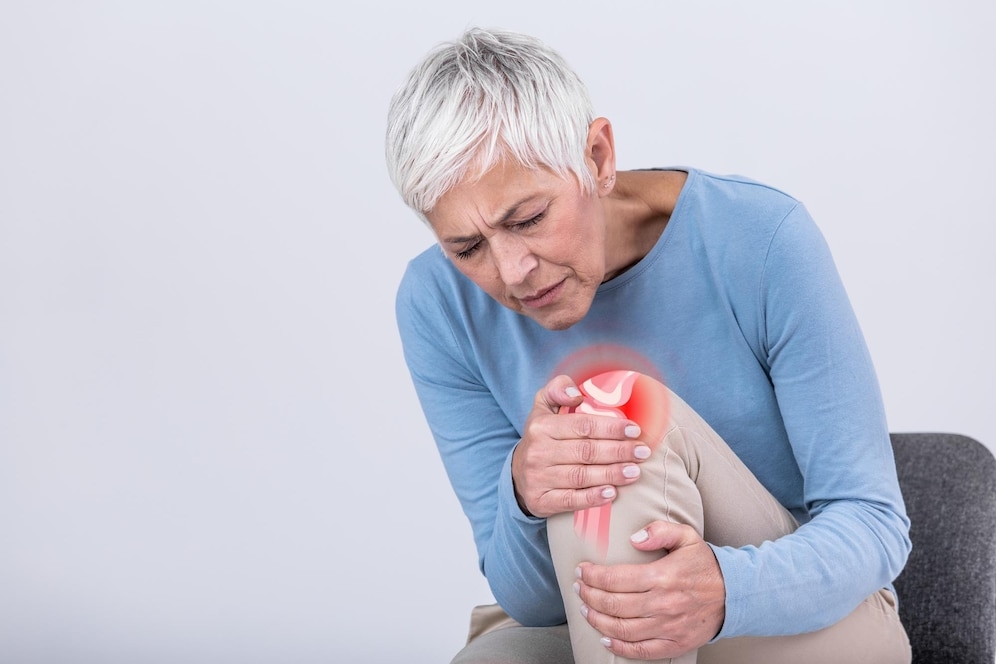
    • Osteoarthritis: When the cartilage wears out it can cause bones to rub together, leading to damage and inflammation. There are different Types Of Knee Surgery For Arthritis if the condition requires it
    • Rheumatoid arthritis: An auto-immune condition when the immune system attacks healthy joint tissue
    • Ankylosing spondylitis: Over time this inflammatory disease can cause some of the vertebrae to fuse resulting in a hunched posture
    • Septic arthritis: This infection in the joint usually occurs when there is a penetrating injury, such as an animal bite. Infants and older adults are most likely to develop the condition and knees are usually most affected
    • Thumb arthritis: This refers to cartilage wearing away from bones that form the joint at the base of the thumb (carpometacarpal or CMC joint). A CMC Joint Surgery or Thumb Arthritis Surgery is usually recommended for relief
    • Gout: Here, you have sudden but severe intolerable bouts of pain, swelling, and tenderness in the joints, most often the big toe
    • Juvenile idiopathic arthritis: otherwise known as juvenile rheumatoid arthritis, it usually shows up under the age of 16 and results in persistent joint pain and stiffness
    • Psoriatic arthritis: Can affect those with psoriasis (a disease that causes red silvery-scaled skin patches)
    • Reactive arthritis: Not very common, here the joint pain is triggered by an infection in another part of the body like the intestines or urinary tract

    What are the Symptoms of Arthritis

    The most common signs of arthritis, which may require arthritis treatment, are:

    • Pain
    • Inflammation
    • Stiffness
    • Tenderness
    • Swelling
    • Redness
    • Reduced range of motion

    Arthritis is diagnosed by:

    1. Physical exam
    2. Laboratory tests: Here, blood, urine, and joint fluid are analyzed.
    3. Imaging: X-rays, Computerized tomography, Magnetic resonance imaging, and Ultrasound are done to detect cartilage loss, and bone damage and track the progression of the disease.

    What does Arthritis Treatment involve?

    The main focus of Arthritis Treatment is to relieve symptoms and improve joint function. Some of the common treatments are:

    • Medications: These depend on the type of arthritis. Some of the more common and best Arthritis Medications for Arthritis Treatment are Nonsteroidal anti-inflammatory drugs (NSAIDs) such as ibuprofen; Creams and ointments containing menthol or capsaicin to reduce pain; Corticosteroids to slow joint damage; Disease-modifying antirheumatic drugs (DMARDs) to save the joints from permanent damage
    • Physical therapy: This is a helpful Arthritis Treatment for some types of arthritis though sometimes splints or braces may be recommended.
    • Surgery: There are different types of Arthritis Surgery for Arthritis Treatment including joint repair (where joint surfaces are smoothed and realigned to improve function); Joint replacement (where the damaged joint, usually in the knees or hips, is replaced with an artificial one); and Joint fusion (Arthritis Surgery for smaller joints, such as those in the wrist or ankle)

    Conclusion

    Unfortunately, there is no cure for arthritis, which is why getting timely

    Arthritis Treatment is important. Arthritis Treatment aims to limit pain and inflammation as well as preserve and improve joint function. Arthritis Treatment options usually include medicines, Arthritis Surgery, weight reduction, and physical therapy.

    If you have pain or swelling in the joints, contact your healthcare provider for the right arthritis treatment. Do read the blogs on the Medkart website to understand more about the prevention and treatment of arthritis.

    FAQ ralated arthritis

    1) Is arthritis a permanent disease?

    Early diagnosis and

    Arthritis Treatment is important to prevent or minimize permanent damage caused by arthritis. On account of the avascular nature of cartilage, once the damage has occurred, it cannot be cured permanently. But Arthritis Treatment and Arthritis Surgery will help relieve the pain.

    2) Why do people get arthritis?

    Arthritis is caused by joint inflammation. Arthritis is a disease that usually comes with age but sometimes it can be because of an injury or trauma.

    3) At what age does arthritis start?

    Between the ages of 40 and 60 is when people usually begin to show signs of arthritis. But then again, it depends on the type of arthritis. It’s more common in women. And getting the right Arthritis Treatment can do a long way in pain relief. 

  • Is there a difference between joint pain and arthritis? | Joint pain vs Arthritis

    Is there a difference between joint pain and arthritis? | Joint pain vs Arthritis

    Joint pain vs arthritis

    Joint pain vs arthritis

    Many tend to use the terms joint pain and arthritis interchangeably. There is confusion among common people regarding their actual meaning. But, technically, there is a lot of difference between joint pain and arthritis. While joint pain can be a manifestation of arthritis, it is not the same as arthritis.

    Read on to better understand these two terms, define your condition, and learn more about joint pain relief and arthritis pain relief.

    Are arthritis and joint pain the same?

    Technically, no. There is a significant difference between joint pain and arthritis. Arthritis is an inflammatory condition that causes your joints to become red and swollen, which causes pain. Arthritis is characterised by underlying inflammation in the soft tissue called cartilage that lines your joints.

    Arthritis can be of several types—degenerative or osteoarthritis, inflammatory or rheumatoid arthritis, infectious arthritis, and metabolic arthritis. On the other hand, joint pain is an acute condition where you feel pain in a joint after it has been in use for a very long time, say, after a vigorous activity, accident, or fever. Though joint pain is a symptom of arthritis, not all forms of joint pain qualify as arthritis.

    As you age, your cartilage/soft tissues that line the joints wear down and start to age. The condition is marked with mild pain in the joints, with gradual progression to chronic pain, stiffness, and swelling of joints. If left untreated, the degeneration of joints may continue and worsen with time. Knowing the difference between joint pain and arthritis and taking conscious measures provides relief from joint pain and arthritis.

    The Three Most Common Types of Arthritis | Diagnosis – FAQ about Arthritis

    Read below to understand the causes of joint pain and understand the difference between joint pain and arthritis and the potential techniques for relief from joint pain and arthritis.

    Causes of arthritis vs causes of joint pain

    Just like there is a difference in the definition of joint pain and arthritis, there can be differences in their causes too.

    If you have been experiencing pain in your joints recently, the following can help you know if it is simply joint pain or an underlying condition such as arthritis.

    • If you have sudden joint pain following a vigorous workout or activity, chances are it is just simple joint pain and can be relieved by topical ointments.
    • If you experience sudden joint pain following an accident, it could be because of sudden shock. This type of joint pain can be a little intimidating as it can lead to joint degeneration and arthritis in the future.
    • If you have dengue or COVID-19, or any other fever, chances are you will experience joint pain for a few weeks until your fever subsides.

    Contrary to a normal joint pain, arthritis is a chronic condition that is caused as result of underlying diseases like diabetes, obesity, infections, old age or autoimmune disorders and may not respond to medication. Some of the common causes of arthritis are:

    Common causes of arthritis

    1. Old age: As you age, and due to continuous friction between the joints, the protective cartilage that cushions the ends of the bones within the joints wears down, resulting in the erosion or damage of the cartilage. The protective cartilage helps prevent shocks, reduce friction, and enable movement.
    2. Excess body weight: If you are overweight, your joints have to work extra to perform any function like walking, lifting weights, reaching for a distance, etc. This may put your joints in a state of wear and tear and lead to inflammation and pain.
    3. Autoimmune condition: A type of arthritis called rheumatoid arthritis is caused by your immune cells attacking your body. This leads to a buildup of uric acid in your joints and may affect other parts of the body like the eyes, lungs, heart, kidneys, nervous tissues, etc.
    4. Micro-organisms: Sometimes, arthritis can be caused by bacteria and viruses too. The most common of these is Staphylococcus aureus (staph), a bacterium that lives on healthy skin. Infectious arthritis can be caused by a fungus as well.

    Whatever the cause may be, knowing the difference between joint pain and arthritis and getting relief from them is the ultimate aim.

    Some other causes of joint pain that can be due to serious underlying issues are:

    • Sprain which occurs from minor injuries caused by accidents
    • Hypothyroidism which is when the thyroid gland fails to produce the required levels of thyroid hormone
    • Fibromyalgia, a generalised muscle soreness accompanied by sleep, fatigue and mood issues
    • Bone cancer or osteosarcoma (a common form)
    • Spondylitis, an inflammatory disease which can lead to fused bones in the vertebrae
    • Chronic muscular disorders or myopathies that lead to muscle weakness and inflammation
    • Lyme disease, a vector-borne, bacterial infection spread through ticks
    • Leukaemia or blood cancer caused by the increase in white blood cells
    • Bursitis caused by inflammation of the fluid-filled sacs that cushions the joints and bones
    • Rheumatic fever, an inflammatory condition that can result from strep throat when it hasn’t been treated properly
    • Rickets caused by vitamin D deficiency in children

    How to treat joint pain?

    Some of the common treatments for joint pain that may or may not be a result of arthritis are:

    • Topical ointments/creams
    • NSAIDs
    • Steroid drugs
    • Physiotherapy
    • Acupuncture
    • Yoga
    • Counterirritants
    • Joint repair/joint realignment
    • Joint replacement surgery

    Acute joint pain usually subsides within a few days to weeks, typically post the application of topical ointments, creams, physiotherapy, and medicines. However, if you have been experiencing joint pain for several weeks, feel it worsening over time or following an activity like walking, or feel no respite even after using medication and undergoing physiotherapy, you should consult with your doctor and undergo a proper diagnostic test to understand the underlying causes.

    For joint pain relief, doctors may prescribe analgesics or combination painkillers depending on the intensity and underlying cause.
    In cases of moderate to severe joint discomfort, medicines like Ultracet Tablet are often recommended to manage both pain and inflammation effectively. However, it’s important to take such medications under medical supervision to avoid dependency or side effects.

    How to treat arthritis?

    As opposed to acute joint pain, treating arthritis is time-consuming. If your pain does not subside by applying topical ointments, NSAIDs, and counterirritants, you may be suggested surgeries like joint repair, joint replacement or joint fusion to reduce friction and the pain resulting due to it.

    Conclusion

    Arthritis and joint pain can be a very long and difficult journey to come out of, but with the proper support and a good lifestyle with nutritious food and mild physical activity, you can get your relief from joint pain and arthritis pain.

    For more information on clinical conditions and to get access to generic medicines for various ailments at competitive prices, visit the Medkart website today!

    FAQs realated to Joint pain and arthritis

    1. Is my joint pain arthritis?

    Answer: If your joint pain does not subside for several days, seems to worsen as the day progresses, and does not respond to treatment measures, chances are that it could be arthritis. However, you must consult your doctor to confirm.

    2. How do I treat my joint pain?

    Answer: Joint pain can be treated by several methods like acupuncture, physiotherapy, NSAIDs, steroids, joint repair, and joint replacement surgery.

    3. What are the treatments for advanced-stage arthritis?

    Answer: In extreme cases of arthritis, your physician may recommend regular physiotherapy or joint replacement surgery to facilitate mobility.

  • Must follow Precautions for before and after of a laser cataract surgery

    Cataract Surgery image

    Introduction

    Cataract surgery is a common and effective procedure that helps restore vision in individuals suffering from cataracts. During the procedure, the eye’s clouded natural lens is removed, and a synthetic intraocular lens is put in its place. With advancements in technology and surgical techniques, cataract surgery has become safer and more efficient than ever before. However, taking proper precautions after cataract surgery is crucial in ensuring a smooth recovery and optimal results. This article will discuss the different types of cataract surgery, what to expect before and after the procedure, essential precautions to take, medications required, common complications, and follow-up appointments.

    What is Cataract Surgery?

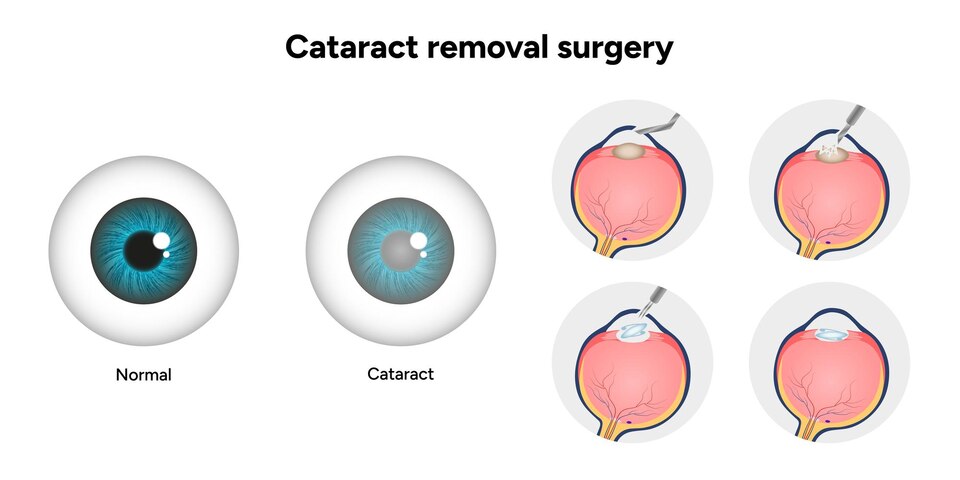
    Cataract surgery is a procedure performed to remove the clouded lens of the eye, which can impair vision and cause other eye-related issues. The natural lens is made up of water and proteins, and over time, these proteins can clump together, creating a cloudy area known as a cataract. Cataracts can cause blurry vision, difficulty seeing at night, glare, and halos around lights. The only way to treat a cataract is through surgery.

    There are two main types of cataract surgery: phacoemulsification and extracapsular cataract extraction. Phacoemulsification is the most common type of cataract surgery and involves the use of ultrasound waves to break up the cloudy lens into smaller pieces, which are then removed through a small incision. Extracapsular cataract extraction involves making a larger incision and removing the entire lens in one piece.

    Laser Cataract Surgery

    Laser cataract surgery is an advanced form of cataract treatment that uses a femtosecond laser to make precise incisions in the eye. The laser is used to create a circular opening in the front of the lens capsule, allowing the surgeon to access the cataract. The laser also softens the cataract, making it easier to remove using ultrasound waves.

    Laser cataract surgery offers several advantages over traditional cataract surgery, such as increased precision, reduced risk of complications, and faster recovery time. However, it is not suitable for everyone and may not be covered by insurance, so it is essential to discuss the options with an eye doctor.

    Before and After Cataract Surgery: What to Expect

    Before cataract surgery, patients will undergo a thorough eye examination to determine the type and severity of the cataract and discuss the appropriate treatment options. The eye doctor will also measure the shape and size of the eye to select the correct intraocular lens. Patients may be advised to stop taking certain medications, such as blood thinners, before the surgery to reduce the risk of complications.

    After cataract surgery, patients will be given a protective shield to wear over the operated eye to prevent infection and injury. Vision might be blurry at first, but it will gradually improve over the next few days. Most patients can resume their regular activities within a day or two after surgery, but it is essential to follow the doctor’s instructions and take the necessary precautions to ensure a smooth recovery.

    Essential Precautions to Take After Cataract Surgery

    Proper care and precautions after cataract surgery are crucial in ensuring a successful recovery and preventing complications. Here are some essential precautions to take after cataract surgery:

    • Avoid rubbing or touching the operated eye. The eye may feel itchy or irritated after surgery, but it is essential to resist the urge to rub or touch it, as this can introduce bacteria and cause infection.
    • Wear the protective eye shield as instructed. The eye shield helps protect the eye from injury and infection and should be worn while sleeping and during any activities that pose a risk to the eye, such as vigorous exercise or outdoor activities.
    • Avoid heavy lifting and strenuous activities. Engaging in activities that increase pressure on the eyes can delay healing and increase the risk of complications. Patients should avoid heavy lifting, bending over, and strenuous exercise for at least a week after surgery.
    • Keep the eye clean and dry. It is essential to keep the operated eye clean and free from debris. Patients should avoid using eye makeup, swimming in pools or hot tubs, and exposing the eye to dust or dirt for at least a week after surgery.
    • Follow the prescribed medication regimen. Patients will be given prescription eye drops to use after cataract surgery to help prevent infection and reduce inflammation. It is crucial to follow the doctor’s instructions and use the eye drops as prescribed.

    Medications After Cataract Surgery

    After cataract surgery, patients will be prescribed several eye drops to help with the healing process and prevent infection. The eye drops typically include an antibiotic to prevent infection, a steroid to reduce inflammation, and a nonsteroidal anti-inflammatory drug (NSAID) to manage pain and swelling. It is essential to follow the doctor’s instructions and use the eye drops as prescribed to ensure a successful recovery.

    Cataract Surgery Steps

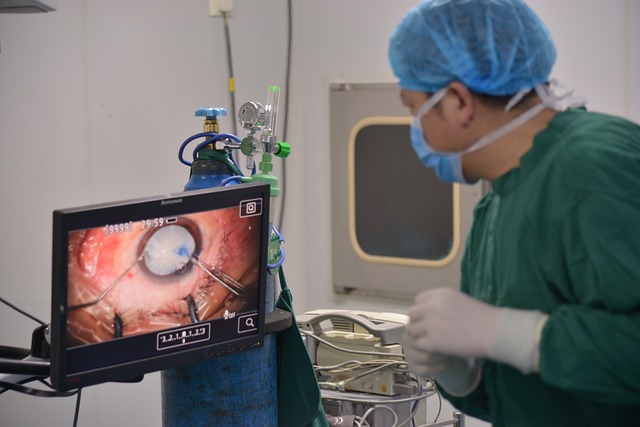
    Cataract surgery is typically performed as an outpatient procedure and takes about 30 minutes to complete. The surgery’s steps are as follows:

    • Administering anesthesia. Patients will be given local anesthesia to numb the eye and may also be given a sedative to help them relax.
    • Making the incision. The surgeon will make a small incision in the cornea using a scalpel or a laser.
    • Removing the cloudy lens. The surgeon will use an ultrasound probe to break up the cataract and remove the lens fragments through the incision.
    • Inserting the intraocular lens. The surgeon will insert the artificial lens into the empty lens capsule and position it correctly.
    • Closing the incision. The incision may be closed with stitches or left to heal on its own, depending on the surgeon’s preference and the patient’s specific needs.

    Common Complications After Cataract Surgery

    While cataract surgery is generally safe and effective, complications can occur. Among the frequent side effects following cataract surgery are:

    • Infection
    • Inflammation
    • increased eye pressure- Corneal or retinal swelling
    • Bleeding in the eye
    • Retinal detachment
    • Secondary cataract

    It is essential to contact the doctor immediately if any of these symptoms occur after cataract surgery. With prompt medical attention, most complications can be effectively treated.

    Follow-up Appointments After Cataract Surgery

    After cataract surgery, patients will need to attend follow-up appointments with the doctor to monitor the healing process and ensure that the eye is healing correctly. The doctor may check the eye pressure, examine the incision site, and evaluate the vision. Patients will also be advised on when to resume driving, work, and other activities.

    It is crucial to attend all follow-up appointments and notify the doctor if any unusual symptoms occur, such as increased pain, redness, or vision changes.

    Frequently Asked Questions

    Q1: What precautions should I take before laser cataract surgery?

    A1: Before laser cataract surgery, it’s important to follow these precautions:

    1. Medication Review: Inform your doctor about all medications you’re taking, including prescription and over-the-counter drugs, as some might need to be adjusted or temporarily stopped.

    2. Fasting: Follow the fasting guidelines provided by your surgeon. Typically, you’ll need to avoid food and drink for a certain period before the surgery.

    3. Eye Drops: Use the prescribed eye drops as directed to prepare your eye for surgery and reduce the risk of infection.

    4. Hygiene: Maintain good hygiene by washing your face and eyelids thoroughly on the day of surgery to minimize the risk of infection.

    5. Transportation: Arrange for someone to drive you to and from the surgical center, as your vision may be temporarily blurry after the procedure.

    Q2: What precautions should I take after laser cataract surgery?

    A2: After laser cataract surgery, follow these precautions:

    1. Eye Shield: Wear the protective eye shield provided by your surgeon, especially while sleeping, to prevent accidental rubbing or pressure on the treated eye.

    2. Medications: Use prescribed eye drops as instructed to aid healing and prevent infection. Follow the recommended schedule and dosage.

    3. Avoid Rubbing: Refrain from touching or rubbing your eyes, as this can disrupt the healing process and increase the risk of infection.

    4. Rest: Rest and limit physical activities for a few days post-surgery to allow your eye to heal properly.

    5. Follow-up Appointments: Attend all scheduled follow-up appointments with your surgeon to monitor your progress and address any concerns.

    Q3: Can I drive myself home after laser cataract surgery?

    A3: No, you should not drive yourself home after laser cataract surgery. Your vision might be blurry, and you may experience discomfort immediately after the procedure. It’s crucial to have someone accompany you to drive you home safely.

    Q4: When can I resume normal activities after laser cataract surgery?

    A4: You can usually resume normal, non-strenuous activities within a day or two after laser cataract surgery. However, it’s advisable to avoid strenuous activities, heavy lifting, and swimming for at least a week to allow your eye to heal properly.

    Q5: How can I prevent infection after laser cataract surgery?

    A5: To prevent infection after laser cataract surgery:

    1. Follow Medication Instructions: Use prescribed eye drops as directed by your surgeon to prevent infection and aid in healing.

    2. Avoid Touching: Refrain from touching your eye with dirty hands, and avoid rubbing your eye.

    3. Hygiene: Maintain good facial hygiene and wash your hands thoroughly before using eye drops.

    4. Protect from Dust and Water: Wear protective eyewear, such as sunglasses, to shield your eyes from dust and water, especially during the early stages of healing.

    5. Follow Surgeon’s Advice: Attend all follow-up appointments and adhere to any additional guidelines provided by your surgeon to minimize infection risk.

    Conclusion

    Cataract surgery is a common and effective procedure that helps restore vision in individuals suffering from cataracts. Taking proper precautions after cataract surgery is crucial in ensuring a smooth recovery and optimal results. Patients should avoid rubbing or touching the operated eye, wear the protective eye shield as instructed, avoid heavy lifting and strenuous activities, keep the eye clean and dry, and follow the prescribed medication regimen.

    It is also essential to attend all follow-up appointments and notify the doctor of any unusual symptoms. With proper care and precautions, cataract surgery can help restore clear vision and improve overall quality of life.

    Call To Action

    For access to more such interesting articles on healthcare, visit Medkart today!

  • Early Stages of Cataracts: How to Recognize the Symptoms and Types

    Early Stages of Cataracts: How to Recognize the Symptoms and Types

    Early Stages of Cataracts

    Introduction to Cataracts

    Cataracts are a common age-related eye condition that affects millions of people worldwide. They happen when the eye’s natural lens becomes cloudy or opaque, which causes a progressive deterioration in vision quality. Although cataracts are often associated with older adults, they can develop at any age, even in young children. The good news is that cataract surgery is a highly effective treatment, and early detection can significantly improve the outcome. In this article, we will discuss the early stages of cataracts and the types. We will also explore the symptoms, causes, diagnosis, and treatment options for early cataracts, as well as the effectiveness of cataract eye drops and lifestyle changes to prevent or slow down the progression of this eye condition.

    What are Early Stages of Cataracts?

    The early stages of cataracts are the initial phase of the condition where the lens of the eye begins to become cloudy or less transparent. This stage is also known as the “incipient” stage, and it may not cause any noticeable vision problems. However, as the cataract continues to develop, the lens becomes more opaque, and the symptoms worsen. It is crucial to recognize the early signs of cataracts to seek appropriate treatment and maintain good eye health.

    Symptoms of Early Cataracts

    In the early stages of cataract development, the symptoms may be subtle and not immediately noticeable. Some common signs of early cataracts include:

    • Blurred or hazy vision: One of the first symptoms of early cataracts is a slight blurring or haziness in your vision. The inability to read, drive, or recognise faces may result from this.
    • Increased glare and sensitivity to light: As cataracts develop, the lens becomes less transparent, causing light to scatter within the eye. This can result in increased glare and sensitivity to bright lights, especially at night.
    • Difficulty seeing in low light conditions: Early cataracts may cause you to struggle with seeing clearly in dimly lit environments, such as reading in a dim room or navigating at night.
    • Changes in color perception: can cause colors to appear duller or less vibrant, making it difficult to distinguish between similar shades.
    • Frequent changes in eyeglass prescription: If you notice that your eyeglass prescription is changing more frequently than usual, it could be a sign of early.

    cataracts symptomsTypes of Cataracts – Immature Cataract, Complicated Cataract, Cataract Lens
    There are several types of cataract, and each has its unique characteristics and symptoms. Some common types  include:

    • Immature Cataract: In the early stages of cataract development, the lens is only partially opaque. This is called an immature cataract. The symptoms of an immature cataract are typically mild and may not significantly impact your daily activities.
    • Complicated Cataract: A complicated cataract is a type of cataract that develops as a result of another eye condition or disease, such as uveitis, glaucoma, or diabetic retinopathy. Complicated cataracts often develop more rapidly and may cause more severe vision problems than other types of cataracts.
    • Cataract Lens: A cataract lens refers to the cloudy lens within the eye that is causing the vision problems. There are different types of cataract lenses based on the location and severity of the lens opacification. These include nuclear cataracts (which affect the central part of the lens), cortical cataracts (which affect the outer edges of the lens), and posterior subcapsular cataracts (which develop at the back of the lens).

    Glaucoma vs Cataract: Which Eye Condition Deserves More Attention?

    Causes of Early Cataracts

    There are several factors that can contribute to the development of early cataracts. Some common causes include:

    • Aging: As we age, the proteins in the lens of the eye can begin to break down, causing the lens to become less transparent and more susceptible to cataract formation.
    • Genetics: A family history of cataracts can increase your risk of developing the condition.
      Ultraviolet (UV) radiation exposure: Prolonged exposure to the sun’s UV rays can damage the proteins in the lens, leading to the development of cataracts.
    • Diabetes: People with diabetes are at a higher risk of developing cataracts due to high blood sugar levels, which can damage the lens of the eye.
    • Smoking: Cigarette smoke contains harmful chemicals that can damage the lens, increasing the risk of cataract development.
    • Eye injuries or surgeries: Trauma to the eye or previous eye surgeries can cause damage to the lens, making it more likely for cataracts to form.

    Diagnosis and Treatment Options for Early Cataracts

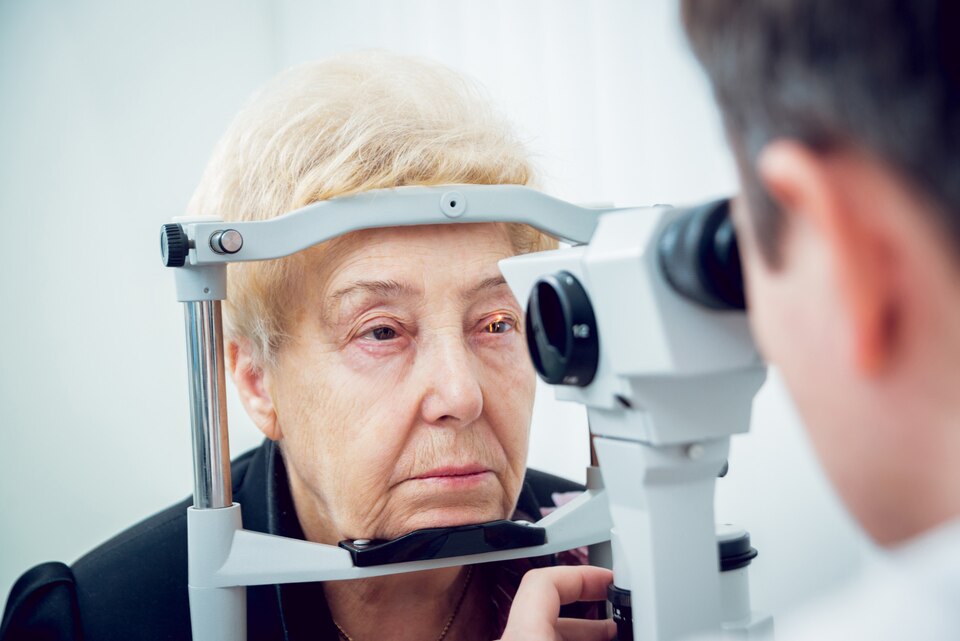
    If you suspect that you may have early cataracts, it is essential to consult an eye care professional for a comprehensive eye exam. During the examination, your eye doctor will assess your lens for signs of cataract development and determine the severity of the condition.

    In the early stages of cataracts, treatment may not be necessary, as the symptoms may be mild and not significantly impact your daily activities. However, your eye doctor may recommend certain lifestyle changes or specific eyeglass lenses to help improve your vision and reduce glare.

    If the cataract progresses and significantly impacts your vision, your eye doctor may recommend cataract surgery. This procedure involves removing the cloudy lens and replacing it with a clear, artificial lens called an intraocular lens (IOL). Cataract surgery is a highly effective treatment with a high success rate and a low risk of complications.

    cataracts treatmentPrevention of Early Cataracts

    While the development of cataracts is often a natural part of the aging process, there are steps you can take to reduce your risk and potentially slow down the progression of the condition:

    • Protect your eyes from UV exposure: Wearing sunglasses with 100% UV protection can help shield your eyes from harmful UV rays and reduce your risk of cataract development.
    • Manage diabetes: If you have diabetes, maintaining healthy blood sugar levels and regularly monitoring your eye health can help prevent cataract formation.
    • Quit smoking: Giving up smoking can significantly reduce your risk of cataract development and improve your overall health.
    • Eat a healthy diet: Consuming a diet rich in antioxidants, such as vitamins C and E, can help protect your eyes from damage and reduce your risk of cataracts.
    • Limit alcohol consumption: Excessive alcohol consumption can increase your risk of cataracts, so it’s essential to drink in moderation.

    Cataract Eye Drops and Their Effectiveness

    There are several over-the-counter cataract eye drops available that claim to dissolve or reduce the size of cataracts. These drops typically contain a compound called N-Acetylcarnosine (NAC), which is thought to have antioxidant properties that may help break down the proteins causing the lens opacity.

    However, the effectiveness of cataract eye drops is still a topic of debate among eye care professionals. While some studies have shown promising results, others have found little to no improvement in cataract size or vision after using these drops. As a result, cataract eye drops should not be considered a substitute for a comprehensive eye exam and professional treatment.

    Lifestyle Changes for Early Cataracts

    In addition to the prevention strategies mentioned earlier, making certain lifestyle changes can help improve your overall eye health and potentially slow down the progression of early cataracts:

    • Regular exercise: Engaging in regular physical activity can help improve overall health, reduce the risk of chronic diseases, and promote healthy blood circulation, which is essential for maintaining good eye health.
    • Sleep: Ensuring that you get enough quality sleep each night can help promote good eye health, as the eyes repair and regenerate during sleep.
    • Manage stress: Chronic stress can negatively impact your overall health, including your eyes. Practicing stress reduction techniques, such as meditation, deep breathing exercises, or yoga, can help reduce stress and promote good eye health.
    • Healthy diet: Consuming a diet rich in fruits, vegetables, and omega-3 fatty acids can help promote good eye health and reduce the risk of cataract development.
    • Regular eye exams: Regular comprehensive eye exams can help detect early signs of cataracts and other eye conditions, allowing for prompt treatment and better outcomes.

    Conclusion – Takeaway Tips for Early Cataracts

    In summary, early cataracts are the initial phase of cataract development, where the lens of the eye becomes cloudy or opaque, leading to a gradual decline in vision quality. Recognizing the symptoms and types of cataracts is crucial to seek appropriate treatment and maintain good eye health. While cataract surgery is a highly effective treatment for advanced cataracts, early stages of the condition may not require treatment, and certain lifestyle changes and prevention strategies can help slow down the progression of the condition. If you suspect you may have early cataracts, it is essential to consult an eye care professional for a comprehensive eye exam.

    Takeaway tips for early cataracts:

    • Recognize the symptoms of early cataracts, such as blurred vision, increased glare, and difficulty seeing in low-light conditions.
    • Understand the types, including immature, complicated, and cataract lenses.
    • Know the causes of early cataracts, such as aging, genetics, UV radiation exposure, diabetes, and smoking.
    • Seek professional diagnosis and treatment options, such as lifestyle changes or cataract surgery.
    • Practice prevention strategies, such as wearing sunglasses, managing diabetes, quitting smoking, eating a healthy diet, and limiting alcohol consumption.
    • Consider regular comprehensive eye exams to detect early signs of cataracts and other eye conditions.

    In conclusion, early detection and treatment of cataracts are essential for maintaining good eye health and quality of life. By understanding the symptoms, types, causes, and prevention strategies of early cataracts, individuals can take proactive steps to protect their eyes and potentially slow down the progression of this common eye condition.

    Also Read: Must follow Precautions for before and after of a laser cataract surgery

    Call To Action

    For access to more such interesting articles on healthcare, visit Medkart today!

  • Glaucoma vs Cataract: Which Eye Condition Deserves More Attention?

    Glaucoma vs Cataract: Which Eye Condition Deserves More Attention?

    Glaucoma vs Cataract

    Introduction to Glaucoma and Cataract

    Vision is an essential aspect of human life, and maintaining the health of our eyes should be a priority. However, many people are unaware of common eye conditions that can significantly impact their vision, such as glaucoma and cataract. These eye conditions, although different, are often confused with each other due to the similarities in their symptoms, causes, and risk factors. In this article, we will explore the difference between glaucoma and cataract, their symptoms, causes, risk factors, diagnosis, treatment, prevention tips, and the impact of these conditions on daily life. Ultimately, we’ll determine which condition deserves more attention.

    Understanding the Difference between Glaucoma and Cataract

    Glaucoma and cataract are two distinct eye conditions, with the primary difference being the part of the eye that they affect. Glaucoma affects the optic nerve and is a group of eye conditions that can lead to vision loss through damage to the optic nerve, which is responsible for transmitting visual information from the eye to the brain. The most common form of glaucoma, known as open-angle glaucoma, is characterised by increased pressure within the eye due to a buildup of fluid. Loss of eyesight may result from this elevated pressure harming the optic nerve.

    On the other hand, cataract affects the eye’s lens, which is the clear, flexible structure responsible for focusing light on the retina to create images. Cataract occurs when the proteins in the lens clump together, causing cloudiness and impairing vision. Unlike glaucoma, which often develops gradually and without symptoms, cataract typically leads to a progressive and noticeable decline in vision quality. The primary difference between glaucoma and cataract is that glaucoma affects the optic nerve, whereas cataract affects the lens.

    Symptoms of Glaucoma and Cataract

    The symptoms of glaucoma and cataract can vary depending on the specific type of each condition. There may be no symptoms at all in the early stages of glaucoma. However, if the illness worsens, these signs and symptoms could appear:

    • Gradual loss of peripheral (side) vision
    • Tunnel vision in the advanced stages
    • Blurred or hazy vision
    • Severe headache and nausea, particularly in cases of acute angle-closure glaucoma

    In contrast, the symptoms of cataract tend to be more noticeable and can include:

    • Blurred, cloudy, or dim vision
    • identifying difficulties at night or in low light
    • Sensitivity to light and glare
    • Seeing halos around lights
    • prescription for glasses or contacts changing frequently

    While both conditions can cause vision difficulties, the primary difference between glaucoma and cataract symptoms is that glaucoma typically begins with peripheral vision loss, whereas cataract causes an overall decline in vision quality.

    Causes of Glaucoma and Cataract

    The causes of glaucoma and cataract are different, although both conditions can result from a combination of genetic, environmental, and lifestyle factors. Glaucoma is primarily caused by increased pressure within the eye, which can occur due to:

    • Blocked or impaired drainage of fluid within the eye (aqueous humor)
    • Overproduction of fluid within the eye
    • Decreased blood flow to the optic nerve

    Cataract, on the other hand, is primarily caused by the natural aging process, during which the proteins in the lens break down and clump together. Other factors that can contribute to the development of cataract include:

    • Prolonged exposure to ultraviolet (UV) light
    • Use of certain medications, such as corticosteroids
    • Previous eye injury or surgery

    Understanding the difference between glaucoma and cataract causes is essential for determining the appropriate course of treatment and prevention strategies for each condition.

    Risk Factors for Glaucoma and Cataract

    There are several risk factors for both glaucoma and cataract, with some overlap between the two conditions. Common risk factors for glaucoma include:

    • Age: The risk of glaucoma increases with age, particularly after age 60.
    • Family history: Having a family member with glaucoma increases your risk of developing the condition.
    • High intraocular pressure (IOP): Elevated IOP is a significant risk factor for glaucoma.
    • Race: People of African, Asian, or Hispanic descent have a higher risk of developing glaucoma.

    Risk factors for cataract include:

    • Age: The risk of cataract increases with age, particularly after age 60.
    • Family history: Having a family member with cataract increases your risk of developing the condition.
    • Smoking: Smokers are more likely to develop cataract than non-smokers.
    • Prolonged use of certain medications: Long-term use of corticosteroids or other medications can increase the risk of cataract.

    While there is some overlap in risk factors, the primary difference between glaucoma and cataract risk factors lies in the specific medical conditions and lifestyle factors that can contribute to each condition.

    Diagnosis and Treatment of Glaucoma and Cataract

    The diagnosis and treatment of glaucoma and cataract differ significantly. Usually, glaucoma is identified with a thorough eye examination, which could include:

    • Measuring intraocular pressure (IOP) with a tonometer
    • Inspecting the drainage angle of the eye with a gonioscope
    • Evaluating the optic nerve for damage through ophthalmoscopy
    • Assessing the visual field through perimetry testing

    Treatment for glaucoma primarily focuses on lowering IOP to prevent further optic nerve damage. This may involve the use of prescription eye drops, oral medications, laser treatment, or surgery.

    In contrast, cataract is diagnosed through a comprehensive eye exam, which may include:

    • Visual acuity testing to assess the sharpness of vision
    • Slit-lamp examination to inspect the lens and other structures of the eye
    • Retinal examination to evaluate the health of the retina

    Treatment for cataract primarily involves surgical removal of the cloudy lens and replacement with an artificial lens (intraocular lens, or IOL). This surgery is generally safe and effective, with a high success rate in improving vision.

    Prevention Tips for Glaucoma and Cataract

    While it may not be possible to completely prevent glaucoma or cataract, there are several steps that individuals can take to reduce their risk of developing these conditions. Some prevention tips for glaucoma include:

    • Regular eye exams: Glaucoma can be treated and detected early to help avoid vision loss.
    • Exercise: Regular physical activity can help lower intraocular pressure and improve overall health.
    • Maintain a healthy weight: Obesity is a risk factor for glaucoma, so maintaining a healthy weight can reduce the risk.
    • Quit smoking: Smoking can increase the risk of glaucoma, so quitting smoking can lower the risk.

    Prevention tips for cataract include:

    • Wear sunglasses: Protecting your eyes from UV light can reduce the risk of cataract.
    • Quit smoking: Smoking is a significant risk factor for cataract, so quitting smoking can lower the risk.
    • Eat a healthy diet: A diet rich in antioxidants and nutrients can reduce the risk of cataract.
    • Limit alcohol consumption: Excessive alcohol consumption can increase the risk of cataract, so limiting alcohol intake can reduce the risk.

    While there is some overlap in prevention tips for glaucoma and cataract, the emphasis is on maintaining a healthy lifestyle and protecting the eyes from environmental factors that can contribute to these conditions.

    Living with Glaucoma and Cataract

    Living with glaucoma or cataract can be challenging, particularly if the condition is advanced and has already caused significant vision loss. However, there are several strategies that individuals can use to adapt to these conditions and maintain their quality of life. For example, individuals with glaucoma can:

    • Use assistive devices: Devices such as magnifiers or telescopes can help compensate for vision loss.
    • Reduce glare: Glare can exacerbate vision difficulties, so reducing glare through proper lighting or anti-glare glasses can be helpful.
    • Practice stress reduction techniques: Stress can increase intraocular pressure, so practicing relaxation techniques such as meditation or deep breathing can be beneficial.

    Similarly, individuals with cataract can adapt to vision changes by:

    • Ensuring adequate lighting: Good lighting can help compensate for the cloudiness of the lens.
    • Using magnifiers: Magnifying glasses can help with reading or other close-up tasks.
    • Wearing glasses or contact lenses: Proper eyewear can help compensate for vision changes.

    Adapting to the changes caused by glaucoma or cataract can be challenging, but with the right strategies and support, individuals can maintain their independence and quality of life.

    Impact of Glaucoma and Cataract on Daily Life

    The impact of glaucoma and cataract on daily life can be significant, particularly if the condition is advanced and has already caused significant vision loss. Individuals with these conditions may experience difficulties with daily tasks such as reading, driving, or even recognizing faces. This can lead to a reduced quality of life and increased dependence on others for assistance.

    In addition to the physical impact, glaucoma and cataract can also have emotional and psychological effects. Individuals with these conditions may experience anxiety, depression, or other mental health concerns related to their vision loss.

    Conclusion: Which Condition Deserves More Attention?

    Both glaucoma and cataract are significant eye conditions that can impact an individual’s quality of life. However, the condition that deserves more attention may depend on several factors, such as the severity of the condition, the impact on daily life, and the effectiveness of available treatments. While cataract can cause a noticeable decline in vision quality, it is generally treatable with surgery and has a high success rate. In contrast, glaucoma can lead to irreversible vision loss, particularly if left untreated, and requires ongoing management to prevent further damage to the optic nerve.

    Ultimately, both conditions require attention and prompt treatment, particularly in the early stages. Regular eye exams and lifestyle modifications can help reduce the risk of developing these conditions and catch them early when treatment is most effective. If you are experiencing vision changes, consult with your eye doctor to determine the appropriate course of action and maintain your eye health.

    Call To Action

    For access to more such interesting articles on healthcare, visit Medkart today!

  • How Serious is Latent Tuberculosis? -Symptoms, Risk Factors

    How Serious is Latent Tuberculosis? -Symptoms, Risk Factors

    Latent Tuberculosis

    Introduction to Latent Tuberculosis

    Tuberculosis (TB) is a contagious and life-threatening infection that primarily affects the lungs. It can also impact other organs in the body, such as the brain, kidneys, and spine. This disease is caused by the bacterium Mycobacterium tuberculosis. While most people are familiar with active TB, there is another form of the disease that often goes unnoticed and undiscussed – latent tuberculosis. Latent tuberculosis is a condition where the TB bacteria are present in the body but are inactive, meaning the person infected does not exhibit any symptoms of the disease. However, the bacteria can become active later on, leading to the development of active TB.

    In this comprehensive guide, we will discuss the causes, symptoms, and risk factors of latent tuberculosis, as well as diagnosis, treatment options, and the effectiveness of the TB vaccine. Additionally, we will debunk myths and misconceptions about latent TB, compare it to active TB, and offer tips and advice for living with this condition. Lastly, we will emphasize the importance of early detection and treatment in combating this global health issue.

    Understanding Latent Tuberculosis – Causes, Symptoms, and Risk Factors

    Causes of Latent Tuberculosis

    Latent tuberculosis occurs when a person has been infected with TB bacteria, but their immune system is effectively keeping the bacteria under control. This means that the bacteria are present, but they are not replicating or causing any harm to the body. The bacteria can remain dormant for many years, and in some cases, a person may never develop active TB. However, if the immune system weakens, the bacteria can become active and cause active TB disease.

    Symptoms of Latent Tuberculosis

    People with latent tuberculosis do not exhibit any symptoms because the bacteria are inactive. They do not feel sick and cannot spread the bacteria to others. However, it is still essential to identify and treat latent TB, as the bacteria can become active later on and cause serious health issues.

    Risk Factors of Latent Tuberculosis

    • Several factors can increase the risk of developing latent tuberculosis. These include:
    • Close contact with someone who has active TB
    • Living or working in a region with high TB rates
    • Having a weakened immune system due to conditions such as HIV/AIDS, diabetes, or undergoing treatment for cancer
    • Taking medications that suppress the immune system, such as corticosteroids or TNF-alpha inhibitors

    Diagnosis and Testing for Latent Tuberculosis

    Diagnosis of Latent Tuberculosis

    Diagnosing latent tuberculosis can be challenging, as there are no visible symptoms. Health professionals typically rely on tests that detect the presence of TB bacteria or an immune response to the bacteria in the body.

    Testing for Latent Tuberculosis

    There are two primary tests used to detect latent tuberculosis:

    Tuberculin Skin Test (TST) – Also known as the Mantoux test, this test involves injecting a small amount of tuberculin (a protein derived from TB bacteria) into the skin on the forearm. If the person has been exposed to TB bacteria, a raised, hard bump will appear at the injection site within 48-72 hours, indicating a positive result.

    Interferon Gamma Release Assay (IGRA) – This blood test measures the immune system’s response to TB bacteria. It is more specific than the TST and can differentiate between TB infection and vaccination with the Bacille Calmette-Guérin (BCG) vaccine.

    Both tests have their advantages and limitations, and healthcare professionals may use one or both tests to determine if a person has latent tuberculosis.

    Latent Tuberculosis Treatment Options

    Treatment for latent tuberculosis aims to prevent the development of active TB by eliminating the dormant bacteria in the body. The decision to treat latent TB depends on the person’s risk factors and the likelihood of developing active TB. There are several treatment options available, including:

    • Isoniazid (INH) – This is the most common medication used to treat latent tuberculosis. The treatment typically lasts for 9 months, during which the patient takes the medication daily.
    • Rifampin (RIF) – This medication is an alternative to isoniazid and is taken daily for four months.
    • INH and Rifapentine – This combination therapy is taken once a week for 12 weeks under the direct supervision of a healthcare professional.

    Treatment duration and medication combinations may vary depending on the patient’s age, medical history, and other factors.

    TB Vaccine – How Effective is it?

    The Bacille Calmette-Guérin (BCG) vaccine is the only vaccine available for tuberculosis. It is derived from a weakened strain of Mycobacterium bovis, a bacterium closely related to Mycobacterium tuberculosis. The BCG vaccine is primarily used in countries with high TB rates to protect young children from severe forms of TB, such as TB meningitis and miliary TB.

    The effectiveness of the BCG vaccine in preventing TB varies widely. It has been shown to be more effective in children than in adults, and its efficacy tends to decline over time. The vaccine is not routinely recommended for use in countries with low TB rates, as the risk of side effects may outweigh the potential benefits.

    Myths and Misconceptions about Latent Tuberculosis

    There are many misconceptions surrounding latent tuberculosis. Some common myths include:

    Myth: Latent TB is not a serious condition.

    ·    Fact: While people with latent TB do not exhibit symptoms and cannot transmit the bacteria, the condition can potentially develop into active TB, which is a severe and life-threatening disease.

    Myth: Having latent TB means you are immune to future TB infections.

    ·    Fact: Having latent TB does not provide immunity against future infections. In fact, individuals with latent TB have an increased risk of developing active TB if exposed to the bacteria again.

    Myth: There is no treatment for latent TB.

    ·      Fact: There are several effective treatment options available for latent TB, which can significantly reduce the risk of developing active TB.

    Latent Tuberculosis vs Active Tuberculosis – What’s the Difference?

    Latent tuberculosis and active tuberculosis are two different stages of TB infection. The following are the main variations between the two:

    Symptoms: People with latent TB do not exhibit any symptoms, while those with active TB experience coughing, fever, weight loss, and other symptoms.

    Transmission: Latent TB is not contagious, whereas active TB can be transmitted through the air when an infected person coughs, sneezes, or talks.

    Treatment: Both latent and active TB can be treated with medication, but the treatment regimens and durations differ. Active TB typically requires a combination of medications taken over a longer period.

    Prevention and Control of Latent Tuberculosis

    Preventing the spread of tuberculosis is crucial in controlling the disease. Key strategies for preventing and controlling latent TB include:

    Identification and treatment: Early identification and treatment of individuals with latent TB can help prevent the development of active TB and reduce transmission.

    Education: Public awareness campaigns and educational programs can help people understand the risks associated with TB and the importance of early detection and treatment.

    Infection control: Implementing effective infection control measures in healthcare settings, including proper ventilation, personal protective equipment, and isolation of patients with active TB, can help prevent the spread of the bacteria.

    Vaccination: The BCG vaccine can help protect young children from severe forms of TB in countries with high TB rates.

    Living with Latent Tuberculosis – Tips and Advice

    Living with latent tuberculosis can be challenging, but with proper management and care, individuals can lead healthy, normal lives. Some tips and advice for living with latent TB include:

    Follow treatment recommendations: Adhering to the prescribed treatment regimen is crucial in preventing the development of active TB.

    Stay informed: Educate yourself about latent TB, its risk factors, and potential complications to better understand your condition and how to manage it.

    Maintain a healthy lifestyle: Eating a healthy diet, getting regular exercise, and managing stress can help boost your immune system and reduce the risk of developing active TB.

    Avoid exposure to TB: If you are at a higher risk of developing active TB, take precautions to avoid exposure to the bacteria. This may include avoiding close contact with people who have active TB, staying away from crowded indoor spaces, and wearing a mask in public places.

    Seek medical care if symptoms develop: If you begin to experience symptoms of TB, such as coughing, fever, or weight loss, seek medical attention immediately.

    Frequently Asked Question 

    Q1: What is latent tuberculosis (TB)?

    A1: Latent tuberculosis is a condition where an individual has been infected with the tuberculosis bacteria (Mycobacterium tuberculosis), but the bacteria are in an inactive state. This means the person does not feel sick and cannot spread TB to others.

    Q2: What are the symptoms of latent tuberculosis?

    A2: Unlike active tuberculosis, latent TB does not usually cause any symptoms. People with latent TB are generally not contagious and do not experience the typical cough, fever, weight loss, or fatigue associated with active TB.

    Q3: What are the risk factors for developing latent tuberculosis?

    A3: Risk factors for latent TB include close contact with someone who has active TB, living in or traveling to areas with high TB prevalence, having a weakened immune system (due to HIV, certain medications, or medical conditions), being a healthcare worker, or having recently immigrated from a country with high TB rates.

    Q4: How is latent tuberculosis diagnosed?

    A4: Latent TB is usually diagnosed through a tuberculin skin test (TST) or a blood test called an interferon-gamma release assay (IGRA). These tests determine if a person has been exposed to TB bacteria by measuring the immune response to TB proteins.

    Q5: Is latent tuberculosis a serious condition that requires treatment?

    A5: While latent TB does not cause immediate illness, it can progress to active TB in some cases, especially if the person’s immune system becomes weakened. Treatment for latent TB involves taking a course of antibiotics to prevent the bacteria from becoming active. It is important to treat latent TB to prevent the development of active disease and its potential complications.


    Conclusion – The Importance of Early Detection and Treatment of Latent Tuberculosis

    Latent tuberculosis is a significant global health issue that often goes undetected and untreated. While people with latent TB do not exhibit symptoms and cannot transmit the bacteria, the condition can potentially develop into active TB, which is a severe and life-threatening disease. Early detection and treatment of latent TB are crucial in preventing the development of active TB and reducing transmission.

    If you have been diagnosed with latent TB, it is essential to follow the prescribed treatment regimen and take steps to maintain a healthy lifestyle. Avoiding exposure to TB and seeking medical care if symptoms develop can also help prevent the development of active TB.

    In conclusion, while latent tuberculosis may not exhibit any visible symptoms, it is a serious condition that requires attention and care. By understanding the causes, symptoms, and risk factors of latent TB, seeking early diagnosis and treatment, and following preventive measures, we can work together to control and ultimately eradicate this global health issue.

    Call To Action

    For access to more such interesting articles on healthcare, visit Medkart today!

  • Nourishing Your Liver: Top 7 Foods Good for Liver Health

    Nourishing Your Liver: Top 7 Foods Good for Liver Health

    Healthy Liver

    As a vital organ in the body, the liver plays a crucial role in filtering toxins and waste products from the bloodstream, regulating hormones, and producing bile that helps digest fat. However, poor diet and lifestyle choices can take a toll on this important organ, leading to liver disease and other health problems. In this blog post, I will discuss the importance of liver healthy foods and how diet affects it, as well as the top 7 foods good for liver health, including leafy greens, berries, nuts and seeds, fatty fish, garlic, and turmeric.

    The Importance of Liver Health

    The liver is responsible for numerous functions that keep the body healthy. It helps remove harmful substances from the bloodstream, such as drugs, alcohol, and toxins from food. Additionally, it produces enzymes and proteins that are important for blood clotting, fighting infections, and regulating hormones. When the liver is damaged or not functioning properly, it can lead to a variety of health problems, including liver disease, autoimmune disorders, and even cancer. Therefore, it is crucial to take care of your liver and maintain its health through a healthy diet and lifestyle.

    How Diet Affects Liver Health

    The food you eat has a direct impact on your liver health. A diet high in processed foods, sugar, and unhealthy fats can cause inflammation and damage to the liver, leading to liver disease over time. On the other hand, a diet rich in whole foods, fiber, and nutrients can help support liver health and prevent disease. In particular, certain foods are known to be especially beneficial for liver health, as they contain compounds that help protect and regenerate liver cells.

    Top 7 Foods Good for Liver Health

    1. Leafy Greens

    What foods are good for liver repair? Here’s the first one Leafy greens, such as spinach, kale, and arugula, are packed with antioxidants and nutrients that help protect the liver from damage. They are also high in fiber, which helps promote healthy digestion and elimination of toxins from the body. Additionally, leafy greens contain chlorophyll, a compound that can help detoxify the liver and improve its function.

    2. Berries

    Berries, such as strawberries, blueberries, and raspberries, are rich in antioxidants and anti-inflammatory compounds that help protect the liver from damage. They also contain fiber, which helps regulate blood sugar levels and prevent the buildup of fat in the liver. Additionally, some studies have found that berries may help reduce the risk of liver cancer and other liver diseases.

    3. Nuts and Seeds

    Nuts and seeds, such as almonds, walnuts, and chia seeds, are a great source of healthy fats, fiber, and nutrients that help support liver health. They also contain antioxidants and anti-inflammatory compounds that can help reduce inflammation and oxidative stress in the liver. Additionally, some studies have found that nuts and seeds may help improve liver function and reduce the risk of liver disease.

    4. Fatty Fish

    Foods good for liver repair also includes Fatty fish, such as salmon, mackerel, and sardines, are rich in omega-3 fatty acids, which are essential for liver health. Omega-3s help reduce inflammation and improve liver function, as well as lower the risk of liver disease. Additionally, fatty fish are a good source of vitamin D, which is important for overall health and can help prevent liver damage.

    5. Garlic

    Garlic is a potent antioxidant and anti-inflammatory food that has numerous health benefits, including for the liver. It contains compounds that help protect the liver from damage and improve its function. Additionally, garlic can help lower cholesterol levels and reduce the risk of fatty liver disease.

    6. Turmeric

    For its therapeutic qualities, the spice turmeric has been used for centuries. It contains a compound called curcumin, which has powerful anti-inflammatory and antioxidant effects. Curcumin has been shown to help protect the liver from damage and improve its function, as well as reduce the risk of liver cancer and other liver diseases.

    top foods for good liverIncorporating These Foods into Your Diet

    Incorporating these foods good for liver nto your diet is easy and delicious. You can add leafy greens to your salads, smoothies, or stir-fries, snack on berries and nuts, and include fatty fish in your meals a few times a week. Garlic and turmeric can be added to soups, stews, and curries for extra flavor and health benefits. Additionally, it is important to avoid processed foods, sugar, and unhealthy fats, which can contribute to liver damage and disease.

    Other Lifestyle Changes for Liver Health

    In addition to these foods good for liver, there are other lifestyle changes you can make to support liver health. These include limiting alcohol consumption, quitting smoking, maintaining a healthy weight, and exercising regularly. Getting enough sleep and managing stress are also important for liver health, as stress and lack of sleep can contribute to liver damage and disease.

    Conclusion

    The liver is an important organ that plays a crucial role in keeping the body healthy. A healthy diet rich in liver healthy foods, such as leafy greens, berries, nuts and seeds, fatty fish, garlic, and turmeric, can help support liver health and prevent disease. Additionally, making lifestyle changes, such as limiting alcohol consumption and exercising regularly, can also help protect the liver and promote overall health. By taking care of your liver, you can enjoy optimal health and well-being for years to come.