
Tag: asthma

  • Types of Asthma : How to Recognize and Manage Your Symptoms

    Types of Asthma : How to Recognize and Manage Your Symptoms


    types of asthma

    A chronic respiratory condition called asthma affects millions of people worldwide. It is characterised by inflammation and narrowing of the airways, which can cause difficulty breathing, coughing, wheezing, and chest tightness. The severity of asthma varies from person to person, ranging from mild to life-threatening. Understanding the different types of asthma can help individuals recognize their symptoms and manage their condition more effectively.

    There are several types of asthma, each with its own unique set of triggers and symptoms. In general, asthma can be classified into allergic, non-allergic, occupational, exercise-induced, and cardiac asthma. By identifying the specific type of asthma one has, it becomes easier to determine the best course of action for treatment and prevention.

    This article will discuss the various types of asthma and their classifications, symptoms, and causes. Additionally, it will explore common asthma risk factors, tests for diagnosing asthma, and ways to manage symptoms. By understanding the complexities of asthma, individuals can take appropriate steps to ensure they maintain a high quality of life despite their condition.

    Asthma Classification and Symptoms

    Asthma classification is determined by the severity and frequency of symptoms, as well as how well a person responds to treatment. The Global Initiative for Asthma (GINA) classifies asthma into four categories: intermittent, mild persistent, moderate persistent, and severe persistent. Each classification is based on factors such as the frequency of symptoms, nighttime awakenings, and lung function tests.

    Symptoms of asthma can vary depending on the individual and the specific type of asthma they have. Common symptoms include shortness of breath, chest tightness or pain, coughing, wheezing, and difficulty breathing. These symptoms can be triggered by various factors, such as allergens, irritants, exercise, and even changes in weather.

    By understanding the classification of one’s asthma and being aware of their specific symptoms, individuals can work with their healthcare provider to develop a personalized treatment plan. This plan will often include medications, lifestyle changes, and preventive measures to help manage symptoms and reduce the risk of asthma attacks.
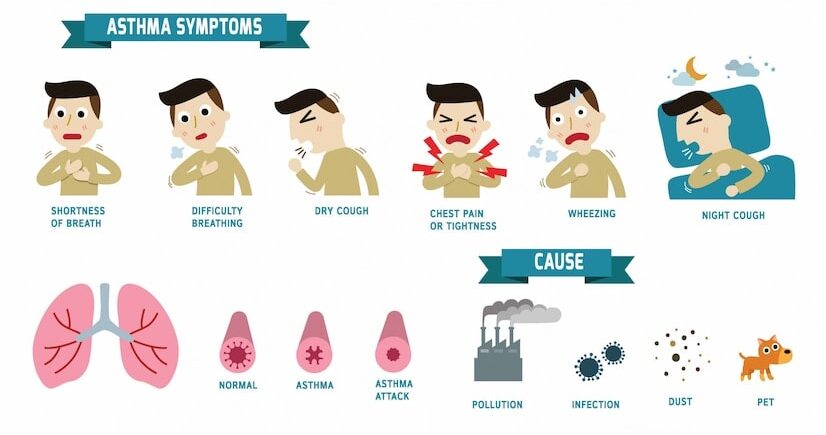
    Asthma Symptoms image

    Types of Asthma – Allergic, Non-Allergic, Occupational, and Exercise-Induced

    There are several different types of asthma, each with unique triggers and characteristics. The most common form of asthma is allergic asthma, which occurs when the immune system overreacts to allergens such as pollen, pet dander, and dust mites. This type of asthma is often associated with other allergic conditions, such as allergic rhinitis (hay fever) or atopic dermatitis (eczema).

    1. Non-allergic asthma, on the other hand, is triggered by factors other than allergens, such as respiratory infections, cold air, or exposure to irritants like smoke or strong odors. This type of asthma is more common in adults and may be more difficult to manage, as the triggers are often less obvious than those of allergic asthma.

    2. Occupational asthma is a form of asthma that is triggered by exposure to specific substances or conditions in the workplace. Common triggers include chemicals, dust, fumes, and animal proteins. This type of asthma can be difficult to diagnose, as symptoms may be similar to those of other types of asthma or may only occur when the individual is in the workplace.

    3. Exercise-induced asthma occurs when physical activity triggers asthma symptoms. This type of asthma is common in athletes and can be managed by using medication before exercise, warming up properly, and avoiding activities in cold or dry air.

    Understanding Cardiac Asthma and Its Causes

    Cardiac asthma is a term used to describe a condition that mimics asthma but is actually caused by heart failure. The symptoms of cardiac asthma, such as shortness of breath, wheezing, and coughing, can be very similar to those of bronchial asthma, making it difficult to distinguish between the two.

    The primary cause of cardiac asthma is the inability of the heart to pump blood efficiently, leading to fluid buildup in the lungs. This fluid buildup can cause the airways to narrow, resulting in the asthma-like symptoms. It is essential to distinguish cardiac asthma from other types of asthma, as the treatment for heart failure is different from that of bronchial asthma.

    Asthma Risk Factors and Triggers

    There are several risk factors and triggers for asthma, some of which are specific to the type of asthma one has. Common risk factors include a family history of asthma, a history of allergies or eczema, childhood respiratory infections, and exposure to tobacco smoke or other environmental pollutants.

    Asthma triggers can vary depending on the specific type of asthma an individual has. Some common triggers include allergens (such as pollen, dust mites, and pet dander), respiratory infections, cold air, exercise, and exposure to irritants (such as smoke, strong odors, or chemicals).

    Understanding one’s asthma risk factors and triggers can help individuals take preventive measures to reduce their risk of asthma attacks and improve their overall health.

    Tests for Diagnosing Asthma – Spirometry, Peak Flow, and Bronchial Challenge

    There are several tests that healthcare providers use to diagnose asthma and determine its severity. These tests can help to differentiate asthma from other respiratory conditions and ensure that an individual receives the appropriate treatment.

    Spirometry is a typical test for identifying asthma. It measures the amount of air an individual can inhale and exhale, as well as the speed at which they can do so. This test can help determine the severity of asthma and assess how well an individual is responding to treatment.

    Peak flow testing involves measuring the maximum speed at which an individual can exhale. This test is often used to monitor asthma symptoms and can help determine the effectiveness of treatment.

    Bronchial challenge tests involve exposing an individual to a specific substance that may trigger asthma symptoms. This test can help confirm an asthma diagnosis, particularly in cases where spirometry and peak flow tests are inconclusive.

    Is Asthma Curable? Exploring Homeopathic Medicines and Top Nebulizers for Effective Relief

    Causes of Bronchial Asthma and Its Treatment

    Bronchial asthma is a chronic respiratory condition that is caused by inflammation and narrowing of the airways. The exact cause of bronchial asthma is not fully understood, but it is believed to be a combination of genetic and environmental factors.

    Treatment for bronchial asthma typically involves a combination of medications, lifestyle changes, and preventive measures. Inhaled corticosteroids, long-acting beta-agonists, or leukotriene modifiers are examples of medications. Lifestyle changes may involve avoiding known triggers, maintaining a healthy weight, and managing stress.

    Preventive measures for bronchial asthma can include receiving allergy shots, using air purifiers, and regularly cleaning the home to reduce exposure to allergens and irritants.

    Is Asthma Contagious? Myth and Facts

    A common misconception about asthma is that it is contagious. Asthma is not an infections disease and cannot be transmitted from one person to another. However, respiratory infections, which can trigger asthma symptoms, are contagious. It is important to understand that while asthma itself is not contagious, individuals with asthma should take precautions to avoid respiratory infections that may worsen their condition.

    Managing Asthma Symptoms – Medication, Lifestyle Changes, and Preventive Measures

    Managing asthma symptoms involves a combination of medication, lifestyle changes, and preventive measures. Medications can help control inflammation and prevent asthma attacks, while lifestyle changes can help individuals avoid triggers and maintain overall health.

    Some common medications used to manage asthma symptoms include:

    • Inhaled corticosteroids: These medications help to reduce inflammation and prevent asthma attacks.
    • Long-acting beta-agonists: These medications help to relax the muscles around the airways, making it easier to breathe.
    • Leukotriene modifiers: These medications help to prevent inflammation and constriction of the airways.

    1. Lifestyle changes that can help manage asthma symptoms include:

    • Avoiding triggers: Individuals with asthma should identify their triggers and take steps to avoid them. Common triggers include allergens, respiratory infections, and irritants like smoke and air pollution.
    • Eating a healthy diet: A diet rich in fruits, vegetables, and whole grains may help reduce inflammation and improve overall health.
    • Maintaining a healthy weight: Obesity can worsen asthma symptoms, so it is important to maintain a healthy weight.
    • Getting regular exercise: Exercise can be a trigger for some individuals with asthma, but regular physical activity can also improve lung function and overall health.

    2. Preventive measures that can help manage asthma symptoms include:

    • Using air purifiers: Air purifiers can help remove allergens and irritants from the air, making it easier to breathe.
    • Getting allergy shots: Allergy shots can help reduce sensitivity to allergens and may help prevent asthma attacks.
    • Regularly cleaning the home: Regular cleaning can help reduce exposure to allergens and irritants.

    Conclusion

    In conclusion, millions of individuals around the world suffer from asthma, a chronic respiratory ailment. There are several types of asthma, each with unique triggers and symptoms. Understanding one’s asthma and taking appropriate steps to manage symptoms can improve overall health and quality of life.

    It is essential to seek medical help if one suspects they may have asthma. A healthcare provider can diagnose asthma, determine its severity, and develop a personalized treatment plan. With proper treatment and management, individuals with asthma can lead healthy and active lives.

    Remember, asthma can be a life-threatening condition if left untreated or unmanaged. If you think you have asthma or are experiencing asthma-like symptoms, seek medical help immediately.


  • Healthy Diet and Exercise for improving health of Asthma patient

    Healthy Diet and Exercise for improving health of Asthma patient

    Healthy Diet and Exercise for Asthma patient

    ​Understanding Asthma

    Millions of individuals throughout the world suffer with asthma, a chronic respiratory disease. It is characterised by episodes of coughing, wheezing, and shortness of breath, caused by inflammation and narrowing of the airways. Asthma can be a debilitating condition, impacting daily life and overall quality of life for those who suffer from it. The severity of asthma symptoms can vary greatly from person to person, and while there is no cure for the condition, there are various treatment options available to help manage and control symptoms.

    The primary goal in treating asthma is to reduce the frequency and severity of symptoms, as well as improve overall lung function. This is typically achieved through a combination of medications, lifestyle changes, and avoidance of known triggers. Asthma triggers can vary greatly between individuals, and it is essential for those living with the condition to identify and minimise their exposure to these triggers as part of their overall treatment plan.

    In recent years, there has been a growing interest in the relationship between diet, exercise, and asthma control. This article will explore the connection between these factors, as well as provide guidance on creating an asthma-friendly lifestyle that incorporates proper nutrition and physical activity.

    Asthma Triggers

    Asthma triggers can be categorised into two main types: allergens and irritants. Allergens are substances that cause an allergic reaction in some people, while irritants are substances that can trigger asthma symptoms in both allergic and non-allergic individuals. Common allergens include pollen, mold spores, dust mites, and pet dander, while common irritants include tobacco smoke, air pollution, and strong odours.

    In addition to allergens and irritants, there are several other factors that can contribute to asthma symptoms, including infections, cold air, exercise, and even emotional stress. Identifying and avoiding these triggers is an important aspect of asthma management and can help to reduce the frequency and severity of symptoms.

    Diet and Asthma Control

    There is increasing evidence to suggest that diet plays a role in the development and severity of asthma symptoms. A diet rich in fruits, vegetables, whole grains, and lean protein sources has been associated with improved lung function and reduced asthma symptoms. This is likely due in part to the anti-inflammatory properties of many of these foods, which can help to reduce airway inflammation and improve overall lung health.

    Conversely, a diet high in processed foods, saturated fats, and sugars has been linked to increased inflammation and a higher risk of developing asthma. While more research is needed to fully understand the relationship between diet and asthma, there is enough evidence to support the recommendation of a healthy, balanced diet for those living with the condition.

    Worst Foods for Asthma Patients

    While it is important for asthma patients to focus on consuming a healthy diet that includes a variety of fruits, vegetables, whole grains, and lean protein sources, there are also certain foods that may be particularly detrimental to asthma control. Some of the worst foods for asthma patients include:

    • Processed foods: Foods high in additives, preservatives, and artificial ingredients can trigger asthma symptoms in some individuals. This may be due to the increased inflammation associated with consuming these foods, as well as the potential for certain additives to directly irritate the airways.
    • Dairy products: Some asthma patients may find that dairy products, particularly those high in fat, can exacerbate their symptoms. This may be due to the production of excess mucus associated with the consumption of dairy, which can lead to increased coughing and wheezing.
    • Sulfite-containing foods: Sulfites are a common food preservative, found in foods such as dried fruits, wine, and pickled vegetables. Some individuals with asthma may be sensitive to sulfites and experience a worsening of symptoms after consuming foods containing these preservatives.
    • Saturated fats: A diet high in saturated fats, such as those found in red meat and full-fat dairy products, has been associated with increased inflammation and a higher risk of asthma. Reducing consumption of these foods may help to improve asthma control in some individuals.
    • Sugary foods and beverages: Consuming excess sugar can contribute to increased inflammation, which may worsen asthma symptoms. Limiting the intake of sugary foods and beverages, such as soda and candy, can help to reduce inflammation and improve asthma control.

    Importance of Exercise for Asthma Patients

    While exercise has long been recognized as a potential trigger for asthma symptoms, it is also an important component of overall asthma management. Regular physical activity can help to improve lung function, reduce inflammation, and increase overall fitness levels. In fact, a sedentary lifestyle has been associated with a higher risk of developing asthma, as well as increased severity of symptoms in those who already have the condition.

    It is important for asthma patients to work with their healthcare provider to develop an appropriate exercise plan that takes into consideration their individual needs and limitations. This may involve starting with low-intensity activities, such as walking or swimming, and gradually increasing the intensity and duration of exercise as tolerated.

    Yoga for Asthma Control

    One form of exercise that has gained popularity among asthma patients is yoga. This ancient practice combines physical postures, breath control, and meditation to improve overall health and well-being. Several studies have shown that practicing yoga for asthma can help to improve lung function, reduce the frequency and severity of symptoms, and improve overall quality of life.

    Yoga may be particularly beneficial for asthma patients due to its emphasis on deep, controlled breathing. This can help to strengthen the respiratory muscles, increase lung capacity, and improve overall lung function. Additionally, the relaxation and stress-reduction aspects of yoga may help to alleviate the emotional stress that can sometimes trigger asthma symptoms.

    Other Exercises for Asthma Patients

    In addition to yoga, there are several other forms of exercise that can be beneficial for asthma patients. These include:

    Swimming: The warm, humid environment of an indoor pool can help to soothe the airways and reduce the risk of exercise-induced asthma symptoms. Swimming is also a low-impact activity that can help to improve cardiovascular fitness and overall strength.

    Walking: Walking is a low-intensity, low-impact activity that can be easily adapted to suit the individual needs and limitations of asthma patients. Regular walking can help to improve lung function, reduce inflammation, and increase overall fitness levels.

    Cycling: Cycling, either on a stationary bike or outdoors, is another low-impact exercise option for asthma patients. This activity can help to improve cardiovascular fitness, strengthen the muscles of the lower body, and improve overall endurance.

    Strength training: Incorporating strength training exercises into an overall fitness routine can help to improve muscle strength, increase bone density, and reduce the risk of injury. Strength training exercises can be adapted to suit the individual needs and limitations of asthma patients and should be performed under the guidance of a healthcare provider or fitness professional.

    Creating an Asthma-Friendly Exercise Routine

    When developing an exercise routine for an individual with asthma, there are several factors that should be considered to ensure a safe and effective program. These include:

    Consulting with a healthcare provider: Before beginning any exercise program, it is essential for asthma patients to consult with their healthcare provider to discuss their individual needs and limitations. This may involve undergoing a physical examination, lung function testing, and the development of an asthma action plan that includes guidance on managing exercise-induced symptoms.

    Choosing appropriate activities: Asthma patients should choose activities that they enjoy and that can be easily adapted to suit their individual needs and limitations. This may involve starting with low-intensity activities, such as walking or swimming, and gradually increasing the intensity and duration of exercise as tolerated.

    Warming up and cooling down: Proper warm-up and cool-down routines are essential for preventing exercise-induced asthma symptoms. Asthma patients should spend at least 5-10 minutes warming up with low-intensity activities, such as walking or gentle stretching, before gradually increasing the intensity of their chosen exercise. A similar cool-down routine should be followed after exercise to gradually return the body to its resting state.

    Monitoring symptoms: Asthma patients should closely monitor their symptoms during and after exercise, and be prepared to adjust their routine as needed to prevent exacerbations. This may involve using a peak flow meter to track lung function, as well as keeping a record of any symptoms experienced during exercise.

    Using appropriate medications: In some cases, asthma patients may need to use medications, such as short-acting bronchodilators, before exercise to prevent symptoms. It is important for individuals to work closely with their healthcare provider to determine the appropriate use of medications and ensure that they have a plan in place for managing symptoms during exercise.

    Finding the Right Balance Between Exercise and Diet

    While both diet and exercise can play an important role in managing asthma symptoms, it is essential to find the right balance between the two. For some individuals, a healthy diet alone may be enough to achieve good asthma control, while for others, regular exercise may be the key to improving lung function and reducing symptoms.

    It is important to remember that every individual with asthma is unique, and there is no one-size-fits-all approach to managing the condition. Working closely with a healthcare provider to develop an individualized treatment plan that takes into consideration lifestyle factors such as diet and exercise is essential for achieving optimal asthma control.

    Conclusion

    Millions of individuals throughout the world suffer with asthma, a chronic respiratory disease. While there is no cure for the condition, there are various treatment options available to help manage and control symptoms. In recent years, there has been growing interest in the relationship between diet, exercise, and asthma control.

    A healthy, balanced diet that includes a variety of fruits, vegetables, whole grains, and lean protein sources is important for overall lung health and asthma control. In addition, regular exercise can help to improve lung function, reduce inflammation, and increase overall fitness levels. Yoga and other low-impact exercises can be particularly beneficial for asthma patients.

    When developing an exercise routine for an individual with asthma, it is important to work closely with a healthcare provider to ensure that the program is safe and effective. By finding the right balance between diet and exercise, asthma patients can achieve optimal symptom control and improve their overall quality of life.

    Call To Action

    For access to more such interesting articles on healthcare, visit Medkart today!