
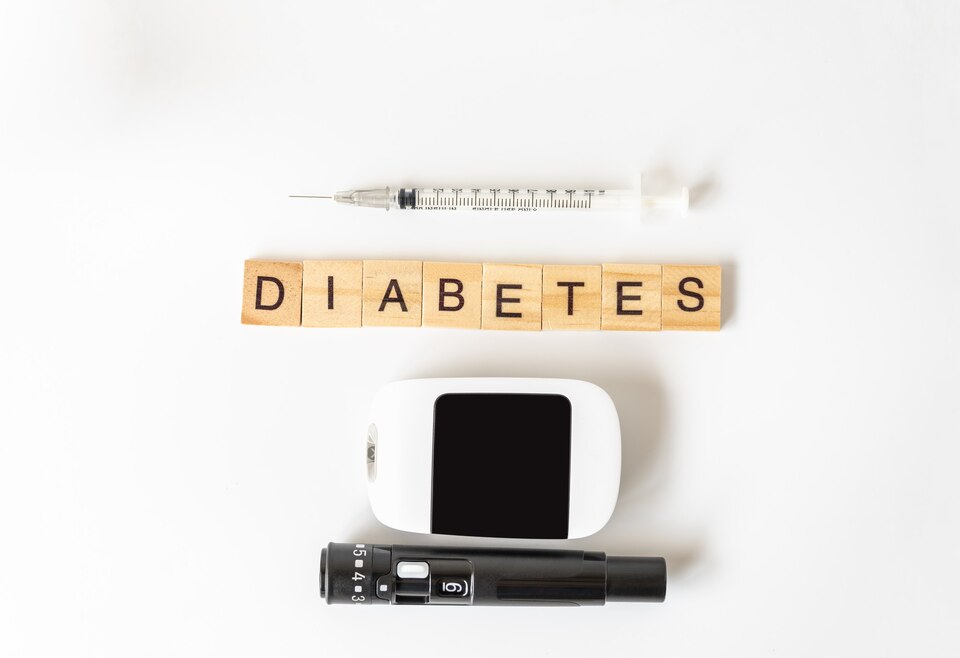
What is diabetes mellitus?
Diabetes mellitus, commonly referred to as diabetes, is a chronic disorder that affects the body’s ability to metabolise glucose. Glucose is a type of sugar that the body uses for energy.
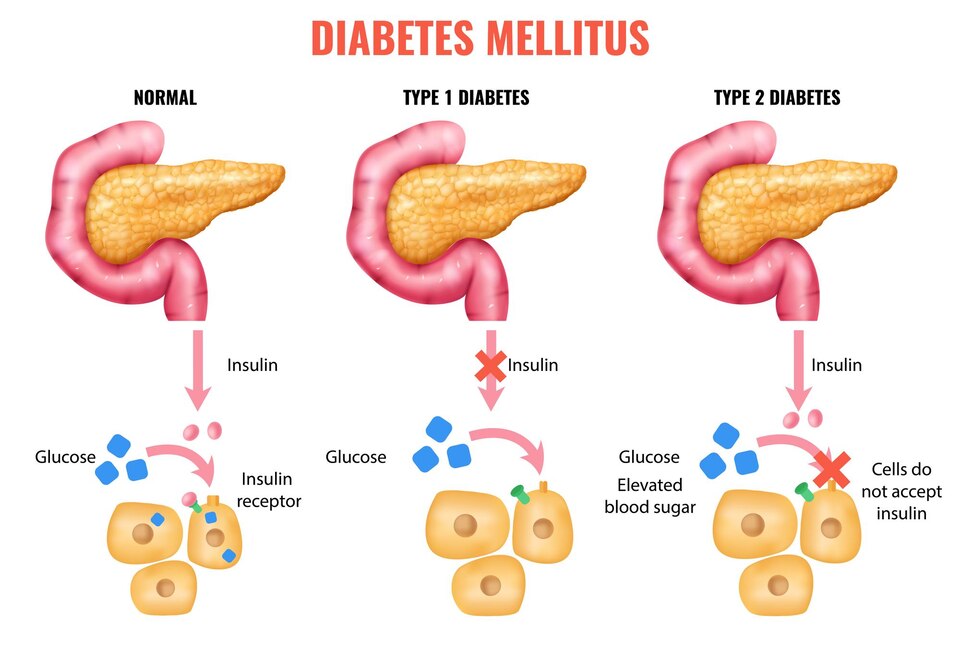
Insulin, a hormone produced by the pancreas, helps the body use glucose for energy. People with diabetes either do not produce enough insulin or their bodies do not respond appropriately to insulin. As a result, glucose builds up in the blood, leading to serious health problems.
The food you eat is digested by enzymes and converted into glucose. Insulin is required for glucose uptake by the cells, which in turn provides energy to your body. Lack of insulin or insulin resistance causes the blood sugar levels to rise, leading to hyperglycemia (high blood sugar).
In the long run, untreated diabetes can lead to kidney failure, heart disease, and other ailments.
5 rules Diabetic patients must follow – Diabetes care guide
Types of diabetes
There are three main types of diabetes: Type 1, Type 2, and gestational diabetes.
1. Type 1 diabetes
Type 1 diabetes, also known as juvenile diabetes, is an autoimmune disease that occurs when your body’s immune system attacks and destroys the cells that produce insulin in your pancreas. It usually develops in children and young adults, but can occur at any age. Type 1 diabetes accounts for only 5-10% of all diabetes cases.
2. Type 2 diabetes
Type 2 diabetes is the most common type of diabetes, accounting for 90-95% of all diabetes cases. It usually develops in people over the age of 40, but it can occur at any age. In Type 2 diabetes, your body becomes resistant to the effects of insulin, or your pancreas does not produce enough insulin to regulate your blood sugar levels.
3. Gestational diabetes
Gestational diabetes is a type of diabetes that occurs during pregnancy. It usually develops in the second or third trimester and goes away after delivery. However, women with gestational diabetes are at higher risk of developing Type 2 diabetes later in life.
 Symptoms of diabetes
The symptoms of diabetes can vary depending on the type of diabetes and the severity of the condition. However, some common symptoms include the following:
- Frequent urination
- Increased thirst
- Extreme hunger
- Fatigue
- Blurry vision
- Slow-healing sores or cuts
- Tingling or numbness in the hands or feet
If you are experiencing any of these symptoms, it is essential to see a doctor immediately for a proper diagnosis.
Diagnosing diabetes
Diabetes can be diagnosed through a simple blood test that measures blood glucose levels. If your blood glucose level exceeds normal, your doctor may recommend further tests to confirm the diagnosis. If you are diagnosed with diabetes, your doctor will work with you to develop a treatment plan to manage your blood glucose levels and prevent complications.
Reference range for Diabetes
The normal fasting blood sugar level range is between 70 and 100 mg/dL.
Fasting blood sugar levels of 100-125mg/dL indicate the onset of prediabetes. It means that your blood sugar levels are higher than the normal range. However, this level is not high enough to be diagnosed as type 2 diabetes
A higher than 126mg/dL indicates a high blood sugar level. This can lead to several health problems, including diabetes.
Treatment and management of diabetes
There are several treatments available for diabetes, which include:
1. Lifestyle changes:
This includes making changes in your diet and exercising regularly. Eating a healthy and balanced diet with low amounts of sugar and carbohydrates can help manage blood sugar levels. Regular physical activity can also improve insulin sensitivity and lower blood sugar levels.
2. Medications:
There are various medications available for diabetes, including insulin, oral medications such as Sitamet 50/500mg Tablet/Empaone 25mg Tablet/Linares E Tablet, as well as injectable medications. These medications work by lowering blood sugar levels and helping the body use insulin more effectively.
Managing diabetes often includes addressing related conditions such as high blood pressure. Medications like Prestel 40mg Tablet are commonly used to support heart and kidney health in diabetic patients with hypertension.
3. Insulin therapy:
Insulin therapy is a treatment option for people with type 1 diabetes or type 2 diabetes who require insulin to manage their blood sugar levels. Insulin is usually injected into the body, but there are also insulin pumps available that can deliver insulin continuously.
4. Blood sugar monitoring:
Regular monitoring of blood sugar levels is essential in managing diabetes. Self-monitoring of blood glucose can help people with diabetes adjust their treatment plan to keep their blood sugar levels within a target range.
5. Bariatric surgery:
This is an option for individuals with obesity and type 2 diabetes who have not achieved good blood sugar control with other treatments. Bariatric surgery can lead to weight loss and improved blood sugar control.
It is important to work closely with your healthcare provider to determine the best treatment plan for your individual needs.
 Summing up
Do not let diabetes scare you. Making healthy lifestyle changes is one of the best ways to manage this disorder. So, aspire to achieve an overall healthy lifestyle. This will help drastically reduce the progression of diabetes and allow you to live your life to the fullest.
If you have any doubts, consult a healthcare professional. A doctor will help you figure out the best treatment and medication options for you.
Know more about your medicines at Medkart, an online pharmacy platform that makes buying medicines convenient and cost-effective. To place your orders, download the app today!
FAQs Related to Diabetes
1. Are fruits good for people with diabetes?
Fruits are an essential part of a healthy diet. People with diabetes should choose fruits with a low glycemic index, such as apples, and control the portion size to stabilise their blood glucose levels.
2. What foods should you avoid?
People with diabetes should stay away from sugar-rich and processed foods. Also, avoid simple carbohydrates such as white flour, potatoes, and white rice.
3. How to manage diabetes?
One of the most effective ways to manage diabetes is through lifestyle changes. Eat nutritious, low glycemic index foods and have a consistent exercise regimen.