Tag: Hemorrhagic Ovarian Cysts

  • Hemorrhagic Ovarian Cysts – Left and Right Ovarian Hemorrhagic cyst

    Hemorrhagic Ovarian Cysts – Left and Right Ovarian Hemorrhagic cyst

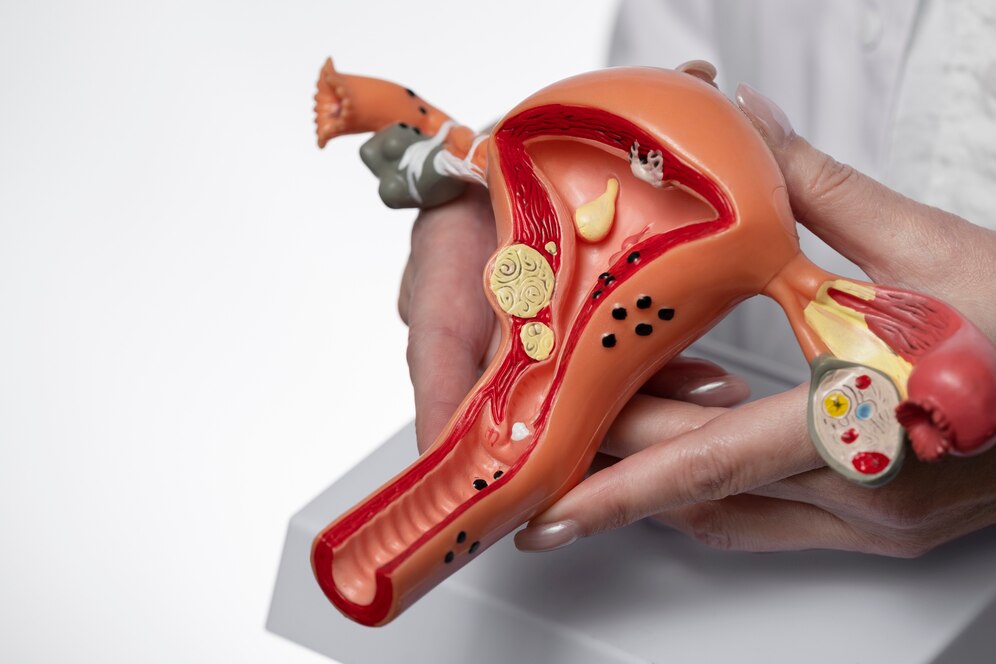
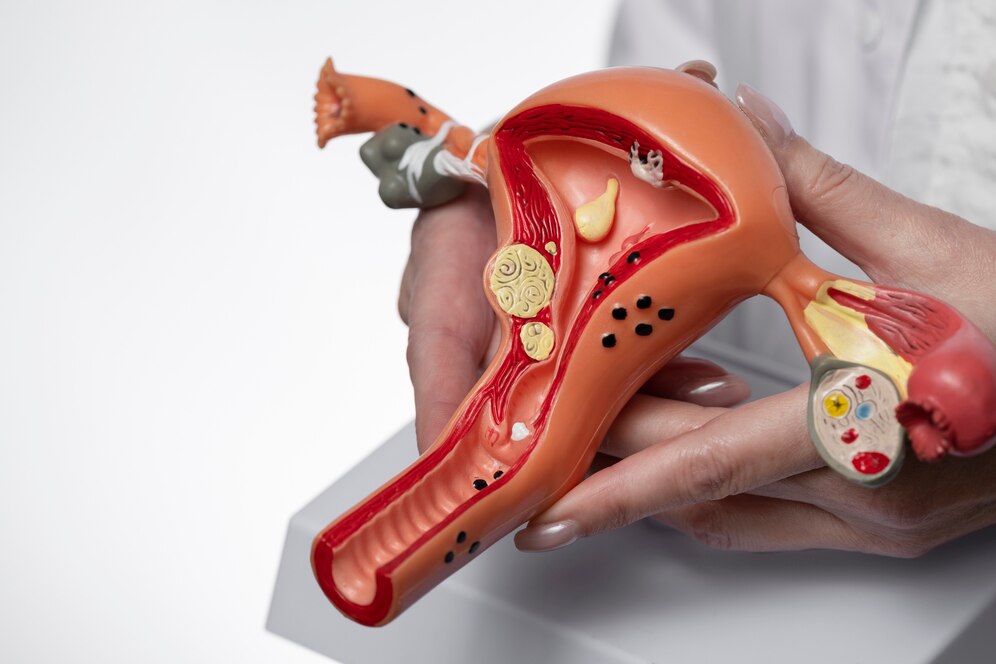
    Hemorrhagic Ovarian Cysts image

    Women’s health and well-being are often impacted by ovarian cysts, which is an essential problem for them. These can include problems, with hemorrhagic ovarian cysts being the most noticeable. All the information you require to ensure that you are well-informed and ready for hemorrhagic ovarian cysts will be covered in this blog post, from types and symptoms to diagnosis and treatment.

    Types of Ovarian Cysts

    1. Cervical Cysts in Function

    During a woman’s period, functional cysts, the most prevalent kind of ovarian cysts, typically develop. Corpus luteum cysts and follicular cysts are two of them. When a follicle doesn’t release an egg, it grows and eventually forms a follicular cyst. Follicles release an egg, reseal, and fill with fluid to form corpus luteum cysts.

    2. Dermoid Cysts

    Teratomas, another name for dermoid cysts, are composed of dental, skin, and hair tissue. Generally benign, these cysts can develop into larger or burst ones that might lead to difficulties.

    3. Mastodystasis

    The painful and uncomfortable growth of cystadenomas, which are packed with mucus or watery fluid, can be highly noticeable. Surgery can be necessary to remove these cysts, which might be normal or malignant removal.

    Other Types of Ovarian Cysts

    1. Endometriomas in situ

    Endometriomas, also referred to as chocolate cysts, are masses made of the tissue inside the uterus and leftover blood. They are related to endometriosis, a condition where the lining of the uterus develops outside of it.

    2. The Ovaries’ Polycystic Nature

    One characteristic that distinguishes polycystic ovarian syndrome (PCOS) is the existence of several small cysts in the ovaries. PCOS can cause infertility, irregular periods, and other health issues.

    3. Hemorrhaging Cysts in the Ovaries

    Hemorrhagic ovarian cysts originate from inside, where a blood artery bursts and allows blood to enter the cyst. If you encounter any uncomfortable symptoms, you may need to contact a doctor because these cysts can be painful.

    What is a Hemorrhagic Ovarian Cyst?

    Blood pools inside an already-existing cyst when a tiny blood artery in the cyst wall bursts, resulting in the formation of a hemorrhagic ovarian cyst. Any kind of cyst can experience this, although functioning cysts experience it most frequently. Usually, a mixture of fluid and blood fills these cysts.

    Causes of Ovarian Cysts That Hemorrhage

    Numerous factors, such as hormone imbalances, ovarian trauma, or underlying health issues can cause hemorrhagic cysts to form. Sometimes they could form for no apparent reason at all. Issues with Hemorrhagic Ovarian Cysts

    Although hemorrhagic cysts usually go away on their own, problems might occasionally arise. The ovary may twist around its supporting tissues in ovarian torsion or rupture, which can result in internal bleeding and severe pain.

    Symptoms of Hemorrhagic Ovarian Cysts

    1. Pain and Unease

    Pelvic pain is among the hemorrhagic ovarian cyst’s most typical symptoms. This lower abdominal pain may be localized to one side and may be subtle or acute. Menstruation or physical exertion may make the pain worse.

    2. Menstrual Cycle irregularities

    Changes in your monthly cycle, such as more or lighter flow, irregular periods, and spotting between periods, might be brought on by hemorrhagic cysts.

    3. Stomach Bloating

    Some women may get a sense of fullness or bloating in their abdomens. This may be because the cyst is inflaming the surrounding organs or is putting pressure on them.

    Diagnosis of Hemorrhagic Cysts

    1. Sonography

    The most used diagnostic method for determining the presence of hemorrhagic ovarian cysts is ultrasonography. It can help identify the kind, size, and location of a cyst by using sound waves to produce images of the ovaries.

    2. The CT and MRI scans

    To obtain a closer look at the cyst and rule out other possible reasons of your symptoms, your doctor might occasionally advise an MRI or CT scan.

    3. Blood Tests

    testing on the Blood Hemorrhagic cysts may be caused by hormone imbalances or other underlying diseases that can be found with the use of blood testing.

    Hemorrhagic Cyst Treatment

    1. Cautious Awaiting

    Hemorrhagic cysts usually go away on their own in a few menstrual cycles for most women. Your physician could advise “watchful waiting,” which entails taking regular ultrasounds to check the cyst and treating any symptoms with analgesics.

    2. Hormonal Treatment

    Hormonal therapy can help control your menstrual cycle and stop new cyst formation. Examples of this include birth control tablets. If you experience recurring hemorrhagic cysts, this treatment might be suggested.

    3. Handling of Pain

    Hemorrhagic cyst discomfort can be lessened with over-the-counter analgesics such acetaminophen or ibuprofen. Your doctor might recommend stronger drugs in more serious situations.

    Hemorrhagic Ovarian Cysts Surgical Treatment

    1. Throughout the laparoscopy

    Cyst removal is possible via laparoscopy, a minimally invasive surgical method. A tiny incision is made in the belly, and a thin, illuminated tube called a laparoscope is inserted to view and remove the cyst. Comparing this kind of treatment to regular surgery, there are usually less adverse effects and a quicker recovery time.

    2. laparotomy

    In cases that are more difficult, a laparotomy might be required. The cyst must be removed with a more extensive abdominal incision. Larger cysts or the detection of malignancy may necessitate this operation, despite the lengthier recovery time.

    3. Cystectomy of the Ovaries:

    During an ovarian cystectomy, the ovary is kept intact while the cyst is excised. 

    Hemorrhagic Shock and Brain Hemorrhage Survival Rates

    1. Shock with Hemorrhage

    Significant blood loss can result in hemorrhagic shock, which lowers blood pressure and insufficient blood supply to essential organs. To reduce serious complications and raise survival rates, prompt medical attention is essential.

    2. Brain Damage

    A brain hemorrhage is a potentially fatal disorder that needs to be treated right away. The extent and site of the bleeding, together with the promptness of therapy, all affect the survival rate. Over time, improved medical treatment and early intervention have increased survival rates.

    3. The Value of Prompt Intervention

    Hemorrhagic cysts can be treated and diagnosed early to reduce problems and enhance results. Maintaining your health and well-being requires routine checkups and discussion with your healthcare professional.

    Consult a Doctor and Medkart will help you Order Medicines Online

    Prevention of Hemorrhagic Cysts

    1. Continual Examinations

    Cyst detection and change monitoring can be facilitated by routine gynecological examinations. This proactive strategy can guarantee prompt treatment and avert problems.

    2. A Healthful Way of Living

    You may control your menstrual cycle and lower your chance of cyst formation by leading a healthy lifestyle that includes a balanced diet, frequent exercise, and stress reduction.

    3. hormonal equilibrium

    Hemorrhagic cyst risk can be decreased and functional cyst formation can be stopped by correcting hormonal imbalances by lifestyle modifications or hormonal therapy.

    Conclusion

    Many women may be concerned about the health effects of hemorrhagic ovarian cysts, but by being aware of the symptoms, diagnosis, and available treatments, you can take charge of your own well-being. The best ways to avoid and treat these cysts are through routine examinations, a balanced diet, and clear contact with your doctor.

    Don’t be afraid to ask your healthcare physician any questions or concerns you may have regarding hemorrhagic ovarian cysts. Your general well-being can be greatly improved with early intervention and appropriate care.

    Take control of your wellness, remain educated, and maintain your health. Visit our associated articles for additional details and resources, and get in touch with our network of professionals in women’s health.

    Related Links:
  • Hemorrhagic Stroke Paralysis: Causes, Symptoms, Treatment

    Hemorrhagic Stroke Paralysis: Causes, Symptoms, Treatment

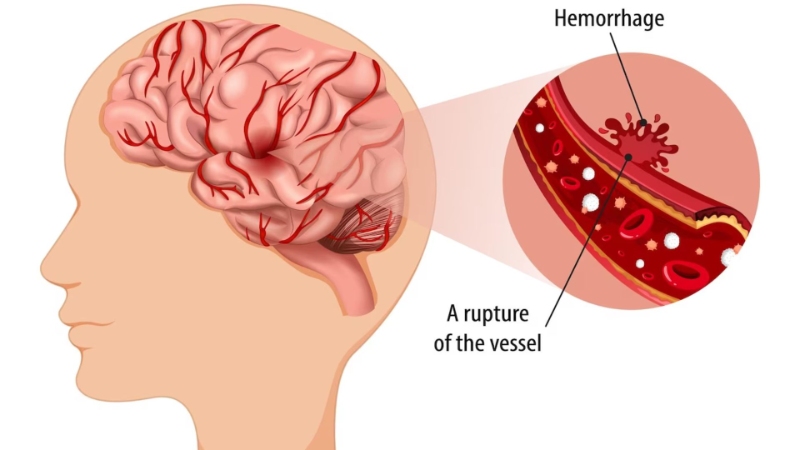
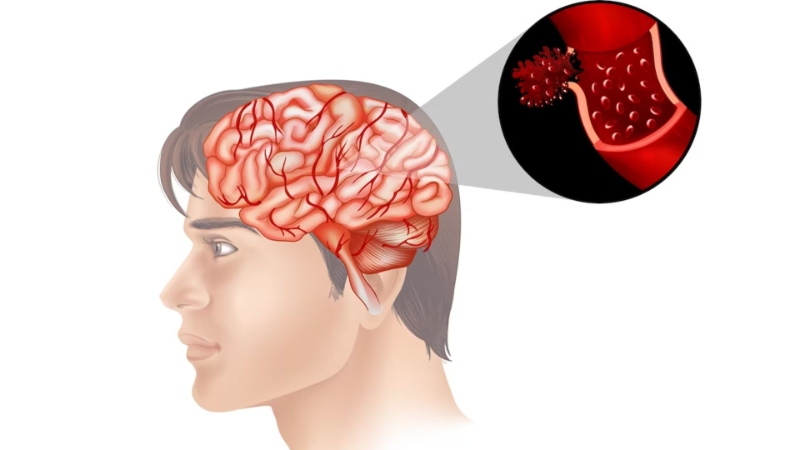
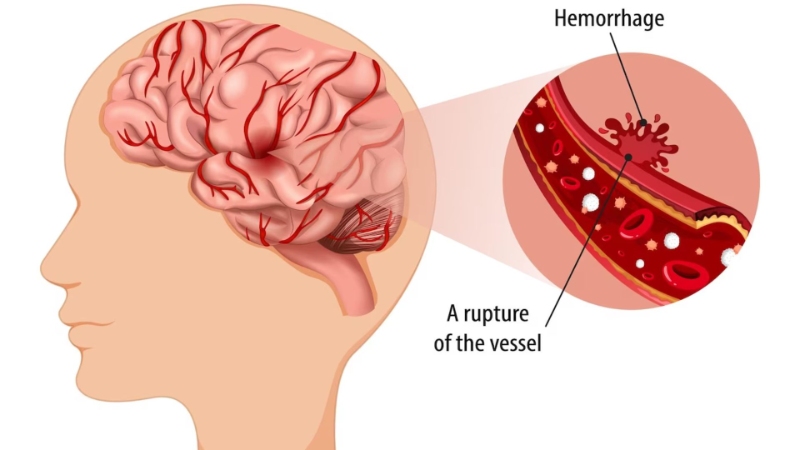
    Hemorrhagic stroke paralysis – A stroke, also known as a cerebrovascular accident, occurs when blood flow to the brain is interrupted, causing brain cells to die due to a lack of oxygen and nutrients. There are two main types of stroke: ischemic and hemorrhagic. Ischemic strokes are caused by a blockage in an artery supplying blood to the brain, while hemorrhagic strokes result from the rupture of a blood vessel in or around the brain.

    Stroke paralysis occurs when the brain’s nerve cells controlling muscles are damaged or destroyed as a result of the stroke. This damage can lead to various degrees of paralysis, ranging from mild weakness to complete loss of muscle function. Paralysis severity depends on the extent of brain damage and the specific area of the brain affected.

    What is Hemorrhagic Stroke Paralysis

    What is Hemorrhagic Stroke Paralysis?

    Hemorrhagic stroke paralysis refers to the paralysis that occurs as a result of a hemorrhagic stroke. A ruptured blood vessel can damage brain cells controlling muscle movement by leaking blood into the brain or surrounding tissues. This damage can cause paralysis on one or both sides of the body, depending on its location and severity.

    The paralysis experienced by an individual after a hemorrhagic stroke can be temporary or permanent. In some cases, the brain can recover and regain control over the paralyzed muscles, while in other cases, the damage may be too severe for any significant recovery to occur.

    Causes of Hemorrhagic Stroke

    Causes of Hemorrhagic Stroke

    Hemorrhagic strokes can be caused by various factors, including:

    1. High blood pressure: Chronic high blood pressure can weaken the walls of blood vessels, making them more susceptible to rupture and bleeding.
    2. Aneurysm: An aneurysm is a weakened, bulging area in a blood vessel that can rupture and cause a hemorrhagic stroke.
    3. Arteriovenous malformation (AVM): AVM is an abnormal tangle of blood vessels connecting arteries and veins, which can rupture and cause a hemorrhagic stroke.
    4. Blood vessel abnormalities: Some individuals are born with abnormalities that increase their risk of experiencing a hemorrhagic stroke.
    5. Blood-thinning medications: Blood-thinning medications like warfarin or aspirin increase the risk of bleeding in the brain. 

    Symptoms of Hemorrhagic Stroke

    The symptoms of hemorrhagic stroke paralysis can vary depending on the location and severity of the brain damage. Common symptoms include:

    1. Sudden weakness/numbness: This can occur on one or both sides of the body, including the face, arm, or leg.
    2. Difficulty speaking or understanding speech: Some individuals may experience slurred speech or difficulty understanding others.
    3. Vision problems: Hemorrhagic strokes can cause sudden vision loss, blurred vision, or double vision.
    4. Severe headache: A sudden, severe headache with no known cause is a common symptom of a hemorrhagic stroke.
    5. Loss of balance or coordination: Some individuals may experience difficulty walking, dizziness, or a sudden loss of balance.

    > Consult a doctor and Order Medicine Online

    Diagnoses and Treatment of Hemorrhagic Stroke

    Early diagnosis and treatment are crucial for improving the chances of recovery and minimizing the risk of long-term complications. The diagnostic process for hemorrhagic stroke paralysis typically involves a physical examination, medical history review, and imaging tests such as a computed tomography (CT) scan or magnetic resonance imaging (MRI) to determine the location and extent of the bleeding in the brain.

    Once a hemorrhagic stroke has been diagnosed, the primary goal of treatment is to stop the bleeding and minimize brain damage. This may involve medications to lower blood pressure and prevent seizures, as well as surgical interventions to repair damaged blood vessels or remove blood clots. In some cases, a ventriculostomy may be performed to drain excess fluid from the brain and relieve pressure.

    Rehabilitation is a critical component of hemorrhagic stroke treatment, as it can help individuals regain lost function and improve their quality of life. Rehabilitation may involve physical therapy, occupational therapy, and speech therapy, depending on the specific needs of the individual.

    Post-Stroke Care and Support

    Following a hemorrhagic stroke, individuals may require ongoing care and support to manage their symptoms and maximize their recovery. This can include regular check-ups with healthcare providers, medications to control blood pressure and prevent seizures, and support services such as home care or assisted living facilities.

    Family and caregivers aid recovery with emotional support, encouragement, and daily assistance, playing crucial roles in the process. It’s essential for caregivers to educate themselves about hemorrhagic stroke paralysis and the available resources to ensure they can provide the best possible care.

    Prevention

    Not all hemorrhagic stroke paralysis can be prevented, but lifestyle changes can reduce the risk of some cases. These include:

    • Managing blood pressure: Regular check-ups and prescribed medications can help keep blood pressure within a healthy range
    • Eating a healthy diet: Consuming a diet rich in fruits, vegetables, whole grains, and lean protein can help lower the risk of high blood pressure and other stroke risk factors.
    • Exercising regularly: Engaging in regular physical activity can help maintain a healthy weight and reduce the risk of high blood pressure, diabetes, and other stroke risk factors.
    • Not smoking: Smoking increases the risk of stroke by damaging blood vessels and increasing blood pressure. Quitting smoking can significantly reduce the risk of stroke.
    • Limiting alcohol consumption: Excessive alcohol consumption can increase blood pressure and the risk of stroke. It’s essential to limit alcohol intake to moderate levels – up to one drink per day for women and up to two drinks per day for men.

    Also Read: What are Generic Medicine?

    Recovery

    Recovery after hemorrhagic stroke paralysis varies highly based on brain damage severity and individual’s overall health. Some improve, others remain paralyzed, needing continuous care and support.

    Individuals and caregivers must maintain realistic recovery expectations and prepare for potential challenges that may arise during the process. By working closely with healthcare providers and rehabilitation specialists, individuals can maximize their chances of recovery and improve their quality of life.

    Conclusion:

    Hemorrhagic stroke paralysis can be a life-altering event, causing significant physical and emotional challenges for individuals and their families. By understanding the causes, symptoms, and treatments, individuals can navigate the recovery process, enabling informed decisions by both individuals and caregivers. Additionally, by adopting healthy lifestyle habits and working closely with healthcare providers, individuals can reduce their risk of experiencing a hemorrhagic stroke and improve their chances of recovery should a stroke occur.

    Related Links:

    For access to more such interesting articles on healthcare, visit Medkart today!