Tag: osteoarthritis

  • Effective Home Remedies for Arthritis Treatment

    Effective Home Remedies for Arthritis Treatment

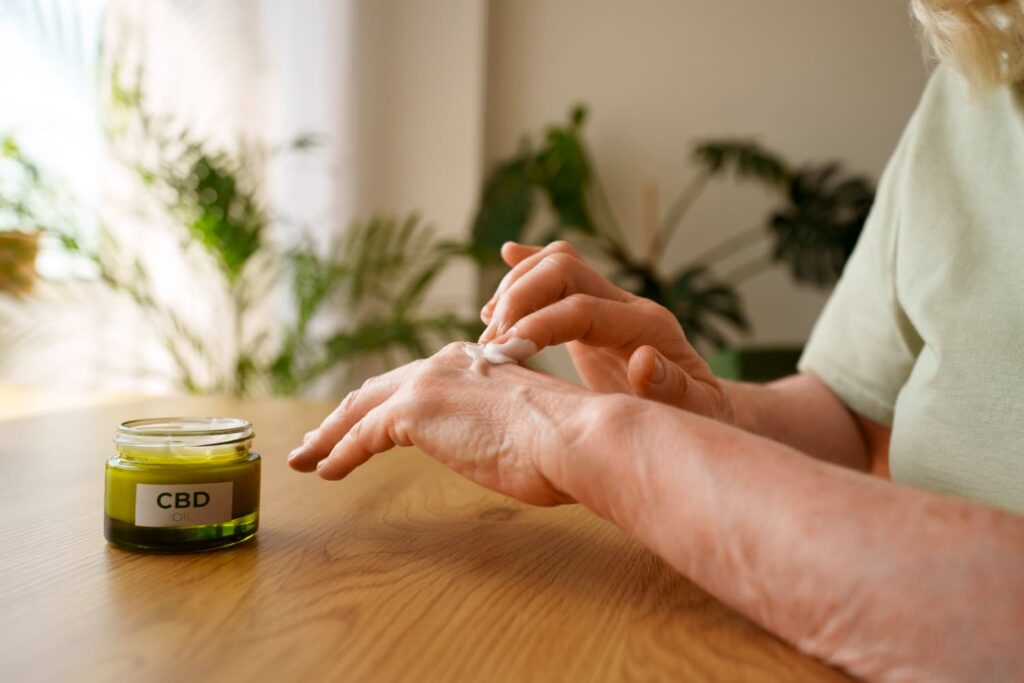
    Home Remedies for Arthritis Treatment image

    Arthritis Treatment – Arthritis is an inflammation of a single or multiple joints in the body. It has several types, each one having its causes and appropriate treatments. Osteoarthritis is the most common form. Other common ones may include gout, rheumatoid arthritis, and psoriatic arthritis.

    Rheumatoid arthritis is an autoimmune condition that cannot be cured with natural remedies. However, natural remedies for rheumatoid arthritis and other forms of arthritis can help in relieving the symptoms of joint pain and swelling to some extent. Since there are no side effects associated with home remedies for arthritis, you can try them at home.

    However, remember that home remedies for arthritis are not a replacement for medical treatment and must always be coupled with medicines to manage arthritis pain and stiffness better.

    Home Remedies for Arthritis Treatment

    Here are some of the most effective home remedies for arthritis and joint pain:

    1. Engage in light physical activity

    If you have arthritis, you might avoid moving your joints because of the discomfort it causes. However, inactivity or lack of movement over time has a damaging effect on the joints. It can result in muscle weakness and restricted joint movement.

    Light exercises and certain forms of light yoga are good home remedies for arthritis management. Mild stretching, walking, and swimming are a few simple exercises that can be done to strengthen your muscles and joints. Include them in your routine to naturally relieve joint pain and other arthritis symptoms.

    2. Use hot and cold compressions

    This home remedy for arthritis provides significant relief from the swelling of joints and arthritis pain. Hot compression is used for pain relief, loosening stiff joints, and relaxing muscles. You can use a heating pad or a warm towel for compression.

    Cold compressions in the form of ice packs are ideal for reducing swelling in joints. However, you should not use them simultaneously and give a gap of a few hours between sessions.

    3. Take a massage for arthritis

    Body massages are known for being a good home remedy for arthritis, especially osteoarthritis and knee pain. They help to lower stress hormones and release mood-enhancing hormones. They also reduce stiffness and joint pain and improve joint function.

    4. Maintain a healthy weight

    Arthritis primarily affects the weight-bearing joints of the body. Extra body weight puts additional strain on these joints, like your knees and hips. This aggravates the pain. Losing extra body weight is one of the best home remedies for arthritis.

    If you are overweight and suffer from arthritis, follow a healthy diet regime to maintain a healthy weight. This will help increase your mobility and reduce future damage to your bones.

    5. Use Omega-3 fatty acids

    ​Omega-3 fatty acids have been extensively researched for their ability to treat rheumatoid arthritis because they have anti-inflammatory properties. According to studies, people who consume more fatty fish or take fish oil supplements experience less morning stiffness and joint pain and rarely need medication.

    Thus, omega-3 fatty acids are suggested as a home remedy for arthritis. However, consult a doctor before adding a supplement to your diet to know if it will suit you.

    Omega-3 fatty acids best offer

    6. Add turmeric or curcumin supplements to your diet

    ​Studies have shown that turmeric has anti-inflammatory and anti-oxidative properties. Thus, it can be used as a natural remedy for joint pain. The active ingredient found in turmeric is a compound called curcumin, which may help reduce osteoarthritis pain without any side effects.

    Some studies have shown that curcumin intake treats morning stiffness increases walking time, and reduces joint swelling in arthritis patients. You can safely add turmeric to your diet. You may also take turmeric or curcumin supplements made with piperine, which helps the body absorb curcumin more effectively. Nevertheless, it is important to consult your doctor before adding a curcumin supplement to your diet.

    Conclusion

    Home remedies for arthritis are the safest way to reduce the symptoms related to pain and joint stiffness. However, you should not rely on them completely as they don’t cure the condition. A home remedy for joint pain should not replace medication but can be safely used as an adjunct therapy to improve your condition. Always consult an orthopaedic doctor before using any form of natural remedy and starting an exercise regime

    For your medical needs, visit India’s most reputable pharmacy, Medkart, which sells high-quality generic medications at affordable prices. Compare your medication prices and know more about your medicines on Medkart | Generic Medicines Online – Best Online Pharmacy App.

    Read: What are Generic Medicines?

    FAQs on Arthritis Treatment

    Q1. Which bones are first impacted by arthritis?

    The tiny joints in the fingers and toes are usually the first to be affected. The most prevalent symptom is stiffness, especially in the morning.

    Q2. Can arthritis go away naturally?

    No, arthritis cannot go away naturally, but it is manageable. You can try home remedies for arthritis to help ease discomfort, improve your range of motion, and prevent further harm.

    Q3. At what age does arthritis start?

    Arthritis mostly begins between the ages of 40 and 60. It affects women more than men. Although a complete cure is not possible, medications are available that help to suppress an overactive immune system and reduce joint pain and swelling.

    Related Links:
  • Are there different types of  arthritis?

    Are there different types of arthritis?

    If you’ve encountered an old person or if you are old, then you have probably heard about arthritis. If you haven’t, don’t worry. Here, we’ll discuss what arthritis is, its types, and how to manage it.

    What is arthritis?

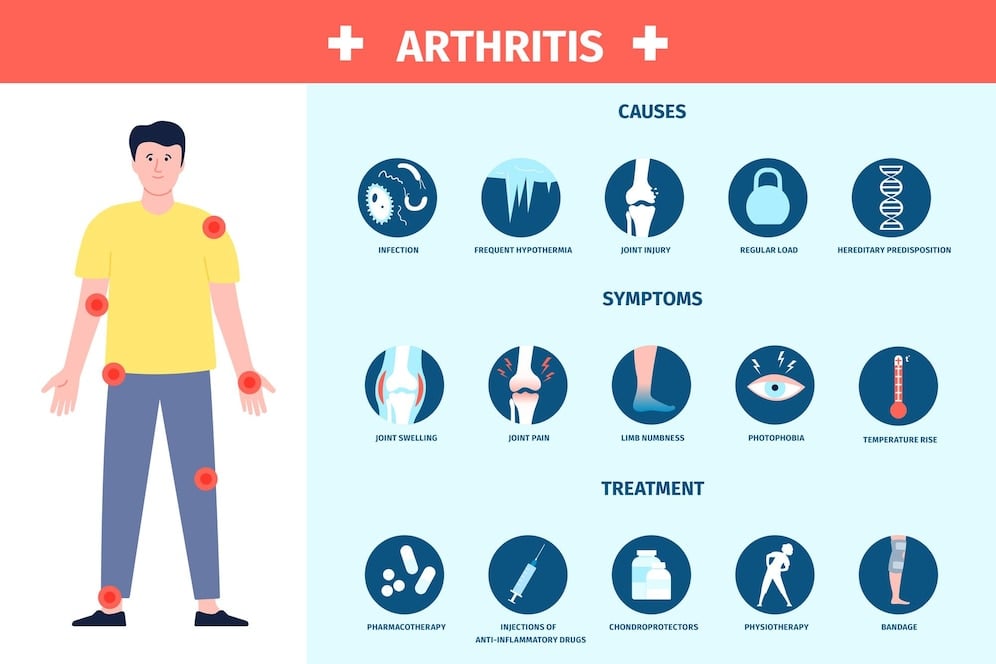
    Arthritis is inflammation or swelling. It occurs within joints. It is not a single disease. It is a term for swelling and degeneration in the joints due to degeneration. In addition to joint degeneration, it can also cause severe joint pain and stiffness.

    Normally, arthritis damages the soft tissues surrounding the joint. This in turn causes pain during joint movement. The exact symptoms of arthritis differ based on its cause and type. It typically occurs with age but can result from trauma, poor lifestyle choices, etc.

    It is a progressive condition. So, the symptoms often start worsening over time. In the initial stages, it is mild and easily manageable through medications. But in severe cases, most arthritis patients need to undergo surgery for correction.

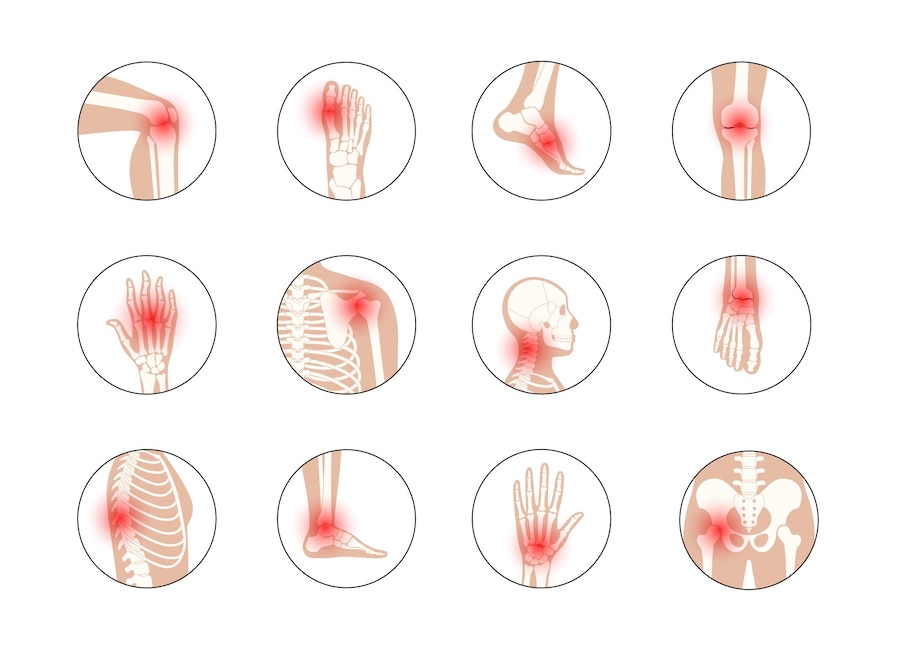
    different types of  arthritis image

    Different types of arthritis

    Arthritis is one of the most common bone and joint issues prevalent in today’s world. There are more than 100 documented types of arthritis. This is based on their causes and symptoms. Of these, 5 types of arthritis are the most common. Let’s discuss these types of arthritis and how they can affect you.

    The most common types of arthritis are:

    • Osteoarthritis (OA)

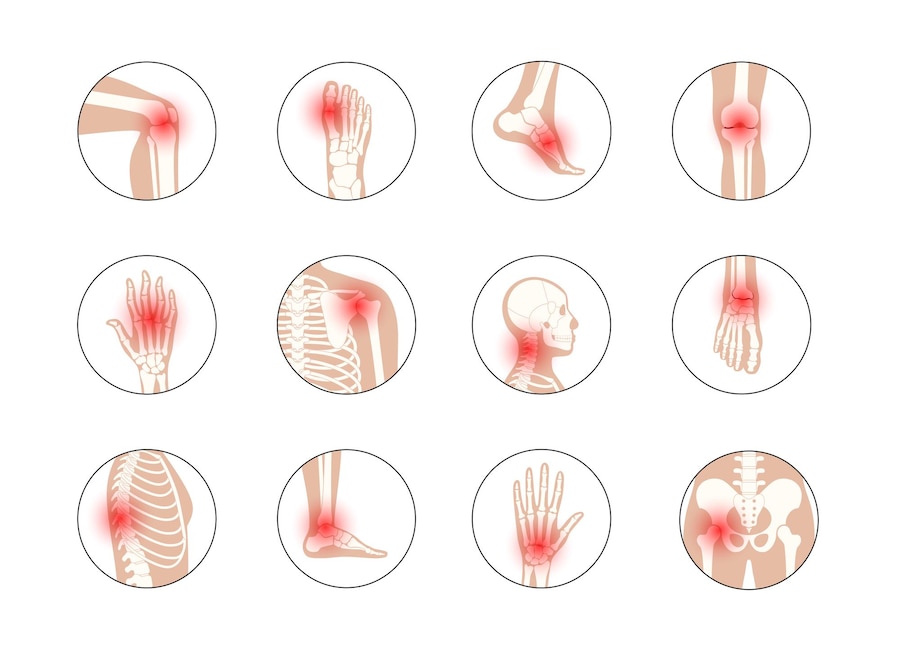
    It is also known as degenerative joint disease or “wear and tear” arthritis. It is the most common type of arthritis. It generally affects the hands, hips, and knees.

    It can also occur due to improperly managed fractures or trauma in the joint. During OA, the cartilage supporting the joint starts breaking down. This causes stress on the underlying bone.

    Its symptoms are joint pain, stiffness, and swelling, along with a severe inability to perform joint movements.

    • Rheumatoid Arthritis (RA)

    RA is an autoimmune condition. In this, your body’s immune system starts attacking the healthy joint tissues by error. This can further lead to painful inflammation of the joints.

    RA frequently affects multiple joints at the same time. Some of the most commonly affected joints from RA are the hands, wrists, and knees.

    It is signified by symptoms like chronic pain, joint instability, joint deformity, weakness, etc. In some cases, it can even spread to other organs like the lungs, heart, and eyes.

    • Childhood Arthritis

    Childhood or juvenile arthritis is another type of autoimmune disorder. Its exact cause is unknown. But due to its similarity to rheumatoid arthritis, it is also known as juvenile idiopathic arthritis (JIA) and juvenile rheumatoid arthritis.

    It causes severe pain in the joints, along with symptoms like joint swelling, fever, stiffness, rashes on the body, fatigue, loss of appetite, etc. If not managed properly, it can cause permanent damage to the joints, even making simple activities like walking difficult.

    • Psoriatic Arthritis

    Psoriatic arthritis is a combination of psoriasis and arthritis, i.e., patients have inflammation in their skin and joints. It is most commonly associated with patchy and scaly skin, with raised red and white inflamed areas.

    Normally, signs of psoriasis appear before signs of arthritis. It can affect virtually any joint, i.e., knee, spine, elbow, etc. It generally affects people between 30 to 40 years of age, but it can affect children too in some cases.

    • Gout

    Gout is an inflammatory type of arthritis. It is incurable. It occurs due to the deposition of uric acid crystals in the joints. If gout keeps recurring, it eventually leads to gouty arthritis, i.e., joint degeneration.

    It commonly affects only one joint at a time. It normally occurs in the feet (big toe joint, ankle, etc.) The symptoms of gout can get worse sometimes, called flares, and can recede sometimes on their own, called remission.

    You can manage it using medications and self-management strategies.

    How can arthritis be managed?

    You can manage arthritis by following the given tips:

    • Manage your lifestyle. Take your medicines as prescribed. Manage your stress levels. Try to improve your mood.

    • Be physically active. It will help with your symptoms. It will also boost your mood, and slow down joint degeneration. It will reduce further risk of chronic diseases.

    • Talk to your doctor. They will actively help you manage your pain and make sure you get the best treatment possible.

    • Don’t stress out your joints. Try to make sure you only perform light activities and maintain a healthy weight.

    With arthritis, it is very important to take proper care. If you have already been diagnosed, then you probably know how important it is to take control of the condition in time. Follow these steps to manage arthritis and lead a healthy life.

    Know more about your Medicines at Medkart, which is an online pharmacy platform that makes buying medicines convenient & cost-effective. To place your orders, download the app today!

    FAQs

    What is the most painful type of arthritis?

    Rheumatoid arthritis is the most painful type of arthritis. It affects the soft tissues and organs surrounding the joint. It causes inflammation there.

    Can arthritis be cured completely?

    There is no actual cure for arthritis. It occurs due to wear in the joints. But it can be effectively managed via medicines, physiotherapy, and in severe cases, surgery.

    What is the main cause of arthritis?

    Arthritis mainly occurs due to natural wear and tear in the joints. However, it can also occur due to autoimmune disorders and certain inflammatory conditions. The exact cause differs from patient to patient.

  • The Three Most Common Types of Arthritis | Diagnosis – FAQ about Arthritis

    The Three Most Common Types of Arthritis | Diagnosis – FAQ about Arthritis

    The Three Most Common Types of Arthritis

    What is arthritis?

    Arthritis is a condition that affects the joints. Different types of arthritis affect different joints, bones, tendons and cartilage. It mainly affects the elderly, but youngsters can also be affected.

    What does one experience?

    Arthritis symptoms include joint pain, redness, swelling, soreness, and stiffness, along with reduced joint movement. Symptoms can vary in severity and frequency. This can make simple tasks challenging. Arthritis can also cause permanent joint changes. It can affect the heart, eyes, lungs, kidneys, and skin.

    Why does Arthritis happens?

    The primary cause of different types of arthritis is weakened cartilage. This can be a result of genes and some environmental influences.

    How is Arthritis diagnosed?

    Your doctor will be able to make a diagnosis based on your symptoms, physical examination, and laboratory results. X-rays. Investigations like a CT or MRI also may be suggested.

    What are the different types of arthritis?

    Osteoarthritis, rheumatoid arthritis, psoriatic arthritis, gout, juvenile arthritis, and infectious arthritis are some of the different types of arthritis.

    Types of arthritis

    1) Osteoarthritis (OA):

    OA is the most commonly noted type. It is an age-related degenerative, progressive joint disease where bone and cartilage are affected. This leads to joint stiffness and discomfort. Types of joint pain can vary according to the joint affected. The joints affected are the hand, spine, knee, foot and hip.

    Who is at risk for OA?

    People who have joint injuries, overuse joints, women, who are over 50 years old, obese, and have a family history of arthritis

    What are the treatment options?

    Even though there is no cure, pain medications, moderate physical activity (at least 150 minutes per week), physiotherapy, weight control, and avoiding joint damage can all assist. Surgery is also an option.

    2) Rheumatoid arthritis (RA)

    This type of arthritis is brought on by an immune system attack on the lining of the joint. Bones, cartilage, and other tissues may be affected. Two types of rheumatoid arthritis exist –

    One which affects adults – commences in middle age. It is prevalent in the elderly and women.

    Juvenile idiopathic arthritis – affects children and younger teenagers

    Arthritis symptoms include discomfort, oedema, fatigue, fever, loss of joint function, and appetite. These could include a symmetrical progression pattern affecting various joints. Pain and stiffness, especially in the morning or after prolonged rest, may last for at least 30 minutes. Symptoms can last for years with periods of worsening and remission. This may be accompanied by anaemia, dry mouth and eyes, depression, and anxiety.

    What causes RA?

    Genetic, environmental factors and changes in certain sex hormones

    How can RA patients improve their quality of life?

    Early diagnosis, treatment and adequate rest are crucial. Moderate physical activity is also a must. Pain medications and disease-modifying anti-rheumatic drugs may be advised.

    3) Psoriatic arthritis (PA)

    Of the different types of arthritis, this type is seen in people with a skin condition called psoriasis. Here, the skin becomes painful, red and scaly.

    It impacts people in their 30s to 50s frequently. The wrists, knees, ankles, heel, and lower back all exhibit the sporadic type of joint pain, discomfort, swelling, and red, warm joints. It involves joints at the ends of the fingers and toes. Swollen and sausage-like fingers and/or toes are a possibility. It is possible to see signs of fatigue, eye infections, and nail pitting. Nails and the nail bed might detach.

    What causes PA?

    It is unknown why PA develops. The condition may have both genetic and environmental factors.

    How is PA treated?

    No cure exists for this. So early diagnosis is important. Painkillers and disease-modifying anti-rheumatic medications are administered.

    To sum it up

    You are not alone if you have arthritis. There are 210 million people with different types of arthritis in India. https://www.arthritis-india.com/

    The key to management is early diagnosis. Don’t overlook any type of joint pain. Lifestyle modifications, a balanced diet, medications, surgery, exercise, and therapies all help in making life easier with arthritis. Buying medicines is now simpler. With Medkart, you get the best prices and doorstep delivery. Visit Medkart today.

    FAQs related Arthritis

    1. I have joint pain; does this mean I have arthritis?

    Ans: Most cases of joint pain and stiffness are caused by one of the different types of arthritis. However, joint pain can occur owing to many other causes. Injury to the joint is the most common.

    2. How do I proceed if I believe I have arthritis?

    Ans: If you have any symptoms of arthritis, such as pain, stiffness, or swelling in or around one or more of your joints, consult your doctor immediately.

    3. How does exercise help with arthritis?

    Ans: Exercise helps mobilize the joints and keep them supple, thus reducing swelling. Consult your doctor before starting.

    4. Can I prevent arthritis?

    Ans: Although if you cannot stop arthritis from developing, lifestyle modifications can lower the risk

    5. What can happen if I don’t take early treatment for arthritis?

    Ans: If left untreated, it can result in serious and frequently irreversible damage to your joints, as well as to your skin, organs, and other parts of your body