
Tag: symptoms

  • How Serious is Latent Tuberculosis? -Symptoms, Risk Factors

    How Serious is Latent Tuberculosis? -Symptoms, Risk Factors

    Latent Tuberculosis

    Introduction to Latent Tuberculosis

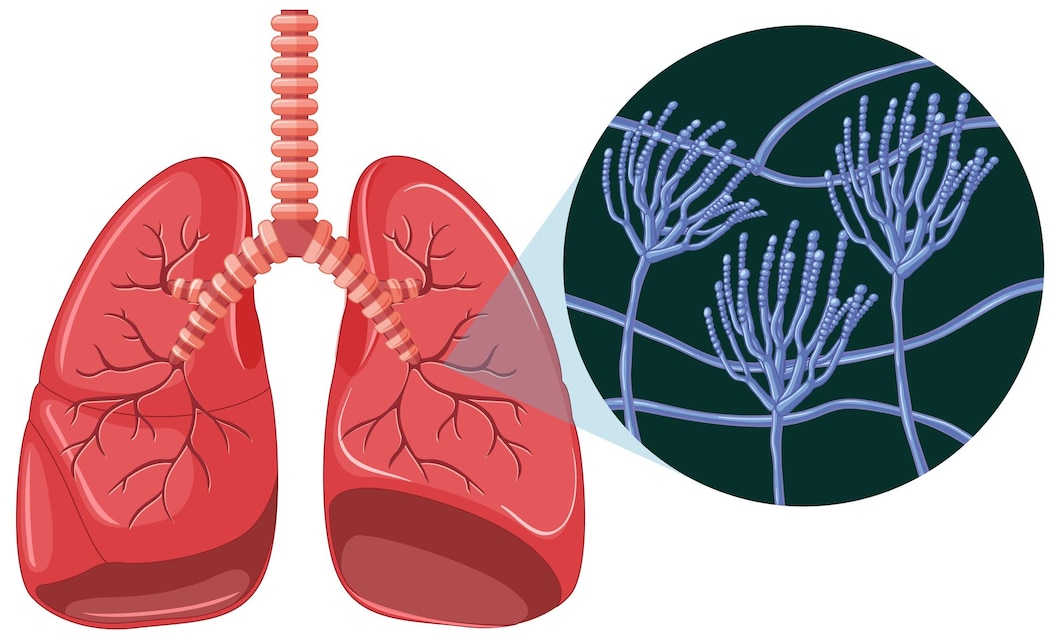
    Tuberculosis (TB) is a contagious and life-threatening infection that primarily affects the lungs. It can also impact other organs in the body, such as the brain, kidneys, and spine. This disease is caused by the bacterium Mycobacterium tuberculosis. While most people are familiar with active TB, there is another form of the disease that often goes unnoticed and undiscussed – latent tuberculosis. Latent tuberculosis is a condition where the TB bacteria are present in the body but are inactive, meaning the person infected does not exhibit any symptoms of the disease. However, the bacteria can become active later on, leading to the development of active TB.

    In this comprehensive guide, we will discuss the causes, symptoms, and risk factors of latent tuberculosis, as well as diagnosis, treatment options, and the effectiveness of the TB vaccine. Additionally, we will debunk myths and misconceptions about latent TB, compare it to active TB, and offer tips and advice for living with this condition. Lastly, we will emphasize the importance of early detection and treatment in combating this global health issue.

    Understanding Latent Tuberculosis – Causes, Symptoms, and Risk Factors

    Causes of Latent Tuberculosis

    Latent tuberculosis occurs when a person has been infected with TB bacteria, but their immune system is effectively keeping the bacteria under control. This means that the bacteria are present, but they are not replicating or causing any harm to the body. The bacteria can remain dormant for many years, and in some cases, a person may never develop active TB. However, if the immune system weakens, the bacteria can become active and cause active TB disease.

    Symptoms of Latent Tuberculosis

    People with latent tuberculosis do not exhibit any symptoms because the bacteria are inactive. They do not feel sick and cannot spread the bacteria to others. However, it is still essential to identify and treat latent TB, as the bacteria can become active later on and cause serious health issues.

    Risk Factors of Latent Tuberculosis

    • Several factors can increase the risk of developing latent tuberculosis. These include:
    • Close contact with someone who has active TB
    • Living or working in a region with high TB rates
    • Having a weakened immune system due to conditions such as HIV/AIDS, diabetes, or undergoing treatment for cancer
    • Taking medications that suppress the immune system, such as corticosteroids or TNF-alpha inhibitors

    Diagnosis and Testing for Latent Tuberculosis

    Diagnosis of Latent Tuberculosis

    Diagnosing latent tuberculosis can be challenging, as there are no visible symptoms. Health professionals typically rely on tests that detect the presence of TB bacteria or an immune response to the bacteria in the body.

    Testing for Latent Tuberculosis

    There are two primary tests used to detect latent tuberculosis:

    Tuberculin Skin Test (TST) – Also known as the Mantoux test, this test involves injecting a small amount of tuberculin (a protein derived from TB bacteria) into the skin on the forearm. If the person has been exposed to TB bacteria, a raised, hard bump will appear at the injection site within 48-72 hours, indicating a positive result.

    Interferon Gamma Release Assay (IGRA) – This blood test measures the immune system’s response to TB bacteria. It is more specific than the TST and can differentiate between TB infection and vaccination with the Bacille Calmette-Guérin (BCG) vaccine.

    Both tests have their advantages and limitations, and healthcare professionals may use one or both tests to determine if a person has latent tuberculosis.

    Latent Tuberculosis Treatment Options

    Treatment for latent tuberculosis aims to prevent the development of active TB by eliminating the dormant bacteria in the body. The decision to treat latent TB depends on the person’s risk factors and the likelihood of developing active TB. There are several treatment options available, including:

    • Isoniazid (INH) – This is the most common medication used to treat latent tuberculosis. The treatment typically lasts for 9 months, during which the patient takes the medication daily.
    • Rifampin (RIF) – This medication is an alternative to isoniazid and is taken daily for four months.
    • INH and Rifapentine – This combination therapy is taken once a week for 12 weeks under the direct supervision of a healthcare professional.

    Treatment duration and medication combinations may vary depending on the patient’s age, medical history, and other factors.

    TB Vaccine – How Effective is it?

    The Bacille Calmette-Guérin (BCG) vaccine is the only vaccine available for tuberculosis. It is derived from a weakened strain of Mycobacterium bovis, a bacterium closely related to Mycobacterium tuberculosis. The BCG vaccine is primarily used in countries with high TB rates to protect young children from severe forms of TB, such as TB meningitis and miliary TB.

    The effectiveness of the BCG vaccine in preventing TB varies widely. It has been shown to be more effective in children than in adults, and its efficacy tends to decline over time. The vaccine is not routinely recommended for use in countries with low TB rates, as the risk of side effects may outweigh the potential benefits.

    Myths and Misconceptions about Latent Tuberculosis

    There are many misconceptions surrounding latent tuberculosis. Some common myths include:

    Myth: Latent TB is not a serious condition.

    ·    Fact: While people with latent TB do not exhibit symptoms and cannot transmit the bacteria, the condition can potentially develop into active TB, which is a severe and life-threatening disease.

    Myth: Having latent TB means you are immune to future TB infections.

    ·    Fact: Having latent TB does not provide immunity against future infections. In fact, individuals with latent TB have an increased risk of developing active TB if exposed to the bacteria again.

    Myth: There is no treatment for latent TB.

    ·      Fact: There are several effective treatment options available for latent TB, which can significantly reduce the risk of developing active TB.

    Latent Tuberculosis vs Active Tuberculosis – What’s the Difference?

    Latent tuberculosis and active tuberculosis are two different stages of TB infection. The following are the main variations between the two:

    Symptoms: People with latent TB do not exhibit any symptoms, while those with active TB experience coughing, fever, weight loss, and other symptoms.

    Transmission: Latent TB is not contagious, whereas active TB can be transmitted through the air when an infected person coughs, sneezes, or talks.

    Treatment: Both latent and active TB can be treated with medication, but the treatment regimens and durations differ. Active TB typically requires a combination of medications taken over a longer period.

    Prevention and Control of Latent Tuberculosis

    Preventing the spread of tuberculosis is crucial in controlling the disease. Key strategies for preventing and controlling latent TB include:

    Identification and treatment: Early identification and treatment of individuals with latent TB can help prevent the development of active TB and reduce transmission.

    Education: Public awareness campaigns and educational programs can help people understand the risks associated with TB and the importance of early detection and treatment.

    Infection control: Implementing effective infection control measures in healthcare settings, including proper ventilation, personal protective equipment, and isolation of patients with active TB, can help prevent the spread of the bacteria.

    Vaccination: The BCG vaccine can help protect young children from severe forms of TB in countries with high TB rates.

    Living with Latent Tuberculosis – Tips and Advice

    Living with latent tuberculosis can be challenging, but with proper management and care, individuals can lead healthy, normal lives. Some tips and advice for living with latent TB include:

    Follow treatment recommendations: Adhering to the prescribed treatment regimen is crucial in preventing the development of active TB.

    Stay informed: Educate yourself about latent TB, its risk factors, and potential complications to better understand your condition and how to manage it.

    Maintain a healthy lifestyle: Eating a healthy diet, getting regular exercise, and managing stress can help boost your immune system and reduce the risk of developing active TB.

    Avoid exposure to TB: If you are at a higher risk of developing active TB, take precautions to avoid exposure to the bacteria. This may include avoiding close contact with people who have active TB, staying away from crowded indoor spaces, and wearing a mask in public places.

    Seek medical care if symptoms develop: If you begin to experience symptoms of TB, such as coughing, fever, or weight loss, seek medical attention immediately.

    Frequently Asked Question 

    Q1: What is latent tuberculosis (TB)?

    A1: Latent tuberculosis is a condition where an individual has been infected with the tuberculosis bacteria (Mycobacterium tuberculosis), but the bacteria are in an inactive state. This means the person does not feel sick and cannot spread TB to others.

    Q2: What are the symptoms of latent tuberculosis?

    A2: Unlike active tuberculosis, latent TB does not usually cause any symptoms. People with latent TB are generally not contagious and do not experience the typical cough, fever, weight loss, or fatigue associated with active TB.

    Q3: What are the risk factors for developing latent tuberculosis?

    A3: Risk factors for latent TB include close contact with someone who has active TB, living in or traveling to areas with high TB prevalence, having a weakened immune system (due to HIV, certain medications, or medical conditions), being a healthcare worker, or having recently immigrated from a country with high TB rates.

    Q4: How is latent tuberculosis diagnosed?

    A4: Latent TB is usually diagnosed through a tuberculin skin test (TST) or a blood test called an interferon-gamma release assay (IGRA). These tests determine if a person has been exposed to TB bacteria by measuring the immune response to TB proteins.

    Q5: Is latent tuberculosis a serious condition that requires treatment?

    A5: While latent TB does not cause immediate illness, it can progress to active TB in some cases, especially if the person’s immune system becomes weakened. Treatment for latent TB involves taking a course of antibiotics to prevent the bacteria from becoming active. It is important to treat latent TB to prevent the development of active disease and its potential complications.


    Conclusion – The Importance of Early Detection and Treatment of Latent Tuberculosis

    Latent tuberculosis is a significant global health issue that often goes undetected and untreated. While people with latent TB do not exhibit symptoms and cannot transmit the bacteria, the condition can potentially develop into active TB, which is a severe and life-threatening disease. Early detection and treatment of latent TB are crucial in preventing the development of active TB and reducing transmission.

    If you have been diagnosed with latent TB, it is essential to follow the prescribed treatment regimen and take steps to maintain a healthy lifestyle. Avoiding exposure to TB and seeking medical care if symptoms develop can also help prevent the development of active TB.

    In conclusion, while latent tuberculosis may not exhibit any visible symptoms, it is a serious condition that requires attention and care. By understanding the causes, symptoms, and risk factors of latent TB, seeking early diagnosis and treatment, and following preventive measures, we can work together to control and ultimately eradicate this global health issue.

    Call To Action

    For access to more such interesting articles on healthcare, visit Medkart today!

  • All about Tuberculosis: Types, Prevention & drugs for treatment

    All about Tuberculosis: Types, Prevention & drugs for treatment

    Tuberculosis (TB) is a serious infectious disease that mainly affects the lungs but can also impact other organs. The World Health Organization (WHO) estimates that around 10 million people fell ill with TB in 2019, and 1.4 million died from the disease. Understanding the mode of transmission of tuberculosis and implementing effective prevention measures are crucial to protect yourself and others from this potentially deadly infection. In this guide, we will discuss the various aspects of tuberculosis prevention, the effectiveness of anti-tuberculosis drugs, common side effects of TB medicine, and the importance of completing TB treatment.

    What is Tuberculosis?

    The bacteria Mycobacterium tuberculosis is the source of the infectious illness tuberculosis. It is a major public health concern worldwide, particularly in low- and middle-income countries. TB primarily affects the lungs, but it can also involve other organs like the kidneys, brain, and spine. The symptoms of TB include persistent cough, fever, night sweats, fatigue, and unintentional weight loss. TB can be lethal if neglected.

    Latent and active tuberculosis are the two kinds of the disease. In latent TB, the bacteria are present in the body but do not cause any symptoms. Individuals with latent TB are not contagious and cannot spread the infection. However, they may develop active TB later in life, especially if their immune system weakens. In active TB, the bacteria multiply and cause symptoms. People with active TB can transmit the infection to others.

    Understanding the Mode of Transmission of Tuberculosis

    It is essential to understand the mode of transmission of tuberculosis to implement effective prevention strategies. TB spreads through the air when a person with active TB in their lungs coughs, sneezes, speaks, or sings. The bacteria travel in tiny droplets called aerosols, which can be inhaled by people nearby. Once inhaled, the bacteria can settle in the lungs and begin to multiply, potentially leading to an active TB infection.

    It is important to note that not everyone who breathes in the TB bacteria will become infected. Factors such as the duration and proximity of exposure, the immune system’s strength, and the presence of underlying health conditions can influence the likelihood of developing TB. In general, people with weakened immune systems, such as those living with HIV, are at a higher risk of contracting the infection.

    Is Tuberculosis Contagious?

    The contagiousness of tuberculosis depends on whether an individual has latent or active TB. As mentioned earlier, people with latent TB do not show any symptoms and cannot spread the infection to others. In contrast, individuals with active TB can transmit the bacteria through the air, making it a contagious disease.

    It is important to remember that TB is not as contagious as other respiratory infections like the common cold or flu. Prolonged close contact with a person with active TB is usually required for the bacteria to spread. Transmission is more likely to occur between family members, friends, or coworkers who spend extended periods together.

    Tuberculosis Prevention Methods

    There are several tuberculosis prevention methods that can be implemented to reduce the spread of the disease. Some of these methods include:

    • Prompt diagnosis and treatment: Early detection and appropriate treatment of active TB cases are vital to reduce the transmission of the infection. If you suspect that you or someone you know may have TB, it is crucial to seek medical advice immediately.
    • Vaccination: The Bacillus Calmette-Guérin (BCG) vaccine can offer some protection against TB, particularly in children. The vaccine is not widely used in countries with low TB rates, but it is recommended for children and adults at high risk of exposure in certain situations.
    • Infection control measures: Health care facilities should follow strict infection control guidelines to minimize the risk of TB transmission. These measures include proper ventilation, use of protective equipment like masks, and isolation of patients with suspected or confirmed TB.
    • Education and awareness: Raising awareness about the symptoms, transmission, and prevention of TB can encourage people to seek timely medical care and follow recommended prevention measures.
    • Addressing social determinants: Poverty, overcrowding, and malnutrition can increase the risk of TB infection and the development of active disease. Addressing these underlying factors is essential to reduce the burden of TB worldwide.

    Anti-Tuberculosis Drugs and Their Effectiveness

    The primary treatment for active tuberculosis involves a combination of anti-tuberculosis drugs, also known as TB drugs or TB medicine. These drugs work by killing the TB bacteria and preventing their multiplication. The standard treatment regimen for drug-susceptible TB includes four medications: isoniazid, rifampicin, ethambutol, and pyrazinamide. The treatment typically lasts for six months, with the first two months involving all four drugs, followed by four months of isoniazid and rifampicin alone.

    Anti-tuberculosis drugs are highly effective in curing the disease and preventing its spread when taken correctly and for the full duration of the treatment. However, the emergence of drug-resistant TB strains poses a significant challenge to TB control efforts. Drug-resistant TB requires more prolonged and complex treatment regimens with less effective and more toxic medications. Ensuring proper use of anti-tuberculosis drugs and adherence to treatment guidelines is crucial to prevent the development of drug resistance.

    Common Side Effects of TB Medicine

    While anti-tuberculosis drugs are generally safe and well-tolerated, they can cause side effects in some individuals. Some common side effects of TB medicine include:

    • Gastrointestinal symptoms: Nausea, vomiting, and abdominal pain are common side effects of TB drugs. These symptoms can usually be managed by taking the medications with food or using over-the-counter remedies.
    • Liver problems: Isoniazid, rifampicin, and pyrazinamide can cause liver inflammation, leading to symptoms like jaundice, dark urine, and abdominal pain. Regular monitoring of liver function tests is essential during TB treatment to detect and manage liver-related side effects.
    • Skin reactions: Some individuals may experience skin rashes or itching while taking TB medicine. Severe skin reactions, although rare, should be reported to a healthcare provider immediately.
    • Nerve damage: Isoniazid can cause peripheral neuropathy, a condition characterized by tingling, numbness, or pain in the hands and feet. This side effect can be prevented or managed by taking vitamin B6 (pyridoxine) supplements during TB treatment.
    • Vision problems: Ethambutol can cause optic neuritis, leading to blurred vision or color vision changes. Regular eye examinations are recommended during treatment with ethambutol to detect and manage this side effect.

    It is important to discuss any side effects experienced during TB treatment with a healthcare provider. In some cases, the medication regimen may need to be adjusted or alternative drugs prescribed to manage side effects.

    Foods to Avoid While Undergoing TB Treatment

    A healthy diet is essential during TB treatment to support the immune system and promote recovery. However, certain foods and substances can interact with TB medicine and should be avoided. Some of the foods to avoid while undergoing TB treatment include:

    • Alcohol: Alcohol can increase the risk of liver damage while taking TB drugs, particularly isoniazid and rifampicin. It is advisable to avoid or limit alcohol consumption during TB treatment.
    • Tyramine-rich foods: Foods high in tyramine, such as aged cheeses, cured meats, and fermented foods, can cause severe hypertension when consumed with isoniazid. It is best to avoid these foods during treatment.
    • Grapefruit and grapefruit juice: Grapefruit and its juice can interfere with the metabolism of rifampicin, potentially reducing its effectiveness. It is recommended to avoid grapefruit products while taking rifampicin.

    A well-balanced diet rich in fruits, vegetables, lean proteins, and whole grains can provide the necessary nutrients for an optimal recovery from TB. Itis important to discuss any dietary concerns or restrictions with a healthcare provider.

    Importance of Completing TB Treatment

    Completing the full course of TB treatment is crucial to cure the disease and prevent its spread. Stopping treatment prematurely or skipping doses can lead to the development of drug-resistant TB and other complications. It is common for people to start feeling better after a few weeks of treatment and assume that they no longer need to take the medications. However, TB bacteria can persist in the body even after symptoms disappear, and stopping treatment too early can lead to a relapse.

    It is essential to follow the treatment regimen as prescribed by a healthcare provider and complete the full course of medication, even if symptoms disappear. Skipping doses or stopping treatment prematurely can lead to treatment failure, the development of drug resistance, and the need for more extended and more expensive treatment regimens.

    TB Prevention in High-Risk Populations

    Certain populations are at a higher risk of contracting TB and developing active disease. These populations include:

    • People living with HIV/AIDS: HIV weakens the immune system, making it more susceptible to TB infection and the development of active disease.
    • Close contacts of TB patients: Family members, friends, and coworkers who spend extended periods with a person with active TB are at a higher risk of contracting the infection.
    • Prisoners: Overcrowding and poor ventilation in prisons can increase the risk of TB transmission among inmates and staff.
    • Healthcare workers: Healthcare workers who care for TB patients are at a higher risk of contracting the infection, especially in settings with inadequate infection control measures.
    • Migrants and refugees: Migrants and refugees from countries with a high TB burden may be at a higher risk of contracting the infection and developing active disease.

    Preventive measures, such as screening, testing, and treatment for latent TB, can help reduce the risk of TB infection and the development of active disease in high-risk populations.

    Conclusion

    Tuberculosis remains a significant public health concern worldwide, causing millions of deaths each year. Understanding the mode of transmission of tuberculosis and implementing effective prevention measures, such as prompt diagnosis, treatment, vaccination, infection control, and education, are crucial to reduce the spread of the disease. Anti-tuberculosis drugs are highly effective in curing TB when taken correctly and for the full duration of the treatment, but they can cause side effects that need to be managed appropriately. Completing the full course of TB treatment is essential to prevent the development of drug resistance and the need for more prolonged and complicated treatment regimens. Protecting high-risk populations, such as people living with HIV/AIDS, close contacts of TB patients, prisoners, healthcare workers, and migrants and refugees, requires targeted prevention strategies and interventions.

    Call To Action

    For access to more such interesting articles on healthcare, visit Medkart today!
  • Eye Flu Medicine – Treatment, Prevention, Home Care for Conjunctivitis

    Eye Flu Medicine – Treatment, Prevention, Home Care for Conjunctivitis

    Eye Flu Medicine image

    Understanding Conjunctivitis Types

    Regularly referred to as “pink eye” or “eye flu,” conjunctivitis is a common eye illness that medical professionals deal with on a regular basis. Based on its basic reason, it can be divided into three main types:

    1. Sinusitis caused by a virus

    Serious respiratory infections like the common cold frequently include viral conjunctivitis, which is extremely contagious. Most frequently, an adenovirus is to blame. When in close proximity to contaminated surfaces or secretions, it spreads quickly.

    2. Bacterial Conjunctivitis

    Usually caused by bacteria like Staphylococcus aureus, Streptococcus pneumoniae, and Haemophilus influenzae, bacterial infections can cause bacterial conjunctivitis. It can be very painful, and in order to avoid complications, treatment must be given as away.

    3. Allergic Conjunctivitis

    In contrast to bacterial and viral forms, allergic conjunctivitis is not communicable. Allergens such dust mites, pollen, and pet dander can cause it. Scratching, redness, and watery eyes are some of the symptoms.

    Healthcare providers can make better diagnoses and treatment suggestions when they are aware of these kinds. Even though the symptoms could be similar, various management approaches are required for the root causes.

    Uncovering the Causes of Eye Flu

    Depending on the type of conjunctivitis, many reasons may exist. To effectively treat and prevent, the cause must be found.

    1. Viruses and Bacteria: Infectious agents that cause conjunctivitis are primarily viruses and bacteria. Virus-induced conjunctivitis is frequently associated with respiratory illnesses, whereas bacteria on the surface or respiratory tract cause bacterial conjunctivitis.
    2. Triggers and Allergens: Triggers for allergic conjunctivitis include mold, pollen, and pet dander. Inflammation of the conjunctiva can also be brought on by irritants including smoking, chlorine in swimming pools, and chemicals.
    3. Contact lens contamination: One major risk factor is not maintaining needed hygiene for your contact lenses. Infections can result from germs or viruses entering the eye through contaminated lenses.

    In order to improve early detection and prevention, health care providers should inform patients about the different causes of conjunctivitis.

    Recognizing Conjunctivitis Symptoms

    Early diagnosis can lessen symptoms and stop the infection from spreading when conjunctivitis symptoms are present. Common signs consist of:

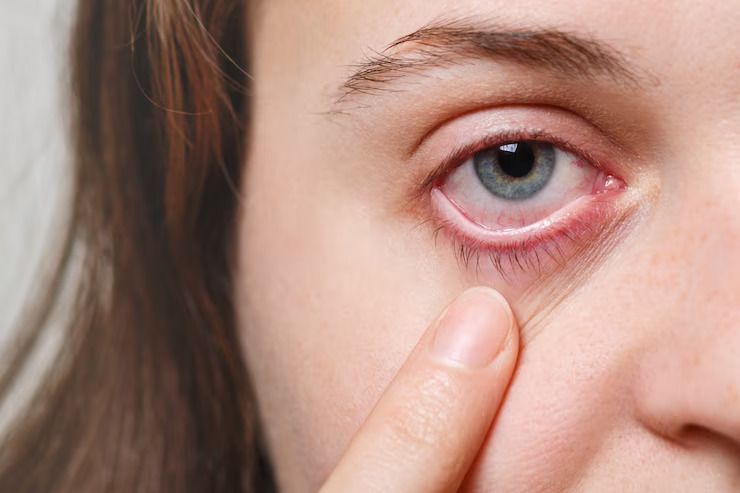
    1. Redness and Irritation: The conjunctiva, the thin membrane that covers the white portion of the eye and the inner eyelids, is frequently red and irritated when conjunctivitis is present. In case of redness,  Andre I Kul eye drops can be effective.
    2. Discharge and Crusting: Humans may have clear, watery discharge from their eyes (viral), thick, yellow or green (bacterial), or stringy, white (allergic). Scratching may result from this discharge, especially in the morning.
    3. Swelling and Tearing: Conjunctival swelling and severe tearing are frequent side effects. Itching is a common symptom of allergic conjunctivitis.

    When medical professionals recognize these symptoms, they can offer prompt treatment and avoid effects.

    Eye Flu Medicine – What Works Best?

    Medication is frequently required for successful conjunctivitis treatment. The root of the problem determines whether medication is best:

    1. Antiviral Medications: Although viral conjunctivitis usually goes away on its own, extreme situations might need to take antiviral medicines like acyclovir. When certain viruses, such viral simplex, are the source of the infection, these are given.

    2. Antibiotic Ointments and Eye Drops: Ciprofloxacin, tobramycin, and erythromycin are among the antibiotic ointments and eye drops that are frequently used to treat bacterial conjunctivitis. These medication assist in getting care of bacterial infections and minimize problems.

    3. Antihistamines and Mast Cell Stabilizers: Mast cell stabilizers and antihistamine eye drops, including olopatadine and ketotifen, help reduce irritation and redness in cases of allergic conjunctivitis. Inflammation can be decreased and histamine release can be stopped by mast cell stabilizers like cromolyn sodium.

    For patients to receive the best possible care, medical practitioners must customize their conjunctivitis treatment.

    Eye Flu Medicine image

    Exploring Potential Side Effects of Conjunctivitis Medications

    Drugs for the eye flu can have negative effects even though they are usually safe. Adverse responses must be quickly addressed and patients must be closely monitored for them:

    1. Local irritation: After applying ocular drops or ointments, some patients may suffer burning, stinging, or irritation in the affected area. This pain is usually only momentary.
    2. Reactions: Although they are uncommon, allergic responses to eye drugs might happen. The area surrounding the eyes may become more red, swollen, itchy, or rashy.
    3. Systemic Side Effects: Eye drops seldom result in systemic adverse effects, but when they do, they can sometimes induce unpleasant symptoms like headaches or vertigo, particularly if they get absorbed into the circulation.

    In addition to informing patients about possible side effects, medical practitioners should advise patients to seek treatment if their symptoms worsen or continue.

    Eye Flu Home Care Remedies

    In addition to medications, home treatments may improve the symptoms of conjunctivitis and facilitate recovery:

    1. Warm Compresses: Putting warm compresses on the affected eye helps ease pain while helping any discharge to drain. Apply it carefully for a few minutes, many times a day, using a clean, warm towel.

    2. Cold compresses: These can help with pain and swelling related to allergic conjunctivitis. For calming comfort, apply a cold, moist cloth around the eyes.

    3. Artificial Tears: Lubricating eye drops or over-the-counter artificial tears may recover moisture and ease irritation and dryness in the eyes. They are particularly helpful for allergy and viral conjunctivitis.
    Support to use these at-home care solutions can help patients feel more comfortable and heal more quickly.

    Eye Flu Medicine – Treatment, Prevention, Home Care for Conjunctivitis

    Steps to Cure Eye Flu

    Balancing medical care with preventative actions is recommended for the effective management of conjunctivitis:

    1. Medication Adherence: Patients should take their prescriptions as directed, even if it means taking antibiotics for the entire course when treating bacterial conjunctivitis. A partial elimination of the condition may result from missing doses.

    2. Personal Hygiene: In order to stop conjunctivitis from growing, it is essential to promote excellent hygiene. Patients should be advised to use separate towels and pillowcases, wash their hands frequently, and refrain from touching their eyes.

    3. Avoiding Contact Lenses: Individuals who wear contact lenses ought to stop using them till the infection goes away. Regular lens change and good hygiene are essential to preventing relapse.

    These actions will help healthcare providers help patients recover quickly and fully.

    Conclusion

    Even though conjunctivitis is widespread, it needs to be carefully managed to reduce symptoms and avoid consequences. Healthcare practitioners can give their patients appropriate care and assistance if they have a thorough awareness of the many types, causes, and available treatments.

    An all-encompassing approach to managing conjunctivitis must include home care remedies, encouraging good hygiene habits, and managing any possible adverse effects. Patients can minimize suffering and stop the spread of infection by following the correct protocol, which will enable them to recover quickly and completely.

    Consider becoming a member of our Medkart community if you are a healthcare professional looking for further information and specialized training in managing conjunctivitis and other eye problems. Gain access to webinars, expert insights, and exclusive information to improve your professional skills and remain current with the most recent developments in eye care. Together, let’s give our patients the finest care possible and encourage better, more lucid eyesight for everybody.

    FAQs on Eye Flu Medicine

    1. When taking eye flu medicine, what should patients do if they have side effects?

    Patients should instantly notify their healthcare professional if they notice any side effects. Serious reactions can necessitate a different course of treatment, although most side effects are minor and transient.

    2. Do medicines work for viral conjunctivitis?

    Viral infections cannot be treated with antibiotics. In severe cases, antiviral drugs may be administered, but viral conjunctivitis usually goes away on its own.

    3. Are there any ways to avoid allergic conjunctivitis?

    Avoiding recognized allergens, applying air purifiers, and keeping windows closed during peak pollen seasons are some remedies for allergic conjunctivitis. As an additional precaution, antihistamine eye drops are also an option.

    4. How long does it take to get better from conjunctivitis after treatment?

    Depending on the type and difficulty, conjunctivitis has varying durations. While viral conjunctivitis might take up to two weeks to clear up, bacterial conjunctivitis usually gets better within a few days of taking antibiotics.

    Related links:

  • Symptoms of Schizophrenia: A Guide to Psychopathology and Therapy

    Symptoms of Schizophrenia: A Guide to Psychopathology and Therapy

    symptoms of schizophreniaIntroduction to Schizophrenia and Its Symptoms

    Schizophrenia is a complex and debilitating mental health disorder that affects approximately 1% of the global population. It is Schizophrenia, characterized by a range of cognitive, emotional, and behavioral symptoms impacting daily functioning and quality of life, often faces misunderstanding and stigmatization, exacerbating challenges for individuals with the condition.

    Three main symptom categories—positive, negative, and cognitive—define schizophrenia. Positive symptoms refer to the presence of abnormal experiences or behaviors, whereas negative symptoms involve the absence or reduction of typical emotional and behavioral responses. Cognitive symptoms are related to problems with thinking and decision-making processes. This article will focus on understanding the positive symptoms of schizophrenia, as well as the psychopathology and therapeutic approaches for managing these symptoms.

    Defining Positive Symptoms of Schizophrenia

    Positive symptoms of schizophrenia are characterized by the presence of abnormal experiences or behaviors that are not typically observed in individuals without the disorder. These symptoms can manifest in various ways, such as delusions, hallucinations, disorganized speech, and disorganized or catatonic behavior. Positive symptoms are often the most noticeable and distressing aspects of schizophrenia, and they can significantly impair an individual’s ability to function in daily life.

    It is important to note that the severity and frequency of positive symptoms can vary widely among individuals with schizophrenia. Some may experience more severe and persistent symptoms, while others may have milder or intermittent symptoms. Additionally, the specific types of positive symptoms experienced can vary between individuals, making the presentation of schizophrenia unique for each person affected.

    Common Positive Symptoms of Schizophrenia

    1. Delusions

    Delusions are false beliefs that are not based in reality and are firmly held by the individual, despite evidence to the contrary. They are one of the most common positive symptoms of schizophrenia and can take various forms, such as:

    • Persecutory delusions: Belief that one is being targeted or persecuted by others, often resulting in feelings of fear and paranoia.
    • Grandiose delusions: Belief that one has special powers, abilities, or knowledge that others do not possess.
    • Referential delusions: Belief that events, objects, or people have special meaning or significance, specifically related to the individual.
    • Somatic delusions: Belief that one’s body is undergoing unusual or unnatural changes, such as the belief that one’s organs are rotting.

    2. Hallucinations

    Hallucinations are perceptual experiences that occur without any external stimuli. They can involve any of the senses, including auditory, visual, olfactory, gustatory, and tactile hallucinations. In schizophrenia, individuals often hear voices, which can be perceived as originating within their head or from external sources, leading to auditory hallucinations. These voices, whether threatening or benign, constitute the most prevalent type of hallucination in schizophrenia.

    3. Disorganized Speech and Behavior

    Individuals with schizophrenia may exhibit disorganized speech patterns, making it difficult for them to communicate effectively with others. This can include incoherent or nonsensical speech, rapid or slow speech, or frequent shifts in conversation topics. Disorganized behavior is also common and may manifest as unpredictable or purposeless actions, such as pacing, agitation, or inappropriate emotional responses.

    positive symptoms of schizophreniaPsychopathology of Schizophrenia

    Researchers believe that the psychopathology of schizophrenia remains not fully understood, but they posit it involves a combination of genetic, neurobiological, and environmental factors. Studies suggest that genetic factors significantly contribute to schizophrenia development, indicating that having a close relative with the disorder increases the risk of developing the condition. However, not all individuals with a genetic predisposition will develop schizophrenia, indicating that environmental factors also play a crucial role.

    Neurobiological factors, such as alterations in neurotransmitter systems (e.g., dopamine and glutamate) and brain structure abnormalities, have also been implicated in the psychopathology of schizophrenia. These abnormalities may contribute to the development of positive symptoms by disrupting the normal functioning of neural pathways involved in perception and cognition.

    Environmental factors, such as prenatal exposure to infections, maternal stress, or malnutrition, as well as childhood trauma, have also been linked to an increased risk of developing schizophrenia. These factors may interact with genetic and neurobiological vulnerabilities to contribute to the onset and progression of the disorder.

    Can Schizophrenia Be Cured?

    Currently, there is no known cure for the disease. However, the condition can be managed effectively through a combination of pharmacological and non-pharmacological therapies. Early detection and proper medication can significantly improve outcomes in schizophrenia. Psychiatrists may recommend medicines such as Placida Tablet to control symptoms like restlessness, mood swings, or severe anxiety that often accompany the condition.

    The primary goal of treatment is to reduce the severity and frequency of symptoms, improve daily functioning, and enhance overall quality of life for individuals living with the disorder.

    Therapeutic Approaches for Managing Positive Symptoms

    1. Pharmacological Management

    Pharmacological management of schizophrenia primarily involves the use of antipsychotic medications, which can help to alleviate positive symptoms by targeting the underlying neurotransmitter imbalances. Typical (or first-generation) antipsychotics and atypical (or second-generation) antipsychotics are the two primary groups of antipsychotic drugs. Both classes are effective in treating positive symptoms, but atypical antipsychotics are generally preferred due to their lower risk of side effects.

    It is important to note that antipsychotic medications can take several weeks to reach their full therapeutic effect, and finding the optimal medication and dosage may require a trial-and-error process. Additionally, individuals with schizophrenia may require ongoing medication management to maintain symptom control and prevent relapse.

    2. Non-pharmacological Therapy for Schizophrenia

    In addition to pharmacological treatment, non-pharmacological therapy for schizophrenia can play a vital role in the comprehensive management. Some of the most common non-pharmacological therapies for schizophrenia include:

    • Psychotherapy: Various forms of psychotherapy, such as cognitive-behavioral therapy (CBT) and family-focused therapy, can help individuals with schizophrenia develop coping strategies for managing their symptoms and improving their overall functioning.
    • Social skills training: Social skills training enhances an individual’s communication and interpersonal skills, addressing the negative impact that schizophrenia can have on these abilities.
    • Vocational rehabilitation: Vocational rehabilitation programs aim to help individuals with schizophrenia develop the necessary skills to obtain and maintain employment, thereby improving their overall quality of life.
    • Support groups: Support groups can provide a safe and supportive environment for individuals with schizophrenia to share their experiences, learn from others, and develop a sense of community.

    3. Tips for Supporting Individuals

    Family members, friends, and caregivers can play a crucial role in supporting individuals with schizophrenia throughout their treatment journey. Here are some pointers for offering efficient assistance:

    • Educate yourself: Understanding the disorder and its symptoms can help you better empathize with your loved one and provide appropriate support.
    • Encourage adherence to treatment: Encourage your loved one to follow their prescribed treatment plan, including attending therapy sessions and taking medications as directed.
    • Be patient and understanding: Recognize that managing schizophrenia can be challenging and that progress may be slow. Offer patience, encouragement, and understanding throughout the process.
    • Encourage: Encourage your loved one to openly express thoughts and feelings, and be prepared to listen without judgment, maintaining open lines of communication.
    • Establish a support network: Help your loved one build a strong support network, including mental health professionals, family members, friends, and support groups.

    schizophrenia treatmentConclusion and Future Perspective in Schizophrenia Treatment

    Understanding the positive symptoms of schizophrenia. Their underlying psychopathology and the available therapeutic approaches are crucial for effectively managing the disorder and improving the quality of life for affected individuals. Although there is currently no cure for schizophrenia, ongoing research and advancements in the field hold promise for the development of new and more effective treatments.

    By implementing a comprehensive treatment plan that includes both pharmacological and non-pharmacological therapies. Individuals with schizophrenia can experience significant improvements in their symptoms and overall functioning. Additionally, the support of family members, friends, and caregivers can play a vital role in promoting successful schizophrenia treatment outcomes.

    Moving forward, it is essential to continue investing in research to better understand the psychopathology of schizophrenia and develop more effective treatments. This includes exploring new pharmacological and non-pharmacological interventions, as well as investigating the potential of emerging technologies such as virtual reality and digital therapeutics.

    Ultimately, by working together to promote greater awareness, understanding, and support for individuals with schizophrenia, we can improve the lives of those affected by this complex and challenging disorder.