Category: Health & Wellness

  • Are You at Risk for Diabetes? This Simple Test Can Tell

    Are You at Risk for Diabetes? This Simple Test Can Tell

     Risk for Diabetes

    Diabetes Risk

    Knowing whether you are at risk of diabetes helps you to take the necessary steps early on. You can make the required changes in your lifestyle, like eating healthy, losing weight, exercising etc., and prevent this illness and other risks like stroke, heart disease, kidney disorders or nerve damage. To confirm whether you are at risk, doctors recommend the HbA1c test.

    What is HbA1c?

    The HbA1c test shows your average blood sugar levels for the last 2-3 months. It is the main test used for diagnosing diabetes.

    Sugar enters your blood from the food you eat. Your cells use it for energy. But if your sugar levels increase in the blood when it is not used by your cells or when your body makes less insulin, they stick to the haemoglobin in your blood. When the blood sugar levels increase, more haemoglobin is attached to sugar. The HbA1c test measures these sugar-coated haemoglobin levels.

    How is this test done?

    It is a simple test where a blood sample is taken from your finger or arm. You do not need to fast for this test. It would help if you have got this test done by a registered practitioner.

    What do the test results say?

    The below table mentions the test result ranges and what they mean.

    HbA1c test result range Interpretation Significance

    Below 5.7% Normal It means your blood sugar is normal and you do not have any risk of developing diabetes

    5.7 to 6.4% Prediabetes This means that you have slightly high blood sugar levels and you are at risk of developing diabetes

    6.5% or more Diabetes This result means you have diabetes and you need to follow your doctor’s recommendations

    How often should this test be done?

    Based on your condition, the frequency of this test varies.

    Condition Frequency of test

    Prediabetes About once every year

    Type 2 diabetes with blood sugar levels in a healthy range and no requirement for insulin About two times a year

    Effective medicine for prediabetes & type 2 diabetes 👉 Sitamet 50/500 mg tablet/Empaone 25mg Tablet/Linares E Tablet.

    Type 1 diabetes 3-4 times every year

    In case of a change of medication or other treatment As required

    Who needs to take this test?

    There are conditions that put you at high risk of diabetes and require you to take this test

    at regular intervals. These conditions are:

    • A family (parents or siblings) history of type 2 diabetes

    • High blood pressure or high cholesterol

    • Obesity

    • Stroke or heart problems

    • Less physical activity, exercising less than three times a week

    • A history of gestational diabetes (diabetes at the time of pregnancy)

    • Polycystic ovarian syndrome

    • Sleep disorders

    • Hormonal conditions

    Conditions that affect the results of this test

    The HbA1c test could give false results in the case of the following:

    • Anaemia or other haemoglobin-related diseases

    • Few medicines like vitamins C and E supplements, pain killers like opioids etc.

    • Kidney disorders

    • Liver disorders

    • Pregnancy

    • High cholesterol levels

    • Loss of blood or transfusion

    Diabetes is a serious condition that could cause other complications like heart problems, kidney disorders or nervous disorders. It is necessary to know whether you are at risk of diabetes. A simple HbA1c test can help you and your healthcare provider to decide on your treatment plans and medications. Know more about your Medicines at Medkart, which is an online pharmacy platform that makes buying medicines convenient & cost-effective. To place your orders, download the app today!

    FAQs

    1. Is there a test that tells if you are at risk of having diabetes?

    Yes. HbA1c is a basic test that helps to determine if you are at risk of diabetes or if you have prediabetes or diabetes.

    2. Can I do HbA1c test at home?

    No. You need to get this test done with a registered medical practitioner.

    3. Does this test require fasting?

    No. The HbA1c test does not require you to fast, but if you are taking any other test along with it, you might need to fast. Please consult your doctor about this.

    4. When can you say your result is normal?

    If your HbA1c test results are below 5.7%, then your result is normal, and you are not at risk of having diabetes.
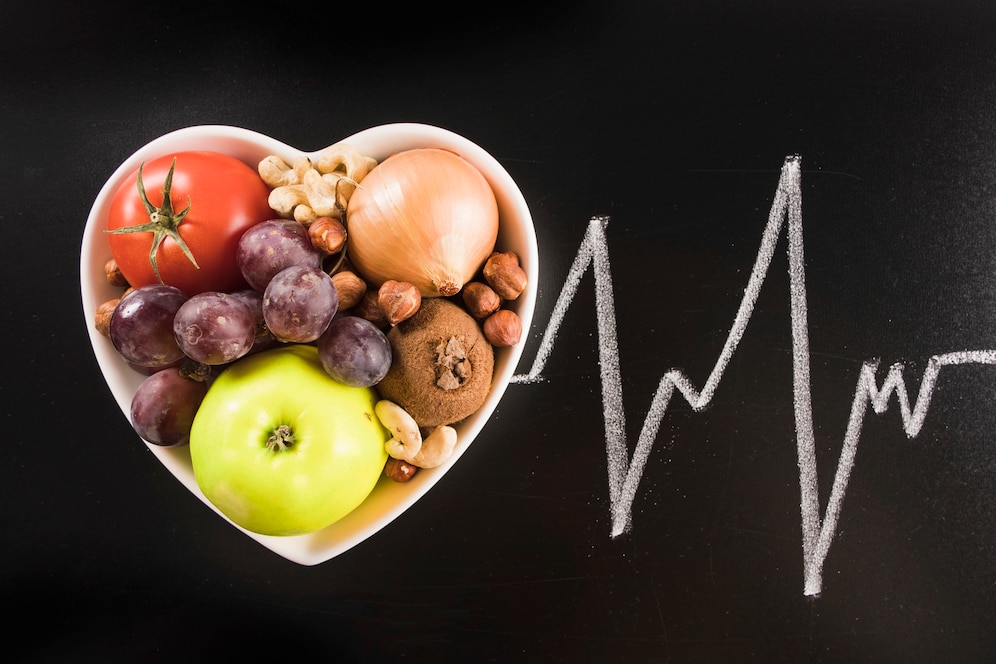
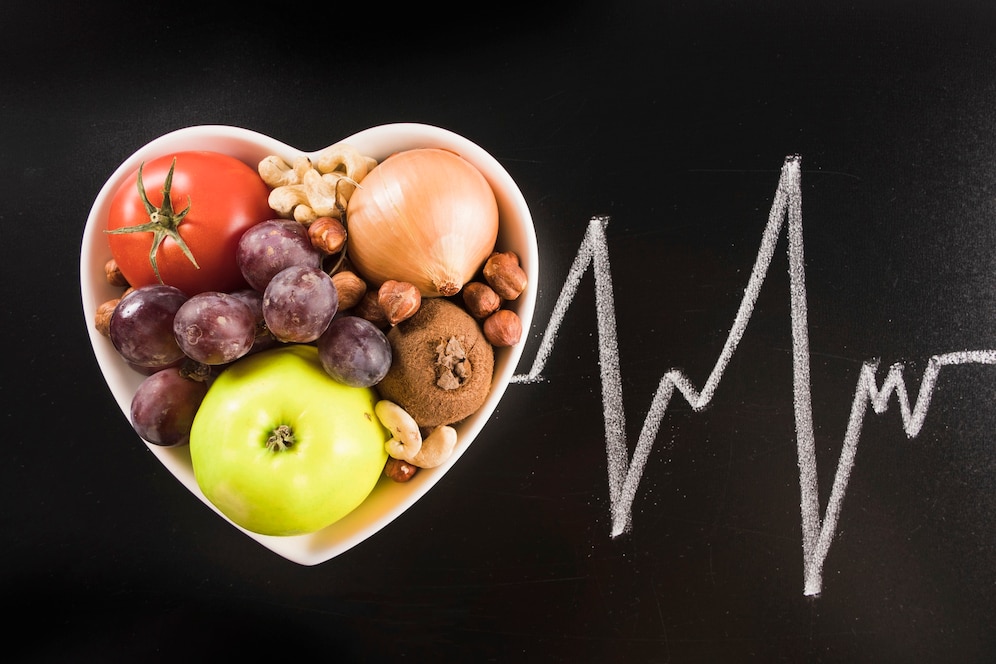
  • Best Tips to Keep Your Heart  Healthy!

    Best Tips to Keep Your Heart Healthy!


    Best Tips to Keep Your Heart Healthy

    Keep your heart healthy with these tips

    Heart diseases are on the rise. This is a sign for people to take action to protect themselves. Simple changes in your lifestyle can go a long way in improving your heart health. Here are simple tips for good heart health:

    Eat heart-healthy food

    Choose foods that are high in nutrition and low in calories, like:

    • Fruits and vegetables: They are a rich source of multiple vitamins, minerals and dietary fibre.

    • Whole grains: Replace refined grains with whole grains as they are rich in fibre and other nutrients

    • Healthy fats: Healthy fats reduce your total blood cholesterol and keep your blood vessels from getting blocked. Olive oil, nuts, seeds, and nut oils are good sources of healthy fats. Choose them over unhealthy fat sources like butter, palm oil, cotton seed oil, etc

    • Proteins: Include proteins like pulses, fish, low-fat dairy products, eggs etc., in your diet. They are low in fat and high in nutrients and fibre.

    • Low-sodium foods: You should prefer food with less salt. High salt intake can cause high blood pressure, leading to heart problems. So, you must limit your salt intake by consuming home cooked food with less salt and avoiding packaged and processed foods.

    Quit smoking

    Smoking can increase your risk of having a stroke or heart attack. So if you smoke, you should choose to quit it. Take help or support if needed. Also, you should keep away from places and people who smoke. The smoke from cigarettes also increases the risk of heart disease.

    Be active

    Avoid sitting for a long time. Take a break between work and get up and take a stroll. Engage in heart-healthy exercises for at least 30 minutes a day. Go for a long walk, swim, ride a bike, dance, or practise a sport. It helps to keep your heart strong and your body weight in check. This tip goes a long way in keeping your heart healthy.

    Keep a check on your weight

    A healthy BMI can keep you safe from heart disorders. If you are overweight, you have greater chances of a stroke, high blood pressure, diabetes, high cholesterol, coronary heart disease etc. Even if you are not overweight but have excess belly fat, you could be at risk of heart disease.

    Get enough sleep

    If your sleep is disturbed or insufficient, you could increase your risk of heart problems. Less sleep has been shown to increase the risk of stroke or heart attack. Not getting enough sleep can disturb your biological processes and cause hormonal imbalances. Hence, you must ensure that you get at least 7 hours of sleep every night. Engage in good sleep practices like going to bed on time, putting mobile phones away one hour before sleep, putting on calming music etc.

    Manage your stress

    Stress can increase the risk of heart disorders by increasing your blood pressure, pulse rate and breathing. These could lead to more severe heart issues. To keep your stress in check, practise meditation, yoga, deep breathing, relaxation exercises, etc.

    Know your heart numbers

    Blood pressure, cholesterol, blood sugar, and BMI are important heart health indicators. You must keep a check on them and measure them at regular intervals.

    Prioritise heart health

    Keeping your heart healthy needs simple day-to-day changes like eating a heart-healthy diet and ensuring a healthy, stress-free lifestyle. Avoiding smoking and monitoring the basic heart health parameters are also useful steps. Keep these tips in mind and follow them regularly to keep your heart in good shape.

    Medicines can also play a major role in determining your heart function, especially if you have been diagnosed with a cardiovascular condition. If you are looking for a trusted source for your medication, visit the Medkart website today!

    FAQs

    1. Do young people have heart risks?

    Yes. Doctors recommend that after 30, you should get yourself checked routinely.

    2. How can you keep your heart healthy?

    Here are a few tips to keep a heart healthy:

    • Exercise

    • Eat healthy

    • Reduce stress

    • Quit smoking

    • Maintain your weight

    • Keep a check on blood sugar, blood pressure and cholesterol

    3. Do heart diseases run in the family?

    Yes, heart diseases are hereditary, so if it runs in your family, you should get yourself checked by a cardiac specialist and follow the tips to keep your heart healthy.

  • डॉक्टरों, अस्पतालों और एमआर के बीच फार्मा उद्योग में कमीशन नेक्सस को समझना

    डॉक्टरों, अस्पतालों और एमआर के बीच फार्मा उद्योग में कमीशन नेक्सस को समझना

    डॉक्टरों, अस्पतालों और एमआर के बीच फार्मा उद्योग में कमीशन नेक्सस को समझना

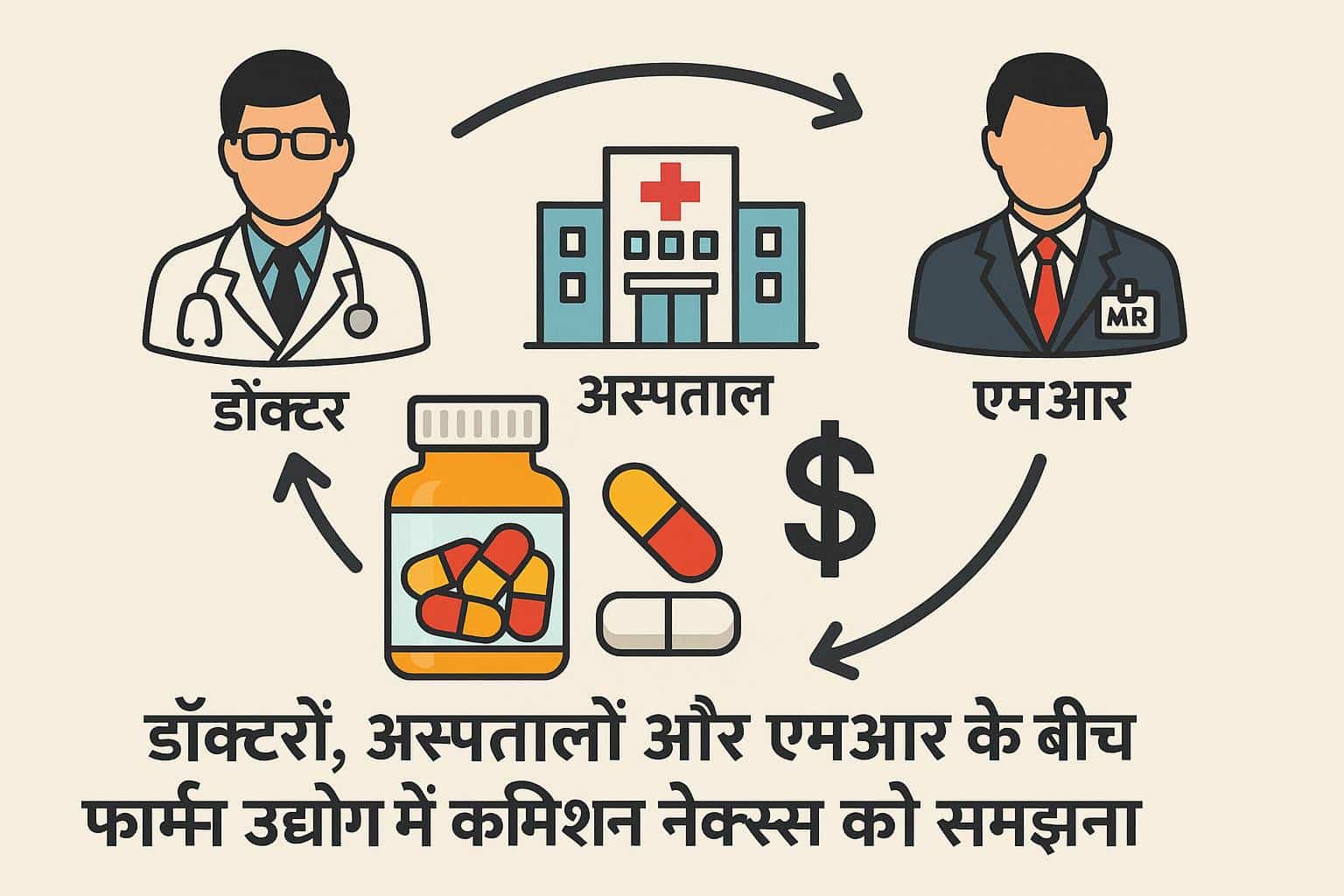
    हम हमेशा इस बारे में मुखर रहे हैं कि डॉक्टर के पास जाने से लेकर प्रिस्क्रिप्शन लेने और दवा खरीदने तक का पूरा तंत्र कैसे काम करता है। यहां तक कि जिस तरह से हम दवाएं खरीदते हैं, उसमें बहुत कम या कोई दिमाग नहीं होता है क्योंकि हम बस जाते हैं और पर्चे में जो लिखा होता है उसे खरीदते हैं। और हमारा सवाल न करना निम्नलिखित संस्थाओं द्वारा हमारे शोषण पर निर्भर करता है;

    – डॉक्टर के पास हम जाते हैं

    – अस्पताल जहां हमारे प्रियजन या हम भर्ती हैं

    – दवा कंपनियां

    – चिकित्सा प्रतिनिधि

    – ड्रग स्टोर

    आप में से अधिकांश को ब्रांडेड दवा के नुस्खे दिए जाते हैं जिनकी कीमत सामान्य से अधिक होती है। लगभग 75% ब्रांडेड दवा निर्माता जेनरिक का निर्माण कर रहे हैं जिनकी कीमत ब्रांडेड दवाओं की तुलना में 60% कम है। ऐसा क्यों? वे उसी अनुपालन का पालन करते हैं और उसी परिसर में बने होते हैं। फिर भी कीमत में इतना भारी अंतर है। कारण सरल है – सांठगांठ में हर कोई पाई का अपना हिस्सा खाता है।

    इन्हीं लोगों की वजह से आप ज्यादा दवाइयां दे रहे हैं। आइए जानें कि कैसे दवा खरीदारों को ब्रांडेड दवाएं अधिक कीमत पर बेची जाती हैं।

    A. मेडिकल स्टोर्स का कमीशन-संचालित बिजनेस मॉडल

    जब भी आप किसी दवाई की दुकान पर दवाइयाँ खरीदने जाते हैं, तो आप केवल डॉक्टर या उसके क्लिनिक के नाम वाले नुस्खे को सौंप देंगे। और अक्सर, आपको डॉक्टर के क्लिनिक के पास या इसके विपरीत एक दवा की दुकान मिल जाएगी, जिसमें निर्धारित दवाएं केवल क्लिनिक के बगल वाले स्टोर में ही उपलब्ध होंगी। आपके द्वारा खरीदी जाने वाली प्रत्येक दवा की लागत निर्माताओं, मेडिकल स्टोर के मालिकों और डॉक्टरों के बीच विभाजित होती है। डॉक्टरों को पास की मेडिकल दुकान द्वारा बेची जाने वाली कुछ दवाओं को लिखने पर कमीशन मिलता है। उनका नेटवर्क विशाल है और न केवल आसपास के इलाकों में कुछ दुकानों तक ही सीमित है। एक दवा खरीदार के रूप में, डॉक्टर और यहां तक ​​कि मेडिकल स्टोर के मालिक से भी पूछताछ करके दवाओं की सामग्री जानने का आपका अधिकार है। और आप जेनरिक रिप्लेसमेंट के लिए भी कह सकते हैं और अंतर को समझने के लिए इसे स्वयं आजमा सकते हैं क्योंकि कोई नहीं है।

    B. मेडिकल रिप्रेजेंटेटिव छोटे क्लीनिकों के साथ टाईअप कर रहे हैं

    जैसा कि ऊपर उल्लेख किया गया है, अधिकांश छोटे क्लीनिक और व्यक्तिगत चिकित्सा पेशेवर मेडिकल स्टोर के साथ गठजोड़ करते हैं; वे चिकित्सा प्रतिनिधियों (MRs) के साथ भी हाथ मिलाते हैं। एमआर द्वारा डॉक्टरों को कुछ दवाएं उपहार के रूप में दी जाती हैं, और ये प्रमुख फार्मा कंपनियों और एजेंसियों से आती हैं। फिर से, इनमें से कुछ दवाएं प्रायोगिक आधार पर प्रदान की जाती हैं ताकि खपत पर रोगियों पर इसके प्रभावों की जांच की जा सके। आप पड़ोस में जनरल फिजिशियन से अपनी पिछली मुलाकात को याद कर सकते हैं और उन पीले, सफेद और गुलाबी कैप्सूल के बारे में सोच सकते हैं। जिनके पास कोई ब्रांड या लेबल नहीं है लेकिन आपको बिना किसी शुल्क के दिया जाता है। ऐसी दवाओं का दस्तावेजीकरण नहीं किया जाता है, और कोई लागत या बिलिंग नहीं की जाती है, जो अपने आप में खतरनाक है क्योंकि यह कर लाभ का दावा करने के लिए उद्योग में बिक्री संवर्धन के क्षेत्र में आती है।

    C. फार्मास्युटिकल कंपनियां हॉस्पिटल चेन के साथ गठजोड़ करती हैं

    इस नेटवर्क में एक अन्य संस्था अस्पतालों की श्रृंखला है जो बड़ी दवा कंपनियों के साथ संबंध रखती है। चूंकि बड़े अस्पतालों में मरीजों की संख्या अधिक होती है, इसलिए लाभ का मार्जिन गठजोड़ में सभी के लिए अधिक महत्वपूर्ण हो जाता है – डॉक्टर, फार्मा स्टोर, कंपनियां और अस्पताल। कार्य उन मॉडलों के समान है जिनकी हमने ऊपर चर्चा की थी, हालांकि एक अंतर के साथ। यहां, विशिष्ट ब्रांड नाम वाली दवाओं की सिफारिश करके अस्पताल श्रृंखलाओं को लाभ का काफी हिस्सा मिल रहा है। बड़ी संख्या में बेड वाले अस्पतालों के साथ गठजोड़ करके फार्मा कंपनियां उच्च बिक्री को बढ़ावा देती हैं। और चूंकि आपूर्ति श्रृंखला में कई एजेंट हैं, यहां हर किसी को कटौती का अपना हिस्सा मिलता है, जिसमें अस्पताल में आने वाले डॉक्टर भी शामिल हैं जिनके हस्ताक्षर आपके नुस्खे पर हैं।

    याद रखें, इनमें से कोई भी एजेंट जेनरिक की सिफारिश नहीं करता है क्योंकि इससे उन्हें कोई लाभ नहीं होता है, और इसलिए आपको हमेशा दवाओं के लिए अधिक भुगतान करना पड़ेगा। पैसे बचाने और शोषण से बचने का सबसे अच्छा तरीका है सतर्क रहना और अधिकारियों की बातों पर सवाल उठाना। इसका मतलब है कि आपको डॉक्टरों से सवाल करना चाहिए जब वे दवाएं लिखते हैं, फार्मा विक्रेता से पूछें कि वे आपको क्या दे रहे हैं, और अस्पतालों से भी आपको जेनेरिक लिखने के लिए कहें। हम पहले ही इस बारे में बात कर चुके हैं कि जेनरिक ब्रांडेड की तुलना में कैसे प्रभावी होते हैं <सूची से लिंक>, इसलिए आपको गुणवत्ता के बारे में चिंता करने की आवश्यकता नहीं है।

  • What are some health risks of overweight and obesity?

    What are some health risks of overweight and obesity?

    Overview – Overweight and Obesity

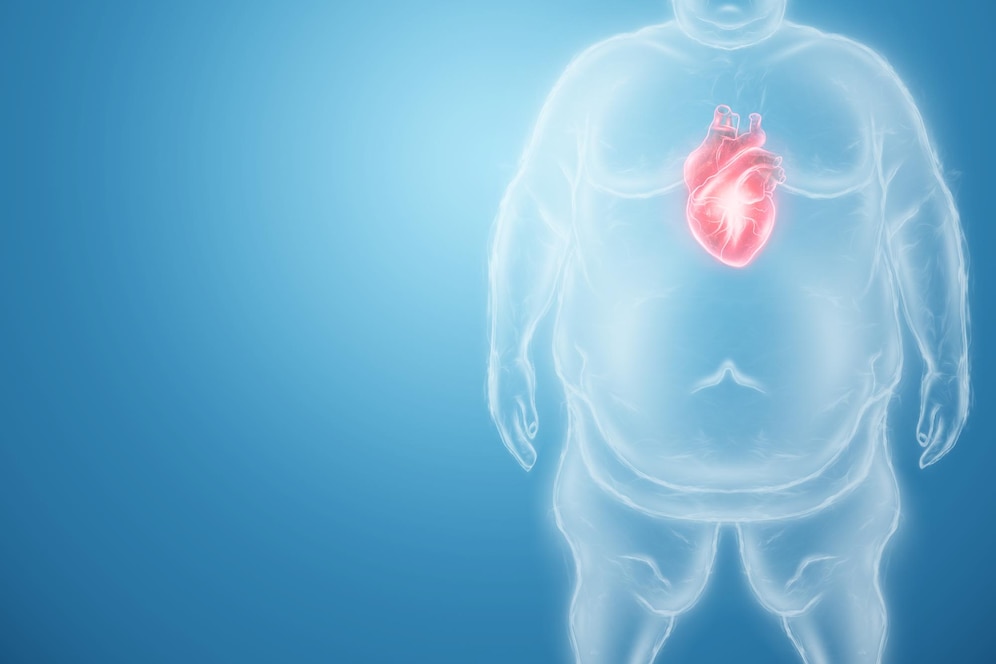
    Do you know that excess weight or obesity can put pressure on the vital organs of your body? Obesity strains your heart, lungs, kidneys, liver, and joints. The risk factors of obesity include chronic health conditions, such as type 2 diabetes, heart disease, kidney disease, stroke, osteoarthritis and some cancers.

    However, the good news is that not everyone with obesity has these conditions. Furthermore, maintaining a healthy body weight can help you manage these health conditions and lead a healthy life.

    Read this article to understand the risks of obesity in detail.

    Obesity image

    The 10 risk factors of obesity

    1. Type 2 diabetes:

    Excessive abdominal fat in people with obesity leads to the production of excess fatty acids. This makes the body less sensitive to insulin, which results in high blood glucose levels or type 2 diabetes. Diabetes is a major risk factor for obesity and leads to health conditions such as heart disease, kidney disease, nerve damage and eye problems.

    2. High blood pressure:

    Excess fat tissue increases the need for oxygen and nutrients in your body. Your heart needs to work harder to pump more blood through your body. This increase in blood circulation puts more pressure on the walls of the arteries. The added pressure leads to hypertension, which can damage your arteries and heart. High blood pressure increases the risk of kidney disease, heart disease and stroke.

    3. High cholesterol:

    Obesity causes a rise in LDL or bad cholesterol and triglyceride levels. It also affects how your body manages cholesterol. Triglycerides from fatty acids give rise to high cholesterol. High cholesterol and triglyceride levels narrow the arteries, block the blood flow and increase the chances of a heart attack.

    4. Heart disease:

    Heart disease refers to conditions that adversely affect your heart. Heart disease is a severe risk factor resulting from obesity. With time, the fat deposits accumulate in your arteries and narrow them. Narrowed arteries cause a blockage in blood flow to your heart and increase the risk of a heart attack. High blood pressure, high blood glucose and high cholesterol increase the risk of heart disease.

    5. Stroke:

    When the blood supply to your brain gets cut off due to a blocked artery in the brain, it leads to a stroke. High blood pressure, a risk factor for obesity, is the primary cause of a stroke. A stroke can cause paralysis, difficulty eating, swallowing, mobility, depression and changes in behaviour.

    6. Kidney disease:

    High blood pressure and diabetes are the primary causes of kidney disease. These health conditions are also risk factors for obesity. In the case of kidney disease, your kidneys get damaged and thus fail to filter your blood. Obesity increases the chances of kidney disease and speeds up its progress.

    7. Gallbladder disease:

    Gallbladder diseases, such as gallbladder stones or cholecystitis (i.e., inflammation of the gallbladder) are some other risk factors for obesity. Gallstones are caused by excess cholesterol in your bile. Bile is a fluid stored in the gallbladder. It helps remove waste from the liver.

    8. Sleep apnea:

    Sleep apnea is a condition where you may stop breathing for a short time during sleep. This occurs due to excess fat stored around your neck, which obstructs your airway and causes it to shrink. Having a small airway may lead to difficulty breathing at night. It also causes loud snoring. Sleep apnea is closely linked to heart disease.

    9. Osteoarthritis:

    Osteoarthritis is also a risk factor for obesity. It causes pain and swelling in the joints and affects your movement. Lack of mobility causes weight gain. Being overweight puts pressure on your knees, joints and cartilage, which increases your risk of osteoarthritis.

    10. Cancer

    Obesity increases your chances of developing cancers like those of the breast, uterus, kidneys, pancreas, oesophagus and colon. These occur due to inflammation caused by visceral fat or fat surrounding the vital organs.

    Summing up

    Being overweight increases the risk factors for obesity. Losing as little as five kilos from your body weight can help reduce your abdominal fat. This, in turn, will ease your blood pressure, control your blood glucose, cholesterol and triglyceride levels, stop sleep apnea and reduce the pressure on your joints. A regular exercise regimen, such as walking or cycling, and a balanced diet will help you achieve your healthy weight goals.

    For more informative articles on chronic health conditions, visit the Medkart website today!

    FAQs related to overweight and obesity?

    1. Can obesity be treated?

    Obesity is a chronic condition that develops over time. You will need consistent medical treatment and strict dietary and lifestyle changes to lose weight. However, these treatments have limited benefits. If you discontinue them, you may experience weight regain.

    2. Can obesity affect fertility?

    In women, obesity causes hormonal imbalances that affect their menstrual cycles, hamper their ovulation and cause infertility. Obesity also causes PCOS, in which the ovaries do not produce enough hormones, due to which the egg does not mature. This may lead to infertility.

    3. Do children have obesity if their parents have obesity problems?

    Children have a high chance of having obesity if their parents have it. Maintaining a healthy lifestyle and following a proper diet right from the beginning may help prevent excess weight gain in children.

  • Does smoking increase the risk of Gestational Diabetes

    Does smoking increase the risk of Gestational Diabetes

    Does smoking increase the risk of Gestational Diabetes

    Most people know that smoking increases cancer risk, especially lung cancer. However, the impact of smoking during pregnancy on gestational diabetes is not frequently discussed. Smoking among pregnant women is a major concern as it leads to health problems for both the mother and the child. Therefore, smoking is a risk factor for gestational diabetes.

    What is gestational diabetes?

    https://unsplash.com/photos/y16sN3fCwIw

    Gestational diabetes, or diabetes during pregnancy, is associated with high blood sugar levels as your body can’t make enough insulin during pregnancy. Due to the hormonal changes and weight gain associated with pregnancy, pregnant women may experience some amount of insulin resistance.

    Risk factors for gestational diabetes

    1. Advancing maternal age

    2. Maternal obesity

    3. Smoking

    4. Excessive alcohol intake

    5. Maternal short stature

    6. Genetic predisposition to type 2 diabetes mellitus and gestational diabetes mellitus. Though there are various oral medications present, such as Sitamet 50/500mg Tablet, that are effective against type 2 Diabetes.

    Prevalence of gestational diabetes

    Research conducted on pregnant women shows that the prevalence of gestational diabetes was 19.8% in non-smokers, 24.3% in smokers who quit, and 26.6% in those who continued smoking till the first trimester. Chronic smoking increases insulin resistance by directly affecting insulin-mediated glucose uptake, pancreatic β-cell function, and insulin secretion.

    Impact of smoking on the mother and baby’s health

    Smoking during pregnancy increases the risk for severe pregnancy complications such as preterm birth, perinatal mortality, and stillbirth, low birth weight offspring. Compared to non-smoking mothers, women who smoked in the first trimester of pregnancy gave birth to babies with lower birth weights.

    Smoking also reduces the delivery of oxygen to the fetus, creating a greater demand for oxygen in the maternal body and increasing fetal and maternal stress. The baby is prone to develop respiratory illnesses later in life if the mother has been a smoker during pregnancy. Moreover, smoking during pregnancy is associated with a high risk of premature bleeding and other complications. Here’s how smoking can affect different health determinants:

    1. Post-food glucose concentration

    In pregnant women with gestational diabetes, 1-hour post-eating concentrations of glucose were higher. 2-hour post-eating concentrations were lower in women who smoked at the beginning of their pregnancy than non-smokers.

    2. Oral glucose tolerance test

    Compared to non-smokers, women who continued smoking after the first trimester had higher fasting and 1-hour glucose concentrations. Women who stopped smoking after the first trimester also had higher fasting glucose concentrations but not higher 1-hour glucose concentrations. Chronic cigarette smokers have lower insulin sensitivity compared with non-smokers.

    3. HbA1c level

    HbA1c is a test that measures the average blood sugar level over the past 3 months. The HbA1c test is commonly used to diagnose type 2 diabetes and prediabetes. HbA1c was found to be higher in heavily smoking pregnant women.

    Former smokers and current smokers with gestational diabetes require higher amounts of insulin compared to non-smokers. Pre-pregnancy smoking is also associated with an increased risk of gestational diabetes. 2 pack-years of smoking (a pack-year is the number of packs of cigarettes smoked per day multiplied by the number of years the person has been smoking) can increase gestational diabetes risk by 50%. Smoking reduces HDL cholesterol or good cholesterol and increases triglycerides leading to an increased risk of obesity.

    Smoking cessation is encouraged among pregnant women, as it reduces cardio-metabolic risk factors and improves blood sugar levels in people with gestational diabetes.

    Conclusion

    Smoking is associated with adverse outcomes on maternal and child health. It also increases the risk of gestational diabetes and negatively affects blood glucose regulation of the body leading to insulin resistance in the pregnant woman. Smoking cessation reduces the risk of diabetes and cardiovascular disease and is thus encouraged in pregnant women to avoid the adverse effects of smoking. For more such information, head to the Medkart website today!

    FAQ

    1. Does smoking affect gestational diabetes?

    Smoking can increase the risk of developing gestational diabetes. Mothers who continue to smoke after the first trimester have babies with low birth weight.

    2. Can smoking during pregnancy lead to diabetes in the baby?

    A study showed a 4 fold higher risk of type 1 diabetes among children whose mothers smoked 10 or more cigarettes per day during pregnancy.

    3. What are the risks associated with smoking during pregnancy?

    Smoking during pregnancy might increase the chances of:

    • Low birth weight of the baby

    • Lung diseases in the baby

    • Miscarriage

    • Stillbirth

    3. Can smoking affect gestational diabetes testing?

    Yes, the oral glucose tolerance test showed higher fasting glucose levels and higher glucose levels in the 1-hour glucose tolerance test, indicating low insulin sensitivity in smokers.

  • How obesity leads to heart disease | Explained in 3 ways |FAQ

    How obesity leads to heart disease | Explained in 3 ways |FAQ

    obesity leads to heart disease

    What Is Obesity?

    Obesity is the accumulation of excess body fat. It is a condition in which a person gains a lot of weight, mostly because of fat accumulation, often for no evident reason. People with a body mass index (BMI) of 25 or more are considered overweight, and those with a BMI of 30 or more are considered obese.

    Obesity and Cardiovascular Diseases Overview

    The three ways in which obesity causes heart disease are described in the following.

    1.Increased Inflammation:

    Obesity causes low-level chronic inflammation throughout the body, in the heart and blood vessels. Chronic inflammation can increase the risk of heart disease by promoting plaque buildup in the arteries. This plaque can narrow the arteries and limit blood flow, thus increasing the risk of heart attack and stroke. Inflammation associated with obesity can also lead to stress, which damages cells and contributes to the development of heart disease.

    2.High Blood Pressure:

    Excess body weight stresses the heart and blood vessels, leading to elevated blood pressure. High blood pressure is a leading risk factor for heart disease, as it causes the heart to work harder to pump blood and can damage the blood vessels over time. Obesity also contributes to insulin resistance, increasing blood pressure and promoting heart disease. In addition, individuals with obesity are more likely to have added risk factors for heart disease, such as high cholesterol, which can compound the effects of high blood pressure.

    3.High Cholesterol:

    Obesity is associated with high levels of ‘bad’ low-density lipoprotein (LDL) cholesterol and low levels of ‘good’ high-density lipoprotein (HDL) cholesterol, which can contribute to plaque buildup in the arteries, narrow the arteries and limit blood flow. This increases the risk of heart attack and stroke. LDL cholesterol is the primary type of cholesterol that forms plaques in the arteries, whereas HDL cholesterol helps remove it. When the LDL cholesterol levels are high and HDL cholesterol levels are low, it increases the risk of heart disease. Obesity can also increase the production of a type of fat called triglycerides, which can further contribute to high cholesterol levels and increase the risk of heart disease.

    Obesity and Other Diseases

    In addition to the three abovementioned factors, obesity contributes to other risk factors for heart disease, such as type 2 diabetes, sleep apnea and physical inactivity. These conditions can further increase the risk of heart disease and make it more difficult to manage.

    Ischemic heart disease is a type of heart disease that occurs when the blood flow to the heart is restricted, usually due to plaque buildup in the coronary arteries. Obesity is a well-established risk factor for ischemic heart disease.

    Types of obesity and its complications | Obesity – Questions and Answers

    Rheumatic heart disease is a type of heart disease caused by rheumatic fever, a complication of streptococcal infections. However, obesity is a risk factor for streptococcal infections and other health conditions that can increase the risk of developing rheumatic heart disease.

    Congenital heart disease is a type of heart disease that is present at birth. Obesity has not been linked directly to the development of congenital heart disease. However, obesity can increase the risk of developing secondary heart problems in individuals with congenital heart disease, such as heart failure.

    Therefore, while obesity is not directly linked to rheumatic heart disease and congenital heart disease, it can increase the risk of other conditions contributing to its development and make it more difficult to manage.

    Therefore, individuals with congenital heart disease and rheumatic heart disease need to consult their healthcare provider to determine the best course of action for their needs.

    Symptoms of Heart Disease

    The symptoms of heart disease in individuals with obesity may vary but usually include the following:

    • Chest pain or discomfort: This may feel like pressure, fullness, squeezing or pain in the centre or left side of the chest.
    • Shortness of breath: This may occur during physical activity or even at rest and can be a sign of heart failure or other heart problems.
    • Fatigue: This can be a sign of heart disease, mainly if it occurs during physical activity or is accompanied by shortness of breath or chest discomfort.
    • Swelling in the legs, ankles and feet: This can be a sign of heart failure or other heart problems and may be more pronounced in individuals with obesity.
    • Rapid or irregular heartbeat: This can be a sign of arrhythmia or irregular heartbeat and can be a sign of heart disease.
    • Dizziness or lightheadedness: This can be a sign of heart disease, mainly if it occurs during physical activity or is accompanied by chest discomfort or shortness of breath.

    It is essential for individuals with obesity to be aware of these symptoms and to seek medical attention if they experience any of them.

    Obesity and excess weight are linked to a higher risk of cardiovascular illnesses. By maintaining a healthy weight, engaging in physical activity and following a heart-healthy diet, individuals can reduce their risk of developing heart disease and other obesity-related health problems.

    To read more informative articles on obesity and heart diseases and buy medicines at affordable rates, visit the Medkart website today!

    FAQs related Obesity and Heart Disease

    1. Does obesity always lead to heart disease?

    No, obesity does not always cause cardiac issues. However, it is one of the leading causes of cardiac diseases worldwide.

    2. How can I improve my cardiac health?

    Good sleep, a low-stress lifestyle, a healthy diet inclusive of fruits and vegetables, and regular exercise (at least 30 min every day for 5 days a week) are some of the many steps you can take to improve your cardiac health.

    3. Should we avoid fats to maintain a healthy body weight?

    No. Avoiding junk food, such as fried food, which is high in saturated fats, is necessary to maintain a healthy body weight. You can opt for healthier sources of fat, such as nuts and seeds.

  • Diabetes Meal Planning: A Quick  Guide to Your Rescue!

    Diabetes Meal Planning: A Quick Guide to Your Rescue!

    Diabetes Meal Planning

    Diabetes is manageable

    The number of people who have diabetes has been increasing yearly. Diabetes is caused by multiple hereditary and lifestyle factors that impact the body’s ability to produce enough insulin or to utilise it effectively. This leads to your body showing symptoms such as weight loss, increased urination, fatigue, stress, blurred vision, etc.

    Many diabetic symptoms can be relieved by just taking care of how you live your life. If you are diabetic or prediabetic, this article will be the perfect guide to diabetic meal planning for you.

    Include foods and vegetables in your diet plan

    Diabetes meal planning includes cutting down on sugar or restricting its intake. Fruits and vegetables are a good option because they contain natural sugar, which is not harmful, unlike refined sugar from candies, chocolates, cakes, and packaged food. You should also avoid drinking cold drinks and fruit juices and add buttermilk, low-fat milk, lemonade, etc., to your diet.

    Eat good carbohydrates

    Educate yourself about the carbohydrates you include in your diet plan for diabetes. A diabetic meal plan should include high-fibre, nutrient-dense carbohydrates such as whole wheat, brown rice, chickpeas, whole oats, and more. You should ditch low-fibre, processed foods such as white bread, white rice, etc.

    Include protein in your diet

    Adding protein to your diabetic diet plan is vital because proteins lower blood glucose levels and prevent damage to blood vessels. Eat high-fibre foods such as pulses, raw or boiled veggies, beans, lentils, a handful of nuts, and eggs.

    Don’t overeat red meat

    Red meat is rich in saturated fats that can result in high blood glucose levels, triggering diabetic symptoms and putting pressure on your blood vessels. Eat lean protein such as chicken or omega-3-rich fish like salmon. Even if you are eating red meat like mutton, pork, etc., you need to moderate and monitor the quantity you consume.

    Vitamins and minerals are vital

    Vitamins prevent diabetes-related health complications. When your body is already fighting the symptoms of diabetes, a lack of vitamins can cause trouble. Eat more citrus fruits such as oranges, melons, strawberries, etc., as they are rich in vitamins A and C. Minerals such as zinc and magnesium help control blood glucose levels and diabetes-related complications.

    The plate method

    The plate method ensures you get all your body’s nutrition without going overboard on food portions. Fill half your plate with vegetables or leafy greens such as salad, broccoli, etc. Fill one-quarter with high-fibre foods like whole wheat, pasta, brown rice, and more. You can fill the remaining quarter with lean protein-rich foods such as eggs, fish, chicken, or tofu.

    Here are a few tips to help you plan your diabetic meals better:

    • Limit salt intake. Higher salt consumption increases diabetes symptoms as it increases blood pressure and heart disease risk.

    • Eat at the right intervals. Timing your meals will help your body utilize the insulin generated effectively.

    • Remember to make exercise or any form of physical activity a part of your routine.

    Diabetes is a metabolic disorder that causes your body’s blood sugar levels to rise. Following these diabetic meal planning tips will control your blood sugar level. Consult a dietician or nutritionist to get customized diabetic meal plans. With a few lifestyle and dietary changes, you can lead a healthy, fit, and happy life ahead.

    Buying medicines at competitive prices is now easier than ever with Medkart. Visit the Medkart website today for more information!

    Diet Alone Isn’t Always Enough:

    While healthy meal planning is a cornerstone of managing Type 2 diabetes, many people also require oral medicines to help keep blood sugar levels in check. EMPAONE 25MG Tablet/Linares E Tablet is one such option often prescribed by doctors to work alongside diet and exercise for more effective diabetes control.

    FAQs

    1. Can I eat snacks between meals?

    Eating a snack once a day is recommended. You must time your meals properly so that the insulin produced in the body is utilized effectively. You can have a healthy green sprout salad or fruit in the evening.

    2. Fruits also have sugar. Is it harmful to people with diabetes?

    Fruits have natural sugar, unlike refined sugar in processed and packaged foods. Eating whole fruits is recommended as it is also a good source of vitamins and fibre.

    3. Can diabetes increase the risk of heart conditions? How can I prevent it?

    Research has found that people with diabetes are at a higher risk of heart conditions as high blood glucose levels are said to damage blood vessels. But with a proper diet plan and changes in your lifestyle, you can prevent such conditions.

    4. Is it necessary to take diabetes medicines along with a strict diet plan?

    Yes, it’s important to follow a proper diet and take diabetes medicines like Sitamet 50/500mg tablet. A healthy diet helps the medicine work better and keeps your blood sugar levels more stable.

  • Even Heart Attack Gives YOU A Second Chance At Life

    Even Heart Attack Gives YOU A Second Chance At Life

    Heart Attack Gives YOU A Second Chance

    Heart attack is one of the most common and dangerous cardiovascular conditions. Did you know heart attacks cause approximately 25,000 to 28,000 deaths in India alone? Globally, this number is even more shocking. Moreover, around 1 in 5 people get admitted to hospitals upon experiencing a second heart attack.

    A heart attack occurs when the heart muscles do not get enough blood due to blood clots or blood vessels getting clogged. If you have suffered from a heart attack or know someone who has, this article lists all the preventive measures you can take to stay healthy and lead a happy, productive life.

    How can you prevent a second heart attack?

    Your lifestyle has a significant impact on your overall health. Changing your lifestyle can help you return to regular activities more quickly, reduce the risk of another heart attack, and set the course for a healthier future.

    Quit smoking

    Tobacco kills more than 8 million people worldwide and accounts for over a million deaths yearly. A major cause of heart attack, smoking damages blood vessels and causes blood clots, making it difficult for oxygen to reach your heart and other organs. It’s advisable to cut down on smoking and eventually stop, as there are multiple health benefits of not smoking tobacco. It reduces the risk of a second heart attack, regulates blood pressure, and promotes blood circulation.

    Track your blood pressure and cholesterol

    High blood pressure stresses your blood vessels and the heart. You are recommended to maintain a healthy weight, lower your salt intake and work out regularly to keep your blood pressure in check. Pay attention to the bad cholesterol (LDL) range in your blood test reports. You can control a high LDL and change it into a low LDL by eating a healthy diet and exercising. Do not consume excessive saturated fats, red meat, high dairy products, etc.

    Don’t miss your medicines

    Do not slack on taking medicines on time. Always stick to the medicine prescribed by your doctor and take the right medicines at the right time, in the right manner. Doctors advise the intake of beta-blockers, statins, anti-coagulants, and more as they reduce the workload on the heart, prevent blood clots and protect your blood vessels. This will help reduce the chances of having a second heart attack.

    Make exercise your friend!

    You should live an active lifestyle involving moving, walking, running, or any form of exercise or yoga that will benefit your cardio-metabolic health. Adopt any form of physical activity, be it walking, jogging, dancing, or swimming, and follow it regularly. It will lower your blood pressure, strengthen your heart and improve your heart’s health.

    Don’t ignore the symptoms!

    Symptoms are just your body’s way of telling you something is wrong. You shouldn’t ignore those. Read the signs and get help at the earliest. This way, you can increase your chances of surviving a second heart attack.

    The major symptoms of a heart attack are:

    • Shortness of breath

    • Chest pain

    • Shooting pain in one or both arms or shoulders

    • Feeling dizzy

    • Excessive fatigue

    • Unexplained nausea

    Get regular check-ups

    Prioritize your health, specifically your heart health. Your doctor might advise you to take regular ECGs, lipid profile tests, and other assessments to know the functioning of your heart.

    The way forward…

    With the right measures, you can live a healthy and peaceful life even after you have a heart attack. To take care of yourself after a heart attack, monitor your blood pressure levels regularly, maintain a healthy body weight, and limit your stress. With these, you are sure to give your heart health and yourself a second chance at life!

    Buying medicines is now simpler. With Medkart, you get the best prices and doorstep delivery! Visit Medkart today!

    FAQs

    1. What dietary changes can I make to my diet to reduce my chance of a second heart attack?

    Include more vegetables, fruits, whole grains, and lentils in your diet plan. Cut down your salt intake. Eat good carbs, such as whole wheat and brown rice, and avoid red meat.

    2. I am diabetic. Am I at a higher risk of a heart attack?

    Diabetes puts you at a higher risk because of high sugar levels in the blood. It can damage blood vessels and make heart tissue weaker. You should consult a doctor and a nutritionist who will help you keep your health in check.

    3. Can you recommend a few safe exercises or physical activities that one can do during their heart attack recovery?

    Walking, brisk walking or jogging are a few safe physical activities that you can do for at least 15-20 minutes or up to half an hour. If you feel better and want to increase the duration, consult a doctor.

  • एक स्वस्थ आहार खोज रहे हैं?सुनिश्चित करें कि आप अपने नुस्खा में इन 5 प्रमुख सामग्रियों को मिलाते हैं।

    एक स्वस्थ आहार खोज रहे हैं?सुनिश्चित करें कि आप अपने नुस्खा में इन 5 प्रमुख सामग्रियों को मिलाते हैं।

    एक स्वस्थ आहार खोज रहे हैं , healthy food image

    समय-समय पर, मनुष्य विकसित हो रहे हैं, और इसी तरह उनकी जीवन शैली भी। आज की दुनिया में, लोग प्रौद्योगिकी में अधिक हैं, जिसने जीवन को गतिहीन बना दिया है। इसने लोगों को तकनीक पर और अधिक निर्भर कर दिया है, तनाव और अनियमित या अस्वास्थ्यकर भोजन की आदतें मनुष्यों की दक्षता को कम कर रही हैं।

    तो स्वस्थ आहार क्या है? क्या इसे लंबे समय तक बनाए रखना मुश्किल है? भागदौड़ भरी जिंदगी में कोई न्यूट्रिशन गिनकर कैसे खा सकता है? ये ऐसे सवाल हैं जो किसी भी स्वास्थ्य के प्रति जागरूक नौसिखिए को परेशान कर सकते हैं।

    आइए इसे संबोधित करते हुए आरंभ करें।

    एक स्वस्थ आहार का मतलब यह नहीं है कि आपको अपने द्वारा खाए गए हर निवाले की गणना करनी होगी। एक स्वस्थ आहार का अर्थ है उचित मात्रा में फल, सब्जियां, साबुत अनाज, और बहुत कम या कोई मीठा पेय या प्रसंस्कृत खाद्य पदार्थ नहीं। रोग मुक्त जीवन, संज्ञानात्मक विकास, कार्यकुशलता में सुधार और शरीर में ऊर्जा बनाए रखने के लिए स्वस्थ आहार आवश्यक है। इसलिए, यदि आप अपने आहार में प्रमुख तत्वों को शामिल करते हैं, तो आपको अपने पोषण की गणना करने में अतिरिक्त समय खर्च करने की आवश्यकता नहीं है।

    ये हैं वो 5 प्रमुख सामग्रियां:

    1. शकरकंद:

    आलू की तरह, शकरकंद एक जड़ वाली सब्जी है जिसमें एंटीऑक्सिडेंट, फाइबर, कार्बोहाइड्रेट, चीनी, प्रोटीन, विटामिन जैसे बीटा-कैरोटीन / प्रो विटामिन ए, विटामिन सी, विटामिन बी 6, विटामिन ई और पोटेशियम, मैंगनीज जैसे खनिज होते हैं। इसलिए शकरकंद एक संपूर्ण भोजन है। एक या आधा शकरकंद चमत्कार कर सकता है। हालांकि, लोग आमतौर पर इसे स्वस्थ नहीं पाते हैं।

    शकरकंद को सलाद या करी में शामिल करने से आपको फायदे मिल सकते हैं। इस सब्जी की सबसे अच्छी बात यह है कि इसे पकाना/भाप/उबालना या पकाने से इसके पोषण में कमी नहीं आती है; हालाँकि, इसे खाने का सबसे अच्छा तरीका या तो उबला हुआ या बेक किया हुआ शकरकंद है। नियमित सेवन विटामिन ए की कमी को पूरा करता है क्योंकि यह प्रो विटामिन ए का एक समृद्ध स्रोत है। शकरकंद में स्टार्च/कार्बोहाइड्रेट, फाइबर, विट.बी6 और मैंगनीज होता है, जो ऊर्जा उत्पादन में मदद करता है। इसे सुबह के नाश्ते में शामिल करने से पूरे दिन काम करने की ऊर्जा मिलेगी। इसके अलावा, यह कब्ज से राहत देता है, त्वचा के स्वास्थ्य और प्रतिरक्षा प्रणाली, ऊर्जा बूस्टर और रक्त शोधक में सुधार करता है।

    2. क्विनोआ:

    क्विनोआ प्रोटीन का सबसे अच्छा स्रोत है; मांस को क्विनोआ से बदला जा सकता है क्योंकि इसमें सभी नौ आवश्यक अमीनो एसिड और ऊर्जा होती है। यह फाइबर, विटामिन ई और बी कॉम्प्लेक्स, मैग्नीशियम, कैल्शियम, फास्फोरस, एंटीऑक्सिडेंट और आयरन से भरपूर होता है। क्विनोआ को इसके पूरक के कारण सभी अनाजों की जननी कहा जाता है। कुछ डॉक्टर कुपोषित रोगियों को भी क्विनोआ की सलाह देते हैं क्योंकि यह शरीर को सभी आवश्यक पोषक तत्व प्रदान करता है।

    क्विनोआ को सलाद या फ्रूट डिश या सूप में टॉपिंग के रूप में इस्तेमाल किया जा सकता है। इसे पूर्ण भोजन के रूप में उबाल कर भी खाया जा सकता है या अन्य व्यंजनों या करी में शामिल किया जा सकता है। सबसे अच्छी बात यह है कि इसे नाश्ते, ब्रंच, लंच या डिनर के रूप में कभी भी खा सकते हैं। अमीनो एसिड के समृद्ध स्रोतों के कारण, यह मांसपेशियों की वृद्धि और विकास, प्रतिरक्षा को मजबूत करने और कोलेस्ट्रॉल और हाई बीपी के जोखिम को कम करने में महत्वपूर्ण भूमिका निभाता है। फाइबर की उच्च सामग्री के कारण यह पाचन में भी सहायता करता है। एक कप क्विनोआ आयरन का अच्छा स्रोत प्रदान करता है और आयरन की कमी वाले एनीमिया को हराते हुए हीमोग्लोबिन और रक्त गुणों में सुधार करता है। इसके अलावा, यह हड्डियों के घनत्व और इंसुलिन के नियमन में सुधार करता है, संक्रमण से लड़ने के लिए शरीर के रक्षा तंत्र को बढ़ाता है, और इसी तरह।

    3.  जैतून का तेल:

    जैतून का तेल पृथ्वी पर स्वास्थ्यप्रद वसा कहा जाता है, एकमात्र वसा जो हृदय रोग के जोखिम को कम करता है। सभी प्रकार के जैतून के तेल में से एक्स्ट्रा वर्जिन सबसे कम रिफाइंड तेल होता है। यह विटामिन ई और के, एंटीऑक्सिडेंट, और मोनोअनसैचुरेटेड और संतृप्त वसा से बना है।

    कोई भी इस तेल में सब्जियां पका सकता है क्योंकि अतिरिक्त कुंवारी जैतून का तेल गर्मी प्रतिरोधी है और गर्मी के कारण इसके गुणों को नुकसान नहीं पहुंचाता है। इसके अलावा, सलाद, पास्ता, सैंडविच, या उबली हुई सब्जियों पर छींटे डाल करके इसका कच्चा उपयोग करें। जैतून का तेल खराब / एलडीएल कोलेस्ट्रॉल के ऑक्सीकरण को कम करता है और रक्त वाहिकाओं की रक्षा करके हृदय रोग और उच्च रक्तचाप के जोखिम को कम करता है। यह एक विरोधी भड़काऊ पदार्थ के रूप में भी कार्य करता है। ऑक्सीडेटिव क्षति को कम करके, यह कैंसर के खतरे को कम करता है।

    4. दही:

    दही प्रोटीन, अमीनो एसिड, कैल्शियम, फॉस्फोरस जैसे खनिजों और विट.बी2 और विट.बी12 जैसे विटामिन का एक उत्कृष्ट स्रोत है। दही एक प्रोबायोटिक के रूप में कार्य करता है, जो गट फ्लोरा के लिए बहुत स्वस्थ है। दही को स्वस्थ बनाने के लिए दूध को बैक्टीरिया से प्रोसेस किया जा रहा है। तो दही में दूध का पोषण भी होता है, शायद दूध से परे।

    इसका लाभ पाने के लिए अकेले दही या इसे जई या जौ के साथ मिलाकर खा सकते हैं। एक कटोरी दही में कैल्शियम, विटामिन, प्रोटीन और प्रोबायोटिक्स होते हैं। दही का नियमित सेवन पाचन लाभ देता है, हड्डी के दंत चिकित्सा में सुधार करता है और ऑस्टियोपोरोसिस को दूर रखता है। यह प्रतिरक्षा प्रणाली को मजबूत करता है और शरीर में अच्छे कोलेस्ट्रॉल के स्तर को बढ़ाता है। यह विटामिन बी12 का एक समृद्ध स्रोत है इसलिए दैनिक भोजन में दही शामिल करने से बी12 की कमी का खतरा कम हो जाता है, जो आजकल आम है।

    5. कीवी:

    फल और सब्जियां हमेशा खाने के लिए एक स्वस्थ विकल्प होते हैं। लेकिन कीवी फल से परे है; एक फल में विटामिन सी, फोलेट, विटामिन के, फाइबर, कैल्शियम, फॉस्फोरस, बीटा कैरोटीन, पोटेशियम, आयरन, विटामिन ए, ई और कॉपर जैसे सभी प्रकार के पोषण होते हैं।

    कीवी कोलेजन उत्पादन के माध्यम से घाव भरने और रक्त के थक्के जमने में एक आवश्यक भूमिका निभाता है। यह रक्तचाप को कम करता है, गुर्दे की पथरी के खतरे को समाप्त करता है, शरीर से मुक्त कणों को हटाता है और कैंसर के खतरे को कम करता है। फाइबर कब्ज दूर करते हैं, जबकि फोलेट और विटामिन सी संक्रमण से लड़ने में मदद करते हैं और गर्भवती महिलाओं को शिशुओं के विकास में लाभ पहुंचाते हैं। कीवी अनिद्रा में फायदेमंद होता है क्योंकि इसमें सेरोटोनिन होता है, जो बेहतर नींद प्रदान करता है।

    लपेटने के लिए, दैनिक जीवन में उपरोक्त सभी अवयवों को शामिल करने से आपको कार्बोहाइड्रेट, प्रोटीन, वसा, अमीनो एसिड, फाइबर, चीनी, विटामिन और खनिजों का एक समृद्ध मिश्रण मिल सकता है। इन पौष्टिक खाद्य पदार्थों के नियमित सेवन से बीमारियों का खतरा दूर रहता है और जीवन की गुणवत्ता में सुधार होता है।

  • જેનરિક પેરાસિટામોલ ગોળીઓની રચનાને સમજવી

    એસેટામિનોફેન, ટાયલેનોલ અથવા પેનાડોલ નામની દવાનું બ્રાન્ડ નામ પેરાસીટામોલ છે. અન્ય વસ્તુઓની સાથે, તેનો વ્યાપકપણે ઉપયોગ નાના પીડા રાહત અને તાવ ઘટાડવા માટે થાય છે. ઘણા વર્ષોથી, લોકો આ દવાનો ઉપયોગ કરે છે. વધુ જાણવા માટે વાંચન ચાલુ રાખો.

    પેરાસીટામોલની પૃષ્ઠભૂમિ

    આ બિન-વ્યસનકારક પેઇનકિલરનો વિકાસ 1893 માં શરૂ થયો હતો. તે પહેલાં ક્યારેય ક્લિનિકલ સેટિંગમાં ઉપયોગમાં લેવાયો ન હતો. યુનાઇટેડ સ્ટેટ્સમાં, તેને 1950 માં વ્યવસાયિક રીતે ઉપયોગ કરી શકાય તેવું બનાવવામાં આવ્યું હતું. 1956 માં, ઓસ્ટ્રેલિયાએ નફા માટે તેનો ઉપયોગ કરવાનું શરૂ કર્યું. શરૂઆતમાં ટ્રાયજેસિક હેઠળ માર્કેટિંગ કરાયેલ, આ દવામાં એસ્પિરિન, કેફીન અને પેરાસીટામોલનો સમાવેશ થતો હતો.

    1950ની મૂળ રજૂઆતને 1953 સુધી ઉત્પાદકો દ્વારા વ્યાવસાયિક ઉપયોગથી બંધ કરવામાં આવી હતી. સ્ટર્લિંગ-વિન્થ્રોપ કંપનીએ સૌપ્રથમ તેને પેનાડોલ બ્રાન્ડ નામ હેઠળ વેચી હતી. 1955માં, ચિલ્ડ્રન્સ ટાયલેનોલ એલિક્સિર એ બ્રાન્ડ હતી જેના હેઠળ મેકનીલ લેબોરેટરીઝે યુ.એસ.માં ઉત્પાદનનું માર્કેટિંગ કર્યું હતું. 1959 સુધી, પેરાસિટામોલ માત્ર પ્રિસ્ક્રિપ્શનથી જ મેળવી શકાતું હતું. પછી તે ઓવર-ધ-કાઉન્ટર દવામાં બદલાઈ ગઈ.

    પેનાડોલ બ્રાન્ડ નામ હેઠળ, ફ્રેડરિક સ્ટર્ન્સ એન્ડ કંપનીએ 1956માં યુકેમાં 500-મિલિગ્રામ ગોળીઓમાં આ દવાનું વિતરણ કરવાનું શરૂ કર્યું. 1960 અને 1980ના દાયકાની વચ્ચે દવાની લોકપ્રિયતા ઝડપથી વધી. તે હવે જેનરિક દવા તરીકે ગણવામાં આવે છે. પેરાસિટામોલના ઘણા જેનરિક પ્રકારો સુલભ છે કારણ કે તમામ પેટન્ટની સમયસીમા સમાપ્ત થઈ ગઈ છે.

    પેરાસીટામોલ શું છે?

    પેરાસીટામોલ એ એક પીડાનાશક અને એન્ટિપ્રાયરેટિક દવા છે જેનો ઉપયોગ અસ્થાયી રૂપે હળવાથી મધ્યમ પીડા અને તાવની સારવાર માટે થાય છે. ફલૂ અને સામાન્ય શરદીની સારવારમાં તેનો વારંવાર એકલા અને ઘટક તરીકે ઉપયોગ 

    થાય છે.

    પેરાસીટામોલ અને એસીટામિનોફેન એક જ દવા છે. જ્યારે ઇન્ટરનેશનલ નોનપ્રોપ્રાઇટરી નેમ (INN) સિસ્ટમ જેનરિક નામ પેરાસિટામોલનો ઉપયોગ કરે છે, ત્યારે યુનાઇટેડ સ્ટેટ્સ એડોપ્ટેડ નેમ્સ (USAN) સિસ્ટમ એસિટામિનોફેનનો ઉપયોગ કરે છે. જેમ કે, દવાને પેરાસીટામોલ અથવા એસિટામિનોફેન તરીકે ઓળખવામાં આવે છે, જેનું નામ દેશ પ્રમાણે અલગ અલગ હોય છે.

    યુરોપ, ઓસ્ટ્રેલિયા, ન્યુઝીલેન્ડ અને ભારતમાં, દવાને પેરાસીટામોલ કહેવામાં આવે છે, જ્યારે યુનાઇટેડ સ્ટેટ્સ, કેનેડા અને જાપાનમાં તે એસિટામિનોફેન તરીકે ઓળખાય છે. સામાન્ય રીતે. દવાના INN અને USAN જેનરિક નામો સ્થાનને ધ્યાનમાં લીધા વિના સમાન હોય છે.

    પેરાસીટામોલની ક્રિયાની ચોક્કસ પદ્ધતિ અજાણ છે. એવું માનવામાં આવે છે કે તે મગજના રાસાયણિક સંદેશવાહકોને અવરોધે છે જે આપણને પીડા માટે ચેતવણી આપે છે અને જે આપણા શરીરના તાપમાનને નિયંત્રિત કરે છે. એક અભ્યાસ અનુસાર, પ્રોસ્ટાગ્લેન્ડિન, જે શરીર દ્વારા બનાવવામાં આવે છે

    પેરાસીટામોલ દ્વારા રોગ અને ઈજાને અટકાવવામાં આવે છે. કેનાબીનોઇડ્સ, સેરોટોનર્જિક, ઓપીયોઇડ, નાઈટ્રિક ઓક્સાઇડ અને અન્ય માર્ગો પર પણ અસર થઈ શકે છે.

    પેરાસિટામોલ 1878માં પ્રથમ વખત બનાવવામાં આવ્યું હોવા છતાં, તેનો ઉપયોગ 1950ના દાયકામાં શરૂ થયો હતો. આજે વિશ્વમાં સૌથી વધુ ઉપયોગમાં લેવાતી પેઇનકિલર્સ પૈકી એક પેરાસિટામોલ છે. બે પ્રકારની દવાઓ છે – જેનરિક અને બ્રાન્ડેડ. જ્યારે બંને ટેબ્લેટની રચના પેરાસીટામોલ રહે છે, જેનરિક ઓછા ખર્ચાળ હોવાથી કિંમતો અલગ હશે.

    પેરાસીટામોલ કેવી રીતે કામ કરે છે?

    આ દવાની ક્રિયા કરવાની ચોક્કસ પદ્ધતિ અનિશ્ચિત છે. પરંતુ ત્યાં સેંકડો ચોક્કસ શક્યતાઓ છે. વૈજ્ઞાનિકો અને તબીબી વ્યાવસાયિકો માને છે કે આ દવા સેન્ટ્રલ નર્વસ સિસ્ટમ (CNS), ખાસ કરીને મગજ અને કરોડરજ્જુને અસર કરે છે.

    આ દવામાં ન્યૂનતમ analgesic અસર છે. તે તમારું શરીર તમારા મગજને જે પીડા સિગ્નલ પહોંચાડે છે તેની તાકાત ઘટાડવામાં મદદ કરે છે. તમારા શરીરનું પ્રોસ્ટાગ્લાન્ડિનનું ઉત્પાદન પણ તેના દ્વારા નિયંત્રિત અથવા બંધ થઈ શકે છે. આ પદાર્થો તમને વધુ ગરમ કરી શકે છે અથવા તમારી પીડાને વધુ ખરાબ કરી શકે છે.

    આ દવા કેવી રીતે લેવી?

    એક 500 મિલિગ્રામની ગોળી સામાન્ય રીતે પુખ્ત વ્યક્તિ દ્વારા દર ચારથી છ કલાકે વપરાય છે. 24 કલાકમાં માત્ર 2000 મિલિગ્રામનું સેવન કરવું જોઈએ. ડોઝ વચ્ચે ઓછામાં ઓછા ચાર કલાક પસાર થવા જોઈએ. વધુમાં, કામ કરવાનો સમય એક કલાક સુધીનો છે.

    બાળકોને પેરાસીટામોલનો ઉપયોગ કરવાની છૂટ છે. યોગ્ય રકમ વજન દ્વારા નક્કી કરવામાં આવે છે. સામાન્ય રીતે, દરેક કિલોગ્રામ માટે 15 મિલિગ્રામ વપરાય છે. તેથી, તમારા યુવાન માટે ભલામણ કરેલ ડોઝ, જેનું વજન 15 કિલોગ્રામ છે, તે દર ચાર કલાકે 225 મિલિગ્રામ હશે. વધુમાં, 24 કલાકમાં માત્ર સલાહ આપવામાં આવેલ ડોઝ લો. તમે જેનરિક દવાઓના પ્રકાર પણ મેળવી શકો છો.

    પેરાસીટામોલની આડ અસરો

    પેરાસિટામોલ ટેબ્લેટ બનાવતા દરેક ઘટકની સંભવિત નકારાત્મક અસરો નીચે સૂચિબદ્ધ છે. આ એક આંશિક સૂચિ છે. કેટલીક નકારાત્મક અસરો અસામાન્ય પરંતુ ગંભીર હોઈ શકે છે. જો તમને નીચેની કોઈપણ પ્રતિકૂળ અસરો હોય, ખાસ કરીને જો તે ચાલુ રહે, તો તમારા ડૉક્ટર સાથે વાત કરો.

    ● સોજો ચહેરાના લક્ષણો

    ● લીવરને નુકસાન

    ● માંદગીની લાગણી

    ● ત્વચાની લાલાશ

    ● એલર્જીક પ્રતિક્રિયાઓ

    ● શ્વાસ લેવામાં તકલીફ

    સાવચેતી

    આ દવાનો ઉપયોગ કરતા પહેલા તમારા ડૉક્ટરને તમારા વર્તમાન પ્રિસ્ક્રિપ્શનો, ઓવર-ધ-કાઉન્ટર ઉત્પાદનો (જેમ કે વિટામિન્સ, હર્બલ સપ્લિમેન્ટ્સ, વગેરે), એલર્જી, પૂર્વ-અસ્તિત્વમાં રહેલી સમસ્યાઓ અને વર્તમાન સ્વાસ્થ્ય સ્થિતિઓ વિશે જાણ કરો (દા.ત. ગર્ભાવસ્થા, આગામી સર્જરી, વગેરે. ).

    જો તમારી પાસે અમુક તબીબી પરિસ્થિતિઓ હોય તો તમે દવાની આડઅસરો માટે વધુ સંવેદનશીલ બની શકો છો. માર્કેટમાં પેરાસિટામોલ માટેની જેનરિક દવાઓની શ્રેણી છે, તેથી, નિયમિત દવાઓની જરૂર હોય તેવા પૂર્વ-અસ્તિત્વમાં હોય તેવા કિસ્સામાં, દવા લેતા પહેલા ડૉક્ટરની સલાહ લો.

    સેવન કરતી વખતે, ડૉક્ટરની સલાહ અથવા પેકેજ ઇન્સર્ટ પરના નિર્દેશોનું પાલન કરો. તમારી સ્થિતિ તમારા ડોઝ નક્કી કરશે. જો તમારી સમસ્યા ચાલુ રહે અથવા બગડે તો તમારા ડૉક્ટરને જાણ કરો. મહત્વના કાઉન્સેલિંગ મુદ્દાઓ નીચેની યાદીમાં દર્શાવેલ છે. જો તમને પેરાસીટામોલ પ્રત્યે સંવેદનશીલતા હોય તો તેનો ઉપયોગ કરવાનું ટાળો. જો તમે વારંવાર આલ્કોહોલ પીતા હો તો Paracetamol લેવાનું ટાળો.

    મેડકાર્ટમાંથી પેરાસિટામોલ માટે જેનરિક ખરીદી

    અમે 107 સ્ટોર્સ સાથે સમગ્ર ભારતમાં માર્કેટમાં હાજરી ધરાવીએ છીએ અને ટૂંક સમયમાં વધુ ખુલીશું. પેરાસીટામોલ ઓવર-ધ-કાઉન્ટર (OTC) હોવાથી, તેને પ્રિસ્ક્રિપ્શનની જરૂર નથી. તેથી, તમે ફક્ત પેરાસિટામોલ માટે પૂછી શકો છો, અને અમારા રસાયણશાસ્ત્રી તમને સામાન્ય સંસ્કરણ પ્રદાન કરશે, જે ડોલો, ક્રોસિન, મેટાસિન, વગેરે જેવા બ્રાન્ડેડ કરતા ઓછા ખર્ચાળ છે.

    ઉપરાંત, તમે મેડકાર્ટ iOS એપ્લિકેશન અથવા મેડકાર્ટ એન્ડ્રોઇડ એપ્લિકેશન ડાઉનલોડ કરી શકો છો અથવા મોબાઇલ દ્વારા પેરાસિટામોલ ઓનલાઈન ઓર્ડર કરવા માટે www.medkart.in/blog ની મુલાકાત લઈ શકો છો.