Category: Health & Wellness

  • પેશન્ટ અવેરનેસ બનાવવી – ગ્રાહકે શું કરવું જોઈએ અને ક્યાં જવું જોઈએ?

    મેડકાર્ટ પર, અમે ડોકટરો અને દવાની દુકાનો પર વધુ પડતી નિર્ભરતાના વિચારને દૂર કરીને અંતિમ વપરાશકર્તા દવા કેવી રીતે ખરીદે છે તે ફરીથી વ્યાખ્યાયિત કરવાનો પ્રયાસ કરી રહ્યા છીએ. ઔષધીય ખરીદીની વર્તણૂક પર અમારી સંપૂર્ણ બજાર તપાસથી અમને દવાઓ ખરીદવા માટેના બે મહત્વપૂર્ણ પરિબળો નિષ્કર્ષ પર આવ્યા છે;


    – દર્દીઓને દવાઓ વિશે ડોકટરોને પ્રશ્ન કરવાનું પસંદ નથી

    – દર્દીઓમાં જેનરિક દવાઓ અંગે પ્રાથમિક શિક્ષણનો અભાવ એટલી હદે હોય છે કે તેઓ જાણતા પણ નથી કે બે પ્રકારની દવાઓ છે- જેનરિક અને બ્રાન્ડેડ.

    – એવી કોઈ જગ્યા નથી કે જ્યાં ગ્રાહકો જેનરિક દવાઓ વિશે યોગ્ય માહિતી મેળવી શકે.

    વારંવાર, અમે જેનરિક અને બ્રાન્ડેડ કેવી રીતે અલગ નથી તે વિશે લખ્યું છે {link TL3}, પરંતુ બંને વચ્ચેના જ્ઞાનના અભાવને કારણે, જે જાગૃતિની સમસ્યાઓ ઊભી કરે છે. સમસ્યા એ છે કે ગ્રાહકો માટે યોગ્ય શિક્ષણ મેળવવા માટે પૂરતી જગ્યાઓ નથી. ગ્રાહકો તે જેનરિક દવાઓ ક્યાંથી ખરીદે છે તેના પર ધ્યાન આપ્યા વિના અમે જાગૃતિ લાવવા માટે અમારા શ્રેષ્ઠ પ્રયાસો કરી રહ્યા છીએ. વિચાર એ છે કે જેનરિક દ્વારા ‘વધુ બચાવવા’ની મજબૂત ભાવના અને તમારી દવાઓના ‘પ્રશ્નનો અધિકાર’.

    તમારી પોતાની માટે તપાસો, ઝી ન્યૂઝની આ ફીચર સ્ટોરી, જ્યાં તે સૂચવે છે કે સરકારે ડોકટરો અને ફાર્મા કંપનીઓના છુપાયેલા કૌભાંડને ડીકોડ કર્યું છે. આ એપિસોડ બ્રાંડેડ દવાઓ કરતાં જેનરિક દવાઓ કેવી રીતે સસ્તી છે તેના પર ધ્યાન કેન્દ્રિત કરે છે (બાદમાં ઉચ્ચ છૂટક માર્જિનને કારણે) અને શા માટે ડૉક્ટરોએ જેનરિક દવાઓ લખવી જોઈએ.

    સરકાર દ્વારા પણ જેનરિક દવાઓ અંગે જાગૃતિ લાવવા માટે ઘણા પ્રયત્નો કરવામાં આવ્યા છે, પરંતુ હજુ પણ ડોક્ટરો બ્રાન્ડેડ દવાઓ લખતા હોવાથી તે બહેરા કાને પડી જાય છે. ફરીથી, આ પાછળના કારણને સમજવા માટે, અમે ફાર્મા ઉદ્યોગમાં કમિશનના જોડાણ વિશે લખ્યું છે {link TL5}. કમનસીબે, ગ્રાહકો ફસાયેલા અનુભવે છે કારણ કે મોંઘી દવાઓ, ખાસ કરીને ડાયાબિટીસ, બ્લડ પ્રેશર વગેરે માટે વારંવાર આવતી દવાઓની તેમની તકલીફ સાંભળનાર કોઈ નથી.

    અને, માત્ર સરકાર જ પ્રયત્નો કરી રહી છે એવું નથી. આમિર ખાનના સત્યમેવ જયતેમાં એક એપિસોડ છે જેનું શીર્ષક છે ‘જીવન કિંમતી છે.’ આ એપિસોડ ભારતના ચિકિત્સકોના સૌથી અંધકારમય રહસ્યો ખોલે છે, જેઓ શાબ્દિક રીતે વધારાનું કમિશન કમાવવા માટે ગરીબો પાસેથી છીનવી રહ્યાં છે. શોના લગભગ 40 મિનિટે, તમારો પરિચય ડૉ. ગુલાટી સાથે થાય છે, જેઓ જેનરિક દવાઓ વિશે વાત કરે છે અને શા માટે તેમની ભલામણ કરવામાં આવતી નથી તેનું કારણ શોધે છે.

    અને, મેડકાર્ટ પર, અમે કંઈ અલગ કરતા નથી. કોઈપણ જે અમારા સ્ટોરમાં જાય છે તેને બ્રાન્ડેડ અવેજી વેચવાને બદલે જેનરિક વિશે યોગ્ય માહિતી આપવામાં આવે છે. અમારું માનવું છે કે પહેલું પગલું એ જાગૃતિનું નિર્માણ કરવાનું છે જેમાં બ્રાન્ડેડ અને જેનરિક વચ્ચેના તફાવતને સમજવા માટે ગ્રાહકોની તત્પરતા જરૂરી છે. ઉપરાંત, તેઓએ તેમના ડૉક્ટરને બદલે તેમના ફાર્માસિસ્ટને સાંભળવાની જરૂર છે. અમારું માનવું છે કે આ એક અધ્યયનનું કાર્ય છે અને અમારા જેવા જૂથ માટે ઘણી સ્થિતિસ્થાપકતા અને ધીરજની જરૂર છે જે ગ્રાહકોની જાગૃતિ અને તેમના ખરીદીના નિર્ણયો લેતા પહેલા અશિક્ષણની ઇચ્છા પર આધાર રાખે છે. અમે શું કરીએ છીએ કે અમે આવી ખરીદીના પહેલાથી અસ્તિત્વમાં રહેલા વ્યવહારિક સ્વભાવને પ્રોત્સાહન આપવાને બદલે જ્ઞાન આધારિત ખરીદીઓ ચલાવીએ છીએ.

    તેથી, અમે લોકોને અમારી પાસે આવવાનો આગ્રહ રાખીએ છીએ – દવાઓ અને તે કેવી રીતે કરવી તે વિશે યોગ્ય જ્ઞાન મેળવવા માટે. અમે ઇચ્છીએ છીએ કે લોકો નિર્ધારિત સમયે લેવામાં આવતી પેકેજ્ડ દવા વેચવાને બદલે તેઓ શું વાપરે છે તે અંગે જાગૃત રહે. બજારમાં જેનરિક્સ સાથે કામ કરતા ઓછા ખેલાડીઓ છે, જેના કારણે લોકો માટે સાચી માહિતી મેળવવાનું મુશ્કેલ બને છે. ફરીથી, અમે જેનરિક્સનો પ્રચાર કરીએ છીએ જેથી લોકો તેમની વચ્ચેનો તફાવત જાણી શકે અને લાંબા ગાળે નાણાં બચાવી શકે.


  • रोगी जागरूकता पैदा करना – ग्राहक को क्या करना चाहिए और कहाँ जाना चाहिए?

    मेडकार्ट में, हम यह फिर से परिभाषित करने की कोशिश कर रहे हैं कि अंतिम उपयोगकर्ता डॉक्टरों और दवा की दुकानों पर अत्यधिक निर्भरता के विचार को समाप्त करके कैसे दवा खरीदता है। औषधीय खरीद व्यवहार पर हमारी गहन बाजार जांच ने हमें दवाएं खरीदने के लिए दो महत्वपूर्ण कारकों का निष्कर्ष निकालने के लिए प्रेरित किया है;


    -मरीज दवाओं के बारे में डॉक्टरों से सवाल करना पसंद नहीं करते

    – मरीजों को जेनरिक दवाओं पर प्रारंभिक शिक्षा की कमी इस हद तक होती है कि वे यह भी नहीं जानते कि दो प्रकार की दवाएं होती हैं- जेनरिक और ब्रांडेड।

    – ऐसी कोई जगह नहीं है जहां ग्राहकों को जेनरिक दवाओं के बारे में सही जानकारी मिल सके.

    हमने बार-बार लिखा है कि कैसे जेनरिक और ब्रांडेड अलग नहीं हैं {link TL3}, लेकिन दोनों के बीच ज्ञान की कमी के कारण जागरूकता की समस्या पैदा होती है। समस्या यह है कि ग्राहकों को सही शिक्षा प्राप्त करने के लिए पर्याप्त स्थान नहीं हैं। हम जागरूकता पैदा करने की पूरी कोशिश कर रहे हैं, भले ही ग्राहक उन जेनरिक दवाओं को कहां से खरीदें। विचार यह है कि जेनरिक के माध्यम से ‘अधिक बचत’ और आपकी दवाओं पर ‘सवाल करने का अधिकार’ की एक मजबूत भावना को बढ़ावा दिया जाए।

    आप खुद देखिए, ज़ी न्यूज़ की यह फीचर स्टोरी, जहां यह इशारा करती है कि सरकार ने डॉक्टरों और फार्मा कंपनियों के छिपे हुए घोटाले को डिकोड कर लिया है। यह एपिसोड इस बात पर केंद्रित है कि कैसे जेनरिक दवाएं ब्रांडेड दवाओं की तुलना में सस्ती हैं (बाद में उच्च खुदरा मार्जिन के कारण) और डॉक्टरों को जेनरिक दवाएं क्यों लिखनी चाहिए।

    यहां तक कि सरकार ने भी जेनरिक दवाओं के बारे में जागरूकता पैदा करने के लिए कई प्रयास किए हैं, लेकिन ऐसा लगता है कि यह अनसुना कर दिया गया है क्योंकि डॉक्टर अभी भी ब्रांडेड दवाएं ही लिखते हैं। इसके पीछे के कारण को जानने के लिए, हमने फार्मा उद्योग में कमीशन गठजोड़ {link TL5} के बारे में लिखा है। दुर्भाग्य से, ग्राहक फंसे हुए महसूस करते हैं क्योंकि ऐसा लगता है कि महंगी दवाओं के बारे में कोई नहीं सुन रहा है, विशेष रूप से मधुमेह, रक्तचाप आदि के लिए बार-बार ली जाने वाली दवाएं।

    और, यह सिर्फ सरकार ही नहीं है जो प्रयास कर रही है। आमिर खान की सत्यमेव जयते में ‘लाइफ इज प्रेशियस’ शीर्षक का एक एपिसोड है। यह एपिसोड भारत के डॉक्टरों के सबसे काले रहस्यों का खुलासा करता है, जो अतिरिक्त कमीशन कमाने के लिए गरीबों से सचमुच छीन रहे हैं। शो के लगभग 40 मिनट में, आपको डॉ. गुलाटी से मिलवाया जाता है, जो जेनरिक दवाओं के बारे में बात करते हैं और यह पता लगाते हैं कि उनकी सिफारिश क्यों नहीं की जाती है।

    और, मेडकार्ट में, हम कुछ अलग नहीं करते हैं। हमारे स्टोर में आने वाले किसी भी व्यक्ति को ब्रांडेड विकल्प बेचने के बजाय जेनरिक के बारे में सही जानकारी दी जाती है। हमारा मानना है कि पहला कदम जागरूकता पैदा करना है जिसके लिए ब्रांडेड और जेनरिक के बीच अंतर को समझने के लिए ग्राहकों की तत्परता की आवश्यकता होती है। साथ ही, उन्हें अपने डॉक्टर के बजाय अपने फार्मासिस्ट को सुनने की जरूरत है। हमारा मानना है कि यह अनलर्निंग का एक कार्य है और हमारे जैसे समूह के लिए बहुत अधिक लचीलापन और धैर्य की आवश्यकता होती है जो ग्राहकों की जागरूकता और उनके खरीद निर्णय लेने से पहले अनलकी जाने की इच्छा पर निर्भर करता है। हम क्या करते हैं कि हम इस तरह की खरीदारी के पहले से मौजूद लेन-देन की प्रकृति को बढ़ावा देने के बजाय ज्ञान-आधारित खरीदारी कर रहे हैं।

    इसलिए, हम जोर देकर कहते हैं कि लोग हमारे पास आएं – दवाओं के बारे में सही ज्ञान प्राप्त करने के लिए और उन्हें कैसे लें। हम चाहते हैं कि लोग निर्धारित समय पर लेने के लिए केवल एक पैक की गई दवा बेचने के बजाय इस बात से अवगत हों कि वे क्या खा रहे हैं। बाजार में जेनरिक के साथ काम करने वाले कुछ खिलाड़ी हैं, जिससे लोगों के लिए सही जानकारी प्राप्त करना मुश्किल हो जाता है। फिर से, हम जेनरिक को बढ़ावा देते हैं ताकि लोग उनके बीच अंतर जान सकें और लंबे समय में पैसा बचा सकें।

  • जीवनशैली में 5 बदलाव जो आज आप स्वस्थ जीवन के लिए ला सकते हैं

    जीवनशैली में 5 बदलाव जो आज आप स्वस्थ जीवन के लिए ला सकते हैं

    आज की भागदौड़ भरी जिंदगी में तनाव मानव जीवन का एक अनिवार्य पहलू है। लगातार व्यस्त जीवन, जंक फूड का सेवन, चिंता और नींद की कमी प्रचलित हो गई है, जिससे अस्वास्थ्यकर जीवन या बीमारियों से भरा जीवन हो गया है। भले ही पुराने रीति-रिवाजों से छुटकारा पाना चुनौतीपूर्ण हो, लेकिन एक स्वस्थ जीवनशैली आपको अधिक ऊर्जा, बीमारियों से लड़ने की क्षमता और बेहतर मानसिक स्वास्थ्य प्रदान कर सकती है। यदि आप अपने स्वास्थ्य की बेहतर देखभाल करने की कोशिश करते हैं या स्वस्थ जीवन शैली अपनाने के लिए खुद को अडिग बनाते हैं, तो आप अपनी उत्पादकता बढ़ाएंगे और बेहतर महसूस करेंगे। अपने आज और भविष्य को बेहतर बनाने के लिए एक स्वस्थ जीवन शैली को एक आदत बनाएं। बेशक! कोई भी अपने बुढ़ापे में बिस्तर पर नहीं रहना चाहता। इसलिए, एक स्वस्थ जीवन शैली पाने के लिए, इन पांच जीवनशैली में बदलाव करने चाहिए।

    1. खुद को पोषण दें:

    अच्छे भोजन और उचित पोषण में बहुत बड़ा अंतर है। आप परिष्कृत खाद्य पदार्थों को समाप्त करके और ताजे फल और सब्जियों, साबुत अनाज, हर्बल प्रोटीन और स्वस्थ पॉलीअनसेचुरेटेड वसा के साथ शरीर को पोषण देकर अपने स्वास्थ्य और जीवन की समग्र गुणवत्ता को बढ़ा सकते हैं। जब आप खुद को ठीक से खाते हैं, संसाधित भोजन का सेवन कम करते हैं, और हाइड्रेटेड रहते हैं, तो आपका शरीर एक मजबूत प्रतिरक्षा प्रणाली विकसित करता है, उत्पादकता बढ़ाता है और आपको चार्ज रखता है।

    खुद को पोषण देने के लिए रोजाना अपने शरीर को नीचे दिए गए खाद्य पदार्थ दें।

    • नाश्ता कभी न छोड़ें; नाश्ते में फल और प्रोटीन लें, अपने दिन की शुरुआत ऊर्जा के साथ करें।

    • मौसमी फल और सब्जियां तब खाएं जब उनका पोषण स्तर चरम पर हो। इसके अलावा, फलों और सब्जियों का सेवन बढ़ाएं क्योंकि वे विटामिन, खनिज, एंटीऑक्सिडेंट और फाइबर की शरीर की आवश्यकताओं को पूरा करते हैं।

    • ओमेगा-3 खाद्य पदार्थ जैसे सूखे मेवे, ग्राउंड फ्लैक्स, चिया सीड्स, समुद्री शैवाल, और सैल्मन शामिल करें।

    • दुबले और उच्च गुणवत्ता वाले प्रोटीन जैसे दाल, बीन्स, क्विनोआ, सोया उत्पाद, नट्स, अंडे का सफेद भाग, इत्यादि चुनें।

    • सुबह की सूरज की किरणों या सप्लीमेंट्स से अपने शरीर को विटामिन डी दें।

    • आंतों के माइक्रोफ्लोरा को उत्कृष्ट पूर्व और प्रोबायोटिक्स जैसे दही, सुसंस्कृत सब्जियां, प्रीबायोटिक खाद्य पदार्थ जैसे लहसुन, प्याज, मटर, साबुत अनाज, आदि प्रदान करके पोषण दें।

    • पानी अपने वजन और चिकित्सकीय स्थिति के अनुसार पिएं। पानी शरीर के विषाक्त पदार्थों को साफ कर सकता है; मस्तिष्क समारोह में वृद्धि; मांसपेशियों को सक्रिय करें; वजन नियंत्रित करें, और शरीर के तापमान और तरल पदार्थों को संतुलित करें। आमतौर पर प्रति दिन लगभग 8 कप या 64 औंस पानी पीने की सलाह दी जाती है।

    2. सक्रिय रहें:

    आप कितना व्यायाम करते हैं इसके साथ ही शारीरिक रूप से सक्रिय होना भी उतना ही आवश्यक है। इसलिए, सुबह कड़ी मेहनत करने के बाद, अपने डेस्क, अपनी कार या सोफे पर लंबे समय तक बैठने की दिनचर्या का पालन न करें। परिसंचरण को बढ़ाने, तनाव के स्तर को कम करने और तंदुरूस्ती की भावना में सुधार करने के लिए चलते रहें। बेशक, व्यायाम आपके स्वास्थ्य को बेहतर बनाने, दीर्घायु और सामान्य रूप से भलाई को बढ़ावा देने का एक सही तरीका है। लेकिन गतिहीन गतिविधियों को शारीरिक गतिविधियों से बदलकर, आप अपने जीवन में अधिक गति जोड़ सकते हैं।

    • कॉफी ब्रेक में पावर वॉक करें; टहलना आखिरकार सबसे अच्छा व्यायाम है

    • काम से हर 60 से 90 मिनट में ब्रेक लें और इसी तरह कुछ स्ट्रेचिंग करें।

    • जब भी समय मिले स्क्वैट्स या प्लैंक करें। लिफ्ट की जगह सीढ़ियों का इस्तेमाल करें।

    • रोज सुबह 30 मिनट व्यायाम करें।

    • खेलकूद खेलें या ज़ुम्बा, एरोबिक्स, दौड़ना, लंबी पैदल यात्रा, नृत्य आदि जैसे कुछ ऊर्जावान व्यायाम करें।

    Active Lifestyle

    3. नींद को दें प्राथमिकता

    शोध के अनुसार, 40% महिलाएं और 50% पुरुष नींद की कमी या अनिद्रा से पीड़ित हैं। कारण तनाव या कुछ भी हो सकता है, लेकिन आपको यह समझने की जरूरत है कि नींद स्वस्थ रहने का सबसे शक्तिशाली साधन है। क्‍योंकि अच्‍छी नींद तनाव को दूर करने में मदद कर सकती है, आपको बेहतर शारीरिक और मानसिक स्‍वास्‍थ्‍य प्रदान करती है, आपकी कार्यकुशलता और उत्‍पादकता को बढ़ाती है, और प्रतिरक्षा को भी बढ़ाती है। इसके अलावा, यह भी देखा गया है कि जो व्यक्ति हर रात अच्छी नींद लेता है वह दूसरों की तुलना में अधिक खुश महसूस करता है।

    • नींद को प्राथमिकता दें, सोने का शेड्यूल बनाएं और चाहे जो भी हो हर दिन उस समय सोएं।

    • कैफ़ीन, निकोटिन और अल्कोहल से दूर रहें। ये सभी आपकी नींद में खलल डाल सकते हैं।

    • अपने कंप्यूटर, टैबलेट, फोन, या ई-रीडर को डिस्कनेक्ट करें और सोने से पहले स्नान या हल्की रीडिंग के साथ आराम करें।

    • शांत नींद का प्रयास करें क्योंकि यह शरीर के नींद चक्र को रीसेट करने में मदद करती है और अस्थायी रूप से आराम को बढ़ावा देती है।

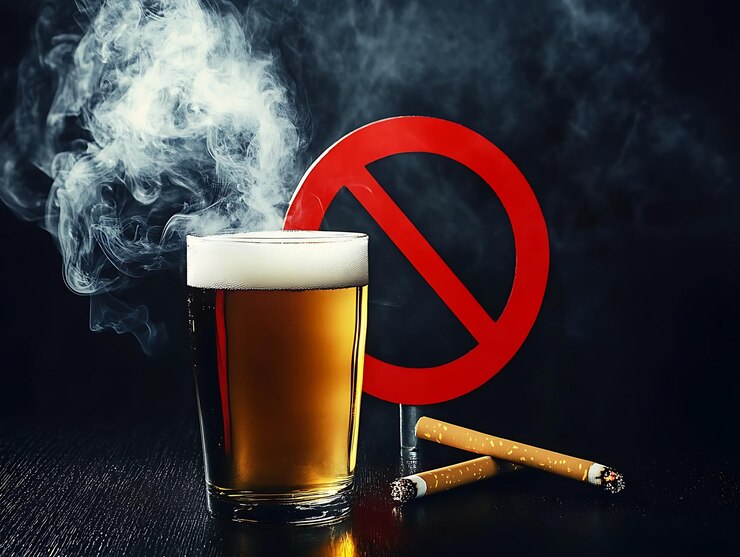
    5. धूम्रपान और शराब छोड़ें या कम करें:

    शायद आप व्यायाम करते हैं और नियमित रूप से स्वस्थ भोजन करते हैं। क्या आप जानते थे कि धूम्रपान और शराब पीने जैसी गलत आदतों से आप उन अच्छी आदतों को पूर्ववत कर सकते हैं? धूम्रपान या बहुत अधिक शराब का सेवन छोड़ना आसान नहीं है लेकिन इसे कम करने की कोशिश करें। तम्बाकू या शराब से संबंधित स्वास्थ्य संबंधी खतरे बाद के जीवन तक स्पष्ट नहीं होते हैं। नियमित रूप से धूम्रपान और शराब पीने से कैंसर का खतरा बढ़ जाता है, अच्छा कोलेस्ट्रॉल कम होता है, आपकी रक्त वाहिकाएं सिकुड़ जाती हैं, आपको सांस की बीमारियां होती हैं, इत्यादि। आपके शरीर को होने वाले नुकसान की शुरुआत सिर्फ एक सिगरेट पीने से होती है। कुछ लोगों का मानना ​​है कि शराब दिल के लिए अच्छी होती है, लेकिन ऐसा नहीं है। रेड वाइन में प्राकृतिक एंटीऑक्सीडेंट होने के बावजूद यह कम मात्रा में ही फायदेमंद होता है। अत्यधिक शराब के सेवन से उत्पादकता में कमी, खतरनाक नशे में ड्राइविंग व्यवहार और यहां तक ​​कि हिंसक व्यवहार भी हो सकता है।

    • प्रतिदिन एक कम सिगरेट लेकर धूम्रपान कम करने का प्रयास करें।

    • जब आप धूम्रपान या शराब पीने की इच्छा महसूस करें तो कुछ खेल खेलें।

    • निकोटीन रिप्लेसमेंट थेरेपी लें।

    • शराब के सेवन की सीमा निर्धारित करें।

    • अपने दोस्त या कॉलेज से धूम्रपान या शराब पीने के लिए ना कहना सीखें।

    Avoid Smoking and  Drinking

    सार

    याद रखें, अपनी जीवनशैली को बदलना आसान नहीं है। अचानक, आप नई आदतें नहीं बनाने जा रहे हैं, और इसमें समय लगेगा। धैर्य रखें और ऊपर बताए गए बदलावों को जीवन में लाने की कोशिश करें। यह न भूलें कि जीवन को स्वस्थ बनाना दीर्घकालिक प्रतिबद्धता है, और स्वस्थता और जीवन की गुणवत्ता के प्रति दीर्घकालिक समर्पण के बिना, आप स्वस्थ परिवर्तन नहीं कर सकते। इसलिए खुद पर भरोसा रखें और चलते रहें। स्वस्थ रहें!

  • Tips To Control Your Blood Pressure Or Lower Risk Of Hypertension

    What is hypertension?

    High blood pressure, or hypertension, is a health condition that requires attention as it can increase your risk of heart attack and stroke. It is important to consult your doctor to determine if your blood pressure is too high, as ideal blood pressure values are ≥140/90 mmHg.

    Fortunately, you can make many lifestyle changes and take natural remedies to reduce your risk of hypertension. Here is a guide on how to lower blood pressure and reduce the risk of hypertension.

    1. Exercise regularly

    Regular exercise is one of the easiest and most effective ways to reduce your risk of hypertension. Aim for at least 30 minutes of exercise daily, and stay active throughout the day. This can include walking, jogging, swimming, or any other activity that increases your heart rate. Inactive individuals should gradually increase their physical activity intensity and duration to minimize the risk of injury and cardiac events.

    2. Reduce sodium intake

    Consuming a high amount of salt can result in elevated sodium levels, leading to high blood pressure. You should decrease your salt intake to a daily maximum of 5 grams or less. Avoid processed and packaged foods, which may contain large amounts of sodium. You should also reduce your intake of salty snacks and savoury foods, such as papads, chips, chutneys, dips, and packaged pickles. Instead, opt for fresh, whole foods like fruits, vegetables, lean proteins, and whole grains.

    3. Limit alcohol and avoid tobacco

    Both alcohol and tobacco use can raise blood pressure and increase the risk of hypertension. Smoking and smokeless tobacco use contribute to elevated blood pressure. If you’re trying to lower your blood pressure, avoiding tobacco entirely is advisable. Daily alcohol consumption should be limited as much as possible, with no more than one drink per day.

    Get adequate sleep

    Getting enough sleep is an important part of managing your blood pressure. Rotating and night shifts at work are linked to hypertension, as they can worsen the impact of insufficient sleep on blood pressure. Aim for seven to eight hours of uninterrupted sleep each night. You can improve sleep by following a consistent sleep schedule, engaging in physical activity, not consuming food/drink before bed, and creating a cool, dark, and quiet sleep environment.

    Eat healthy fats

    Omega-3 fatty acids can help lower your blood pressure. Sources of omega-3s include fish, flaxseed, canola oil and walnuts. Incorporating heart-healthy options like non-fat dairy, fish, poultry, beans, nuts, and vegetable oils into your diet can make a big difference. On the other hand, steer clear of high-saturated fat foods such as fatty meats, full-fat dairy and tropical oils like coconut, palm kernel, and palm oils for a happier, healthier heart.

    Your blood pressure can be managed

    High blood pressure affects millions of people in India. Therefore, it is important to know how to lower blood pressure. Fortunately, you can take some steps, such as eating a healthy and balanced diet, avoiding alcohol and smoking, and getting regular physical activity.

    Additionally, natural remedies such as meditation, yoga, and other relaxation techniques can help to reduce stress and blood pressure.

    Frequently, hypertension requires medical intervention before it can be controlled solely through lifestyle interventions. This is because the heart is a critical organ and needs safeguarding from hypertension. It is important to consult a doctor to determine the best treatment plan to reduce your risk of medical issues associated with high blood pressure. Subsequently, with the right lifestyle changes, lowering your blood pressure and reducing the risk of hypertension is possible.

    Know more about your Medicines at Medkart, which is an online pharmacy platform that makes buying medicines convenient & cost-effective. To place your orders, download the app today!

    FAQs

    How to lower blood pressure by changing my diet and cooking practices?

    Studies have shown that consuming five portions of fruits and vegetables daily and low-fat dairy can help lower your blood pressure. It is also important to limit food high in sodium, saturated fats, trans fats, sugar or preservatives.

    You should utilize healthy oils such as sunflower, mustard, or groundnut oil. You can make alterations to cooking methods, such as removing fatty parts of meat, using vegetable oil, boiling, steaming, or baking instead of frying, and limiting the reuse of oil for frying.

    Can natural remedies such as meditation help lower blood pressure?

    Yes. Meditation, yoga, deep breathing and other relaxation techniques can help to reduce stress and blood pressure.

    How to lower blood pressure by monitoring weight?

    Maintaining a healthy weight is crucial for managing blood pressure, as being overweight can increase blood pressure and cholesterol levels. The body mass index (BMI) calculates a person’s weight relative to height. A high BMI may indicate excessive body fat. In Asian populations, people with a BMI of 23.0 kg/m2 or higher are considered overweight, and people with a BMI of 25.0kg/m2 or higher are considered obese, which is lower than WHO standards.

  • Childhood Obesity – What is the impact of obesity on children’s health?

    Childhood Obesity – What is the impact of obesity on children’s health?

    Childhood Obesity

    Overview – Childhood Obesity 

    Childhood obesity is a global issue. By 2030, India is expected to have 27 million children with obesity. The effects of obesity on the body can be quite harmful. Obesity can cause health conditions such as diabetes, high blood pressure, and high cholesterol. These were earlier considered adult health problems. Sadly, that’s no longer the case.

    However, the good news is that obesity is a lifestyle disease and thus can be prevented and controlled with the right steps. Changes in dietary styles and lifestyle habits can keep children healthy, active, and away from obesity. Also, greater awareness about health can help parents make better choices for keeping their children healthy and avoid future health problems.

    Read on to learn about the effects of childhood obesity and how to prevent it.

    What is childhood obesity?

    Obesity is when the body stores excessive fat. The Body Mass Index helps determine if one is obese. If the BMI crosses 25, a person is considered overweight. If it crosses 30, the person is considered to have obesity.

    Obesity has proven to pose several health complications. Some of the primary issues are related to the heart and hormones. This is for both adults and children. But obesity among children is more concerning since their body is in the developing stage. Thus, hormonal disbalance in children can cause greater health risks.

    The effects of obesity on the body and the mind can impact your child’s overall well-being. Obesity is also a leading concern for teenage depression, body dysmorphia, and poor self-esteem.

    What causes childhood obesity?

    Childhood Obesity is a lifestyle disease. Several lifestyle factors contribute to this issue.

    1) Diet:

    The excessive consumption of high-calorie foods can lead to childhood obesity. Some examples are burgers, pizzas, cakes, pastries, cookies, and candies. Unfortunately, these have gained extreme popularity among children today.

    2) Lack of exercise:

    Lack of participation in sports or an active lifestyle is another cause of this lifestyle disease. Children spend more time indoors, glued to their screens. This lack of activity leads to childhood obesity and mental health issues.

    3) Family environment:

    Children whose parents and siblings are overweight or have obesity are likely to put on weight. Moreover, an environment where high-calorie food is preferred and physical activity is not encouraged increases the possibility of children developing weight issues.

    4) Environmental factors:

    Feeding practices at home influence a child’s eating habits. Increased consumption of processed food at home and proximity to food outlets and supermarkets increase the risk of obesity among children.

    5) Psychological factors:

    Stress owing to parental and study issues can leave the children emotionally disturbed. It can lead to anxiety, depression, or boredom. To cope with such difficult feelings, children often tend to overeat, which can cause excess weight gain, and eventually obesity.

    What are the effects of childhood obesity?

    The impact of obesity on children can be a major one. Some of them are as follows:

    1) Type 2 diabetes:

    Excessive body fat makes muscles and tissues resistant to insulin and increases the risk of diabetes. Diabetes is the body’s inability to process glucose. It is a harmful effect of obesity on the body and can lead to eye disease, nerve damage, and kidney disease.

    2) High cholesterol and blood pressure:

    Earlier considered adult health problems, high cholesterol and high blood pressure are now frequent among children with obesity. Foods high in fat and salt cause an increase in blood pressure and cholesterol levels. Cholesterol leads to the development of fatty deposits in the arteries, which blocks blood flow and leads to heart disease.

    3) Breathing problems:

    Asthma is common among children with obesity. Extra fat around the abdomen and the chest restricts the airway causing difficulty in breathing. The fat tissue produces inflammatory substances that affect the lungs and increase the risk of asthma.

    4) Joint pain:

    Excess weight puts pressure on the joints and causes stiffness and pain. It also limits the child’s movement, damages the cartilage early in life, and leads to arthritis.

    5) Menstrual issues:

    Girls with obesity may attain puberty at a comparatively earlier age. Obesity may also cause uterine fibroids and menstrual irregularities in the future.

    Summing up

    Parents are the best role models for children as they can inspire their children to follow a healthy lifestyle. Increase awareness among your children regarding their health and teach them the importance of staying physically fit and active. To start with, instilling healthy eating habits in children can prevent the effects of obesity on the body. Preventing weight gain in childhood goes a long way in ensuring your child’s physical, mental, and emotional well-being.

    Visit Medkart for more such interesting reads today!

    FAQs related Childhood Obesity

    1. How does childhood obesity affect the quality of life?

    Childhood obesity causes chronic health problems. Furthermore, it affects the emotional and mental health of children. Children suffer from poor self-image and self-esteem. They may also experience bullying, depression, and loneliness.

    2. How early does obesity start in childhood?

    Obesity in children begins between 2 and 6 years. A study shows how most adolescents become overweight and develop obesity by age 5.

    3. How can obesity in childhood be prevented?

    Obesity in childhood can be prevented by following a healthy diet and lifestyle. This would include,

    • Limiting high-calorie and high-fat foods
    • Including fruits, vegetables, whole grains, pulses, and nuts.
    • Staying well-hydrated
    • Engage in regular physical activity for at least 60 minutes every day.
    • Replace sugary drinks with homemade milkshakes or smoothies.
    • Reducing screen time to ensure proper sleep
  • Why is obesity considered as a lifestyle chronic disease ? |Chronic Disease

    Why is obesity considered as a lifestyle chronic disease ? |Chronic Disease

    what is obesityObesity – Lifestyle Chronic Disease
    Obesity is a complex condition that affects millions of people worldwide. This condition is caused by a combination of factors related to genetics, metabolism and the environment, and can lead to serious health problems if left untreated. But, by understanding what makes obesity a disease, you can take control of your health and work towards a healthier future.

    What Is Obesity and Why Is It Considered a Disease?

    Obesity is defined as an abnormal or excessive accumulation of fat that may impair health. Doctors use the Body Mass Index (BMI) to calculate body fat based on the height and weight of a person. If you have a BMI of 30 or higher, you are considered obese. Obesity is considered a disease due to the following reasons:

    Reasons why Obesity is considered a disease

    • Health problems: Obesity is a major risk factor for heart disease, stroke, type 2 diabetes and some forms of cancer.
    • Mental health impact: Studies have shown that people who are obese are more likely to suffer from depression, anxiety and low self-esteem.
    • Complex condition: Obesity is not only simply a result of overeating or a lack of physical activity. It is also influenced by a number of factors such as genetics, metabolism and the environment.

    Obesity Disease image

    ​Childhood Obesity: Understanding Obesity and its implications on Children​

    Causes of Obesity (Lifestyle Condition)

    Some of the factors that lead to obesity include the following:

    • Genetics: Evidence shows that obesity can have genetic roots.
    • Metabolism issues: Some people may have a slower metabolism, which can make it difficult for them to burn calories effectively.
    • Unhealthy eating habits: Consuming an excessive amount of high-calorie foods and drinks can lead to weight gain.
    • Lack of physical activity: Leading a sedentary lifestyle can contribute to weight gain and increase the risk of obesity.
    • Environmental factors: The environment can play a role in the development of obesity. For example, the availability of unhealthy food options and the lack of time or place to exercise can contribute to weight gain.
    • Medications: Certain medications can lead to weight gain, such as some antidepressants and steroid medications.
    • Medical conditions: Some medical conditions, such as hypothyroidism, can slow metabolism and lead to weight gain.

    Symptoms of Obesity

    • Excess body fat: The most obvious symptom of obesity is the accumulation of excess body fat, especially around the waist and upper body.
    • Weight gain: A noticeable increase in body weight over time is a symptom of obesity.
    • Shortness of breath: Excess body fat can make it difficult to breathe, causing shortness of breath.
    • Fatigue: Obesity can cause a lack of energy and difficulty in staying active, resulting in fatigue.
    • Joint pain: Excess body weight can put pressure on the joints, causing pain and discomfort.
    • Type 2 diabetes: Obesity is a major risk factor for the development of type 2 diabetes.
    • High blood pressure: Obesity can increase the risk of developing high blood pressure, which can lead to heart disease and stroke.

    How to Control Obesity?

    Some of the lifestyle changes to control obesity are listed below:

    1. Healthy eating:

    Making changes to your diet is crucial in controlling obesity. Focus on eating whole, unprocessed foods and reducing your intake of high-fat and high-sugar foods.

    2. Increased physical activity:

    Regular exercise is an essential component of weight management. You should aim for at least 30 minutes of moderate-intensity physical activity, such as brisk walking, 5 days a week.

    3. Sleep:

    Getting enough sleep is important for maintaining a healthy weight. You should aim for 7 to 9 hours of sleep per night.

    4. Stress management:

    High levels of stress can lead to overeating and weight gain. You can try practicing stress-reduction techniques such as yoga, meditation or deep breathing.

    Although obesity is considered a disease because of its associated health problems requiring medical attention, it can be managed significantly with diet and weight loss, among other lifestyle changes. With more therapeutic options available now, obesity and its related conditions are easily manageable.

    Know more about my Medicines at Medkart, which is an online pharmacy platform that makes buying medicines easier and more convenient. Upload your prescriptions to the website, and Medkart will deliver quality generic medicines to your doorstep. To place your orders, download the app today!

    1. Why are people tentative about calling Obesity a disease?

    In general, obesity is considered a disease as it results in a condition that may add emphasis towards treatment with surgery or medications. However, obesity can be prevented by lifestyle changes, diet and exercise.

    2. What is morbid obesity?

    People with a BMI above 40 are considered to have morbid obesity. If someone’s BMI lies between 35 and 39.9, they may have a severe health condition and are considered morbidly obese.

    3. What are the common causes of childhood obesity?

    Lifestyle factors such as consuming too many calories from food and insufficient physical exercise are the main causes of childhood obesity.

  • Are You at Risk for Diabetes? This Simple Test Can Tell

    Are You at Risk for Diabetes? This Simple Test Can Tell

     Risk for Diabetes

    Diabetes Risk

    Knowing whether you are at risk of diabetes helps you to take the necessary steps early on. You can make the required changes in your lifestyle, like eating healthy, losing weight, exercising etc., and prevent this illness and other risks like stroke, heart disease, kidney disorders or nerve damage. To confirm whether you are at risk, doctors recommend the HbA1c test.

    What is HbA1c?

    The HbA1c test shows your average blood sugar levels for the last 2-3 months. It is the main test used for diagnosing diabetes.

    Sugar enters your blood from the food you eat. Your cells use it for energy. But if your sugar levels increase in the blood when it is not used by your cells or when your body makes less insulin, they stick to the haemoglobin in your blood. When the blood sugar levels increase, more haemoglobin is attached to sugar. The HbA1c test measures these sugar-coated haemoglobin levels.

    How is this test done?

    It is a simple test where a blood sample is taken from your finger or arm. You do not need to fast for this test. It would help if you have got this test done by a registered practitioner.

    What do the test results say?

    The below table mentions the test result ranges and what they mean.

    HbA1c test result range Interpretation Significance

    Below 5.7% Normal It means your blood sugar is normal and you do not have any risk of developing diabetes

    5.7 to 6.4% Prediabetes This means that you have slightly high blood sugar levels and you are at risk of developing diabetes

    6.5% or more Diabetes This result means you have diabetes and you need to follow your doctor’s recommendations

    How often should this test be done?

    Based on your condition, the frequency of this test varies.

    Condition Frequency of test

    Prediabetes About once every year

    Type 2 diabetes with blood sugar levels in a healthy range and no requirement for insulin About two times a year

    Effective medicine for prediabetes & type 2 diabetes 👉 Sitamet 50/500 mg tablet/Empaone 25mg Tablet/Linares E Tablet.

    Type 1 diabetes 3-4 times every year

    In case of a change of medication or other treatment As required

    Who needs to take this test?

    There are conditions that put you at high risk of diabetes and require you to take this test

    at regular intervals. These conditions are:

    • A family (parents or siblings) history of type 2 diabetes

    • High blood pressure or high cholesterol

    • Obesity

    • Stroke or heart problems

    • Less physical activity, exercising less than three times a week

    • A history of gestational diabetes (diabetes at the time of pregnancy)

    • Polycystic ovarian syndrome

    • Sleep disorders

    • Hormonal conditions

    Conditions that affect the results of this test

    The HbA1c test could give false results in the case of the following:

    • Anaemia or other haemoglobin-related diseases

    • Few medicines like vitamins C and E supplements, pain killers like opioids etc.

    • Kidney disorders

    • Liver disorders

    • Pregnancy

    • High cholesterol levels

    • Loss of blood or transfusion

    Diabetes is a serious condition that could cause other complications like heart problems, kidney disorders or nervous disorders. It is necessary to know whether you are at risk of diabetes. A simple HbA1c test can help you and your healthcare provider to decide on your treatment plans and medications. Know more about your Medicines at Medkart, which is an online pharmacy platform that makes buying medicines convenient & cost-effective. To place your orders, download the app today!

    FAQs

    1. Is there a test that tells if you are at risk of having diabetes?

    Yes. HbA1c is a basic test that helps to determine if you are at risk of diabetes or if you have prediabetes or diabetes.

    2. Can I do HbA1c test at home?

    No. You need to get this test done with a registered medical practitioner.

    3. Does this test require fasting?

    No. The HbA1c test does not require you to fast, but if you are taking any other test along with it, you might need to fast. Please consult your doctor about this.

    4. When can you say your result is normal?

    If your HbA1c test results are below 5.7%, then your result is normal, and you are not at risk of having diabetes.

  • Best Tips to Keep Your Heart  Healthy!

    Best Tips to Keep Your Heart Healthy!


    Best Tips to Keep Your Heart Healthy

    Keep your heart healthy with these tips

    Heart diseases are on the rise. This is a sign for people to take action to protect themselves. Simple changes in your lifestyle can go a long way in improving your heart health. Here are simple tips for good heart health:

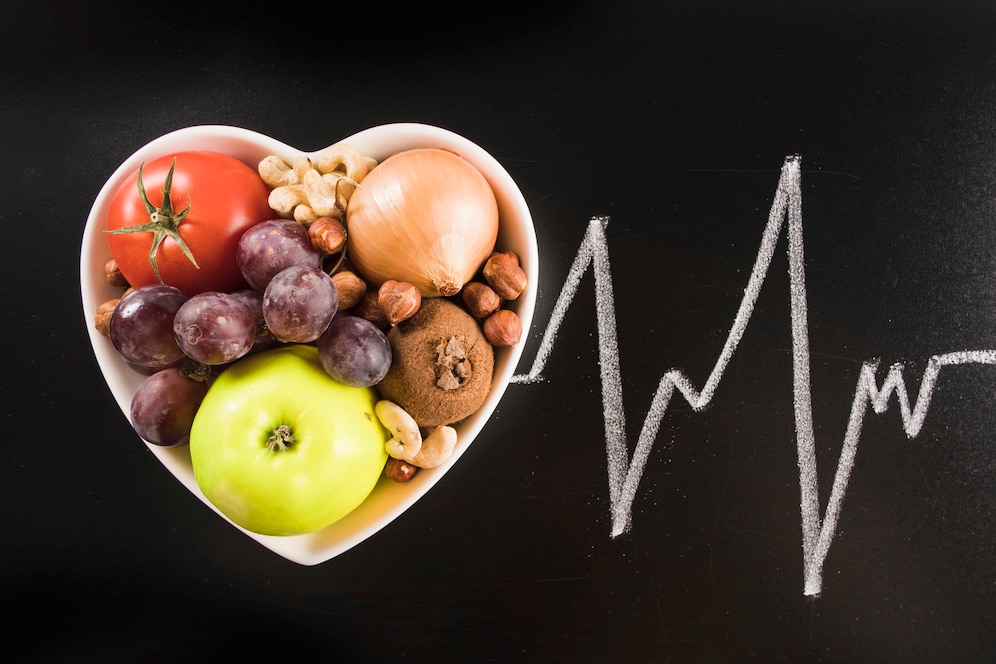
    Eat heart-healthy food

    Choose foods that are high in nutrition and low in calories, like:

    • Fruits and vegetables: They are a rich source of multiple vitamins, minerals and dietary fibre.

    • Whole grains: Replace refined grains with whole grains as they are rich in fibre and other nutrients

    • Healthy fats: Healthy fats reduce your total blood cholesterol and keep your blood vessels from getting blocked. Olive oil, nuts, seeds, and nut oils are good sources of healthy fats. Choose them over unhealthy fat sources like butter, palm oil, cotton seed oil, etc

    • Proteins: Include proteins like pulses, fish, low-fat dairy products, eggs etc., in your diet. They are low in fat and high in nutrients and fibre.

    • Low-sodium foods: You should prefer food with less salt. High salt intake can cause high blood pressure, leading to heart problems. So, you must limit your salt intake by consuming home cooked food with less salt and avoiding packaged and processed foods.

    Quit smoking

    Smoking can increase your risk of having a stroke or heart attack. So if you smoke, you should choose to quit it. Take help or support if needed. Also, you should keep away from places and people who smoke. The smoke from cigarettes also increases the risk of heart disease.

    Be active

    Avoid sitting for a long time. Take a break between work and get up and take a stroll. Engage in heart-healthy exercises for at least 30 minutes a day. Go for a long walk, swim, ride a bike, dance, or practise a sport. It helps to keep your heart strong and your body weight in check. This tip goes a long way in keeping your heart healthy.

    Keep a check on your weight

    A healthy BMI can keep you safe from heart disorders. If you are overweight, you have greater chances of a stroke, high blood pressure, diabetes, high cholesterol, coronary heart disease etc. Even if you are not overweight but have excess belly fat, you could be at risk of heart disease.

    Get enough sleep

    If your sleep is disturbed or insufficient, you could increase your risk of heart problems. Less sleep has been shown to increase the risk of stroke or heart attack. Not getting enough sleep can disturb your biological processes and cause hormonal imbalances. Hence, you must ensure that you get at least 7 hours of sleep every night. Engage in good sleep practices like going to bed on time, putting mobile phones away one hour before sleep, putting on calming music etc.

    Manage your stress

    Stress can increase the risk of heart disorders by increasing your blood pressure, pulse rate and breathing. These could lead to more severe heart issues. To keep your stress in check, practise meditation, yoga, deep breathing, relaxation exercises, etc.

    Know your heart numbers

    Blood pressure, cholesterol, blood sugar, and BMI are important heart health indicators. You must keep a check on them and measure them at regular intervals.

    Prioritise heart health

    Keeping your heart healthy needs simple day-to-day changes like eating a heart-healthy diet and ensuring a healthy, stress-free lifestyle. Avoiding smoking and monitoring the basic heart health parameters are also useful steps. Keep these tips in mind and follow them regularly to keep your heart in good shape.

    Medicines can also play a major role in determining your heart function, especially if you have been diagnosed with a cardiovascular condition. If you are looking for a trusted source for your medication, visit the Medkart website today!

    FAQs

    1. Do young people have heart risks?

    Yes. Doctors recommend that after 30, you should get yourself checked routinely.

    2. How can you keep your heart healthy?

    Here are a few tips to keep a heart healthy:

    • Exercise

    • Eat healthy

    • Reduce stress

    • Quit smoking

    • Maintain your weight

    • Keep a check on blood sugar, blood pressure and cholesterol

    3. Do heart diseases run in the family?

    Yes, heart diseases are hereditary, so if it runs in your family, you should get yourself checked by a cardiac specialist and follow the tips to keep your heart healthy.

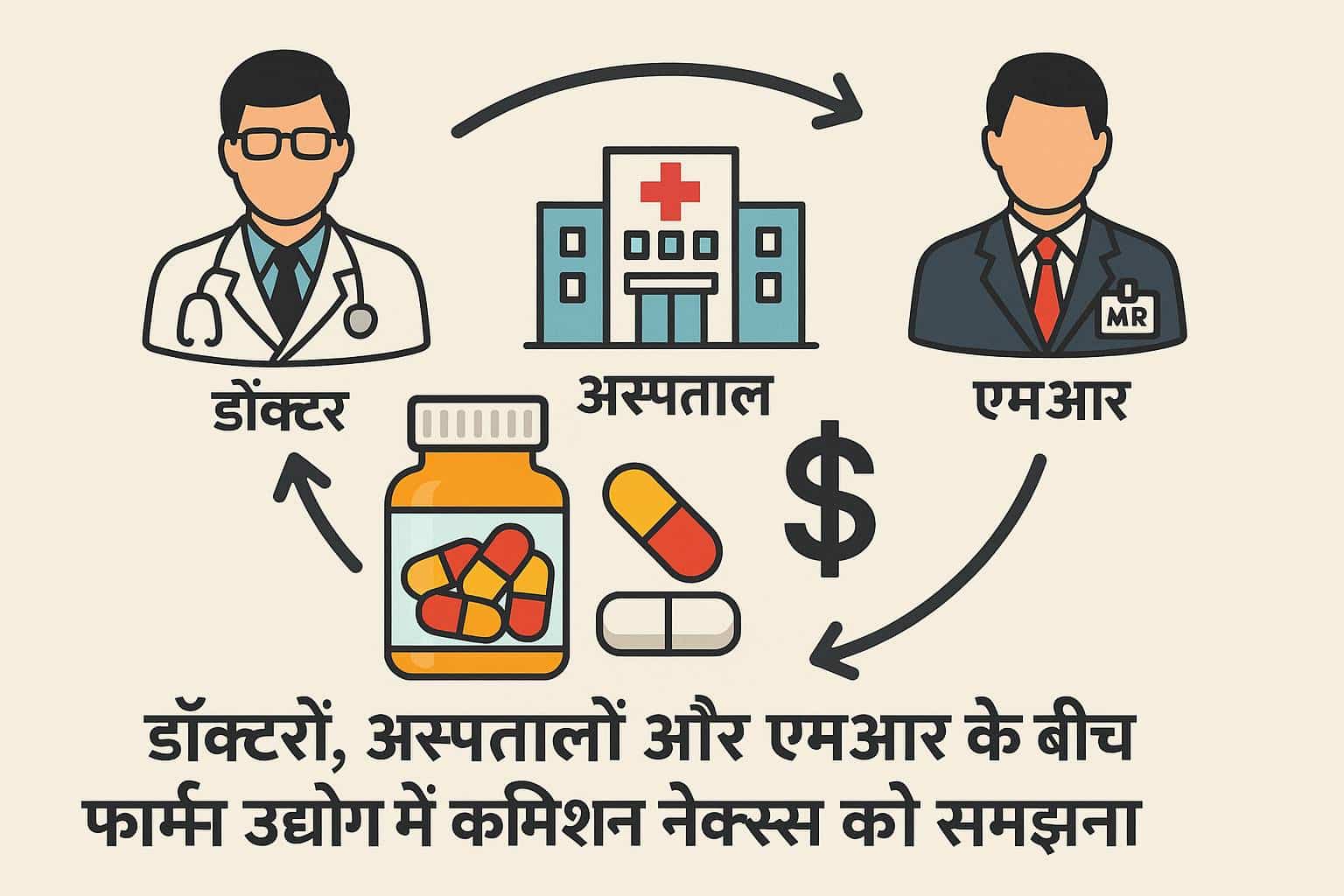
  • डॉक्टरों, अस्पतालों और एमआर के बीच फार्मा उद्योग में कमीशन नेक्सस को समझना

    डॉक्टरों, अस्पतालों और एमआर के बीच फार्मा उद्योग में कमीशन नेक्सस को समझना

    डॉक्टरों, अस्पतालों और एमआर के बीच फार्मा उद्योग में कमीशन नेक्सस को समझना

    हम हमेशा इस बारे में मुखर रहे हैं कि डॉक्टर के पास जाने से लेकर प्रिस्क्रिप्शन लेने और दवा खरीदने तक का पूरा तंत्र कैसे काम करता है। यहां तक कि जिस तरह से हम दवाएं खरीदते हैं, उसमें बहुत कम या कोई दिमाग नहीं होता है क्योंकि हम बस जाते हैं और पर्चे में जो लिखा होता है उसे खरीदते हैं। और हमारा सवाल न करना निम्नलिखित संस्थाओं द्वारा हमारे शोषण पर निर्भर करता है;

    – डॉक्टर के पास हम जाते हैं

    – अस्पताल जहां हमारे प्रियजन या हम भर्ती हैं

    – दवा कंपनियां

    – चिकित्सा प्रतिनिधि

    – ड्रग स्टोर

    आप में से अधिकांश को ब्रांडेड दवा के नुस्खे दिए जाते हैं जिनकी कीमत सामान्य से अधिक होती है। लगभग 75% ब्रांडेड दवा निर्माता जेनरिक का निर्माण कर रहे हैं जिनकी कीमत ब्रांडेड दवाओं की तुलना में 60% कम है। ऐसा क्यों? वे उसी अनुपालन का पालन करते हैं और उसी परिसर में बने होते हैं। फिर भी कीमत में इतना भारी अंतर है। कारण सरल है – सांठगांठ में हर कोई पाई का अपना हिस्सा खाता है।

    इन्हीं लोगों की वजह से आप ज्यादा दवाइयां दे रहे हैं। आइए जानें कि कैसे दवा खरीदारों को ब्रांडेड दवाएं अधिक कीमत पर बेची जाती हैं।

    A. मेडिकल स्टोर्स का कमीशन-संचालित बिजनेस मॉडल

    जब भी आप किसी दवाई की दुकान पर दवाइयाँ खरीदने जाते हैं, तो आप केवल डॉक्टर या उसके क्लिनिक के नाम वाले नुस्खे को सौंप देंगे। और अक्सर, आपको डॉक्टर के क्लिनिक के पास या इसके विपरीत एक दवा की दुकान मिल जाएगी, जिसमें निर्धारित दवाएं केवल क्लिनिक के बगल वाले स्टोर में ही उपलब्ध होंगी। आपके द्वारा खरीदी जाने वाली प्रत्येक दवा की लागत निर्माताओं, मेडिकल स्टोर के मालिकों और डॉक्टरों के बीच विभाजित होती है। डॉक्टरों को पास की मेडिकल दुकान द्वारा बेची जाने वाली कुछ दवाओं को लिखने पर कमीशन मिलता है। उनका नेटवर्क विशाल है और न केवल आसपास के इलाकों में कुछ दुकानों तक ही सीमित है। एक दवा खरीदार के रूप में, डॉक्टर और यहां तक ​​कि मेडिकल स्टोर के मालिक से भी पूछताछ करके दवाओं की सामग्री जानने का आपका अधिकार है। और आप जेनरिक रिप्लेसमेंट के लिए भी कह सकते हैं और अंतर को समझने के लिए इसे स्वयं आजमा सकते हैं क्योंकि कोई नहीं है।

    B. मेडिकल रिप्रेजेंटेटिव छोटे क्लीनिकों के साथ टाईअप कर रहे हैं

    जैसा कि ऊपर उल्लेख किया गया है, अधिकांश छोटे क्लीनिक और व्यक्तिगत चिकित्सा पेशेवर मेडिकल स्टोर के साथ गठजोड़ करते हैं; वे चिकित्सा प्रतिनिधियों (MRs) के साथ भी हाथ मिलाते हैं। एमआर द्वारा डॉक्टरों को कुछ दवाएं उपहार के रूप में दी जाती हैं, और ये प्रमुख फार्मा कंपनियों और एजेंसियों से आती हैं। फिर से, इनमें से कुछ दवाएं प्रायोगिक आधार पर प्रदान की जाती हैं ताकि खपत पर रोगियों पर इसके प्रभावों की जांच की जा सके। आप पड़ोस में जनरल फिजिशियन से अपनी पिछली मुलाकात को याद कर सकते हैं और उन पीले, सफेद और गुलाबी कैप्सूल के बारे में सोच सकते हैं। जिनके पास कोई ब्रांड या लेबल नहीं है लेकिन आपको बिना किसी शुल्क के दिया जाता है। ऐसी दवाओं का दस्तावेजीकरण नहीं किया जाता है, और कोई लागत या बिलिंग नहीं की जाती है, जो अपने आप में खतरनाक है क्योंकि यह कर लाभ का दावा करने के लिए उद्योग में बिक्री संवर्धन के क्षेत्र में आती है।

    C. फार्मास्युटिकल कंपनियां हॉस्पिटल चेन के साथ गठजोड़ करती हैं

    इस नेटवर्क में एक अन्य संस्था अस्पतालों की श्रृंखला है जो बड़ी दवा कंपनियों के साथ संबंध रखती है। चूंकि बड़े अस्पतालों में मरीजों की संख्या अधिक होती है, इसलिए लाभ का मार्जिन गठजोड़ में सभी के लिए अधिक महत्वपूर्ण हो जाता है – डॉक्टर, फार्मा स्टोर, कंपनियां और अस्पताल। कार्य उन मॉडलों के समान है जिनकी हमने ऊपर चर्चा की थी, हालांकि एक अंतर के साथ। यहां, विशिष्ट ब्रांड नाम वाली दवाओं की सिफारिश करके अस्पताल श्रृंखलाओं को लाभ का काफी हिस्सा मिल रहा है। बड़ी संख्या में बेड वाले अस्पतालों के साथ गठजोड़ करके फार्मा कंपनियां उच्च बिक्री को बढ़ावा देती हैं। और चूंकि आपूर्ति श्रृंखला में कई एजेंट हैं, यहां हर किसी को कटौती का अपना हिस्सा मिलता है, जिसमें अस्पताल में आने वाले डॉक्टर भी शामिल हैं जिनके हस्ताक्षर आपके नुस्खे पर हैं।

    याद रखें, इनमें से कोई भी एजेंट जेनरिक की सिफारिश नहीं करता है क्योंकि इससे उन्हें कोई लाभ नहीं होता है, और इसलिए आपको हमेशा दवाओं के लिए अधिक भुगतान करना पड़ेगा। पैसे बचाने और शोषण से बचने का सबसे अच्छा तरीका है सतर्क रहना और अधिकारियों की बातों पर सवाल उठाना। इसका मतलब है कि आपको डॉक्टरों से सवाल करना चाहिए जब वे दवाएं लिखते हैं, फार्मा विक्रेता से पूछें कि वे आपको क्या दे रहे हैं, और अस्पतालों से भी आपको जेनेरिक लिखने के लिए कहें। हम पहले ही इस बारे में बात कर चुके हैं कि जेनरिक ब्रांडेड की तुलना में कैसे प्रभावी होते हैं <सूची से लिंक>, इसलिए आपको गुणवत्ता के बारे में चिंता करने की आवश्यकता नहीं है।

  • What are some health risks of overweight and obesity?

    What are some health risks of overweight and obesity?

    Overview – Overweight and Obesity

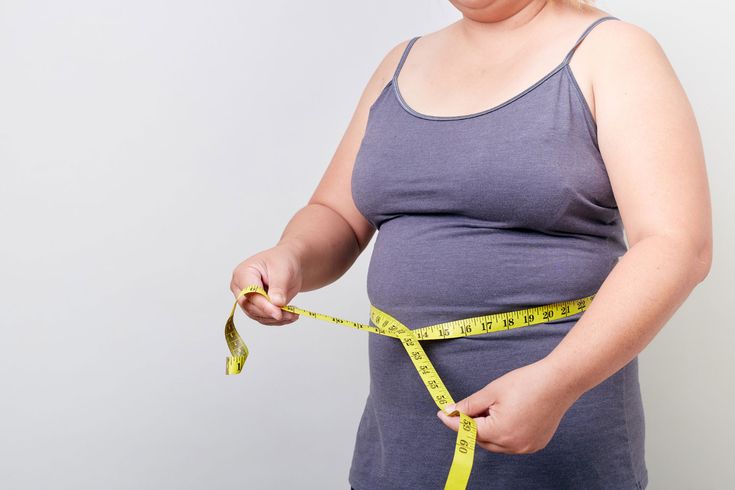
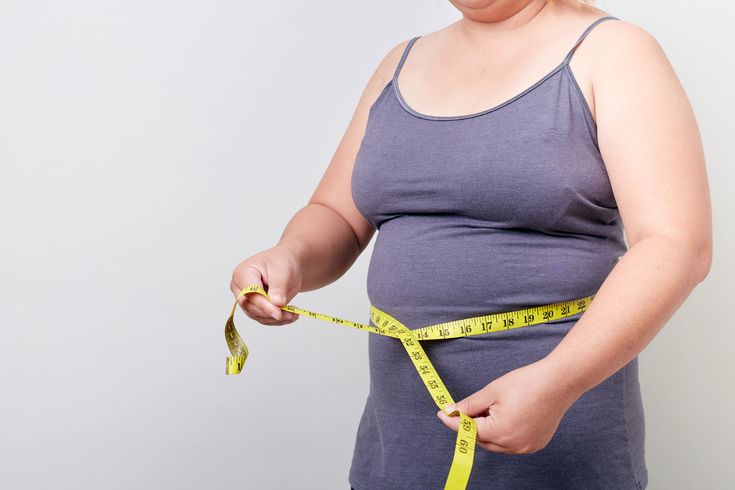
    Do you know that excess weight or obesity can put pressure on the vital organs of your body? Obesity strains your heart, lungs, kidneys, liver, and joints. The risk factors of obesity include chronic health conditions, such as type 2 diabetes, heart disease, kidney disease, stroke, osteoarthritis and some cancers.

    However, the good news is that not everyone with obesity has these conditions. Furthermore, maintaining a healthy body weight can help you manage these health conditions and lead a healthy life.

    Read this article to understand the risks of obesity in detail.

    Obesity image

    The 10 risk factors of obesity

    1. Type 2 diabetes:

    Excessive abdominal fat in people with obesity leads to the production of excess fatty acids. This makes the body less sensitive to insulin, which results in high blood glucose levels or type 2 diabetes. Diabetes is a major risk factor for obesity and leads to health conditions such as heart disease, kidney disease, nerve damage and eye problems.

    2. High blood pressure:

    Excess fat tissue increases the need for oxygen and nutrients in your body. Your heart needs to work harder to pump more blood through your body. This increase in blood circulation puts more pressure on the walls of the arteries. The added pressure leads to hypertension, which can damage your arteries and heart. High blood pressure increases the risk of kidney disease, heart disease and stroke.

    3. High cholesterol:

    Obesity causes a rise in LDL or bad cholesterol and triglyceride levels. It also affects how your body manages cholesterol. Triglycerides from fatty acids give rise to high cholesterol. High cholesterol and triglyceride levels narrow the arteries, block the blood flow and increase the chances of a heart attack.

    4. Heart disease:

    Heart disease refers to conditions that adversely affect your heart. Heart disease is a severe risk factor resulting from obesity. With time, the fat deposits accumulate in your arteries and narrow them. Narrowed arteries cause a blockage in blood flow to your heart and increase the risk of a heart attack. High blood pressure, high blood glucose and high cholesterol increase the risk of heart disease.

    5. Stroke:

    When the blood supply to your brain gets cut off due to a blocked artery in the brain, it leads to a stroke. High blood pressure, a risk factor for obesity, is the primary cause of a stroke. A stroke can cause paralysis, difficulty eating, swallowing, mobility, depression and changes in behaviour.

    6. Kidney disease:

    High blood pressure and diabetes are the primary causes of kidney disease. These health conditions are also risk factors for obesity. In the case of kidney disease, your kidneys get damaged and thus fail to filter your blood. Obesity increases the chances of kidney disease and speeds up its progress.

    7. Gallbladder disease:

    Gallbladder diseases, such as gallbladder stones or cholecystitis (i.e., inflammation of the gallbladder) are some other risk factors for obesity. Gallstones are caused by excess cholesterol in your bile. Bile is a fluid stored in the gallbladder. It helps remove waste from the liver.

    8. Sleep apnea:

    Sleep apnea is a condition where you may stop breathing for a short time during sleep. This occurs due to excess fat stored around your neck, which obstructs your airway and causes it to shrink. Having a small airway may lead to difficulty breathing at night. It also causes loud snoring. Sleep apnea is closely linked to heart disease.

    9. Osteoarthritis:

    Osteoarthritis is also a risk factor for obesity. It causes pain and swelling in the joints and affects your movement. Lack of mobility causes weight gain. Being overweight puts pressure on your knees, joints and cartilage, which increases your risk of osteoarthritis.

    10. Cancer

    Obesity increases your chances of developing cancers like those of the breast, uterus, kidneys, pancreas, oesophagus and colon. These occur due to inflammation caused by visceral fat or fat surrounding the vital organs.

    Summing up

    Being overweight increases the risk factors for obesity. Losing as little as five kilos from your body weight can help reduce your abdominal fat. This, in turn, will ease your blood pressure, control your blood glucose, cholesterol and triglyceride levels, stop sleep apnea and reduce the pressure on your joints. A regular exercise regimen, such as walking or cycling, and a balanced diet will help you achieve your healthy weight goals.

    For more informative articles on chronic health conditions, visit the Medkart website today!

    FAQs related to overweight and obesity?

    1. Can obesity be treated?

    Obesity is a chronic condition that develops over time. You will need consistent medical treatment and strict dietary and lifestyle changes to lose weight. However, these treatments have limited benefits. If you discontinue them, you may experience weight regain.

    2. Can obesity affect fertility?

    In women, obesity causes hormonal imbalances that affect their menstrual cycles, hamper their ovulation and cause infertility. Obesity also causes PCOS, in which the ovaries do not produce enough hormones, due to which the egg does not mature. This may lead to infertility.

    3. Do children have obesity if their parents have obesity problems?

    Children have a high chance of having obesity if their parents have it. Maintaining a healthy lifestyle and following a proper diet right from the beginning may help prevent excess weight gain in children.