Category: Health & Wellness

  • ब्लड प्रेशर के बारे में 7 बातें जो आपको कभी बताई भी नहीं

    ब्लड प्रेशर के बारे में 7 बातें जो आपको कभी बताई भी नहीं


    ब्लड प्रेशर के बारे में 7 बातें जो आपको कभी बताई भी नहीं

    ब्लड प्रेशर कोई बीमारी नहीं है; यह धमनी की दीवारों के विरुद्ध एक रक्त बल है जो पूरे शरीर में रक्त के पम्पिंग के लिए आवश्यक है। एक स्वस्थ वयस्क में सामान्य रक्तचाप लगभग 120/80 होता है। आज की भागदौड़ भरी जिंदगी में 130/90 को भी सामान्य माना जाता है लेकिन स्वस्थ नहीं। आजकल उच्च रक्तचाप की शिकायत की दर बढ़ गई है। जीवन तनावपूर्ण हो गया है, और आहार स्वस्थ से जंक फूड में बदल गया है। कई निश्चित कारक हैं, और इससे निपटने के लिए, हमें रक्तचाप के बारे में कुछ बातों को समझना चाहिए।

    1. नियमित जांच

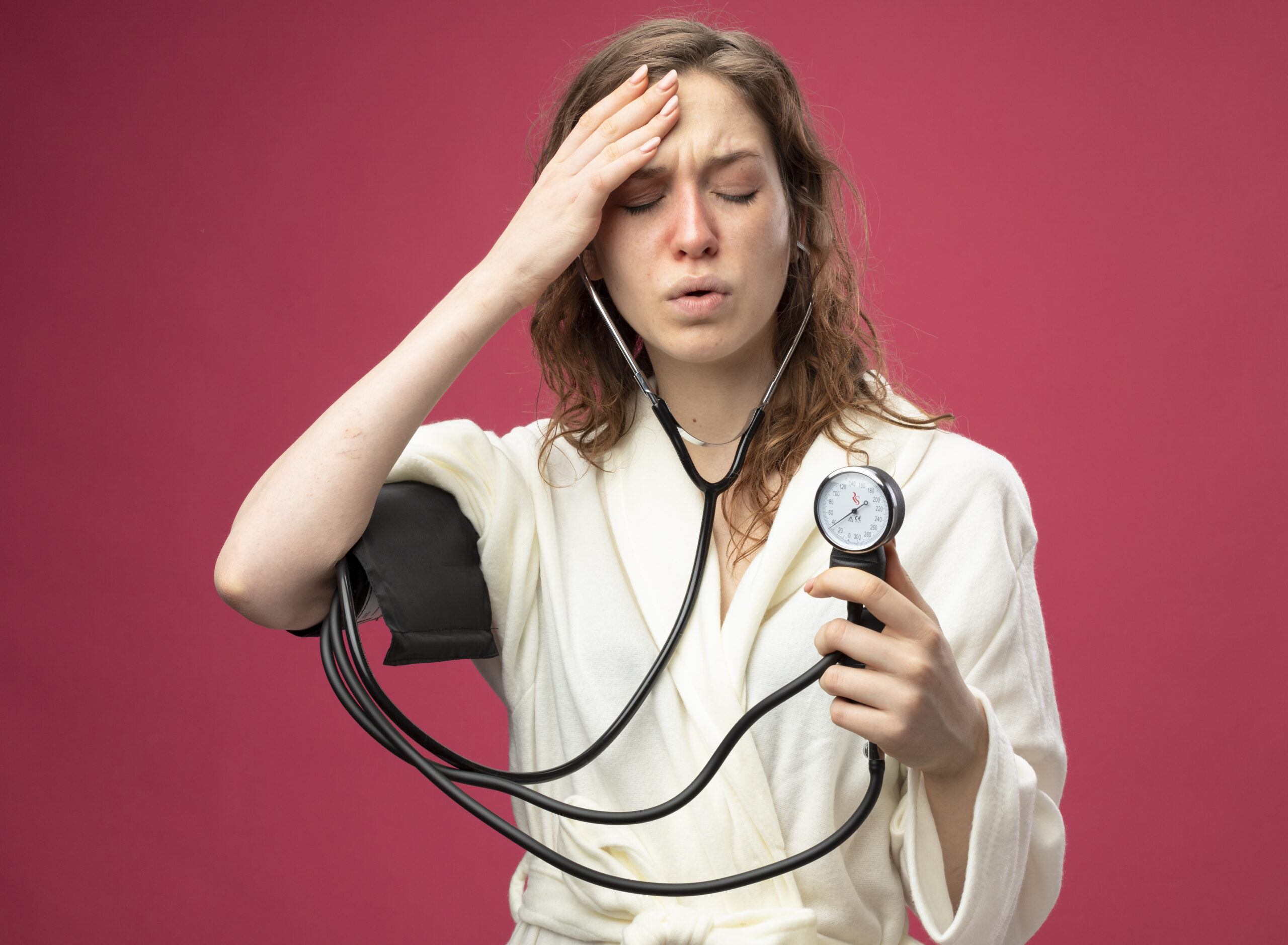
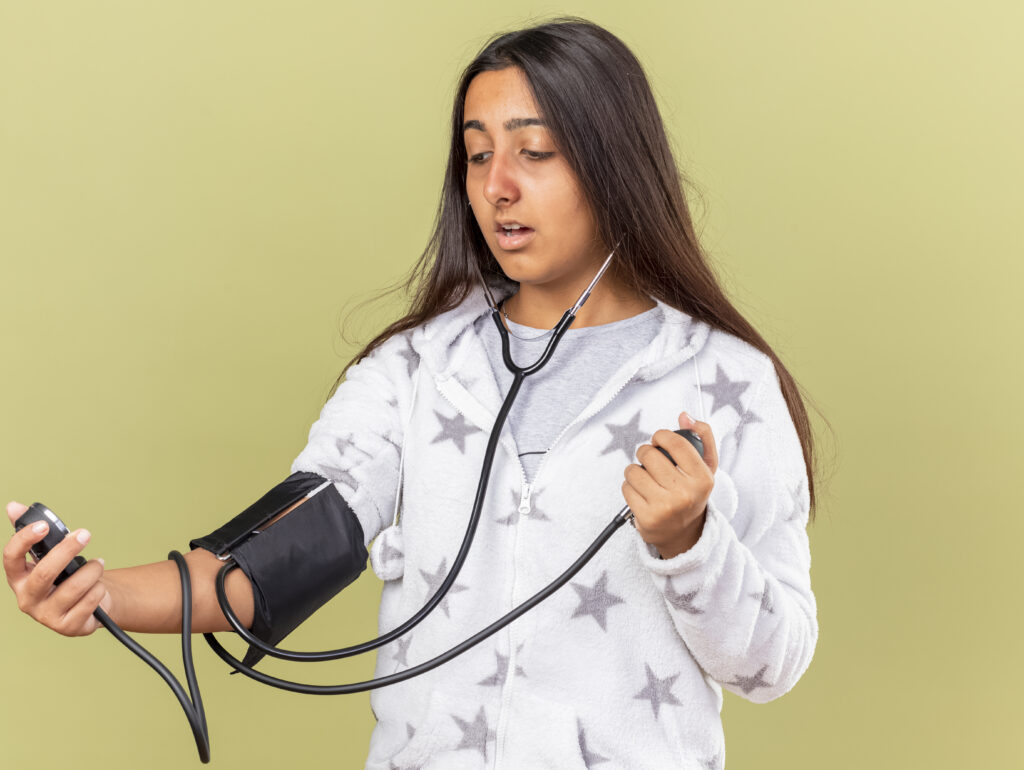
    उच्च रक्तचाप को साइलेंट किलर के रूप में भी जाना जाता है क्योंकि यह धमनियों के बीच चुपचाप दबाव बढ़ाता है और जानलेवा स्थिति पैदा करता है। उच्च रक्तचाप का अर्थ है धमनियों की दीवार पर दबाव का बढ़ना। धमनियां हृदय, किडनी, आंख या किसी अन्य अंग की हो सकती हैं। दुर्भाग्य से, जब धमनियों पर दबाव बन रहा होता है, तब तक इसके कोई लक्षण दिखाई नहीं देते हैं, जब तक कि बहुत देर नहीं हो जाती।

    इसलिए घर पर नियमित जांच और महीने में एक या दो बार डॉक्टर से जरूरी है; दिल की विफलता, गुर्दे की विफलता, दृष्टि क्षति, और इसी तरह की गंभीर क्षति से बचने के लिए।

    2. तनाव प्रबंधन

    दुनिया में हर कोई तनावग्रस्त है, चाहे वह बच्चा हो या वयस्क। लेकिन क्या आप जानते हैं कि ब्लड प्रेशर बढ़ने का एक कारण तनाव भी है। जब कोई व्यक्ति तनाव लेता है तो शरीर में ऐसे हार्मोन रिलीज होते हैं जो ब्लड प्रेशर को बढ़ाते हैं। हालाँकि, यह कुछ समय बाद अपनी सामान्य स्थिति में आ जाता है, लेकिन पुराने तनाव से रक्तचाप में लगातार वृद्धि हो सकती है। यह दिल के लिए जोखिम भरा हो सकता है। इसलिए रक्तचाप को सामान्य सीमा में रखने और शरीर को स्वस्थ रखने के लिए तनाव प्रबंधन आवश्यक है। कर सकते हैं,

    • योग और ध्यान का अभ्यास करें।

    • आराम देने वाले व्यायाम या शरीर की मालिश भी लाभकारी होती है।

    • मित्रों और परिवार के साथ समय बिताएं, संगीत सुनें, आदि।

    • एक दिन निर्धारित करना और खुद को शांत रखना दिन-प्रतिदिन के तनाव से निपटने का सबसे अच्छा तरीका है।

    • ज़्यादा खाने, धूम्रपान या शराब पीने से तनाव का जवाब देने से बचें।

    3. भोजन की आदतें

    यह सच है कि “हम वही हैं जो हम खाते हैं।” भोजन वह मुख्य तत्व है जो शरीर में चालीस से पचास प्रतिशत समस्याओं को उत्पन्न या हल करता है। बहुत अधिक जंक फूड या अस्वास्थ्यकर या अनियमित खाने की आदतें रक्तचाप बढ़ा सकती हैं। दूसरे शब्दों में, एक अस्वास्थ्यकर आहार से वजन बढ़ने की संभावना बढ़ जाती है, जिससे उच्च दबाव होता है। इसके अलावा, अत्यधिक सोडियम/नमक वाले खाद्य पदार्थ हानिकारक होते हैं क्योंकि वे जल प्रतिधारण के कारण रक्तचाप पर दबाव बनाते हैं। नतीजतन, किडनी को अधिक काम करना पड़ता है जिससे शरीर से नमक या तरल पदार्थ को खत्म करने के लिए रक्त प्रवाह और दबाव बढ़ जाएगा।

    • अधिक ताजी सब्जियां और फल खाएं।

    • पोटेशियम का सेवन बढ़ाएं क्योंकि यह शरीर में सोडियम प्रतिधारण को कम करता है। केला, दूध, पालक, संतरा, शकरकंद और एवोकाडो पोटैशियम के अच्छे स्रोत हैं।

    • प्रसंस्कृत खाद्य पदार्थों से बचें या कम करें क्योंकि उनमें सोडियम की मात्रा अधिक होती है।

    • कभी भी भोजन करने के बजाय समय-समय पर भोजन करें। प्रतिदिन एक ही समय पर भोजन करें।

    • अत्यधिक कैफीन या चाय कम करें, हरी चाय या दूध पर स्विच करें।

    4. शारीरिक गतिविधियाँ

    व्यायाम उच्च रक्तचाप का कारण नहीं है; इसके बजाय, यह दिल को स्वस्थ बनाता है। व्यायाम जोखिम या पहले से ही उच्च रक्तचाप को कम या नियंत्रित कर सकता है। जब आप सक्रिय हो जाते हैं या नियमित व्यायाम करते हैं, तो यह आपके दिल को स्वस्थ बनाता है। तो हृदय को रक्त पंप करने के लिए कम प्रयास की आवश्यकता होगी। हालांकि, बहुत अधिक उच्च रक्तचाप या दिल के दौरे के इतिहास वाले रोगियों को कोई भी व्यायाम शुरू करने से पहले अपने डॉक्टरों से परामर्श करना चाहिए।

    आज बहुत से लोग आठ से दस घंटे की डेस्क जॉब में हैं। तो, लगातार बैठने से वसा का भंडारण और वजन बढ़ता है और अंत में, उच्च दबाव होता है। इस प्रकार, दबाव की समस्याओं से बचने के लिए शारीरिक गतिविधि एक आवश्यकता बन गई है।

    • 30 से 60 मिनट का व्यायाम, सप्ताह में छह दिन सभी के लिए पर्याप्त है।

    • एरोबिक गतिविधियां या खेल आपको मनोरंजन के साथ स्वास्थ्य प्रदान करेंगे।

    • टहलना, तैरना, नाचना, साइकिल चलाना कुछ भी जो हृदय गति को बढ़ाता है, शरीर के लिए अच्छा है।

    • काम करते समय अपने शरीर को हिलाएं या लंबे समय तक बैठने से बचें।

    5. धूम्रपान

    हां, उच्च रक्तचाप के लिए धूम्रपान प्रमुख कारकों में से एक है। हर कोई मानता है कि धूम्रपान या शराब पीने से सिर्फ कैंसर होता है, लेकिन यह गलत है। धूम्रपान कैंसर के अलावा और भी कई बीमारियों के लिए जिम्मेदार है। धूम्रपान उन लोगों के लिए हानिकारक है जो उच्च रक्तचाप से पीड़ित हैं और एक स्वस्थ व्यक्ति के लिए भी। जब आप धूम्रपान करते हैं, निकोटीन और तम्बाकू रक्त वाहिकाओं के संकुचन का कारण बनते हैं और वाहिकाओं की दीवार और कोशिकाओं को नुकसान पहुंचाते हैं। यह अंततः रक्तचाप में स्पाइक्स करता है। एक सिगरेट भी ऐसा कर सकती है, हालांकि प्रभाव अस्थायी होता है, लेकिन नुकसान लंबे समय तक चलने वाला होता है।

    इसलिए हर कीमत पर धूम्रपान को ना कहें; क्योंकि क्षति अपरिवर्तनीय और खतरनाक है। और अच्छी खबर यह है कि जैसे ही कोई धूम्रपान छोड़ता है, दो से तीन सप्ताह के भीतर दिल का दौरा पड़ने का जोखिम आधा हो जाता है। उसी तरह शराब का अधिक सेवन भी हानिकारक होता है। इसलिए बेहतर स्वास्थ्य के लिए शराब का सेवन कम करने की कोशिश करें।

    6. गहरी नींद

    शरीर को स्वस्थ रखने के लिए नींद जरूरी है। नींद की गुणवत्ता और मात्रा पर्याप्त अच्छी होनी चाहिए। आप सोच रहे होंगे कि नींद कैसे रक्तचाप को कम कर सकती है। जब अच्छी नींद आती है तो शरीर तनाव हार्मोन को कम करता है और अंगों को आराम प्रदान करता है। यह अंततः रक्तचाप को कम करता है। नींद की कमी शरीर में थकान का कारण बनती है और तनाव हार्मोन को बढ़ाती है जिससे रक्तचाप में वृद्धि होती है। इसलिए पर्याप्त नींद लेना जरूरी है, कम या ज्यादा नहीं।

    इसलिए सोने से पहले कुछ रिलैक्सेशन एक्सरसाइज या मेडिटेशन करें। दिल के जोखिम को दूर रखने के लिए लगातार नींद का कार्यक्रम बनाए रखें और छह से आठ घंटे की नींद लें।

    7. चिकित्सीय स्थितियां और दवाएं

    कुछ चिकित्सीय स्थितियां और दवाएं, क्योंकि वे द्रव प्रतिधारण का कारण बनती हैं, रक्तचाप की समस्याओं के लिए जिम्मेदार होती हैं। और कोई ऐसी दवा लेना बंद नहीं कर सकता जो स्वास्थ्य के लिए जरूरी हो। जो लोग गुर्दे की बीमारी, अंडाशय की बीमारी, मानसिक बीमारी, या किसी अन्य बीमारी से पीड़ित हैं, वे एंटीडिप्रेसेंट, जन्म नियंत्रण की गोलियाँ, डिकंजेस्टेंट आदि जैसी दवाओं पर हैं। ये सभी उच्च रक्तचाप के जोखिम के लिए अपरिहार्य कारक हैं। इसलिए इससे निपटने के लिए स्वस्थ रहने के लिए जीवनशैली में बदलाव करना होगा।

    अंतिम शब्द…

    दबाव की सीमा से अधिक होने पर सामान्य श्रेणी तक रक्तचाप अच्छा होता है; यह शरीर के लिए हानिकारक हो जाता है। उच्च रक्तचाप की समस्याओं और अंग विफलता के जोखिम से निपटने के लिए, अत्यधिक शराब और नमक से परहेज करके और स्वस्थ आहार, शारीरिक गतिविधियों, अच्छी नींद और डॉक्टर के साथ नियमित जांच को शामिल करके अपनी जीवन शैली को बदलना चाहिए। अंत में, धूम्रपान की आदत को पूरी तरह से समाप्त कर दें क्योंकि इससे हृदय की स्थिति बिगड़ जाती है।

  • ડોકટરો, હોસ્પિટલો અને એમઆર વચ્ચે ફાર્મા ઉદ્યોગમાં કમિશન નેક્સસને સમજવું

    ડૉક્ટરની મુલાકાત લેવાથી લઈને પ્રિસ્ક્રિપ્શન મેળવવા અને દવા ખરીદવા સુધીની સમગ્ર પદ્ધતિ કેવી રીતે કામ કરે છે તે વિશે અમે હંમેશા અવાજ ઉઠાવીએ છીએ. આપણે જે રીતે દવાઓ ખરીદીએ છીએ તેમાં પણ કોઈ મગજનો સમાવેશ થતો નથી કારણ કે આપણે પ્રિસ્ક્રિપ્શનમાં જે લખેલું છે તે ખરીદીએ છીએ. અને આપણું નિમ્નલિખિત સંસ્થાઓ દ્વારા આપણું શોષણ થાય છે;

    – ડોકટરોની અમે મુલાકાત લઈએ છીએ

    – હોસ્પિટલો જ્યાં અમારા પ્રિયજનો અથવા અમે દાખલ છીએ/મુલાકાત લઈએ છીએ

    – ફાર્માસ્યુટિકલ કંપનીઓ

    – તબીબી પ્રતિનિધિઓ

    – દવાની દુકાનો

    તમારામાંથી મોટા ભાગનાને બ્રાન્ડેડ દવા પ્રિસ્ક્રિપ્શન આપવામાં આવે છે જેની કિંમત સામાન્ય દવાઓ કરતા વધારે હોય છે. લગભગ 75% બ્રાન્ડેડ દવા ઉત્પાદકો જેનરિક ઉત્પાદન કરે છે જેની કિંમત બ્રાન્ડેડ દવાઓ કરતા 60% ઓછી હોય છે. શા માટે? તેઓ સમાન પાલનને અનુસરે છે અને તે જ પરિસરમાં બનાવવામાં આવે છે. તેમ છતાં, કિંમતમાં આટલો મોટો તફાવત છે. કારણ સાદું છે – નેક્સસમાંના દરેક જણ પોતાનો હિસ્સો ખાય છે.

    આ લોકો એ કારણ છે કે તમે વધુ ચૂકવી રહ્યા છો. ચાલો જાણીએ કે દવા ખરીદનારાઓને બ્રાન્ડેડ દવાઓ કેવી રીતે ઊંચા ભાવે વેચવામાં આવે છે.

    A. મેડિકલ સ્ટોર્સનું કમિશન આધારિત બિઝનેસ મોડલ

    જ્યારે પણ તમે ફાર્માસ્યુટિકલ સ્ટોર પર દવાઓ ખરીદવા જશો, ત્યારે તમે માત્ર ડૉક્ટર અથવા તેના/તેણીના ક્લિનિકનું નામ ધરાવતું પ્રિસ્ક્રિપ્શન આપશો. અને મોટે ભાગે, તમને ડૉક્ટરના ક્લિનિકની નજીક દવાની દુકાન મળશે અથવા તેનાથી વિપરીત, જ્યાં સૂચિત દવાઓ ફક્ત ક્લિનિકની બાજુના સ્ટોરમાં જ ઉપલબ્ધ હશે. તમે ખરીદો છો તે દરેક દવાની કિંમત ઉત્પાદકો, મેડિકલ સ્ટોરના માલિકો અને ડૉક્ટરો વચ્ચે વિભાજિત થશે. નજીકની મેડિકલ શોપ વેચે છે તે અમુક દવાઓ લખવા પર ડૉક્ટરોને કમિશન મળે છે. તેમનું નેટવર્ક વિશાળ છે અને માત્ર નજીકની કેટલીક દુકાનો સુધી મર્યાદિત નથી. દવા ખરીદનાર તરીકે, ડૉક્ટર અને મેડિકલ સ્ટોરના માલિક પાસેથી પણ પૂછપરછ કરીને દવાઓની સામગ્રી જાણવાનો તમારો અધિકાર છે. અને તમે જેનરિક રિપ્લેસમેન્ટ માટે પણ કહી શકો છો અને તફાવતને સમજવા માટે તમારા માટે પ્રયાસ કરી શકો છો કારણ કે ત્યાં કંઈ નથી.

    B. તબીબી પ્રતિનિધિઓ નાના દવાખાના સાથે જોડાણ કરી રહ્યા છે

    ઉપર જણાવ્યા મુજબ, મોટાભાગના નાના ક્લિનિક્સ અને વ્યક્તિગત તબીબી વ્યાવસાયિકો મેડિકલ સ્ટોર સાથે જોડાણ કરે છે; તેઓ મેડિકલ રિપ્રેઝન્ટેટિવ્સ (MRs) સાથે પણ હાથ મિલાવે છે. કેટલીક દવાઓ MRs દ્વારા ડોકટરોને ભેટ તરીકે આપવામાં આવે છે અને તે અગ્રણી ફાર્મા કંપનીઓ અને એજન્સીઓ તરફથી આવે છે. ફરીથી, આમાંની કેટલીક દવાઓ વપરાશ પર દર્દીઓ પર તેની અસરો તપાસવા માટે પ્રાયોગિક ધોરણે આપવામાં આવે છે. તમે પડોશમાં જનરલ ફિઝિશિયનની તમારી છેલ્લી મુલાકાતને યાદ કરી શકો છો અને તે પીળા, સફેદ અને ગુલાબી કેપ્સ્યુલ્સ વિશે વિચારી શકો છો. જેની કોઈ બ્રાન્ડ કે લેબલ નથી પરંતુ તે તમને કોઈપણ શુલ્ક વિના આપવામાં આવે છે. આવી દવાઓનું દસ્તાવેજીકરણ કરવામાં આવતું નથી, અને તેની કોઈ કિંમત અથવા બિલિંગ કરવામાં આવતું નથી, જે પોતે ચિંતાજનક છે કારણ કે તે કર લાભોનો દાવો કરવા માટે ઉદ્યોગમાં વેચાણ પ્રમોશનના ક્ષેત્રમાં આવે છે.

    C. ફાર્માસ્યુટિકલ કંપનીઓ હોસ્પિટલ ચેઇન્સ સાથે જોડાણ કરી રહી છે

    આ નેટવર્કમાં અન્ય એન્ટિટી હોસ્પિટલોની સાંકળ છે જે મોટી ફાર્માસ્યુટિકલ કંપનીઓ સાથે જોડાણ કરે છે. મોટી હોસ્પિટલોમાં અંદરના દર્દીઓની સંખ્યા વધુ હોવાથી, ડોકટરો, ફાર્મા સ્ટોર્સ, કંપનીઓ અને હોસ્પિટલોમાં દરેક વ્યક્તિ માટે નફા માટેનું માર્જિન વધુ નોંધપાત્ર બને છે. કાર્ય એ આપણે ઉપર ચર્ચા કરેલ મોડેલો જેવું જ છે, જોકે તફાવત સાથે. અહીં, હોસ્પિટલની સાંકળો ચોક્કસ બ્રાન્ડ નામ ધરાવતી દવાઓની ભલામણ કરીને નફામાં નોંધપાત્ર હિસ્સો મેળવી રહી છે. ફાર્મા કંપનીઓ મોટી સંખ્યામાં પથારી ધરાવતી હોસ્પિટલો સાથે જોડાણ કરીને વધુ વેચાણ ચલાવવાનું વિચારે છે. અને પુરવઠા શૃંખલામાં ઘણા એજન્ટો હોવાથી, દરેકને અહીંથી તેમનો હિસ્સો કાપવામાં આવે છે, જેમાં હોસ્પિટલના મુલાકાતી ડોકટરો પણ સામેલ છે જેમની સહી તમારી પ્રિસ્ક્રિપ્શન છે.

    યાદ રાખો, આમાંના કોઈપણ એજન્ટ જેનરિકની ભલામણ કરતા નથી કારણ કે તેનાથી તેમને કોઈ ફાયદો થતો નથી, અને તેથી તમારે હંમેશા દવાઓ માટે વધુ ચૂકવણી કરવી પડશે. નાણાં બચાવવા અને શોષણથી બચવાનો શ્રેષ્ઠ માર્ગ જાગ્રત રહેવું અને અધિકારીઓના મુદ્દા પર સવાલ ઉઠાવવાનો છે. તેનો અર્થ એ છે કે તમારે ડોકટરોને પૂછવું જોઈએ કે જ્યારે તેઓ દવાઓ લખે છે, ફાર્મા વિક્રેતાને પૂછો કે તેઓ તમને શું આપી રહ્યા છે અને હોસ્પિટલોને પણ તમને જેનરિક લખવા માટે કહો. અમે પહેલાથી જ વાત કરી છે કે જેનરિક કેવી રીતે બ્રાન્ડેડની જેમ અસરકારક છે<લિંક ટુ લિસ્ટીકલ>, તેથી તમારે ગુણવત્તા વિશે ચિંતા કરવાની જરૂર નથી.

  • તમારી સૂચિત દવા વિશે તમારા ડૉક્ટર અથવા ફાર્માસિસ્ટને પૂછવા માટેના પ્રશ્નો.

    જ્યારે તમારા ડૉક્ટર નવી દવા અથવા સારવારની લાઇન સૂચવે છે, ત્યારે તે તેમના નિદાન અને બીમારીની સમજ પર આધારિત છે. પરંતુ એક વાત જે દર્દીઓને ખ્યાલ નથી તે એ છે કે ડૉક્ટર અને દર્દી વચ્ચેની વાતચીત બે-માર્ગી શેરી છે. તમે તમારા ડૉક્ટરને તેઓ જે દવા લખી રહ્યા છે અને તમારી ઉપચાર પ્રક્રિયા વિશે તેમના વિચારો વિશે પ્રશ્નો પૂછવા માટે સ્વતંત્ર છો.

    તમે તમારા ફાર્માસિસ્ટ પાસેથી તમારી દવા વિશેની તમારી શંકાઓને પણ સ્પષ્ટ કરી શકો છો. તમારા ફાર્માસિસ્ટને તમારા ડૉક્ટરની પસંદગી જેટલી જ કાળજીપૂર્વક પસંદ કરવાની સલાહ આપવામાં આવે છે. મેડકાર્ટમાં, અમારા તમામ સ્ટોર્સમાં લાયકાત ધરાવતા સ્ટાફ છે જેઓ સૂચવવામાં આવેલી દવાને સમજવા માટે સમય કાઢે છે અને દર્દી સાથે ઉપલબ્ધ વિકલ્પો (જેનેરિક અને નોન-જેનરિક) વિશે ચર્ચા કરે છે.

    અમે 7 પ્રશ્નોની યાદી આપી છે જે તમારે દવા ખરીદતા પહેલા અને સારવારની નવી લાઇન શરૂ કરતા પહેલા તમારા ડૉક્ટર અથવા ફાર્માસિસ્ટને પૂછવા જોઈએ –

    1. દવા શું કહેવાય છે અને તેનો ઉપયોગ શેના માટે થાય છે?
    દરેક દવાના બે નામ હોય છે, એક સામાન્ય (જેનેરિક તરીકે પણ ઓળખાય છે) અને બીજું બ્રાન્ડ નામ. સામાન્ય રીતે, ભારતમાં ડોકટરો તેમના પ્રિસ્ક્રિપ્શન પર ફક્ત બ્રાન્ડના નામનો ઉલ્લેખ કરે છે, પરંતુ જો તે બ્રાન્ડ ઉપલબ્ધ ન હોય તો તે વિકલ્પ શોધવાનું મુશ્કેલ બનાવી શકે છે.
    તમારા ડૉક્ટરને દવાના સામાન્ય નામ અથવા સામગ્રીના નામ વિશે પૂછો. જો જરૂરી હોય તો તે તમારા ફાર્માસિસ્ટને વિકલ્પો શોધવા માટે સક્ષમ કરશે. ઉપરાંત, તેમને દવાનો ઉપયોગ સમજાવવા માટે કહો. તમે દવા પાસેથી શું અપેક્ષા રાખી શકો છો તે જાણવું સારું છે.
    2. મારે દવા કેવી રીતે લેવી જોઈએ?
    હંમેશા ખાતરી કરો કે તમે તમારી દવાઓ કેવી રીતે લેવી તે સમજો છો. ડૉક્ટર દ્વારા સૂચવ્યા મુજબ દવા ન લેવી એ તમારા સ્વાસ્થ્ય અને સલામતી માટે હાનિકારક હોઈ શકે છે. પૂછો કે શું દવા તમને સુસ્તી અનુભવી શકે છે, અથવા જો ખોરાક વિના લેવામાં આવે તો પાચનની સમસ્યા ઊભી થઈ શકે છે. દવાની આવર્તન અને સમય વિશે સ્પષ્ટ રહો.
    3. શું આ દવા માટે કોઈ વિકલ્પ છે?
    તમારા ડૉક્ટર દવાના એક બ્રાન્ડ/વેરિઅન્ટને બીજા પર શા માટે લખી શકે તેના ઘણા કારણો છે. તે અન્ય દવાઓ સાથે દવાઓની ક્રિયાપ્રતિક્રિયા સાથે સંબંધિત હોઈ શકે છે, અથવા તેનાથી થતી આડઅસર થઈ શકે છે. ડૉક્ટરે તમારી બીમારી માટે આ દવા શા માટે પસંદ કરી તેનું કારણ ચર્ચા કરો. તમારા ડૉક્ટરને પૂછો કે શું તેમણે લખેલી દવાનો કોઈ વિકલ્પ છે.
    મેડકાર્ટ પર, અમે બ્રાન્ડેડ દવાઓના સામાન્ય વિકલ્પો સૂચવીએ છીએ – ખાસ કરીને એવા દર્દીઓ માટે કે જેમની પાસે નાણાકીય અવરોધો હોઈ શકે છે.

    4. આ દવા લેતી વખતે મારે કોઈપણ પ્રવૃત્તિઓ અથવા ખોરાક ટાળવો જોઈએ?
    દવાઓ થાક, સુસ્તી અથવા અપચો જેવી આડઅસરો પેદા કરી શકે છે. કેટલીકવાર, આ આડઅસરો અમુક ખોરાક, હોર્મોન્સ અથવા અન્ય દવાઓ સાથે દવાની ક્રિયાપ્રતિક્રિયાનું પરિણામ હોઈ શકે છે. આ દવા લેતી વખતે તમારે તમારા આહારમાં કોઈપણ રીતે ફેરફાર કરવાની જરૂર હોય તો તમારા ડૉક્ટરને પૂછો. આ સમય દરમિયાન તમારે અમુક પ્રવૃત્તિઓ જેમ કે ડ્રાઇવિંગ, મદ્યપાન, ઓપરેટિંગ મશીનરી અથવા ભારે કસરત ટાળવાની જરૂર હોય તો પણ સ્પષ્ટ કરો.
    5. આ દવાને અસર થવામાં કેટલો સમય લાગે છે?
    તમારી દવા જે સમયમર્યાદામાં કામ કરવાનું શરૂ કરે છે તે તમારી બિમારી અને સૂચવેલ દવાની પ્રકૃતિ પર આધારિત છે. તમારા ડૉક્ટર સાથે વાત કરો કે તમે કેટલી જલ્દી તમારી સ્થિતિમાં સુધારો અનુભવવાની અપેક્ષા રાખી શકો છો અને જો તમે ન કરો તો શું કરવું જોઈએ.
    6. જો હું ડોઝ ચૂકી ગયો તો મારે શું કરવું જોઈએ?
    ઘણા કિસ્સાઓમાં, ચૂકી ગયેલ ડોઝથી બહુ ફરક પડતો નથી. પરંતુ કેટલીકવાર, એક ચૂકી ગયેલી માત્રા વસ્તુઓને મુશ્કેલ બનાવી શકે છે. ઉદાહરણ તરીકે, જો તમે ગર્ભનિરોધક ગોળીઓ લેતા હોવ અને તમે ડોઝ ચૂકી ગયા હો, તો તમે ગર્ભવતી થઈ શકો છો. અન્ય કિસ્સાઓમાં, ડોઝ ચૂકી જવાથી દવાની અસરકારકતા ઘટી શકે છે.
    તમારા ડૉક્ટર સાથે બધી સૂચનાઓ પર જાઓ અને ખાતરી કરો કે તમે તમારા બધા ડોઝ સમયસર લો છો. એવી ભલામણ કરવામાં આવે છે કે તમે તમારા ડૉક્ટરને ડોઝ ચૂકી જવાની અસરો વિશે પૂછો.
    પછી ભલે તમે કોઈ લાંબી બિમારી અથવા ચેપ માટે સારવાર લઈ રહ્યા હોવ. તમારે તમારા સ્વાસ્થ્યનો હવાલો લેવો જોઈએ. તમારા ડૉક્ટર અથવા ફાર્માસિસ્ટને તમારી દવા વિશે આ પ્રશ્નો પૂછો અને તમારા સ્વાસ્થ્યની સ્થિતિ વિશે વિગતવાર ચર્ચા કરો. કોઈપણ અન્ય દવાઓ, ઓવર-ધ-કાઉન્ટર દવાઓ અથવા હર્બલ સપ્લિમેન્ટ્સનો ઉલ્લેખ કરવાનું ભૂલશો નહીં જે તમે લઈ રહ્યાં છો.
    તમારી સારવાર અને દવાને વધુ સારી રીતે સમજવા માટે પ્રશ્નો પૂછવા એ એકમાત્ર રસ્તો છે. મેડકાર્ટ સ્ટોર્સ પર, અમે ગ્રાહકોને કોઈપણ દવાઓ ખરીદતા પહેલા પ્રશ્નો પૂછવા અને તેમની શંકાઓને સ્પષ્ટ કરવા પ્રોત્સાહિત કરીએ છીએ.
    -ઇઓએમ.

  • आपकी निर्धारित दवा के बारे में अपने डॉक्टर या फार्मासिस्ट से पूछने के लिए प्रश्न।

    आपकी निर्धारित दवा के बारे में अपने डॉक्टर या फार्मासिस्ट से पूछने के लिए प्रश्न।

    questions to ask your dr in hindiजब आपका डॉक्टर एक नई दवा या उपचार की रेखा निर्धारित करता है, तो यह उनके निदान और बीमारी की समझ पर आधारित होता है। लेकिन एक बात जो मरीजों को समझ में नहीं आती है वह यह है कि डॉक्टर और मरीज के बीच बातचीत दोतरफा होती है। आप अपने डॉक्टर से उन दवाओं के बारे में प्रश्न पूछने के लिए स्वतंत्र हैं जो वे निर्धारित कर रहे हैं और आपकी उपचार प्रक्रिया के बारे में उनके विचार।

    आप अपने फार्मासिस्ट से अपनी दवा के बारे में अपनी शंकाओं को भी स्पष्ट कर सकते हैं। अपने फार्मासिस्ट को सावधानी से चुनने की सलाह दी जाती है क्योंकि अपने डॉक्टर को चुनते हैं। मेडकार्ट में, हमारे सभी स्टोरों में योग्य कर्मचारी हैं जो निर्धारित दवा को समझने के लिए समय लेते हैं और रोगी के साथ उपलब्ध विकल्पों (जेनेरिक और गैर-जेनेरिक) पर चर्चा करते हैं।

    हमने 6 प्रश्न सूचीबद्ध किए हैं जो आपको दवा खरीदने और उपचार की एक नई पंक्ति शुरू करने से पहले अपने डॉक्टर या फार्मासिस्ट से पूछना चाहिए –

    1. दवा को क्या कहा जाता है और इसका उपयोग किस लिए किया जाता है?

    प्रत्येक दवा के दो नाम होते हैं, एक सामान्य (जिसे सामान्य भी कहा जाता है) और दूसरा ब्रांड नाम होता है। आमतौर पर, भारत में डॉक्टर अपने नुस्खे पर केवल ब्रांड नाम का उल्लेख करते हैं, लेकिन अगर वह ब्रांड उपलब्ध नहीं है तो इसका विकल्प खोजना मुश्किल हो सकता है।
    अपने डॉक्टर से दवा के सामान्य नाम या नमक के नाम के बारे में पूछें। यदि आवश्यक हो तो यह आपके फार्मासिस्ट को विकल्प खोजने में सक्षम करेगा। साथ ही, उन्हें दवा के उपयोग के बारे में बताने के लिए कहें। यह जानना अच्छा है कि आप दवा से क्या उम्मीद कर सकते हैं।

    2. मुझे दवा कैसे लेनी चाहिए?

    हमेशा सुनिश्चित करें कि आप समझते हैं कि अपनी दवाएं कैसे लेनी हैं। डॉक्टर के निर्देशानुसार दवा नहीं लेना आपके स्वास्थ्य और सुरक्षा के लिए हानिकारक हो सकता है। पूछें कि क्या दवा आपको उनींदापन महसूस करा सकती है, या भोजन के बिना लेने पर पाचन संबंधी समस्याएं हो सकती हैं। दवा की आवृत्ति और समय के बारे में स्पष्ट रहें।

    3. क्या इस दवा का कोई विकल्प है?

    ऐसे कई कारण हैं कि आपका डॉक्टर एक ब्रांड/दवा के प्रकार को दूसरे के ऊपर क्यों लिख सकता है। यह अन्य दवाओं के साथ दवाओं की परस्पर क्रिया से संबंधित हो सकता है, या इसके दुष्प्रभाव हो सकते हैं। चर्चा करें कि डॉक्टर ने आपकी बीमारी के लिए इस दवा को क्यों चुना। अपने डॉक्टर से पूछें कि क्या उनके द्वारा लिखी गई दवा का कोई विकल्प है।

    मेडकार्ट में, हम ब्रांडेड दवाओं के लिए सामान्य विकल्प सुझाते हैं – विशेष रूप से उन रोगियों के लिए जिनके पास आर्थिक तंगी हो सकती है।

    4. क्या मुझे यह दवा लेते समय किसी भी गतिविधि या भोजन से बचना चाहिए?

    दवाएं थकान, उनींदापन या अपच जैसे दुष्प्रभाव पैदा कर सकती हैं। कभी-कभी, ये दुष्प्रभाव कुछ खाद्य पदार्थों, हार्मोन या अन्य दवाओं के साथ दवा की परस्पर क्रिया के परिणामस्वरूप हो सकते हैं। इस दवा को लेते समय अपने डॉक्टर से पूछें कि क्या आपको अपने आहार को किसी भी तरह से संशोधित करने की आवश्यकता है। यह भी स्पष्ट करें कि क्या आपको इस समय के दौरान ड्राइविंग, शराब पीने, ऑपरेटिंग मशीनरी, या भारी व्यायाम जैसी कुछ गतिविधियों से बचने की आवश्यकता है।

    5. इस दवा का असर होने में कितना समय लगता है?

    आपकी दवा किस समय में काम करना शुरू करती है, यह आपकी बीमारी और निर्धारित दवा की प्रकृति पर निर्भर करता है। अपने डॉक्टर से बात करें कि आप अपनी स्थिति में कितनी जल्दी सुधार महसूस करने की उम्मीद कर सकते हैं और यदि आप ऐसा नहीं करते हैं तो क्या किया जाना चाहिए।

    6. अगर मुझे एक खुराक याद आती है तो मुझे क्या करना चाहिए?

    कई मामलों में, छूटी हुई खुराक से बहुत फर्क नहीं पड़ता है। लेकिन कभी-कभी, एक छूटी हुई खुराक चीजों को मुश्किल बना सकती है। उदाहरण के लिए, यदि आप जन्म नियंत्रण की गोलियाँ ले रही हैं और आपको एक खुराक याद आती है, तो आप गर्भवती हो सकती हैं। अन्य मामलों में, खुराक खोने से दवा की प्रभावशीलता कम हो सकती है।

    अपने डॉक्टर के साथ सभी निर्देशों पर जाएं और सुनिश्चित करें कि आप अपनी सभी खुराक समय पर लें। यह अनुशंसा की जाती है कि आप अपने डॉक्टर से एक खुराक गुम होने के निहितार्थ के बारे में पूछें।

    चाहे आपका किसी पुरानी बीमारी या संक्रमण का इलाज चल रहा हो। आपको अपने स्वास्थ्य का ध्यान रखना चाहिए। अपने चिकित्सक या फार्मासिस्ट से अपनी दवा के बारे में ये प्रश्न पूछें और अपनी स्वास्थ्य स्थिति के बारे में विस्तार से चर्चा करें। किसी भी अन्य दवाओं, ओवर-द-काउंटर दवाओं, या हर्बल सप्लीमेंट्स का उल्लेख करना न भूलें जो आप ले रहे होंगे।

    प्रश्न पूछना ही आपके उपचार और दवा को बेहतर ढंग से समझने का एकमात्र तरीका है। मेडकार्ट स्टोर्स पर, हम ग्राहकों को कोई भी दवा खरीदने से पहले प्रश्न पूछने और अपनी शंकाओं को स्पष्ट करने के लिए प्रोत्साहित करते हैं।

  • How to differentiate between generic and branded medicine by looking at its cover?

    How to differentiate between generic and branded medicine by looking at its cover?

    differentiate between generic medicine and branded medicine

    How to differentiate between generic medicine and branded medicine

    A generic drug is a replica of a branded drug. The generic medicine has the same active ingredient, efficiency, strength, reliability, dosage, route of administration, safety, quality, and expiry date like the branded medicine. The difference between them is of inactive ingredient or filler used in it. These all are the inner changes, but how can one differentiate between a generic and a branded one by just looking at a package?

    However, in some cases, the packaging or labeling of the drug may provide some clues as to whether it is a generic or brand drug. Here are some factors to consider:

    1) Name: 

    Brand drugs usually have a unique brand name that is recognizable and often easier to remember than the generic name. Generic drugs, on the other hand, typically have a simpler, more generic name that reflects the active ingredient.

    For example, Voveran 100 mg is the brand name of Diclofenac sodium 100. In contrast, the generic form will be available as Diclofenac sodium 50/100 gm.

    2) Price:

    Generic drugs are generally less expensive than brand drugs, so if you see a significantly lower price than you would expect for a certain drug, it may be a generic.

    For example, Crocin 500mg (Brand name of paracetamol) tablets are available at 30 rupees for 15 pills, while paracetamol 500mg (generic medicines) is available at Rs.14. Thus, by looking at a price, one can understand whether it is a generic or branded drug.

    3) Manufacturer: 

    Brand drugs are typically manufactured by the company that holds the patent for the drug, while generic drugs are produced by other companies after the patent has expired. Look for information about the manufacturer on the packaging.

    4) Appearance: 

    While the appearance of a drug is not a reliable indicator of whether it is a brand or generic drug, some manufacturers may choose to make their generic version of a drug look different from the brand name version. This is usually done to avoid confusion between the two products.

    However, the best way to determine whether a drug is a generic or brand drug is to check with a healthcare professional or pharmacist. They can provide you with accurate information about the drug and its origin.

  • What are some of the common chronic ailments among children?

    What are some of the common chronic ailments among children?

     common chronic ailments among children

    Children are prone to getting frequent infectious and injury-related issues. But, some chronic diseases might have either hereditary or environmental roots. Asthma, cystic fibrosis, diabetes, cerebral palsy (CP), and autism spectrum disorder (ASD) are all common chronic illnesses affecting children.

    Children suffering from chronic health disorders may only be able to do certain limited activities, may experience chronic pain or discomfort, and exhibit abnormal growth and development. Also, they would require more frequent hospitalizations, doctor’s visits, and other medical interventions than children without chronic ailments. Severe physical impairments include delayed language skills, hyperactivity, movement, etc. Often lead to children missing out on educational and social opportunities.

    Children in different stages of development differ in reactions to chronic health conditions. Some chronic conditions in children manifest in infancy, affecting their development differently than in adolescence. The inability to attend school and interact socially with peers may impact children the most.

    Growing up, children may struggle due to their incapacity to attain independence if they need support from parents and others for many of their everyday requirements. This demands parents promote self-reliance for children while they are near adolescence.

    In this piece, we’ll discuss some major chronic diseases children may face growing up.

    Asthma

    Asthma is different from COPD which stands for chronic obstructive pulmonary disease. It is a group of lung illnesses that make breathing hard and limit airflow. Refractory (severe) asthma, emphysema, and chronic bronchitis are all disorders that fall into this category. Asthmatics seldom progress to chronic obstructive pulmonary disease (COPD), and vice versa.

    One of the earlier research shows a link between family structure and asthma incidence, which found that children with asthma were more likely to live in a single-parent home compared to children without chronic diseases. Parents believe asthma affects the “physical” parts of health-related quality of life (HRQOL), such as the physical summary scale, physical functioning, and body discomfort.

    Asthma is a common chronic disease in children, and its symptoms may be severe enough to disrupt a child’s everyday activities. Uncontrolled asthma in children may lead to fatal asthma episodes, requiring consistent medicines.

    While childhood asthma and adult asthma are no different, children with asthma encounter certain special problems. This is a critical illness that will have parents visit ER frequently, longer stays in the hospital, and remain cut off from social life.

    There is currently no treatment for chronic ailment like childhood asthma, and symptoms might persist until adulthood. However, you and your kid can keep symptoms at bay and avoid harm to developing lungs with the help of appropriate medication.

    Obesity and diabetes

    While it may not be one of the chronic ailments among children, obesity can lead to many other diseases. Adult and pediatric obesity pose serious health risks to the community. Overweight and obese children may remain overweight as adults, putting them at risk for various health problems. Keeping a healthy diet and regularly exercising are two of the best ways to avoid developing diabetes. Therefore, it is ideal to take obese children to the doctor regularly so that any signs of an illness can be identified and treated early, reducing the risk of complications.

    Source

    A paediatrician will look at their growth chart, family history of obesity, and development before diagnosing. You may use this to see whether your kid’s weight is healthy or dangerously high.

    Cystic fibrosis

    Another chronic disease in children is cystic fibrosis, where mucus-producing organs are affected gradually. Children and young adults face problems with their respiratory and digestive systems. Cystic fibrosis cannot be cured and requires symptoms-specific medicines. Genetic disorders, like cystic fibrosis, can be traced back to a faulty gene sequence. Children with cystic fibrosis may benefit from prenatal genetic testing.

    The inability to make a bowel movement soon after birth may be the first indicator that a baby has cystic fibrosis (meconium). It happens when the meconium has thickened to the point that it blocks the intestines.

    When a baby isn’t eating or developing regularly, it might become apparent to parents. Lack of fat digestion will have the baby difficulty passing stools since they are large, smelly, and greasy.

    Eczema

    There is a link between eczema and family dynamics as eczema negatively impacted both the “physical” and “psychosocial” dimensions of HRQOL.

    The most common symptoms of eczema, such as itching and soreness, may discourage children from participating in physical activity and sports, which may account for this finding. The participants in this research hadlow levels of self-esteem.

    The root cause of childhood eczema is still unknown, but the leakiness of the skin barrier has been linked to this condition. This may cause the skin to dry up, increasing its susceptibility to irritation and inflammation.

    Children with a history of eczema, allergies, or asthma in the family are at a higher risk for having the condition themselves. Some gene mutations, including CARD11 and FLG, have also been linked to eczema.

    Eczema-suffering children are more likely to be the target of remarks about their appearance, taunting, bullying, or even peer rejection, which may result in feelings of humiliation and a lack of confidence. It was found that there was a difference related to gender.

    Migraine and severe headache

    Many individuals experience their first migraine while in childhood. However, around 28% of teenagers suffer migraines, with onset typically occurring between 7 and 10 for boys and 10 to 13 for girls. Many people who suffer from migraines have a history of the condition in their family.

    Severe headaches characterize migraines in a child who appears unwell and is often accompanied by photophobia and nausea. An ideal treatment for such a chronic ailment is getting sleep, taking over-the-counter medicines, and applying pain relief gels. Some patients’ headaches evolve into chronic migraines during late childhood and adolescence. Identifying environmental triggers, administering effective pain relief, and using preventative medication should become part of the treatment process.

    Around 10% of school-aged children suffer from pediatric migraine, a disabling illness. Migraines, like other pain problems, may cause disruptions in one’s sleep, emotions, and ability to think clearly, impacting their ability to complete work at home and in the classroom.

    Antiepileptics, antidepressants, antihistamines, antihypertensive drugs, and newer groups of pharmaceuticals are all used to prevent migraine episodes. However, there is a severe lack of controlled research on the juvenile population. The availability of drugs authorized by the Food and Drug Administration (FDA) for migraine patients depends on the results of further clinical trials.

    Cerebral Palsy in Children

    Infants and children affected by cerebral palsy often struggle to maintain motor control. This happens because of congenital disabilities or traumatic brain injuries due to cerebral palsy. As the most frequent disorder affects children’s motor skills, it is a serious issue that can have social repercussions.

    Source

    The symptoms of a chronic disease like cerebral palsy in children might vary widely. Mild cases of cerebral palsy may not prevent some children from learning to walk and run; they may do so at a later age than their typically developing peers. Still, others may need aids like walkers or leg braces to learn to walk while dealing with cerebral palsy. Some children with cerebral palsy have trouble eating and talking because of motor control issues.

    Brain damage sustained at a young age may determine the specific kind of cerebral palsy a kid will experience. Communicating your child’s diagnosis of cerebral palsy to healthcare providers, therapists, and educators is crucial. As a result, your kid can get the care they need.

    While motor control is affected by cerebral palsy, it is different from cognitive impairment. A child’s intelligence may shine through despite the challenges of living with cerebral palsy. Often, parents need to run frequent tests and consult the doctor. There may be some regular medicines that doctors will prescribe to manage symptoms of cerebral palsy better.

    Autism

    Autism spectrum disorder is prevalent in children and often occurs during their first three years. It can impact a child’s nervous system, overall growth, and development, making it difficult for them to carry out everyday tasks.

    Source

    Isolation is a common symptom of autism spectrum disorder in certain children. Autistic children are emotionally distant and do not understand how other kids feel. Normal behaviours may be part of a child’s routine who has autism spectrum disorder.

    They may also have trouble expressing themselves and often get irritated and angry if things don’t turn out how they want. They won’t start talking as soon as other kids do, and as they grow, they may avoid looking into other people’s eyes. In all, autism can affect self-esteem and may negatively affect the social life of young ones.

    A youngster with ASD may struggle to learn how to interact with others. One reason for this is that a kid with ASD may struggle to read the emotions and expressions of others around them.

    An autistic kid would experience the following —

    ● Refrain from physical contact

    ● Prefer to play alone

    ● Lack of motivation to make adjustments to daily habits

    There is a lack of consensus between experts as to what triggers ASD. Often, genetic factors are responsible. Normal brain development depends on neurotransmitters and neuropeptides that play a significant role in children’s memory, behavior, and motor activities. It also affects the proliferation, differentiation, synaptogenesis, apoptosis, and pruning of neurons. As a result, doctors can diagnose autism by problems with the neurotransmitter system that disrupt normal brain development.

    There are a few problems with the idea that children are getting too many vaccinations too young. Such immunizations either overload an immature immune system or cause a pathologic, autism-inducing autoimmune reaction.

    But, that is not the case since vaccination does not weaken immune systems. Although a child’s immunity is still developing, it has the potential to mount a wide variety of protective responses right away.

    The immune system does not deteriorate by receiving several vaccines early on. Vaccinated or unvaccinated, a child remains susceptible to ASD.

    Treatments for autism vary depending on the individual and may include speech and behavioral treatments and medicines for underlying medical issues. It is possible to buy generic medicines for autism symptoms and prevent the worsening of symptoms.

    Your child’s condition and requirements will determine which therapies are most effective for them, but ultimately, everyone wants to help your kid feel better and help them grow and learn.

    Here are some of the key reasons why children may have ASD—

    ● Getting affected by environmental contaminants either before or after birth.

    ● Conditions (or infections) that attack the nervous system can be fatal, like meningitis and encephalitis.

    ● Obstetric complications.

    ● Prenatal infections.

    Bottomline

    Prevalent chronic conditions during childhood can impact the HRQOL of school-aged children, parents, and families. However, more information is needed about the detailed profiles of the burden of the most common chronic conditions on HRQOL in school-aged children, particularly at a large population level.

    Chronic conditions have long-lasting effects on children, the adults they become, their families and the next generation. Administrative data can also directly inform clinical practice by identifying variations in past healthcare histories and child outcomes, the effectiveness of interventions or changes in practices, or by linkage to clinical trials to enable long-term follow-up.

    Parents of such children should be looking for cost-effective and valuable medical services. While doctor visits, surgeries, and some tests are unavoidable, managing costs gets difficult.

    But, what can be controlled is the medical costs. Instead of going with branded medicines, generic drugs are a better option. A study suggested savings of $338 billion using generics and biosimilars in the United States in 2020.

    How can Medkart help?

    Medkart adopts a “walk-in and asks for a generic medicine” policy. You can bring branded drug prescriptions, and our pharmacists will look for generic alternatives.

    Medkart is digitally omnipresent, enabling you to buy generic drugs onlinethrough the website,Medkart android app or Medkart iOS app. We aim to provide generic alternatives of branded drugs to treat chronic ailments in your children and bring down medical expenses.

    When buying medicines regularly for chronic illness, you are bound to incur many expenses. Cut it down to 60%-90% by using generic alternatives.

    For self-service, you can download the, upload the prescription, search for generics, and order them through such applications.


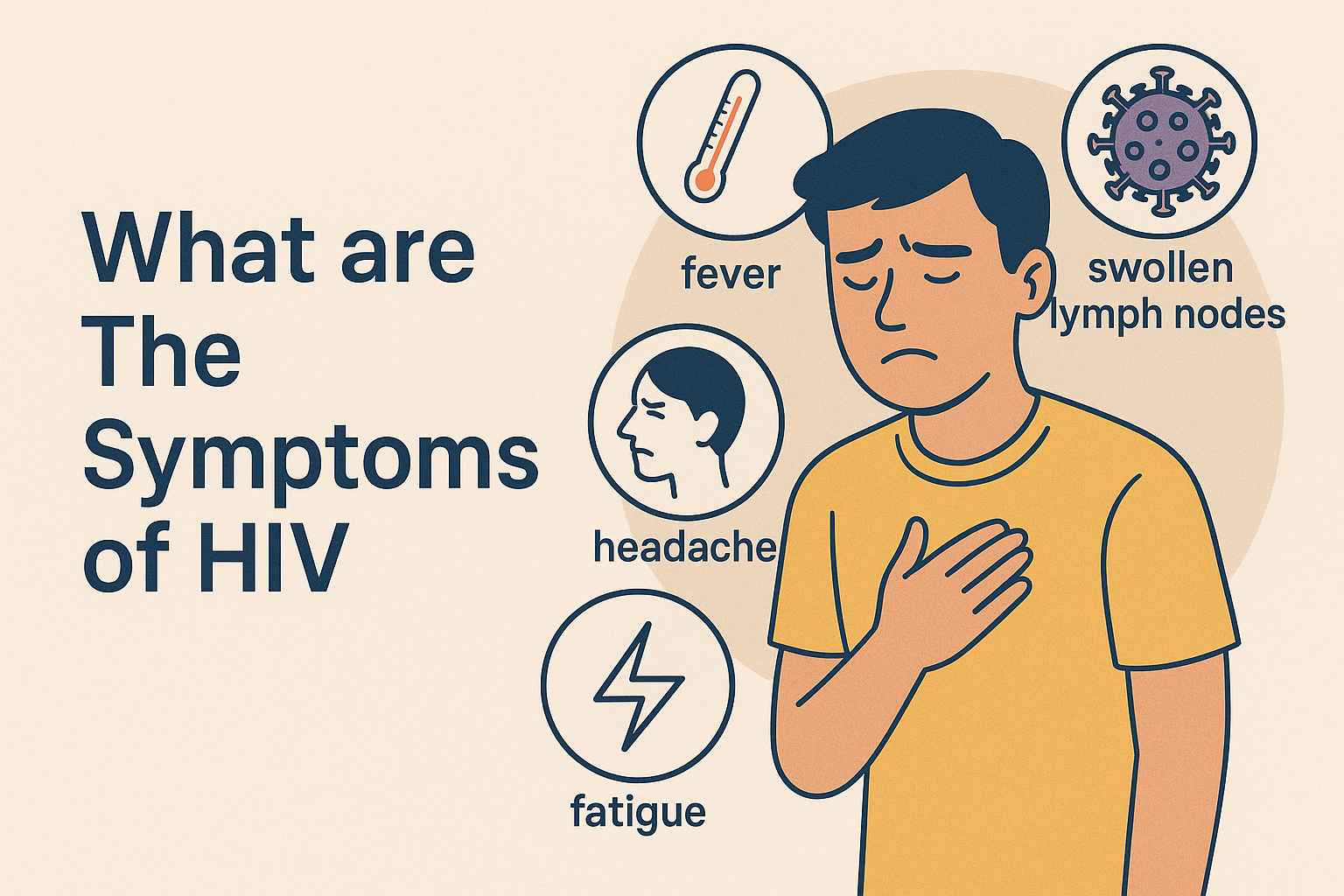
  • What are The Symptoms of HIV? When Do They First Appear?

    What are The Symptoms of HIV? When Do They First Appear?

    Symptoms of HIV image

    What is HIV or human immunodeficiency virus?

    Human immunodeficiency virus (HIV) has infected millions of people around the world. HIV infection causes the immune system to deteriorate continuously, eventually leading to acquired immunodeficiency syndrome (AIDS).

    HIV, a type of RNA virus, on entering the body, attacks and destroys CD4 T lymphocytes. CD4 cells help fight against infection. The average CD4 cell count is 500-1500 cells/mm3. When the CD4 cell count decreases below 200 cells/mm3, it can indicate AIDS.

    How does HIV pass from one person to another?

    • Unprotected sexual intercourse
    • Infected blood through infected needles, infected syringes, and rarely through blood transfusion
    • Organ transplant
    • Mother to infant during pregnancy, delivery or breastfeeding
    • How does the body react to HIV infection?

    The virus has a varied effect on each person’s body. Some people may not have any symptoms. Symptoms of HIV vary depending on the stage of infection. The presence of HIV does not always imply the existence of AIDS.

    Stages of HIV symptoms

    Stage 1: Acute HIV infection

    During this time, the infection is contagious. In the initial 2 to 4 weeks of infection, the symptoms of HIV may resemble flu-like symptoms:

    • Fever
    • Fatigue
    • Body ache
    • Sore throat
    • Chills
    • Mouth ulcers
    • Rashes
    • Night sweats
    • Swollen glands
    • Nausea
    • Vomiting

    Stage 2: Asymptomatic stage

    After the initial stage, you may not show any symptoms of HIV for years. You can feel healthy throughout this time. As a result, you may be unaware that you have been infected. During this phase, however, the virus will continue to multiply and impair the immune system. If the prescribed HIV treatment regimen is followed, you may never reach Stage 3.

    Stage 3: Acquired immunodeficiency syndrome (AIDS)

    HIV infection affects your immune system and makes you susceptible to opportunistic infections or other serious illnesses. Harmful bacteria, fungi and viruses can cause more frequent and severe infections.

    Symptoms of HIV in this stage include:

    • Rapid weight loss, greater than 10% from baseline
    • Fever that lasts over a month
    • Diarrhoea that lasts over a week
    • Night sweats
    • Recurrent infections: bacterial, viral and fungal
    • Cough
    • Mouth ulcers
    • Oral thrush, or white patches in the mouth
    • White patches on the tongue
    • Skin problems: red, purple, brown or pinkish marks on or under the skin, warts, impetigo (red, itchy sores that form yellow scabs), shingles (painful rashes in groups)
    • Loss of memory
    • Depression
    • Pneumonia
    • Life-threatening conditions: tuberculosis, cryptococcus meningitis, serious bacterial infections, cancer

    Many people do not progress to this stage with timely and appropriate treatment. Without HIV medication, people with AIDS usually live for three years or less.

    Is there a difference between symptoms and signs of HIV between genders?

    Although most of the symptoms of HIV are similar in men and women, some are gender-specific.

    HIV symptoms in women

    • The symptoms are noted in the later stages of the condition.
    • Changes in the menstrual cycle: lighter or more bleeding, skip cycles, severe PMS
    • Belly pain
    • Pain during penetrative sex
    • Unusual discharge from the vagina

    HIV symptoms in men

    • Reduced sex drive
    • Ulcers on the penis and anus
    • Burning sensation while urinating
    • Belly and lower back pain
    • Bloody urine
    • Pain during ejaculation

    HIV testing

    Given that symptoms of HIV may not manifest for several years, an HIV test is the only way to determine if you are infected. If you suspect HIV exposure, seek medical attention as soon as possible. Post-exposure prophylaxis can be started immediately as soon as you get diagnosed.

    There are various tests with a specific window for testing. Your doctor will determine which test is best for you.

    How to live healthy with HIV?

    The human body cannot remove the HIV virus. Fortunately, anti-retroviral therapy (ART) can lower the viral load in your body. You can stay healthy if you combine this with a healthy lifestyle.

    Consultation with a doctor is a must if you experience symptoms of HIV infection. An early consultation with the right medication may help prevent extreme outcomes of HIV infection as well.

    Buying medicines is now simpler. With Medkart, you get the best prices and doorstep delivery! Visit Medkart today!

    FAQs related to HIV

    1. Does HIV spread by being around an infected person?

    No, it doesn’t. You can only contract the HIV virus by having unprotected sex with someone who has the virus or by sharing a needle with them.

    2. How do I deal with being HIV positive?

    Follow your doctor’s advice and medications. Talk to friends and family and join self-help groups.

    3. Do symptoms of HIV develop immediately after infection?

    No, HIV infection can remain latent for several years. As a result, symptoms of HIV may not develop immediately after infection.

  • Can Thyroid Disorders Be Managed By Lifestyle Changes?

    Can Thyroid Disorders Be Managed By Lifestyle Changes?

    Thyroid Disorders image

    Thyroid disorders are prevalent across the world. They make up a significant portion of all endocrine conditions. Research says thyroid diseases affect nearly 42 million people in India. The common causes of thyroid-related health conditions are – lifestyle, diet, eating habits, stress, iodine deficiency, autoimmune diseases, etc.

    ​Studies suggest that making lifestyle changes, such as maintaining a healthy body weight, exercising, eating right, and sleeping well, play a crucial role in thyroid management. Although thyroid disorders are often lifelong, you can manage them by modifying your diet and lifestyle alongside medication.

    Read on to learn about the changes you can incorporate into your daily routine to keep thyroid issues at bay. However, before moving on, let us get to know more about the thyroid gland.

    The thyroid gland and its function

    The thyroid gland is a butterfly-shaped gland that sits at the base of your neck. It constitutes a significant part of your endocrine system and produces three vital hormones T3, T4, and calcitonin. These hormones regulate your metabolism and other bodily functions.

    When this gland secretes too little or too high amounts of these hormones and develops inflammation or outgrowths, it may indicate thyroid disorders.

    List of Thyroid disorders

    Some of the most common thyroid-related conditions include the following:

    1. Hypothyroidism: The thyroid gland produces less than normal amounts of hormones
    2. Hyperthyroidism: The thyroid gland releases excess amounts of hormones
    3. Thyroid tumours: Non-cancerous outgrowths on the thyroid gland
    4. Hashimoto’s thyroiditis: An autoimmune condition that damages the thyroid gland leading to hypothyroidism and goitre (enlarged thyroid gland).

    Lifestyle changes to incorporate For Proper Management of thyroid disorders

    Lifestyle changes to manage thyroid disorders

    1. Tame your stress levels.

    Your thyroid works as a team with your adrenal gland (located on the top of your kidneys). When you are stressed, the adrenal gland releases cortisol, a stress hormone. When cortisol level goes up in your blood, it is likely to interfere with thyroid hormone secretion. Thus, to keep thyroid disorders at bay, it is crucial to manage your stress and anxiety levels. Including activities like yoga, meditation, and morning or evening walks can help.

    2. Too much sugar can be bitter on your thyroid gland.

    Excessive sugar intake may cause inflammation in your body, which eventually affects the conversion of T4 to T3. To kick-start your metabolism, your body needs to convert T4, the inactive hormone, to T3, the active one. When you have inflammation, the conversion of T4 to T3 slows down. This worsens the signs and symptoms of hypothyroidism. Therefore, cut down on your sugar intake to ensure a healthy thyroid gland.

    3. A healthy and iodine-rich diet can help maintain your thyroid gland function

    Your thyroid function largely relies on iodine. If your diet does not contain adequate iodine, you may develop hypothyroidism or goitre. Therefore, you need to include iodine-rich foods in your diet. These include dairy products, seaweed, shrimp, tuna, etc. However, if you suffer from hyperthyroidism, you may be prescribed a low-iodine diet. To help you maintain a healthy weight, eat fresh fruits, vegetables, whole grains, and lean protein. If you suffer from hypothyroidism, avoid soy-based foods; vegetables like cabbage, cauliflower, and broccoli; and frozen and processed food.

    4. Physical fitness is the way to good health

    Physical fitness is an important aspect of maintaining your health. So, whether you have a thyroid disorder or not, regular exercise can be beneficial. It helps improve your muscle mass, strength, cardiovascular health, and mood. When it comes to managing symptoms of a thyroid-related condition, cardio exercises are the safest bet. However, make sure to consult your doctor before starting any particular workout regime.

    To sum up

    If you have been diagnosed with thyroid disease, which is a chronic condition, do not worry. You can control your symptoms and lead a healthy and happy life with proper medication and lifestyle changes. Follow a healthy diet, exercise in moderation but regularly, and manage your stress levels with yoga and meditation. Consult your doctor routinely and take your prescribed medicines at the same time each day.

    To order your thyroid medications online, visit Medkart, India’s leading and most trusted online pharmacy that sells generic medicines at competitive prices. Visit their website to Know more about my Medicines and place your orders on the Medkart App.

    Frequently Asked Questions related Thyroid disorders

    1. What foods to steer away from if you have a thyroid disorder?

    If you suffer from hypothyroidism, to manage the health of your thyroid gland, you need to avoid certain food products. These include the following:

    • Cruciferous vegetables
    • Soy-based foods
    • Frozen meats
    • Processed foods

    If you suffer from hyperthyroidism you may have to follow a low-iodine diet and avoid foods like:

    • cheese
    • milk
    • eggs
    • iodized salt
    • saltwater fish

    2. Is drinking alcohol advisable if you have a thyroid disorder?

    Excessive alcohol intake can affect your thyroid function to a great extent. Therefore, it is wise to avoid it and drink occasionally in moderation if you have to.

    3. Which gland produces the Thyroid Stimulating Hormone (TSH)?

    Your pituitary gland produces the TSH. As the name suggests, it stimulates your thyroid gland to secrete T4 and T3 hormones.

  • High Blood Pressure(Hypertension) in Young | Reasons and Treatment

    High Blood Pressure(Hypertension) in Young | Reasons and Treatment

    High Blood Pressure in Young

    High Blood Pressure (Hypertension)

    Hypertension is a medical term used to describe high blood pressure. It is a common condition that affects millions of people around the world. It can affect people of all ages, including young adults and children.

    Many factors can contribute to hypertension, including lifestyle choices, genetics, and underlying health conditions. In some cases, it can be challenging to determine the causes of high blood pressure in young adults. However, treatments available can help lower blood pressure and reduce the risk of complications.

    What is hypertension and how does it affect young adults?

    The main difference between high blood pressure in young adults and older adults is that in the case of high blood pressure at a young age, diastolic BP (lower BP) is greater in contrast to systolic BP (upper BP), whereas in older adults, it is the opposite. Hypertension in young adults is frequently considered dangerous because it typically develops over time without warning signs.

    ​7 High blood pressure facts you should be aware about | Hypertension​

    Symptoms of hypertension in young people

    Several symptoms can be seen due to hypertension in young adults, which can vary depending on the severity of the condition. In some cases, young people with hypertension may experience no symptoms. In other cases, the following symptoms may be present:

    • Headaches
    • Dizziness
    • Nausea or vomiting
    • Vision problems
    • Fatigue or weakness
    • Chest pain or tightness

    If you are experiencing any of these symptoms, it is essential to see your doctor so that they can properly diagnose and treat your condition.

    Generic Medicines in India and How to Identify Generics

    Causes of high blood pressure in young adults

    Causes of hypertension in young adults include the following:

    • Genetics: High blood pressure can be hereditary.
    • Obesity: Being obese or overweight can increase the risk of developing high blood pressure.
    • Poor diet: A diet low in fruits and vegetables and high in salt can lead to hypertension. Obesity and a high-calorie diet lead to artery narrowing, high blood pressure, and high blood sugar and cholesterol deposits.
    • Lack of exercise: A sedentary lifestyle (i.e., lack of movement) raises the risk of developing hypertension.
    • Substance abuse: Using illegal drugs, alcohol, and smoking tobacco can all increase the risk of developing high blood pressure.
    • Chronic stress: Long-term stress can cause blood pressure to rise.

    High blood pressure can be brought on by sleep apnea, a sleeping disorder in which your breathing repeatedly pauses and resumes.

    Disorders of the adrenal glands: The adrenal gland produces hormones that control bodily functions such as heart rate, metabolism, and stress management. Disorders of the adrenal gland, like primary aldosteronism (i.e., overproduction of aldosterone), lead to an imbalance of potassium levels in the body and causes hypertension.

    How is hypertension treated in the young?

    Young adults with hypertension should aim for similar treatments as other age groups. Hypertension in young adults can be treated in several ways, including lifestyle changes, medications, or a combination of both.

    Some of the lifestyle changes for hypertension in young adults include :

    • Maintaining a healthy diet that includes plenty of fruits, vegetables, and whole grains
    • Exercising regularly
    • Maintaining a healthy body weight
    • Limiting alcohol consumption
    • Quitting smoking
    • Reducing stress
    • Medication may be prescribed if lifestyle modifications are insufficient to control blood pressure. Drug classes frequently prescribed include beta-blockers, calcium channel blockers, ACE inhibitors, and diuretics.

    Conclusion

    Hypertension, or high blood pressure, can occur in people of any age, including young adults. However, the causes of hypertension in young patients can differ from those in older patients. It is important to check your blood pressure regularly if hypertension is a common lifestyle disease in your family. Also, avoid excess salt and processed food and maintain an active lifestyle. Working with your doctor to create a treatment plan that works for you is also important. Understanding the causes of high blood pressure in young adults is the first step toward managing the condition.

    Medkart pharmacy is India’s most trusted medicine store to buy generic medicines at competitive prices. Log on to Medkart for all your medicines today!

    FAQs related high blood pressure in young

    1. What are the symptoms of hypertension in young adults?

    The symptoms of hypertension in young adults can vary depending on the severity of the condition. In some cases, young people with hypertension may experience no symptoms. In other cases, symptoms such as headaches, dizziness, nausea or vomiting, vision problems, fatigue or weakness, and chest pain or tightness may be present.

    2. What are the reasons why young people are at risk for hypertension?

    There are many causes of high blood pressure in young adults. Genetic factors, increasing obesity due to poor lifestyle factors such as processed foods, and alcohol consumption put you at risk of hypertension.

    4. What are the complications of hypertension?

    In many cases, hypertension has no symptoms and is only discovered during a routine medical checkup. However, if left untreated, high blood pressure at a young age can lead to serious health complications such as heart disease, stroke, and kidney failure.

  • Types of Cardio exercises and 5 health benefits of cardio workout with tips

    Types of Cardio exercises and 5 health benefits of cardio workout with tips

    Nowadays, many youngsters hit the gym to get a desire body. Exercise becomes a part of those people’s life who wants to get in shape. But anyone knows that other than a sculptural building, physical activity provides fitness and health too. People who are thin or have an excellent body naturally do not prefer to do exercise as they believe they do not need it. But every one of us since birth needs muscle movements for growth and healthy blood circulation. For example, small babies get full body massage immediately after some days of birth so their bodies can grow better and blood reaches to every corner of the body quickly. Even in specific injuries, people are being recommended to perform physiotherapy. So from infants to older people, everyone has to do exercise for good health.

    benefits of cardio workout

    Types of cardio workout for healthy life 

    1) Running

    Running is a popular form of cardio exercise that can be done almost anywhere. It’s a high-impact exercise that can help to improve cardiovascular health, burn calories, and improve endurance.

    2) Cycling

    Cycling is a low-impact exercise that can be done indoors or outdoors. It’s a great way to improve cardiovascular health, burn calories, and tone the lower body.

    3) Swimming

    Swimming is a low-impact exercise that can help to improve cardiovascular health, build endurance, and tone the entire body. It’s also a great option for people with joint pain or injuries.

    4) Jumping Rope

    Jumping rope is a high-impact exercise that can help to improve cardiovascular health, burn calories, and improve coordination. It’s a great option for people who want to exercise at home and don’t have access to a gym.

    5) High-Intensity Interval Training (HIIT)

    High-intensity interval training (HIIT) is a form of cardio exercise that involves short bursts of high-intensity exercise followed by periods of rest. It’s a great way to burn calories and improve cardiovascular health in a short amount of time.

    High-Intensity Interval Training

    Benefits of cardio exercises 

    Regular exercises maximize not only breathing but also heart rate and, ultimately, it leads to increased blood flow and oxygen to muscles and heart. Also, gradually, the capacity of our heart increases to pump faster, which makes the heart strong. Blood vessels of the body widen to supply more blood towards muscles and the heart. Certain hormones start to release and keep the body healthy.

    Simple walking cannot do the changes mentioned above; an exercise that increases heart rate and breathing can make us healthy. They are known as cardio exercises that can be Aerobic, Zumba, gym workout, jogging, swimming, dancing, and so on. There are many key benefits of being active:

    1. Improves immunity and endurance:

    Cardio, in any form, helps to enhance the immune system. Regular exercise improves lymphatic drainage, which is responsible for removing toxins from the body, ultimately resulting in a good immune system. Also, regular physical activities increase immunoglobulins in the body which are antibodies that strengthen the immune system. Make you less prone to viral diseases like cold and flu.

    Besides, regular exercise releases hormones called endorphins into the blood and energize your body for the whole day. This energy improves the strength and stamina of the body. When one exercise regularly, after specific periods, total body endurance improves. The capacity to work for long hours increases without feeling tired as lung capacity also increases.

    2. Reduces the risk of diseases/ manage diseases:

    Nowadays, many of us suffer from BP, diabetes, cholesterol, and other age-related or stress-related medical problems. However, with the help of cardio, one can not only control the advancement of such diseases but also reduce the risk of developing them in healthy bodies. For example, regular exercise enhances insulin release and sugar digestion. It also lowers blood pressure by making the heart strong. Healthy people who have not yet become the victim of such diseases can keep them at bay by doing cardio.

    Additionally, constant exercise improves bone density, which, in return, reduces the risk of osteoporosis. Exercise improves pain tolerance which becomes beneficial for arthritis patients. Physiotherapy is always recommended to arthritis patients as it helps them to deal with chronic pain. Also, skin health improvement has been noticed due to cardio. So this way, exercise helps in combating many diseases.

    3. Improves mental health:

    Cardio acts as tranquilizer to many people, as it increases happy hormones called serotonin and epinephrine. So exercise regularly can cure depression, relieve anxiety issues, and make a happier mental state.

    Exercise has been proven vital for patients with Alzheimer’s disease and schizophrenia. This is because exercise increases blood flow and oxygen supply to the brain which enhances brain cell growth hormones, especially the hippocampus. This way, it improves memory and brainpower. Also, daily physical activity boosts cognitive performance. If one does cardio regularly, he or she can not only make a peaceful mental state but also keep away her/himself from stress-related diseases.

    4. Strengthens Cardiovascular health:

    Cardiovascular health is directly related to the heart. The heart is the most important muscle of the body. Cardio, as the name suggests, is most advantageous to the heart muscle. Regular cardio makes a heart strong to pump more blood without fatigue or increased heart rate.

    Also, exercise helps to clear plaque accumulation by raising good/HDL cholesterol levels. It also reduces bad/LDL levels and makes the cardiovascular system healthy.

    5. Promotes Quality Sleep:

    If someone has a problem with sleep, doctors always advise them to do cardio during the day or at least two to three hours before bedtime. Exercise reduces stress levels and anxiety. It makes the body relax lowers cortisol levels and helps you to fall asleep faster.

    Daytime exercise makes you tired at the end of the day and gives you deep sleep. Also, cardio is done two hours before sleeping causing a temperature rise at the moment, and after two, a drop in temperature triggers sleepiness. This way, the quality of sleep improves which is beneficial to overall wellbeing.

    Role of good sleep, workout and healthy diet in living a healthy life

    How to Perform Cardio Workouts Easily

    1) Choose the Right Exercise

    The first step in performing a cardio workout is to choose the right exercise. There are many different types of cardio exercises, Some popular cardio exercises include running, cycling, swimming, and jumping rope.

    2) Warm Up

    Before you start your cardio workout, it’s important to warm up your muscles. A good warm-up should last between 5 and 10 minutes and should include dynamic stretching exercises such as jumping jacks, lunges, or leg swings. A warm-up helps to increase blood flow and oxygen to the muscles, making them more pliable and less prone to injury.

    3) Set a Goal

    Setting a goal is important for any workout, including cardio workouts. Having a goal in mind can help you stay motivated and focused during your workout. Your goal may be to run a certain distance, cycle for a certain amount of time, or burn a certain number of calories.

    4) Start Slow

    It’s important to start slow when performing cardio workouts, especially if you’re new to exercise or haven’t worked out in a while. Begin at a low intensity and gradually increase your speed and intensity as your fitness level improves.

    5) Incorporate Intervals

    Interval training is a great way to boost your cardio workout’s intensity and burn more calories. Interval training involves alternating between high-intensity exercise and low-intensity exercise. For example, you might sprint for 30 seconds and then walk for 30 seconds.

    6) Monitor Your Heart Rate

    Monitoring your heart rate during a cardio workout is essential to ensure that you’re exercising at the right intensity. Your target heart rate should be between 50% and 85% of your maximum heart rate. To calculate your maximum heart rate, subtract your age from 220.

    7) Cool Down

    After you’ve completed your cardio workout, it’s important to cool down your muscles. A good cool-down should last between 5 and 10 minutes and should include static stretching exercises such as hamstring stretches

    Monitor Your Heart Rate

    Tips for Success in exercise routine

    1) Consistency is Key

    Consistency is the key to success when it comes to cardio workouts. Engaging in regular cardio workouts, at least three to four times a week, is essential to see results.

    2) Mix It Up

    Mixing up your cardio workouts can help to prevent boredom and keep your body challenged. Try different exercises, intensity levels, and durations to keep your workouts interesting and effective.

    3) Listen to Your Body

    Listening to your body is essential when performing cardio workouts. If you feel pain or discomfort, stop and rest. It’s also important to stay hydrated and fuel your body with healthy foods.

    4) Set Realistic Goals

    Setting realistic goals is important to stay motivated and achieve success. Start with small, achievable goals and gradually increase the intensity and duration of your workouts as your fitness level improves.

    Conclusion

    Exercise provides fantastic benefits to the body from the inner level to the pouter levels. Regular cardio, in any form- sports, aerobics, cycling, and jogging can give you a happy, healthy, active, and successful life by making the above-mentioned healthy changes to the body.

    1) benefits of doing cardio exercise every day.

    Regular cardio exercise, done daily, offers a multitude of benefits such as improved heart health, weight loss, reduced stress levels, boosted energy levels, and improved lung function. It also helps to increase endurance, improve sleep, reduce the risk of chronic diseases, and promote overall physical and mental wellbeing.

    2) why is cardio good for your heart?

    Cardio exercises increase the heart rate, which in turn improves blood flow and strengthens the heart muscle. This helps to reduce the risk of heart disease, lower blood pressure, and improve cholesterol levels. It also increases the heart’s ability to pump oxygen and nutrients to the body’s tissues.

    3) what does cardio do to your muscles?

    Cardio exercises primarily target the cardiovascular system, but they also have an impact on muscles. It improves endurance, increases oxygen and nutrient delivery to muscles, and enhances the ability to use stored energy. It can also lead to a reduction in muscle mass if combined with a calorie deficit diet. However, resistance training is more effective in building and maintaining muscle mass.

    4) benefits of cardio during weight loss

    Cardio exercises are beneficial during weight loss as they burn calories and promote fat loss. It also helps to maintain muscle mass, increases metabolism, reduces appetite, and improves mood. Regular cardio workouts can lead to sustainable weight loss and a healthy body composition.

    5) 10 benefits of aerobic exercise?

    • Improves Heart Health – Aerobic exercise strengthens the heart, improving its ability to pump blood and reducing the risk of heart disease.
    • Weight Loss – Aerobic exercise burns calories, aiding in weight loss and promoting a healthy body composition.
    • Increased Stamina – Regular aerobic exercise improves endurance, making daily activities easier.
    • Reduced Stress – Aerobic exercise releases endorphins, reducing stress and promoting a better mood.
    • Improved Lung Function – Regular aerobic exercise strengthens the lungs, increasing oxygen delivery to the body.
    • Better Sleep – Aerobic exercise promotes better sleep quality, improving overall health.
    • Reduced Risk of Chronic Diseases – Regular aerobic exercise can reduce the risk of chronic diseases such as diabetes, obesity, and hypertension.
    • Increased Immune Function – Aerobic exercise can improve immune function, helping to fight off infections.
    • Enhanced Cognitive Function – Regular aerobic exercise can improve cognitive function, including memory and attention.
    • Longer Life – Studies have shown that regular aerobic exercise can increase lifespan by reducing the risk of chronic diseases and promoting overall health.