

Category: Health & Wellness

  • Thyroid function tests – What are they and what do the tests mean?

    Thyroid function tests – What are they and what do the tests mean?

    thyroid function test

    Importance of the thyroid gland

    The thyroid gland is about two inches long and lies on either side of the windpipe. It seems tiny, doesn’t it? But this tiny gland produces the hormones thyroxine (T4) and triiodothyronine (T3), which are absolutely critical for the proper functioning of your body.

    It controls metabolic processes in the body, for instance, your heart rate, blood pressure, and even body weight. If this little gland begins to malfunction – becoming underactive or overactive – you can develop hypothyroidism or hyperthyroidism, respectively.

    ​More than 42 million Indians are affected by a malfunctioning thyroid. But once diagnosed, thyroid disorders can be treated, which is why thyroid function tests are important.

    What is a thyroid function test? And what do the results mean?

    Thyroid function tests are blood tests done to evaluate the working of the thyroid gland. The types of thyroid tests are T3, TSH, and T4.

    T4 or thyroid-stimulating hormone (TSH) tests is a broad thyroid function test. If the results come back abnormal, a doctor usually orders further tests to understand the underlying problem.

    The TSH test is often done first because it’s the best way to determine thyroid function initially. It determines hypothyroidism or hyperthyroidism.

    The TSH test measures the level of thyroid-stimulating hormone in your blood. The normal thyroid function test range of TSH equals 0.4-4.0 milli-international units of hormone per litre of blood (mIU/L).

    The T4 test is otherwise known as the thyroxine test. In the thyroid test results chart, a high level of T4 indicates hyperthyroidism.

    Interpretation of thyroid function tests

    A TSH reading above 4.5 mIU/L indicates hypothyroidism and/or risk of hypothyroidism.

    Both T4 and TSH tests are routinely performed on newborns to see if the thyroid gland is underactive.

    If T4 tests show elevation, then the T3 test is ordered to check the triiodothyronine hormone levels. Excessive amounts of T3 indicate Grave’s disease, which is an autoimmune disorder. In the thyroid function test interpretation, low T3 levels indicate hypothyroidism.

    The thyroid function test normal values for total T4 levels in adults range from 5.0 to 12.0 μg/dL. A normal total T3 level in adults ranges from 80-220 ng/dL.

    T3 test results are often compared with T4 and TSH test results to help diagnose thyroid disease.

    How do you know you need a TSH test?

    Doctors may ask you to take a TSH test if your symptoms indicate abnormal levels of thyroid hormone in your blood.

    Symptoms of excessive thyroid hormone include:

    • Weight loss
    • Rapid heartbeat
    • Irregular heartbeat
    • Nervousness
    • Irritability
    • Trouble sleeping
    • Fatigue
    • Muscle weakness
    • Sweating
    • Frequent bowel movements
    • Goiter

    Symptoms of insufficient production of thyroid hormone include:

    What can affect the results of thyroid function tests?

    • Studies show that time of day and fasting can affect the thyroid test result chart. For example, if tests are done in the early morning after overnight fasting, they may exhibit higher TSH levels compared to a test done later in the day and with no fasting.
    • Lifestyle-related issues such as stress, lack of sleep, diet, and the menstrual cycle may also affect the thyroid test results.
    • Certain medications may alter your TSH levels. Medications such as Lithobid (lithium), Pacerone (amiodarone), and Iodine or kelp supplements are reported to affect thyroid test results.

    Conclusion

    Most thyroid problems are not life-threatening, but they can cause a variety of complications, including fatigue, weight gain or loss, hair loss, mood swings, and difficulty concentrating. If you suspect you have a thyroid problem, it’s important to see a doctor and get a thyroid function test done. There are many treatments available that can help you manage the symptoms and live a normal, healthy life.

    Maintaining your thyroid function may require you to take specific medications. Often, some medicines are difficult to source at your local stores. With Medkart, you can find generic medicines at the best prices at your convenience. Visit the Medkart website today to know more!

    FAQs

    1. Does the thyroid test need fasting?

    No, you don’t need special preparations like fasting for a thyroid function test.

    2. What are the symptoms of hyperthyroidism?

    Nervousness, irritability, anxiety, mood swings, muscle weakness, difficulty sleeping, and diarrhoea are some of the symptoms of an overactive thyroid.

    3. Can I drink water before the thyroid test?

    Yes, you can have water before a thyroid function test. In fact, there are no restrictions in terms of water or food before a thyroid function test.

    4. What foods are good for the thyroid?

    Salted nuts such as macadamia and hazelnuts are good sources of selenium, which supports thyroid functioning. Baked fish, dairy products like yoghurt and cottage cheese, and eggs are also recommended.

    5. What food should be avoided if I have thyroid problems?

    If you have thyroid problems, you should avoid eating foods that contain goitrogens, such as broccoli and cabbage. You should also avoid eating soy products, as they can also interfere with the functioning of your thyroid gland.
  • The Dos and dont’s of a Diabetic

    The Dos and dont’s of a Diabetic

    The Dos and dont's of a Diabetic

    Diabetes: why it matters

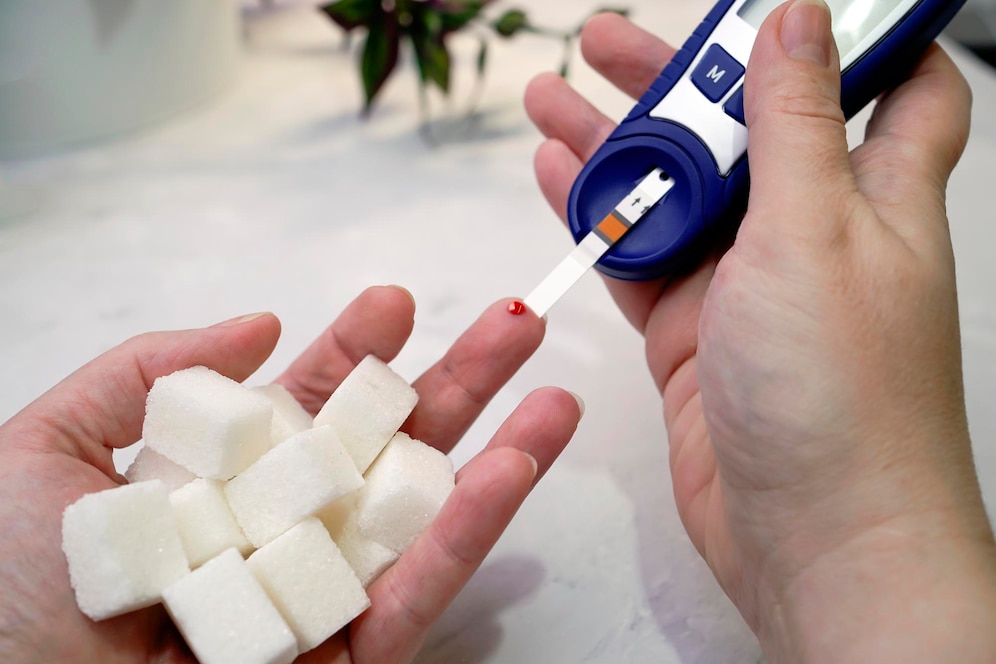
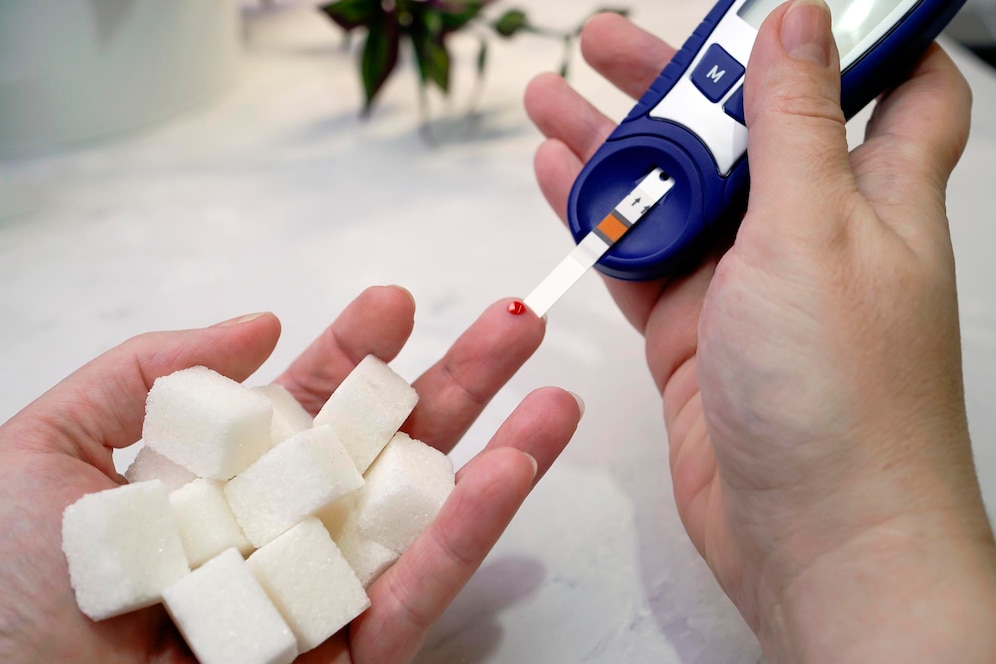
    Diabetes is a chronic disease that occurs when there is a high level of sugar in the blood. It can be caused by either too much sugar in the diet, or the body not producing enough insulin to properly metabolise the sugar. Over time, diabetes can lead to serious health complications like heart disease, stroke, kidney disease, and blindness.

    There are 537 million adults living with diabetes around the world. In India, there are 77 million people who have diabetes. So, let’s understand the dos and don’ts if you are a diabetic.

    Meal Timings

    DO understand the importance of meal timings

    For a diabetic, food timing is as important as the food they eat. Eating food at the right time boosts immunity, regulates sleep, aids digestion, and controls weight. Research suggests eating at regular intervals helps to maintain the blood sugar level. This helps avoid complications arising from diabetes.

    DON’T skip your meals

    Skipping meals tends to alter the balance between food intake and the production of insulin. This can lead to a dip in blood glucose levels, leading to conditions like hypoglycemia. Skipping meals also result in gastrointestinal side effects like nausea. Thus, this should be avoided at all costs if you are a diabetic.

    Lifestyle Habits

    DO exercise regularly

    Regular exercise improves blood sugar levels in those with type 2 diabetes. It promotes weight loss, which improves your overall well-being and keeps your blood glucose under control. It also reduces the chances of any cardiovascular complications as a result of uncontrolled sugar levels. Exercise boosts the body’s sensitivity to insulin, countering insulin resistance and other signs of diabetes.

    DON’T smoke and drink

    Smoking increases the chances of getting type 2 diabetes and its complications such as heart disease, eye disease, infections, stroke, and nerve damage. Alcohol can also interfere with your blood sugar levels.

    Parameters in control

    DO keep blood pressure under control

    Hypertension can damage your blood vessels, and when you team that up with uncontrolled diabetes, it can result in a heart attack or stroke. Switch to a healthy, low-fat, low-sodium diet. It can help control both your sugar levels and blood pressure. Checking your blood sugar levels daily also helps.

    DON’T miss regular check-ups

    Schedule regular diabetes checkups a year to ensure that your blood sugar levels are in control. Also, schedule yearly master health checkups and eye examinations. This helps you put the brakes on diabetes and its complications and get your health back on track.

    Pay Attention

    DO care for your eyes, teeth, and feet

    Diabetes may cause gum and foot infections as well as eye damage. Consult your dentist if your gums bleed or look red or swollen. Similarly, pay attention to your feet. High blood sugar can damage the nerves in your feet. If you notice any cuts or sores, speak to your doctor to prevent serious infections.

    DON’T lose sleep

    Lack of sleep can increase insulin resistance, which can in turn make it harder to control the blood sugar levels in a diabetic. If you have trouble sleeping, talk to your doctor about ways to improve your sleep habits.

    Meal choices

    DO develop healthy eating habits

    Get on a healthy-eating plan to control blood sugar, manage weight, and control heart disease and high blood pressure.

    Choose healthy carbohydrates, fibre-rich foods, and “good” fats. Stick to whole grains, legumes, low-fat milk and cheese, vegetables, nuts, and fruits, as these are some of the best foods for diabetes control. Salmon and mackerel must also be included on a diabetic food chart as these are rich sources of omega-3 fatty acids, which may prevent heart disease.

    DON’T eat unhealthily

    Avoid saturated fats such as those found in butter, beef, hot dogs, and palm oil; trans fats such as those found in processed snacks and baked goods; and foods with high sodium levels such as processed food.

    Conclusion

    Keeping your blood sugar levels under control can delay or prevent long-term, serious health problems, such as heart disease, kidney failure, and loss of vision. Diabetes is a lifelong condition. Although it cannot be cured, it can be managed with a positive attitude, a healthy diet, and regular exercise.

    Managing diabetes occasionally requires medical intervention. With the right lifestyle choices and safe medications, you can manage diabetes with ease. For the best generic medicines at competitive prices, visit the Medkart website today!

    FAQs

    1. What foods and drinks should I avoid if I have diabetes?

    Diabetics should avoid processed and fried foods and foods high in saturated fat, trans fat, and sodium. Also, avoid beverages with added sugars, such as soda, sweetened fruit juice, and sports, or energy drinks.

    2. What are the signs of diabetes?

    Frequent urination, increased thirst, unexplained weight loss, blurry vision, tingling in the hands or feet, fatigue, and dry skin are some of the signs of diabetes.

    3. Which breakfast is good for diabetics?

    Eggs, Greek yoghurt, oatmeal, whole grain toast, cottage cheese, fruits, and nuts make for a good nutritious breakfast in a diabetic food chart.

    4. What is the difference between diabetes mellitus and diabetes insipidus?

    Diabetes mellitus is a condition that occurs when the body does not regulate blood sugar levels. Diabetes insipidus occurs when the body cannot regulate fluids. The condition is caused by an imbalance of hormones and is not necessarily related to type 1 or 2 diabetes.

    5. Is potato good for diabetes?

    A diabetic can consume potatoes in moderation. Potatoes contain starch which takes a longer time to be broken down.

  • 7 Best Fatty Liver Diet to Follow | Liver Diet Guide

    7 Best Fatty Liver Diet to Follow | Liver Diet Guide

    Best Fatty Liver Diet to Follow

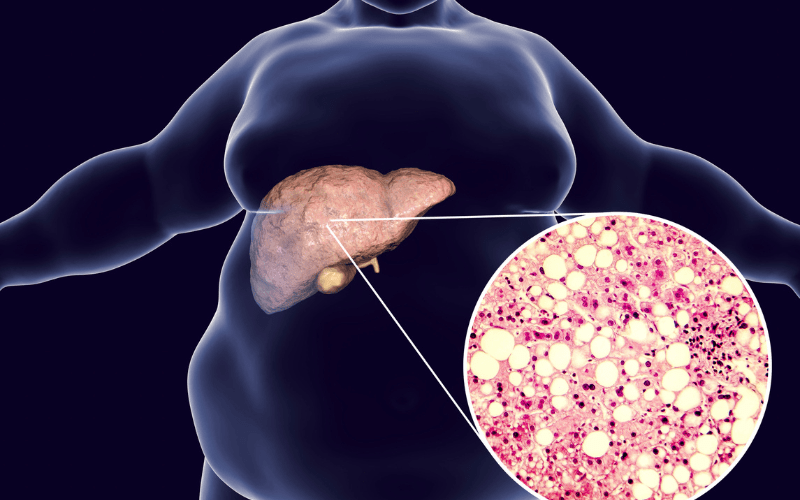
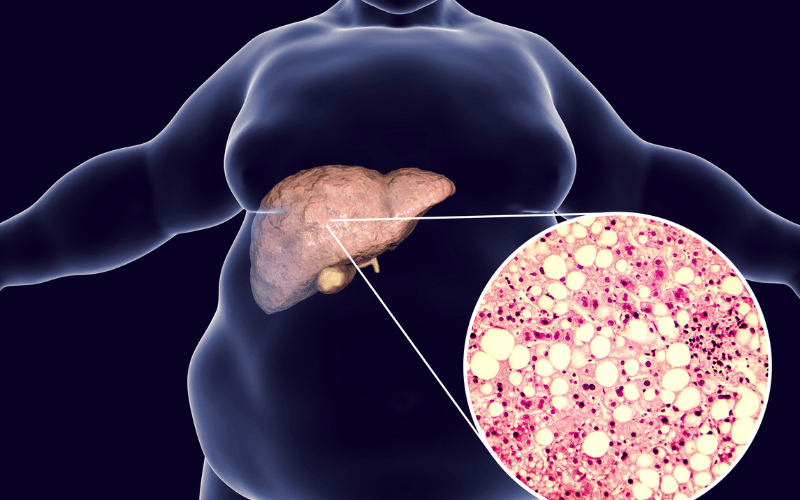
    Fatty liver is a condition where fat accumulates in the liver cells, leading to inflammation and damage to the organ. This condition is becoming increasingly common due to the unhealthy lifestyle choices people make. While in the early stages the condition is reversible, it can lead to serious complications like liver cirrhosis and liver failure if not treated on time. One of the most effective ways to manage and treat fatty liver is through dietary changes. In this article, we will discuss the 7 highly effective diet tips for fatty liver.

    What is Fatty Liver?

    Hepatic steatosis, another name for fatty liver, is a disorder where fat builds up in the liver cells. In a healthy liver, a small amount of fat is present, but when the fat content exceeds 5-10% of the liver’s weight, it is considered a fatty liver. The condition is more common in people who consume excessive alcohol, have diabetes, are obese, or have high cholesterol or triglycerides.

    Causes of Fatty Liver

    The main cause of fatty liver is an unhealthy lifestyle, which includes excessive alcohol consumption, a high-fat diet, and a sedentary lifestyle. Other factors that can lead to the condition are obesity, diabetes, high cholesterol, and metabolic syndrome. Certain medications and medical conditions like hepatitis C and Wilson’s disease can also lead to fatty liver.

    Symptoms of Fatty Liver

    In the early stages, fatty liver may not cause any symptoms, and it is often discovered during routine medical check-ups. The following signs may develop as the illness worsens:

    • Fatigue
    • Weakness
    • Weight loss
    • Abdominal pain and swelling
    • Jaundice
    • Confusion
    • Itchy skin

    Importance of Fatty Liver Diet

    Diet plays a crucial role in managing and treating fatty liver. A healthy diet can help reduce inflammation and the accumulation of fat in the liver cells. It can also help improve insulin resistance, which is a common cause of fatty liver. A healthy diet can also help lower cholesterol levels and maintain a healthy weight.

    7 Highly Effective Fatty Liver Diet Tips 

    Fatty Liver diet diet is an essential part of managing liver disease, and here are some highly effective fatty liver diet tips:

    • Eat a balanced diet: A balanced diet that includes whole grains, fruits, vegetables, lean protein, and healthy fats is essential for managing fatty liver. Avoid fried foods, processed foods, and sugary beverages.
    • Increase fiber intake: Fiber-rich foods like fruits, vegetables, and whole grains can help reduce inflammation and improve insulin resistance.
    • Limit alcohol consumption: Alcohol is a major contributor to fatty liver. Avoid alcohol or limit consumption to one drink per day for women and two drinks per day for men.
    • Choose healthy fats: Healthy fats like those found in nuts, seeds, and fatty fish can help reduce inflammation and improve liver function.
    • Avoid saturated and trans fats: Saturated and trans fats found in processed foods, fried foods, and high-fat meats can increase inflammation and contribute to fatty liver.
    • Drink plenty of water: Drinking plenty of water can help flush out toxins from the liver and improve liver function.
    • Avoid added sugars: Added sugars found in sweets, desserts, and sugary drinks can contribute to fatty liver and increase inflammation.

    Foods to Avoid with Fatty Liver

    When you have fatty liver disease, it’s important to avoid certain foods that can contribute to liver damage and inflammation. Here are some foods to avoid with fatty liver disease:

    • Fried foods: Fried foods are high in unhealthy fats and can contribute to the accumulation of fat in the liver. Stay away from fried items like onion rings, fried chicken, and fries.
    • Sugary foods and drinks: Sugary foods and drinks like candy, soda, and baked goods can lead to weight gain and contribute to liver damage. Choose low-sugar options or limit your intake of these foods.
    • Processed meats: Processed meats like bacon, sausage, and deli meat are high in saturated fat and can contribute to liver damage. Leaner protein options to choose from include tofu, fish, and chicken.
    • High-fat dairy products: High-fat dairy products like cheese and whole milk are high in saturated fat and can contribute to liver damage. Instead, pick low- or no-fat dairy products.
    • Alcohol: Excessive alcohol consumption is a leading cause of fatty liver disease and can lead to liver damage and inflammation. Avoid alcohol or limit your intake to one drink per day for women and two drinks per day for men.
    • Salt: Consuming too much salt can lead to fluid retention and contribute to liver damage. Avoid adding salt to your food and choose low-salt options when available.
    • Foods that have been processed and packaged: Foods that have been processed and packed frequently contain a lot of salt, sugar, and bad fats. Choose whole, unprocessed foods whenever possible.

    Remember, a healthy diet is an essential part of managing fatty liver disease. Work with your healthcare provider and a registered dietitian to develop a personalised diet plan that includes foods to avoid with fatty liver and meets your individual needs and health goals.

    Best Medication for Fatty Liver

    Fatty liver disease can be a serious condition that requires treatment to prevent further liver damage. While diet and lifestyle changes are the first line of defence, medication can also be helpful in managing the condition. Here are some of the best medication for fatty liver disease.

    1. Vitamin E: Vitamin E is an antioxidant that can help reduce inflammation and damage in the liver. It is considered one of the best medications for fatty liver disease, especially in people with non-alcoholic fatty liver disease (NAFLD). Studies have shown that vitamin E can improve liver function and reduce the severity of liver disease in some patients.
    2. Metformin: one of the fatty liver medicineMetformin is a medication commonly used to treat type 2 diabetes, but it can also be helpful in managing fatty liver disease. It works by reducing insulin resistance, which can improve liver function and reduce the amount of fat in the liver. It is considered one of the best medications for fatty liver disease in people with diabetes.
    3. Ursodeoxycholic acid (UDCA): UDCA is a medication that can be used to treat certain types of liver disease, including fatty liver disease. It works by reducing the amount of bile acids in the liver, which can help reduce inflammation and damage. It is considered one of the best medications for fatty liver disease in people with primary biliary cirrhosis (PBC) or primary sclerosing cholangitis (PSC).

    It’s important to note that while the best medication for fatty liver can be helpful in managing liver disease, it should always be used in conjunction with diet and lifestyle changes. It’s also important to work with a healthcare provider to determine the best course of treatment for your individual situation. By following a comprehensive treatment plan that includes medication, diet, and lifestyle changes, you can effectively manage fatty liver disease and reduce your risk of further liver damage.

    Exercise for Fatty Liver

    When there is an excessive buildup of fat in the liver, fatty liver disease develops. This can lead to inflammation, scarring, and even liver damage if left untreated. One way to manage and even reverse fatty liver disease is through exercise. Here are some exercises that can be helpful for people with fatty liver disease.

    1. Aerobic exercise: Aerobic exercise, such as walking, jogging, swimming, or cycling, can help burn fat and improve cardiovascular health. Additionally, it can enhance liver function and lessen liver inflammation. On most days of the week, try to get in at least 30 minutes of moderate-intensity aerobic activity. Regular exercise can be one of the best ways to manage fatty liver disease through physical activity.
    2. Resistance training: Resistance training, such as weightlifting, can help increase muscle mass and improve insulin sensitivity. This can be particularly helpful for people with non-alcoholic fatty liver disease (NAFLD), as insulin resistance is a common feature of this condition. Focus on all of the major muscle groups throughout at least two weekly workouts. Resistance training is an excellent Exercise for Fatty Liver.
    3. High-intensity interval training (HIIT) is a type of exercise that alternates short bursts of high intensity with rest or moderate intensity exercise. This type of exercise has been shown to be particularly effective at burning fat and improving cardiovascular health. It may also be helpful for people with fatty liver disease, but it’s important to start slowly and work up to higher intensities gradually.
    4. Yoga and stretching: Yoga and stretching can help improve flexibility, reduce stress, and improve overall well-being. They can also be helpful for people with fatty liver disease, as stress can contribute to inflammation and liver damage. Plan to attend at least one session each week.

    It’s important to start slowly and work up gradually when starting an exercise program. It’s also important to consult with a healthcare provider before starting any new exercise program, especially if you have advanced liver disease. By incorporating exercise into your overall treatment plan for fatty liver disease, you can improve liver function, reduce inflammation, and improve overall health. Exercise for Fatty Liver can be an effective way to manage the disease.

    Fatty Liver Home Remedies

    While medical treatment and lifestyle changes are often recommended for managing fatty liver disease, there are also several fatty liver home remedies that may be helpful. Here are some examples

    • Drinking green tea
    • Consuming turmeric
    • Eating garlic
    • Drinking lemon water
    • Consuming apple cider vinegar

    While these fatty liver home remedies may be helpful in managing fatty liver disease, it’s important to remember that they are not a substitute for medical treatment or lifestyle changes recommended by your healthcare provider. If you have fatty liver disease, it’s important to work closely with your healthcare provider to develop a comprehensive treatment plan that may include a combination of medical treatment, lifestyle changes, and home remedies.

    Conclusion

    Fatty liver is a common condition that can lead to serious complications if not treated on time. Dietary changes play a crucial role in managing and treating the condition. Following a healthy diet, avoiding certain foods, limiting alcohol consumption, and regular exercise can help improve liver function and reduce inflammation. It is important to consult a healthcare professional before making any significant dietary or lifestyle changes.

    Call To Action

    For access to more such interesting articles on healthcare, visit Medkart today!​

  • Hepatitis A & Hepatitis B: Diagnosis & treatment | Inflammation of liver

    Hepatitis A & Hepatitis B: Diagnosis & treatment | Inflammation of liver

    Hepatitis A & Hepatitis B

    Both hepatitis A and B are viral illnesses of the liver. They can cause inflammation of the liver and lead to serious health complications if left untreated. In this article, we will discuss the causes, symptoms, diagnosis, and treatment options for hepatitis A and B. We will also talk about the importance of hepatitis A and B vaccines and lifestyle changes that can help manage liver inflammation.

    Introduction to Hepatitis A and B

    Hepatitis A and B are both caused by viruses that attack the liver. Hepatitis A is usually transmitted through contaminated food or water, while hepatitis B is spread through blood, semen, or other body fluids. Both viruses can cause similar symptoms, including fatigue, abdominal pain, nausea, and jaundice.

    Hepatitis A is usually a short-term illness that does not cause long-term liver damage, while hepatitis B can lead to chronic liver disease and liver cancer. It is important to seek medical attention if you experience symptoms of hepatitis A or B, as early treatment can prevent serious health complications.

    Understanding Inflammation of Liver

    Inflammation of liver is a common symptom of hepatitis A and B. It occurs when the liver becomes swollen and inflamed in response to the viral infection. Inflammation can cause damage to liver cells and affect the liver’s ability to function properly. This could have serious health consequences if left unchecked.

    Inflammation of liver can also be caused by other factors, such as alcohol abuse, obesity, and certain medications. It is important to identify the underlying cause of liver inflammation in order to determine the best course of treatment.

    Causes and Symptoms of Hepatitis A and B

    Hepatitis A is caused by the hepatitis A virus, which is usually transmitted through contaminated food or water. Symptoms of hepatitis A usually appear within 2 to 6 weeks of exposure and can include fatigue, abdominal pain, nausea, vomiting, and jaundice.

    Hepatitis B is caused by the hepatitis B virus, which is spread through blood, semen, or other body fluids. Symptoms of hepatitis B can vary widely and may include fatigue, abdominal pain, joint pain, and jaundice. Some people with hepatitis B may not experience any symptoms at all, which can make it difficult to diagnose.

    Diagnosis of Hepatitis A and B

    Diagnosing hepatitis A and B usually involves a blood test to detect the presence of antibodies to the virus. In some cases, additional tests may be needed to determine the extent of liver damage and to rule out other causes of liver inflammation.

    It is important to seek medical attention if you experience symptoms of hepatitis A or B, as early diagnosis and treatment can prevent serious health complications.

    Treatment options for Hepatitis A and B

    There is no specific hepatitis A treatment, as the virus usually runs its course within a few weeks. Treatment for hepatitis A usually involves rest, fluids, and over-the-counter medications to relieve symptoms.

    Hepatitis B treatment may involve antiviral medications to reduce the amount of virus in the body and slow the progression of liver damage. If the liver is significantly damaged, a liver transplant may be required in some instances.

    Medications for Hepatitis A and B

    Antiviral medications are the mainstay of treatment for hepatitis B. These medications work by reducing the amount of virus in the body and slowing the progression of liver damage. Some common antiviral medications used to treat hepatitis B include entecavir, tenofovir, and lamivudine.

    There is no specific medication for treating hepatitis A, as the virus usually runs its course within a few weeks. Over-the-counter medications can be used to relieve symptoms, such as fever and pain.

    Lifestyle Changes to Manage Hepatitis A and B

    Making lifestyle changes can help manage liver inflammation and prevent serious health complications. These changes may include:

    Avoiding medications and alcohol that can harm the liver

    Consuming a diet high in fruits, vegetables, and whole grains

    Exercising frequently to keep a healthy weight

    Getting enough rest and managing stress

    Avoiding exposure to other people’s blood and body fluids

    Prevention of Hepatitis A and B through Vaccination

    Vaccination is the most effective method for prevention of hepatitis A and B. The hepatitis A vaccine is recommended for all children at age 1 year and for adults who are at risk of infection, such as travelers to areas with high rates of hepatitis A.

    The hepatitis B vaccine is recommended for all infants at birth and for adults who are at risk of infection, such as healthcare workers and people who have unprotected sex with multiple partners.

    Hepatitis A Vaccine: Who should get it?

    The hepatitis A vaccine is recommended for all children at age 1 year and for adults who are at risk of infection, such as travelers to areas with high rates of hepatitis A. The vaccine is also recommended for people with chronic liver disease, as they are at higher risk of developing serious health complications from hepatitis A.

    Hepatitis B Vaccine: Who should get it?

    The hepatitis B vaccine is recommended for all infants at birth and for adults who are at risk of infection, such as healthcare workers and people who have unprotected sex with multiple partners. The vaccine is also recommended for people with chronic liver disease, as they are at higher risk of developing serious health complications from hepatitis B.

    Hepatitis A and B Treatment: FAQs

    Q: Is there a cure for hepatitis A and B?

    A: There is no cure for hepatitis A or B, but early treatment can prevent serious health complications.

    Q: How long does it take for hepatitis A patients to recover?

    A: Most people with hepatitis A recover within a few weeks, but some may experience symptoms for up to 6 months.

    Q: Can you get hepatitis A or B more than once?

    A: It is possible to get hepatitis A or B more than once, although this is rare.

    Q: What level of efficacy do the hepatitis A and B vaccinations have?

    A: The hepatitis A and B vaccines are highly effective at preventing infection.

    Conclusion

    Hepatitis A and B are both viral infections that can cause inflammation of the liver and lead to serious health complications if left untreated. It is important to seek medical attention if you experience symptoms of hepatitis A or B, as early treatment can prevent serious health complications.

    Vaccination is the most effective method of preventing hepatitis A and B. The hepatitis A vaccine is recommended for all children at age 1 year and for adults who are at risk of infection. The hepatitis B vaccine is recommended for all infants at birth and for adults who are at risk of infection.

    Making lifestyle changes can also help manage liver inflammation and prevent serious health complications. These changes may include avoiding alcohol and drugs that can damage the liver, eating a healthy diet, getting regular exercise, and managing stress.

    Remember, prevention is key when it comes to hepatitis A and B.

    Call To Action

    Visit Medkart to get the best generic medicines at the lowest prices, today!

  • Understanding Grade 1, 2 and 3 Fatty Liver: Symptoms and Prevention Techniques

    Understanding Grade 1, 2 and 3 Fatty Liver: Symptoms and Prevention Techniques

    Understanding Grade 1, 2 and 3 Fatty Liver image

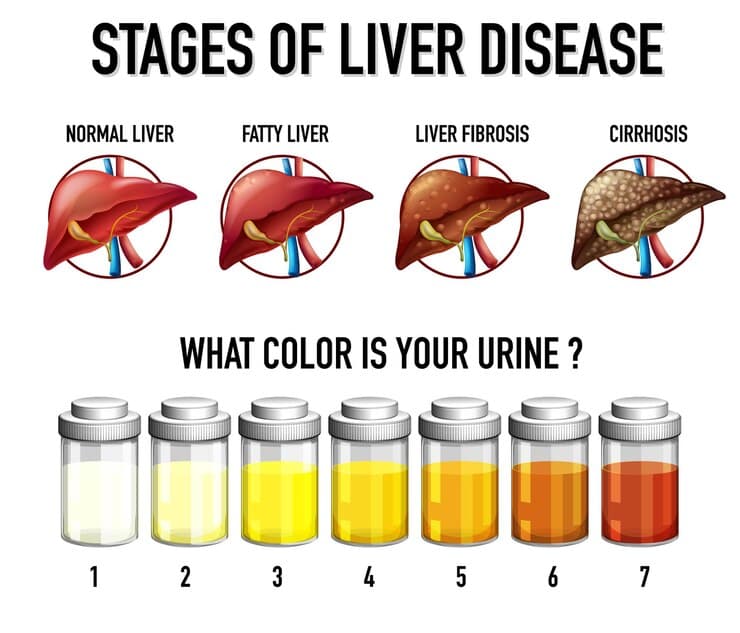
    Fatty liver disease occurs when fat builds up inside the cells of the liver. This condition can range from mild to severe, and is categorized into three grades – grade 1, grade 2 and grade 3. Each grade is distinguished by the amount of fat present in the liver and the severity of the condition.

    Introduction to Fatty Liver Disease

    Fatty liver disease affects millions of people worldwide. It is caused by the accumulation of fat in the liver cells, which can lead to inflammation, scarring and liver damage. The most common form is non-alcoholic fatty liver disease (NAFLD), which occurs in people who do not consume excessive amounts of alcohol. NAFLD is often associated with other health conditions such as obesity, type 2 diabetes, and high cholesterol.

    Fatty Liver Grade 1

    Fatty liver Grade 1, also known as mild fatty liver, is a condition where there is a slight accumulation of fat in the liver cells. It is often diagnosed incidentally during routine medical check-ups, as it usually does not cause any symptoms.

    Symptoms

    Fatty liver Grade 1 usually does not cause any noticeable symptoms. However, in some cases, people may experience fatigue, weakness, or discomfort in the upper right side of the abdomen.

    Causes

    The exact cause of fatty liver grade 1 is not known, but it is often associated with obesity, insulin resistance, and high cholesterol levels. Other risk factors include a sedentary lifestyle, a diet high in saturated fats and processed foods, and certain medications.

    Prevention Techniques

    The best way to prevent fatty liver grade 1 is to maintain a healthy lifestyle. This includes eating a balanced diet that is low in saturated fats and processed foods, exercising regularly, and maintaining a healthy weight. It is also important to avoid alcohol and limit the use of certain medications that can cause liver damage.

    Fatty Liver Grade 2

    Fatty liver Grade 2, also known as moderate fatty liver, is a condition where there is a moderate accumulation of fat in the liver cells, which can lead to inflammation and scarring.

    Symptoms

    Fatty liver Grade 2  may cause symptoms such as fatigue, weakness, discomfort in the upper right side of the abdomen, and mild jaundice.

    Causes

    The causes of fatty liver grade 2 are similar to those of grade 1 fatty liver, and include obesity, insulin resistance, high cholesterol levels, a sedentary lifestyle, a diet high in saturated fats and processed foods, and certain medications.

    Fatty Liver Disease Symptoms image

    Is Grade 2 Fatty Liver Dangerous?

    Grade 2 fatty liver can lead to more serious complications if left untreated. It may lead to more serious liver conditions including cirrhosis or liver cancer. It is important to seek medical attention if you suspect you have grade 2 fatty liver.

    Prevention Techniques

    The prevention techniques for fatty liver grade 2 are similar to those for grade 1 fatty liver. Maintaining a healthy lifestyle is key to preventing fatty liver disease. It is also important to manage any underlying health conditions, such as obesity, type 2 diabetes, and high cholesterol levels.

    Fatty Liver Grade 3

    Fatty liver Grade 3, also known as severe fatty liver, is a condition where there is a significant accumulation of fat in the liver cells, which can lead to inflammation, scarring and liver damage.

    Symptoms

    Fatty liver Grade 3  may cause symptoms such as fatigue, weakness, discomfort in the upper right side of the abdomen, jaundice, and fluid accumulation in the abdomen.

    Causes

    The causes of Fatty liver grade 3 are similar to those of grade 1 and 2 fatty liver, and include obesity, insulin resistance, high cholesterol levels, a sedentary lifestyle, a diet high in saturated fats and processed foods, and certain medications.

    Prevention Techniques

    The prevention techniques for fatty liver grade 3 are similar to those for grade 1 and 2 fatty liver. Maintaining a healthy lifestyle is key to preventing fatty liver disease. It is also important to manage any underlying health conditions, such as obesity, type 2 diabetes, and high cholesterol levels.

    Life Expectancy with Fatty Liver Disease

    The life expectancy depends on the severity of the condition and the presence of other health conditions. In general, people with mild to moderate fatty liver disease have a good prognosis, while those with severe may have a shorter life expectancy.

    Conclusion

    Millions of people all around the world suffer from the common condition known as fatty liver disease. It is categorized into three grades – grade 1, grade 2 and grade 3 – each with its own set of symptoms, causes and prevention techniques. Maintaining a healthy lifestyle and managing underlying health conditions are key to preventing fatty liver disease. It is important to seek medical attention to prevent serious complications.

    FAQs on Understanding Grade 1, 2 and 3 Fatty Liver

    Q1. Are there any specific dietary recommendations for preventing fatty liver disease?

    Maintaining a healthy diet is essential for preventing fatty liver disease. A diet low in saturated fats, sugars, and processed foods, and high in fruits, vegetables, and whole grains can help prevent the accumulation of fat in the liver.

    Q2. Are there any specific exercises that can help prevent or manage fatty liver disease?

    Regular exercise, especially aerobic exercise such as walking, jogging, or swimming, can help prevent and manage fatty liver disease. Exercise helps improve insulin sensitivity, promotes weight loss, and reduces fat accumulation in the liver.

    Q3. Can fatty liver disease affect children?

    It can affect children, especially those who are overweight or obese. This condition, known as pediatric nonalcoholic fatty liver disease (NAFLD), is becoming increasingly common and can lead to serious health problems if not addressed.

    Q4. Can fatty liver disease affect people who don’t drink alcohol?

    It can affect people who do not drink alcohol. Non-alcoholic fatty liver disease (NAFLD) is the most common form that occurs in people who do not consume excessive amounts of alcohol. It is often associated with obesity, type 2 diabetes, and high cholesterol.

    Related Links:

  • What you might not know about childhood obesity | Causes, effects, preventions

    Childhood Obesity image

    Introduction – Childhood Obesity

    Does your child regularly eat junk foods like burgers, pizzas and baked foods? Do they spend more time indoors? Are you worried about their weight gain?

    Childhood obesity is increasing at an alarming rate in India. It raises the risk of health conditions, such as diabetes, cholesterol, and high blood pressure in children and teenagers.

    Read on to learn more about the causes of childhood obesity and childhood obesity prevention. Consult your doctor to understand if your child’s excess weight lies within the unhealthy range and how to control it.

    Causes of childhood obesity

    An unhealthy lifestyle is the main cause of obesity in children. Other factors that lead to obesity are:

    • Unhealthy eating habits:

    Easy availability and regular consumption of fast foods, fried foods, desserts, colas, and sports drinks cause weight gain in children.

    • Lack of exercise:

    Today, children spend more time indoors watching TV or playing games on smartphones and tablets. The lack of physical activity leads to weight gain.

    • Stress:

    Children often overeat to cope with parental/peer pressure, boredom, loneliness, and family stress. This emotional eating is also a cause of obesity.

    • Family history:

    A family history of obesity increases the risk of obesity in your child. Furthermore, the availability of high-calorie foods at home and the lack of encouragement for physical activity lead to childhood obesity.

    • Socioeconomic conditions:

    Lack of resources to buy healthy foods, limited space for physical activity, and availability of unhealthy foods at schools or daycare centres contribute to weight gain in children.

    Effects of childhood obesity

    Childhood obesity leads to a higher risk of developing health conditions such as:

    1. Type 2 diabetes
    2. High blood pressure
    3. High cholesterol
    4. Heart disease
    5. Sleep apnea
    6. Stroke
    7. Asthma
    8. Osteoarthritis
    9. Fatty liver
    10. Depression
    11. Low self-esteem

    How can you prevent childhood obesity?

    As a parent, you can prevent obesity in your child by dealing with the issue with love, compassion, and empathy.

    Focus on your child’s health:

    Give importance to your child’s overall health instead of focusing only on their weight. Share your concerns about obesity with your child. Encourage him/her to make healthy choices. Avoid putting your child on a diet to lose weight. Instead, instil in him/her healthy eating habits and increase his/her physical activity.

    Set a good example:

    How you take care of your health impacts your child’s outlook towards their health. Let them know how you make an effort to stay physically active. Include the entire family in leading a healthy life.

    Replace junk food with healthy snacks:

    Stock healthy snacking options, such as fruits, vegetables, low-fat yoghurt, whole-grain cereal, low-fat milk, air-popped popcorn, and homemade snacks. Pack your child’s lunch with healthy foods. Involve your child in food shopping and cooking.

    Exercise together:

    Plan physical activities for the entire family. Participate in activities like walking, swimming, yoga or cycling, which everyone will enjoy.

    Reduce screen time:

    Reduce the amount of time you spend watching TV as a family. Also, encourage your child to limit their screen time to an hour a day.

    Reduce sugar intake:

    Avoid colas, sugary drinks, candies etc. Opt for fresh juices, coconut water, low-fat milkshakes and smoothies without sugar.

    Ensure your child gets enough sleep:

    Sleep deprivation also leads to hormonal imbalances and childhood obesity. Ensure your child gets enough sleep. Switch off digital devices an hour before bedtime for better sleep.

    Visit your doctor regularly:

    Take your child for regular check-ups to measure his/her weight and height. This will help your doctor to check your child’s overall health and advise dietary changes or treatment if required.

    Takeaway

    Dietary and lifestyle changes will help your child overcome obesity. As a parent, your choices impact your child’s health too. Involve the entire family in making healthy food choices. Engage in physical activities regularly to help motivate your child. Childhood obesity can have long-term consequences. Consult your family doctor for your child’s weight-related issues and get help today!

    For your convenience, we bring you the Medkart online pharmacy. Upload your prescriptions and get all your medicines delivered at your doorstep. To save money on quality generic medicines, download our app now!

    FAQs Related to childhood obesity

    1. How do sugary drinks cause weight gain in children?

    Sugary drinks, colas, and sports drinks are high in calories but low in nutrients. These drinks do not cause a feeling of fullness. Therefore, children tend to consume these in excess and in turn gain weight.

    2. What is BMI? How often should I calculate my child’s BMI?

    BMI (Body Mass Index) is a measure of weight with respect to a person’s height. It helps your doctor understand if your child belongs to the underweight, normal, overweight, or obese category. You must measure your child’s BMI once a year. BMI is calculated as follows:

    BMI = Kg/m2 (Kg = Weight, m2 = height in metres squared)

    3. How does childhood obesity affect a child’s quality of life?

    Childhood obesity can affect the child’s physical, emotional, and social functioning. It can lead to self-esteem issues, anxiety, depression, and aggression. It can cause weak bones and joints and postural problems. It can also cause diabetes, fatty liver, and heart disease. Further, childhood obesity can cause early puberty in girls. 

  • Blood Pressure / Hyper Tension

    Blood Pressure / Hyper Tension


    high blood pressure imagesWhat is blood pressure?

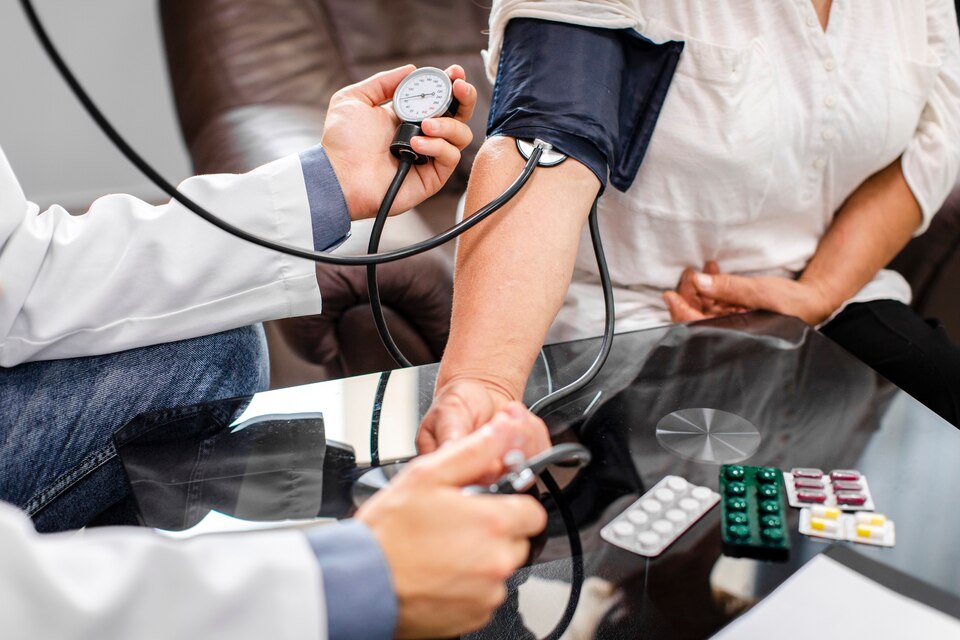
    Blood pressure (BP) is the pressure applied by the blood on the arteries. Normal blood pressure is essential as it indicates that blood is properly flowing from the heart to your organs. By understanding blood pressure, and its various aspects, you can manage it well and stay healthy.

    Measuring blood pressure

    • Blood pressure is measured as systolic and diastolic pressure.
    • Systolic Blood Pressure is the pressure in your arteries when the heart muscles contract.
    • Diastolic Blood Pressure is the pressure in your arteries when the heart muscles relax.
    • Category Systolic (mmHg) Diastolic (mmHg) What does it mean?
    • Normal blood pressure Below 120 Below 80 You have healthy blood pressure.
    • Elevated blood pressure 120 to 129 Below 80 You need to follow a healthy lifestyle to prevent the risk of high bp and heart disorders.

    Stage 1- Hypertension 130 to 139 80 to 89 Your risk of heart disorders and stroke is high. Your doctor will suggest lifestyle changes and/or bp medicine.

    Stage 2 – Hypertension 140 or more 90 or more To reduce the risk of heart disorders and stroke your doctor will prescribe blood pressure medicines plus lifestyle changes.

    Hypertensive crisis Above 180 Above 120 This is a critical condition. Consult your physician immediately.

    Low blood pressure Below 90 Below 60 Not a condition of concern but you could have other health issues.

    Symptoms of blood pressure

    High blood pressure usually shows no symptoms. But in hypertensive crises, you would experience:

    • Change in vision
    • Chest pain
    • Dizziness
    • Numbness
    • Shortness of breath
    • Back pain
    • Difficulty to speak

    Blood pressure precautions

    Precautions for high BP;

    • Healthy diet: Include foods high in nutrition and low in calories, like fruits, vegetables etc. Reduce your salt intake.
    • Healthy weight: Obesity increases the chances of having high blood pressure and heart disorders.
    • Exercise: it makes the heart strong and maintains a healthy weight.
    • Avoid smoking: Smoking increases the risk of heart disorders, stroke and high blood pressure.
    • Limit your alcohol intake: Too much alcohol can increase blood pressure.
    • Reduce stress: By reducing stress, you can lower blood pressure.
    • Regularly monitor blood pressure: High blood pressure can be known only by measuring it, so you should get it measured at regular intervals.

    Blood pressure myths

    Myth: You do not have high blood pressure when feeling fine.
    Fact: Blood pressure usually shows no symptoms, so you might feel fine even though you have it.

    Myth: If high blood pressure runs in your family, you cannot prevent it.
    Fact: Though you have a family history of high bp, you can prevent it by following a healthy lifestyle.

    Myth: Blood pressure can be controlled by avoiding salt.
    Fact: There is a high amount of salt in pickles, papads, sauces, soups etc. Limit their intake.

    Myth: If your blood pressure is normal, you can stop taking medicines.
    Fact: You do so only if your doctor tells you to stop your medications. Stopping these medicines can raise your blood pressure and put you at high risk of heart disease or stroke.

    Myth: If you take blood pressure medications, you don’t need to follow a healthy lifestyle
    Fact: Maintaining a healthy lifestyle is mandatory to manage high blood pressure.

    High Blood pressure is manageable

    High blood pressure is a common problem that is easily avoidable. High blood pressure raises your chance of developing heart problems in the future and treating it will help you keep excellent heart health. You may easily control your high blood pressure with good medication and lifestyle modifications.

    You can order your medicines from the comfort of your home by using the Medkart Website: https://www.medkart.in/blog/.

    FAQs

    1. How can you know if you have high blood pressure?

    High blood pressure usually shows no symptoms; hence, you must check your blood pressure regularly.

    2. How can you manage blood pressure?

    You can manage blood pressure with healthy lifestyle changes like consuming a healthy diet, exercising, etc. If needed, you will be prescribed blood pressure medicines.

    3. Why is blood pressure a concern?

    Blood pressure could lead to other serious complications like heart attack, stroke and kidney disorders.

  • Cancer

    Cancer

    Cancer

    The mental and emotional stress caused by a cancer diagnosis is usually a result of its fatal nature. Recently, there has been a rise in the number of people suffering from cancer. It is the second leading cause of death across the world.

    Are you aware that there are more than a hundred different cancers, and any organ can get affected? Let us learn more.

    What is cancer?

    Cancer is a disease where normal cells somehow alter their usual course of growth. As a result, cells multiply in an uncontrolled manner, leading to the formation of a tumour. A tumour is an abnormal growth caused by a collection of abnormal cells in the body. However, there are two types of tumours: benign (non-cancerous) and malignant (cancerous).

    Types of cancer

    A tumour can arise from many specialized cells or tissues throughout the body. Based on the origin, cancerous tumours can be broadly classified as follows:

    • Carcinoma: Cancer cells arise in the skin or tissues that line or cover internal organs, for example, lung cancer.

    • Sarcoma: Cancer cells develop in bone, fat, muscle, cartilage, blood vessel, or other connective tissue, for example, osteosarcoma.

    • Leukaemia: Cancer cells are created from white blood cells (WBC), for example, acute myeloid leukaemia (AML).

    • Lymphoma and Myeloma: Cancer cells grow in immune system cells, for example, Hodgkin’s lymphoma and multiple myeloma.

    • Central Nervous System Cancer: Cancer cells that arise in the spinal cord or brain, for example, glioma.

    Stages of cancer

    Oncologists determine the stages of cancer using various staging systems. These staging systems provide relevant information like the size, location, cell type, grade, and metastasis (extent of spread) of the tumour.

    Here are the different stages of cancer:

    • Stage 0: Abnormal cells are present that haven’t spread extensively, but they have the potential to turn into cancer.

    • Stage 1: Cancer is visible in a small area of the organ and hasn’t spread to nearby tissues.

    • Stages 2 and 3: Cancer has developed further and is affecting the surrounding tissues and lymph nodes.

    • Stage 4: Advanced stage tumour that spreads to multiple organs.

    How does cancer develop?

    The causes of cancer depend on the type of cancer. However, some common aspects can increase your risk of developing cancer.

    Mentioned below are the most common causes of cancer:

    • Genes: If you have a family history of cancer, it may increase your chances of developing it. Research suggests that nearly 5-10% of cancers are hereditary (transferred from parent to child)

    • Lifestyle: 30- 40% of cancer cases globally are caused by unhealthy lifestyles or obesity. Certain unhealthy habits, such as excessive alcohol consumption, smoking, a sedentary lifestyle, and poor nutrition, can lead up to the development of many cancers.

    • Environment: Prolonged exposure to UV radiation can cause skin cancer. Apart from that, exposure to chemicals and pollutants can also lead to various types of cancer.

    • Hormonal imbalance: Researchers suggest that hormonal imbalance is associated with an increased risk of certain cancers, such as ovarian and prostate cancer.

    Key symptoms of cancer

    Cancer cannot be detected based on any one symptom. It comes with various symptoms, depending on the part of the body that is affected.

    Below are some common symptoms linked with, but not specific to, cancer:

    • Extreme fatigue (tiredness)

    • Presence of lumps under the skin

    • Unexplained loss or gain of weight

    • Digestive or bladder issues

    • Breathlessness or difficulty in swallowing

    • Hoarseness or prolonged cough

    • Muscle soreness or joint pain

    • Recurrent fevers and heavy night sweats

    • Unusual bruising or bleeding

    • Yellowing or redness of the skin

    • Noticing new moles or changes in existing moles

    How can you prevent cancer?

    The key to preventing cancer is being aware of the various factors that cause it and avoiding them as much as possible for healthy living. Prevention is possible by taking a few precautions for cancer:

    • Quit smoking

    • Eat a healthy diet

    • Be physically active

    • Limit your alcohol intake

    • Maintain a stress-free lifestyle

    • Avoid exposure to chemicals and pollutants

    • Ensure to get cancer vaccines that are available for specific types of cancers

    Treatment of cancer

    Although cancer cannot be cured completely, you can stop it from spreading by using certain cancer drugs and therapies. Doctors often employ particular cancer medicines and treatments for the patient, depending on the health condition and disease progression.

    The following are the different cancer treatment options:

    • Immunotherapy

    • Chemotherapy

    • Hormonal therapy

    • Surgery

    • Radiation

    Newer cancer treatments

    • Stem cell transplant

    • Targeted therapies (small-molecule drugs and monoclonal antibodies)

    Corticosteroids like prednisolone are sometimes prescribed during cancer treatment to reduce inflammation and suppress the immune system. In such cases, your doctor may recommend solutions like Omnacortil Oral Solution 60ml, which contains prednisolone as the active ingredient.

    Myths related to cancer

    Myth: Eating sugar and artificial sweeteners can cause cancer and worsen it.

    Fact: Sugar and artificial sweeteners have no relation with cancer.

    Myth: Cancer is infectious and can spread by touch.

    Fact: Cancer is a non-infectious condition confined to the body of the affected person. It cannot spread via touch.

    Myth: Cancer surgery can cause cancer to spread.

    Fact: Cancer surgeries usually control the spread of cancer.

    Myth: Herbal medicines can cure cancer.

    Fact: Cancer treatments do not include herbal medicines. Surgery, cancer vaccines, radiation therapy, and chemotherapy are the right choices for cancer treatment.

    Cancer can be treated.

    Cancer is a life-threatening disease. Though it cannot be cured, the evolution of medical science has helped increase the survival rates of many types of cancer. Progress is possible with appropriate screening, advanced cancer treatments, and preventive care. A positive mindset is another critical component in the battle against cancer.

    Visit the Medkart website to avail cost-effective generic medicines. Our pharmacists will recommend you the best generic substitutes for prescribed medicine across our 107+ stores in India. You can also consult with our expert doctors for suggestions before purchasing medication.

  • HIV

    HIV

    HIV

    HIV attacks your immune system

    HIV is a dangerous virus that attacks your immune system and can cause AIDS. It spreads via sexual contact, needle sharing, and from mother to child during pregnancy. HIV causes many infections and cancers in affected people by breaking down their immune systems. The virus is transmitted via semen, vaginal fluid, blood, and pre-cum. There is no cure for HIV yet except for antiretroviral therapy (ART), which can help manage the severity of HIV symptoms.

    Types of HIV variants

    HIV-1: The main HIV sub-type that affects most people.

    ​HIV-2: This variant is restricted to West Africa and is not transmissible. It has slow progression and is also resistant to some ARTs.

    Causes of HIV infection

    The causes of HIV include:

    • Any sexual contact (vaginal, oral or anal) with an HIV-infected person.

    • Sharing needles with HIV-infected people.

    • Transfusion of HIV-contaminated blood.

    • Passed down from mother to child during pregnancy, childbirth, or breastfeeding.

    Signs and symptoms of HIV-AIDS

    Initially, HIV/AIDS symptoms appear as viral or flu-like symptoms. As the disease progresses, the following HIV symptoms can appear:

    • Frequent fevers with chills

    • Sweating at night

    • Swollen lymph nodes

    • Sore throat

    • Chronic fatigue

    • Abrupt weight loss

    • Frequent skin infections

    • Diarrhoea

    In the early symptoms of HIV, some people may not feel ill. In most cases, there are no HIV symptoms at the beginning of the illness. It gradually progresses and ultimately breaks down immunity, a stage known as AIDS. Getting tested is the only way to detect early symptoms of HIV.

    Early signs of HIV in men

    While most HIV symptoms or AIDS symptoms are the same for both sexes, there are a few HIV symptoms in men that differ because of differences in the male reproductive system. These include:

    • Pain during intercourse or ejaculation

    • Erectile dysfunction

    • Ulcers on and around the penis, testicles or anal area

    • Discharge from penis

    • Infertility

    HIV symptoms in women

    HIV symptoms in women include:

    • Foul-smelling vaginal discharge

    • Pain during sex and while passing urine

    • Pelvic inflammatory disease

    • Irregular menstrual cycle

    • Heavy bleeding

    • Human papilloma virus (HPV) infection

    • Infertility

    HIV precautions

    While there is no cure for AIDS, there are ways to prevent getting HIV and spreading the disease. Some HIV precautions you must follow include:

    • Choosing less dangerous sexual practices: Keeping fewer sexual partners and using latex condoms each time you engage in sex.

    • Using preexposure prophylaxis (PrEP): PrEP is intended for those with a very high risk of contracting it. The daily use of PrEP can lower this risk.

    • Use post-exposure prophylaxis (PEP) if you’ve been exposed to HIV: In case of unsafe sexual contact and accidental needle prick injury, take PEP within 72 hours.

    • Using a clean, sterilized needle while injecting drugs.

    • Getting all the antenatal checkups before pregnancy.

    HIV related myths

    1. You can catch HIV by sitting with an HIV-infected person

    Hugging, kissing, dancing, or shaking hands with an infected person doesn’t cause HIV. Only unsafe sex causes HIV.

    2. HIV infections always lead to AIDS.

    No, HIV infection does not always lead to AIDS. With early diagnosis and treatment, one can prevent its progression to AIDS.

    3. Those who test HIV-negative are permitted to engage in unprotected sex.

    In the early infection, HIV remains latent and doesn’t manifest itself in the test. Therefore, one must always use condoms while engaging in sex for HIV prevention.

    HIV-AIDS treatment

    Currently, there is no treatment for HIV/AIDS. However, antiretroviral therapy (ART) is a combination of HIV tablets that can prevent the severity of the infection and prolong life. It has to be taken regularly and throughout life.

    These HIV tablets protect CD4 cells and maintain the immune system’s capacity to combat disease. ART is an effective HIV and AIDS treatment that helps patients live normal, healthy lives.

    Medkart pharmacy is India’s most trusted medicine store where you can buy quality generic medicines at competitive prices. Don’t believe us? Log on to Medkart | Generic Medicines Online – Best Online Pharmacy App and compare your medicine prices.

    FAQs

    Can I get HIV by sharing food with HIV positive person?

    No, you cannot get HIV by having simple social contact with an HIV-infected person. HIV spreads through unprotected sexual contact via bodily fluids.

    Can you get HIV through oral sex?

    Yes, oral sex can lead to HIV infection, but research indicates that this risk is much lower than vaginal or anal sex.

    How can I know that I have HIV?

    The only way to know whether you have HIV is to get yourself tested. If you suspect you may have contracted HIV during unprotected sex or a blood transfusion, you may talk to your doctor and get yourself tested for it.

  • Hypertension causes -What leads to sudden high blood pressure

    Hypertension causes -What leads to sudden high blood pressure

    Hypertension causes

    Introduction to High Blood Pressure

    What exactly is blood pressure? When the heart pumps blood, the blood exerts a force against the artery walls. You have high blood pressure when the force of blood against the walls of your blood vessels is considerably strong. Hypertension is the medical term for High blood pressure.

    Studies show that about 200 million people in India have hypertension, yet only 12% of people have their blood pressure under control. Needless to say, persistently high blood pressure can be damaging to the heart and other vital organs.

    Understanding the reasons for high blood pressure may help you maintain normal blood pressure levels and live a healthy lifestyle.

    Understanding blood pressure

    Here are some key pointers for you to better understand what

    • A normal blood pressure reading is typically less than 120/80 mmHg.
    • Hypertension is diagnosed when your blood pressure consistently measures 140/90 mmHg or higher.
    • Secondary hypertension is high blood pressure caused by an underlying medical condition or medication. Complications like kidney problems, adrenal gland tumors, sleep apnea, obesity, and some medications can lead to secondary hypertension.

    Causes of high blood pressure

    Some common causes of sudden high blood pressure include:

    • Stress: Physical or emotional stress can cause a temporary increase in blood pressure.
    • Caffeine: Consuming caffeine, such as coffee or tea, can temporarily increase blood pressure.
    • Alcohol: Drinking alcohol can also cause a temporary increase in blood pressure.
    • Tobacco use: Nicotine, the active ingredient in tobacco, can cause a temporary increase in blood pressure.
    • Certain medications: Some medications, such as decongestants, can raise blood pressure.
    • Illnesses: Certain illnesses, such as pneumonia, kidney disease, or adrenal gland tumors, can cause sudden increases in blood pressure.
    • Hormonal changes: Hormonal changes during pregnancy, menopause, or thyroid problems can cause sudden increases in blood pressure.

    Symptoms of high blood pressure

    Here are some common symptoms of high blood pressure:

    • Headaches
    • Dizziness or lightheadedness
    • Nausea or vomiting
    • Shortness of breath
    • Chest pain or discomfort
    • Visual disturbances, such as blurred vision
    • Ringing in the ears (tinnitus)
    • Fatigue or confusion
    • Nosebleeds
    • Flushing of the face

    Complications of sudden high blood pressure

    If left untreated, high blood pressure can lead to serious health problems, including:

    • Heart attack: High blood pressure can damage your blood vessels and increase your risk of a heart attack.
    • Stroke: High blood pressure can increase your risk of stroke, which occurs when a blood clot blocks the flow of blood to your brain.
    • Kidney disease: High blood pressure can damage your kidneys, leading to kidney disease or kidney failure.
    • Vision loss: High blood pressure can cause damage to the blood vessels in your eyes, leading to vision loss or blindness.

    Ways to manage and prevent high blood pressure

    Here are some tips for managing hypertension.

    1. Maintaining a healthy lifestyle:

    Adopting a healthy lifestyle can go a long way in managing and preventing high blood pressure. This includes eating a balanced diet rich in fruits and vegetables, exercising regularly, maintaining a healthy weight, and quitting smoking and excessive alcohol consumption.

    2. Monitoring blood pressure regularly:

    Regular monitoring of blood pressure can help detect any changes in BP levels and take appropriate precautionary measures. You can either monitor it at home with a BP monitoring device or get it checked by a doctor.

    3. Managing stress:

    Chronic stress can lead to high blood pressure. Thus, it is essential to manage it through meditation, deep breathing, and exercise.

    4. Taking prescribed medications:

    If lifestyle changes are not enough, medications prescribed by your doctor can help manage and prevent high blood pressure.

    Conclusion

    Sudden increases in blood pressure can be concerning and potentially dangerous.

    So, it is important to take care of your health by changing your lifestyle and food habits. Consulting a medical professional can also be beneficial in managing high blood pressure and avoiding potential health risks. Small changes in your daily routine, like exercising regularly, eating a balanced diet, and reducing stress, can help maintain healthy blood pressure levels. Taking control of your health today can ensure a healthy and happy tomorrow.

    Buying medicines is now simpler. With Medkart, you get the best prices and doorstep delivery! Visit Medkart today!

    FAQs related to hypertension

    1. What is hypertension?

    Hypertension is a medical condition characterized by consistently high blood pressure levels.

    2. What are the common causes of high blood pressure?

    The common causes of high blood pressure include stress, obesity, tobacco use, excessive alcohol consumption, and certain medications.

    3. How can hypertension be prevented and managed?

    Prevention and management of hypertension involve lifestyle changes such as regular exercise, a healthy diet, stress management, and medication as prescribed by a doctor.

    4. What is secondary hypertension?

    Secondary hypertension (high blood pressure) is high blood pressure caused by a medical condition.