Category: Health & Wellness

  • શા માટે ભારતમાં સરકાર ડોકટરો માટે દવાઓની સામગ્રીનું નામ લખવા માટે કડક કાયદો બનાવતી નથી અને બ્રાન્ડ નહીં?

    ભારતમાં, એવા કાયદા અને નિયમો છે જે આરોગ્યસંભાળ વ્યાવસાયિકો દ્વારા દવાઓના પ્રિસ્ક્રિપ્શનને નિયંત્રિત કરે છે. આ કાયદાઓનો હેતુ એ સુનિશ્ચિત કરવાનો છે કે દર્દીઓને સલામત અને યોગ્ય સંભાળ મળે અને આરોગ્યસંભાળ વ્યાવસાયિકો તેમની પ્રેક્ટિસમાં નૈતિક ધોરણોનું પાલન કરે.

    આ કાયદાઓના મુખ્ય ધ્યેયો પૈકી એક એ સુનિશ્ચિત કરવાનો છે કે દર્દીઓને સસ્તું અને અસરકારક સારવાર વિકલ્પોની પ્રવેશ મળે. આ સંદર્ભમાં, સરકારે જેનરિક દવાઓના ઉપયોગને પ્રોત્સાહિત કરવા માટે વિવિધ પગલાં અમલમાં મૂક્યા છે, જે ઘણી વખત તેમના બ્રાન્ડ-નામ સમકક્ષો કરતાં વધુ સસ્તું હોય છે. તમે www.medkart.in/blog પર તમારી બ્રાન્ડમાં શ્રેષ્ઠ અને ખર્ચ-અસરકારક વિકલ્પો પણ શોધી શકો છો. 

    વધુ જાણવા માટે જુઓ- https://youtu.be/Y-nHH4f6fGA

  • શરીરના કાર્યોને નિયંત્રિત કરવામાં સમયસર ભોજનની ભૂમિકા

    અમે વ્યસ્ત સમાજમાં રહેતા હોવાથી અમે કામ, વ્યક્તિગત અને સામાજિક જીવન સાથે સતત સંઘર્ષ કરીએ છીએ. અને આનાથી વારંવાર સૌથી મૂલ્યવાન સંસાધનની ઉપેક્ષા થાય છે – આપણા સ્વાસ્થ્યની – કારણ કે આપણે રોજિંદા કામકાજ અને કામમાં ફસાઈ જઈએ છીએ.

    ભોજન છોડી દેવાથી અથવા સમયસર ભોજન ન લેવું એ આપણા શરીરના સર્કેડિયન ચક્રને બંધ કરી દે છે – પ્રાણીઓ, છોડ અને કેટલાક બેક્ટેરિયા સહિત જીવંત સજીવોમાં જૈવિક પ્રક્રિયાઓનું કુદરતી, આશરે 24-કલાકનું ચક્ર, શરીરની આંતરિક ઘડિયાળ દ્વારા ચલાવવામાં આવે છે અને તેના દ્વારા નિયંત્રિત થાય છે. બાહ્ય સંકેતો, જેમ કે સૂર્યપ્રકાશ અને તાપમાન. ચક્ર દરમિયાન, શરીર ઊંઘ, ખાવું અને હોર્મોન્સ ઉત્પન્ન કરવા જેવા કાર્યો કરે છે.

    આ આપણી શારીરિક પ્રણાલીઓની સંવાદિતામાં દખલ કરી શકે છે. ભરેલું પેટ મૂડ સ્વિંગને અટકાવે છે અને તમને સારા આત્મામાં રાખે છે. તેથી, તમારા જીવનને સરળ અને સ્વસ્થ બનાવવા માટે તમારા ભોજનનો સમય સુનિશ્ચિત કરવો મહત્વપૂર્ણ છે.

    તંદુરસ્ત અસ્તિત્વ માટે આપણે દરરોજ જે ત્રણ ભોજનની જરૂર છે તે છે નાસ્તો, લંચ અને રાત્રિભોજન. આપણે બધા પોષક તત્વોથી ભરપૂર ખોરાક વિશે વાત કરીએ છીએ પરંતુ સમયસર ખોરાક ખાવાના મૂલ્યને અવગણીએ છીએ. ભોજન છોડી દેવાથી અથવા તેને ખોટા સમયે ખાવાથી સ્વાસ્થ્ય સમસ્યાઓ અને બાળકોમાં લાંબી બીમારીઓ પણ થાય છે.

    શરીર ચક્રનું નિયમન કરે છે

    અમારા નિયંત્રણ હેઠળના દળો-યોગ્ય પોષણ, તંદુરસ્ત ઊંઘનું શેડ્યૂલ, અને ભોજનનો નિયમબદ્ધ સમય-બધુ જ જાળવવું આવશ્યક છે. આ દિનચર્યાઓ શરીરને ચક્રીય લયને અનુકૂલિત કરવામાં મદદ કરે છે. આમ, શરીરને તેના યોગ્ય ક્રમમાં રાખવા માટે કડક આહાર શેડ્યૂલનું પાલન કરવું મહત્વપૂર્ણ છે.

    શરીરને ડિટોક્સિફાય કરે છે

    જ્યારે તમે સમયસર ખોરાક લો છો, ત્યારે તમારા શરીરને વિવિધ પોષક તત્વો મળે છે. યકૃત બિનઝેરીકરણ કરે છે, જે મુખ્ય કાર્ય છે. જ્યારે તમે 10 વાગ્યે કે પછી ભોજન લો છો ત્યારે તે તમારા શરીર પર તણાવનું કારણ બને છે, જે તમે જ્યારે સૂઈ જાઓ ત્યારે એકદમ નજીક છે કારણ કે જ્યારે તમે સૂઈ જાઓ છો ત્યારે લીવર ડિટોક્સિફાય કરે છે. ડિટોક્સિફિકેશન પ્રક્રિયાને અવરોધે નહીં તે માટે તમારે તરત જ રાત્રિભોજન કરવું જોઈએ.

    ચયાપચયને વેગ આપે છે

    ચયાપચય એ એવા ફેરફારોનો ઉલ્લેખ કરે છે જે જીવંત કોષ અથવા જીવતંત્રમાં રાસાયણિક રીતે થાય છે. કોષની વૃદ્ધિ, પ્રજનન અને આરોગ્ય માટે જરૂરી સંસાધનો અને ઊર્જા ચયાપચયના ફેરફારો દ્વારા ઉત્પન્ન થાય છે.

    તમે જે સમયે ખાઓ છો તેનાથી તમારું મેટાબોલિઝમ પણ પ્રભાવિત થાય છે. જ્યારે આપણે પહેલીવાર જાગીએ છીએ ત્યારે આપણું ચયાપચય મહત્તમ હોય છે. જાગવાના બે કલાક પછી નાસ્તો કરવાની સલાહ આપવામાં આવે છે. તમારું શરીર માત્ર ત્યારે જ મેટાબોલિક રેટ જાળવી શકે છે જો તમે તેને હમણાં અનુભવો છો. દિવસ દરમિયાન તમારું ચયાપચય ધીમો પડી જાય છે.

    સ્વસ્થ આહાર શેડ્યૂલ

    તંદુરસ્ત ખોરાક શેડ્યૂલ જરૂરી છે. ભોજનને યોગ્ય રીતે પચવામાં 3-4 કલાક લાગે છે. બે ભોજન વચ્ચે 4 કલાકથી વધુનું અંતર ન રાખવું એ આદર્શ છે. ભોજનની વચ્ચે ફળો અને નાસ્તાનું સેવન કરવું જોઈએ. નાસ્તા, લંચ અને ડિનરના અંતરાલોમાં ઓછામાં ઓછા બે નાસ્તાનો સમાવેશ થવો જોઈએ.

    નાસ્તો, લંચ અને ડિનર માટેનો આદર્શ સમય

    નિષ્ણાતો જાગવાના બે કલાકની અંદર નાસ્તો ખાવાની ભલામણ કરે છે. જો તમે નહીં કરો તો તમારું મેટાબોલિઝમ ધીમું થઈ જશે. તે તમારા ચયાપચય અને સામાન્ય સ્વાસ્થ્ય માટે જેટલું સારું છે, તમે જાગ્યા પછી વહેલા નાસ્તો કરી લો.

    12 થી 2 વાગ્યા સુધી આપણી પાચન શક્તિ ચરમસીમા પર હોય છે. અહીં, શરીર ભોજનમાંથી તમામ પોષક તત્વોને પચાવી લેશે, જે પછી શરીર દ્વારા શોષાય છે.

    લંચ અને ડિનરના સમય વચ્ચે 4-કલાકની બારી જાળવી રાખીને, વ્યક્તિએ તેમનું રાત્રિભોજન રાત્રે 8 વાગ્યા સુધીમાં લેવું જોઈએ. વધુમાં, રાત્રિભોજન અને સૂવાના સમય વચ્ચે 2-કલાકની વિન્ડો હોવી જોઈએ. આ ગેપ સારી પાચન અને શાંત ઊંઘમાં મદદ કરે છે.

    નિયમિત ખાવાની ટેવ રાખવાથી બાળકોને કોઈપણ બીમારી વિના વિકાસ કરવામાં મદદ મળે છે. તે બાળકોને તેમના વિકાસ માટે મહત્વપૂર્ણ કેલ્શિયમ, વિટામિન્સ અને અન્ય ખનિજોનો પૂરતો પુરવઠો રાખવા સક્ષમ બનાવે છે. દાખલા તરીકે, વિટામિન ડીનો અભાવ બાળકોમાં રિકેટ્સ રોગનું કારણ બની શકે છે. તંદુરસ્ત ભોજન પોષક તત્વોથી ભરપૂર હોય છે અને તે બાળકોને દિવસભર સક્રિય રાખી શકે છે. ઉપરાંત, તે બાળકોને ભૂખની ચિંતા કર્યા વિના શાળાના કામ પર ધ્યાન કેન્દ્રિત કરવામાં મદદ કરે છે.

    પુખ્ત વયના ક્રોનિક રોગો જેમ કે પ્રકાર 2 ડાયાબિટીસ, હાયપરટેન્શન, ઓસ્ટીયોપોરોસીસ, હૃદયની સ્થિતિ અને અન્ય પ્રકારના કેન્સર યોગ્ય પોષણયુક્ત આહાર સાથે થવાની સંભાવના ઓછી છે. તે વ્યક્તિના સ્વાસ્થ્ય માટેના જોખમોને ઘટાડે છે જે રોગ અને મૃત્યુ તરફ દોરી શકે છે. સમયસર ભોજન કરવાથી શરીરને સ્વસ્થ રાખવામાં, શરીરનું વજન જાળવવામાં મદદ મળી શકે છે અને તમને ઓછી સ્વાસ્થ્ય સમસ્યાઓ થશે.

    નિષ્કર્ષ

    તમારા શરીરમાં આંતરિક બુદ્ધિ છે જે દિવસભર તમારા ખાવાનું નિર્દેશન કરી શકે છે; આપણે ફક્ત તેને સાંભળવાની આપણી ક્ષમતા કેળવવાની અને મજબૂત કરવાની જરૂર છે. અમારી અગાઉની બ્લોગ પોસ્ટમાં, અમે ભૂખના વિવિધ સ્વરૂપો અને તેના માટેની વિવિધ સારવારોનું વર્ણન કર્યું છે. આપણું શરીર નિયમિત ભોજનના સમયની સહાયથી તે ભરોસાપાત્ર ભૂખના સંકેતો બનાવે છે, જે આપણા શરીરને ફાયદાકારક રીતે ઓળખવા અને તેના પર પ્રતિક્રિયા આપવાનું આપણા માટે સરળ બનાવે છે.

    અમારી ભૂખ અને પૂર્ણતાના સંકેતોને ઓળખવાની અમારી ક્ષમતામાં સુધારો થશે જેમ આપણે કરીએ છીએ, અને અમે નાના દૈનિક ફેરફારોને ધ્યાનમાં લેવાનું શરૂ કરીશું. તે ઠીક છે જો આપણે અમુક દિવસોમાં વધુ વારંવાર અને મોટા ભાગમાં અને બીજાઓ પર ઓછા પ્રમાણમાં ખાઈએ. તંદુરસ્ત જીવન જીવવા માટે ખોરાકના સમયને વળગી રહેવું શ્રેષ્ઠ છે.

    બોટમ લાઇન: પોષણના પૂરકનો સમાવેશ કરવાનું ભૂલશો નહીં

    તમારા શરીરને સ્વસ્થ અને સારી રીતે પોષણયુક્ત રાખવા માટે વિટામિન્સ અને સપ્લિમેન્ટ્સ આવશ્યક છે. મેડકાર્ટ બ્રાન્ડ-નેમ પ્રોડક્ટ્સ સાથે સંકળાયેલી ઊંચી કિંમત ચૂકવ્યા વિના તમને જરૂરી વિટામિન્સ અને સપ્લિમેન્ટ્સમાં મદદ કરે છે.

    સામાન્ય પૂરક તેમના બ્રાન્ડ-નામ સમકક્ષો જેટલા જ અસરકારક છે પરંતુ તે વધુ સસ્તું છે. મેડકાર્ટ સાથે, તમે તંદુરસ્ત રહેવા માટે જરૂરી વિટામિન્સ અને સપ્લિમેન્ટ્સ મેળવી શકો છો અને એકસાથે પૈસા બચાવી શકો છો.

    જેનરિક સપ્લિમેન્ટ્સનો લાભ લેવા માટે, www.medkart.in/blog ની મુલાકાત લો અને યોગ્ય સપ્લિમેન્ટ્સ શોધો જે તમારા શરીરને બળ આપે છે. વૈકલ્પિક રીતે, તમે તેને અમારી iOS અને Android એપ્લિકેશન દ્વારા ઓર્ડર કરી શકો છો.

  • વર્તમાન પરિસ્થિતિમાં, શું ફાર્માસિસ્ટ બનવા માટે માત્ર ફાર્મા એકેડેમિક્સનું જ્ઞાન પૂરતું છે?

    ફાર્માસિસ્ટ બનવા માટે, ફાર્માસ્યુટિકલ સાયન્સમાં મજબૂત પાયો હોવો અને દવાઓ કેવી રીતે કાર્ય કરે છે અને વિવિધ સ્વાસ્થ્ય પરિસ્થિતિઓની સારવાર માટે તેનો સલામત અને અસરકારક રીતે ઉપયોગ કેવી રીતે કરી શકાય તેની સંપૂર્ણ સમજ હોવી જરૂરી છે. 

    જો કે, ફાર્માસિસ્ટ બનવામાં સંપૂર્ણ શૈક્ષણિક ઉપરાંત અન્ય કુશળતા અને જ્ઞાનનો પણ સમાવેશ થાય છે. ઉદાહરણ તરીકે, ફાર્માસિસ્ટને દર્દીઓ સાથે અસરકારક રીતે વાતચીત કરવા, નૈતિક અને કાયદાકીય ધોરણોને સમજવા અને તેનું પાલન કરવા અને હેલ્થકેર ટીમના ભાગ રૂપે અસરકારક રીતે કામ કરવા સક્ષમ હોવા જરૂરી છે. વધુમાં, ફાર્માસિસ્ટને નવી દવાઓ, સારવારો અને માર્ગદર્શિકાઓ પર અદ્યતન રહેવાની અને આ જ્ઞાનને તેમની પ્રેક્ટિસમાં લાગુ કરવા સક્ષમ હોવા જોઈએ. તેથી, જ્યારે ફાર્માસ્યુટિકલ વિજ્ઞાનમાં મજબૂત શૈક્ષણિક પાયો મહત્વપૂર્ણ છે, તે એકમાત્ર પરિબળ નથી જે વ્યક્તિની સક્ષમ અને અસરકારક ફાર્માસિસ્ટ બનવાની ક્ષમતાને નિર્ધારિત કરે છે.

    દર્દીઓના હીરો અને ફાર્મસીમાં ઉજ્જવળ કારકિર્દી બનવાનું છે??? www.medkart.in/blog ની મુલાકાત લો અને ભારતના ટોચના જેનરિક ફાર્મસી રિટેલ સ્ટોરમાં શ્રેષ્ઠ તકો અને નવા ઓપનિંગ્સનું અન્વેષણ કરો. 

    વધુ જાણવા માટે જુઓ-  https://youtube.com/shorts/9H0LpXB_GFM 

  • Understanding 4 Stages of Liver Cancer: Warning Signs and Symptoms

    Understanding 4 Stages of Liver Cancer: Warning Signs and Symptoms

    4 Stages of Liver Cancer, Liver Cancer Symptoms, treatment and diagnosis

    Liver cancer is a serious medical condition that can be life-threatening if not diagnosed and treated in time. It is a specific kind of cancer that develops in the liver and has the potential to spread to other body organs. In this article, we will discuss the four stages of liver cancer and the warning signs and symptoms to look out for. We will also explore the diagnosis and treatment options available for each stage of liver cancer.

    Introduction to Liver Cancer

    The liver is a vital organ in the body responsible for filtering toxins and producing bile to aid in digestion. Primary liver cancer is the name for cancer that develops in the liver. However, cancer that starts in other parts of the body and spreads to the liver is called secondary liver cancer. Hepatocellular carcinoma (HCC), which accounts for 75% of all occurrences of primary liver cancer, is the most prevalent form. Other types of liver cancer include cholangiocarcinoma and angiosarcoma.

    What are the Four Stages of Liver Cancer?

    Liver cancer is divided into four stages based on the size of the tumor and how far it has spread. The stages are as follows:

    Stage 1: The tumor is less than 2 cm and has not spread to nearby blood vessels.

    Stage 2: The tumor is between 2 and 5 cm and has not spread to nearby blood vessels.

    Stage 3: The tumor has spread to nearby blood vessels or organs.

    Stage 4: Other body components including the lungs or bones have been affected by the cancer’s spread.

    The earlier the stage of liver cancer, the better the chances of successful treatment and recovery.

    Understanding Liver Cancer Stage 1 and 2

    In liver cancer stage 1 and 2, the tumor is still limited to the liver and has not spread to nearby blood vessels or organs. This means that it is easier to treat and has a higher chance of successful treatment.

    Liver Cancer Symptoms and Warning Sign – Stage 1 and Stage 2

    Liver Cancer Symptoms can vary depending on the stage of the cancer. Here are some common symptoms associated with stage 1 and stage 2 liver cancer:

    Stage 1 liver cancer:

    • Often no symptoms in the early stages
    • As the tumor grows, you may experience pain in the upper right side of your abdomen
    • Unexplained weight loss
    • Loss of appetite
    • After consuming a tiny amount of food, you feel full
    • Fatigue and weakness

    Stage 2 liver cancer:

    • Symptoms are similar to stage 1, but may be more severe
    • The tumor may grow larger and extend to nearby blood vessels, causing pain and discomfort
    • Jaundice (yellowing of the skin and eyes)
    • Itching
    • Enlarged liver or spleen
    • Nausea and vomiting
    • Fever

    It is crucial to consult a doctor for an assessment if you have any of these symptoms.

    Liver Cancer treatment and diagnosis of Stage 1 and Stage 2

    If liver cancer is suspected, the doctor may perform several tests to confirm the diagnosis, including blood tests, imaging tests, and a biopsy.

    Liver Cancer treatment and diagnosis of Stage 1 and Stage 2 may include surgery to remove the tumor, ablation therapy, and liver transplant. The choice of treatment depends on the size, location, and stage of the tumor, as well as the overall health of the patient.

    Understanding Liver Cancer Stage 3

    In liver cancer stage 3, the tumor has spread to nearby blood vessels or organs. This makes it more challenging to treat and reduces the chances of successful treatment.

    Liver Cancer Symptoms and Warning Sign – Stage 3

    Liver cancer symptoms of stage 3 are similar to those of earlier stages, but they may be more severe. They include:

    • Abdominal swelling and pain
    • Jaundice
    • Nausea and vomiting
    • Loss of appetite and weight loss
    • Fatigue and weakness

    It is crucial to consult a doctor for an assessment if you have any of these symptoms.

    Liver Cancer treatment and diagnosis of Stage 3

    Liver Cancer treatment and diagnosis of Stage 3 is the same as earlier stages. However, the treatment options may be more limited. In addition to surgery, ablation therapy, and liver transplant, other treatment options may include chemotherapy and radiation therapy. The choice of treatment depends on the size, location, and stage of the tumor, as well as the overall health of the patient.

    Understanding Liver Cancer Stage 4

    In liver cancer stage 4, the disease has metastasized to the lungs or bones, among other organs. This makes it the most challenging stage to treat and usually has a poor prognosis.

    Liver Cancer Symptoms and Warning Sign – Stage 4

    Liver Cancer Symptoms and Warning Sign – Stage 4 are similar to those of earlier stages, but they may be more severe. They include:

    • Abdominal swelling and pain
    • Jaundice
    • Nausea and vomiting
    • Loss of appetite and weight loss
    • Fatigue and weakness
    • Shortness of breath
    • Bone pain

    It is crucial to consult a doctor for an assessment if you have any of these symptoms.

    Liver Cancer treatment and diagnosis of Stage 4

    Liver Cancer treatment and diagnosis of Stage 4 is the same as earlier stages. However, the treatment options may be more limited, and the focus may be on palliative care to improve the quality of life for the patient. Chemotherapy, radiation therapy, and targeted therapy are possible treatment choices.

    Is liver cancer curable?

    The prognosis and treatment options for liver cancer depend on several factors, including the stage of the cancer, the location and size of the tumor, and the overall health of the patient. In general, early-stage liver cancer (such as stage 1 and some stage 2 cases) can be curable with treatment.

    Surgery is often the preferred treatment for early-stage liver cancer, as it offers the best chance for a cure. If the cancer has not spread beyond the liver, surgery may be able to completely remove the cancer. Other treatment options for liver cancer include ablation therapy, radiation therapy, and chemotherapy. Depending on each individual case, either one of these treatments may be administered alone or in combination.

    However, advanced-stage liver cancer is typically not curable. Treatment can help manage the symptoms and prolong survival, but the cancer may not be completely eliminated. In some cases, liver transplantation may be an option for certain patients with advanced liver cancer.

    It’s important to note that early detection and treatment are key to improving the chances of a cure for liver cancer. Regular check-ups and screenings are recommended for those at risk, such as individuals with a history of liver disease, hepatitis B or C, or heavy alcohol use. If you experience any symptoms or have concerns about your liver health, it’s important to speak with a healthcare professional to get a proper diagnosis and develop a treatment plan.

    Coping Strategies for Stage 4 Liver Cancer Patients and Their Families

    A diagnosis of stage 4 liver cancer can be overwhelming for both the patient and their family members.It is crucial to ask family, friends, and medical experts for help. Palliative care can help manage symptoms and improve the quality of life for the patient.

    Conclusion

    Liver cancer is a serious medical condition that can be life-threatening if not diagnosed and treated in time. Understanding the four stages of liver cancer and the warning signs and symptoms to look out for is essential for early detection and successful treatment. If you experience any symptoms of liver cancer, it is essential to see a doctor for an evaluation. With timely diagnosis and treatment, the chances of successful treatment and recovery are higher

     For access to more such interesting articles on healthcare, visit Medkart today!

  • Thyroid function tests – What are they and what do the tests mean?

    Thyroid function tests – What are they and what do the tests mean?

    thyroid function test

    Importance of the thyroid gland

    The thyroid gland is about two inches long and lies on either side of the windpipe. It seems tiny, doesn’t it? But this tiny gland produces the hormones thyroxine (T4) and triiodothyronine (T3), which are absolutely critical for the proper functioning of your body.

    It controls metabolic processes in the body, for instance, your heart rate, blood pressure, and even body weight. If this little gland begins to malfunction – becoming underactive or overactive – you can develop hypothyroidism or hyperthyroidism, respectively.

    ​More than 42 million Indians are affected by a malfunctioning thyroid. But once diagnosed, thyroid disorders can be treated, which is why thyroid function tests are important.

    What is a thyroid function test? And what do the results mean?

    Thyroid function tests are blood tests done to evaluate the working of the thyroid gland. The types of thyroid tests are T3, TSH, and T4.

    T4 or thyroid-stimulating hormone (TSH) tests is a broad thyroid function test. If the results come back abnormal, a doctor usually orders further tests to understand the underlying problem.

    The TSH test is often done first because it’s the best way to determine thyroid function initially. It determines hypothyroidism or hyperthyroidism.

    The TSH test measures the level of thyroid-stimulating hormone in your blood. The normal thyroid function test range of TSH equals 0.4-4.0 milli-international units of hormone per litre of blood (mIU/L).

    The T4 test is otherwise known as the thyroxine test. In the thyroid test results chart, a high level of T4 indicates hyperthyroidism.

    Interpretation of thyroid function tests

    A TSH reading above 4.5 mIU/L indicates hypothyroidism and/or risk of hypothyroidism.

    Both T4 and TSH tests are routinely performed on newborns to see if the thyroid gland is underactive.

    If T4 tests show elevation, then the T3 test is ordered to check the triiodothyronine hormone levels. Excessive amounts of T3 indicate Grave’s disease, which is an autoimmune disorder. In the thyroid function test interpretation, low T3 levels indicate hypothyroidism.

    The thyroid function test normal values for total T4 levels in adults range from 5.0 to 12.0 μg/dL. A normal total T3 level in adults ranges from 80-220 ng/dL.

    T3 test results are often compared with T4 and TSH test results to help diagnose thyroid disease.

    How do you know you need a TSH test?

    Doctors may ask you to take a TSH test if your symptoms indicate abnormal levels of thyroid hormone in your blood.

    Symptoms of excessive thyroid hormone include:

    • Weight loss
    • Rapid heartbeat
    • Irregular heartbeat
    • Nervousness
    • Irritability
    • Trouble sleeping
    • Fatigue
    • Muscle weakness
    • Sweating
    • Frequent bowel movements
    • Goiter

    Symptoms of insufficient production of thyroid hormone include:

    What can affect the results of thyroid function tests?

    • Studies show that time of day and fasting can affect the thyroid test result chart. For example, if tests are done in the early morning after overnight fasting, they may exhibit higher TSH levels compared to a test done later in the day and with no fasting.
    • Lifestyle-related issues such as stress, lack of sleep, diet, and the menstrual cycle may also affect the thyroid test results.
    • Certain medications may alter your TSH levels. Medications such as Lithobid (lithium), Pacerone (amiodarone), and Iodine or kelp supplements are reported to affect thyroid test results.

    Conclusion

    Most thyroid problems are not life-threatening, but they can cause a variety of complications, including fatigue, weight gain or loss, hair loss, mood swings, and difficulty concentrating. If you suspect you have a thyroid problem, it’s important to see a doctor and get a thyroid function test done. There are many treatments available that can help you manage the symptoms and live a normal, healthy life.

    Maintaining your thyroid function may require you to take specific medications. Often, some medicines are difficult to source at your local stores. With Medkart, you can find generic medicines at the best prices at your convenience. Visit the Medkart website today to know more!

    FAQs

    1. Does the thyroid test need fasting?

    No, you don’t need special preparations like fasting for a thyroid function test.

    2. What are the symptoms of hyperthyroidism?

    Nervousness, irritability, anxiety, mood swings, muscle weakness, difficulty sleeping, and diarrhoea are some of the symptoms of an overactive thyroid.

    3. Can I drink water before the thyroid test?

    Yes, you can have water before a thyroid function test. In fact, there are no restrictions in terms of water or food before a thyroid function test.

    4. What foods are good for the thyroid?

    Salted nuts such as macadamia and hazelnuts are good sources of selenium, which supports thyroid functioning. Baked fish, dairy products like yoghurt and cottage cheese, and eggs are also recommended.

    5. What food should be avoided if I have thyroid problems?

    If you have thyroid problems, you should avoid eating foods that contain goitrogens, such as broccoli and cabbage. You should also avoid eating soy products, as they can also interfere with the functioning of your thyroid gland.

  • The Dos and dont’s of a Diabetic

    The Dos and dont’s of a Diabetic

    The Dos and dont's of a Diabetic

    Diabetes: why it matters

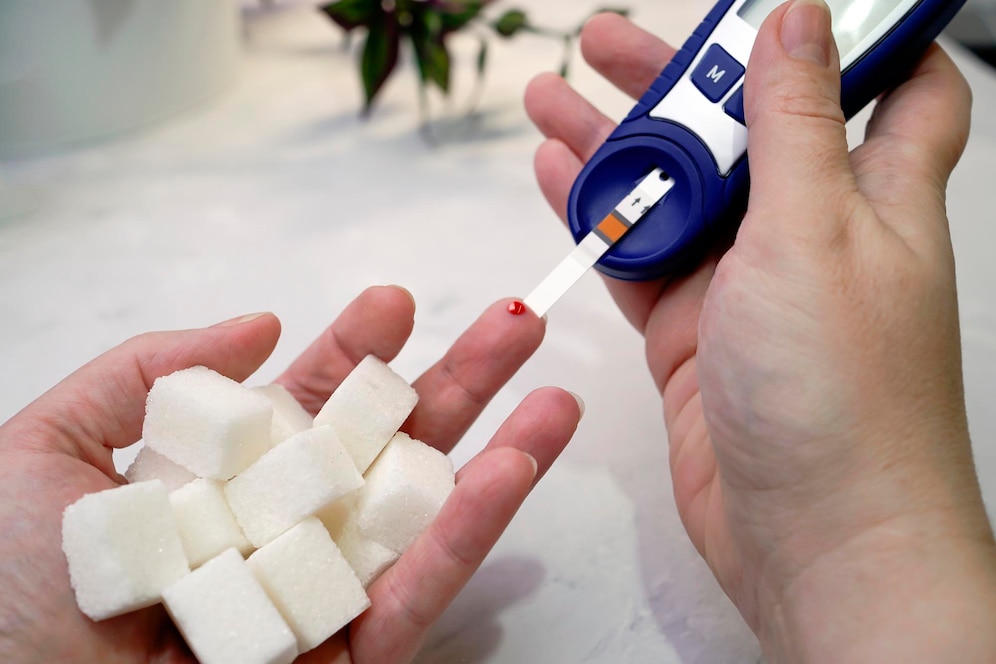
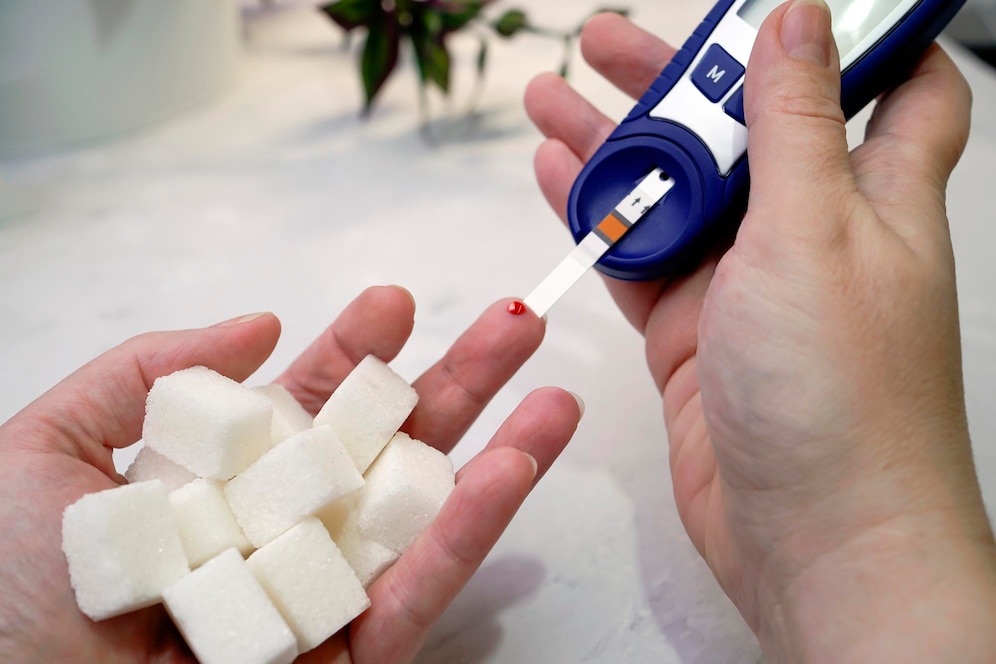
    Diabetes is a chronic disease that occurs when there is a high level of sugar in the blood. It can be caused by either too much sugar in the diet, or the body not producing enough insulin to properly metabolise the sugar. Over time, diabetes can lead to serious health complications like heart disease, stroke, kidney disease, and blindness.

    There are 537 million adults living with diabetes around the world. In India, there are 77 million people who have diabetes. So, let’s understand the dos and don’ts if you are a diabetic.

    Meal Timings

    DO understand the importance of meal timings

    For a diabetic, food timing is as important as the food they eat. Eating food at the right time boosts immunity, regulates sleep, aids digestion, and controls weight. Research suggests eating at regular intervals helps to maintain the blood sugar level. This helps avoid complications arising from diabetes.

    DON’T skip your meals

    Skipping meals tends to alter the balance between food intake and the production of insulin. This can lead to a dip in blood glucose levels, leading to conditions like hypoglycemia. Skipping meals also result in gastrointestinal side effects like nausea. Thus, this should be avoided at all costs if you are a diabetic.

    Lifestyle Habits

    DO exercise regularly

    Regular exercise improves blood sugar levels in those with type 2 diabetes. It promotes weight loss, which improves your overall well-being and keeps your blood glucose under control. It also reduces the chances of any cardiovascular complications as a result of uncontrolled sugar levels. Exercise boosts the body’s sensitivity to insulin, countering insulin resistance and other signs of diabetes.

    DON’T smoke and drink

    Smoking increases the chances of getting type 2 diabetes and its complications such as heart disease, eye disease, infections, stroke, and nerve damage. Alcohol can also interfere with your blood sugar levels.

    Parameters in control

    DO keep blood pressure under control

    Hypertension can damage your blood vessels, and when you team that up with uncontrolled diabetes, it can result in a heart attack or stroke. Switch to a healthy, low-fat, low-sodium diet. It can help control both your sugar levels and blood pressure. Checking your blood sugar levels daily also helps.

    DON’T miss regular check-ups

    Schedule regular diabetes checkups a year to ensure that your blood sugar levels are in control. Also, schedule yearly master health checkups and eye examinations. This helps you put the brakes on diabetes and its complications and get your health back on track.

    Pay Attention

    DO care for your eyes, teeth, and feet

    Diabetes may cause gum and foot infections as well as eye damage. Consult your dentist if your gums bleed or look red or swollen. Similarly, pay attention to your feet. High blood sugar can damage the nerves in your feet. If you notice any cuts or sores, speak to your doctor to prevent serious infections.

    DON’T lose sleep

    Lack of sleep can increase insulin resistance, which can in turn make it harder to control the blood sugar levels in a diabetic. If you have trouble sleeping, talk to your doctor about ways to improve your sleep habits.

    Meal choices

    DO develop healthy eating habits

    Get on a healthy-eating plan to control blood sugar, manage weight, and control heart disease and high blood pressure.

    Choose healthy carbohydrates, fibre-rich foods, and “good” fats. Stick to whole grains, legumes, low-fat milk and cheese, vegetables, nuts, and fruits, as these are some of the best foods for diabetes control. Salmon and mackerel must also be included on a diabetic food chart as these are rich sources of omega-3 fatty acids, which may prevent heart disease.

    DON’T eat unhealthily

    Avoid saturated fats such as those found in butter, beef, hot dogs, and palm oil; trans fats such as those found in processed snacks and baked goods; and foods with high sodium levels such as processed food.

    Conclusion

    Keeping your blood sugar levels under control can delay or prevent long-term, serious health problems, such as heart disease, kidney failure, and loss of vision. Diabetes is a lifelong condition. Although it cannot be cured, it can be managed with a positive attitude, a healthy diet, and regular exercise.

    Managing diabetes occasionally requires medical intervention. With the right lifestyle choices and safe medications, you can manage diabetes with ease. For the best generic medicines at competitive prices, visit the Medkart website today!

    FAQs

    1. What foods and drinks should I avoid if I have diabetes?

    Diabetics should avoid processed and fried foods and foods high in saturated fat, trans fat, and sodium. Also, avoid beverages with added sugars, such as soda, sweetened fruit juice, and sports, or energy drinks.

    2. What are the signs of diabetes?

    Frequent urination, increased thirst, unexplained weight loss, blurry vision, tingling in the hands or feet, fatigue, and dry skin are some of the signs of diabetes.

    3. Which breakfast is good for diabetics?

    Eggs, Greek yoghurt, oatmeal, whole grain toast, cottage cheese, fruits, and nuts make for a good nutritious breakfast in a diabetic food chart.

    4. What is the difference between diabetes mellitus and diabetes insipidus?

    Diabetes mellitus is a condition that occurs when the body does not regulate blood sugar levels. Diabetes insipidus occurs when the body cannot regulate fluids. The condition is caused by an imbalance of hormones and is not necessarily related to type 1 or 2 diabetes.

    5. Is potato good for diabetes?

    A diabetic can consume potatoes in moderation. Potatoes contain starch which takes a longer time to be broken down.

  • 7 Best Fatty Liver Diet to Follow | Liver Diet Guide

    7 Best Fatty Liver Diet to Follow | Liver Diet Guide

    Best Fatty Liver Diet to Follow

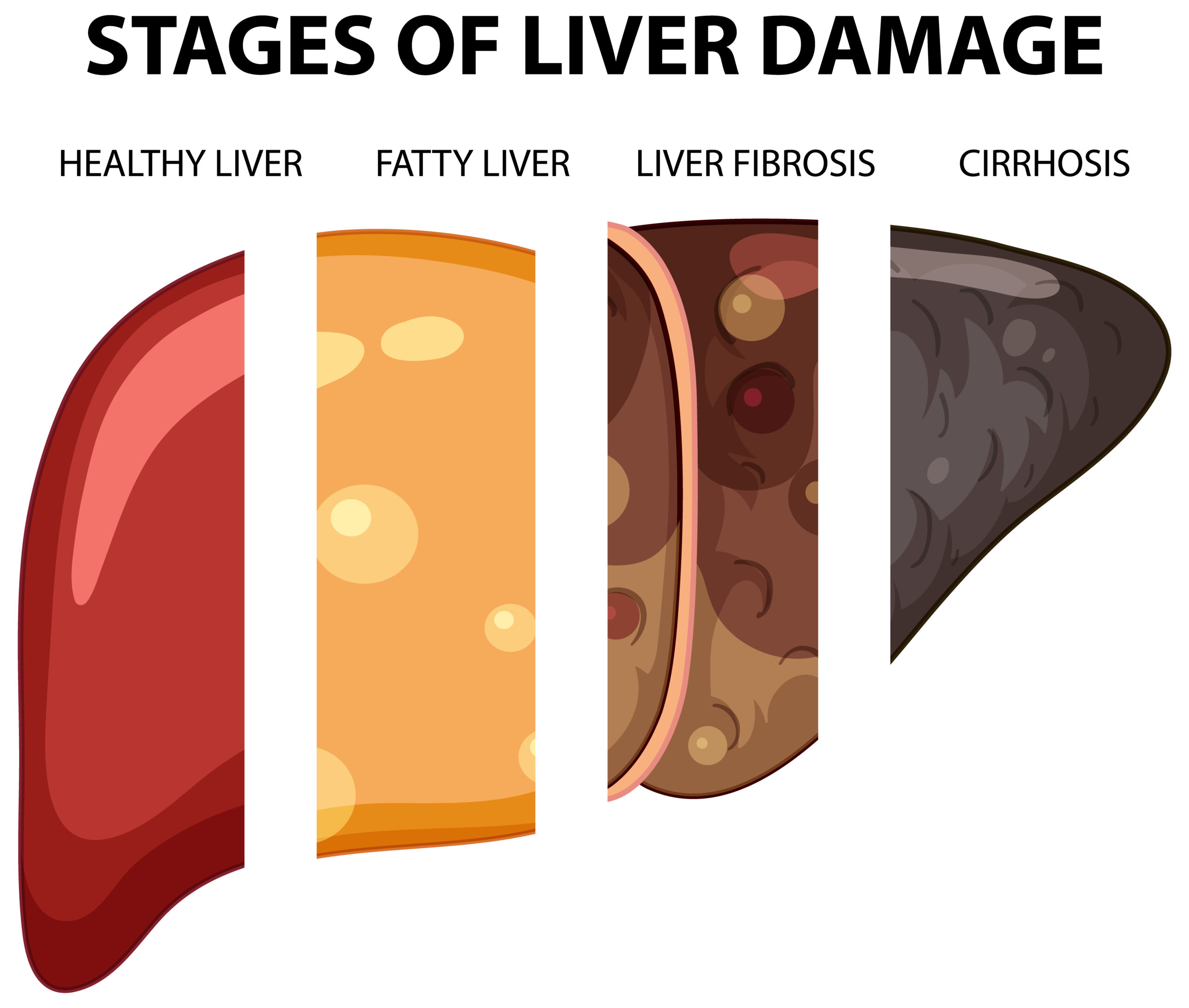
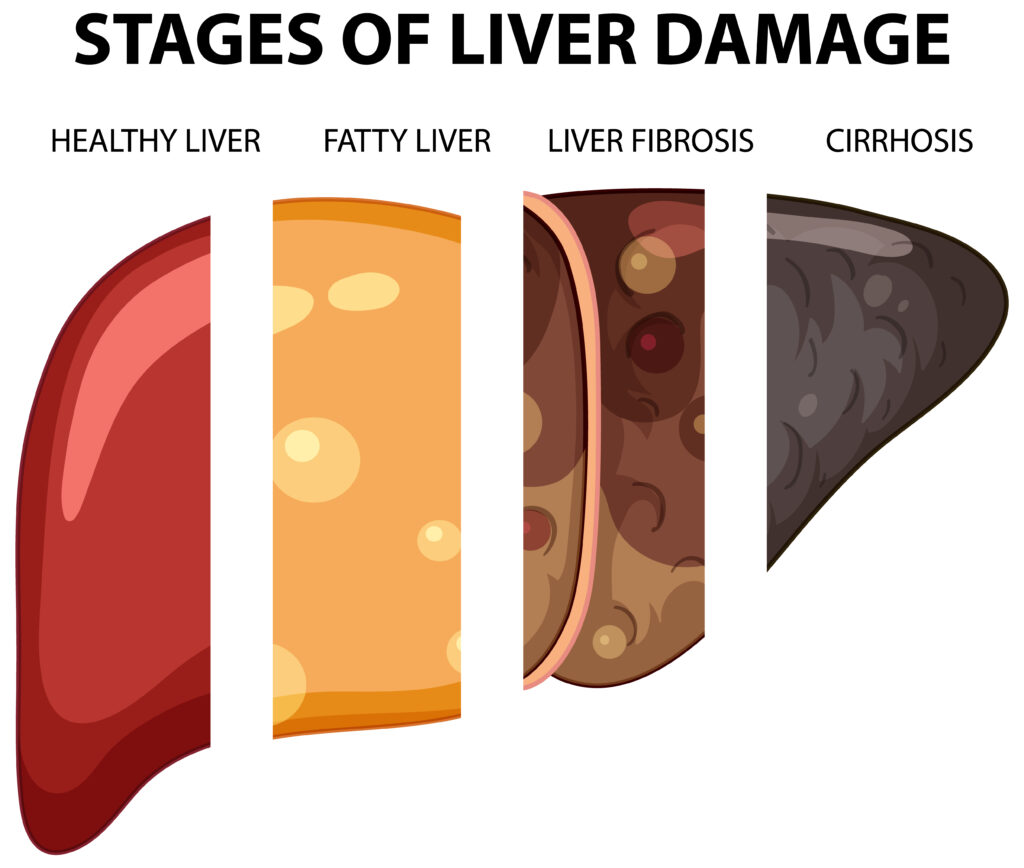
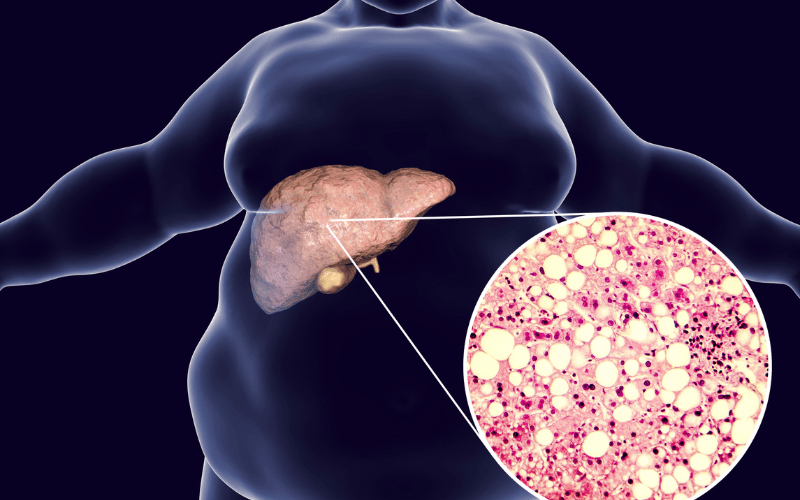
    Fatty liver is a condition where fat accumulates in the liver cells, leading to inflammation and damage to the organ. This condition is becoming increasingly common due to the unhealthy lifestyle choices people make. While in the early stages the condition is reversible, it can lead to serious complications like liver cirrhosis and liver failure if not treated on time. One of the most effective ways to manage and treat fatty liver is through dietary changes. In this article, we will discuss the 7 highly effective diet tips for fatty liver.

    What is Fatty Liver?

    Hepatic steatosis, another name for fatty liver, is a disorder where fat builds up in the liver cells. In a healthy liver, a small amount of fat is present, but when the fat content exceeds 5-10% of the liver’s weight, it is considered a fatty liver. The condition is more common in people who consume excessive alcohol, have diabetes, are obese, or have high cholesterol or triglycerides.

    Causes of Fatty Liver

    The main cause of fatty liver is an unhealthy lifestyle, which includes excessive alcohol consumption, a high-fat diet, and a sedentary lifestyle. Other factors that can lead to the condition are obesity, diabetes, high cholesterol, and metabolic syndrome. Certain medications and medical conditions like hepatitis C and Wilson’s disease can also lead to fatty liver.

    Symptoms of Fatty Liver

    In the early stages, fatty liver may not cause any symptoms, and it is often discovered during routine medical check-ups. The following signs may develop as the illness worsens:

    • Fatigue
    • Weakness
    • Weight loss
    • Abdominal pain and swelling
    • Jaundice
    • Confusion
    • Itchy skin

    Importance of Fatty Liver Diet

    Diet plays a crucial role in managing and treating fatty liver. A healthy diet can help reduce inflammation and the accumulation of fat in the liver cells. It can also help improve insulin resistance, which is a common cause of fatty liver. A healthy diet can also help lower cholesterol levels and maintain a healthy weight.

    7 Highly Effective Fatty Liver Diet Tips 

    Fatty Liver diet diet is an essential part of managing liver disease, and here are some highly effective fatty liver diet tips:

    • Eat a balanced diet: A balanced diet that includes whole grains, fruits, vegetables, lean protein, and healthy fats is essential for managing fatty liver. Avoid fried foods, processed foods, and sugary beverages.
    • Increase fiber intake: Fiber-rich foods like fruits, vegetables, and whole grains can help reduce inflammation and improve insulin resistance.
    • Limit alcohol consumption: Alcohol is a major contributor to fatty liver. Avoid alcohol or limit consumption to one drink per day for women and two drinks per day for men.
    • Choose healthy fats: Healthy fats like those found in nuts, seeds, and fatty fish can help reduce inflammation and improve liver function.
    • Avoid saturated and trans fats: Saturated and trans fats found in processed foods, fried foods, and high-fat meats can increase inflammation and contribute to fatty liver.
    • Drink plenty of water: Drinking plenty of water can help flush out toxins from the liver and improve liver function.
    • Avoid added sugars: Added sugars found in sweets, desserts, and sugary drinks can contribute to fatty liver and increase inflammation.

    Foods to Avoid with Fatty Liver

    When you have fatty liver disease, it’s important to avoid certain foods that can contribute to liver damage and inflammation. Here are some foods to avoid with fatty liver disease:

    • Fried foods: Fried foods are high in unhealthy fats and can contribute to the accumulation of fat in the liver. Stay away from fried items like onion rings, fried chicken, and fries.
    • Sugary foods and drinks: Sugary foods and drinks like candy, soda, and baked goods can lead to weight gain and contribute to liver damage. Choose low-sugar options or limit your intake of these foods.
    • Processed meats: Processed meats like bacon, sausage, and deli meat are high in saturated fat and can contribute to liver damage. Leaner protein options to choose from include tofu, fish, and chicken.
    • High-fat dairy products: High-fat dairy products like cheese and whole milk are high in saturated fat and can contribute to liver damage. Instead, pick low- or no-fat dairy products.
    • Alcohol: Excessive alcohol consumption is a leading cause of fatty liver disease and can lead to liver damage and inflammation. Avoid alcohol or limit your intake to one drink per day for women and two drinks per day for men.
    • Salt: Consuming too much salt can lead to fluid retention and contribute to liver damage. Avoid adding salt to your food and choose low-salt options when available.
    • Foods that have been processed and packaged: Foods that have been processed and packed frequently contain a lot of salt, sugar, and bad fats. Choose whole, unprocessed foods whenever possible.

    Remember, a healthy diet is an essential part of managing fatty liver disease. Work with your healthcare provider and a registered dietitian to develop a personalised diet plan that includes foods to avoid with fatty liver and meets your individual needs and health goals.

    Best Medication for Fatty Liver

    Fatty liver disease can be a serious condition that requires treatment to prevent further liver damage. While diet and lifestyle changes are the first line of defence, medication can also be helpful in managing the condition. Here are some of the best medication for fatty liver disease.

    1. Vitamin E: Vitamin E is an antioxidant that can help reduce inflammation and damage in the liver. It is considered one of the best medications for fatty liver disease, especially in people with non-alcoholic fatty liver disease (NAFLD). Studies have shown that vitamin E can improve liver function and reduce the severity of liver disease in some patients.
    2. Metformin: one of the fatty liver medicineMetformin is a medication commonly used to treat type 2 diabetes, but it can also be helpful in managing fatty liver disease. It works by reducing insulin resistance, which can improve liver function and reduce the amount of fat in the liver. It is considered one of the best medications for fatty liver disease in people with diabetes.
    3. Ursodeoxycholic acid (UDCA): UDCA is a medication that can be used to treat certain types of liver disease, including fatty liver disease. It works by reducing the amount of bile acids in the liver, which can help reduce inflammation and damage. It is considered one of the best medications for fatty liver disease in people with primary biliary cirrhosis (PBC) or primary sclerosing cholangitis (PSC).

    It’s important to note that while the best medication for fatty liver can be helpful in managing liver disease, it should always be used in conjunction with diet and lifestyle changes. It’s also important to work with a healthcare provider to determine the best course of treatment for your individual situation. By following a comprehensive treatment plan that includes medication, diet, and lifestyle changes, you can effectively manage fatty liver disease and reduce your risk of further liver damage.

    Exercise for Fatty Liver

    When there is an excessive buildup of fat in the liver, fatty liver disease develops. This can lead to inflammation, scarring, and even liver damage if left untreated. One way to manage and even reverse fatty liver disease is through exercise. Here are some exercises that can be helpful for people with fatty liver disease.

    1. Aerobic exercise: Aerobic exercise, such as walking, jogging, swimming, or cycling, can help burn fat and improve cardiovascular health. Additionally, it can enhance liver function and lessen liver inflammation. On most days of the week, try to get in at least 30 minutes of moderate-intensity aerobic activity. Regular exercise can be one of the best ways to manage fatty liver disease through physical activity.
    2. Resistance training: Resistance training, such as weightlifting, can help increase muscle mass and improve insulin sensitivity. This can be particularly helpful for people with non-alcoholic fatty liver disease (NAFLD), as insulin resistance is a common feature of this condition. Focus on all of the major muscle groups throughout at least two weekly workouts. Resistance training is an excellent Exercise for Fatty Liver.
    3. High-intensity interval training (HIIT) is a type of exercise that alternates short bursts of high intensity with rest or moderate intensity exercise. This type of exercise has been shown to be particularly effective at burning fat and improving cardiovascular health. It may also be helpful for people with fatty liver disease, but it’s important to start slowly and work up to higher intensities gradually.
    4. Yoga and stretching: Yoga and stretching can help improve flexibility, reduce stress, and improve overall well-being. They can also be helpful for people with fatty liver disease, as stress can contribute to inflammation and liver damage. Plan to attend at least one session each week.

    It’s important to start slowly and work up gradually when starting an exercise program. It’s also important to consult with a healthcare provider before starting any new exercise program, especially if you have advanced liver disease. By incorporating exercise into your overall treatment plan for fatty liver disease, you can improve liver function, reduce inflammation, and improve overall health. Exercise for Fatty Liver can be an effective way to manage the disease.

    Fatty Liver Home Remedies

    While medical treatment and lifestyle changes are often recommended for managing fatty liver disease, there are also several fatty liver home remedies that may be helpful. Here are some examples

    • Drinking green tea
    • Consuming turmeric
    • Eating garlic
    • Drinking lemon water
    • Consuming apple cider vinegar

    While these fatty liver home remedies may be helpful in managing fatty liver disease, it’s important to remember that they are not a substitute for medical treatment or lifestyle changes recommended by your healthcare provider. If you have fatty liver disease, it’s important to work closely with your healthcare provider to develop a comprehensive treatment plan that may include a combination of medical treatment, lifestyle changes, and home remedies.

    Conclusion

    Fatty liver is a common condition that can lead to serious complications if not treated on time. Dietary changes play a crucial role in managing and treating the condition. Following a healthy diet, avoiding certain foods, limiting alcohol consumption, and regular exercise can help improve liver function and reduce inflammation. It is important to consult a healthcare professional before making any significant dietary or lifestyle changes.

    Call To Action

    For access to more such interesting articles on healthcare, visit Medkart today!

  • Hepatitis A & Hepatitis B: Diagnosis & treatment | Inflammation of liver

    Hepatitis A & Hepatitis B: Diagnosis & treatment | Inflammation of liver

    Hepatitis A & Hepatitis B

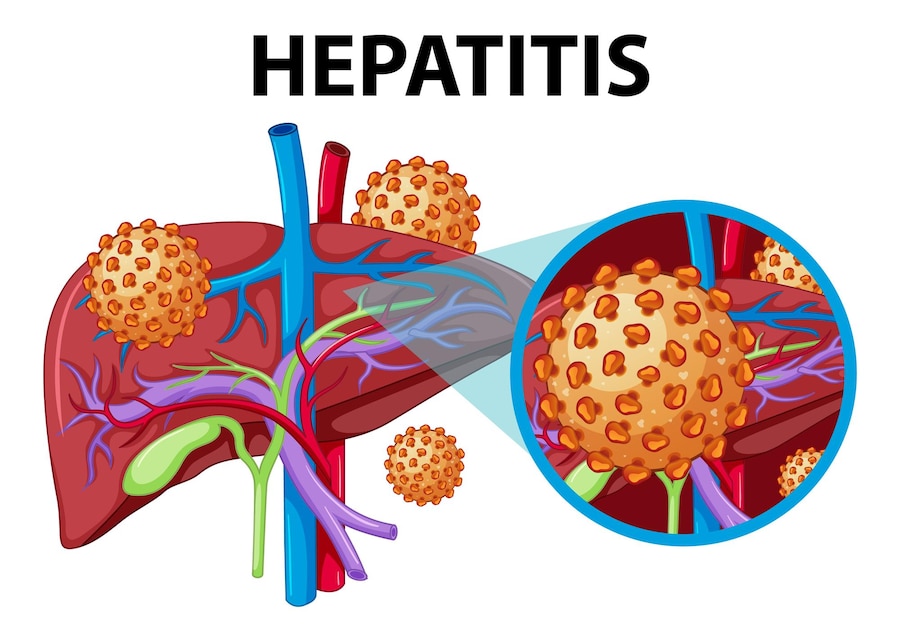
    Both hepatitis A and B are viral illnesses of the liver. They can cause inflammation of the liver and lead to serious health complications if left untreated. In this article, we will discuss the causes, symptoms, diagnosis, and treatment options for hepatitis A and B. We will also talk about the importance of hepatitis A and B vaccines and lifestyle changes that can help manage liver inflammation.

    Introduction to Hepatitis A and B

    Hepatitis A and B are both caused by viruses that attack the liver. Hepatitis A is usually transmitted through contaminated food or water, while hepatitis B is spread through blood, semen, or other body fluids. Both viruses can cause similar symptoms, including fatigue, abdominal pain, nausea, and jaundice.

    Hepatitis A is usually a short-term illness that does not cause long-term liver damage, while hepatitis B can lead to chronic liver disease and liver cancer. It is important to seek medical attention if you experience symptoms of hepatitis A or B, as early treatment can prevent serious health complications.

    Understanding Inflammation of Liver

    Inflammation of liver is a common symptom of hepatitis A and B. It occurs when the liver becomes swollen and inflamed in response to the viral infection. Inflammation can cause damage to liver cells and affect the liver’s ability to function properly. This could have serious health consequences if left unchecked.

    Inflammation of liver can also be caused by other factors, such as alcohol abuse, obesity, and certain medications. It is important to identify the underlying cause of liver inflammation in order to determine the best course of treatment.

    Causes and Symptoms of Hepatitis A and B

    Hepatitis A is caused by the hepatitis A virus, which is usually transmitted through contaminated food or water. Symptoms of hepatitis A usually appear within 2 to 6 weeks of exposure and can include fatigue, abdominal pain, nausea, vomiting, and jaundice.

    Hepatitis B is caused by the hepatitis B virus, which is spread through blood, semen, or other body fluids. Symptoms of hepatitis B can vary widely and may include fatigue, abdominal pain, joint pain, and jaundice. Some people with hepatitis B may not experience any symptoms at all, which can make it difficult to diagnose.

    Diagnosis of Hepatitis A and B

    Diagnosing hepatitis A and B usually involves a blood test to detect the presence of antibodies to the virus. In some cases, additional tests may be needed to determine the extent of liver damage and to rule out other causes of liver inflammation.

    It is important to seek medical attention if you experience symptoms of hepatitis A or B, as early diagnosis and treatment can prevent serious health complications.

    Treatment options for Hepatitis A and B

    There is no specific hepatitis A treatment, as the virus usually runs its course within a few weeks. Treatment for hepatitis A usually involves rest, fluids, and over-the-counter medications to relieve symptoms.

    Hepatitis B treatment may involve antiviral medications to reduce the amount of virus in the body and slow the progression of liver damage. If the liver is significantly damaged, a liver transplant may be required in some instances.

    Medications for Hepatitis A and B

    Antiviral medications are the mainstay of treatment for hepatitis B. These medications work by reducing the amount of virus in the body and slowing the progression of liver damage. Some common antiviral medications used to treat hepatitis B include entecavir, tenofovir, and lamivudine.

    There is no specific medication for treating hepatitis A, as the virus usually runs its course within a few weeks. Over-the-counter medications can be used to relieve symptoms, such as fever and pain.

    Lifestyle Changes to Manage Hepatitis A and B

    Making lifestyle changes can help manage liver inflammation and prevent serious health complications. These changes may include:

    Avoiding medications and alcohol that can harm the liver

    Consuming a diet high in fruits, vegetables, and whole grains

    Exercising frequently to keep a healthy weight

    Getting enough rest and managing stress

    Avoiding exposure to other people’s blood and body fluids

    Prevention of Hepatitis A and B through Vaccination

    Vaccination is the most effective method for prevention of hepatitis A and B. The hepatitis A vaccine is recommended for all children at age 1 year and for adults who are at risk of infection, such as travelers to areas with high rates of hepatitis A.

    The hepatitis B vaccine is recommended for all infants at birth and for adults who are at risk of infection, such as healthcare workers and people who have unprotected sex with multiple partners.

    Hepatitis A Vaccine: Who should get it?

    The hepatitis A vaccine is recommended for all children at age 1 year and for adults who are at risk of infection, such as travelers to areas with high rates of hepatitis A. The vaccine is also recommended for people with chronic liver disease, as they are at higher risk of developing serious health complications from hepatitis A.

    Hepatitis B Vaccine: Who should get it?

    The hepatitis B vaccine is recommended for all infants at birth and for adults who are at risk of infection, such as healthcare workers and people who have unprotected sex with multiple partners. The vaccine is also recommended for people with chronic liver disease, as they are at higher risk of developing serious health complications from hepatitis B.

    Hepatitis A and B Treatment: FAQs

    Q: Is there a cure for hepatitis A and B?

    A: There is no cure for hepatitis A or B, but early treatment can prevent serious health complications.

    Q: How long does it take for hepatitis A patients to recover?

    A: Most people with hepatitis A recover within a few weeks, but some may experience symptoms for up to 6 months.

    Q: Can you get hepatitis A or B more than once?

    A: It is possible to get hepatitis A or B more than once, although this is rare.

    Q: What level of efficacy do the hepatitis A and B vaccinations have?

    A: The hepatitis A and B vaccines are highly effective at preventing infection.

    Conclusion

    Hepatitis A and B are both viral infections that can cause inflammation of the liver and lead to serious health complications if left untreated. It is important to seek medical attention if you experience symptoms of hepatitis A or B, as early treatment can prevent serious health complications.

    Vaccination is the most effective method of preventing hepatitis A and B. The hepatitis A vaccine is recommended for all children at age 1 year and for adults who are at risk of infection. The hepatitis B vaccine is recommended for all infants at birth and for adults who are at risk of infection.

    Making lifestyle changes can also help manage liver inflammation and prevent serious health complications. These changes may include avoiding alcohol and drugs that can damage the liver, eating a healthy diet, getting regular exercise, and managing stress.

    Remember, prevention is key when it comes to hepatitis A and B.

    Call To Action

    Visit Medkart to get the best generic medicines at the lowest prices, today!

  • Understanding Grade 1, 2 and 3 Fatty Liver: Symptoms and Prevention Techniques

    Understanding Grade 1, 2 and 3 Fatty Liver: Symptoms and Prevention Techniques

    Understanding Grade 1, 2 and 3 Fatty Liver image

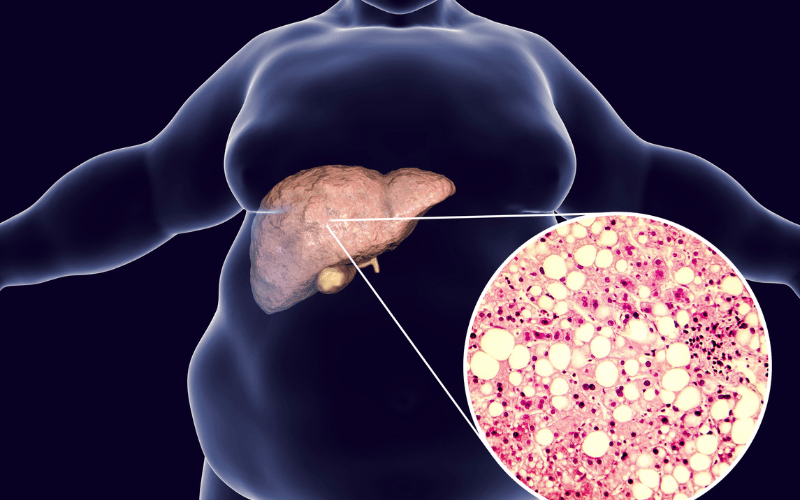
    Fatty liver disease occurs when fat builds up inside the cells of the liver. This condition can range from mild to severe, and is categorized into three grades – grade 1, grade 2 and grade 3. Each grade is distinguished by the amount of fat present in the liver and the severity of the condition.

    Introduction to Fatty Liver Disease

    Fatty liver disease affects millions of people worldwide. It is caused by the accumulation of fat in the liver cells, which can lead to inflammation, scarring and liver damage. The most common form is non-alcoholic fatty liver disease (NAFLD), which occurs in people who do not consume excessive amounts of alcohol. NAFLD is often associated with other health conditions such as obesity, type 2 diabetes, and high cholesterol.

    Fatty Liver Grade 1

    Fatty liver Grade 1, also known as mild fatty liver, is a condition where there is a slight accumulation of fat in the liver cells. It is often diagnosed incidentally during routine medical check-ups, as it usually does not cause any symptoms.

    Symptoms

    Fatty liver Grade 1 usually does not cause any noticeable symptoms. However, in some cases, people may experience fatigue, weakness, or discomfort in the upper right side of the abdomen.

    Causes

    The exact cause of fatty liver grade 1 is not known, but it is often associated with obesity, insulin resistance, and high cholesterol levels. Other risk factors include a sedentary lifestyle, a diet high in saturated fats and processed foods, and certain medications.

    Prevention Techniques

    The best way to prevent fatty liver grade 1 is to maintain a healthy lifestyle. This includes eating a balanced diet that is low in saturated fats and processed foods, exercising regularly, and maintaining a healthy weight. It is also important to avoid alcohol and limit the use of certain medications that can cause liver damage.

    Fatty Liver Grade 2

    Fatty liver Grade 2, also known as moderate fatty liver, is a condition where there is a moderate accumulation of fat in the liver cells, which can lead to inflammation and scarring.

    Symptoms

    Fatty liver Grade 2  may cause symptoms such as fatigue, weakness, discomfort in the upper right side of the abdomen, and mild jaundice.

    Causes

    The causes of fatty liver grade 2 are similar to those of grade 1 fatty liver, and include obesity, insulin resistance, high cholesterol levels, a sedentary lifestyle, a diet high in saturated fats and processed foods, and certain medications.

    Fatty Liver Disease Symptoms image

    Is Grade 2 Fatty Liver Dangerous?

    Grade 2 fatty liver can lead to more serious complications if left untreated. It may lead to more serious liver conditions including cirrhosis or liver cancer. It is important to seek medical attention if you suspect you have grade 2 fatty liver.

    Prevention Techniques

    The prevention techniques for fatty liver grade 2 are similar to those for grade 1 fatty liver. Maintaining a healthy lifestyle is key to preventing fatty liver disease. It is also important to manage any underlying health conditions, such as obesity, type 2 diabetes, and high cholesterol levels.

    Fatty Liver Grade 3

    Fatty liver Grade 3, also known as severe fatty liver, is a condition where there is a significant accumulation of fat in the liver cells, which can lead to inflammation, scarring and liver damage.

    Symptoms

    Fatty liver Grade 3  may cause symptoms such as fatigue, weakness, discomfort in the upper right side of the abdomen, jaundice, and fluid accumulation in the abdomen.

    Causes

    The causes of Fatty liver grade 3 are similar to those of grade 1 and 2 fatty liver, and include obesity, insulin resistance, high cholesterol levels, a sedentary lifestyle, a diet high in saturated fats and processed foods, and certain medications.

    Prevention Techniques

    The prevention techniques for fatty liver grade 3 are similar to those for grade 1 and 2 fatty liver. Maintaining a healthy lifestyle is key to preventing fatty liver disease. It is also important to manage any underlying health conditions, such as obesity, type 2 diabetes, and high cholesterol levels.

    Life Expectancy with Fatty Liver Disease

    The life expectancy depends on the severity of the condition and the presence of other health conditions. In general, people with mild to moderate fatty liver disease have a good prognosis, while those with severe may have a shorter life expectancy.

    Conclusion

    Millions of people all around the world suffer from the common condition known as fatty liver disease. It is categorized into three grades – grade 1, grade 2 and grade 3 – each with its own set of symptoms, causes and prevention techniques. Maintaining a healthy lifestyle and managing underlying health conditions are key to preventing fatty liver disease. It is important to seek medical attention to prevent serious complications.

    FAQs on Understanding Grade 1, 2 and 3 Fatty Liver

    Q1. Are there any specific dietary recommendations for preventing fatty liver disease?

    Maintaining a healthy diet is essential for preventing fatty liver disease. A diet low in saturated fats, sugars, and processed foods, and high in fruits, vegetables, and whole grains can help prevent the accumulation of fat in the liver.

    Q2. Are there any specific exercises that can help prevent or manage fatty liver disease?

    Regular exercise, especially aerobic exercise such as walking, jogging, or swimming, can help prevent and manage fatty liver disease. Exercise helps improve insulin sensitivity, promotes weight loss, and reduces fat accumulation in the liver.

    Q3. Can fatty liver disease affect children?

    It can affect children, especially those who are overweight or obese. This condition, known as pediatric nonalcoholic fatty liver disease (NAFLD), is becoming increasingly common and can lead to serious health problems if not addressed.

    Q4. Can fatty liver disease affect people who don’t drink alcohol?

    It can affect people who do not drink alcohol. Non-alcoholic fatty liver disease (NAFLD) is the most common form that occurs in people who do not consume excessive amounts of alcohol. It is often associated with obesity, type 2 diabetes, and high cholesterol.

    Related Links:

  • What you might not know about childhood obesity | Causes, effects, preventions

    Childhood Obesity image

    Introduction – Childhood Obesity

    Does your child regularly eat junk foods like burgers, pizzas and baked foods? Do they spend more time indoors? Are you worried about their weight gain?

    Childhood obesity is increasing at an alarming rate in India. It raises the risk of health conditions, such as diabetes, cholesterol, and high blood pressure in children and teenagers.

    Read on to learn more about the causes of childhood obesity and childhood obesity prevention. Consult your doctor to understand if your child’s excess weight lies within the unhealthy range and how to control it.

    Causes of childhood obesity

    An unhealthy lifestyle is the main cause of obesity in children. Other factors that lead to obesity are:

    • Unhealthy eating habits:

    Easy availability and regular consumption of fast foods, fried foods, desserts, colas, and sports drinks cause weight gain in children.

    • Lack of exercise:

    Today, children spend more time indoors watching TV or playing games on smartphones and tablets. The lack of physical activity leads to weight gain.

    • Stress:

    Children often overeat to cope with parental/peer pressure, boredom, loneliness, and family stress. This emotional eating is also a cause of obesity.

    • Family history:

    A family history of obesity increases the risk of obesity in your child. Furthermore, the availability of high-calorie foods at home and the lack of encouragement for physical activity lead to childhood obesity.

    • Socioeconomic conditions:

    Lack of resources to buy healthy foods, limited space for physical activity, and availability of unhealthy foods at schools or daycare centres contribute to weight gain in children.

    Effects of childhood obesity

    Childhood obesity leads to a higher risk of developing health conditions such as:

    1. Type 2 diabetes
    2. High blood pressure
    3. High cholesterol
    4. Heart disease
    5. Sleep apnea
    6. Stroke
    7. Asthma
    8. Osteoarthritis
    9. Fatty liver
    10. Depression
    11. Low self-esteem

    How can you prevent childhood obesity?

    As a parent, you can prevent obesity in your child by dealing with the issue with love, compassion, and empathy.

    Focus on your child’s health:

    Give importance to your child’s overall health instead of focusing only on their weight. Share your concerns about obesity with your child. Encourage him/her to make healthy choices. Avoid putting your child on a diet to lose weight. Instead, instil in him/her healthy eating habits and increase his/her physical activity.

    Set a good example:

    How you take care of your health impacts your child’s outlook towards their health. Let them know how you make an effort to stay physically active. Include the entire family in leading a healthy life.

    Replace junk food with healthy snacks:

    Stock healthy snacking options, such as fruits, vegetables, low-fat yoghurt, whole-grain cereal, low-fat milk, air-popped popcorn, and homemade snacks. Pack your child’s lunch with healthy foods. Involve your child in food shopping and cooking.

    Exercise together:

    Plan physical activities for the entire family. Participate in activities like walking, swimming, yoga or cycling, which everyone will enjoy.

    Reduce screen time:

    Reduce the amount of time you spend watching TV as a family. Also, encourage your child to limit their screen time to an hour a day.

    Reduce sugar intake:

    Avoid colas, sugary drinks, candies etc. Opt for fresh juices, coconut water, low-fat milkshakes and smoothies without sugar.

    Ensure your child gets enough sleep:

    Sleep deprivation also leads to hormonal imbalances and childhood obesity. Ensure your child gets enough sleep. Switch off digital devices an hour before bedtime for better sleep.

    Visit your doctor regularly:

    Take your child for regular check-ups to measure his/her weight and height. This will help your doctor to check your child’s overall health and advise dietary changes or treatment if required.

    Takeaway

    Dietary and lifestyle changes will help your child overcome obesity. As a parent, your choices impact your child’s health too. Involve the entire family in making healthy food choices. Engage in physical activities regularly to help motivate your child. Childhood obesity can have long-term consequences. Consult your family doctor for your child’s weight-related issues and get help today!

    For your convenience, we bring you the Medkart online pharmacy. Upload your prescriptions and get all your medicines delivered at your doorstep. To save money on quality generic medicines, download our app now!

    FAQs Related to childhood obesity

    1. How do sugary drinks cause weight gain in children?

    Sugary drinks, colas, and sports drinks are high in calories but low in nutrients. These drinks do not cause a feeling of fullness. Therefore, children tend to consume these in excess and in turn gain weight.

    2. What is BMI? How often should I calculate my child’s BMI?

    BMI (Body Mass Index) is a measure of weight with respect to a person’s height. It helps your doctor understand if your child belongs to the underweight, normal, overweight, or obese category. You must measure your child’s BMI once a year. BMI is calculated as follows:

    BMI = Kg/m2 (Kg = Weight, m2 = height in metres squared)

    3. How does childhood obesity affect a child’s quality of life?

    Childhood obesity can affect the child’s physical, emotional, and social functioning. It can lead to self-esteem issues, anxiety, depression, and aggression. It can cause weak bones and joints and postural problems. It can also cause diabetes, fatty liver, and heart disease. Further, childhood obesity can cause early puberty in girls.