Category: Health & Wellness

  • Cholesterol

    Cholesterol

    Cholesterol

    Introduction

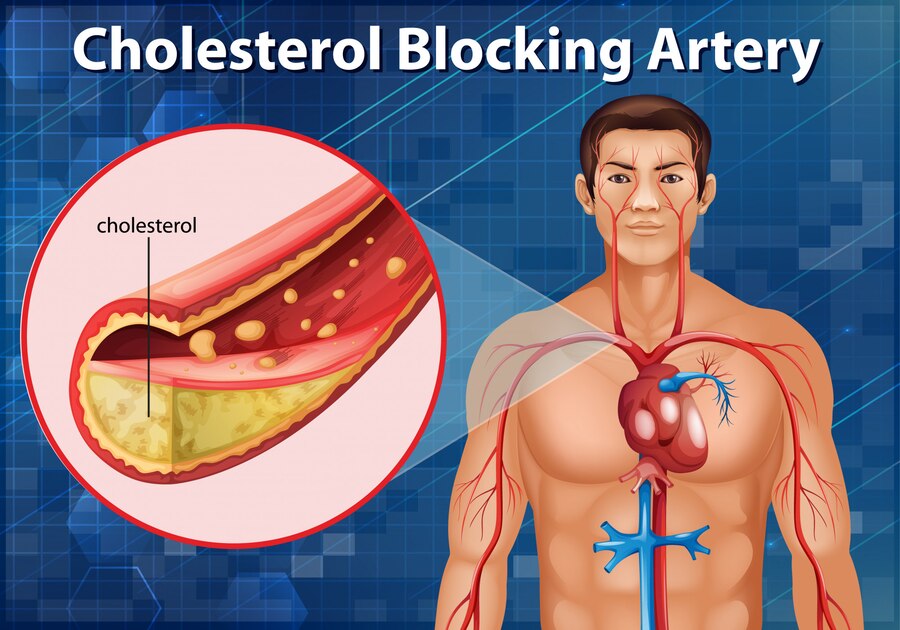
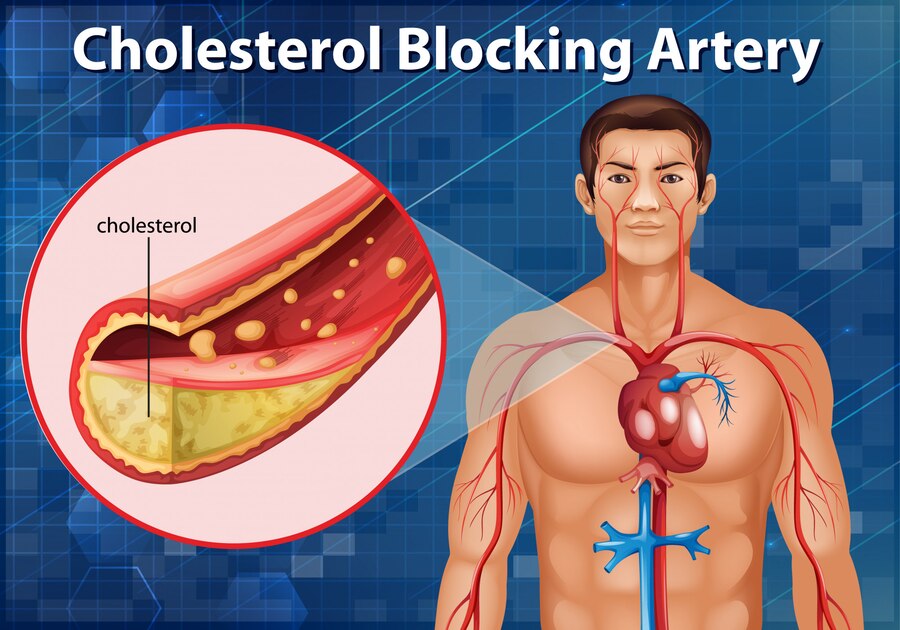
    Cholesterol is the waxy substance found in your blood that can clog the blood vessels, leading to detrimental health effects. To determine your cholesterol levels, you can get a blood test. This article will shed more light on the types of cholesterol, their effects on the body, how to treat high cholesterol levels, and certain myths and facts about cholesterol. Read on to know more.

    Types of cholesterol

    According to the Centers for Disease Control (CDC), the various types of cholesterol are as follows.

    • High-density lipoproteins (HDL cholesterol) – Also called “good cholesterol,” it ensures that extra cholesterol in the body is flushed out via the liver.

    • Low-density lipoproteins (LDL cholesterol) – also called “bad cholesterol,” it increases the chances of stroke and heart disease.

    • Very low-density lipoproteins (VLDL cholesterol)- Another type of “bad cholesterol,” it leads to an increase in triglyceride levels and plaque buildup.

    • Triglycerides- A type of fat that is required in your body. However, high levels can cause adverse effects on your body.

    How to check cholesterol levels?

    To check your cholesterol levels, a simple blood test that needs minimum fasting of 12 hours needs to be done. The following table provides further details on blood cholesterol levels measured in milligrams of cholesterol per deciliter of blood (mg/dL).

    CHOLESTEROL LEVELS

    HEART HEALTHY AT-RISK DANGEROUS

    HDL

    Male

    Female

    60 and higher

    40-59

    50-59

    Under 40

    Under 50

    LDL Under 100 100-159 160 and higher

    TOTAL CHOLESTEROL Under 200 200-239 240 and higher

    What causes high cholesterol?

    The condition with high blood cholesterol levels is known as hypercholesterolemia. Certain causes are within your control (modifiable) while others cannot be modified. The causes of high cholesterol levels are as follows.

    Modifiable causes

    • Inactivity or sedentary lifestyle

    • Obesity

    • Unhealthy diet

    • Smoking

    • Alcohol

    Non-modifiable causes

    • Family history

    • Genetic makeup

    • Age – above 40 years

    • Diabetes

    • Chronic kidney disease

    • HIV/AIDS

    • Hypothyroidism

    • Lupus

    • Medications taken for diseases like cancer, acne, high blood pressure, HIV/AIDS, irregular heart rhythm, and organ transplantation can also lead to hypercholesterolemia.

    Signs and symptoms of high cholesterol in the body

    Hypercholesterolemia is a silent disease. Therefore, a routine blood test is the safest way to identify if your cholesterol levels are high. However, certain signs of high cholesterol levels may be noticeable. It is vital to be aware of them to take action at the earliest.

    Signs of cholesterol on the face

    • Soft patches of yellowish bumps around your eyes, mostly seen on the upper eyelid, called xanthelasma.

    • Appearance of a light-coloured, yellowish ring around your cornea called corneal arcus.

    Signs of cholesterol on the skin

    • Fatty deposits under the skin lead to an unexplained set of bumps, patches of soft yellowish skin, or discolouration on your extremities, called xanthomas.

    • Psoriasis – an inflammatory skin condition

    • Net-like bluish-red mottling of the skin called livedo reticularis.

    Effects of high cholesterol on the body

    High cholesterol levels can lead to the following systemic effects within your body.

    • Blockage in the arteries of the brain

    • Adverse effects on memory

    • Stroke

    • Pain in the jaw

    • Chest pain

    • Heart attacks

    • Gallstones

    • Numbness in the legs

    High cholesterol treatment and precautions

    If your cholesterol levels are high, you can take the following precautions and avail the following treatments (only after expert consultation).

    Prevent high cholesterol

    • Make healthy eating choices by including foods rich in fibre and low in saturated fats and sugars.

    • Maintain a healthy weight by monitoring your diet and physical activity.

    • Engage in regular physical activity.

    • Avoid smoking and alcohol intake.

    • Manage stress

    Cholesterol medicine

    Certain cholesterol tablets prescribed by your doctor can help reduce cholesterol levels, along with lifestyle changes. Cholesterol tablets include cholesterol-lowering medicines such as statins, bile acid sequestrants, fibrates, and nicotinic acid.

    What causes low cholesterol?

    Low cholesterol levels in the blood are known as hypolipidemia. A total cholesterol level of less than 120 mg/dl or an LDL of less than 50 mg/dl is considered as hypolipidemia. Causes of low cholesterol include the following.

    • Poor nutrition

    • Inability to absorb nutrients

    • Chronic infections

    • Chronic inflammation

    • Certain genetic disorders

    • Taking cholesterol-lowering medications without appropriate follow-up with the doctor

    Signs and symptoms of low cholesterol in the body

    Symptoms of low cholesterol in the body are as follows.

    • Depressive symptoms

    • Anxiety

    • Confusion

    • Nervousness

    • Changes in one’s mood, sleep or eating patterns

    • Bleeding in the brain

    Low cholesterol treatment and precautions

    Since low cholesterol levels do not show up until it is too late, getting your cholesterol levels checked regularly is the best way to identify it. Treating low cholesterol levels depends on the cause. It is important to remember that simply eating a diet high in cholesterol will not solve the problem. Consult your healthcare practitioner before initiating any treatment.

    Some of the best ways to prevent low cholesterol levels are as follows.

    • Eat healthy food

    • Check cholesterol levels regularly

    • Maintain an active lifestyle

    • Be attentive to symptoms of anxiety and stress.

    Myths and facts about cholesterol

    Dispelling certain myths about cholesterol with facts can help you acquire knowledge about cholesterol.

    Myth: All cholesterol is bad.

    Fact: HDL cholesterol is good cholesterol and helps in eliminating excess bad cholesterol from your body.

    Myth: I can feel high cholesterol levels.

    Fact: High cholesterol levels are identified only through a blood test. Usually, the signs of high cholesterol are difficult to pick up till they are advanced.

    Myth: Eating high-cholesterol foods will not affect my cholesterol levels.

    Fact: High-cholesterol foods like red meat, cheese, and butter contain saturated fats that increase your cholesterol levels. Contrarily, consuming foods rich in fibre like oatmeal, beans, whole grains, etc. can help maintain normal cholesterol levels.

    Conclusion

    Cholesterol levels, if high, may go unnoticed for a long time. A simple blood test to check your cholesterol levels every 5 years can help prevent and manage this condition. Taking necessary precautions like following a healthy lifestyle, diet, and exercise can help maintain your cholesterol levels.

  • Coronary Heart Disease: Types, Symptoms, Treatment

    Coronary Heart Disease: Types, Symptoms, Treatment

    Coronary Heart Disease

    What is coronary heart disease?

    Coronary heart disease (CHD) occurs when the heart’s arteries cannot supply the organ with enough oxygen-rich blood. It is also known as coronary artery disease (CAD) or ischaemic heart disease (IHD). It is one of the most common heart conditions. With a heart-healthy lifestyle, CAD can be prevented quite easily.

    Types of coronary artery disease

    Coronary artery disease or coronary heart disease is of three types:

    Obstructive coronary artery disease:

    Plaque buildup causes the coronary arteries to narrow gradually. It is the most typical and well-known form of CAD. Narrowing arteries may eventually block your heart’s blood supply.

    Nonobstructive coronary artery disease:

    It refers to various forms of coronary artery dysfunction other than atherosclerosis, such as damage to one or more coronary artery endothelial layers (i.e., inner lining of the vessels) or sudden coronary artery contractions.

    Spontaneous coronary artery dissection (SCAD):

    It is a rare but dangerous condition in which a blood clot, or hematoma, spontaneously forms within one of the artery walls. It obstructs blood flow to the heart, leading to a heart attack or sudden death. SCAD can strike men or women at any age but is common in women in their 40s and 50s.

    Causes of coronary artery disease

    It often takes years for CAD to occur. The symptoms might go unnoticed before a significant blockage causes problems or a heart attack.

    In coronary artery disease, fats, cholesterol, and other substances build up on the inner walls of the coronary arteries, which causes atherosclerosis. The arteries may narrow due to fat buildup (plaque), thus hindering coronary circulation or blood flow to the heart muscles. This leads to a lack of blood supply to the heart muscle and eventually results in death.

    Symptoms of coronary artery disease

    Even though two people may have the same type of coronary heart disease, their symptoms may vary. However, in general, coronary artery disease symptoms or ischemic heart disease symptoms may include:

    • Chest pain (angina) or a feeling of tightness on the middle or left side of the heart
    • Breathlessness
    • Profuse sweating
    • Nausea and vomiting
    • Burning pain that travels upwards towards the jaws, especially in women.

    Risk factors of coronary artery disease

    Common risk factors of coronary artery disease include:

    • Age above 45
    • Men are at a higher risk of developing CAD after their late 40s.
    • Women are at high risk after their 50s, most likely during menopause.
    • A family history of coronary heart disease
    • Uncontrolled blood pressure or hypertension
    • Too many low-density lipoproteins or bad cholesterol in the blood
    • Diabetes
    • Smoking and alcohol intake
    • Lack of physical activity
    • Psychological stress
    • Consuming foods high in salt, sugar, trans fat, and saturated fats

    Precautions for coronary artery disease

    You can prevent up to 90% of cardiovascular diseases by avoiding known risk factors. Maintaining a healthy and active lifestyle can decrease the chances of developing coronary disease in people. Regular exercising, refraining from alcohol and tobacco, and eating healthy are key factors in improving heart health.

    Myths related to coronary artery disease

    1. You can eat anything if you take a cholesterol-lowering medication.
    2. Cholesterol in the blood comes from the liver and fatty foods we eat. Cholestrol-lowering medications (statins) reduce liver-manufactured cholesterol only. If you take a statin and continue to consume foods high in saturated fat and cholesterol, the medication will not work as well as it should.
    3. Avoid fats if you have heart disease.
    4. This one is the biggest myth surrounding heart disease. In fact, one should only avoid saturated fats (animal fats, trans fats) and consume polyunsaturated fats to keep the heart healthy.

    Diagnosis of coronary artery disease

    Various tests are employed to diagnose coronary heart disease. They include:

    • Electrocardiogram (ECG)
    • Echocardiogram
    • Coronary angiography or coronary catheterisation, wherein a dye is inserted into blood vessels via a catheter to look for blockages
    • Exercise stress test
    • Cardiac CT scans
    • Lipid profile

    Treatment of coronary artery disease

    Lifestyle changes like exercising and dietary patterns in the early stages can significantly reduce the risk of CAD. CAD is treated both via medications and surgery. Medications like statins (reduce cholesterol) and anti-platelet therapy, including clopidogrel and aspirin, nitrates (dilate arteries), beta-blockers, calcium channel blockers, and others, help treat CAD.

    However, in advanced stages, surgical intervention is necessary, which involves:

    • Coronary angioplasty and stent placement: Also known as percutaneous coronary intervention (PCI). A small, flexible tube(catheter) is inserted into the heart’s narrow artery. A tiny balloon is inflated to help widen the narrowed artery and enhance blood flow. During coronary angioplasty, a tiny wire-mesh tube (stent) may be inserted into the artery. The artery is kept open by the stent. It reduces the possibility of the artery narrowing again.

    • Coronary artery bypass surgery or graft (CABG) or cardiac bypass surgery: In coronary bypass surgery, a new blood vessel is grafted to make a new pathway for blood flow in the heart. It is done to relieve angina and prevent the progression of ischemic heart disease.

    Conclusion

    Coronary artery disease is a lifestyle disorder that can be prevented and controlled by altering one’s lifestyle and regularly taking the right medications. With the right choices, you can avoid any major heart health crisis.

    Log on to Medkart | Generic Medicines Online – Best Online Pharmacy App to purchase quality medicines with transparent pricing.

    Also Read:

  • Types, Causes and Treatment for Obesity

    Obesity can be defined as excessive body mass. It is a major cause of disabilities and has been linked to various illnesses and conditions, including osteoarthritis, type 2 diabetes, obstructive sleep apnea, certain types of cancer, and cardiovascular disease.

    Types of obesity

    Obesity in the general population is commonly classified by medical professionals using body mass index (BMI). BMI is calculated by dividing your body weight by your height. You are considered overweight if your BMI is between 25.0 and 29.9 kg/m².

    Three broad categories of obesity are:

    • Class I obesity with BMI 30 to <35 kg/m²

    • Class II obesity with BMI 35 to <40 kg/m²

    • Class III obesity with BMI 40+ kg/m²

    Causes of obesity

    Obesity can develop over time if you consume more calories than you use through regular exercise and daily activity. These extra calories accumulate over time and lead to weight gain. However, there are many other causes, such as:

    • Genetics: Genes affect how your body processes food. You are probably more likely to gain weight if your parents are obese.

    • Unhealthy eating habits: Consuming fast or processed foods that are rich in sugars, unhealthy fats, and low in nutrients.

    • Sedentary lifestyles: Lack of physical activity is one of the major causes of obesity, next to unhealthy eating habits.

    • Hormones: Polycystic ovary syndrome (PCOS) is a condition that disrupts the balance of female reproductive hormones in women, causing weight gain.

    • Hypothyroidism: It leads to a low metabolic rate and causes weight gain

    • Cushing syndrome: It causes high cortisol levels in the body, which cause an increase in appetite, leading to weight gain.

    • Certain medications: Steroids, anti-depressants, and birth control pills, for example, can increase your risk of weight gain.

    • Eating conditions such as binge eating and night eating syndrome.

    Diagnosis of obesity

    Healthcare professionals frequently use BMI to classify obesity in the general population. Despite its shortcomings, BMI is a simple indicator that can help you identify the health risks associated with obesity.

    Other precise methods of calculating body fat and body fat distribution include:

    • Skinfold thickness test: measures the distance between the underlying muscle and the fat layer.

    • Waist-to-hip measurements: the circumference of the waist is divided by the circumference of the hips to obtain a ratio. The ratio should be 0.8 or less for women and 1.0 or less for men.

    • Screening procedures like MRIs, CT scans, and ultrasounds: also determine the fat content in the body

    To diagnose the health risks associated with obesity, your doctor might also recommend a few tests, such as:

    • Blood tests to measure sugar and cholesterol levels

    • Liver function tests

    • A diabetes examination

    • Thyroid test

    • hormone screening, especially in women

    • Heart examinations, like an electrocardiogram (ECG or EKG)

    Precautions and treatment of obesity

    Treatment methods for obesity differ from person to person, focus on various issues, and are typically dependent on underlying medical conditions. Some lifestyle changes can help you lose weight in a healthy manner and significantly improve this complex disease. If you have a high BMI, you should prioritise your health by choosing a healthy lifestyle.

    Lifestyle changes

    • Eating a healthy diet: Discarding all processed and high-carb foods is important to lose weight. Focus on including proteins and healthy fats with minimal carbs when starting a weight loss journey.

    • Keeping track of calories: You must consume fewer calories than you burn to lose weight.

    • Exercise regime: Exercise is a crucial part of leading a healthy lifestyle. To get started with a healthy lifestyle, walk 5,000 steps or do 15 minutes of exercise each day to start. Include weight training to prevent the loss of muscle mass that occurs while dieting.

    Medications

    In some cases, medications are recommended to combat obesity. Remember that not everyone should take these medications. A few of them have adverse effects. You must also continue the diet and exercise changes mentioned above.

    Appetite suppressants like phentermine, diethylpropion, and semaglutide and medications for binge eating disorders like lisdexamfetamine dimesylate are usually recommended in some cases.

    Weight loss surgery

    If you are diagnosed with class III obesity, you may consider bariatric surgery. It is a drastic but incredibly effective way to lose significant amounts of weight over the long term. This procedure involves cutting the stomach to create a pouch that can only hold a small amount of food. This surgery is not recommended frequently and is only considered in certain exceptional conditions, which include:

    1. When your BMI is greater than 35

    2. When you have severe type 2 diabetes

    3. In certain cases in which dietary modifications haven’t worked

    Bariatric surgery includes sleeve gastrectomy, laparoscopic gastric band, and gastric bypass.

    Myths related to obesity

    Obesity is a disease of lethargic people.

    To some extent, obesity occurs due to poor lifestyle choices, but it is often a symptom or a cause of an underlying disease. Factors including stress, poor sleep quality, hormonal changes, and underlying health conditions like thyroid disease, medications, genetics, and others, have also been linked to an increase in obesity.

    Weight loss will cure obesity.

    Losing weight too quickly slows your metabolism and increases muscle loss. Additionally, it may result in nutrient deficiencies, sleep disorders, gallstones, and other health problems. One must always focus on fat loss rather than simply losing weight.

    Complications of obesity

    Various health issues, some of which can be fatal if untreated, have been connected to obesity:

    • Cardiovascular diseases like coronary artery disease, heart attack, and hypertension.

    • Type 2 diabetes

    • A fatty liver disease that can progress to cirrhosis

    • Chronic kidney disease

    • Gall bladder stones

    • Osteoarthritis

    • Chronic back pain

    • Some cancers like breast, endometrial, and colon cancers

    • Infertility

    • Psychological issues like depression

    Numerous diseases have obesity as a cause as well as a symptom. To manage this condition, lifestyle changes, surgical procedures, and occasionally medications are used.

    Medkart pharmacy is India’s most trusted medicine store where you can buy quality generic medicines at competitive prices. Don’t believe us; log on to Medkart | Generic Medicines Online – Best Online Pharmacy Appand compare the prices of your medicines.

  • Obsessive Compulsive Disorder (OCD): Treatment and Cure

    Obsessive Compulsive Disorder (OCD): Treatment and Cure

    Understanding OCD and its Types

    Millions of people throughout the world suffer from obsessive-compulsive disorder (OCD), a psychiatric illness. It is characterized by a pattern of uncontrollable thoughts (obsessions) and repetitive behaviors (compulsions) that the person feels the urge to perform. The obsessions and compulsions can significantly interfere with a person’s daily life and cause significant distress.

    There are several types of OCD, each with its own unique set of obsessions and compulsions. The four main types of OCD are contamination, checking, symmetry, and intrusive thoughts. Contamination OCD is characterized by an excessive fear of germs and the need to constantly clean or avoid certain situations. Checking OCD involves the need to repeatedly check things, such as locks or appliances, to ensure they are safe. Symmetry OCD is characterized by a desire for perfect symmetry, order, and organization. Intrusive thoughts OCD involves unwanted and distressing thoughts, images, or impulses that are difficult to control.

    Understanding the different types of OCD is essential for developing an effective ocd treatment plan. By recognizing the specific obsessions and compulsions associated with each type, individuals and mental health professionals can work together to create a tailored treatment approach that addresses the unique challenges of each type of OCD.

    OCD Test and Diagnosis

    If you suspect that you or a loved one may have OCD, it is important to seek professional help for a proper ocd test and diagnosis. A mental health professional, such as a psychologist or psychiatrist, can assess your symptoms and determine if they meet the criteria for an OCD diagnosis. The diagnostic process usually involves a thorough interview, during which the mental health professional will ask about your thoughts, behaviors, and the impact they have on your daily life.

    In some cases, the mental health professional may use standardized questionnaires and assessments to help determine the severity of your symptoms and guide the ocd treatment process. These tools can provide valuable insight into the specific types of obsessions and compulsions you experience, as well as any related mental health conditions that may be present.

    A proper ocd test and diagnosis is essential for developing an effective ocd treatment plan. With an accurate understanding of your symptoms and challenges, you and your mental health professional can work together to identify the most appropriate treatment options and develop a plan for recovery.

    Common OCD Symptoms

    While the specific obsessions and compulsions associated with OCD can vary widely, there are some common symptoms that many people with the condition experience. These include:

    • Recurrent and persistent thoughts, impulses, or images that are unwanted, intrusive, and cause significant anxiety or distress.
    • Attempts to ignore, suppress or neutralize these thoughts with other thoughts or actions, which often lead to compulsions.
    • repetitive actions that a person feels compelled to take in order to satisfy an obsession or in accordance with strict standards.
    • The actions or thoughts are intended to avoid or lessen anxiety or suffering or to avoid a feared circumstance. These compulsions, however, are either obviously excessive or not adequately related to the feared event.

    Recognizing these common OCD symptoms can help individuals and mental health professionals identify the presence of the disorder and develop an appropriate ocd treatment plan. It is important to note that the severity and specific manifestations of these symptoms can vary greatly between individuals.

    ​Obsessive Compulsive Disorder (OCD): Meaning and Psychology​

    ​Importance of Seeking Professional Help

    Seeking professional help for OCD is crucial for several reasons. First, a mental health professional can provide an accurate diagnosis and identify any co-occurring mental health conditions that may be present, such as anxiety or depression. This information is essential for developing an effective ocd treatment plan that addresses all aspects of the individual’s mental health needs.

    Second, OCD is a complex and often misunderstood condition. Mental health professionals are trained to understand the nuances of the disorder and can provide guidance and support that is tailored to the individual’s unique challenges and goals. This personalized approach can greatly improve the chances of a successful recovery.

    Finally, untreated OCD can have a significant impact on a person’s quality of life, relationships, and overall well-being. Seeking professional help can help to prevent or minimize these negative consequences and set the stage for a healthier, happier future.

    OCD Treatment Options

    There are several evidence-based ocd treatment options available for individuals living with the condition. These treatments have been shown to be effective in reducing symptoms and improving overall functioning. The most common ocd treatment options include medications, Exposure and Response Prevention (ERP) therapy, and Cognitive Behavioral Therapy (CBT).

    Each of these ocd treatment options has its own unique advantages and challenges, and the best approach for any given individual will depend on their specific symptoms, preferences, and circumstances. In many cases, a combination of treatment approaches may be the most effective strategy for promoting lasting recovery.

    Medications for OCD

    Medications can be a helpful component of an ocd treatment plan for many individuals. The most commonly prescribed medications for OCD are selective serotonin reuptake inhibitors (SSRIs), a type of antidepressant that has been shown to be effective in reducing obsessive thoughts and compulsive behaviors.

    SSRIs work by increasing the levels of serotonin, a neurotransmitter that plays a role in regulating mood, anxiety, and obsessive-compulsive symptoms. Common SSRIs prescribed for OCD include fluoxetine (Prozac), sertraline (Zoloft), and fluvoxamine (Luvox).

    In some cases, other types of medications may be used to treat OCD, such as tricyclic antidepressants or benzodiazepines. However, these medications are typically reserved for cases where SSRIs are not effective or are not well-tolerated.

    It is important to work closely with your mental health professional to determine the most appropriate medication regimen for your specific needs. This may involve adjusting the dosage, trying different medications, or combining medications with other ocd treatment options.

    Exposure and Response Prevention (ERP) Therapy

    Specifically designed to treat OCD, exposure and response prevention (ERP) therapy is a type of cognitive behavioural therapy. ERP involves exposing the individual to the thoughts, images, objects, or situations that trigger their obsessions and compulsions, while helping them resist the urge to engage in compulsive behaviors.

    The goal of ERP is to help the individual learn that their fears and anxieties are irrational, and that they can tolerate the discomfort associated with their obsessions without resorting to compulsive behaviors. Over time, this process can help to break the cycle of obsessions and compulsions, leading to a significant reduction in symptoms and improved overall functioning.

    ERP is considered the gold standard ocd treatment and has been shown to be highly effective for many individuals. However, it can also be challenging and requires a high degree of motivation and commitment on the part of the individual undergoing treatment. Working with a skilled mental health professional who is experienced in ERP can help to ensure the best possible outcomes.

    Cognitive Behavioral Therapy (CBT) for OCD

    Cognitive Behavioral Therapy (CBT) is a well-established and widely-used form of psychotherapy that has been shown to be effective for a wide range of mental health conditions, including OCD. CBT for OCD typically involves helping the individual identify and challenge the irrational thoughts and beliefs that underlie their obsessions and compulsions.

    CBT can help individuals with OCD develop healthier, more adaptive ways of thinking and behaving, leading to a significant reduction in symptoms and improved overall functioning. CBT can be used in conjunction with other ocd treatment options, such as medications or ERP, to provide a comprehensive approach to recovery.

    Working with a mental health professional who is experienced in CBT for OCD can help to ensure the best possible outcomes. It is important to find a therapist who is a good fit for your needs and with whom you feel comfortable discussing your challenges and goals.

    Other OCD Treatment Strategies

    In addition to the more traditional ocd treatment options discussed above, there are several other strategies that can be helpful for individuals living with OCD. These include:

    • Acceptance and Commitment Therapy (ACT): ACT is a form of psychotherapy that focuses on helping individuals accept their thoughts and feelings, rather than trying to change or control them. This approach can be particularly helpful for individuals with intrusive thoughts OCD, as it encourages a more compassionate and accepting attitude towards one’s thoughts and experiences.
    • Mindfulness-Based Therapy: Mindfulness-based therapies, such as Mindfulness-Based Cognitive Therapy (MBCT) orMindfulness-Based Stress Reduction (MBSR), can be helpful for managing OCD symptoms. These therapies involve developing a greater awareness and acceptance of one’s thoughts and experiences, which can help reduce anxiety and improve overall well-being.
    • Relaxation Techniques: Relaxation techniques, such as deep breathing, progressive muscle relaxation, or meditation, can be helpful for managing anxiety and reducing the frequency and intensity of OCD symptoms. These techniques can be practiced on their own or in conjunction with other ocd treatment options.
    • Support Groups: Joining a support group for individuals with OCD can provide valuable social support, encouragement, and a sense of community. Support groups can be found online or in person, and can be a helpful addition to other ocd treatment options.

    Working with a mental health professional can help you identify which treatment options are best suited to your specific needs and circumstances. By developing a comprehensive ocd treatment plan that addresses all aspects of your mental health, you can increase your chances of a successful recovery.

    Coping with OCD

    Living with OCD can be challenging, but there are several coping strategies that can help you manage your symptoms and improve your overall well-being. These include:

    • Education: Learning as much as you can about OCD can help you better understand your condition and develop effective coping strategies. There are many resources available online, including websites, books, and support groups.
    • Healthy Lifestyle: Maintaining a healthy lifestyle can help reduce stress and improve your overall well-being. This include maintaining a nutritious diet, exercising frequently, and obtaining adequate rest.
    • Stress Reduction: Stress can exacerbate OCD symptoms, so it is important to find ways to manage stress in your life. This may include relaxation techniques, mindfulness practices, or engaging in enjoyable activities.
    • Self-Care: Taking care of yourself is an important part of managing OCD. This may involve setting boundaries, saying no to things that are too stressful or overwhelming, and taking time to engage in activities that bring you joy and fulfillment.

    By incorporating these coping strategies into your daily life, you can improve your ability to manage your symptoms and increase your overall well-being.

    Lifestyle Changes for Managing OCD Symptoms

    In addition to coping strategies, making lifestyle changes can also be helpful for managing OCD symptoms. These changes may include:

    • Organization: For individuals with symmetry OCD, organizing one’s environment can help reduce anxiety and promote a sense of control.
    • Avoidance: Avoiding situations or triggers that exacerbate OCD symptoms can be helpful for some individuals. However, it is important to find a balance between avoiding triggers and engaging in activities that bring joy and fulfillment.
    • Limiting Exposure to Media: For individuals with intrusive thoughts OCD, limiting exposure to media that is violent or graphic can help reduce anxiety and distress.
    • Setting Realistic Expectations: Setting realistic expectations for oneself can help reduce stress and promote a sense of accomplishment. This may involve breaking tasks down into smaller, more manageable steps, or seeking support from others.

    By making these lifestyle changes, individuals with OCD can improve their ability to manage their symptoms and increase their overall well-being.

    OCD Cure – Is it Possible?

    While there is no known cure for OCD, many individuals are able to successfully manage their symptoms and lead fulfilling lives with the help of ocd treatment options and coping strategies. The goal of ocd treatment is not necessarily to eliminate all symptoms, but rather to reduce their severity and impact on daily functioning.

    It is important to remember that recovery from OCD is a process, and it may take time and effort to find the right combination of treatment options and coping strategies that work for you. However, with the help of a mental health professional and a commitment to self-care and self-improvement, recovery is possible.

    What are the 4 Types of OCD?

    As previously mentioned, the four main types of OCD are contamination, checking, symmetry, and intrusive thoughts. Each type is characterized by a specific set of obsessions and compulsions. By understanding the specific symptoms associated with each type, individuals and mental health professionals can develop a tailored ocd treatment plan that addresses the unique challenges of each type.

    1: What are the common treatment options for OCD?

    Answer: The common treatment options for OCD include cognitive-behavioral therapy (CBT), particularly Exposure and Response Prevention (ERP), which helps confront fears and reduce compulsions. Medications like selective serotonin reuptake inhibitors (SSRIs) can also be prescribed to manage symptoms.

    2:How effective is therapy in treating OCD?

    Answer: Therapy, especially CBT with ERP, has been shown to be highly effective in treating OCD. Many individuals experience significant reduction in obsessions and compulsions through regular sessions with a qualified therapist.

    3: Can medication alone cure OCD?

    Answer:While medication can help manage OCD symptoms, it is often more effective when used in combination with therapy. Medication alone may not provide a complete cure, but it can contribute to symptom relief.

    4: Are there any self-help strategies for managing mild OCD symptoms?

    Answer:Yes, there are self-help strategies that can be beneficial. These include practicing mindfulness and relaxation techniques, setting specific goals to gradually reduce compulsive behaviors, and maintaining a structured daily routine.

    5: Can lifestyle changes make a difference in OCD treatment?

    Answer: Yes, lifestyle changes can have a positive impact. Regular exercise, a balanced diet, sufficient sleep, and stress reduction techniques can all contribute to overall well-being and complement OCD treatment.

    Remember, it’s important to consult with a mental health professional for personalized guidance and treatment recommendations based on individual needs and severity of the condition.

    Conclusion

    OCD can be a challenging and distressing condition, but there are several effective ocd treatment options and coping strategies available that can help individuals manage their symptoms and improve their overall well-being. Seeking professional help, understanding the different types of OCD, and developing a comprehensive treatment plan that addresses all aspects of one’s mental health are essential steps towards recovery.

    By incorporating coping strategies, making lifestyle changes, and committing to self-care and self-improvement, individuals with OCD can increase their ability to manage their symptoms and lead fulfilling, meaningful lives. If you or a loved one is struggling with OCD, don’t hesitate to seek professional help and begin the journey towards recovery today.

    Call To Action

    For access to more such interesting articles on healthcare, visit Medkart today!

  • Anxiety Disorder – Symptoms, Treatment, Types, Causes, Self Care

    Anxiety Disorder – Symptoms, Treatment, Types, Causes, Self Care

    Anxiety Disorder

    Anxiety is a familiar feeling for many people, often manifesting as an uneasy feeling, nervousness, or uneasiness in certain situations. While some degree of anxiety is normal and can even be helpful in certain situations, persistent and excessive anxiety can interfere with daily life and make it difficult to function. This article aims to help readers better understand anxiety, its various types, and the treatment options available to manage and overcome it.

    What is Anxiety Disorder?

    The uneasy feeling that comes with anxiety is a natural response to stress or perceived danger. This response is designed to help individuals cope with challenges or threats, but when anxiety becomes overwhelming or chronic, it can be detrimental to mental and emotional well-being. By exploring the different types of anxiety disorders, their symptoms, and causes, readers can gain a better understanding of how to recognize and address anxiety in their own lives.

    In the following sections, this article will delve into the different types of anxiety disorders, discuss how to determine if you have an anxiety disorder through an anxiety disorder test, and examine various treatment options for anxiety disorders, including medications, therapies, and lifestyle changes. A special focus will be placed on social anxiety disorder treatment, as social anxiety is a common and often misunderstood form of anxiety.

    What is Anxiety?

    Anxiety is a natural emotion that can manifest as an uneasy feeling, apprehension, or worry in response to a perceived threat or uncertainty. This feeling can range from mild to severe and may be accompanied by physical symptoms such as rapid heart rate, sweating, and trembling. Though anxiety can be a normal part of life, excessive or persistent anxiety can be indicative of an anxiety disorder.

    Anxiety disorders are the most common mental health disorders in the United States, affecting millions of people each year. These disorders can significantly impact an individual’s quality of life, causing them to avoid situations or experiences that might trigger their anxiety. By understanding the different types of anxiety disorders, individuals can better recognize the signs and symptoms of these conditions in themselves or others and seek appropriate treatment.

    What is Autism spectrum disorder? How to diagnose and treat it?

    Read: What is Autism spectrum disorder?​

    Types of Anxiety Disorders

    There are several types of anxiety disorders, each with its own unique set of symptoms and causes. While all anxiety disorders share the common feature of excessive anxiety or fear, the specific manifestations and triggers of these disorders can vary widely. Some of the most common types of anxiety disorders include Generalized Anxiety Disorder (GAD), Social Anxiety Disorder (SAD), and Illness Anxiety Disorder (IAD).

    1. Generalized Anxiety Disorder (GAD)

    Generalised anxiety disorder, or GAD, is characterised by excessive worry and persistent anxiety over several ordinary occurrences or circumstances. Individuals with GAD often find it difficult to control their anxiety, which can lead to significant distress and impairment in daily functioning. Symptoms of GAD may include feeling restless or on edge, being easily fatigued, difficulty concentrating, irritability, muscle tension, and sleep disturbances.

    2. Social Anxiety Disorder (SAD)

    Social Anxiety Disorder, also known as social phobia, is characterized by a persistent and excessive fear of social situations or performance situations in which an individual believes they may be judged, embarrassed, or humiliated. This fear can lead to avoidance of social situations, resulting in significant distress and impairment in daily functioning. Symptoms of SAD may include intense anxiety or fear in social situations, avoidance of social situations, excessive self-consciousness, and physical symptoms such as rapid heart rate, sweating, and trembling.

    3. Illness Anxiety Disorder (IAD)

    Illness Anxiety Disorder, formerly known as hypochondriasis, is characterized by excessive worry about having a serious illness, despite having little or no medical evidence to support this concern. Individuals with IAD may be preoccupied with bodily sensations or changes, fearing that these could be signs of a serious illness. Symptoms of IAD may include excessive worry about illness, frequent medical visits, reassurance-seeking behaviors, and avoidance of situations or activities that may trigger health concerns.

    Anxiety Disorders Symptoms

    Anxiety disorders can manifest in a variety of ways, with symptoms ranging from mild to severe. Common symptoms of anxiety disorders include feeling nervous or restless, experiencing a sense of impending doom or danger, increased heart rate, rapid breathing, sweating, trembling, difficulty concentrating, and sleep disturbances. The specific symptoms experienced may vary depending on the type of anxiety disorder and the individual’s unique circumstances.

    The exact causes of anxiety disorders are not fully understood, but they are believed to result from a combination of genetic, environmental, and psychological factors. Some individuals may be more susceptible to developing anxiety disorders due to a family history of mental health disorders or other genetic predispositions. Environmental factors such as exposure to trauma, chronic stress, or substance abuse can also contribute to the development of anxiety disorders.

    Anxiety Disorder Test: How to Know if You Have an Anxiety Disorder

    If you suspect that you may have an anxiety disorder, it is important to seek a professional evaluation by a mental health professional, such as a psychologist or psychiatrist. These professionals can administer an anxiety disorder test, which typically involves a thorough evaluation of your symptoms, medical history, and overall functioning. This assessment may include self-report questionnaires, interviews, or other diagnostic tools to determine if your anxiety is consistent with a specific anxiety disorder.

    It is important to remember that only a qualified mental health professional can accurately diagnose and treat anxiety disorders. If you are concerned about your anxiety, it is important to seek help from a professional who can provide the appropriate guidance and support.

    > Consult a doctor and Order Medicine Online for less contact with Anxiety Disorders.

    Anxiety Disorders Treatment Process

    There are several treatment options available for individuals with anxiety disorders, including medications, therapies, and lifestyle changes. The specific treatment approach that is most effective for you will depend on the severity of your symptoms, the type of anxiety disorder you have, and your individual needs and preferences.

    1. Medications for Anxiety Disorders

    Medications can be an effective option for managing the symptoms of anxiety disorders. Some of the most commonly prescribed medications for anxiety disorders include selective serotonin reuptake inhibitors (SSRIs), Placida Tablet, serotonin-norepinephrine reuptake inhibitors (SNRIs), benzodiazepines, and beta-blockers. It is important to discuss the potential benefits and risks of medications with your healthcare provider, as each medication may have different side effects or interactions.

    2. Therapies for Anxiety Disorders

    Therapy can be a highly effective treatment option for individuals with anxiety disorders, helping them to better understand and manage their symptoms. Cognitive-behavioural therapy (CBT) is one of the most well-established and researched therapies for anxiety disorders, focusing on helping individuals identify and change negative thought patterns and behaviours that contribute to their anxiety. Other types of therapy, such as exposure therapy or acceptance and commitment therapy (ACT) may also be effective for certain types of anxiety disorders. It is important to work with a qualified mental health professional to determine which type of therapy may be best for you.

    3. Lifestyle Changes to Manage Anxiety Disorders

    In addition to medication and therapy, lifestyle changes can be an effective way to manage the symptoms of anxiety disorders. Some lifestyle changes that may help to reduce anxiety include regular exercise, healthy eating habits, getting enough sleep, practising relaxation techniques such as deep breathing or meditation, and avoiding substances that can worsen anxiety, such as caffeine or alcohol. Making small changes to your daily routine can have a big impact on your overall well-being and may help to reduce the severity of your anxiety symptoms.

    4. Social Anxiety Disorder Treatment

    Social anxiety disorder treatment often involves a combination of medication and therapy. Exposure therapy, which involves gradually exposing individuals to social situations or performance situations in a controlled and supportive environment, can be particularly effective for individuals with social anxiety disorder. Other types of therapy, such as cognitive-behavioural therapy or group therapy, may also be helpful in managing the symptoms of social anxiety disorder.

    Conclusion:

    Anxiety is a common experience for many people, but when it becomes excessive or chronic, it can significantly impact daily life and well-being. By understanding the different types of anxiety disorders, their symptoms, and their causes, individuals can better recognize when they may be experiencing an anxiety disorder and seek appropriate treatment.

    Treatment options for anxiety disorders include medications, therapies, and lifestyle changes, and it is important to work with a qualified mental health professional to determine the best course of treatment for your individual needs. With the right support and resources, it is possible to manage and overcome the unsettling effects of anxiety.

    Also Read:

    Call To Action

    For access to more such interesting articles on healthcare, visit Medkart today!
  • અલ્ઝાઈમર રોગ માટે જેનરિક દવા સારવાર શું છે?

    અલ્ઝાઈમર રોગ માટે જેનરિક દવા સારવાર શું છે?

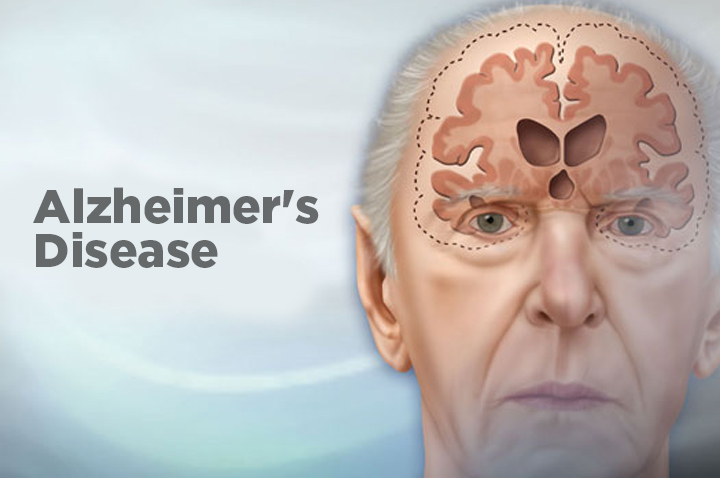
    અલ્ઝાઈમર રોગમાં હાલમાં સારવારનો વિકલ્પ નથી. એકવાર યાદશક્તિમાં ઘટાડો અને શીખવાની, ચુકાદા, વાતચીત અને રોજિંદા જીવનમાં મુશ્કેલીઓ જેવા લક્ષણો દેખાય ત્યારે અલ્ઝાઈમર રોગનો કોઈ ઈલાજ નથી.

    જો કે, અમુક દવાઓથી લાક્ષાણિક રાહત મેળવીને ઘણા લોકોને ફાયદો થઈ શકે છે. તેઓ રોગને વધુ ધીરે ધીરે પ્રગતિ કરી શકે છે અને મગજને લાંબા સમય સુધી સારી રીતે કાર્ય કરી શકે છે. ડૉક્ટરનો સંદર્ભ લેવા અને શ્રેષ્ઠ પગલાં નક્કી કરવા માટે તે આદર્શ છે. ઘણીવાર, અલ્ઝાઈમરથી પીડિત લોકોને તેમના લક્ષણોના આધારે દવાઓની ભલામણ કરવામાં આવે છે.


    અલ્ઝાઈમર રોગ શું છે?

    મગજની સ્થિતિ અલ્ઝાઈમર રોગ માટે કોઈ ઉપચાર અથવા સારવાર નથી. આ બીમારી વ્યક્તિની યાદશક્તિ, વિચારસરણી, શીખવાની અને સંસ્થાકીય ક્ષમતાઓ પર ઊંડી અસર કરે છે, છેવટે રોજિંદા કાર્યો કરવાની તેમની ક્ષમતાને અસર કરે છે. તે વૃદ્ધત્વનું અપેક્ષિત પાસું નથી.

    લક્ષણો સમય સાથે વધે છે. હકીકતમાં, ડોકટરોના મતે, અલ્ઝાઈમર રોગના લક્ષણો દેખાવાનું શરૂ થાય તે પહેલાં બીમારીની પ્રક્રિયા 10 વર્ષ સુધી ચાલી શકે છે.

    જ્યારે મેમરી સમસ્યાઓ સ્પષ્ટ થાય છે, ત્યારે તેને વારંવાર હળવા જ્ઞાનાત્મક ક્ષતિ (MCI) તરીકે વર્ગીકૃત કરવામાં આવે છે. આ બિંદુએ, મગજ રોગની અસરોને સમાયોજિત કરે છે, બૌદ્ધિક કાર્યને અસર કરે છે પરંતુ સ્વતંત્ર રીતે ચલાવવાની અને જીવવાની ક્ષમતાને અપ્રભાવિત છોડી દે છે.

    MCI આ સમયે કેટલીક વ્યક્તિઓમાં પ્રગતિ કરવાનું ચાલુ રાખી શકે છે. જો કે, MCI દર્દીઓમાં ઉન્માદ પ્રગતિ થવાની સંભાવના સૌથી વધુ છે. કેટલીક પરિસ્થિતિઓ ડિમેન્શિયા પણ લાવી શકે છે, જ્યાં ચાલવું, બેસવું અને ઊભા રહેવા જેવા દૈનિક કાર્યો સાથે ચેડા થઈ શકે છે.

    અલ્ઝાઈમર રોગના દર્દીઓ જેમને ઉન્નત ઉન્માદ છે તેઓ વાતચીત કરવામાં, મિત્રો અને સંબંધીઓને ઓળખવામાં અથવા પોતાની સંભાળ રાખવામાં અસમર્થ હોય છે. દર્દીઓ જેનરિક દવાઓ સાથે સૂચિત દવાઓ બદલવાનું પસંદ કરી શકે છે, અને આ ખર્ચ બચાવે છે.

    અલ્ઝાઈમરનું કારણ શું છે?

    મગજમાં પ્રોટીનનું સંચય સામાન્ય કરતાં અલ્ઝાઈમર રોગ તરફ દોરી જાય છે. આ પ્રોટીન, એમીલોઇડ અને ટાઉ પ્રોટીન, એકઠા થાય છે અને કોષોના મૃત્યુનું કારણ બને છે.

    100 અબજથી વધુ ચેતા કોષો અને અન્ય કોષો માનવ મગજ બનાવે છે. ચેતા કોષો વિચાર, શીખવા, યાદ રાખવા અને આયોજન જેવા કાર્યો કરવા માટે જરૂરી તમામ સંચાર કરે છે. એમીલોઇડ પ્રોટીનનું સંચય, જે મગજના કોષોમાં તકતીઓ તરીકે ઓળખાતા મોટા સમૂહો બનાવે છે, એવું માનવામાં આવે છે. ટાઉ ટેન્ગલ્સ ટ્વિસ્ટેડ ટાઉ પ્રોટીન રેસામાંથી બને છે. આ તકતીઓ અને ગૂંચવણો ચેતા કોષોના સંચારને અવરોધે છે, ચેતા કોષોને તેમના કાર્યો કરતા અટકાવે છે. અલ્ઝાઈમર ધરાવતા લોકો દ્વારા અનુભવાતા લક્ષણો ચેતા કોશિકાઓના ધીમા અને સતત મૃત્યુને કારણે થાય છે, જે અન્ય સ્થળોએ ફેલાતા પહેલા મગજના એક વિસ્તારમાંથી શરૂ થાય છે (ઘણી વખત મગજના તે વિસ્તારમાં જે મેમરીનું સંચાલન કરે છે).

    અલ્ઝાઈમર માટે FDA દ્વારા માન્ય દવાઓ

    યુ.એસ. ફૂડ એન્ડ ડ્રગ એડમિનિસ્ટ્રેશન (એફડીએ) એ

    ફાર્માસ્યુટિકલ્સને અધિકૃત કર્યા છે  જે બે શ્રેણીઓમાં આવે છે –

    – જેઓ અલ્ઝાઈમરના દર્દીમાં રોગના વિકાસને ધીમું કરી શકે છે

    – તે જે રોગના કેટલાક લક્ષણોને ક્ષણિક રીતે ઘટાડી શકે છે.

    ત્યાં વિવિધ સારવાર વિકલ્પો (ગોળી, પેચ અથવા અન્ય) હોઈ શકે છે. તે જરૂરી છે કે કેમ તે સુનિશ્ચિત કરવા માટે સારવારના કોઈપણ કોર્સ વિશે નિર્ણય લેતા પહેલા હેલ્થકેર પ્રેક્ટિશનરની સલાહ લેવી મહત્વપૂર્ણ છે. આ દવાઓનો ઉપયોગ કરવાનો અનુભવ ધરાવતા ડૉક્ટરે દર્દીઓની દેખરેખ રાખવી જોઈએ અને સૂચવેલ માર્ગદર્શિકાનું સખતપણે પાલન કરવું જોઈએ.

    આ વર્ગની દવાઓ બીમારીના વિકાસને ધીમું કરી શકે છે, જેનાથી અલ્ઝાઈમરના દર્દીઓની સમજશક્તિ અને કાર્યને ફાયદો થાય છે.

    1. અડુકેનુમબ (Aduhelm™)

    અડુકેનુમબ એ એફડીએ-મંજૂર દવા છે જે બીટા-એમિલોઇડને દૂર કરતી બતાવે છે. આ એક પ્રોટીન છે જેનું એકત્રીકરણ, સંચય અને પ્રારંભ અલ્ઝાઈમર રોગના વિકાસ માટે જવાબદાર છે. દર્દીઓએ કોઈપણ કાર્યવાહી અંગે નિર્ણય લેતા પહેલા ડૉક્ટર સાથે સૂચિત સારવાર માટે તેઓ યોગ્ય છે કે કેમ તેની ચર્ચા કરવી જોઈએ. અહીં, અડુહેલ્મ એ જેનરિકમાં ઘણા વિકલ્પો સાથેનું એક બ્રાન્ડ નામ છે.

    દવામાં આ રાસાયણિક ઘટક બીટા-એમિલોઇડને લક્ષ્ય બનાવે છે, એક નાનો પ્રોટીન ટુકડો જે મગજમાં વિકસે છે અને તકતીઓનું નિર્માણ કરે છે. તે aducanumab નું મુખ્ય કાર્ય છે. આ તકતીઓ મગજના ચેતા કોષોને એકબીજા સાથે વાતચીત કરતા અટકાવે છે અને તે રોગપ્રતિકારક કોષોને પણ સક્રિય કરી શકે છે જે બળતરા પેદા કરે છે અને ક્ષતિગ્રસ્ત ચેતા કોષોને ખાઈ જાય છે.

    એમીલોઇડ તકતીઓ, રોગના લક્ષણોમાંનું એક અને તેના લક્ષણો પૈકીનું એક, સંભવિત યોગદાનકર્તાઓમાંનું એક છે, જ્યારે વૈજ્ઞાનિકો અલ્ઝાઈમર દરમિયાન કોષ અને પેશીઓના મૃત્યુ તરફ દોરી જાય છે તે અંગે અચોક્કસ છે. અડુકેનુમબ એ બતાવવાની પ્રથમ સારવાર છે કે અલ્ઝાઈમર રોગના લક્ષણોમાંના એક એમીલોઈડને મગજમાંથી દૂર કરવાથી અલ્ઝાઈમરની શરૂઆતની વ્યક્તિઓમાં જ્ઞાનાત્મક અને કાર્યાત્મક બગાડ ધીમું થવાની સંભાવના છે. બજારમાં, તમને અલ્ઝાઈમર માટે દવાઓના બ્રાન્ડ નામો અને જેનરિક દવાઓ મળશે. સામાન્ય જેનરિક દવાઓ પણ પુષ્કળ છે.

    2. NMDA વિરોધી

    ​FDA એ મધ્યમથી ગંભીર અલ્ઝાઈમર રોગની સારવાર માટે મેમેન્ટાઈન (Namenda®)ને મંજૂરી આપી છે. NMDA રીસેપ્ટર્સને સક્રિય કરવાથી ચેતા કોષોના સ્વાસ્થ્યને સાચવી શકાય છે. જેનરિક દવાઓ કોલિનેસ્ટેરેઝ અવરોધકોથી અલગ રીતે કાર્ય કરે છે. મેમેન્ટાઇન તેના પોતાના પર અથવા કોલિનેસ્ટેરેઝ અવરોધક સાથે ખાઈ શકાય છે.

    ખાવું, ચાલવું, શૌચાલયનો ઉપયોગ, સ્નાન અને ડ્રેસિંગ જેવી દૈનિક પ્રવૃત્તિઓનું મૂલ્યાંકન કરતી પરીક્ષણોમાં મધ્યમથી ગંભીર અલ્ઝાઇમર રોગવાળા મેમેન્ટાઇન દર્દીઓએ પ્લેસબો દર્દીઓ (ઉપચાર-મુક્ત નિયંત્રણ જૂથ જે સારવાર જૂથો સાથે સરખામણી કરવા માટે બેન્ચમાર્ક તરીકે ઉપયોગમાં લેવાય છે) કરતાં વધુ પ્રદર્શન કર્યું. જે દર્દીઓ ઓછી સારી રીતે કાર્ય કરે છે તેઓ આ દવા લેવાથી સૌથી વધુ લાભ મેળવી શકે છે.

    નોન-બ્રાન્ડેડ NMDA વિરોધી દવાઓનો લાભ મેળવવો મુશ્કેલ છે. આવી દવાનું વારંવાર સેવન દર્દીને મોંઘી, બ્રાન્ડેડ દવાઓ ખરીદવાના દુષ્ટ ચક્રમાં મૂકી શકે છે. તેના બદલે, તમે કોઈપણ મેડકાર્ટની દુકાનમાં જઈ શકો છો અને અલ્ઝાઈમર માટે જેનરિક વિકલ્પો પસંદ કરી શકો છો. આ ખરીદદારોને ખર્ચ-અસરકારક દવાઓ પસંદ કરવા માટે સક્ષમ બનાવે છે છતાં સમાન પરિણામો આપે છે.

    3. કોલિનેસ્ટેરેઝ અવરોધકો

    અલ્ઝાઈમર રોગ (AD) ના હળવાથી મધ્યમ લક્ષણોની સારવાર માટે તમામ કોલિનેસ્ટેરેઝ અવરોધકોને અધિકૃત કરવામાં આવ્યા છે.

    અન્ય કોલિનેસ્ટેરેઝ અવરોધકો છે –

    ●Rivastigmine (Exelon®) અને Exelon પેચ

    ● Donepezil (Aricept®)

    ● Galantamine (Razadyne®)

    આ દવાઓ એસીટીલ્કોલીનેસ્ટેરેઝને અટકાવે છે, જે એન્ઝાઇમ એસીટીલ્કોલાઇનને તોડે છે. ચેતા કોષો વચ્ચેના સંચારને સરળ બનાવતા પદાર્થો પૈકી એક એસીટીલ્કોલાઇન છે. સંશોધકોના જણાવ્યા અનુસાર અલ્ઝાઈમર રોગના કેટલાક ચિહ્નો એસિટિલકોલાઇનના નીચા સ્તરને કારણે હોવાનું માનવામાં આવે છે.

    આ દવાઓ એન્ઝાઇમને અટકાવીને મગજમાં એસિટિલકોલાઇનની માત્રામાં વધારો કરે છે. યાદશક્તિની કેટલીક સમસ્યાઓમાં આ સુધારો અને અલ્ઝાઈમર રોગના દર્દીઓમાં જોવા મળતા કેટલાક વર્તણૂકીય લક્ષણોમાં ઘટાડો આ વધારાના પરિણામો હોવાનું માનવામાં આવે છે.

    આ દવાઓ અલ્ઝાઈમર રોગની સારવાર કરતી નથી અથવા તેને વધુ ખરાબ થતા અટકાવતી નથી. આ દવાઓ પ્રતિકૂળ અસરો તરીકે વારંવાર ઉબકા, ઝાડા અને ઉલ્ટીનું કારણ બને છે. કેટલાક વપરાશકર્તાઓને ભૂખ ન લાગવી, ઊંઘની વિકૃતિઓ અથવા અવ્યવસ્થિત સપના હોઈ શકે છે.

    વર્તન ફેરફારોનું સંચાલન

    અલ્ઝાઈમર રોગના કેટલાક વારંવાર દેખાતા વર્તણૂકીય ચિહ્નોને દવા વડે નિયંત્રિત કરી શકાય છે. એન્ટીડિપ્રેસન્ટ દવાઓ, દાખલા તરીકે, ઉદાસી, ચિંતા, બેચેની અને હિંસાની સારવાર કરી શકે છે. ચિંતા વિરોધી દવાઓનો ઉપયોગ કરીને આંદોલનનું સંચાલન કરી શકાય છે. આક્રમકતાને ક્યારેક-ક્યારેક એન્ટિકોનવલ્સન્ટ્સ સાથે સારવાર આપવામાં આવે છે.

    આભાસ, આંદોલન અને પેરાનોઇઆ એ બધાની સારવાર એન્ટિસાઈકોટિક દવાઓથી કરી શકાય છે. મૂંઝવણ અને ચક્કર આ દવાઓની કેટલીક આડઅસર છે, જે પડી જવાના જોખમને વધારી શકે છે. આને કારણે, આ દવાઓનો જેનરિક રીતે થોડા સમય માટે ઉપયોગ કરવામાં આવે છે જ્યારે વર્તણૂકીય સમસ્યાઓ ગંભીર હોય અને માત્ર ત્યારે જ જ્યારે સલામત અને અન્ય બિન-દવા ઉપચાર સમાપ્ત થઈ ગયા હોય.

    મેડકાર્ટ અલ્ઝાઈમરના દર્દીઓ માટે તફાવત બનાવે છે

    www.medkart.in/blog પર, અમે અલ્ઝાઈમરના દર્દીઓ માટે જેનરિક વિકલ્પોની શ્રેણી ઓફર કરીએ છીએ. ભારતમાં જેનરિક દવાઓ ઓનલાઈન ઓર્ડર કરવા માટે અમારી વેબસાઈટ www.medkart.in/blog ની મુલાકાત લો. તમે તમારી દવાનું નામ દાખલ કરી શકો છો, તેના જેનરિક અવેજીઓ શોધી શકો છો, પ્રિસ્ક્રિપ્શન અપલોડ કરી શકો છો અને તમને દવાઓ પહોંચાડી શકો છો.

    ડિજિટલ પ્લેટફોર્મ પરની અમારી સર્વવ્યાપકતા તમને મેડકાર્ટની એન્ડ્રોઇડ એપ્લિકેશન અથવા મેડકાર્ટની iOS એપ્લિકેશનનો ઉપયોગકરીને અલ્ઝાઇમર માટે દવાઓનો ઓર્ડર આપવા સક્ષમ બનાવે છે.

    વૈકલ્પિક રીતે, તમે સમગ્ર ભારતમાં અમારા 107 સ્ટોર્સમાંથી કોઈપણમાં જઈ શકો છો અને કાઉન્ટર પર તમારું પ્રિસ્ક્રિપ્શન શેર કરી શકો છો. અમારો ઇન-સ્ટોર ફાર્માસિસ્ટ તમને અલ્ઝાઈમરની સૂચિત દવાઓ માટે ખર્ચ-અસરકારક વિકલ્પો પ્રદાન કરવામાં મદદ કરશે. નિયમિત ઉપચાર માટે જેનરિક પર સ્વિચ કરવાથી લાંબા ગાળે સારવારના ખર્ચમાં નોંધપાત્ર ઘટાડો થઈ શકે છે.


  • હાડકા અથવા હાડપિંજરના કાર્યની બહાર વિટામિન ડીનું મહત્વ

    અન્ય વિટામિન્સની જેમ, વિટામિન ડી એ આવશ્યક પોષક તત્વોમાંનું એક છે જેની શરીરને સૌથી વધુ જરૂર છે. જો કે, રસપ્રદ મુદ્દો એ છે કે અન્ય વિટામિન્સથી વિપરીત, વિટામિન ડી અને વિટામિન કે શરીર દ્વારા ઉત્પન્ન કરી શકાય છે. હકીકતમાં, વિટામિન ડી એક હોર્મોન છે અને વિટામિન નથી; આંતરડામાંથી કેલ્શિયમને લોહીના પ્રવાહમાં શોષવા માટે તે જરૂરી છે. પ્રકાશના પ્રતિભાવમાં, વિટામિન ડી સામાન્ય રીતે ત્વચામાં બને છે અને ખાવામાં આવતા ખોરાકમાંથી શોષાય છે. પછી, આ વિટામિન ડી યકૃત અને કિડનીમાં કેલ્સીટ્રિઓલ નામના સક્રિય હોર્મોનમાં રૂપાંતરિત થાય છે. આ સક્રિય વિટામિન ડી કિડનીમાંથી કેલ્શિયમના નુકશાનને રોકવામાં મદદ કરે છે, ખોરાકમાંથી કેલ્શિયમનું શોષણ વધારે છે અને તેને લોહીના પ્રવાહમાં મોકલે છે. વિટામિન ડી હાડકાના કોષોના કાર્યને અસર કરે છે અને બાળકો અને પુખ્ત વયના લોકો માટે નવા હાડકાં વિકસાવવા માટે જરૂરી છે.

    જો કે, વિટામિન ડી, જે હાડકાં અને કેલ્શિયમ/ફોસ્ફેટના હોમિયોસ્ટેસિસને જાળવવા માટે જાણીતું છે, તેની કેટલીક વધારાની હાડપિંજર અસરો પણ છે. હા, વિટામિન ડી હાડકાની બહારની ભૂમિકા ધરાવે છે. તો, માનવ શરીરમાં વિટામિન ડી અન્ય કયા કાર્યો કરે છે? શરીરમાં વિટામિન ડીનું પૂરતું પ્રમાણ જાળવવું શા માટે એટલું જરૂરી છે? અહીં વિટામિન ડીની વિવિધ મહત્વપૂર્ણ ભૂમિકાઓ છે.

    1. હોર્મોનલ સંતુલન

    વિટામિન ડી અમુક હોર્મોન વિકાસ અથવા જૈવિક પ્રવૃત્તિમાં આવશ્યક ભૂમિકા ભજવે છે અને અમુક પ્રકારના હોર્મોન અસંતુલનમાં ભૂમિકા ભજવી શકે છે. વિટામિન ડીનો અભાવ કફોત્પાદક ગ્રંથિને અસર કરી શકે છે, જે તમારા મગજનો એક નાનો હોર્મોન છે જે વિવિધ પ્રકારના હોર્મોન્સ ઉત્પન્ન કરે છે. વિટામિન ડી કફોત્પાદક કોષની વૃદ્ધિને નિયંત્રિત કરે છે, તે કેટલાક કફોત્પાદક ગાંઠોની સારવાર માટે ફાયદાકારક છે. વિટામિન ડી પેરાથાઇરોઇડ ગ્રંથીઓના હોર્મોન્સના સ્ત્રાવને પણ પ્રભાવિત કરે છે. આ સિવાય, વિટામિન ડી કેટલાક સ્ત્રી હોર્મોન્સને પણ પૂરક બનાવે છે, અને આવા જોડાણ હોર્મોનલ અસંતુલનને રોકવામાં સકારાત્મક ભૂમિકા ભજવે છે. આવશ્યક સ્ત્રી હોર્મોન્સ, એસ્ટ્રોજન અને પ્રોજેસ્ટેરોન માત્ર સ્ત્રીના પ્રજનન અંગો સાથે ક્રિયાપ્રતિક્રિયા કરતા નથી પરંતુ શરીરની આસપાસના અન્ય પેશીઓમાં સ્ત્રીની સુખાકારીમાં પણ મદદ કરે છે. આમ, વિટામિન ડીની ઉણપ શરીરમાં નોંધપાત્ર પ્રમાણમાં હોર્મોનલ અસંતુલન અને પાયમાલીનું સર્જન કરી શકે છે.

    2. રોગપ્રતિકારક શક્તિ બૂસ્ટર

    વિટામિન ડી રોગપ્રતિકારક શક્તિ માટે જરૂરી છે, કારણ કે વિટામિન ડી રીસેપ્ટર્સ શરીરમાં સ્થિત છે, જેમાં રોગપ્રતિકારક કોષો પણ સામેલ છે. ઘણા પ્રકારના સંશોધનોએ સ્પષ્ટપણે દર્શાવ્યું છે કે વિટામિન ડીની ઉણપ શરદી અને ફલૂના પ્રકોપના મોસમી સારનો એક ભાગ છે – ઓછો સૂર્યપ્રકાશ એટલે વિટામિન ડી ઓછું, પરિણામે રોગપ્રતિકારક શક્તિ ઓછી થાય છે અને વધુ રોગ થાય છે. પરંતુ વિટામિન ડી રોગપ્રતિકારક શક્તિ વધારવા શા માટે છે? તે ચેપ સામે લડવામાં શા માટે મદદ કરે છે? કારણ કે વિટામિન ડીના આવશ્યક કાર્યોમાંનું એક ટી કોશિકાઓને ઉત્તેજીત કરવામાં મદદ કરવાનું છે, જેને શરીરમાં “કિલર કોશિકાઓ” કહેવાય છે. આ ટી-સેલ્સ વાયરસ, બેક્ટેરિયા વગેરે જેવા વિદેશી પેથોજેન્સને ઓળખે છે અને મારી નાખે છે. વિદેશી પેથોજેન્સ સામે લડવામાં સક્ષમ સ્વસ્થ રોગપ્રતિકારક શક્તિ જાળવવા માટે આ વિટામિન ડીને ખાસ કરીને આવશ્યક બનાવે છે. વિટામિન ડી રોગપ્રતિકારક પ્રતિક્રિયાઓને સુધારી શકે છે, જે જન્મજાત અને અનુકૂલનશીલ હોય છે. વિટામિન ડીની ઉણપ વધુ સ્વયંપ્રતિરક્ષા અને ચેપની વધતી નબળાઈ સાથે સંકળાયેલ છે. આમ, રોગમુક્ત જીવન જીવવા માટે, વિટામિન ડી આવશ્યક છે કારણ કે તે રોગપ્રતિકારક શક્તિને વધારે છે અને રોગો સામે લડે છે.

    3. માનસિક સ્વાસ્થ્યનું સંચાલન કરો

    વિટામિન ડી સારા માનસિક સ્વાસ્થ્યમાં મહત્વપૂર્ણ ભૂમિકા ભજવે છે. વિટામિન ડી અથવા હાયપોવિટામિનોસિસ ડીનું નીચું સ્તર ન્યુરોસાયકિયાટ્રિક વિકૃતિઓ સાથે સંકળાયેલું છે. વિટામિન ડીનું નીચું સ્તર માત્ર તાણ અથવા ડિપ્રેશનના ઊંચા પ્રમાણ સુધી મર્યાદિત નથી પણ અલ્ઝાઈમર રોગ, પાર્કિન્સન રોગ, મલ્ટીપલ સ્ક્લેરોસિસ, એપિલેપ્સી, સ્કિઝોફ્રેનિયા અને ઓટિઝમ માટે પણ જવાબદાર છે. આવું એટલા માટે થાય છે કારણ કે વિટામિન ડી મગજના તમામ ભાગોમાં જોવા મળે છે, જેમ કે સેરેબેલમ, થેલેમસ, હાયપોથાલેમસ, બેસલ ગેંગલિયા અને હિપ્પોકેમ્પસ. વિટામિન ડી ચેતા વૃદ્ધિ પરિબળના સંશ્લેષણના નિયમન સાથે પણ સંકળાયેલું છે. તેથી, ઓછા વિટામિન ડી મૂડને અસર કરે છે, તણાવ આપે છે અથવા નીરસ લાગણીઓ આપે છે. વરસાદના દિવસોમાં અથવા શિયાળામાં જ્યારે ઓછો પ્રકાશ હોય ત્યારે તમારે અંધકારમય લાગણીઓ અથવા હતાશાનો સામનો કરવો પડ્યો હોવો જોઈએ. તે માત્ર તક દ્વારા નથી; તે વિટામિન ડી છે જે નિયમિતપણે સુખાકારી અને સુખને અસર કરે છે.

    ઉપર સૂચવ્યા મુજબ, વિટામીન ડી રીસેપ્ટર્સ મગજના ઘણા ભાગોમાં હોય છે, જેમાં મગજના એવા વિસ્તારોનો સમાવેશ થાય છે જે ડિપ્રેશન સહિત મૂડ અને વર્તન માટે જવાબદાર હોય છે. આમ, મગજના કાર્યોને યોગ્ય રીતે નિયંત્રિત કરવા અને યોગ્ય માનસિક સ્વાસ્થ્ય પ્રદાન કરવા માટે પૂરતું વિટામિન ડી જરૂરી છે.

    4. સ્નાયુ વૃદ્ધિ અને કાર્ય માટે

    વિટામિન ડી તંદુરસ્ત સ્નાયુ કાર્ય અને વૃદ્ધિ માટે પણ જવાબદાર છે. અહીં, વિટામિન ડી રીસેપ્ટર્સ (વીડીઆર) અને વિટામિન ડીના ચયાપચયની ભૂમિકા ભજવે છે. VDR શરીરના હાડપિંજરના સ્નાયુઓમાં હાજર છે. આ રીસેપ્ટર્સ કેલ્શિયમને સ્નાયુ કોશિકાઓ સાથે જોડવામાં મદદ કરે છે અને કોશિકાઓના તફાવત અને પ્રસારનું કારણ બને છે, જે સ્નાયુ વૃદ્ધિ તરફ દોરી જાય છે.

    બીજું કાર્ય વિટામિન ડીના ચયાપચયનું છે જે સ્નાયુ કોશિકાઓમાં પ્રવેશ કરે છે અને ન્યુક્લિયસને અસર કરે છે. જ્યારે ત્યાં હોય ત્યારે, વિટામિન ડીનું મેટાબોલાઇટ કોષની સંકોચન કરવાની ક્ષમતામાં વધારો કરે છે. સ્નાયુઓ સંકોચન અને છૂટછાટ દ્વારા કાર્ય કરે છે, તેથી સ્નાયુની સંકોચન કરવાની ક્ષમતા તેની શક્તિ અને બાહ્ય દળોના પ્રતિભાવ માટે મહત્વપૂર્ણ છે. આ રીતે વિટામિન ડી સ્નાયુઓના કાર્ય અને વૃદ્ધિમાં ભાગ લે છે.

    5. સારી ઊંઘ આપે છે

    વિટામિન ડી તમને ઊંઘની માત્રા અને ગુણવત્તા સાથે સીધો સંબંધ ધરાવે છે કારણ કે વિટામિન ડી રીસેપ્ટર્સ મગજના ઊંઘને ​​નિયંત્રિત કરતા વિસ્તારોમાં હાજર હોય છે. સંશોધકો સૂચવે છે કે વિટામિન ડી મગજના વિસ્તારો સાથે ક્રિયાપ્રતિક્રિયા કરીને તમારી આંખને અસર કરી શકે છે જ્યાં ઊંઘનું નિયમન થાય છે. આ પરિબળો સારી ઊંઘ માટે જવાબદાર છે, અને જો કોઈ વ્યક્તિમાં વિટામિન ડીની ઉણપ હોય, તો ઊંઘની અછતની શક્યતા વધારે છે.

    બીજી બાજુ, વિટામિન ડી તમારી રોગપ્રતિકારક શક્તિને સુધારવામાં મુખ્ય ભૂમિકા ભજવે છે, અને ઊંઘની ગુણવત્તામાં સુધારો બળતરા નિયંત્રણ દ્વારા સમર્થિત થઈ શકે છે.

    સમેટી રહ્યું છે…
    હાલમાં, વિશ્વની અડધાથી વધુ વસ્તીમાં વિટામિન ડીની ઉણપ છે. આ ચિંતાનો વિષય છે કારણ કે તમારું શરીર તમારા શરીરના દરેક કાર્ય માટે વિટામિન ડીનો ઉપયોગ કરે છે, હાડકાં અને દાંતના રક્ષણથી લઈને રોગપ્રતિકારક શક્તિમાં મદદ.

    ઉપરાંત, વિટામિન ડી સંભવિતપણે તમને ઘણી પરિસ્થિતિઓથી બચાવે છે, જેમ કે હાઈ બ્લડ પ્રેશર, ડાયાબિટીસ, રક્તવાહિની વિકૃતિઓ, સ્વયંપ્રતિરક્ષા બિમારીઓ અને કાર્સિનોમા. તેથી, વિટામિન ડી હાડપિંજરના કાર્ય પૂરતું મર્યાદિત નથી પરંતુ આપણને સ્વસ્થ રાખવા માટે અન્ય ઘણી ભૂમિકાઓ ભજવે છે.

  • हड्डी या कंकाल समारोह से परे विटामिन डी का महत्व

    हड्डी या कंकाल समारोह से परे विटामिन डी का महत्व

    हड्डी या कंकाल समारोह से परे विटामिन डी का महत्व

    अन्य विटामिनों की तरह, विटामिन डी उन आवश्यक पोषक तत्वों में से एक है जिनकी शरीर को सबसे अधिक आवश्यकता होती है। हालांकि, दिलचस्प बात यह है कि अन्य विटामिनों के विपरीत, शरीर द्वारा विटामिन डी और विटामिन के का उत्पादन किया जा सकता है। वास्तव में, विटामिन डी एक हार्मोन है न कि विटामिन; आंतों से कैल्शियम को रक्तप्रवाह में अवशोषित करने के लिए इसकी आवश्यकता होती है। प्रकाश की प्रतिक्रिया में, विटामिन डी आमतौर पर त्वचा में बनता है और खाए गए भोजन से अवशोषित होता है। फिर, यह विटामिन डी यकृत और गुर्दे में कैल्सीट्रियोल नामक सक्रिय हार्मोन में परिवर्तित हो जाता है। यह सक्रिय विटामिन डी गुर्दे से कैल्शियम की हानि को रोकने में मदद करता है, भोजन से कैल्शियम के अवशोषण को बढ़ाता है और इसे रक्तप्रवाह में भेजता है। विटामिन डी हड्डी की कोशिका के कार्य को प्रभावित करता है और बच्चों और वयस्कों के लिए नई हड्डियों को विकसित करने के लिए आवश्यक है।

    हालांकि, विटामिन डी, जो हड्डियों और कैल्शियम/फॉस्फेट के होमियोस्टैसिस को बनाए रखने के लिए जाना जाता है, के कुछ अतिरिक्त-कंकाल प्रभाव भी हैं। हां, हड्डी से परे विटामिन डी की भूमिका होती है। तो, विटामिन डी मानव शरीर में कौन से अन्य कार्य करता है? शरीर में पर्याप्त विटामिन डी बनाए रखना इतना आवश्यक क्यों है? यहाँ विटामिन डी की विभिन्न महत्वपूर्ण भूमिकाएँ हैं।

    1. हार्मोनल संतुलन

    विटामिन डी कुछ हार्मोन विकास या जैविक गतिविधि में एक आवश्यक भूमिका निभाता है और हार्मोन असंतुलन के किसी न किसी रूप में भूमिका निभा सकता है। विटामिन डी की कमी पिट्यूटरी ग्रंथि को प्रभावित कर सकती है, जो आपके मस्तिष्क का एक छोटा हार्मोन है जो विभिन्न प्रकार के हार्मोन उत्पन्न करता है। चूंकि विटामिन डी पिट्यूटरी कोशिका वृद्धि को नियंत्रित करता है, इसलिए कुछ पिट्यूटरी ट्यूमर का इलाज करना फायदेमंद होता है। विटामिन डी पैराथायरायड ग्रंथियों के हार्मोन के स्राव को भी प्रभावित करता है। इसके अलावा, विटामिन डी कुछ महिला हार्मोन का भी पूरक होता है, और इस तरह की संगति हार्मोनल असंतुलन की रोकथाम में सकारात्मक भूमिका निभाती है। आवश्यक महिला हार्मोन, एस्ट्रोजन और प्रोजेस्टेरोन न केवल महिला प्रजनन अंगों के साथ बातचीत करते हैं बल्कि शरीर के अन्य ऊतकों में एक महिला की भलाई में भी मदद करते हैं। इस प्रकार, विटामिन डी की कमी शरीर में एक महत्वपूर्ण मात्रा में हार्मोनल असंतुलन और कहर पैदा कर सकती है।

    2. इम्यूनिटी बूस्टर

    प्रतिरक्षा के लिए विटामिन डी आवश्यक है, क्योंकि विटामिन डी रिसेप्टर्स प्रतिरक्षा कोशिकाओं सहित शरीर में स्थित होते हैं। कई प्रकार के शोधों ने स्पष्ट रूप से प्रदर्शित किया है कि विटामिन डी की कमी सर्दी और फ्लू के प्रकोप के मौसमी सार का हिस्सा है – कम धूप का अर्थ है कम विटामिन डी, जिसके परिणामस्वरूप कम प्रतिरक्षा और अधिक बीमारी होती है। लेकिन विटामिन डी इम्युनिटी बूस्टर क्यों है? यह संक्रमणों से लड़ने में क्यों मदद करता है? क्योंकि विटामिन डी के आवश्यक कार्यों में से एक टी कोशिकाओं को उत्तेजित करने में मदद करना है, जिन्हें शरीर में “हत्यारा कोशिकाएं” कहा जाता है। ये टी-कोशिकाएं वायरस, बैक्टीरिया आदि जैसे विदेशी रोगजनकों को पहचानती हैं और मार देती हैं। यह विटामिन डी को विदेशी रोगजनकों का मुकाबला करने में सक्षम एक स्वस्थ प्रतिरक्षा प्रणाली को बनाए रखने के लिए विशेष रूप से आवश्यक बनाता है। विटामिन डी प्रतिरक्षा प्रतिक्रियाओं को संशोधित कर सकता है, जो सहज और अनुकूली हैं। विटामिन डी की कमी अधिक ऑटोइम्यूनिटी और संक्रमण की चपेट में आने से जुड़ी है। इस प्रकार, रोग मुक्त जीवन जीने के लिए, विटामिन डी आवश्यक है क्योंकि यह रोग प्रतिरोधक क्षमता को बढ़ाता है और रोगों से लड़ता है।

    3. मानसिक स्वास्थ्य का प्रबंधन करें

    अच्छे मानसिक स्वास्थ्य में विटामिन डी महत्वपूर्ण भूमिका निभाता है। विटामिन डी या हाइपोविटामिनोसिस डी का निम्न स्तर न्यूरोसाइकिएट्रिक विकारों से जुड़ा हुआ है। विटामिन डी का निम्न स्तर न केवल उच्च मात्रा में तनाव या अवसाद तक सीमित है, बल्कि अल्जाइमर रोग, पार्किंसंस रोग, मल्टीपल स्केलेरोसिस, मिर्गी, सिज़ोफ्रेनिया और ऑटिज़्म के लिए भी जिम्मेदार है। ऐसा इसलिए होता है क्योंकि विटामिन डी मस्तिष्क के सभी हिस्सों में पाया जाता है, जैसे सेरिबैलम, थैलेमस, हाइपोथैलेमस, बेसल गैन्ग्लिया और हिप्पोकैम्पस। विटामिन डी तंत्रिका वृद्धि कारक के संश्लेषण के नियमन से भी जुड़ा है। इसलिए, कम विटामिन डी मूड को प्रभावित करता है, तनाव देता है, या सुस्त भावनाएं देता है। बारिश के दिनों में या सर्दियों में जब दिन का उजाला कम होता है तो आपने उदास भावनाओं या निराशाओं का सामना किया होगा। यह केवल संयोग से नहीं है; यह विटामिन डी है जो नियमित रूप से भलाई और खुशी को प्रभावित करता है।

    जैसा कि ऊपर उल्लेख किया गया है, विटामिन डी रिसेप्टर्स मस्तिष्क के कई हिस्सों में होते हैं, जिसमें मस्तिष्क के क्षेत्र भी शामिल हैं जो मूड और व्यवहार के लिए जिम्मेदार हैं, जिसमें अवसाद भी शामिल है। इस प्रकार, मस्तिष्क के कार्यों को ठीक से नियंत्रित करने और उचित मानसिक स्वास्थ्य प्रदान करने के लिए पर्याप्त विटामिन डी आवश्यक है।

    4. मांसपेशियों की वृद्धि और कार्य के लिए

    विटामिन डी स्वस्थ मांसपेशियों के कार्य और विकास के लिए भी जिम्मेदार है। यहां, विटामिन डी रिसेप्टर्स (वीडीआर) और विटामिन डी के मेटाबोलाइट्स एक भूमिका निभाते हैं। वीडीआर शरीर के कंकाल की मांसपेशियों में मौजूद होता है। ये रिसेप्टर्स कैल्शियम को मांसपेशियों की कोशिकाओं से बांधने में मदद करते हैं और कोशिकाओं के विभेदन और प्रसार का कारण बनते हैं, जिससे मांसपेशियों की वृद्धि होती है।

    दूसरा कार्य विटामिन डी के मेटाबोलाइट्स का है जो मांसपेशियों की कोशिकाओं में प्रवेश करते हैं और नाभिक को प्रभावित करते हैं। जब वहाँ, विटामिन डी का मेटाबोलाइट कोशिका के सिकुड़ने की क्षमता को बढ़ाता है। चूंकि मांसपेशियां संकुचन और विश्राम द्वारा कार्य करती हैं, इसलिए मांसपेशियों को अनुबंधित करने की क्षमता इसकी ताकत और बाहरी ताकतों की प्रतिक्रिया के लिए महत्वपूर्ण है। इस प्रकार विटामिन डी मांसपेशियों के कार्य और विकास में भाग लेता है।

    5. अच्छी नींद देता है

    विटामिन डी सीधे तौर पर आपको मिलने वाली नींद की मात्रा और गुणवत्ता से जुड़ा होता है क्योंकि विटामिन डी रिसेप्टर्स मस्तिष्क के नींद को नियंत्रित करने वाले क्षेत्रों में मौजूद होते हैं। शोधकर्ताओं का सुझाव है कि विटामिन डी मस्तिष्क के उन क्षेत्रों के साथ बातचीत करके आपकी बंद-आंख को प्रभावित कर सकता है जहां नींद को नियंत्रित किया जाता है। अच्छी नींद के लिए ये कारक जिम्मेदार होते हैं, और अगर किसी को विटामिन डी की कमी है, तो नींद न आने की संभावना अधिक होती है।

    दूसरी ओर, विटामिन डी आपकी प्रतिरक्षा प्रणाली को बेहतर बनाने में महत्वपूर्ण भूमिका निभाता है, और बेहतर नींद की गुणवत्ता को सूजन नियंत्रण द्वारा समर्थित किया जा सकता है।

    ऊपर लपेटकर…
    वर्तमान में, दुनिया की आधी से अधिक आबादी में विटामिन डी की कमी है। यह एक चिंता का विषय है क्योंकि आपका शरीर विटामिन डी का उपयोग आपके शरीर के हर कार्य के लिए करता है, हड्डियों और दांतों की सुरक्षा से लेकर प्रतिरक्षा सहायता तक।

    इसके अलावा, विटामिन डी संभावित रूप से आपको कई स्थितियों से बचाता है, जैसे उच्च रक्तचाप, मधुमेह, हृदय संबंधी विकार, ऑटोइम्यून रोग और कार्सिनोमा। तो, विटामिन डी केवल कंकाल के कार्य तक ही सीमित नहीं है, बल्कि हमें स्वस्थ रखने के लिए कई अन्य भूमिकाएँ भी निभाते हैं।

  • How to Manage a Child Suffering from Fifth Disease? |Diagnosis and Treatment

    How to Manage a Child Suffering from Fifth Disease? |Diagnosis and Treatment

    How to Manage a Child Suffering from Fifth Disease

    How to Manage a Child Suffering from Fifth Disease?

    A sore throat, runny nose, and low-grade fever are frequently the first symptoms of the fifth sickness. Following these symptoms, a facial rash may turn red and spread to the arms, legs, and trunk. The disease is known as slapped cheek disease because the rash is typically most noticeable on the slapped cheeks.

    Normally, the fifth disease rash only lasts for two weeks. Occasionally, the rash may appear and disappear for several weeks. Fifth disease is often not critical, although those with compromised immune systems, such as young children and pregnant women, may experience more severe symptoms.

    Defining the fifth disease

    Erythema infectiosum, often known as the fifth sickness, is a common and typically contagious condition in kids. Because it ranks fifth in a chronological list of pediatric slapped cheek rash disorders, it is the fifth disease (the other four being measles, rubella, chicken pox, and roseola).

    An infection brings it on with human parvovirus B19. Most kids are exposed to parvovirus B19 and develop antibodies to it.

    Both kids and adults can contract the fifth illness, but kids between the ages of five and fifteen are more likely to get infected. Adults who work with children (such as teachers and childcare professionals) and who have never had the fifth illness infection are also more likely to get affected.

    Fifth disease symptoms

    The symptoms of the fifth illness are similar to those of other respiratory viruses: fever, sore throat, upset stomach, achy joints, and headaches. Unless your child is in pain, there is no need for treatment. You can search for generic medicines containing acetaminophen or ibuprofen to reduce fever and pain. There is no way to distinguish the fifth disease from any other virus.

    Causes of Fifth disease

    Human parvovirus B19, a virus that only affects humans, is the cause of the fifth disease. It spreads from person to person in the same manner as any viral cold. The infection is most frequently disseminated by sharing drinking or eating utensils or breathing in virus particles from the atmosphere after an infected person has coughed or sneezed.

    Additionally, it can be transferred through blood transfusions and from an infected pregnant mother to her unborn child. The fifth disease rash stages are numerous.

    Many children contract the illness during school or daycare outbreaks, and about half of them who live with someone with the fifth sickness do as well.

    Incubation and contagion period i fifth disease

    The virus typically takes four to fourteen days to incubate, but sometimes, it can take up to twenty days as well. Children and adults carrying the infection are contagious up to seven days before and up until the onset of the recognizable rash. A kid is no longer contagious once such symptoms of rash start to show.

    Therefore, children who have developed a rash due to the virus can go to daycare or school and not infect their classmates. If any child is diagnosed with the fifth disease in school, the school administration is responsible for informing parents of other children who may have interacted with an infected child.

    Diagnosis of fifth disease

    The fifth disease in adults frequently goes untreated. When symptoms manifest, a doctor can typically diagnose the condition based on the signs, particularly the recognizable rash. Slapped cheek in adults is rare.

    Blood tests can be used to determine a pregnant woman’s immunity to the virus or to look for antibodies to confirm the diagnosis. The fifth disease in pregnancy can be a cause of worry.

    Treatment and prevention of fifth disease in child

    Similar to treating a chronic ailment, you would need medicines for fifth disease. When children and adults are otherwise healthy, the fifth disease is typically a harmless disease that fades away without medical attention. The fifth disease has no specific treatment.

    Doctors typically prescribe over-the-counter drugs like acetaminophen or ibuprofen to address symptoms, including fever, discomfort, and headache. Never administer acetylsalicylic acid (ASA) to children who have a viral illness; doing so has been associated with the potentially fatal disorder Reye’s syndrome. Avoid exposure to intense heat or sunshine if you or your child gets a rash because doing so could make it worse or cause it to return.

    If your child is suspected of suffering from the fifth disease, consider generic medicine that can help address illness’ symptoms while being equally effective. Only the initial stages of the virus make the fifth sickness infectious. The infection is no longer contagious after the rash starts.

    A vaccine cannot prevent the fifth disease. However, maintaining excellent hygiene, which includes thorough hand washing, can help stop the infection from spreading.

    Conclusion

    The fifth disease, parvovirus B19, is a viral infection that primarily affects children. Although the ailment is typically not serious, If you or your child has a fifth illness, it’s crucial to keep an eye out for any potential long-term repercussions and seek medical help if they manifest further.

    What next?

    Visit the Medkart store to avail medicines for the fifth disease. Our pharmacists will recommend you generic substitutes for prescribed medicines across our 107+ stores in India. Alternatively, you can visit our site www.medkart.in/blog, download the Medkart android app or Medkart iOS app, and order from your mobile phone.

  • What is Autism spectrum disorder? How to diagnose and treat it?

    What is Autism spectrum disorder? How to diagnose and treat it?

    Autism spectrum disorder treatment

    What is Autism spectrum disorder?

    Autism is a developmental disorder that affects social interaction, communication, and behavior. While there is no single cause of autism, differences in the brain cause it. It’s symptoms are difficulty with social interaction, verbal and non-verbal communication, and repetitive behaviors. It is a spectrum disorder, meaning that the effects of autism can range from mild to severe.

    The ability to socialize and communicate and the development of many other fundamental abilities are all delayed in people with Autism spectrum conditions. Autism is an anonymous form of a pervasive development disorder considered part of the Autism spectrum disorder (ASD).

    Understanding Autism spectrum disorder

    The term “spectrum” refers to a continuum of Autism spectrum disorder symptoms. With varying degrees of support, some persons with the illness can do well in conventional schools, hold careers, and carry out daily tasks. Others suffer from serious intellectual disabilities and will require constant care and support.

    Autism spectrum disorder is a heterogeneous disorder (one having several root causes) where patients demonstrate certain repetitive behaviours and challenges with social interaction and communication are often used to describe the condition.

    Children with Autism do not meet developmental milestones like crawling, walking, or pronouncing the first word on schedule compared to typically developing children. Children with Autism do not have a lower IQ or are sluggish learners.

    Instead, they are special kids who struggle with social connection and communication. They frequently give the impression that people are stuck in constrained and repeated behavioural patterns. The symptoms of Autism vary from person to person.

    Autism spectrum disorder symptoms

    • Not making the customary pointing or chattering sounds that babies make.
    • Avoiding eye contact since early childhood.
    • Playing with or engaging with classmates is difficult.
    • Discussing feelings is difficult.
    • Loss of social or verbal abilities that were previously acquired, typically around the second year of life.
    • Strange reactions to sensory input.

    It’s crucial to remember that individuals may experience mild, moderate, or severe symptoms because it is a spectrum disorder. Some people may have many symptoms, though they may just be mildly felt.

    In certain instances, patients may only have a few symptoms in crucial regions, yet those symptoms cause serious impairments.

    Mild autistic symptoms often don’t come in the way of a person’s ability to go about everyday life. Still, they can increase the risk of other mental health difficulties like excessive stress, obsessive behaviours, sensory problems, anxiety, and depression.

    Autism can affect people from various socioeconomic backgrounds and racial and ethnic groups and is typically diagnosed in children.

    Types of Autism spectrum disorder

    A person’s functional level will be determined along with their Autism diagnosis. The 3 degrees of Autism spectrum disorder are as follows:

    Level 1 – high functioning

    This type of person may struggle with limiting behaviours and social interactions. Typically, they require little assistance to go about their normal lives.

    Level 2 – moderately severe

    More assistance is required for those with Level 2 Autism spectrum conditions. Their social challenges are obvious; they might have communication issues and need help controlling troublesome actions.

    Level 3 – severe

    Autism Spectrum Disorder (ASD) Level 3 symptoms affect a person’s capacity to live and work independently. This degree of Autism is characterized by repetitive or restricting activities, difficulty with change, difficulty speaking, and sensitivity to sensory stimulation.

    Diagnosing Autism spectrum disorder

    The typical age of diagnosis for ASD is about 4.5 years, although it can be detected as early as fifteen to eighteen months of age in some cases. But, that is not ideal because early intervention depends on the fast diagnosis. People withAutism spectrum disorder can experience significant improvements in their outcomes with intense early intervention. Don’t delay testing if your younger ones exhibit symptoms of the disease.

    The neurodevelopmental disease known as Autism spectrum disorder is believed to have a significant hereditary component. However, at this time, Autism spectrum disorder cannot be diagnosed through medical procedures like blood tests or brain scans. Instead, medical professionals diagnose based on the patient’s past and current behaviour.

    This diagnosis can be made by various professionals, such as psychologists, pediatricians, and neurologists. The diagnosis process frequently involves the involvement of psychologists, notably neuropsychologists, who specialize in the interaction between the brain and human cognitive, behavioural, and emotional functioning. The specialist making the diagnosis needs to have a lot of expertise in dealing with the vast range of symptoms connected to ASD.

    Treatment of spectrum disorder

    Children with ASD benefit from interdisciplinary treatment teams composed of specialists from several professions, given the complicated nature of the disorder. In addition to psychologists, these teams frequently include doctors, teachers, speech therapists, and occupational therapists. Many treatments for chronic ailments in children are easily accessible these days. This often involves taking medicines, getting therapies, and other activities for special kids. Since patients require frequent and regular medicines, it only makes sense to opt for generic medicines for autism. It saves money, they are equally effective, and they are easily available.

    1) Applied behaviour therapy

    ABA is a methodology that uses evidence-based teaching strategies to increase positive behaviours and decrease negative or learning-impairing behaviours. It has been demonstrated that ABA therapy enhances social, communication, and occupational abilities.

    2) Sensory integration therapy

    During this process, children are exposed to their senses, such as rolling, swinging, jumping, and spinning. Specialized therapists who have received training in these techniques carry out this.

    3) Music therapy

    Music is used in this therapy, including singing, playing instruments, and dancing to the beat. As play is encouraged and nonverbal interactions are used to enhance socialization, this benefits children with developmental difficulties.

    4) Lovass method

    Ivar Lovaas, Ph.D., of the UCLA Clinic for the Behavioral Treatment of Children, created the Lovaas approach. This type of behavior modification therapy helps certain kids. About 40 hours per week of one-on-one conversations are necessary for this. It teaches abilities in a controlled, step-by-step manner and is called discrete trial teaching (DTT).

    5) TEACCH Autism Program

    The TEACCH framework uses tactics focused on the learning strengths and challenges of people with Autism spectrum disorder to increase activity engagement, flexibility, independence, and self-efficacy.

    6) Developmental individual-difference relationship-based model

    In the DIR paradigm, commonly referred to as floor time treatment, parents and therapists play with the kid while encouraging them to engage in increasingly sophisticated interactions.

    It’s crucial to get your child assessed by a healthcare professional skilled in identifying and treating Autism so that they can suggest the best interventions. Psychologists, teachers, and board-certified behaviour analysts can all deliver these interventions.

    Additionally, psychologists are crucial in assisting adults and children with ASD to manage the disorder’s unique issues.

    7) Appointment with psychologist

    When diagnosing Autism spectrum disorder or seeing a patient with ASD for the first time, psychologists commonly perform a thorough evaluation. This assessment serves as a therapy plan by highlighting the patient’s assets and impoverished areas.

    Every person living with Autism spectrum disorder is unique and has a variety of strengths and struggles. Psychologists might offer recommendations based on a person’s cognitive, behavioural, emotional, and academic needs. These treatment strategies can assist ABA therapists, educators, and others in building on the person’s assets and addressing any issues.

    The symptoms of Autism spectrum disorder persist for a lifetime. Autism cannot be cured, but its symptoms can be managed with early intervention and appropriate therapies. Early detection and intervention are essential in helping children with autism reach their potential. With appropriate therapies, people with autism can learn to interact with others, communicate effectively, and manage their behavior.

    Families of individuals with autism often face difficulties due to the unique challenges associated with the condition. Many parents feel overwhelmed by the demands of caring for a child with autism and may feel isolated from their peers who do not have an autistic child. Families also face financial strain due to the costs associated with therapies and medical care.

    ​Who will tell patient the truth about Generic Medicines? – Medkart​

    As their patients mature, psychologists develop new treatment strategies to support them and their families through significant life transitions like starting school, adolescence, or adulthood.

    Medkart provides generic medicines for Autism spectrum disorder

    Medkart offers a wide variety of generic medicines for chronic diseases, including Autism. Bring down the cost of treating Autism with generic medicines that are easily available through Medkart in the following ways —

    1. Visit Medkart stores in your city. We have a presence in over 100 cities in India where our pharmacists will help you provide the right substitute for branded medicines to treat Autism.

    2. Download Medkart iOS app or Medkart Android App. Order from these applications to get generic medicines for autism delivered to your doorstep.

    3. Order online on www.medkart.in/blog by uploading the prescription and searching for its generic alternatives.

    The team at Medkart will ensure that the medicines are delivered to the customers within the stipulated time frame.