
Prescription Required

Authentic Product

India's Leading Generic Pharmacy

Secure Payment

By FRANCO-INDIAN PHARMACEUTICALS PVT LTD
MRP
₹
139.19
₹118.31
15 % OFF
₹11.83 Only /
Tablet
Check Delivery
--

Content Reviewed By:
Dr. Amit Patel
, (MBBS)
Written By:
Ms. Kavita Desai
, (B.Pharm)
Common side effects of GLYCIPHAGE G 2MG TABLET may include nausea, vomiting, diarrhea, abdominal pain, loss of appetite, and a metallic taste in the mouth. Less common but potentially serious side effects include lactic acidosis (symptoms may include feeling very weak, tired or uncomfortable; unusual muscle pain, trouble breathing, stomach pain with nausea and vomiting, feeling cold, dizziness or lightheadedness, and a slow or irregular heartbeat), allergic reactions (rash, itching, swelling), hypoglycemia (low blood sugar - symptoms may include sweating, shaking, rapid heartbeat, hunger, blurred vision, dizziness, or tingling lips), and abnormalities in blood counts. Other possible side effects include headache, dizziness, and constipation. Contact your doctor immediately if you experience any severe or persistent side effects.

Allergies
Contraindicated in known hypersensitivityGlyciphage G2 should not be used in individuals with a known allergy to metformin, glimepiride, other sulfonylureas, sulfonamides, or any component of the formulation.
Glyciphage G 2mg Tablet is primarily used to treat type 2 diabetes mellitus, especially in people whose blood sugar levels are not controlled by diet and exercise alone. It helps to lower blood sugar levels.
Glyciphage G 2mg Tablet works by improving the body's sensitivity to insulin and decreasing the amount of glucose produced by the liver. It also helps in delaying the absorption of glucose from the intestines.
Common side effects may include nausea, vomiting, diarrhea, stomach pain, and loss of appetite. These side effects are usually mild and temporary.
It is generally not recommended to take Glyciphage G 2mg Tablet if you have kidney problems, as it can worsen the condition. Consult your doctor for advice.
If you miss a dose, take it as soon as you remember unless it is almost time for your next dose. In that case, skip the missed dose and continue with your regular dosing schedule. Do not double the dose to catch up.
It's important to consult your doctor before using Glyciphage G 2mg Tablet during pregnancy. Insulin is usually preferred for managing blood sugar during pregnancy.
Glyciphage G 2mg Tablet can interact with other medications. Inform your doctor about all the medications you are taking, including over-the-counter drugs, herbal supplements, and vitamins.
Avoid excessive alcohol consumption as it can increase the risk of side effects such as lactic acidosis. Also, maintain a healthy diet and exercise regularly.
Store Glyciphage G 2mg Tablet at room temperature, away from moisture and direct sunlight. Keep it out of reach of children.
Glyciphage G 2mg Tablet can cause hypoglycemia, especially when taken with other diabetes medications or insulin. It's important to monitor your blood sugar levels regularly.
Glyciphage G 2mg Tablet is a brand name for a medication containing metformin. The main difference between different metformin tablets often lies in the brand, the specific formulation (immediate release vs. extended release), and the manufacturer.
Glyciphage G 2mg Tablet may lead to modest weight loss in some individuals, but it is not primarily a weight loss medication. It mainly helps in controlling blood sugar levels.
Symptoms of lactic acidosis include nausea, vomiting, abdominal pain, muscle cramps, severe tiredness, and difficulty breathing. Seek immediate medical attention if you experience these symptoms.
Glyciphage G 2mg Tablet starts working within a few days to weeks. However, it may take several weeks to see the full effect on blood sugar levels. Consistency in taking the medication as prescribed is important.
Glyciphage G 2mg Tablet is generally safe for long-term use when taken as prescribed and monitored by a healthcare professional. Regular check-ups are necessary to monitor kidney function and vitamin B12 levels.
Glyciphage G2 is used to manage blood sugar levels in adults with type 2 diabetes mellitus. It is prescribed when diet, exercise, and single-drug therapy are not sufficient to control blood glucose. By combining metformin and glimepiride, it helps reduce high blood sugar and lowers the risk of diabetes-related complications such as nerve damage, kidney damage, eye problems, and cardiovascular disease when used as part of a comprehensive treatment plan.
Glyciphage G2 contains metformin and glimepiride, which work through complementary mechanisms. Metformin decreases glucose production in the liver, reduces absorption of glucose from the intestines, and improves the body’s response to insulin. Glimepiride stimulates the pancreatic beta cells to release more insulin. Together, these actions help lower fasting and post-meal blood sugar levels and improve overall glycemic control in type 2 diabetes.
Glyciphage G2 should be used with great caution in patients with liver disease. Metformin can increase the risk of lactic acidosis in people with significant hepatic impairment, and glimepiride metabolism may also be affected. In moderate to severe liver dysfunction, this combination is often avoided. Patients with any history of liver disease, hepatitis, cirrhosis, or unexplained jaundice must inform their doctor before starting Glyciphage G2. Liver function tests may be required before and during treatment, and any symptoms such as yellowing of the skin or eyes, dark urine, or persistent fatigue should be reported immediately.
Use of Glyciphage G2 in patients with kidney disease requires careful medical assessment. Metformin is eliminated mainly through the kidneys, and reduced kidney function increases the risk of lactic acidosis, a rare but serious side effect. In moderate to severe renal impairment, metformin-containing products are usually contraindicated or require strict dose adjustment and close monitoring. Patients with any history of kidney problems, reduced urine output, or those on nephrotoxic medicines should inform their doctor. Kidney function tests, such as serum creatinine and estimated glomerular filtration rate, are typically checked before starting and periodically during therapy.
The use of Glyciphage G2 during pregnancy is generally not preferred unless specifically recommended by a specialist. Glimepiride, a sulfonylurea, can cross the placenta and may cause low blood sugar in the newborn. For pregnant women with diabetes, insulin is usually the treatment of choice, as it has a more established safety profile. If you are planning a pregnancy, suspect you are pregnant, or become pregnant while taking Glyciphage G2, you should contact your doctor promptly. Your treatment plan may need to be changed to ensure optimal blood sugar control and safety for both mother and baby.
Glyciphage G2 is generally not recommended during breastfeeding without specific medical advice. Metformin can pass into breast milk in small amounts, and glimepiride may also be excreted, potentially causing low blood sugar in the nursing infant. If treatment for diabetes is required while breastfeeding, your doctor will weigh the benefits and risks and may suggest alternative therapies, such as insulin or metformin alone, depending on your clinical situation. Do not breastfeed while taking Glyciphage G2 unless your healthcare provider has clearly advised it and is monitoring both you and your baby.
Glyciphage G2 can sometimes cause low blood sugar, especially if meals are skipped, physical activity is increased unexpectedly, or other antidiabetic medicines are used concurrently. Hypoglycemia may lead to symptoms such as dizziness, blurred vision, confusion, or difficulty concentrating, which can impair your ability to drive or operate machinery safely. Until you know how Glyciphage G2 affects you, use caution when driving or performing tasks that require alertness. If you experience symptoms of low blood sugar, avoid driving and treat the hypoglycemia promptly according to your doctor’s advice.
Alcohol consumption should be limited or avoided while taking Glyciphage G2. Alcohol can increase the risk of hypoglycemia when combined with glimepiride and can also enhance the risk of lactic acidosis associated with metformin, particularly in people with liver or kidney problems, dehydration, or poor nutritional status. Binge drinking or regular heavy alcohol use is especially dangerous. If you choose to drink, discuss it with your doctor, keep intake minimal, avoid drinking on an empty stomach, and monitor your blood sugar closely.
If you have a known allergy to metformin, glimepiride, other sulfonylureas, sulfonamides, or any of the excipients in Glyciphage G2, you should not take this medicine. Signs of an allergic reaction may include rash, itching, swelling of the face, lips, tongue, or throat, severe dizziness, or difficulty breathing. Inform your doctor about any previous drug allergies or severe skin reactions before starting therapy. If you develop any of these symptoms after taking Glyciphage G2, stop the medicine and seek immediate medical attention.
Common side effects of Glyciphage G2 include nausea, vomiting, abdominal discomfort, diarrhea, loss of appetite, headache, and dizziness. Hypoglycemia is also a frequent concern, especially if meals are missed or delayed. Mild gastrointestinal symptoms often improve as the body adjusts to the medicine. However, you should seek medical help immediately if you experience signs of severe hypoglycemia such as confusion, seizures, or loss of consciousness, or symptoms suggestive of lactic acidosis, including rapid breathing, severe weakness, muscle pain, unusual sleepiness, or persistent abdominal pain. Yellowing of the skin or eyes, dark urine, or swelling of the legs should also be reported promptly, as they may indicate liver or kidney problems or other serious conditions.
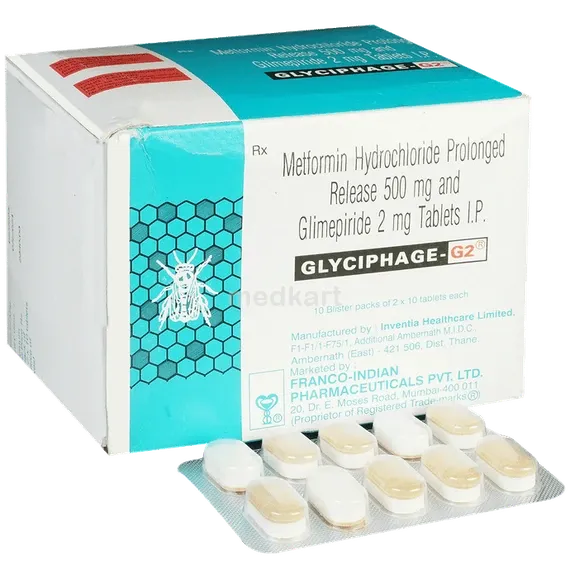
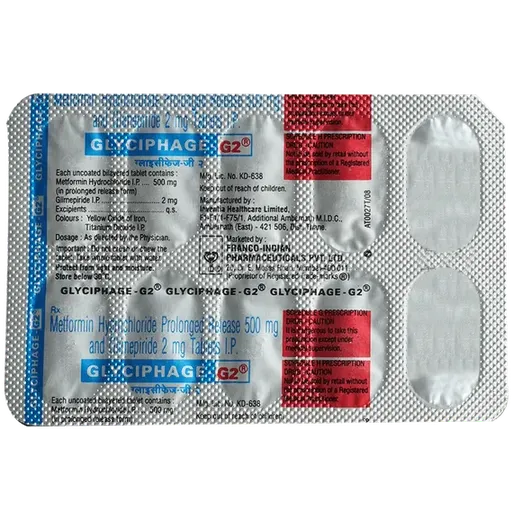
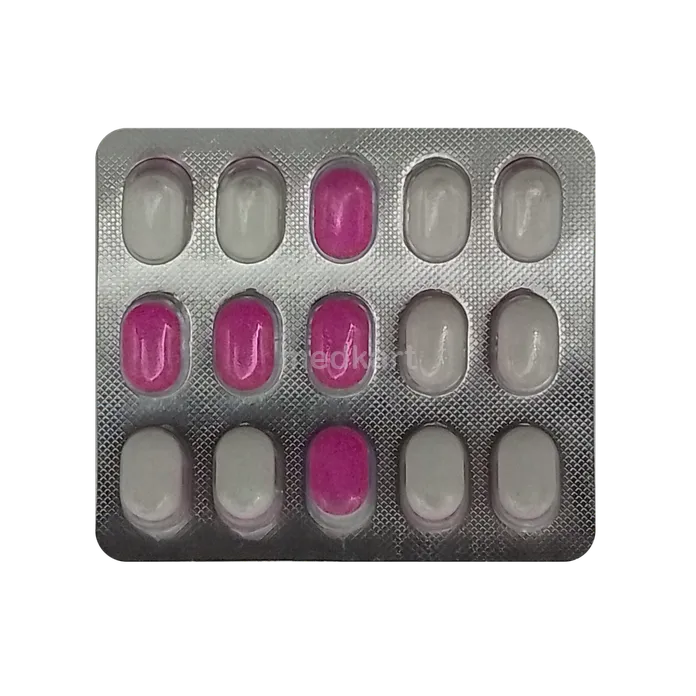
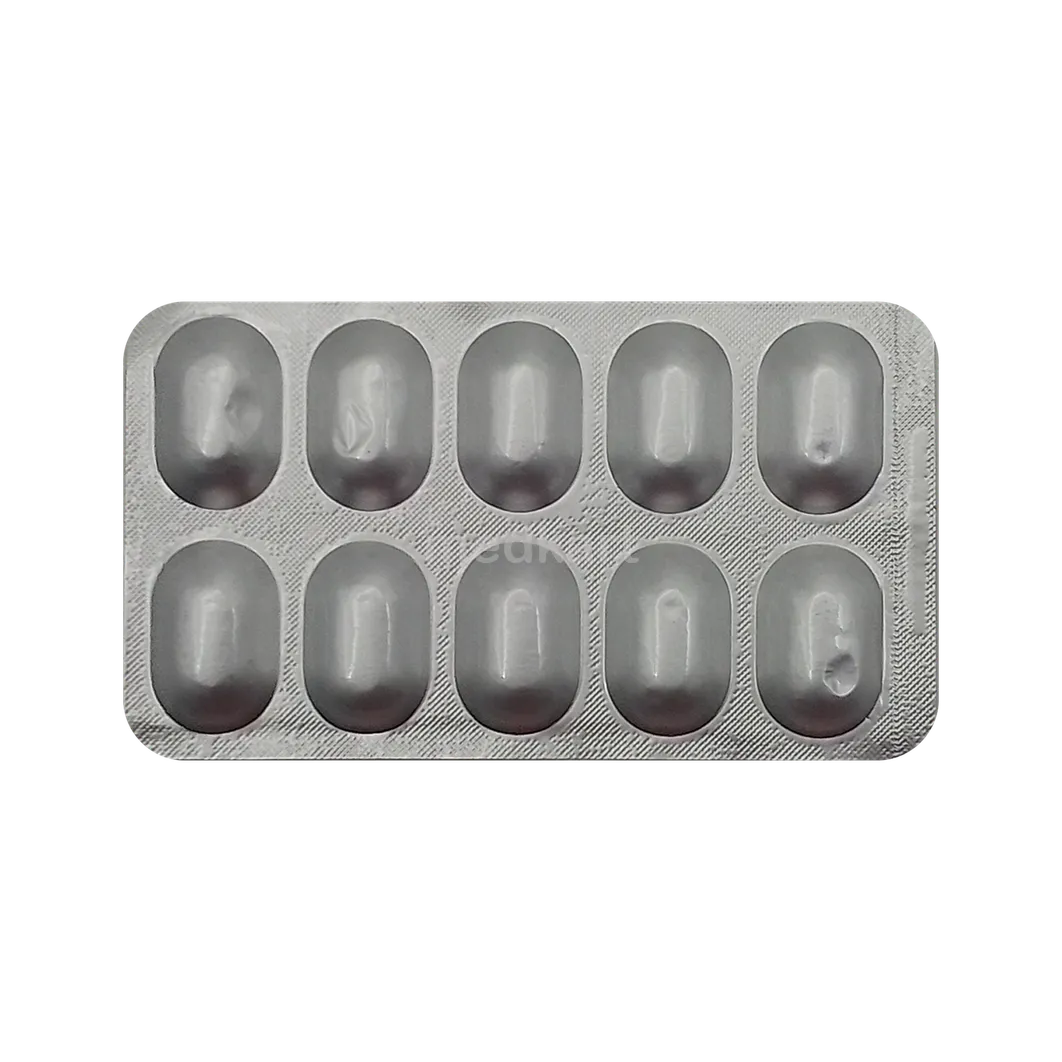
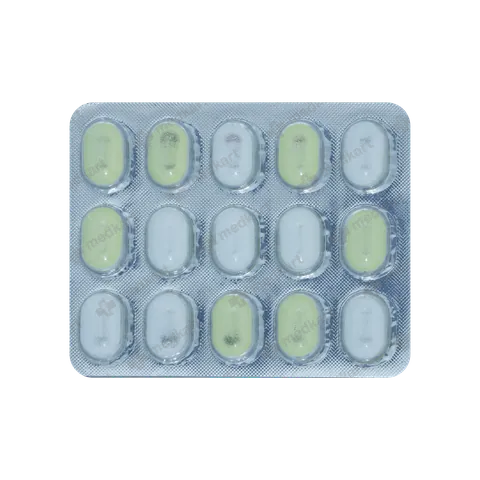
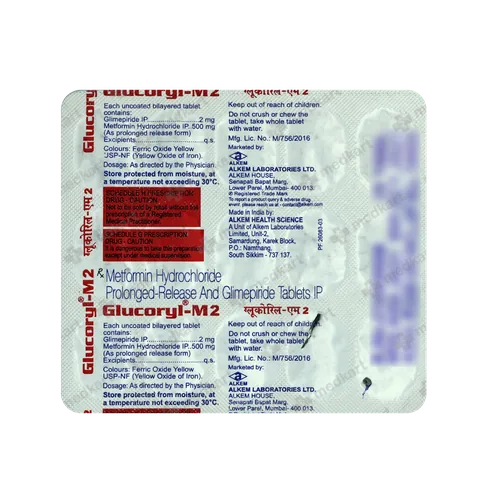
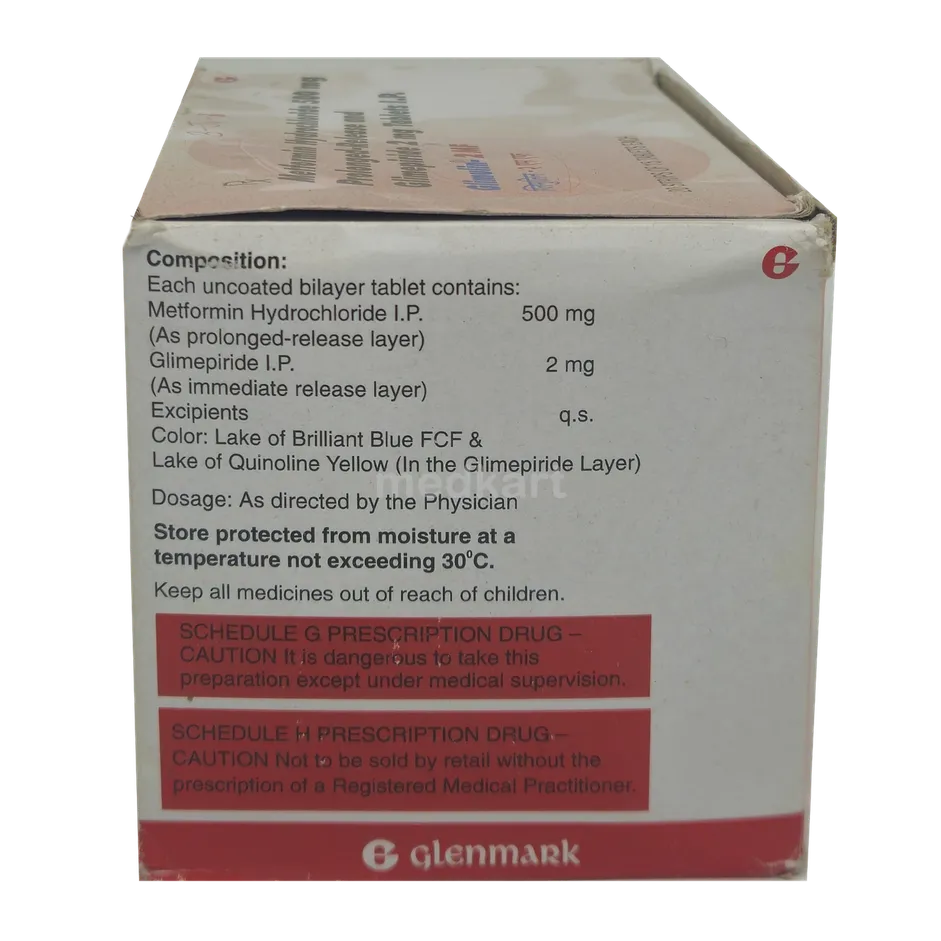
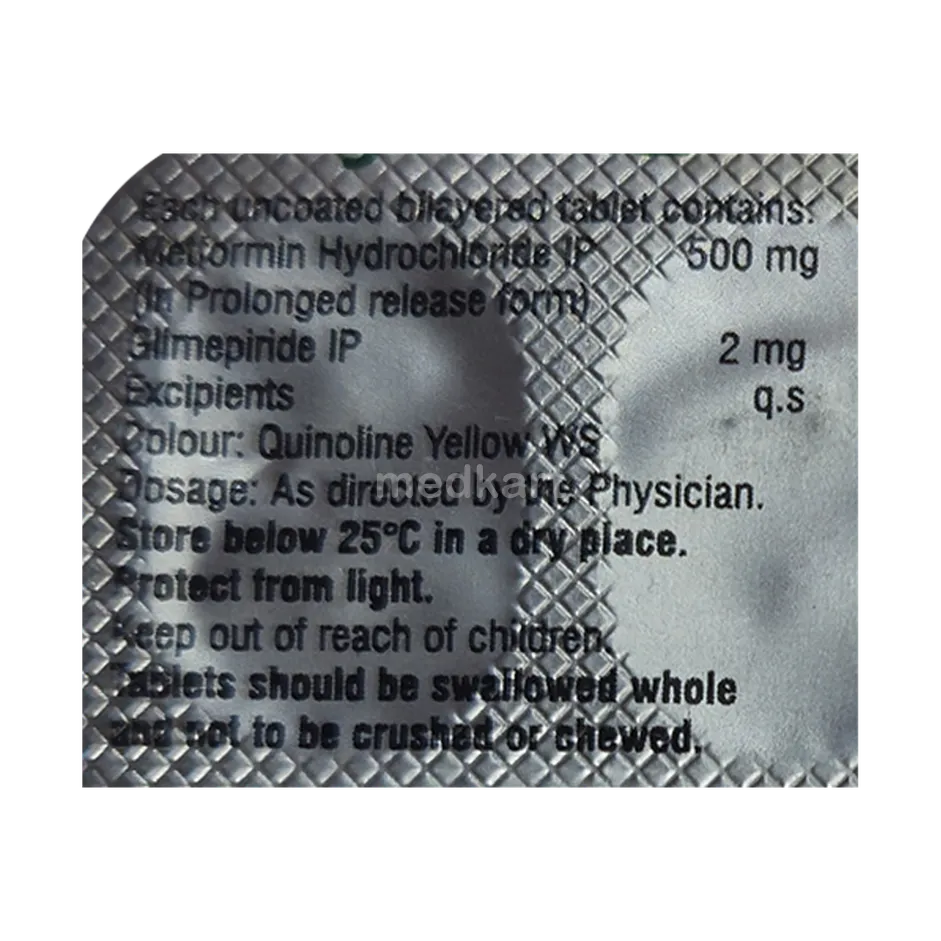
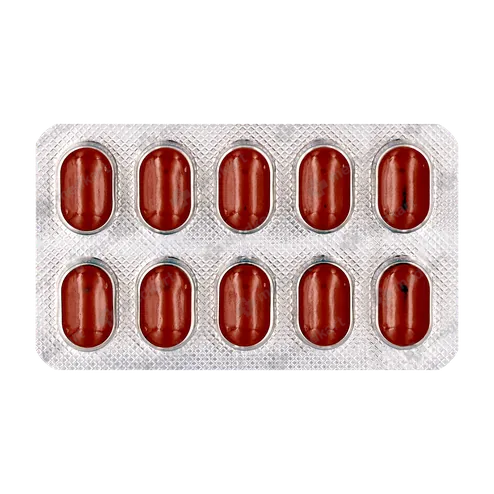
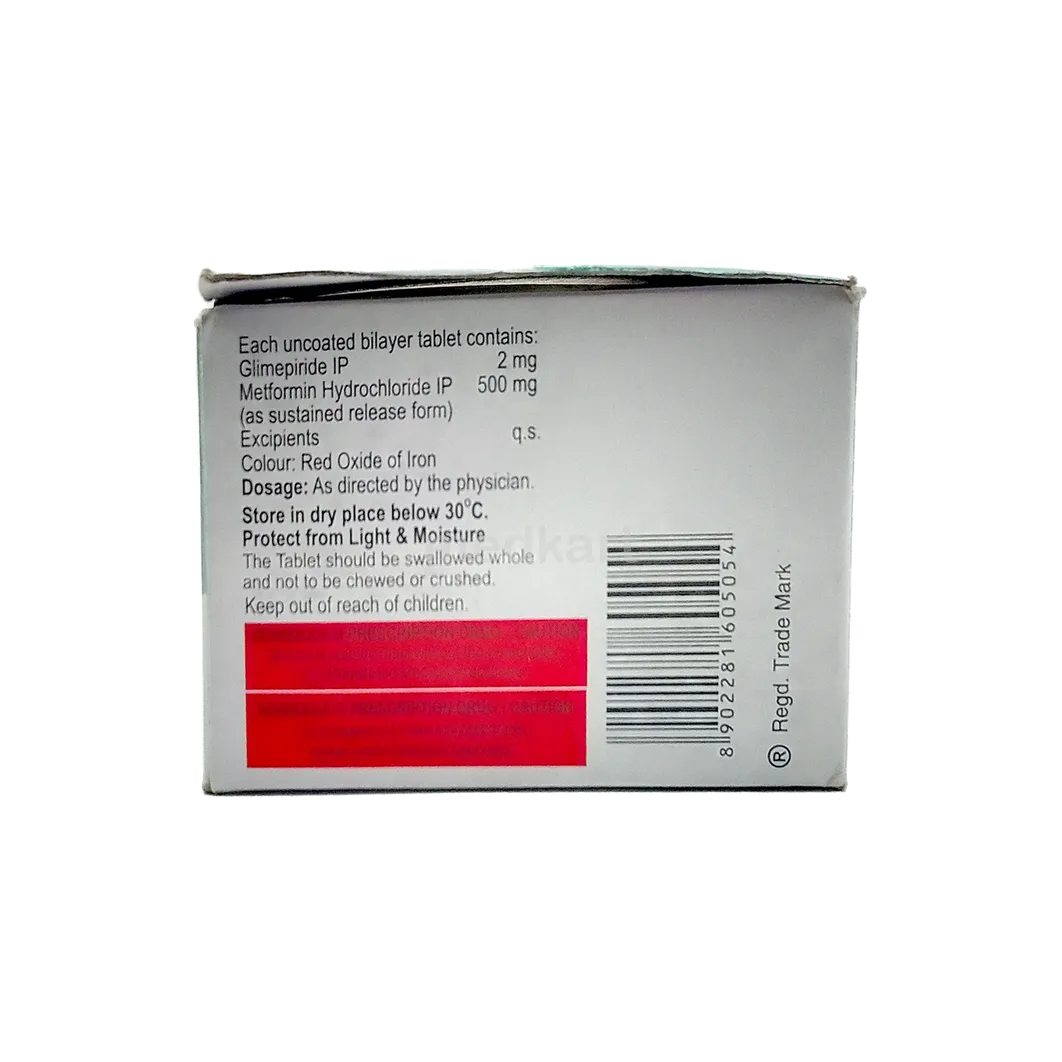
Glyciphage G 2MG Tablet 10's is used for management of type 2 diabetes mellitus alongside diet and exercise, alone or with other antidiabetic medicines; and first-line management of type 2 diabetes mellitus, usually alongside diet and exercise. Glyciphage G 2MG Tablet 10's contains Glimepiride 2 MG + Metformin Hydrochloride 500 MG Sustained Release. Always use Glyciphage G 2MG Tablet 10's as advised by your doctor.
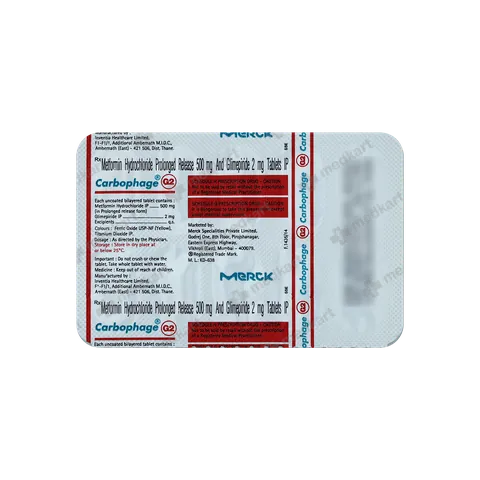
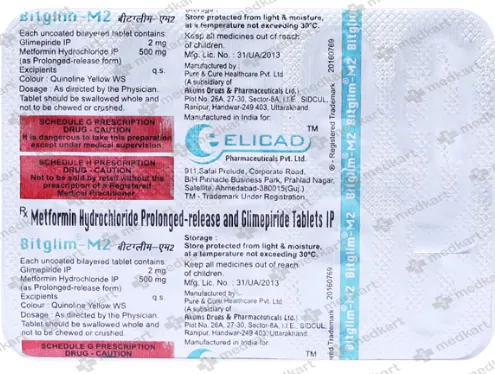
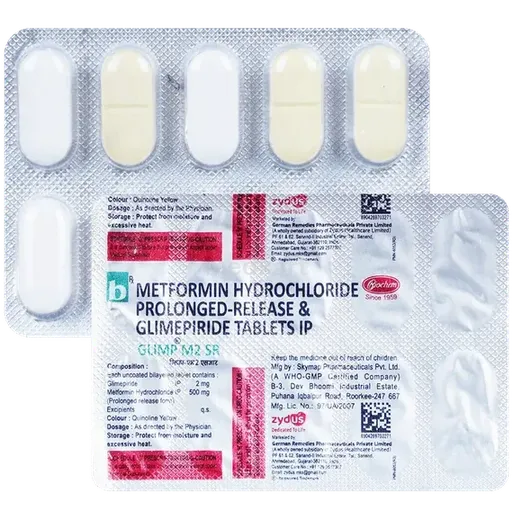
Glyciphage G 2MG Tablet 10's contains Glimepiride 2 MG + Metformin Hydrochloride 500 MG Sustained Release. It is a sulfonylurea antidiabetic; and biguanide antidiabetic.
Commonly reported side effects of Glyciphage G 2MG Tablet 10's include hypoglycaemia (low blood sugar), weight gain, nausea, headache, dizziness; and diarrhoea, nausea, abdominal discomfort, metallic taste, loss of appetite — often improve with time or when taken with food. Not everyone gets side effects. Tell your doctor or pharmacist if any effect persists or worries you.
Glyciphage G 2MG Tablet 10's is listed at Rs. 118.31 on Medkart. Prices can change — check the product page for the current price and pack size.
Hypoglycaemia can be prolonged and serious, especially in the elderly, with kidney impairment, missed meals or alcohol; and Rare but serious risk of lactic acidosis, particularly with kidney impairment, dehydration, acute illness or excess alcohol. Tell your doctor about all other medicines you take before starting Glyciphage G 2MG Tablet 10's.
The dose of Glyciphage G 2MG Tablet 10's depends on your condition, age, weight and other medicines you take, so it must be decided by your doctor. Follow the dose and duration on your prescription and do not change it on your own.
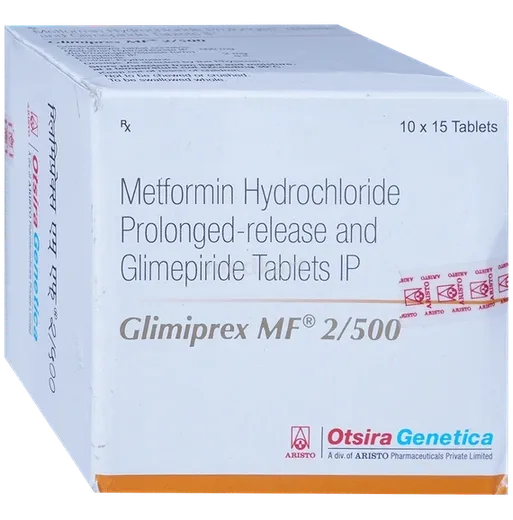
A generic medicine is one with the same active composition as the branded product — for Glyciphage G 2MG Tablet 10's that is Glimepiride 2 MG + Metformin Hydrochloride 500 MG Sustained Release. Medkart lists generic options by composition so you can compare. Ask your doctor or pharmacist before switching from Glyciphage G 2MG Tablet 10's.
Glyciphage G 2MG Tablet 10's contains Glimepiride 2 MG + Metformin Hydrochloride 500 MG Sustained Release, a sulfonylurea antidiabetic; and biguanide antidiabetic. It is used for management of type 2 diabetes mellitus alongside diet and exercise, alone or with other antidiabetic medicines.
Yes. Glyciphage G 2MG Tablet 10's requires a valid doctor's prescription.
Glyciphage G 2MG Tablet 10's is manufactured by Franco-indian Pharmaceuticals Pvt Ltd.
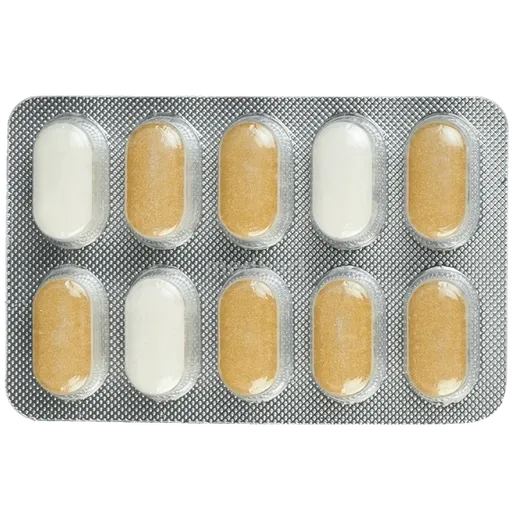
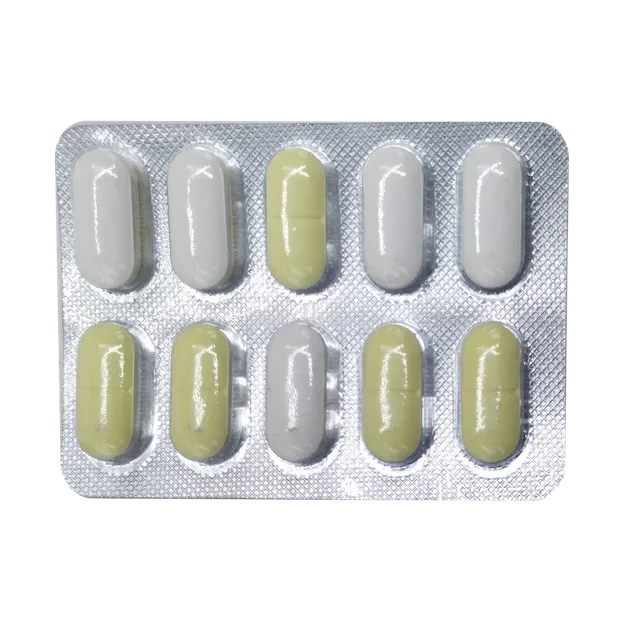
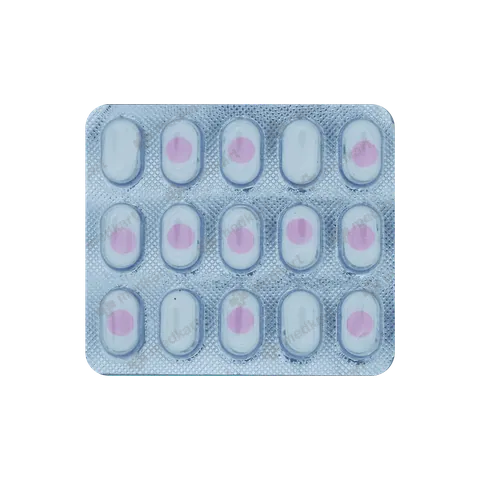
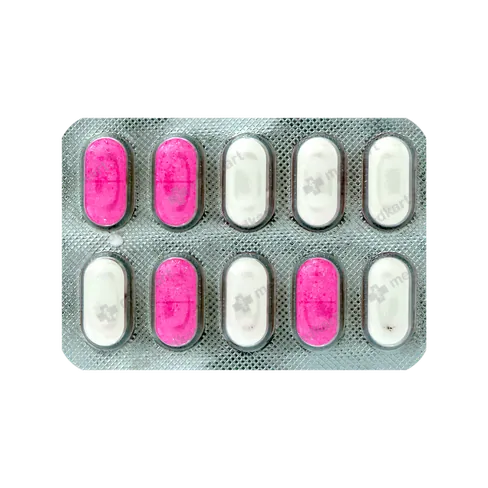
Glyciphage G 2MG Tablet 10's is supplied as a tablet and is taken by the oral route.
Glyciphage G 2MG Tablet 10's contains Glimepiride 2 MG + Metformin Hydrochloride 500 MG Sustained Release. It is used for management of type 2 diabetes mellitus alongside diet and exercise, alone or with other antidiabetic medicines; and first-line management of type 2 diabetes mellitus, usually alongside diet and exercise. The benefit you get depends on the condition your doctor prescribed Glyciphage G 2MG Tablet 10's for.
Whether Glyciphage G 2MG Tablet 10's can be taken daily, and for how long, depends on your condition and must be decided by your doctor. Do not start, extend or repeat a course of Glyciphage G 2MG Tablet 10's on your own.
The timing of Glyciphage G 2MG Tablet 10's depends on the dose your doctor prescribes and on the other medicines you take. Follow the timing on your prescription or ask your pharmacist.
No. Glyciphage G 2MG Tablet 10's is a prescription medicine and should only be taken on a doctor's advice.
Do not take Glyciphage G 2MG Tablet 10's during pregnancy or while breastfeeding without asking your doctor. Safety depends on the medicine, the stage of pregnancy and your own health.
Check with your doctor before drinking alcohol while taking Glyciphage G 2MG Tablet 10's. Alcohol can add to side effects such as drowsiness and can affect how some medicines work.
Store Glyciphage G 2MG Tablet 10's in its original pack, below 25°C unless the pack states otherwise, away from direct sunlight and moisture, and out of the reach of children. Do not use it after the expiry date on the pack.


Best medicines at best prices, thanks medkart
Ajay Varghese
•
Reviewed on 05-08-2023

(5/5)
Geniune medicines available at good discounts
Vaishali Parikh
•
Reviewed on 05-12-2022
(5/5)
Nice experience, always!
Ashutosh Buch
•
Reviewed on 24-02-2023
(5/5)
Medicines at affordable and discounted rates... Good service...
George Thomas
•
Reviewed on 24-01-2024
(5/5)
Good prices provided by medkart and staff behaviour is also good.
gajanand sharma
•
Reviewed on 23-06-2023
(5/5)
FRANCO-INDIAN PHARMACEUTICALS PVT LTD
Country of Origin -
India
Medkart's sole intention is to ensure that its consumers get information that is expert-reviewed, accurate and trustworthy. However, the information contained herein should NOT be used as a substitute for the advice of a qualified physician. The information provided here is for informational purposes only. This may not cover everything about particular health conditions, medicines, generic alternatives, all possible side effects, drug interactions, warnings, alerts, lab tests, etc. Please consult your doctor and discuss all your queries related to any disease or medicine. We intend to support, not replace, the doctor-patient relationship.
10 Lakh+
Happy customers
35000+
Pin-codes Covered
75 Lakh+
Orders Delivered

Authentic Products
All WHO-GMP Certified Medicines






©2025 Medkart Pharmacy. All Rights Reserved




























 10's_1.webp)